







Search Results for: either

Latte Recipe | Can You Add Ice to a Hot Latte? What Makes a Latte Both Bitter and Weak? How to Adjust Extraction Parameters to Make a Delicious Latte?
I'm not sure if everyone remembers the first time they had a latte—many people probably have long since forgotten—but Front Street Coffee still remembers it vividly. The first glimpse of the delicate latte art was immediately eye-catching; a small sip revealed the faintly sweet aroma and hint of bitterness released by the crema, and by the second sip, the earlier intense bitterness had transformed into [more…]

How to Adjust Espresso Grind? A Practical Guide to Judging Grinder Fineness from Extraction Time
Got an espresso grinder and espresso machine, but always stuck at the espresso dialing-in step? Either it sprays everywhere or nothing comes out, either it's too sour or too bitter. The problem often lies in the grind size. Espresso is a pressurized fast extraction, releasing a large amount of aromatic compounds within twenty to thirty seconds, so any subtle change gets amplified. Relying on the grinder setting alone is far from enough—you also need to judge based on the extraction state. This article, drawing on Front Street Coffee's daily production experience, explains how to quickly find the right grind range for a bag of beans through extraction time, brew ratio, and flavor performance, and provides fine-tuning directions and practical advice. [more…]
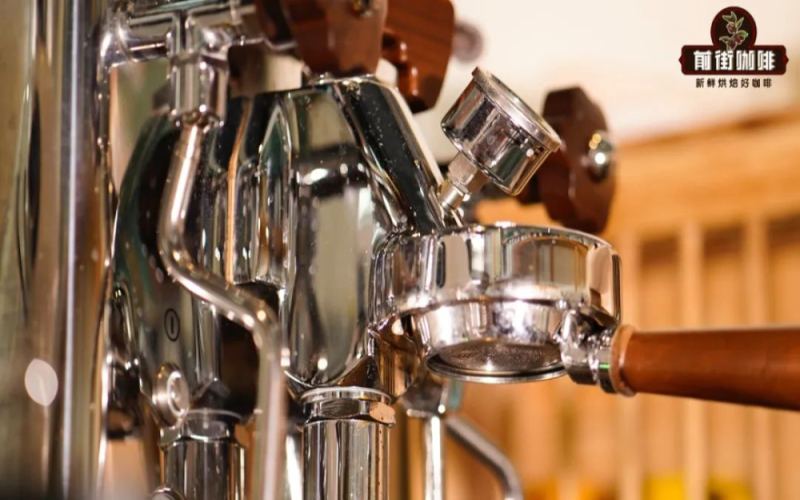
Daily Maintenance Guide for Espresso Machines: Detailed Explanation of Correct Cleaning Steps for the Dispersion Screen and Steam Wand
If a home espresso machine is neglected for a long time, extraction quality will gradually decline and may even lead to malfunctions. Using hands-on operation as an example, this article systematically explains how to clean the key parts of a coffee machine. It covers the simple rinsing and deep backflushing process for the dispersion screen, techniques for wiping the steam wand surface and soaking the tip, and key points for cleaning the portafilter spout area. Through regular maintenance, you can effectively extend the machine's lifespan and avoid costly repairs. The steps in the article are clear and suitable for coffee enthusiasts to follow on their own. [more…]
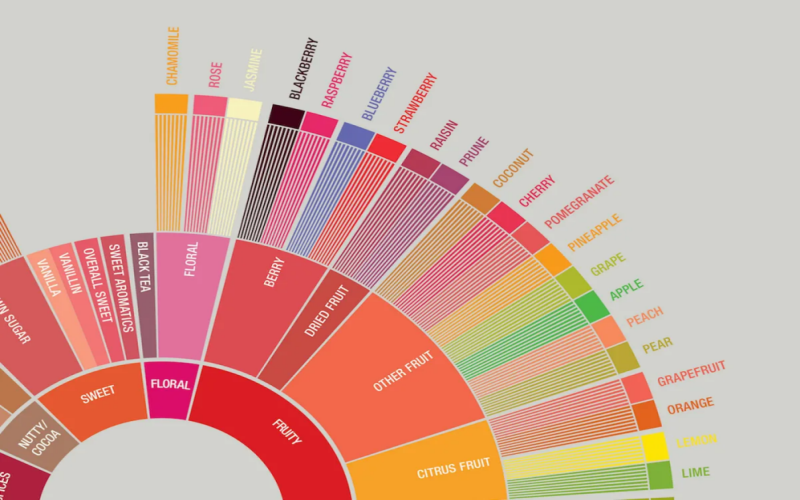
How to bring out a juicy, fruit-like quality in pour-over coffee? Front Street shares Kenyan bean extraction methods and practical tips.
Many coffee enthusiasts often run into a puzzle after buying coffee beans described as having fruity flavors: when brewing at home, they either over-extract and end up with a bitter, undrinkable cup, or the acidity is thin and lacks any complexity. Front Street Coffee has received similar feedback, and so has offered specific advice on how to brew a cup with a juicy mouthfeel. This article will use Kenyan coffee beans as an example, starting with grinding, water temperature, pouring technique, and other steps, to systematically introduce pour-over extraction techniques that will help you recreate a full, bright, juice-like flavor experience at home. [more…]
Electrolux ECM4100 Drip Coffee Maker Review: A Home Brewing Guide with Geisha Coffee Beans
Among home coffee machines, drip models are favored by many enthusiasts for their simple operation and quick brewing. The Electrolux ECM4100, as a fully featured drip coffee machine, is equipped with digital smart controls, an LCD display, an adjustable grinder, and an activated carbon water filtration tank. It can use either coffee beans or directly added ground coffee, and also supports scheduled brewing and a small-cup rich flavor mode. To get the ideal results from this machine, Front Street believes the choice of coffee beans is crucial. This article will review the main specifications and functions of the ECM4100, and recommend Geisha coffee beans suitable for home use, including Front Street Granja Estate Geisha and Front Street Geisha SOE, helping readers find a pairing that offers both floral and fruity notes and sweetness. [more…]
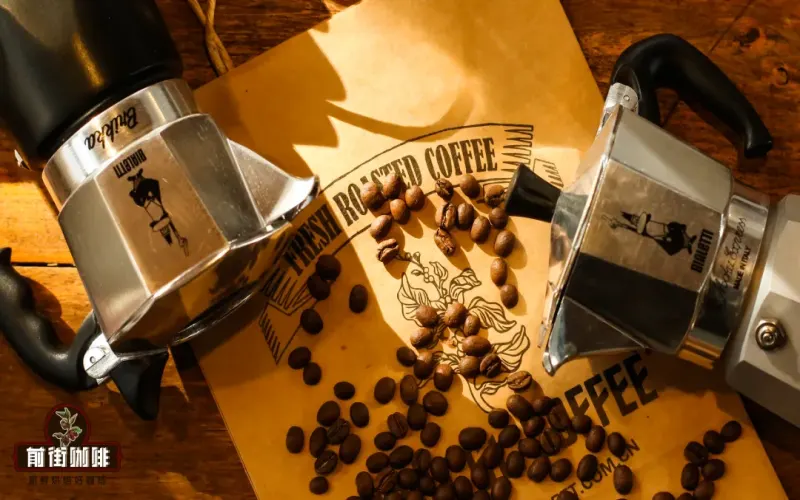
How to Choose Coffee Beans for a Moka Pot? A Detailed Guide to Grind Size and Coffee Dose Parameters, a Must-Read Guide for Making Milk Coffee
What coffee beans should be paired with a moka pot? How fine should the grind be, and how much coffee grounds should be used? If you want to make milk coffee, what parameters and ratios should you use? This article provides bean selection directions and extraction suggestions for different drinking needs. For milk coffee, it is recommended to prioritize medium-dark roasted espresso blends, which have a rich, caramelized aroma and abundant crema—Front Street Coffee Classic Blend and Commercial Blend are both great entry-level choices; for black coffee, you can choose either a full-bodied or a floral-fruity single-origin bean according to your preference. As for grinding, milk coffee requires an extra-fine grind and a coffee-to-water ratio of about 1:4 to boost intensity; black coffee can use a 1:6 ratio with a coarser grind, making it more flexible to work with. [more…]
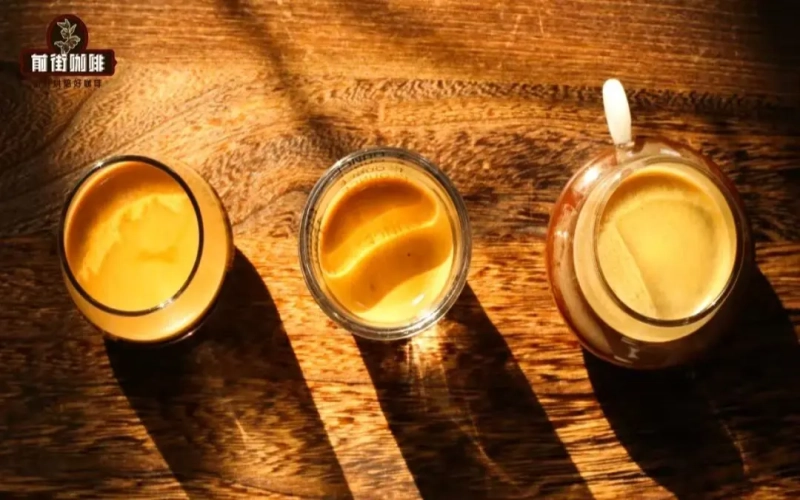
What exactly is the difference between ristretto, espresso, and lungo? The three espresso extraction types and why cafés rarely offer certain options
Many coffee enthusiasts have heard of the three terms "original extraction," "fine extraction," and "full extraction," but are not quite clear on what exactly distinguishes them, nor why these options are almost never seen in specialty coffee shops. In fact, they correspond respectively to Normale, Ristretto, and Lungo in espresso—that is, regular espresso, short-extraction espresso, and long-extraction espresso. The core differences among the three center on concentration and flavor expression: different brew ratios lead to changes in the extracted coffee's concentration and extraction yield. This article uses Front Street Espresso Blend · Strawberry Candy Espresso as an example to break down the extraction parameters and flavor characteristics of the three espressos one by one, and explains why specialty coffee shops rarely offer multiple espresso type choices—this involves both the practical difficulty of grind size adjustment and the compatibility of different espressos in milk coffee. [more…]

Why Does Removing Ice from a Latte Affect Flavor? Is It Feasible to Add Ice to a Hot Latte? A Detailed Explanation of Key Latte-Making Points
Can a latte be ordered without ice? Can ice cubes be added to a hot latte? These seemingly simple questions actually involve the ratio of milk to coffee, the extraction state of the espresso, and the control of milk temperature. Starting from the fixed ratio of a good latte, Front Street Coffee analyzes how removing or adding ice affects the flavor, and systematically sorts out the causes and solutions for the three common problems of lattes: too bitter, too watery, and both bitter and bland. Whether you are a beginner just starting out or a veteran looking to produce consistent results, you can find practical directions for adjustment. [more…]
Coffee Combo Full Analysis: The Pairing Logic of One Bean, Multiple Drinks, Suitable Bean Types, and Latte and Espresso Requirements
In recent years, coffee combos have become increasingly common in the specialty coffee scene, but many people find in practice that the combinations made with their own beans either turn out bitter as an americano or bland as a latte, making it hard to achieve an ideal balance. What kind of coffee beans are actually suitable for making a combo? What considerations go into the espresso used for a latte? From the perspective of Front Street, this article systematically sorts out the concept of the combo, the approach to bean selection, and key points for serving, helping coffee enthusiasts understand this "one bean, multiple drinks" pairing logic, so that the same bean can show its proper layers of flavor in both black coffee and milk coffee. [more…]
Why is a latte not suitable for removing the ice? Is it okay to add ice cubes to hot coffee—hot coffee with fresh milk actually only has a room-temperature mouthfeel.
Many people's memory of their first latte has already faded, but Front Street Coffee still remembers the surprise brought by that cup of latte with exquisite latte art: the first sip carries the slight sweetness and bitter notes of the crema, the second sip turns mellow and delicate, forming just the right balance with the light sweetness of hot milk, and the finish still carries a creamy chocolate-like aftertaste. A good cup of latte cannot do without the fixed ratio of milk to coffee. An iced latte, once the ice is removed, often has the gap filled with milk, and the coffee flavor becomes weaker as a result; a hot latte is already made at the perfect ratio with the milk temperature properly controlled, so it is naturally not suitable to add ice cubes. This article centers on the latte recipe, analyzing the causes of common problems such as being too bitter, too watery, or both bitter and weak, and provides the practical parameters and adjustment ideas from Front Street Coffee's stores. [more…]
How to Choose Beginner Coffee Beans? Flavor and Origin Analysis of Five Specialty Coffees Suitable for Novice Practice
Friends who are new to coffee can easily fall into the trap of judging quality by price when buying coffee beans, and the result is often either a brewing disaster or flavors that don't suit their taste. In fact, at the beginner stage, what matters more is finding a bag of everyday beans that can help you practice your brewing technique and build your tasting awareness. This article will sort out for novice friends five home specialty coffee beans with different styles. They come from different origins and estates, have a low brewing threshold, clear flavor distinctiveness, and are also friendly enough in price. At the same time, it will also share practical advice on coffee bean freshness preservation and purchasing channels, helping everyone avoid detours and drink a good cup of coffee at a lower cost. [more…]

How Is a White Mocha Different from a Mocha? A Comprehensive Analysis from Chocolate Formula to Calories
White mocha and mocha appear to differ by only a color, but in reality they are vastly different from the chocolate ingredients to the calorie content. White mocha uses white chocolate syrup to replace the dark chocolate in traditional mocha, resulting in a sweeter taste and higher calories. This article will introduce in detail the ingredients, preparation methods, flavor characteristics, as well as the origin stories and calorie differences of white mocha and mocha. Whether you prefer the rich flavor of dark chocolate or the sweet taste of white chocolate, you can find practical preparation references here. Front Street Coffee has also compiled detailed recipe ratios for you, so let's take a look. [more…]

Brewing Guide for Medium-Dark Roasted Coffee Beans: How to Extract a Balanced and Full-Bodied Flavor
Many coffee enthusiasts hope to drink a cup of coffee that is neither too sour nor too bitter, pursuing a balanced flavor and a rich, mellow mouthfeel. Medium-roast coffee beans happen to strike a balance between sweetness and acidity while offering a full-bodied mouthfeel, but brewing them well is no simple task. Starting from Front Street's growing experience and combining the characteristics of "Front Street 2013," a medium-roast Yunnan Typica bean, this article provides a detailed analysis of key parameters such as dripper selection, grind adjustment, and water temperature control, along with a complete brewing demonstration to help you easily make a cup of rich, aromatic, well-layered medium-roast coffee. [more…]
Bourbon Coffee | Is Bourbon an Arabica variety? What are the brewing flavor characteristics of Brazilian Yellow Bourbon and Rwandan Red Bourbon?
Recently, many customers buying beans at Front Street's offline stores have had very clear goals: they either specifically ask for Yellow Bourbon or Red Bourbon, or they want both together, and in very large quantities. You could say they are completely fixated on the Bourbon family. Their purpose is also very simple: they just want to compare what exactly is different between Bourbons of different colors. [more…]

How much does espresso tamping pressure affect extraction time? Front Street's actual comparison test results of 2kg, 5kg, and 20kg
Many people new to espresso think that the harder you tamp, the denser the puck becomes, the harder it is for hot water to pass through, and the longer the extraction time naturally gets; conversely, with a light tamp, the puck is loose, the flow is smooth, and the time shortens. This logic sounds reasonable, but what is the real situation? Front Street used the same medium-dark roasted espresso blend, tamping 20g of coffee grounds with 2kg, 5kg, and 20kg of force respectively, extracting at a 1:2 coffee-to-liquid ratio, and the extraction times were almost identical, with no obvious difference in flavor performance either. Why is this so? The core reason is that the 9bar pressure during espresso machine extraction, converted to a 58mm puck, is as high as about 243kg, far beyond what human tamping force can compare to. Even so, tamping force still affects the probability of channeling occurring. This article will combine experimental data to analyze the true relationship between tamping force and extraction, and explain why even tamping is more worthy of attention than hard tamping. [more…]

Heytea's Part-Time Employee Meal Policy Sparks Controversy: No Meals for Shifts Under 6 Hours, Shift Scheduling Manipulation Common
Around the Spring Festival, a large number of university students flocked to tea and coffee shops for part-time work, but a rule at Heytea about mealtimes sparked confusion among employees: they are not allowed to eat unless they have worked a full 6 hours, and if they want to eat, they must either have half an hour deducted from their work hours or volunteer to work overtime. Multiple Heytea part-time employees reported encountering similar or even harsher requirements, and some stores were found to deliberately cap work hours and shorten shifts. In the food and beverage industry, mealtimes are peak hours, so it is normal for workers to be unable to eat on time, but employees question whether the rule is reasonable, believing that management, under the pretext of controlling labor efficiency, is cutting work hours and forcing workers to labor almost without rest while starving. [more…]

A Beginner's Guide to Choosing Coffee Beans for Home Use: From Machine Characteristics to Pairing Tips with Front Street Coffee's Espresso Blend
Faced with the dazzling array of coffee machines on the market, many people notice that almost all the well-known brands come from abroad, which is not hard to understand—coffee machines originated overseas to begin with, and given the differences in drinking habits at home and abroad, households in China that actually use coffee machines frequently are still a minority. Currently, the top ten household coffee machine rankings include De'Longhi, Philips, Electrolux, Siemens, EUPA, Panasonic, Saeco, Braun, Donlim, ACA, and others. After choosing a machine, the more critical step is picking the right coffee beans. Choose the wrong beans, and they'll either be so sour they're hard to swallow with a thin aroma, or so bitter and harsh they assault the palate. For beginners who have just gotten their hands on a coffee machine, starting with the entry-level Front Street espresso series is a fairly safe approach: if you prefer rich crema, go for the Front Street Classic Blend; if you're after balanced flavor and high value for money, go for the Front Street Black Cocoa Blend; and if you don't want anything too bitter, you can try the medium-roast Front Street Strawberry Candy espresso blend, which offers interwoven notes of rose, grape, and dried blueberry. [more…]

How to Make a Delicious Coconut Americano? A Full Guide to Choosing Coconut Water and Coffee Beans, and Extraction Ratios
A coconut Americano may seem like it just needs espresso and coconut water, but many people find that when they make it at home, the taste is always off—either too sour or too bitter. In fact, the problem often lies in the choice of ingredients, the roast level of the coffee beans, and the extraction ratio. Based on Front Street Coffee's hands-on experience, this article explains in detail how to choose the right coconut water, match coffee beans with different flavor profiles, and adjust espresso extraction parameters to reduce bitterness. It also provides specific dose-to-yield ratios and mixing proportions, and recommends products such as Front Street Coffee Strawberry Candy Geisha Blend and Front Street Coffee Classic Italian Blend, helping you make a smooth, mellow, and aromatic coconut Americano at home. [more…]

How to make delicious lattes with different cup sizes? A complete adjustment approach from coffee-to-water ratio to milk pairing
When recreating a coffee shop latte at home, many people find that the taste is either too weak or too strong, but the problem often lies in the ratio of coffee to milk. Using Front Street's 300ml latte as a baseline, this article shares two approaches for adjusting cup size: one is to keep the ratio unchanged and adjust the dose and grind size in tandem; the other is to switch milk type or the number of espresso shots to suit different volumes. Whether you want to make a small cup or a large cup, the key is to rebalance the coffee strength and the amount of milk, rather than simply adding or reducing milk. [more…]
Homecoming Coffee Guide for Chinese New Year: Without Chain Stores or Delivery, How Coffee Lovers Can Make a Cup of Life-Saving Coffee at Home
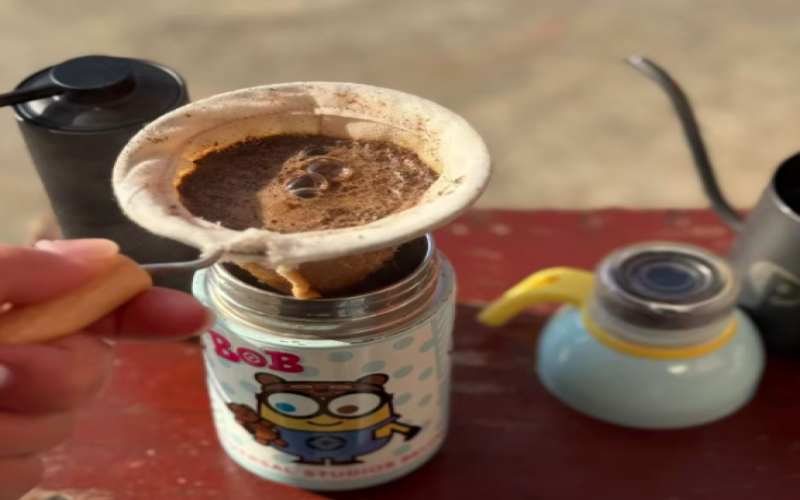
Returning home for the Spring Festival, for early-risers accustomed to a daily cup of coffee, the biggest challenge may not be snagging a train ticket, but discovering after arriving in the village that no Luckin or Cotti can be found on delivery platforms. Faced with the predicament of no chain brands and no delivery service, coffee lovers each find their own way: some stuff their suitcases full of drip bags and coffee beans in advance, some balance a large pair of scissors on a gas stove to brew with a moka pot, some use a bowl and chopsticks to prop up a drip bag, and some even pour water directly from a thermos. This article compiles various DIY tricks for the coffee-loving city dwellers returning to their hometowns, from tool substitutes to technique adjustments, so you can still enjoy a tasty cup of coffee in the countryside despite limited conditions. [more…]