








Where do they grow coffee beans for a balanced medium roast?
A balanced cup that is neither sharply sour nor heavily bitter usually comes from medium roasting, which leaves a little acidity in the bean without burying it under bitterness. Getting that result depends less on the bean alone and more on dripper choice, grind setting, and water temperature during brewing.
One example is a medium-roast Typica planted in Yunnan in 2013, where coffee trees first gave a good harvest only from 2020 onward. The grower learned that variety, growing environment, and processing method all matter, and the traditionally processed lot is used to demonstrate a full brewing routine for even extraction.
Many coffee lovers hope to drink a cup of coffee that is neither too sour nor too bitter, pursuing a balanced flavor and a rich, smooth mouthfeel. Medium-roast coffee beans happen to strike a balance between acidity and sweetness while offering a full body, but brewing them well is no simple task. Drawing on Front Street's growing experience and the characteristics of "Front Street 2013," a medium-roast Yunnan Typica, this article breaks down key parameters such as dripper selection, grind adjustment, and water temperature control, and includes a complete brewing demonstration to help you easily make a cup of rich, smooth, layered medium-roast coffee.

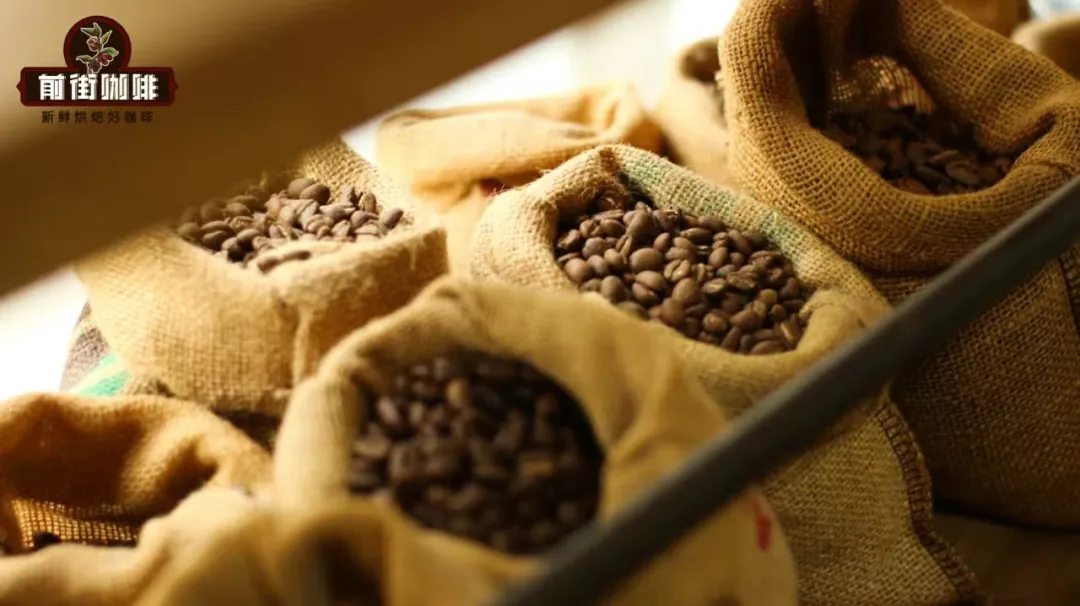
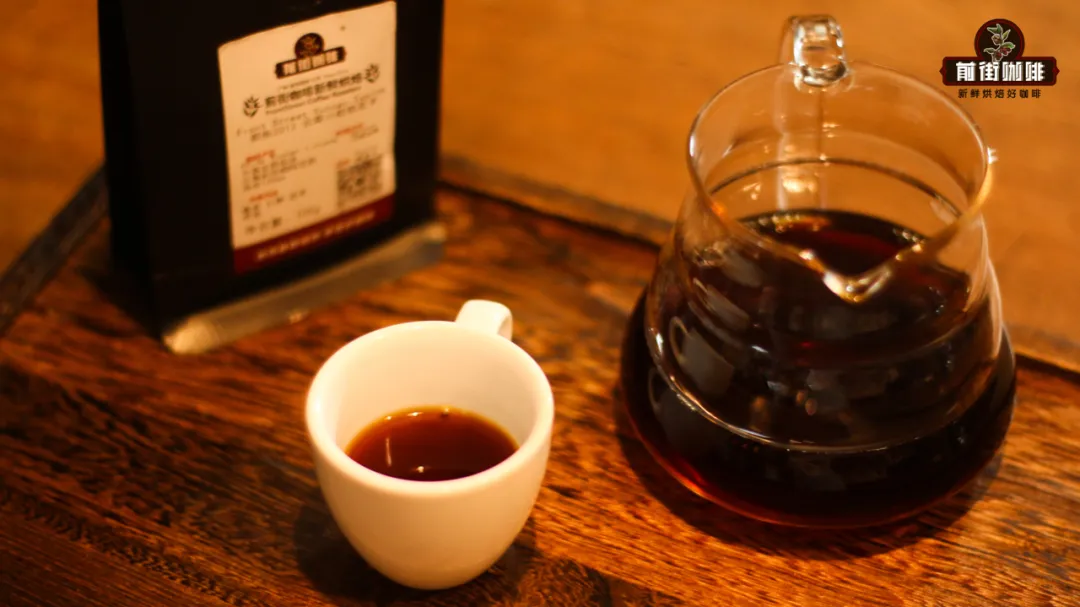
"I don't really like coffee that's too sour, and I don't want it too bitter either—are there any beans you'd recommend?" This is a question Front Street often encounters when selling coffee beans. After all, not everyone can accept the extreme flavors of light or dark roasts—either sharply sour or intensely bitter. These people tend to prefer coffee with harmonious, well-balanced flavors, and such coffee usually comes with higher sweetness. So Front Street generally suggests they try medium-roast coffee beans.
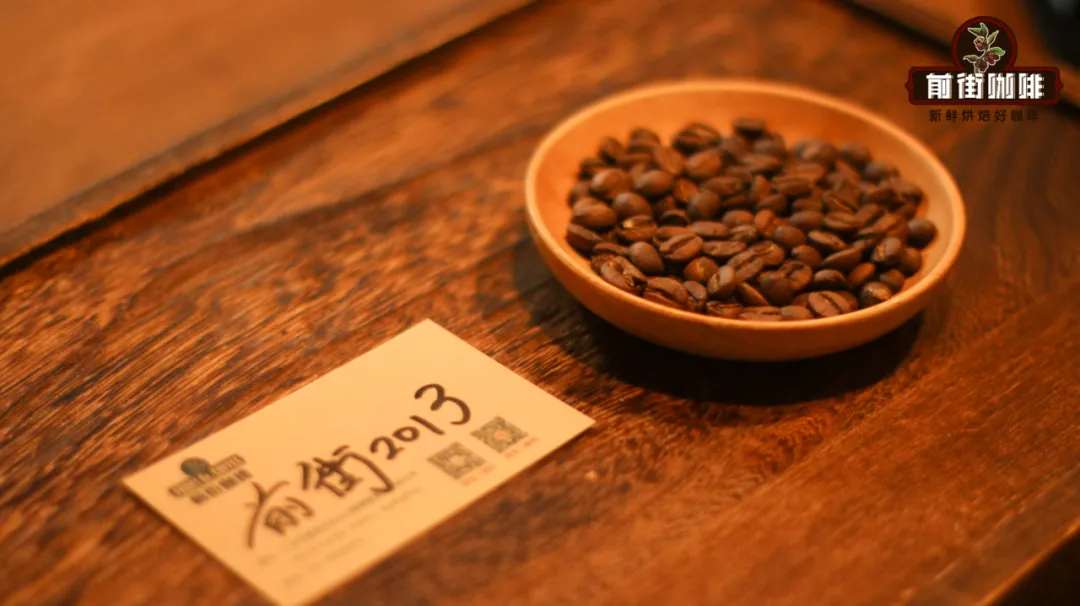
The reason is that medium roasting doesn't completely break down the acidic compounds in the beans. The small amount of acidity that remains keeps the coffee from being left with nothing but monotonous bitterness, while it also isn't so sour as to make you frown—presenting a soft, balanced flavor overall. On Front Street's bean list, "Front Street 2013" is a rather excellent traditionally processed medium-roast bean.
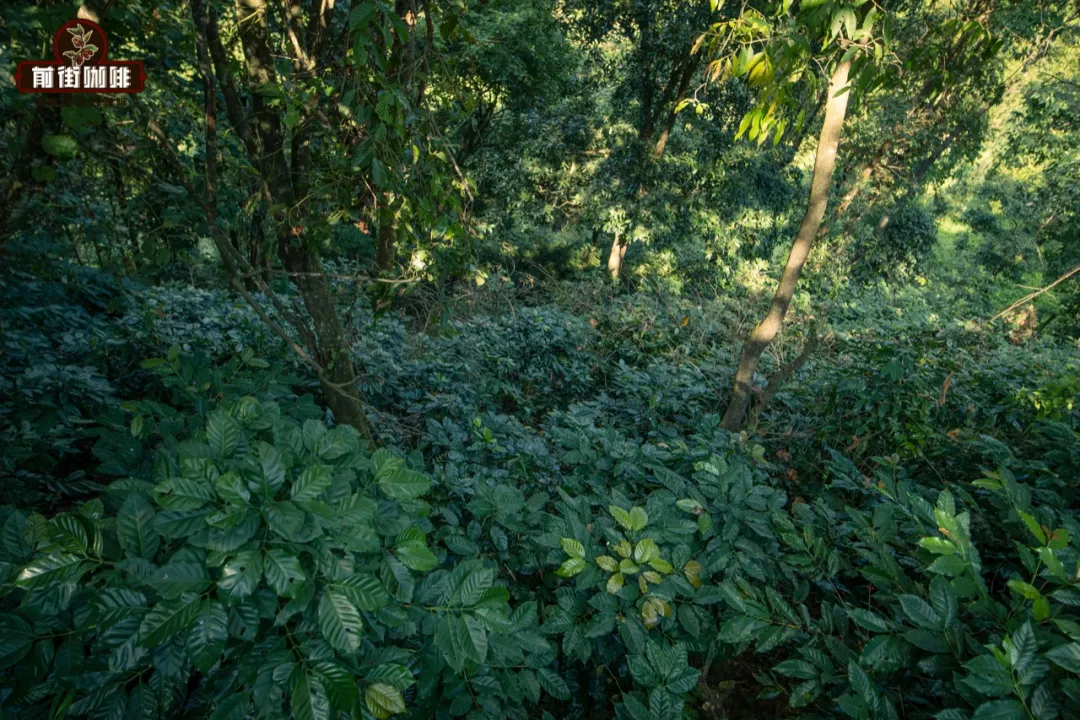
"Front Street 2013" is a Typica that Front Street planted in Yunnan in 2013. Front Street originally began growing coffee out of a desire to understand coffee cultivation and green bean knowledge more deeply, so it first trial-planted Catimor for half a year in a place called "Dazhen."
As our understanding of coffee deepened, we gradually came to understand that to grow delicious specialty coffee, variety, growing environment, and processing method are all indispensable. So before long, Front Street established a plantation in Yunnan and planted its first batch of Typica.
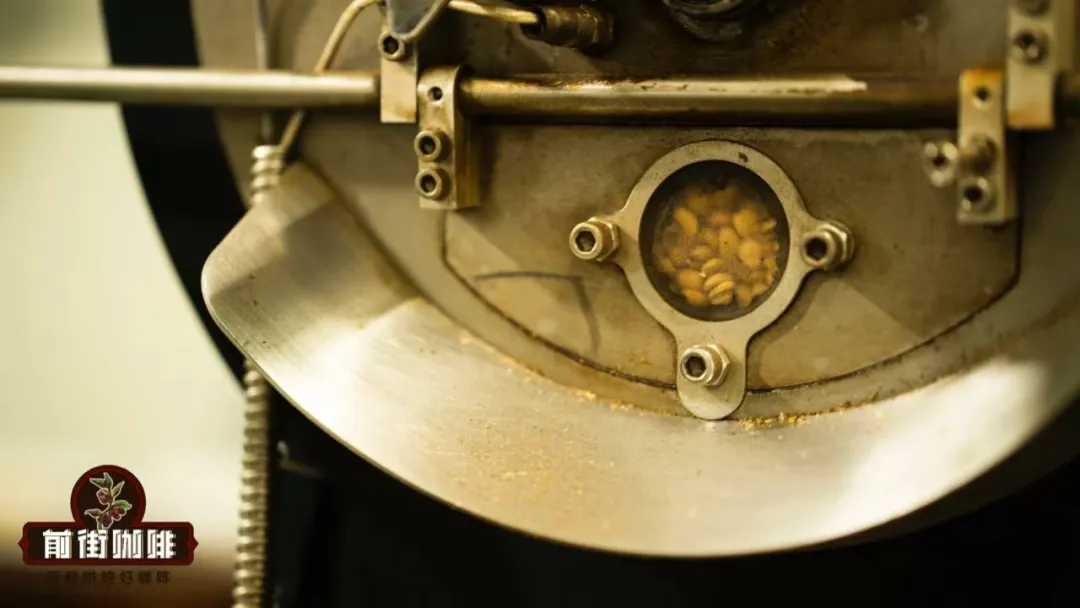
It was only from 2020 onward that this batch of coffee trees, planted in 2013, finally yielded a good harvest. In terms of processing, Front Street wanted to preserve the local terroir of Yunnan as much as possible, so it adopted traditional natural processing. For roasting, Front Street chose a medium roast level for this bean, allowing the coffee to retain its original flavors while presenting an even better, richer mouthfeel.
But you should know that brewing a good cup of medium-roast coffee is not that easy! Brewing medium-roast coffee beans is like its flavor—it requires a balanced, gentle approach to extraction. Otherwise, you'll either end up with a thin mouthfeel from under-extraction, or a bitterly over-extracted cup where you can't taste that balanced acidity, sweetness, and bitterness with a rich, smooth mouthfeel at all.
No worries—today Front Street will share what parameters and brewing techniques to use to get a cup of medium-roast coffee with intense aroma, a rich mouthfeel, and balanced flavor!
Brewing Recommendations
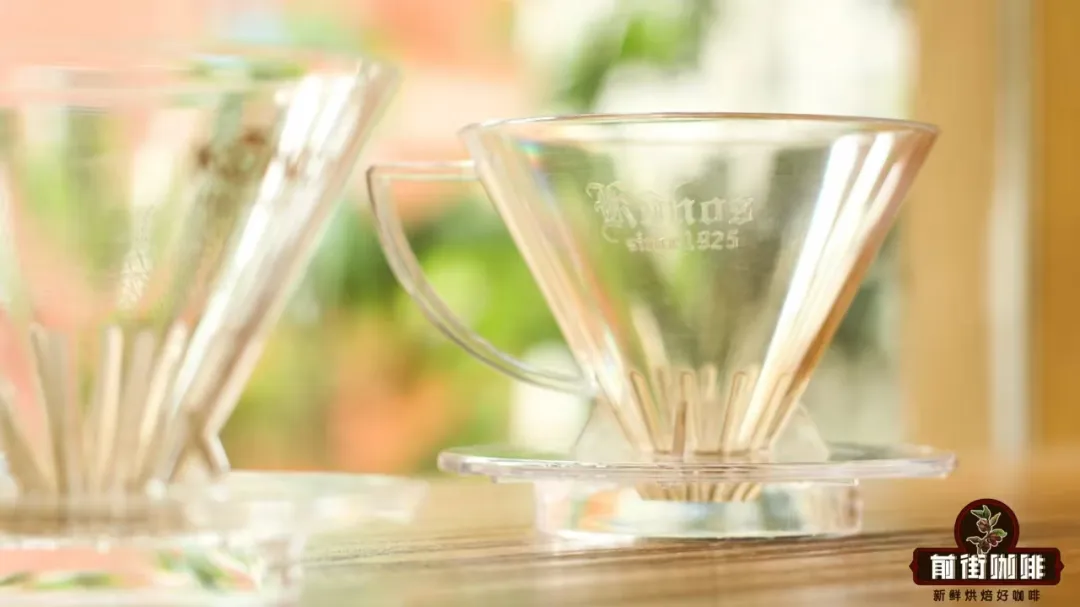
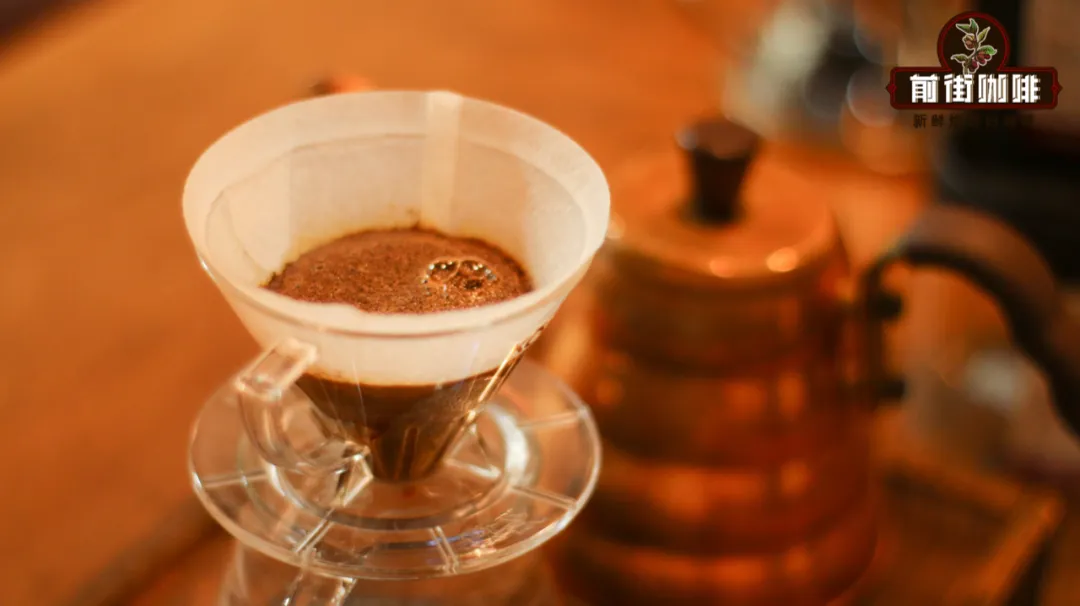
For dripper selection, Front Street recommends using a slower-flow dripper. Because medium-roast coffee beans have a higher expansion rate, the flow-through speed tends to be faster. So we need a slow-flow dripper like the Kono to extend the contact time between water and grounds, making it easier to brew a rich, full-bodied cup.
For grinding, since medium roasting gives the beans greater brittleness than light roasting, at the same grinder setting medium-roast beans produce finer particles than light-roast beans. So we need to grind coarser to make the particles larger and reduce the resistance of the coffee bed to the flow rate. (If you're using a V60 dripper to brew, then there's no need to grind coarser~)
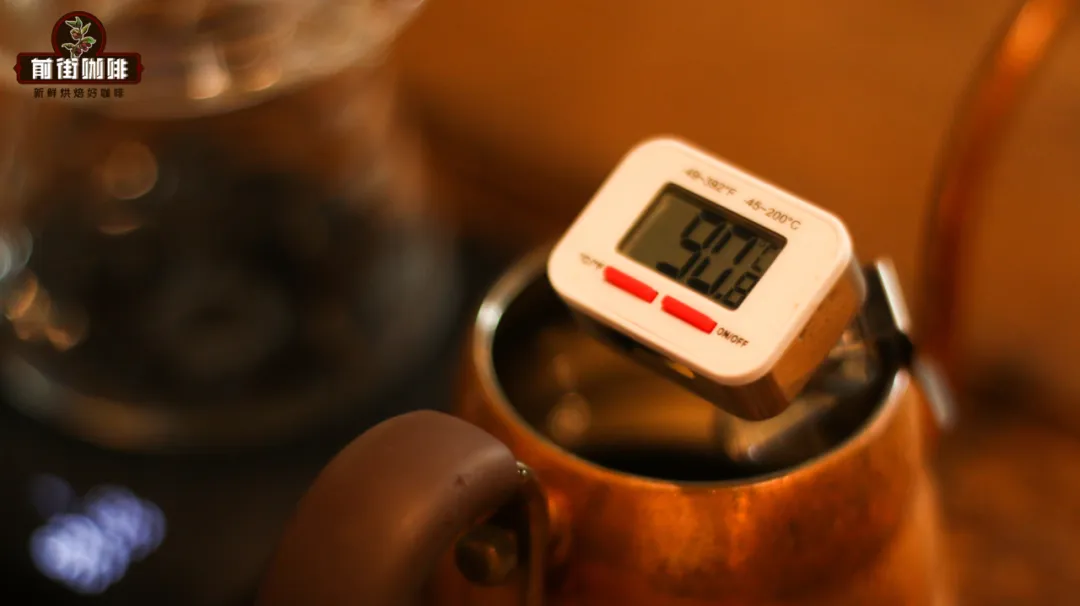
For water temperature, it needs to be lowered slightly. Because the extraction time is extended quite a bit, the extraction rate of the hot water increases significantly, and medium-roast coffee itself is already relatively easy to extract, so based on light-roast coffee, we need to lower it by about 2–3°C.
That's about it, so next Front Street will demonstrate how we should brew this medium-roast "Front Street 2013"!
Brewing Demonstration
Combining the above theory, our extraction parameters are: 15g of coffee, grind size of 10.5 on the Ek43, 80% passing rate through a No. 20 sieve, a coffee-to-water ratio of 1:15, water temperature of 88–90°C, a three-pour brewing method, and a Kono dripper.
Likewise, we start with the bloom, pouring in a circular motion from the inside out with twice the coffee's weight in water (30ml), with a bloom time of 30 seconds!
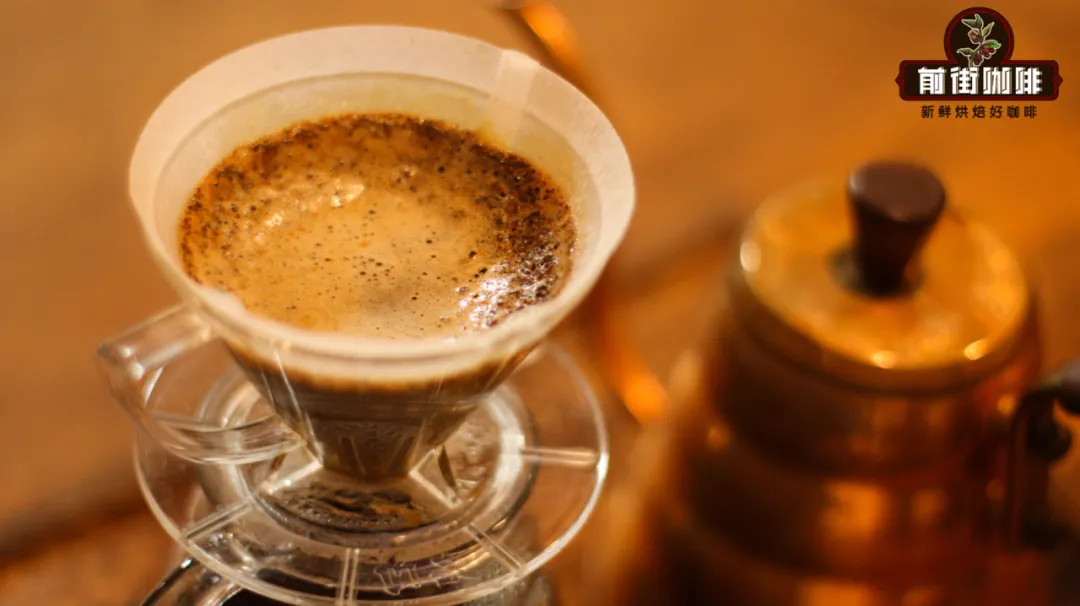
Then pour the second stage of hot water, using a small stream and large circles to pour in 120ml of hot water. Once the water has mostly drained through, we can get ready to pour the final stage of hot water.
Finally, use a large stream and small circles to pour the third stage of hot water (75ml), and then all you need to do is wait for the coffee to finish dripping through, and we can end the extraction!
The Front Street 2013 brewed this way—and this isn't Front Street bragging—is truly very rich and smooth, with balanced acidity, sweetness, and bitterness. The flavor profile shows the richness of chocolate and nuts, a slight berry and apricot acidity, the sweetness of brown sugar, and a black tea finish. Layered, rich, and delicious!
- END -
The above content is compiled by CoffeeHunters, a coffee news website.


