







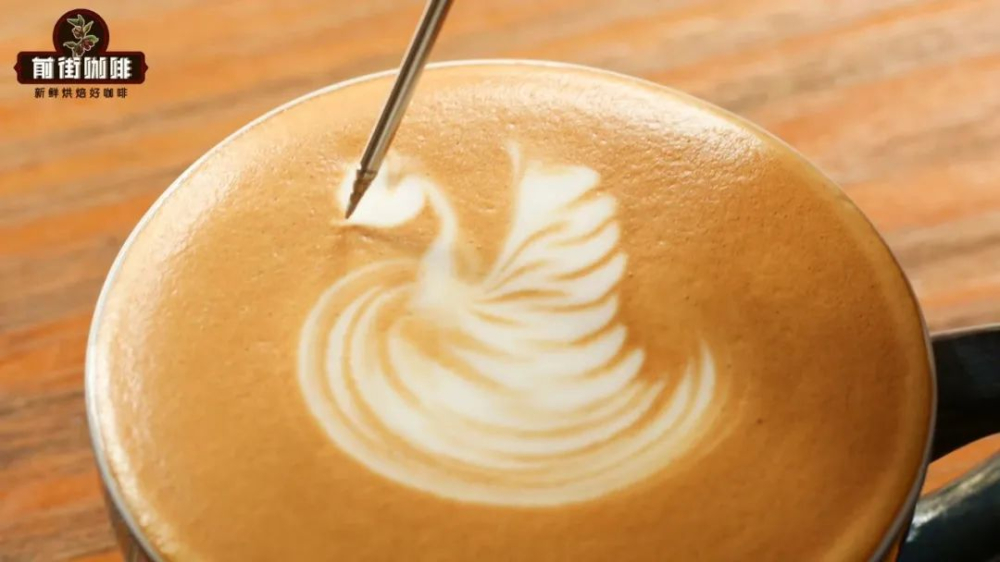
I'm not sure if everyone remembers the first time they had a latte. Many people may have long forgotten, but Front Street Coffee still remembers it vividly. The first glance at the exquisite latte art was immediately eye-catching, and a small sip revealed the subtle sweetness and bitterness from the oils. By the second sip, the initial strong bitterness had transformed into mellow richness and smoothness, complemented by the light sweetness of hot milk, presenting a perfectly balanced sensation in the mouth. After finishing, there was a lingering creamy chocolate aftertaste.
For a delicious latte, there must be a fixed ratio of milk to coffee. If either side is lacking, the taste will become unbalanced. For example, after removing ice from an iced latte, the remaining space is likely filled with milk, which immediately dilutes the coffee flavor. For a hot latte, on the other hand, based on the perfect ratio, the milk temperature is controlled just right, so there is naturally no room for adding ice.
Conversely, for a bad latte, people's answers are largely the same: either the coffee is too bitter to drink, or the taste is too weak (watery) and unappetizing, or both—bitter and weak at the same time. What's going on here?
The recipe for a latte
Front Street Coffee's standard in-store offering uses its own Sunflower·Warm Sun blend. It is medium-dark roasted, and the requirement for making a latte with it is to have flavors of vanilla, creamy chocolate, and caramel cookie.
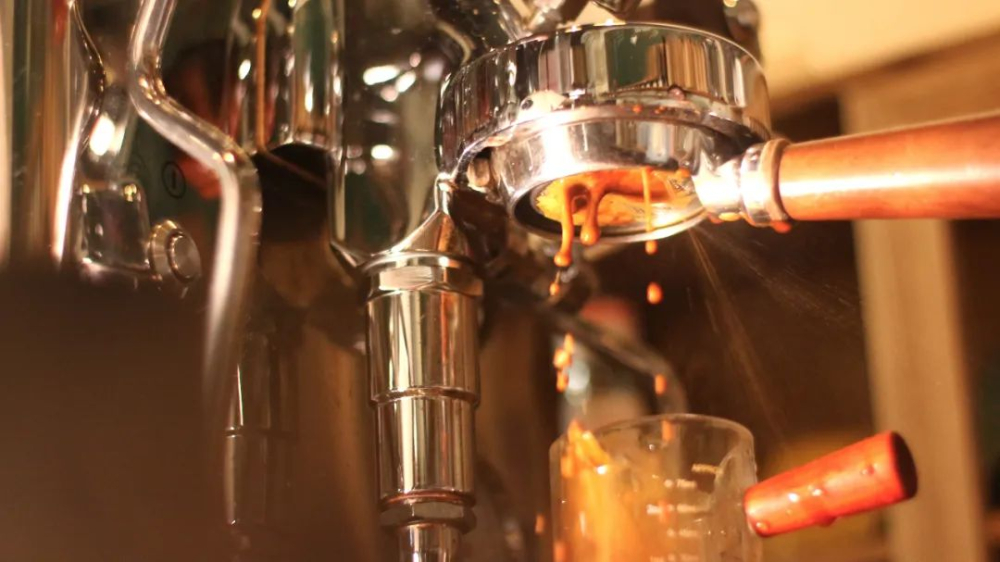
Based on this, we first use the common espresso formula: a 1:2 ratio of coffee powder to liquid, where 1g of coffee powder yields about 2g of coffee liquid, with a time between 25 and 35 seconds. Then we apply it to actual extraction. For example, Front Street Coffee uses a double basket that holds 20g of coffee powder to extract 40g of espresso, with the time controlled between 27 and 33 seconds, and no abnormalities throughout the extraction (channeling, splashing, unstable flow rate).
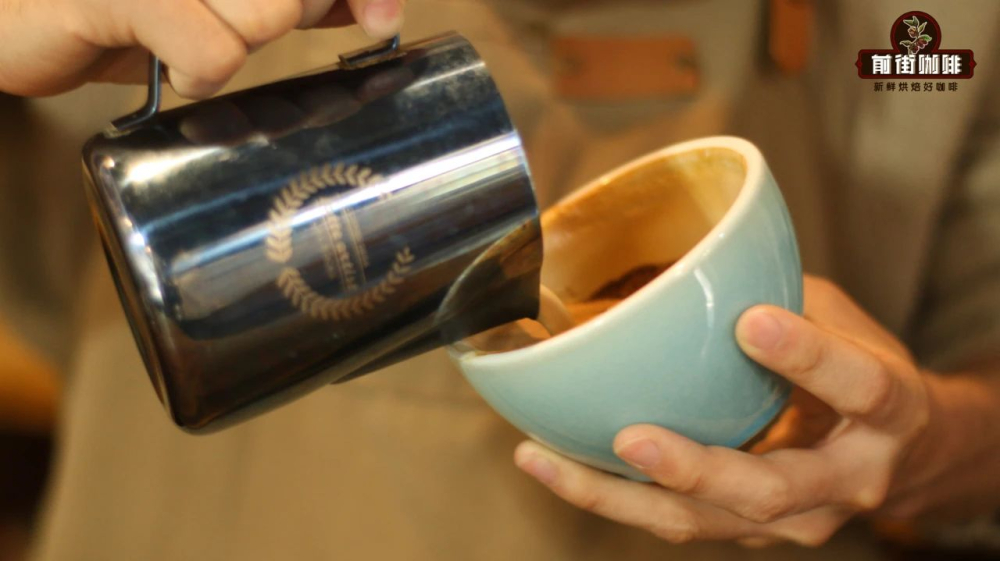
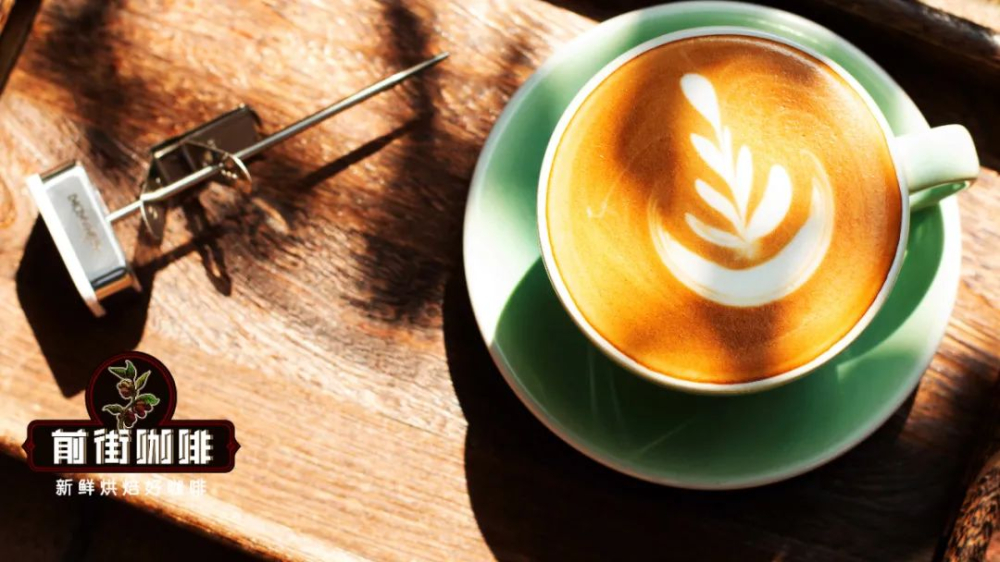
If making a hot latte, Front Street Coffee follows a 1:5.5 ratio, pouring 220ml of fresh milk into the milk pitcher and steaming it to 55–65°C, with 0.3–0.5cm of milk foam. Finally, it is evenly integrated with the espresso, poured into a ceramic cup, and finished with a neat pattern.
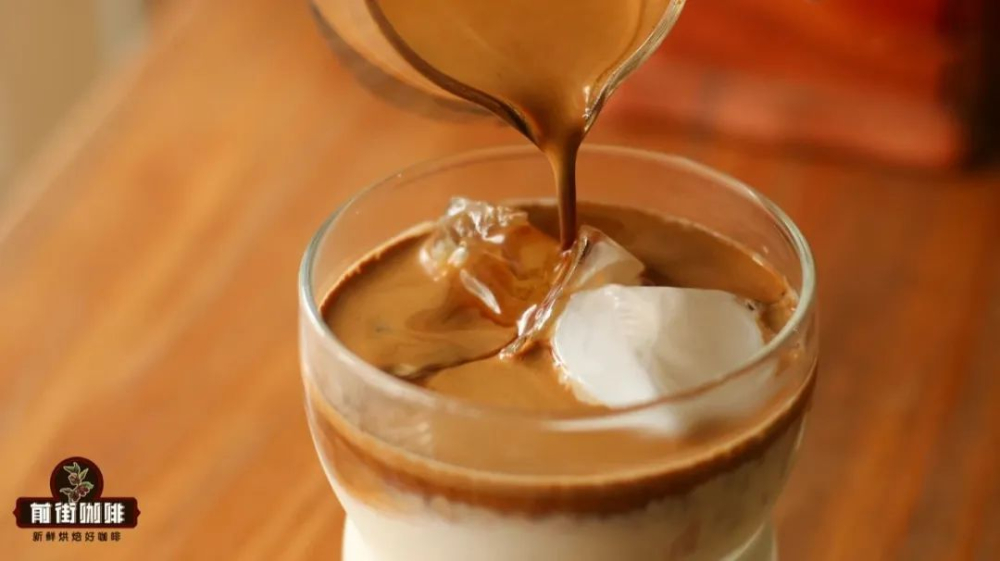
Beginners might think that an iced latte is just a hot latte with ice added, but that is not the case. When coffee shops make an iced latte, because they need to maintain coffee concentration, we use 3 ice cubes as the base, then control the ratio of coffee to milk at 1:5. First pour in 200g of fresh milk, then finally drizzle on 40g of coffee liquid, in order to preserve a beautiful layered effect.
From Front Street Coffee's experience, as long as the pairing of coffee beans and milk is chosen properly, and the espresso extraction is stably controlled and the milk ratio is well managed, making a delicious latte is actually very simple. In other words, if the finished latte does not taste right, then the problem must lie in the points above. Below, let's break them down one by one.
First, what causes a latte to be too bitter?
As is well known, without adding sugar, a latte is the least bitter among all fancy coffees, because it is mixed with a large amount of milk, and the coffee flavor often is not prominent. When we do taste obvious bitterness, it means the problem is most likely with the espresso—either the coffee beans are roasted too dark, or the extraction parameters are not set correctly.
Regarding the former, unless you bought extremely dark-roasted coffee beans that are so dark they glisten with oil, in order to preserve more of the coffee beans' own flavors, most common espresso blends on the market use medium-dark to dark roasting, at most just reaching second crack. Espresso made from such products often has rich crema, slight acidity, and a medium coffee bitterness-sweetness. After being balanced with milk, it forms a compatible taste and does not emphasize either side.
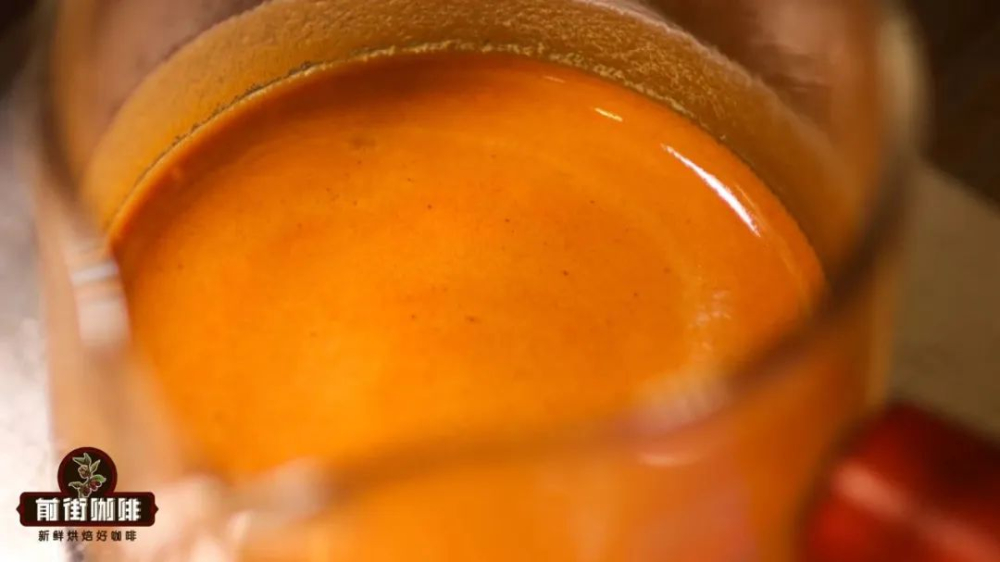
Generally speaking, the "culprit" that makes a latte bitter is usually the espresso extraction. The most common cases are flow rate too slow (extraction time exceeding 35 seconds according to the above formula), channeling, and liquid column splashing, which lead to over-extraction.
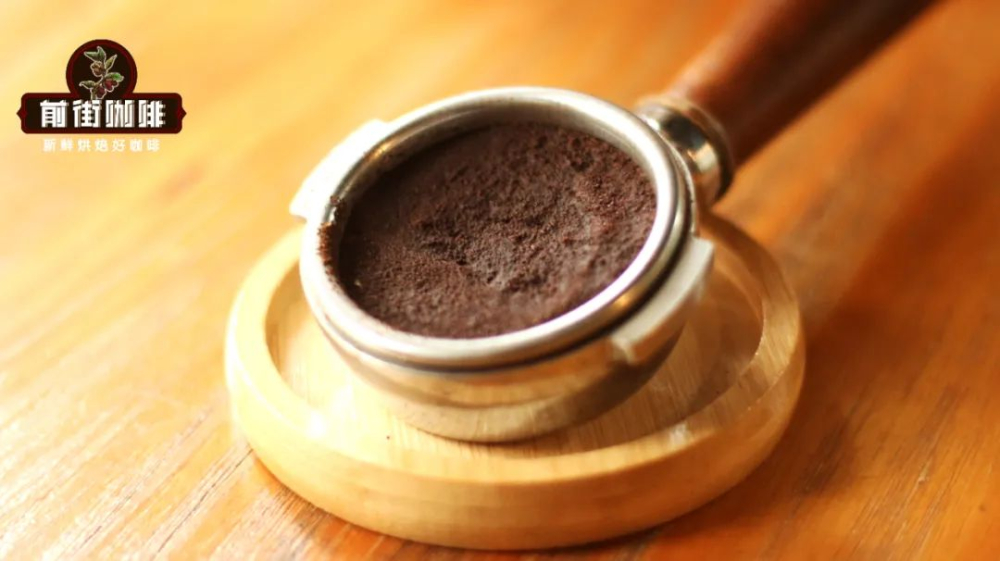
A customer once gave feedback to Front Street Coffee, saying that the lattes they usually made were quite tasty, but suddenly one day the taste became especially bitter and not aromatic. The coffee beans were within their optimal flavor period, and the extraction parameters and ratio were the same as usual, so they did not know where the problem was. After some questioning, it turned out that the knocked-out puck had holes, indicating channeling during extraction, possibly caused by clumping of the coffee powder, which led to over-extraction and bitterness. In this case, the corresponding solution is to adjust the grind coarser, or use external force to break up the clumped coffee powder.
The latte tastes too wateryorToo weak—what to do?
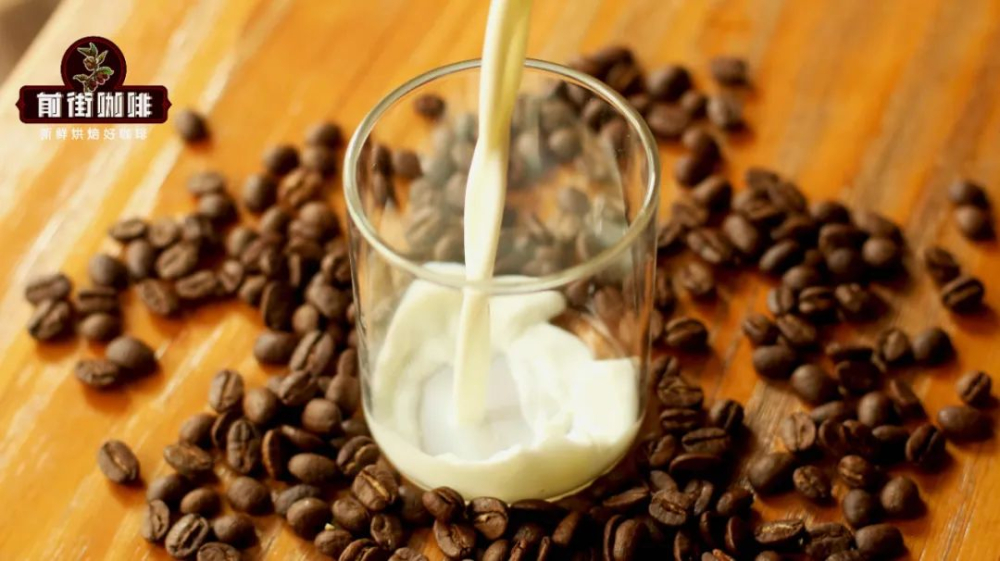
From a barista's perspective, the richness of a latte depends on two aspects: milk and espresso. For a latte, milk, which makes up the largest proportion, is naturally a key element. If you want the coffee to be rich and aromatic, we recommend prioritizing whole fresh milk, because compared with shelf-stable milk or skim milk, whole milk contains a higher amount of milk fat, and after steaming, the foam layer is denser and more stable, and it also provides a fuller mouthfeel for the coffee.
In fact, besides the quality of the milk, under-extraction of the espresso can also make a latte watery or weak. This kind of situation usually appears with SOE. Front Street Coffee once used a lighter-roasted Gesha 8.0 to make an SOE latte. Although the milk ratio had already been reduced, the resulting taste was still extremely bland, like a cup of hot milk with a bit of citrus and caramel aroma. Clearly, this was because the roast level was too light, leading to under-extraction.
So when we use single-origin coffee beans with mainly fruity notes to make a large-volume latte, it is best to choose the corresponding SOE version, so that it is less likely to fail.
Why does a latte become both bitter and weak?
This situation is usually the opposite of the previous SOE case. It is often because the coffee beans are roasted too dark, and the espresso's overall taste is heavy and roasty. The later-stage substances tend to be bitter, woody, and off-flavored. If a higher extraction yield ratio is used, then the espresso is very likely to become over-extracted.
For example, some people like to use 18g of powder to extract 40g of coffee liquid. At this time, the powder-to-liquid ratio is about 1:2.22. On the one hand, it makes the coffee bitter and astringent; on the other hand, the increased liquid weight also means more water content, so the coffee concentration decreases, and the latte made from it is naturally both bitter and weak.
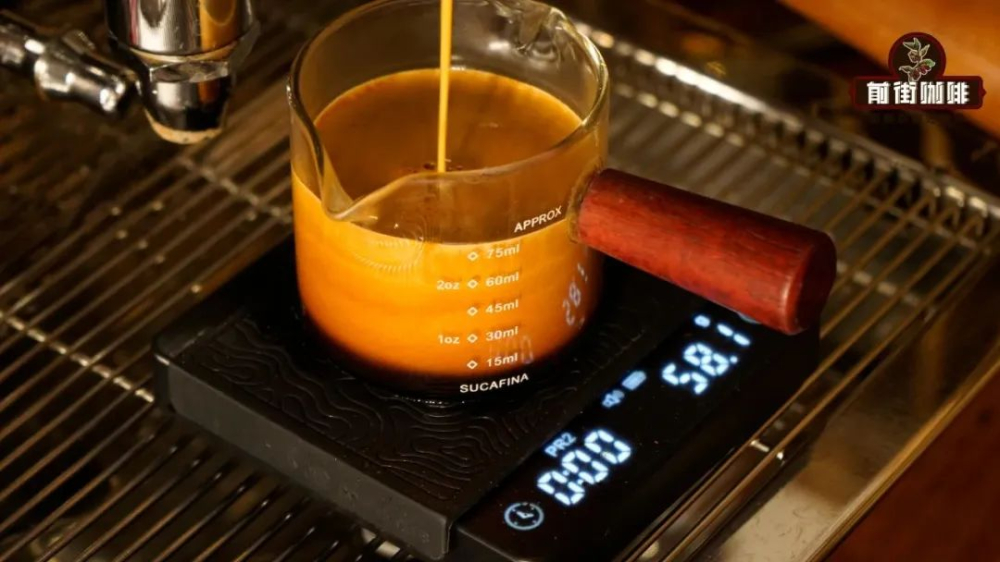
If you feel that your latte also has this contradictory taste, then you might as well try reducing the extraction amount of espresso a little, for example by reducing5gthe liquid weight to increase concentration. This not only avoids over-extraction, but also gives the latte a fuller mouthfeel.
The above content is compiled by CoffeeHunters, a coffee news website.


