







Search Results for: eight-step brewing method
A Complete Guide to Chaoshan Gongfu Tea: Tea Leaf Quantity and the Eight-Step Brewing Method—From Choosing Utensils to Tasting Techniques
Chaoshan Gongfu Tea is a shining pearl in Chinese tea culture, originating from Chaozhou, Guangdong, and still preserving an ancient and pure brewing tradition to this day. Unlike the modern Gongfu tea popular today, Chaoshan Gongfu Tea emphasizes a high tea-to-water ratio and quick pours, brewing only three times to pursue the richest aroma and flavor. This article will introduce in detail the historical origins of Chaoshan Gongfu Tea, the tea-to-water ratio, the choice of tea utensils, and the complete eight-step brewing method, helping you master this traditional skill. Whether you are trying it for the first time or hoping to refine your technique, you will gain practical guidance from it. [more…]
A Detailed Explanation of the Eight-Step Brewing Formula for Chaoshan Gongfu Tea: Why Only Three Cups Are Placed on the Tea Table
Chaoshan Gongfu Tea is renowned for its rich aroma and mellow body, emphasizing a high tea-to-water ratio and quick pours—each infusion lasting no more than ten seconds, with only three rounds before the leaves are discarded. Three 25ml thin-walled small cups are always arranged on the tea table in a "品" (pin) shape, which is both a tradition and a piece of practical wisdom. This article outlines the complete brewing steps of Chaoshan Gongfu Tea: selecting tea, preparing water, adding leaves, rinsing the pot, skimming foam, washing the tea, pouring into cups, and sipping, while explaining the reasoning behind each step. It also covers details such as unglazed Chaozhou teapots and charcoal-brazier roasting, and mentions related products from the Front Street Coffee brand, offering coffee enthusiasts a cross-disciplinary glimpse into this Eastern brewing system. [more…]
How Do You Use a Manual Coffee Grinder? A Full Illustrated Breakdown of the Eight-Step Process and the Key Points of Grind Size Adjustment
The manual coffee grinder is the first piece of equipment many coffee enthusiasts acquire when starting out. It is simple in structure and affordable, yet it directly determines the extraction quality of a cup of coffee. This article uses eight steps with images to explain in detail the complete method of using a manual coffee grinder, including how to unscrew the top screw, remove the nuts in sequence, adjust the grind size via the bottom nut, and reattach the clasp, add coffee beans, and turn the handle evenly. It also explains that grinding enough coffee for one cup takes about 2 to 3 minutes, helping you easily grind coffee powder suitable for different coffee pots at home and laying a solid foundation for subsequent brewing. [more…]

Homemade Iced Caramel Macchiato for Summer: A Complete Eight-Step Tutorial from Espresso Extraction to Latte Art
The name caramel macchiato carries a romantic meaning hidden within it—macchiato is interpreted as "brand," giving the entire drink the symbolism of a "sweet brand." When the weather is hot, making an iced caramel macchiato yourself can both cool you down and let you enjoy the fun of hands-on preparation. The method is actually not complicated: first pour espresso into iced milk, then add a layer of finely steamed milk foam, and finally drizzle caramel syrup on top, using a latte art needle to sketch the pattern you want. This article is a step-by-step demonstration by Front Street Coffee of the complete process, with eight stages from preparation to serving. The required utensils and ingredients are all very common, and by following along you can recreate a summer coffee that has both good looks and flavor. [more…]
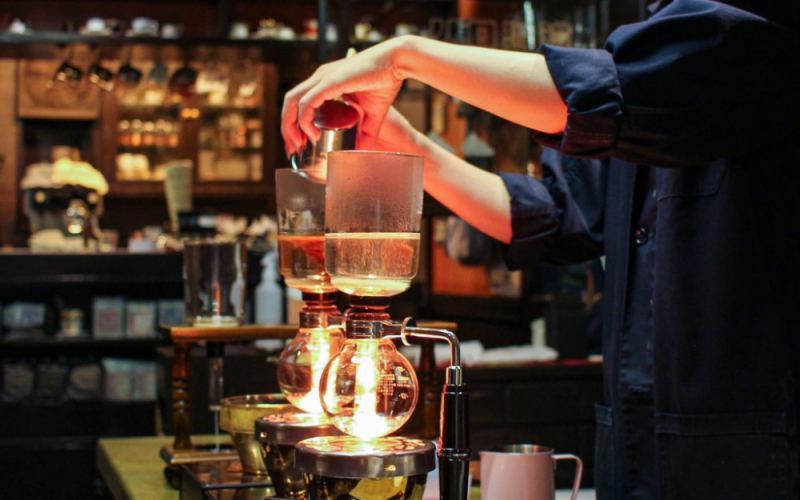
Siphon Coffee Brewing Guide: Extraction Principles, Suitable Bean Types, and Coffee-to-Water Ratio Analysis
The siphon pot, with its unique distillation-style extraction, delivers a fuller, more robust mouthfeel and richer aroma than pour-over. From the perspective of Front Street, this article systematically breaks down the siphon pot's extraction principles, structural components, and suitable coffee bean types, and offers a detailed analysis of key parameters such as the coffee-to-water ratio, timing of adding grounds, stirring technique, and judging when to cut off the heat. It also includes a complete eight-step operating procedure to help coffee enthusiasts consistently reproduce at home a cup of siphon coffee that combines nutty notes with a full body. Whether you are a beginner just getting to know the siphon pot or an experienced player looking to refine your technique, you will find practical, actionable advice here. [more…]
A Comprehensive Analysis of Siphon Coffee: From Extraction Principles to Brewing Details, Mastering the Key to Consistently Delicious Coffee
The siphon brewer, with its laboratory-equipment appearance and unique vacuum extraction method, has long been a favorite among coffee enthusiasts. It works by heating the lower chamber to generate steam pressure, pushing hot water up into the upper chamber to meet the coffee grounds; after the temperature drops, the pressure difference draws the coffee liquid back down into the lower chamber, resulting in a round, balanced cup. From the perspective of Front Street, this article systematically explains the siphon brewer's structural components, filtration and heating methods, grind size and coffee-to-water ratio, the timing for adding grounds, stirring techniques, and how to judge when to turn off the heat, along with a complete eight-step procedure to help you consistently brew a delicious cup of siphon coffee at home. [more…]
The Complete Guide to Siphon Coffee Brewing: From Extraction Principles to Step-by-Step Instructions
The siphon brewer, with its laboratory-instrument appearance and unique vacuum extraction method, has long been favored by coffee enthusiasts. It first appeared in Europe, where a French woman named Marie Fanny Amelne Massot registered a trademark for it, and its classic spherical design established its iconic status among coffee brewing devices. This article will begin with the extraction principle of the siphon brewer, systematically introduce the device's structure, filtration system, and heat source selection, then move on to key steps such as coffee grind size, timing of adding coffee grounds, stirring technique, and judging when to turn off the heat, and finally provide a complete eight-step operating procedure. Front Street Coffee recommends using medium-roast beans such as Huilan, Bird of Paradise, Diamond Mountain, and Queen's Estate to highlight the rich, full-bodied flavor characteristics of siphon coffee. [more…]
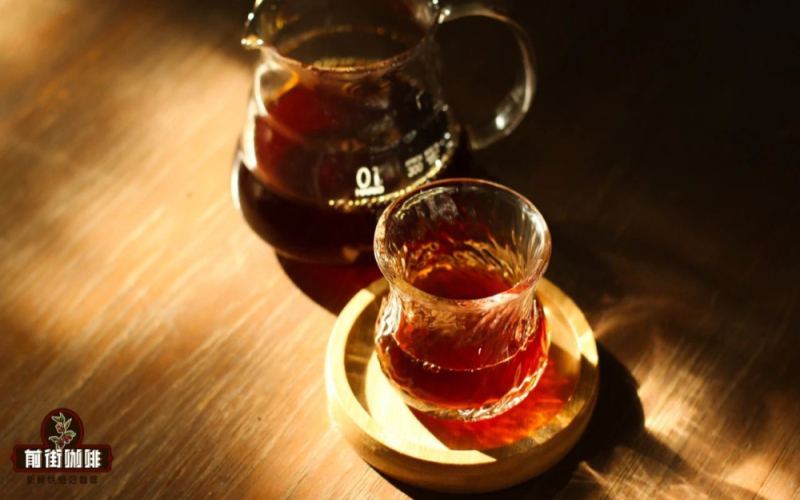
A Beginner's Guide to Pour-Over Coffee: Equipment Recommendations, Brewing Step-by-Step Guide, and Cost-Effective Everyday Beans
The appeal of pour-over coffee lies in the fact that everyone can brew a flavor that is uniquely their own. This article is aimed at home enthusiasts and small coffee shops, and provides a systematic overview of all the equipment needed to get started with pour-over—from gooseneck kettles, drippers, and grinders to filter papers, digital scales, thermometers, and carafes—offering an analysis of the pros and cons of specific brand models along with purchasing advice, and including a complete eight-step brewing tutorial. Finally, it recommends several highly cost-effective Front Street single-origin coffee beans, at a cost of only about six yuan per cup, making them ideal for daily practice and home enjoyment. [more…]
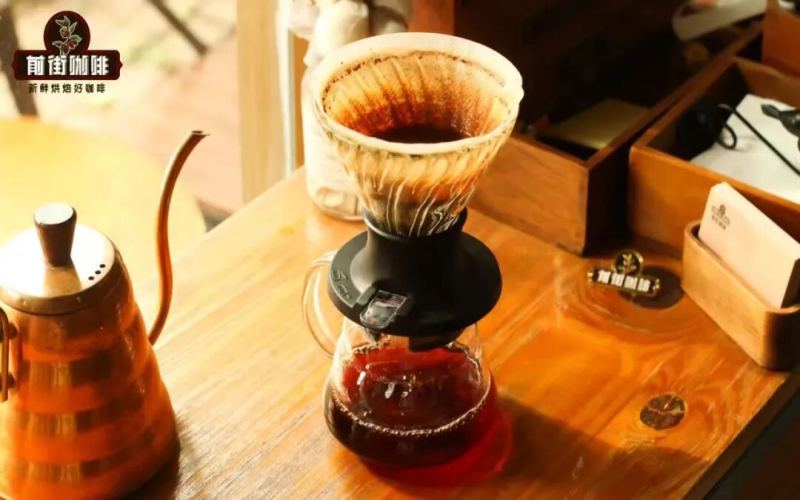
Pour-Over Coffee Brewing | What Is World Champion Tetsu Kasuya's Hybrid Brewing Method? How Can Coffee Beginners Use the Hybrid Brewing Method to Make Pour-Over Coffee?
"Absolutely delicious!" That's how Mr. Tetsu Kasuya introduced the coffee brewed with his improved hybrid brewing method at the beginning of one of his earlier videos. (Call me the screenshot master.) Front Street believes everyone is already familiar with Tetsu Kasuya. He is not only the champion of the 2016 World Brewers Cup, but also [more…]

How Do You Use the Switch Smart Mug? A Detailed Explanation of Tetsu Kasuya's New Hybrid Brewing Method and How It Differs from the 4:6 Method
Based on the original 4-6 brewing method, Tetsu Kasuya made new adjustments to the hybrid brewing method. By changing only two operational details, he significantly improved extraction stability and uniformity. The hybrid brewing method combines immersion and drip filtration, and requires a smart dripper with a valve to execute. This time, Front Street Coffee uses a Diamond Mountain bean from Hacienda La Esmeralda as an example, and demonstrates the complete process of the new hybrid brewing method with a Hario V60 smart dripper, including the coffee-to-water ratio, grind size, staged pouring, and water temperature control, to help you understand the logic behind this brewing approach and adjust it flexibly according to your own taste. [more…]

Tetsu Kasuya's Devil Brewing Method Explained: Simple Smart Cup Operation and Flavor Control Tips
World Brewers Cup champion Tetsu Kasuya has developed a Smart Cup brewing recipe called the "Devil Brewing Method," building on the 4:6 Method. This approach combines drip filtration with immersion: the first stage uses high temperature to extract flavor, while the later stage uses low temperature immersion to enhance body. It is simple to perform yet delivers outstanding results. After actual testing, Front Street Coffee also found its performance to be quite good. This article will break down the principles, parameter settings, and operating procedure of this brewing method in detail, and share how to adjust the sweetness-acidity balance of the coffee through water distribution. If you have a Smart Cup with a valve on hand, you may want to follow along with Front Street Coffee and try this simple and delicious brewing method. [more…]
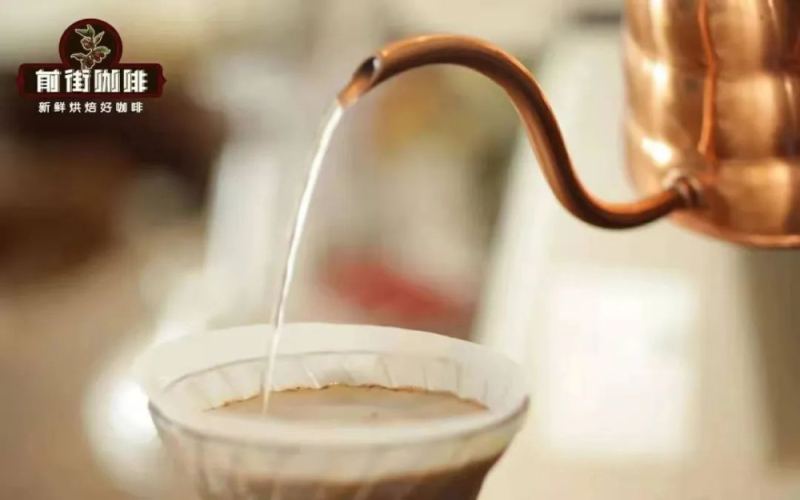
Advanced Guide to Pour-Over Coffee: A Full Analysis of the One-Pour Method, Three-Stage Method, 4-6 Method, Three-Temperature Method, Volcano Pour, and Stirring Method
The charm of pour-over coffee lies in the diversity of brewing methods. Besides the common three-stage pour, there are also single-pour, 4-6 method, three-temperature brewing, volcano pour, agitation method, and many other techniques. Each method has its own characteristics: single-pour is simple and stable, three-stage offers rich layers, the 4-6 method is formulaic in operation, three-temperature brewing highlights flavors through variable-temperature extraction, volcano pour is highly visually appealing and suitable for dark roasts, while the agitation method demands a high level of skill. This article will analyze the principles, parameters, and suitable scenarios of these brewing methods one by one, and share Front Street Coffee's practical experience, helping coffee enthusiasts understand the logic of flavor release and find a brewing approach that suits them. [more…]
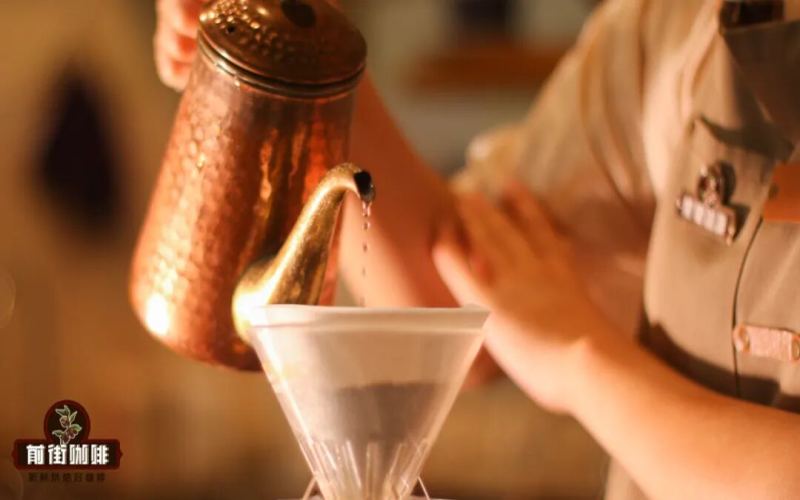
Brewing Methods | What kind of coffee beans is the drip method of pour-over coffee suitable for? What is the specific process of brewing pour-over coffee with the drip method?
As we all know, there are many ways to brew pour-over coffee. Apart from all-around methods that are beginner-friendly, such as the three-pour and 4:6 methods, there are also some lesser-known, high-difficulty techniques better suited to experienced brewers. For example, the brewing method Front Street Coffee is sharing today—just mastering it [more…]

A New Hand-Brew Method Without Blooming: The Principles, Parameters, and Practical Points of the One-Pour Brewing Technique
Pour-over coffee usually starts with blooming, but Tetsu Kasuya, the 2016 World Barista Champion, proposed in 2019 a brewing method that skips blooming entirely—the one-pour method. It may look similar to the single-pour technique, but the differences are clear: the single-pour technique splits the water into two pours, while the one-pour method pours all the hot water in at once. This article covers the principles of the one-pour method, its differences from the single-pour technique, equipment and bean selection, grind adjustment, pouring direction, and the full process of Front Street Coffee's hands-on practice with a Colombia · Hope Estate Geisha, providing key parameters such as dose, ratio, water temperature, grind, and time to help you decide whether this minimalist brewing method suits you. [more…]
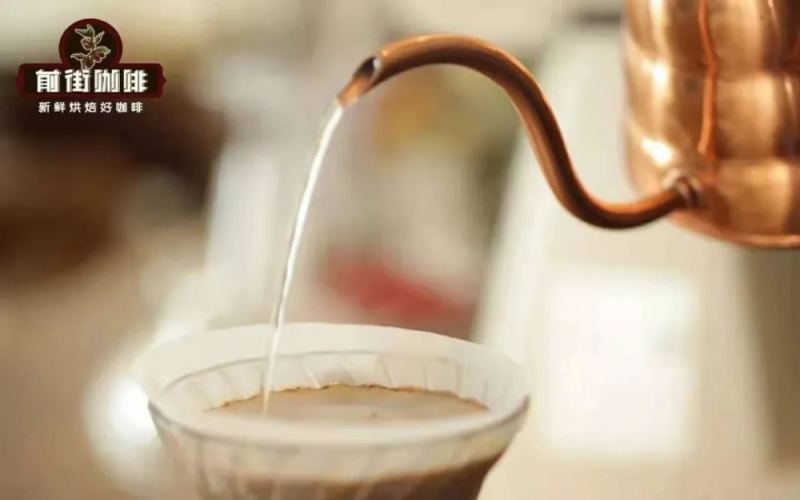
A Detailed Guide to Six Pour-Over Coffee Brewing Methods: Flavor Comparison of One-Pour, Three-Pour, 4:6 Method, Three-Temperature, Volcano Pour, and Stirring Method
The charm of pour-over coffee lies in the diversity of brewing methods; different pouring techniques directly affect the flavor expression and mouthfeel layers of the coffee. This article systematically sorts out six common pour-over techniques: the one-pour method, the three-stage method, the 4:6 method, the three-temperature brewing method, the volcano pour, and the stirring method. From the number of pouring stages, coffee-to-water ratio, extraction time, to grind adjustment, it analyzes one by one the principles and applicable scenarios behind each method, helping coffee enthusiasts understand the release order of sour, sweet, and bitter substances, and choose the most suitable brewing strategy according to the characteristics of the beans, so as to consistently brew a good cup of coffee that suits their own taste. [more…]
Kasuya Tetsu's 4:6 Brewing Method Explained: Why Five-Pour Brewing Consistently Produces Balanced Pour-Over Coffee
Some works often outshine their creators, like the Mona Lisa for Da Vinci, or the 4:6 method for Tetsu Kasuya. The core goal of this method, invented by the 2016 World Brewers Cup champion, is simple—to let anyone brew delicious coffee. It breaks a brew into five pours, each using three times the coffee dose in water, with the first two pours making up 40% of the total water to determine the sweet-and-sour direction, and the last three pours making up 60% to shape a rich, full-bodied mouthfeel. This article will fully break down the segmentation logic of the 4:6 method, the origin of the 45-second pouring interval, and conduct a real test using Front Street Coffee's Ethiopia Santa Vini beans to verify why this formula has an extremely high margin for error, and how to move beyond the formula and grasp its extraction philosophy. [more…]
Analysis of Six Classic Pour-Over Coffee Brewing Methods: Techniques and Flavor Differences from One-Pour to Stirring
The charm of pour-over coffee lies in its rich and varied brewing methods, with different techniques bringing out completely different flavor expressions. This article systematically sorts out six common pour-over techniques—one-pour flow, three-stage, four-six method, three-temperature brewing method, volcano pour, and stirring method—explaining in detail the operational key points, applicable scenarios, and flavor characteristics of each technique. From the logic of dividing pouring stages to extraction strategies based on water temperature changes, from adjusting grind size to the influence of stirring intensity on fine particle migration, the content balances theoretical principles with practical details. The article also specifically shares the three-stage brewing parameters used daily at Front Street Coffee, as well as the grinding solutions offered to address the easy over-extraction problem of the four-six method, making it suitable for coffee enthusiasts who wish to refine their brewing skills. [more…]
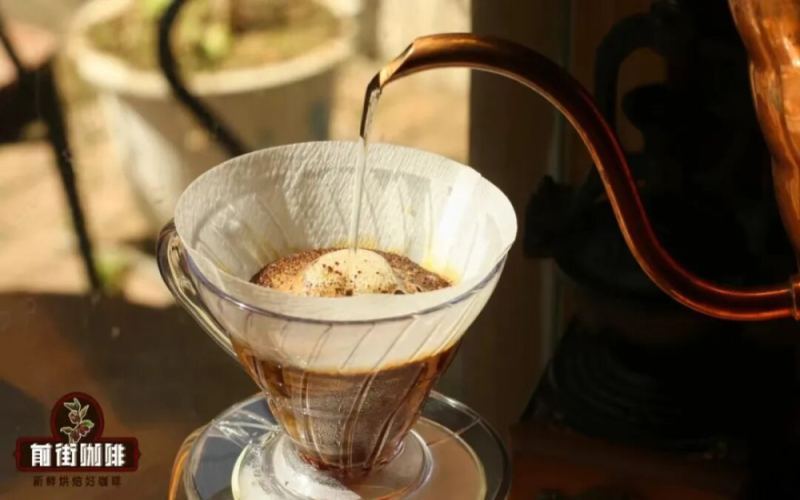
An Analysis of Seven Mainstream Pour-Over Coffee Techniques: A Full Reveal of Their Pros, Cons, and Flavor Characteristics
In the world of pour-over coffee, differences in brewing technique directly affect the final flavor expression in the cup. Some people prefer a light-bodied style with bright acidity, while others pursue an experience with a prominent, rich sweetness. Compiled by Front Street Coffee, this article systematically reviews seven currently mainstream pour-over brewing methods, including the single-pour method, the three-stage pour, the 4-6 method, the volcanic pour, variable-temperature brewing, the stirring pour, and the drip method. It analyzes each technique one by one in terms of operational characteristics, flavor tendencies, and suitable scenarios, helping coffee enthusiasts choose the brewing strategy that best suits their needs. [more…]
A Detailed Guide to Six Pour-Over Coffee Brewing Techniques: One-Pour, Three-Stage, 4:6 Method, Variable Temperature, Volcano Pour, and Stirring Method
The charm of pour-over coffee lies in the diversity of brewing methods, as different pouring techniques bring out entirely different flavor expressions. This article systematically sorts through six common pour-over techniques—single-pour, three-stage, 4:6 method, Santuario variable-temperature brewing, volcano pour, and stirring method—analyzing each one by one from the logic of pouring, parameter ratios to flavor characteristics, and explaining their respective applicable scenarios and operational difficulties. Using specific parameters such as 15g coffee to 225ml water and 20g coffee to 300ml water as examples, the article helps readers understand the extraction principles behind each technique. At the same time, it retains Front Street Coffee's practical experience with the three-stage method and grind adjustment for coffee enthusiasts to refer to and compare. [more…]
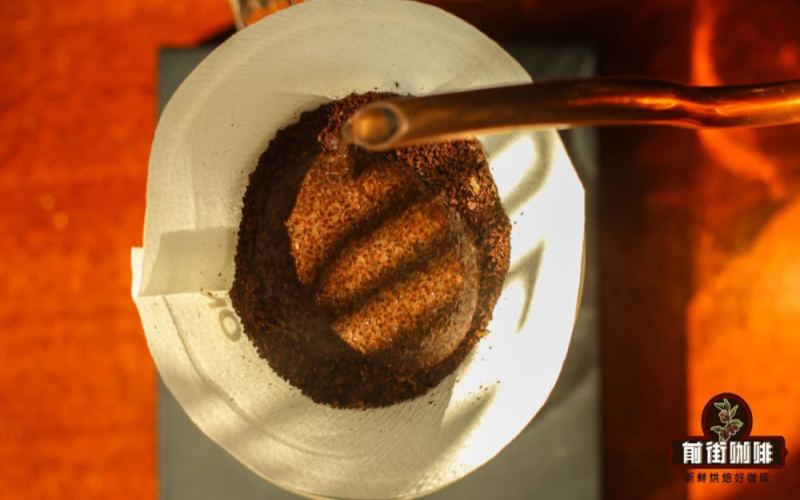
Single-Origin Pour-Over Beans for Beginners | What Are the Four Japanese Pour-Over Techniques? How Do Different Coffee Brewing Methods Affect Coffee Flavor?
Recently, many coffee-loving friends who come to Front Street Coffee to buy coffee beans have asked Front Street how to correctly brew pour-over coffee to bring out its best flavor. Front Street also often says that the process of pour-over coffee is a kind of enjoyment, and coffee brewed by one's own hands feels even more delicious on a spiritual level. So this Front Street article will introduce [more…]