







Search Results for: edible straws
Paper Straws from Viral Fame to Discontinued Production: Can PLA and Edible Straws Become the New Eco-Friendly Alternatives?
Paper straws once swept through the food service industry in the name of environmental protection, yet they have been widely criticized for their poor mouthfeel and tendency to degrade in the mouth, and are now gradually exiting the market. Their replacement, PLA straws, are made from plant starch, are fully biodegradable, and withstand temperatures ranging from cold to hot drinks, but they have a short shelf life and relatively high cost. Meanwhile, research teams have developed edible bacterial cellulose-based straws that completely decompose within 60 days when buried in soil. From paper straws to PLA to coconut jelly straws, behind the iteration of eco-friendly straws lies a trade-off among cost, experience, and degradation performance. This article reviews the current state of paper straw production being discontinued, the market prospects for PLA straws, and the research progress on new edible straws, and includes Front Street Coffee's specialty bean news. [more…]
USTC Develops Edible Coconut Jelly Straw to Replace Paper Straws, Doubling Strength and Fully Degrading in 60 Days
In recent years, with the advancement of plastic restriction policies, plastic straws have gradually exited the food service scene, replaced by paper straws and PLA straws. However, paper straws easily become soggy, and PLA straws are not heat-resistant, greatly diminishing the consumer experience. A team led by Academician Yu Shuhong of the University of Science and Technology of China has taken a different approach, using bacterial cellulose combined with sodium alginate to develop an edible nata de coco straw. Its strength, modulus, and toughness are more than twice those of paper straws, it is thinner, and it can be made in different colors. Buried in soil, it nearly disappears in 45 days and completely degrades in 60 days. Can this new material save the afternoon tea joy of office workers? This article will provide a detailed interpretation. [more…]
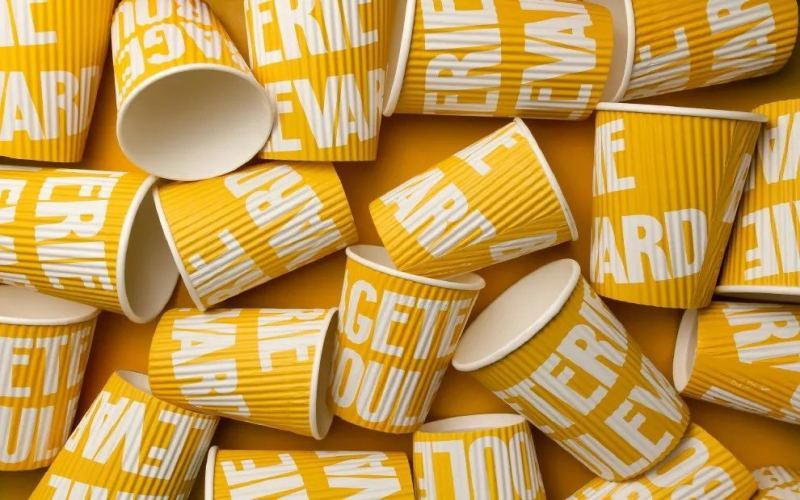
Edible Coffee Cups Make a Comeback: The Eco-Friendly Evolution from Ice Cream Cones to Oat Cups
The environmental problems of single-use paper cups are becoming increasingly severe, and the coffee industry has been searching for alternatives. From the failed attempt with cone cups in 2014, to the brief popularity of KFC's cookie cups, and then to the unexpected revival of oat cups during the pandemic, edible coffee cups have gone through three generations of technological iteration. This article will review the development history, technological breakthroughs, and market dilemmas of edible cups, and explore whether they can truly replace single-use cups and become a new environmentally friendly choice for coffee shops. [more…]
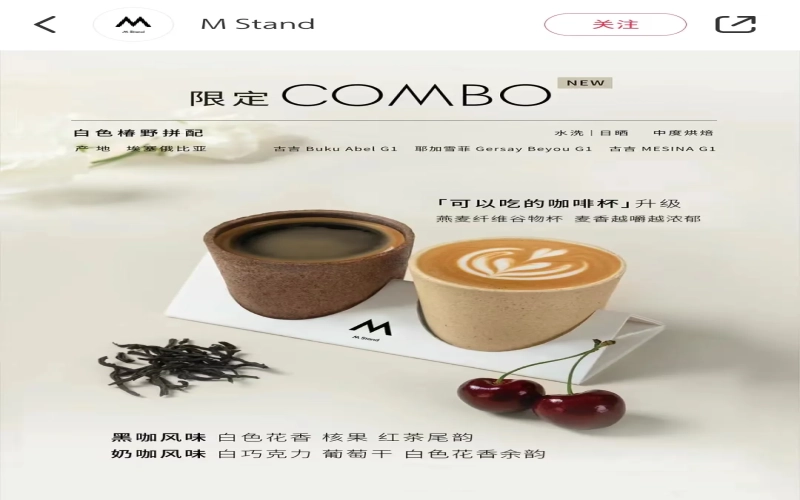
M Stand launches an edible cup Combo set: the one-bean-two-ways concept is full of creativity, yet netizens complain the cup itself is hard to gnaw through
M Stand once went viral online with an oat cookie latte that you can eat together with the cup. Now the brand has innovated further on this basis, launching a limited-edition Combo paired with a medium-roast Ethiopian blend bean, achieving two drinks from one bean. The black-and-white edible cups respectively hold a hot americano and a hot latte. The cup bodies are made from oat fiber grain, with the white cup being original flavor and the black cup cocoa flavor. However, this new product, which must be enjoyed on-site and cannot be delivered, has sparked polarized reviews on social platforms—beyond the coffee's taste drawing attention, the texture of the oat cup itself has become a hot topic of discussion. Many netizens complain that it is dry and hard like paper, difficult to swallow, and some even had their mouths cut. [more…]
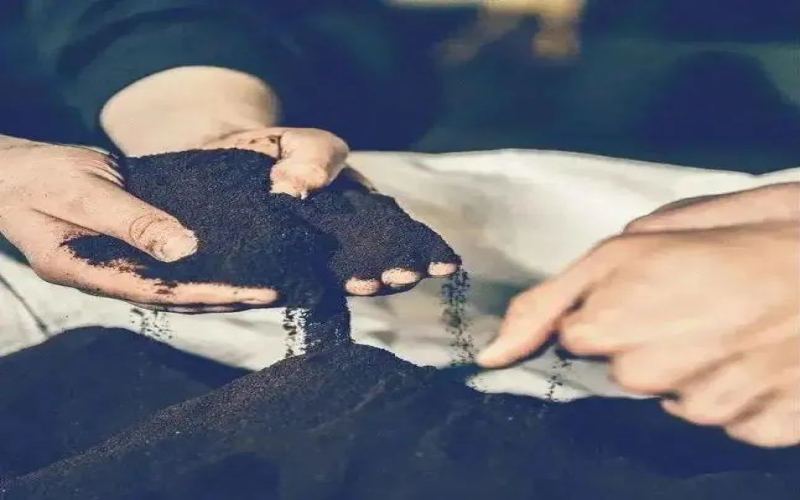
Coffee Grounds Drive Coffee Roasting: Japanese Company Teams Up with University to Develop Biochar Fuel, Claims Zero Carbon Emissions
As the most common waste product in coffee shops, coffee grounds generate over 8 million tons globally each year, and their disposal not only consumes energy but also pollutes the environment. Over the past decade, researchers have continuously explored ways to reuse coffee grounds, from blended fuels to eco-friendly boards, from clothing fabrics to food utensils, coffee grounds are transforming into a new eco-friendly favorite across multiple industries. A Japanese coffee roasting company has teamed up with a research team from Kindai University to develop a biochar fuel made from coffee grounds, and claims that the carbon dioxide released during combustion can be offset by the amount absorbed during the growth of coffee plants, thereby achieving zero carbon dioxide emissions. This "fighting magic with magic" environmental approach—how exactly is it achieved? [more…]
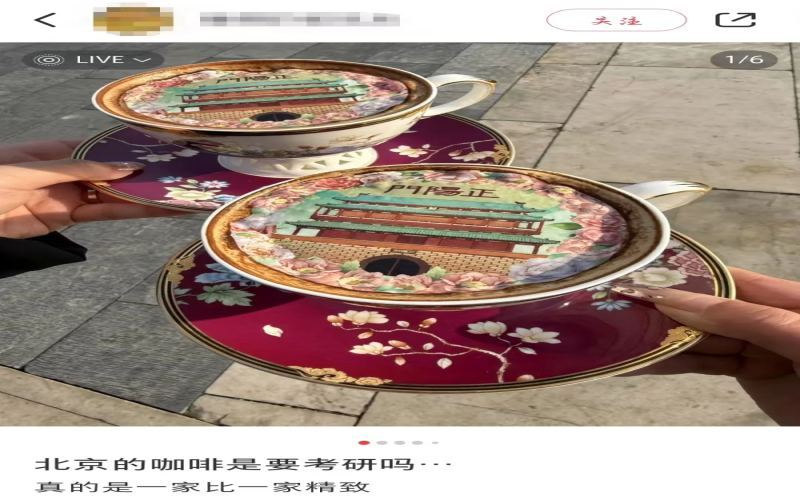
Colorful latte art has gone viral on social networks—edible printed rice paper: creative innovation or gimmick? Coffee lovers are divided.
Recently, a latte decorated with an image of the Zhengyangmen Gate Tower in Beijing sparked heated discussion on social media. The exquisite edible color-ink printing amazed many netizens with the café's ingenuity, but some also frowned at the colorful design on the surface of the liquid. What materials are actually used to make this type of color-printed coffee, jokingly called "graduate-exam level"? Does it add brilliance to the drink, or has it become a photogenic prop that looks good but is useless? Judging from shares by coffee lovers in various places, printing scenic spots, portraits, or brand logos on the surface of lattes is already nothing new, yet controversy over its taste and food safety has never ceased. This article will guide you through the production principles behind this visually stunning coffee, as well as consumers' true attitudes of love and hate toward it. [more…]

Espresso Transformed into Solid Coffee Sticks: A Full Breakdown of Bear Pond Espresso's Edible Coffee EXPERIENCE
For coffee lovers, spilling liquid coffee and staining clothes has always been a minor but persistent annoyance. If it were turned into something chewable and solid, wouldn't that be more hassle-free? Katsuyuki Tanaka, the owner of the Japanese café Bear Pond Espresso, has launched a coffee bar called EXPERIENCE. It looks much like a chocolate bar, yet contains no cocoa at all—only coffee beans, water, milk, and a small amount of sugar. Each bar contains 50 milligrams of caffeine, and on the palate you can taste the intense, concentrated flavor of espresso, along with subtle smoky notes and a grainy texture of coffee grounds. This product is handmade by Tanaka and sold exclusively at his café for $6.25, offering a new way to consume coffee as food. [more…]
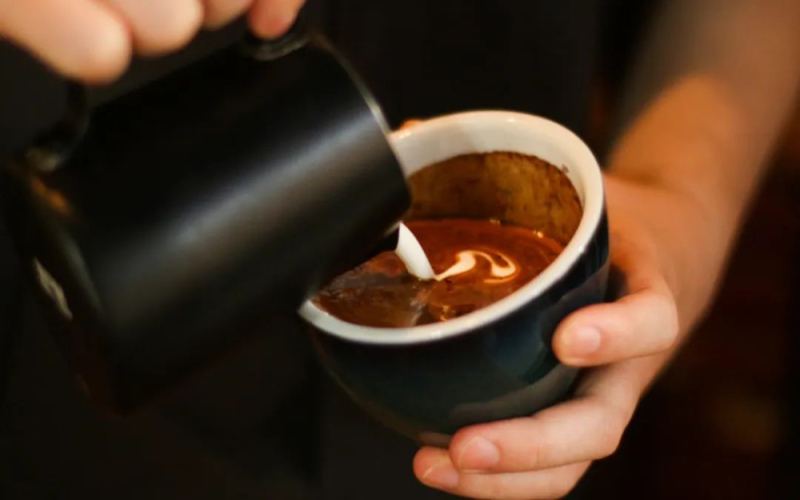
Why Is Mocha Coffee Gradually Fading Out of Coffee Shops? A Full Breakdown of Hot and Iced Salted Mocha Recipes
Mocha coffee was once a classic menu item alongside lattes and cappuccinos in Italian-style coffeehouses, and a favorite of many coffee lovers. However, many specialty coffee shops today no longer feature mocha as a main offering, and some have even removed it from their menus, replaced by products more favored by today's consumers, such as dirty coffee and oat milk lattes. Is mocha really about to disappear from coffee shops? Actually, that is not the case—while traditional mocha is no longer popular, its variant "salted mocha" has risen rapidly and become a hot product in the coffee world in recent years. This article will provide a complete guide to making salted mocha, from ingredient preparation and coffee bean selection to both hot and iced versions, and explain why it is more popular than traditional mocha. [more…]
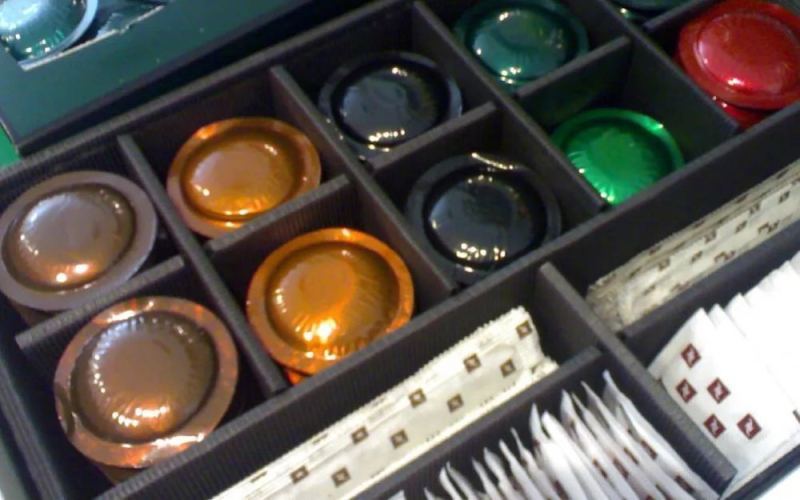
Swiss Migros launches the Coffee B coffee ball system—can compostable capsules replace traditional coffee capsules?
Coffee has become a mainstream daily beverage, and instant and capsule coffee occupy an important place among derivative categories thanks to their convenience. Companies such as Nestlé have driven the popularity of capsule coffee machines, and capsule coffee has grown rapidly worldwide. But the disposable metal and plastic shells have created a huge amount of waste. In response to this pain point, Swiss retailer Migros launched a new capsule coffee system, Coffee B, in Zurich on September 6, replacing traditional capsules with brown coffee balls. The outer layer uses a colorless and tasteless algae-based film, which can be composted after use and fully degrades within a few weeks. The accompanying coffee machine will first go on sale in Switzerland and France, and enter Germany in 2023. Algae packaging has also appeared in recent years in scenarios such as edible water bags, offering a new idea for reducing plastic in coffee packaging. [more…]

Can stainless steel ice cubes be used to cool coffee? A practical test comparing their effect and usability against homemade ice cubes
When drinking iced coffee in summer, it tends to become diluted toward the end, so some people have thought of using stainless steel ice cubes instead of traditional ice. Are these reusable metal ice cubes really suitable for coffee? Front Street conducted an actual comparison test, analyzing the structure of stainless steel ice cubes, their cooling speed, and their impact on flavor. The results show that although stainless steel ice cubes have the advantage of not melting, their cooling effect is far inferior to homemade ice cubes, especially performing poorly in the ice pour-over step. The article also shares a pour-over plan using a mix of the two types of ice cubes, and explores why coffee shops rarely use stainless steel ice cubes. [more…]
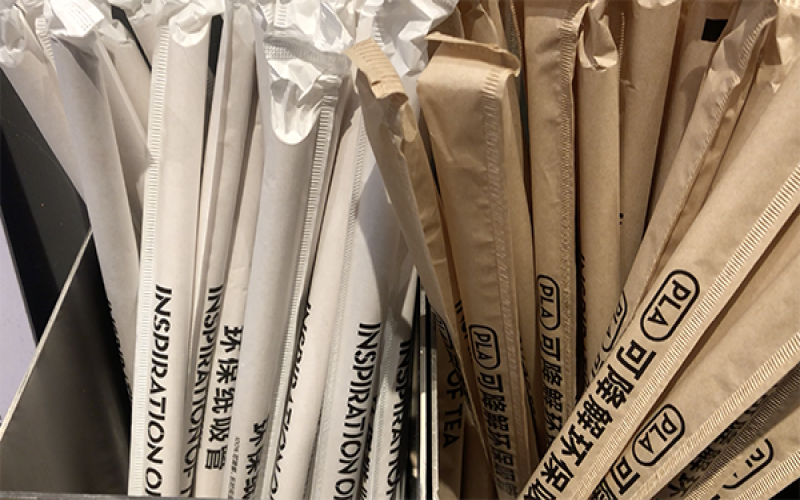
No straw with hot coffee leads to bad reviews? Let's talk about the industry conventions and consumer perception differences behind it
When winter arrives, you order a hot coffee and find there's no straw included—some people grumble about it, while others go straight to leaving a bad review. But why do businesses default to not providing straws with hot drinks? Behind this are both safety considerations—hot liquids can easily cause burns, and plastic straws may release harmful substances when exposed to heat—and a tacit consensus gradually formed across the industry. However, not all customers are veteran coffee enthusiasts, and when faced with "needing utensils" only to receive a hot drink without a straw, misunderstandings and dissatisfaction are naturally hard to avoid. This article will break down the causes and consequences of this contradiction, look at how chain brands and independent cafés respond, and consider what mindset we should adopt toward the diverse choices in how coffee is consumed. [more…]
Coffee Silver Skin Gets a New Life: Japan Launches Silver Skin Straws and Eco-Friendly Tissues
In the coffee industry chain, silver skin is often overlooked as a roasting by-product. However, Japan's Ito En and Tully's Coffee have teamed up to transform this thin protective layer into water-resistant straws. Every 10 grams of coffee beans produces enough silver skin to make two straws, and it does not interfere with the flavor of the drink. In fact, Tully's Coffee had already launched eco-friendly napkins containing silver skin as early as 2012. Although these products are currently limited to some stores in Japan, silver skin-blended paper has already taken an eco-friendly step in reducing pulp usage. This article will guide you through the transformation of coffee silver skin from waste to practical accessories, and revisit coffee grounds recycling cases such as Starbucks' ground coffee straws, exploring the possibility of fully utilizing the entire coffee fruit. [more…]

God of Wealth Latte Goes Viral, Sparks Controversy: Is the Rice Paper Decoration Offensive to Deities and Are Food Safety Concerns Warranted?
After Laba, the Spring Festival approaches, and young people are eager to seek wealth. A coffee shop in Hangzhou launched God of Wealth Latte, combining God of Wealth New Year pictures with coffee, quickly triggering a check-in craze. However, this drink has also drawn questions: Is the glutinous rice paper decoration hygienic and edible? Is it disrespectful to "drink the God of Wealth into your belly"? Previously, Heytea's "Buddha Joy Tea" was summoned for talks and taken off shelves due to religious elements. Will God of Wealth Latte repeat the same mistake? This article sorts out the ins and outs of the incident and introduces alternatives such as the coffee latte art version of God of Wealth Latte. [more…]

Wrong Straw Leads to Full Refund? Luckin Customer Service Handling Sparks Heated Discussion
A Luckin Coffee drink from the Meteorite series ended up with a customer unable to suck up the meteorite toppings at the bottom of the cup because the barista had packed a thin straw. After contacting customer service, the customer actually received a full refund for the order. This handling quickly sparked discussion online: some felt the merchant's service was excellent, while others worried that such a "simple and粗暴" refund approach could set a bad example. Is it thoughtful service or excessive compensation? This small matter of giving the wrong straw reflects the different strategies and potential risks that chain coffee brands face in handling customer complaints. [more…]
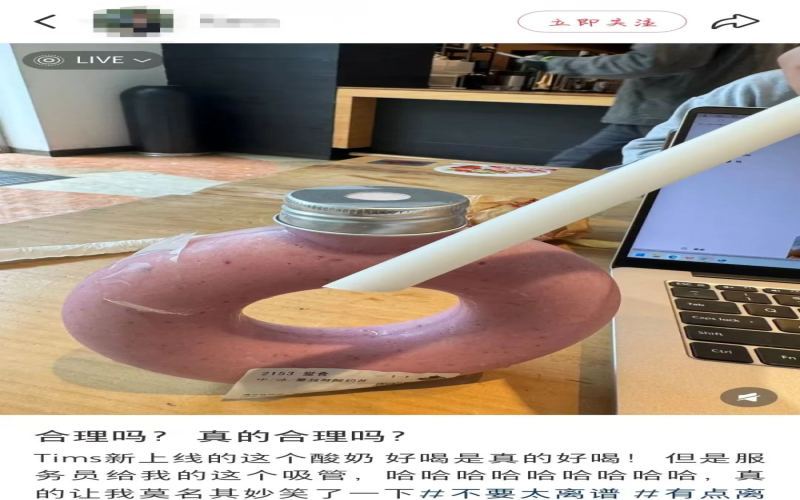
Tims' ring-shaped cup paired with a straight straw sparks heated debate, with the creativity of the packaging, its practicality, and serving efficiency called into question
Tims' newly launched fruit and vegetable drink "Cranberry Yogurt Smoothie" quickly caught consumers' attention with its unique ring-shaped packaging cup, and many people even placed orders specifically for this oddly shaped cup. However, when customers received the drink, they found that it came with a straight, thick straw, and the combination with the ring-shaped cup made people exclaim, "Is this reasonable?" The smoothie has a thick texture, and the straight straw can hardly reach the bottom inside the ring-shaped bottle, so customers had no choice but to unscrew the cap and drink directly. At the same time, Tims employees also complained that the ring-shaped cup affected service efficiency, as the slushy drink was difficult to pour into the narrow bottle opening. Whether this creative packaging is a bonus or a trouble maker has sparked widespread discussion. [more…]
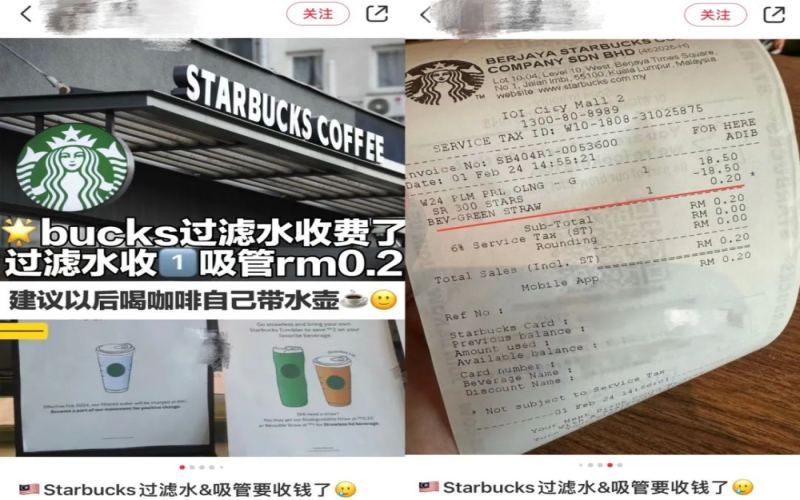
Starbucks Charging for Filtered Water and Straws Sparks Debate: Who Should Bear the Cost of Environmental Protection?
Since 2024, Starbucks has been charging RM1 for filtered water in Malaysia, and biodegradable straws and reusable straws also require an additional fee. This new environmental policy quickly sparked heated discussion among netizens at home and abroad: some criticized it for shifting the cost of environmental protection onto consumers, while others believed the move could help reduce single-use items. Starbucks employees revealed that stores have long experienced petty freeloading, and the charging measures might ease operational pressure. How to balance environmental protection and consumer interests has become a focus of attention. [more…]
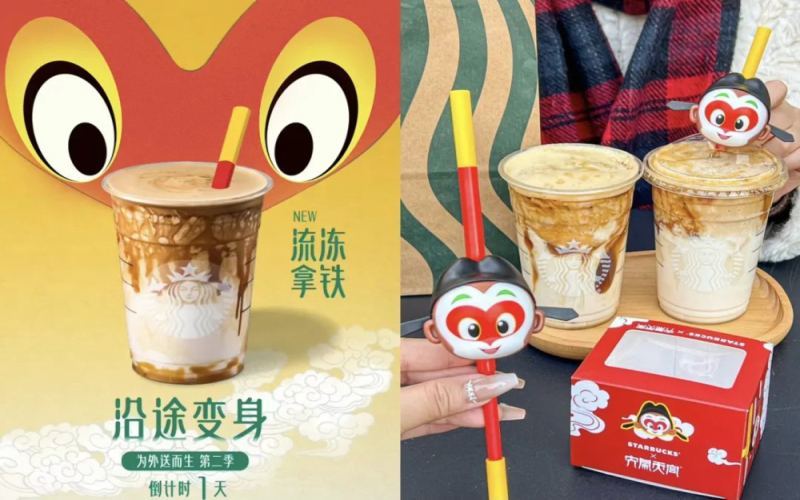
Starbucks' Uproar in Heaven collaboration merchandise gets mocked: you get the golden hoop straw but the Great Sage Monkey King head is missing
Starbucks China officially announced on January 16 a collaboration with the Chinese animated classic Havoc in Heaven, launching a transforming cold brew latte and reusable straw merchandise inspired by the Golden Cudgel, set to go on sale on January 19. Once the news broke, loyal fans and IP enthusiasts were highly excited, but after launch, many netizens found that only the straws were available, while the most anticipated Monkey King head-shaped merchandise was nowhere to be found. Stores in Beijing, Liaoning, Guangdong, Shanghai and other places had very little material, prompting some to joke, "No head, what use is this iron stick?" Although the official had stated in advance that except for the launch cities, stock would arrive between the 21st and 25th, the pace of releasing drinks first and merchandise later, teasing appetites, still left many consumers disappointed. This article reviews the entire collaboration event and netizen feedback, and also reminds brands to prepare more thoroughly when planning such activities. [more…]
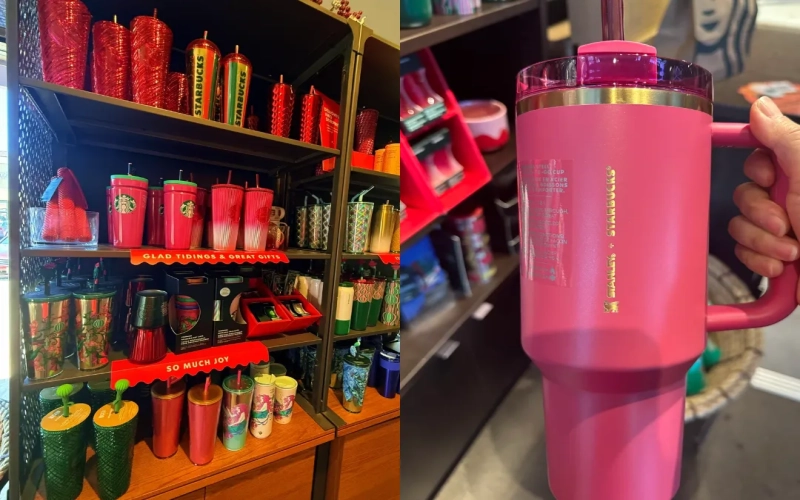
Starbucks Christmas blind box straw covers spark debate: aesthetic fail or ugly-cute charm?
During the Christmas season, Starbucks launched a series of holiday-exclusive products in North America, ranging from co-branded cups to prize-winning mini-games, and even silicone straw covers sold in blind boxes, sparking widespread discussion on social platforms. However, the actual appearance of these blind-box straw covers left many consumers exclaiming that they were "ugly in a fair way," with both their shapes and color schemes becoming focal points of criticism. This article will walk you through the specific mechanics of Starbucks' blind-box marketing campaign, the product design, and genuine feedback from netizens, while also comparing the different approaches of the Front Street Coffee brand when it comes to coffee-related merchandise. [more…]
Guming’s release of a gaiwan-shaped takeaway cup sparked heated debate, with its brown lid and white straw said to resemble a toilet plunger.
Tea beverage brand Gu Ming recently launched a regional limited-edition new product, "Freshly Stewed Two Pears," made by stewing six ingredients including white fungus, fragrant pears, and red dates, with a focus on the concept of health and wellness, attracting many consumers to try it. However, what drew more attention than the drink itself was the gaiwan-style takeaway cup paired with the new product. Some customers posted on social media, pointing out that after the brown cup lid was inserted with a white straw, the overall appearance closely resembled a toilet plunger, triggering a large amount of onlookers and ridicule. Some netizens believed that the unreasonable color scheme and design were the main cause of the negative association, while others said that brands such as Nayuki had used similar cup shapes before without producing this impression. In addition, some consumers reported that they were unaware of the straw opening design on the cup lid, which caused inconvenience in use. Around this controversy, this article compiles feedback and discussion from various parties. [more…]
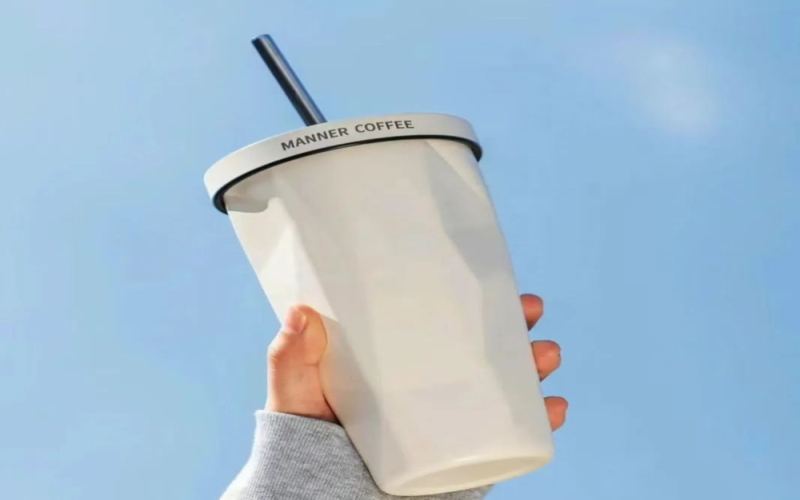
Manner's stainless steel straw cup adds a silver version, and within less than half a day of launch, it faced collective complaints about the lid's paint peeling off.
Manner has long been known for its "bring your own cup and get 5 yuan off" policy and for frequently giving away stylish cups. The stainless steel straw cup launched last November sparked controversy because it could only be obtained by purchasing a 75-yuan set meal. After more than half a year, the official announcement on the last day of August revealed an additional silver model, officially launching on September 2, with stock increased to 60,000, and the threshold relaxed to receiving one free with the purchase of two iced coffees through delivery channels. The high aesthetic appeal and low barrier made cup collectors eager, with many people preemptively monitoring mini-programs or delivery platforms for price changes, ready to order promptly and wait for delivery. However, less than 12 hours after the campaign launched, complaints began appearing on social media: after rinsing the new cup with clean water, paint peeled off the outer side of the lid, as if the silver coating had been scratched, instantly blemishing the originally striking new cup. Some netizens checked the packaging information and found that the cup body and straw are made of metal, while the lid is PP polypropylene plastic with an outer coating, which easily peels off when exposed to water or light scraping. [more…]