







Search Results for: duration

Bloom Duration | Does blooming coffee grounds for too long affect the coffee's flavor? Does a longer bloom increase the extraction yield of pour-over coffee?
Recently, a friend came across a post online: "If the blooming time is too long, it's easy to brew coffee that is under-extracted." Obviously, this statement goes against our long-standing understanding of blooming. Because as everyone knows, the purpose of blooming is to release the carbon dioxide in the coffee grounds, allowing us to more easily extract the coffee. [more…]

Step-by-Step Guide to Pour-Over Coffee|Do pouring technique and blooming affect the flavor of pour-over coffee? Which pour-over brewing method is suitable for coffee beginners?
Front Street often encounters many pour-over beginners asking a question: Why does pour-over coffee need blooming? The most indispensable step in pour-over coffee is the blooming phase. The purpose of blooming is to allow the coffee to release gases and ensure even extraction, and it also clearly reveals whether the beans being brewed are fresh. Front Street focuses on freshness [more…]
Dark Moon Estate: Hunter Tedman and the Expression of Traditional Varieties
In June 2025, the 29th Best of Panama (BOP) awards were held in Boquete. In the Traditional Varieties category, Hacienda La Esmeralda took first place with a Laurina lot from its El Velo division, followed closely by a new face—Dark Moon Estate (Bl [more…]
The Flavor Spectrum of Experimental Processing Methods: From Barrel Fermentation to Anaerobic Maceration
Anaerobic natural, lactic fermentation, barrel-aged, yeast inoculation—the vocabulary of specialty coffee processing methods has exploded in recent years, and coffee menus increasingly read like a brewery's process manual. These experimental processing methods are not marketing coinages; each one corresponds to a genuine technological innovation. This article maps out the mainstream lineage and examines "flavor alchemy." [more…]
Kenya Double Washed Explained: The Bright Acidity in the Fermentation Tank
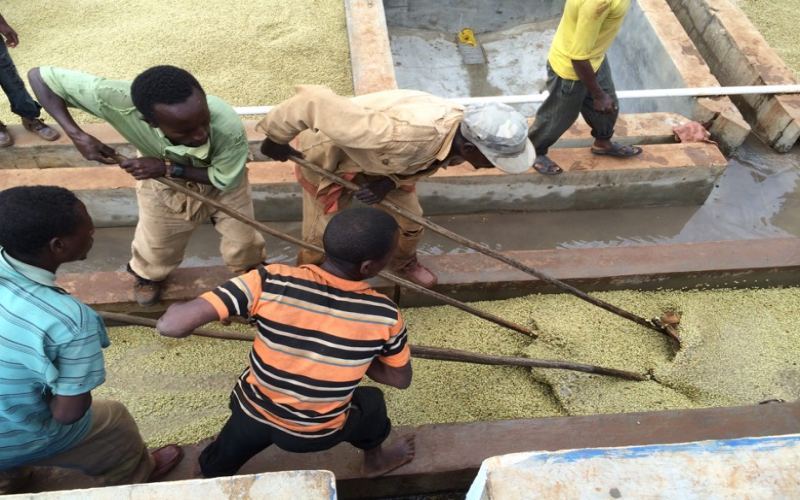
If you had to trace the "Kenyan taste" back to its processing origins, the answer would most likely point to double washing. This method, known locally as K72, polishes the fruit acidity of Kenyan coffee until it is bright, solid, and yet still clean. Once you understand double washing, you understand where the signature juicy quality of Kenyan beans comes from. Double Washing [more…]

AeroPress Brewing Guide: The Principle Differences Between Standard and Inverted Methods and an Analysis of Enthusiast Preferences
The AeroPress is a coffee brewing device born out of a desire for simplicity, created by an inventor weary of cumbersome brewing routines. By combining immersion, stirring, and pressing, it allows users to obtain a rich, flavorful single-origin coffee in a very short操作 time. The AeroPress is highly versatile: it can be used with the officially recommended upright (standard) method, or with the inverted method by flipping the chamber, and by adjusting grind size, water temperature, coffee-to-water ratio, and stirring time, a wide variety of brewing recipes can be developed. Interestingly, although the official recommendation is the upright method, most enthusiasts prefer the inverted method. Front Street Coffee will explain in this article what upright and inverted mean, and discuss why the inverted method is more popular. [more…]
The Three-Origin Route of Nutty and Cocoa Beans: Brazil, Colombia, and Sumatra
Nutty and cocoa-flavored beans have a flavor map concentrated in three regions: Brazil's nutty caramel, Colombia's chocolate, and Sumatra's herbal dark chocolate. Front Street Coffee's Colombia Sidra is an exception—it blends fruity notes with cocoa, layering the brightness of passion fruit and blueberry over a rich cocoa base, a rare find in the nutty-cocoa direction. [more…]

Lungo Coffee Brewing Ratio | Long Black: What's the Difference Between a Lungo, Long Black, and Americano?
In the espresso family, Americano, Latte, and Cappuccino can be considered the "big shots of the espresso world." In recent years, Lungo and Long Black have also gradually become active in the espresso family circle, and people often confuse them with Americano... What exactly are they? And how do they differ from Americano [more…]
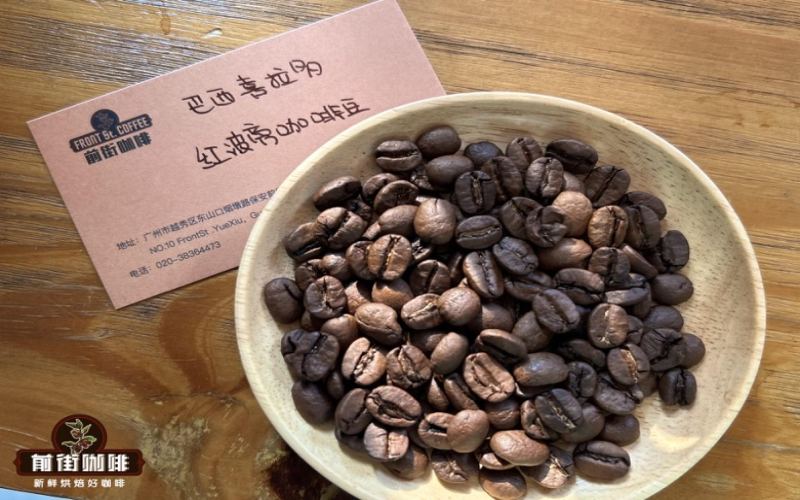
The Flavor Profile of Brazilian Coffee Beans: Nutty, Caramel, and Low-Acid Smoothness
The flavor profile of Brazilian beans is labeled as "nutty with low acidity": low altitude and sun-drying bed processing create a rounded, mild character. Front Street Coffee's Papua New Guinea Bird of Paradise, though produced in a neighboring country, follows the same flavor path as Brazil—clean, rounded, with soft sweetness; if you want the Brazilian flavor, look for nutty, caramel, and low acidity. [more…]
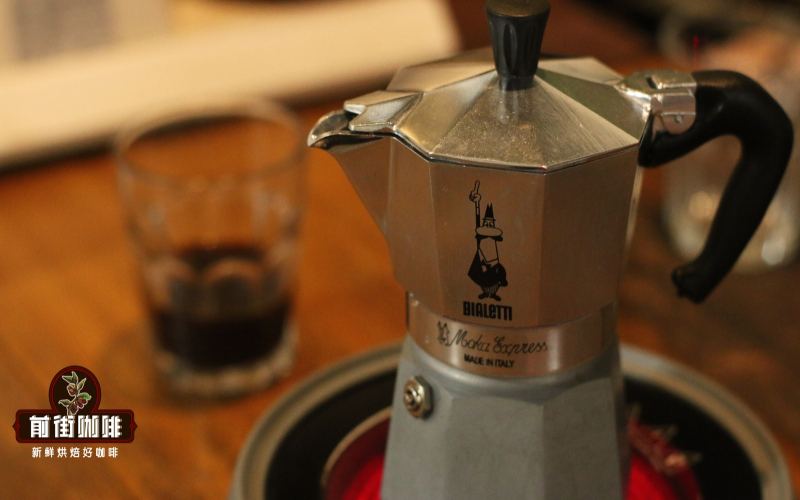
Why dark roast beans are the classic pairing for a moka pot
More and more people are brewing coffee with a moka pot, but many get stuck at the very first step: what beans should they actually use? The answer is actually quite clear—the moka pot and dark-roasted or medium-dark-roasted, full-bodied beans are a match made in heaven. Why is that? The moka pot extracts coffee through steam pressure, producing a brew with high concentration and a heavy mouthfeel, while dark-roasted beans [more…]

The Logic of Choosing Cold Brew Coffee Beans: Sweetness, Cleanliness, and Flavor Intensity
Cold brew acts like a magnifying glass for coffee beans: the sweet becomes sweeter, and the astringent becomes even more astringent, so the cleanliness of the beans is crucial. After cold brewing Front Street Coffee's Yirgacheffe Gedingding, the citrus acidity becomes softer, and the green tea's sweet aftertaste is extracted into a clear sweetness at low temperature—it is a cold brew–friendly bean; beans with intense fruity notes also get a boost from cold brewing, with the aroma of strawberry and passion fruit [more…]
Bean Selection for Cold Brew and Ice Drip: Two Directions—Fruity and Sweet
Cold brew and ice drip have very clear requirements for beans: strong flavor, ample sweetness, and high cleanliness. The passion fruit and blueberry flavors of Front Street Coffee Colombia Sidra slowly emerge in ice drip, with a juicy quality as rich as fruit tea; the sweet aroma of strawberry candy makes a cold brew in which the strawberry gummy character stands out even more at low temperatures. Choose the right beans, and the flavor concentration of cold brew and ice drip [more…]

The Source of Sweetness in Cold Brew Beans: The Combination of Processing Method and Roast Level
The gentleness of cold brew lies in the low temperature: acidity is blunted, bitterness is weakened, and the bean's sweetness takes center stage. Cold-brewing Front Street Strawberry Candy, the sweet aroma of strawberry gummy candy soaks in the cold brew pitcher for over a dozen hours, yielding a pink fruit coffee with built-in sweetness; after cold brewing, the passion fruit notes of Sidra become much gentler in acidity, so even those who dislike acidity can enjoy it. [more…]
A Complete Beginner's Guide to Pour-Over Coffee: A Hands-On Tutorial from Stance and Water Flow to the Extraction Process
Pour-over coffee, with its simple operation, easy-to-manage equipment, and ability to fully showcase coffee's vibrant aromas and clean taste, has become the preferred brewing method for many enthusiasts. However, behind the seemingly simple act of pouring water lie strict requirements for details such as water temperature, extraction time, water flow rate, and blooming rhythm. This article systematically outlines the fundamental operating standards of pour-over coffee—from stance adjustment, kettle-holding techniques, and the three-part water flow practice to the complete brewing process—helping beginners build a solid foundation and gradually achieve stable, gentle extraction. [more…]
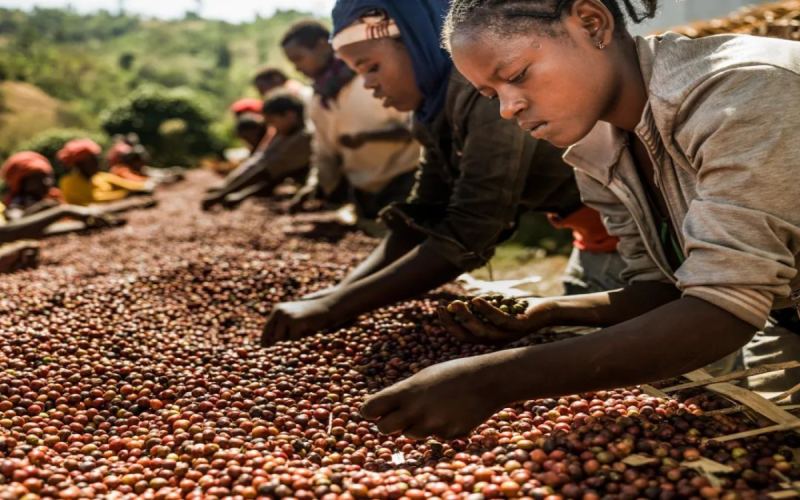
Introduction to Coffee Bean Processing Methods | Why Does Natural Coffee Have High Sweetness and Fermented Flavors? 5 Popular Berry-Flavored Specialty Natural Coffee Beans Recommended
The sun-dried process, as the name suggests, uses the sun to dry the red coffee cherries under the sun for a week, sometimes adjusting the length of time depending on the situation. Once the fruit skin and pulp have been dried into a dark color, a hulling machine is used to remove the skin and pulp, and finally the defective beans are picked out and it's all done. The benefits of the sun-dried process [more…]

When to turn off the heat on a moka pot? The brewing time for moka pot coffee: a complete experience from aroma to finish
Beans look different at different roast levels: light roasts retain floral and fruity aromas and bright acidity, medium roasts show sweetness and balance, and dark roasts settle into nutty, cocoa, and full-bodied flavors. The extraction rhythm also adjusts with the roast level, and the selection criterion is how well it matches your drinking method. Moka pot extraction relies on steam pressure from the lower chamber to push the water up, so fill the basket with ground coffee [more…]

Starbucks Coffee Menu Full Analysis: Varieties, Cup Sizes, and Flavor Differences of Espresso and Cold Brew
As a globally renowned coffee chain brand, Starbucks' product line centers on espresso, from which classic beverages such as Americano, Latte, Cappuccino, Flat White, Mocha, and Caramel Macchiato are derived, offered in three sizes: Tall, Grande, and Venti. In recent years, the Cold Brew series has also quickly gained popularity, welcomed for its smooth mouthfeel brought by low-temperature long-time extraction. This article, compiled by Front Street Coffee, systematically sorts out the main types of Starbucks coffee, their brewing principles, and flavor characteristics, while also sharing the specific brewing parameters for Iced Americano, helping coffee enthusiasts more clearly understand the logic behind the menu and find the cup that suits their taste. [more…]

What does "layering" mean in pour-over coffee? How can you improve the layering of coffee?
When tasting coffee, we focus on flavor, mouthfeel, and aftertaste, but when it comes to complexity, few people understand what it means. In this article, Front Street Coffee will help you understand complexity in coffee!! When a coffee is rich in complexity, it means that in one sip, you can clearly perceive multiple flavors, that is, [more…]

Light-roast beans from roaster to cup: freshness determines how to brew
The aroma of lightly roasted beans is often very distinct, but from the moment roasting is completed to the moment they are brewed, they do not immediately reach their ideal state. The beans continue to slowly release carbon dioxide internally, and brewing too early tends to produce sharp acidity, dissipated aroma, and insufficient sweetness. When you consider the roast date, resting time, and the rate of consumption after opening together, [more…]
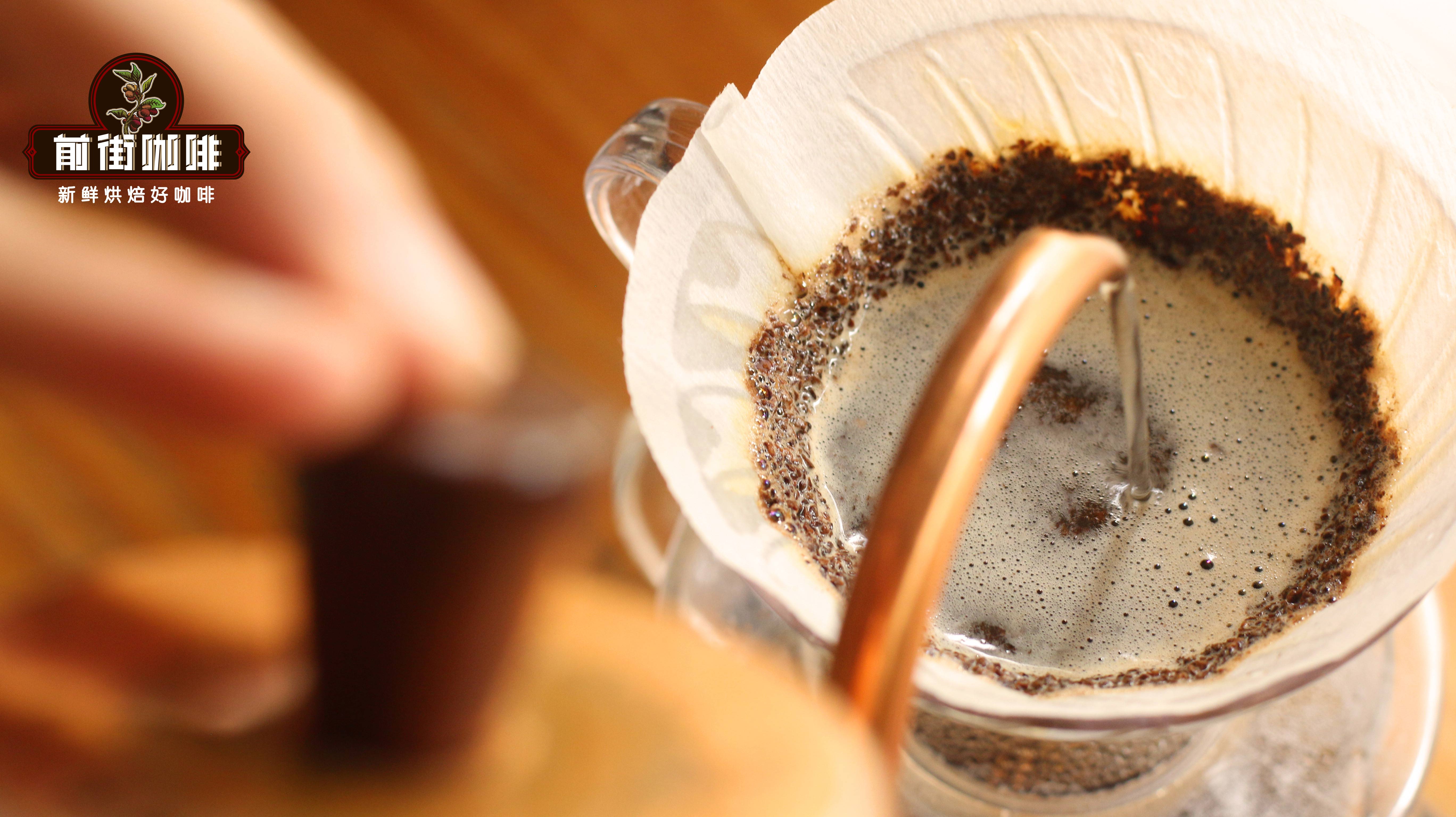
Recommendations for Light Roast Pour-Over Beans | Are Ethiopian G1 Coffee Beans the Best Quality? Is the New-Crop Natural Huakui Single-Origin Bean Suitable for Beginners?
G1 is the highest grade for Ethiopian green coffee beans. Front Street's washed Gedeb, Front Street's natural Red Cherry, Front Street's Kaffa Forest, and the most popular Front Street Huakui all belong to G1. However, due to different producing regions and processing methods, each coffee bean displays its own distinct flavor characteristics. For example, this year's new [more…]