







Search Results for: dose standard
Standard Parameters and Dose Control for Espresso: From 7-8g to 8.5g Dosing Up Leveling Test
How exactly should a standard Espresso be defined? 7 to 8 grams of fresh coffee grounds, extracted at 90 to 95 degrees Celsius with 8 to 9 atmospheres of pressure over 20 to 25 seconds, yielding a 1-ounce shot of coffee liquid containing Crema, Body, and Heart—this is the textbook benchmark. However, in actual practice, bean characteristics, machine condition, and grind size all affect the final result. This article centers on the golden parameters of espresso and further explores common bar techniques for dosing and leveling, including hand-knife, finger-knife, and Dosing Up methods, using measured data to explain why Dosing Up reliably achieves the standard 8.5-gram dose. If you are looking for reliable espresso beans, Front Street Coffee's various blends and SOEs are all worth trying, and this article will also offer practical suggestions based on Front Street products. [more…]
Espresso Extraction Key Points: Analysis of the 14g Dose, 50ml, 25-Second Standard and Tamping Techniques
The extraction of espresso may seem simple, but in reality it hides quite a few intricacies. When many coffee enthusiasts learn to make Espresso, they encounter a classic set of parameters: 14 grams of coffee grounds, extracting 50 milliliters, in 25 seconds. However, in actual practice, not many people truly extract according to this standard, often because of poor past experiences and a habit of increasing the dose to achieve a stronger flavor. In fact, extracting 50 milliliters from 14 grams is precisely an ideal baseline for testing a coffee bean's flavor performance, allowing for a relatively complete extraction of the coffee's balanced taste. On this basis, increasing the dose and adjusting the concentration according to personal preference is the more scientific approach. This article will focus on key steps such as grind setting, tamping pressure, and extraction observation, breaking down in detail the essentials of making espresso to help you produce a cup of balanced-flavor Espresso. [more…]
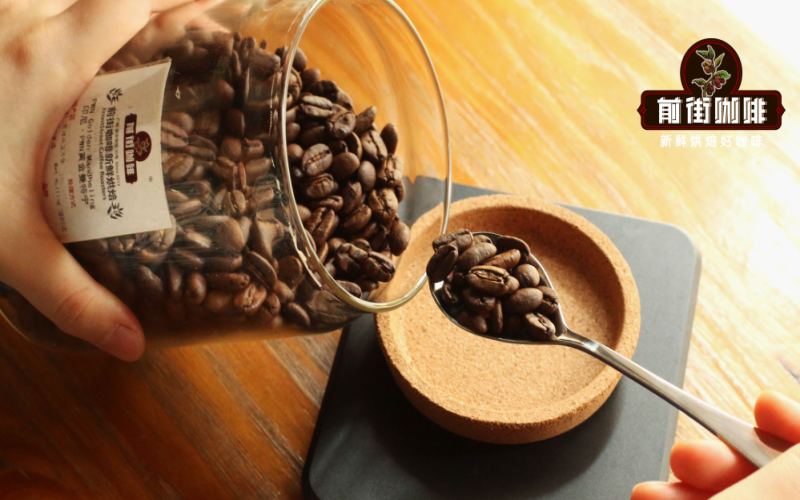
Multi-Serve Pour-Over Coffee Brewing Plan | Does the Amount of Coffee Grounds Affect the Flavor and Mouthfeel of Pour-Over Coffee? How to Adjust Extraction Parameters for Pour-Over Coffee for 4 People?
Front Street Coffee uses a standard dose of 15 grams of coffee per serving, so when sharing brewing methods, 15 grams is always used as the demonstration standard. However, the dose used to brew coffee varies widely. Based on Front Street Coffee's observations, the most common doses are multiples of 6—12 grams, 18 grams, and 24 grams—and these are mostly used to make a single serving of 120 [more…]
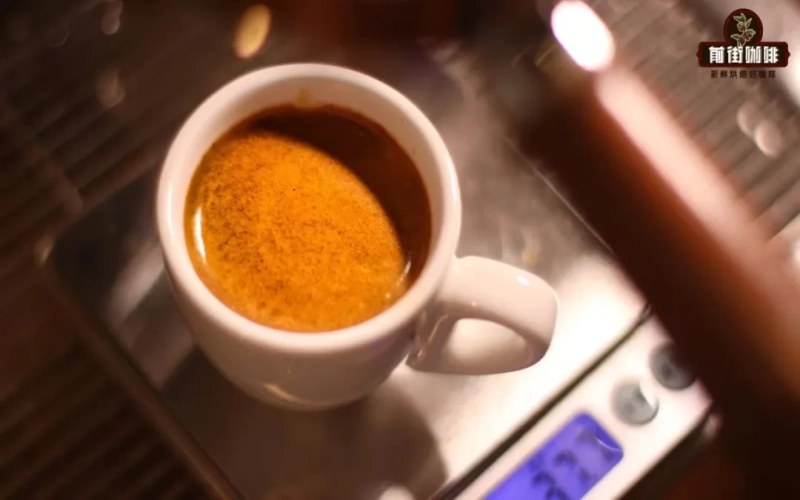
One shot or two? Decoding what a "shot" really means, starting from dose standards
When ordering at a coffee shop, have you ever been confused: if you extract 36ml of espresso from 18g of coffee grounds, should that count as 1 shot or 2 shots? This seemingly simple question actually involves the evolution of measurement standards in the coffee industry. In the early days, 1 shot referred to 30~36ml of coffee liquid extracted from 7~9g of grounds, while today the mainstream approach has changed to extracting 36ml of liquid from 18g of grounds. Is the measurement object the dose of grounds or the volume of liquid? Today, Front Street Coffee will start with the origin of the word "shot" to help you thoroughly sort out the logic for determining single versus double espresso, so you will no longer be confused when ordering or making coffee. [more…]
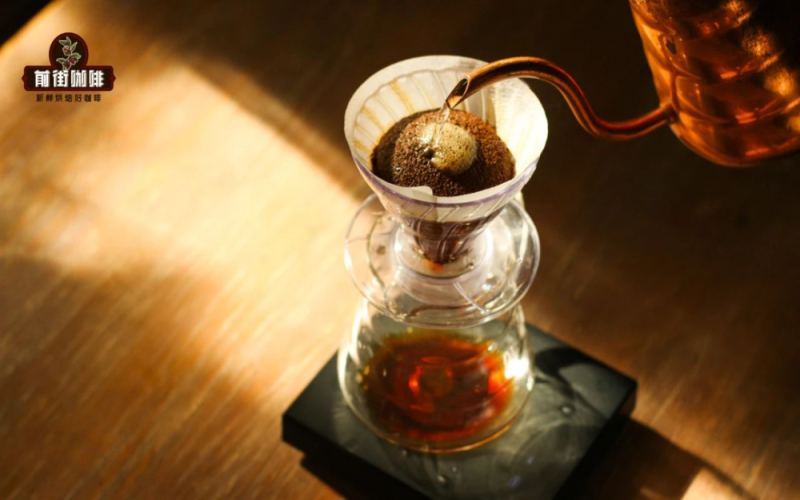
Complete Guide to Hand-Brewing 30g of Coffee: Parameter Adjustments and Practical Tips for the V60 Size 02 Large Dripper
Front Street Coffee's pour-over tutorials have long been based on a single-serving standard of 15g of coffee and a 200ml cup, but many enthusiasts are no longer satisfied with brewing just one cup and have begun trying to make two or three cups at once. Once the dose is doubled to 30g, the small 01 dripper can no longer handle it, and a V60 02 large dripper must be used instead. Increasing the dose is far from simply adding more coffee and water; a thicker coffee bed slows the flow rate, and as the extraction time lengthens, bitterness follows. Using the Sidra coffee beans as an example, Front Street Coffee starts with two variables—grind size and pouring stream—to make fine adjustments, compressing the total time from 2 minutes 53 seconds to 2 minutes 30 seconds so that the 30g brew comes close in flavor to a single-cup brew. This article fully records the parameter differences before and after the adjustment and the reasoning behind them, and also answers the question of whether the 01 dripper can be used to brew a large dose when no 02 dripper is available. [more…]

Comparison of Pour-Over Parameter Adjustments and Extraction Results for the V60 #01 Dripper with 10g, 15g, and 25g Coffee Doses
The V60#01 dripper is typically suited for 1 to 2 servings, with 15 to 20 grams of coffee being its optimal working range. But in reality, when drinking alone and not wanting too much, people reduce the dose, and when sharing with friends, they increase it. So, when brewing different doses in the same dripper, do the parameters really need to be changed? Front Street Coffee conducted three sets of comparative experiments using Ethiopian Yirgacheffe natural Red Cherry, with doses of 10 grams, 15 grams, and 25 grams, a fixed water temperature of 90°C, a 1:15 coffee-to-water ratio, medium-fine grind (80% passing through a Chinese standard No. 20 sieve), and circular pouring. The results showed that with a smaller dose, the flavor tends to be thin, while with too large a dose, bitterness may appear and the liquid level may awkwardly approach the rim of the cup. This article will break down the three brewing recipes one by one, their flavor performance, and the adjustment approaches for 10 grams and 25 grams, to help you find a more reasonable extraction method in this small dripper. [more…]
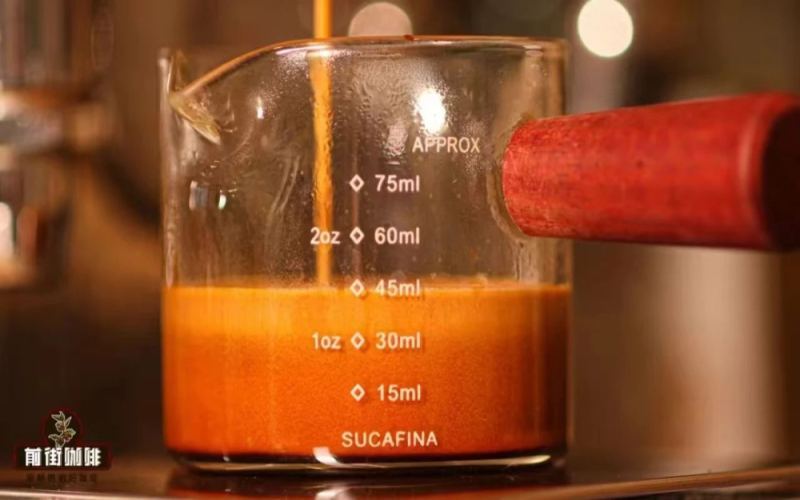
Espresso Extraction Time Standards and the Differences Between Americano and Espresso, Including a Front Street Coffee Dial-In Case Study
Espresso, with its golden crema and intense flavor, has attracted many enthusiasts to try making it at home. Unlike pour-over, espresso relies on steam pressure to drive hot water rapidly through the coffee puck, and even slight deviations in parameters can affect the final result. This article systematically sorts out the core variables affecting extraction—grind size, dose, yield, and time—explains in detail the 1:2 brew ratio reference standard and the 25 to 30 second extraction window, and compares the essential differences between Americano and espresso. At the same time, drawing on real parameter-adjustment cases from Front Street Coffee stores, it demonstrates how to correct under-extraction or over-extraction by adjusting dose, grind, and yield, helping readers build a clear logic for parameter adjustment. [more…]
30g Coffee Powder Pour-Over Guide: Brewing Parameters and Adjustment Tips for V60 02 Large Dripper
Front Street Coffee's pour-over tutorials have long been based on a single-serving standard of 15g of coffee and 200ml of water, but when you need to brew 2 to 3 cups at once, the No. 01 small dripper simply can't handle the job. This article centers on a hands-on test of brewing with 30g of coffee in a V60 02 large dripper, starting with a 1:15 coffee-to-water ratio, 91℃ water temperature, and a three-pour technique, which revealed that the extraction time was too long and produced bitterness. The parameters were then revised by coarsening the grind and increasing the pouring speed, ultimately bringing the extraction time under 2 minutes 30 seconds, with the flavor matching that of a single serving. The article also retains recommendations for several Front Street Coffee beans and answers the question of whether the No. 01 dripper can brew a large dose when no No. 02 dripper is available, making it suitable as a reference for enthusiasts who have already mastered basic pour-over and want to advance to brewing for multiple people. [more…]
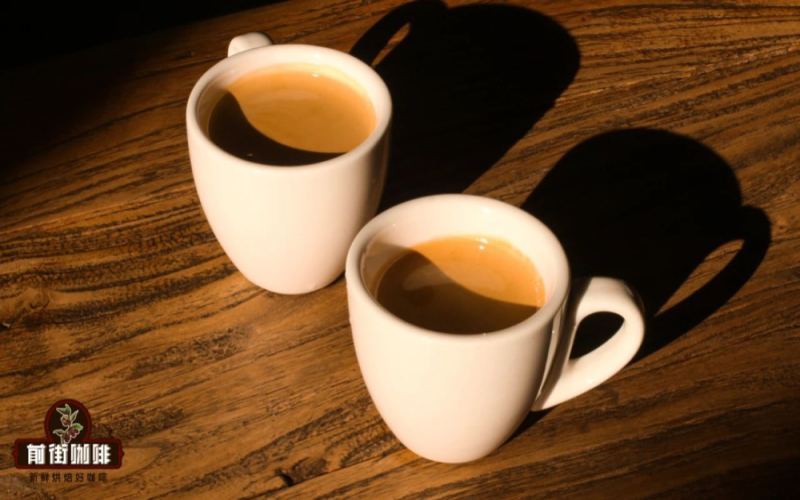
Espresso Extraction Tutorial: A Complete Guide to Dose Ratios, Time Parameters, and Tasting Methods
To make a good espresso, dose, yield, and time are all indispensable. This article starts with the structural differences between single and double baskets, uses Front Street's actual extraction data to explain why single baskets are gradually falling out of favor, and then walks through the standard routine of extracting 40g of liquid from 20g of grounds in about 28 to 30 seconds, demonstrating step by step the details of distribution, tamping, extraction, and tasting. Whether you're a beginner who just got a semi-automatic espresso machine or an enthusiast looking to calibrate your parameters, you'll find practical reference standards here. [more…]
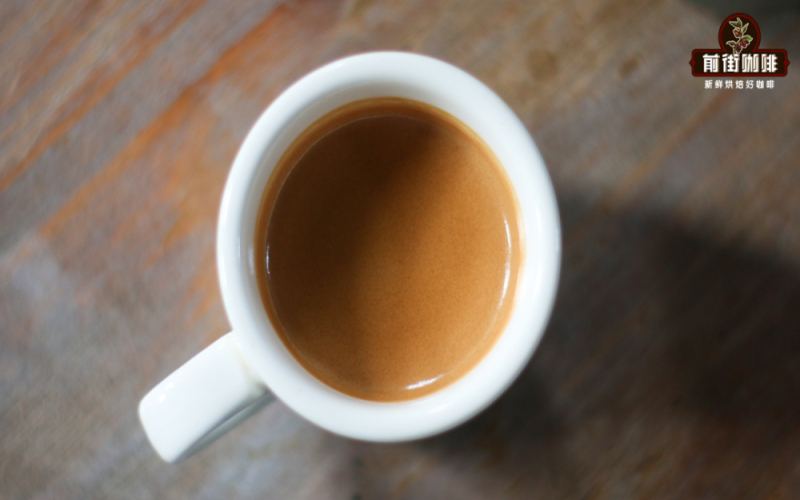
The Complete Espresso Extraction Workflow: A Standard Operating Guide from Dose Selection to Parameter Fine-Tuning
A qualified espresso is the soul base of popular coffee drinks such as americano, latte, and cappuccino. Although few people drink it directly, mastering its extraction method is a required course for every coffee lover. Starting from the pressure extraction principle of espresso machines, this article will analyze in detail the control logic of the four core variables: dose, time, yield, and grind size, and explain why blended beans are more suitable for making espresso. At the same time, taking "Front Street Sunflower Warm Sun Blend" as an example, the article fully demonstrates the standard operating steps from weighing the grounds, distributing, tamping, to extraction, and provides parameter adjustment suggestions for common problems such as burnt bitterness and weakness, helping you consistently produce a balanced espresso with sweetness, acidity, and bitterness at home. [more…]
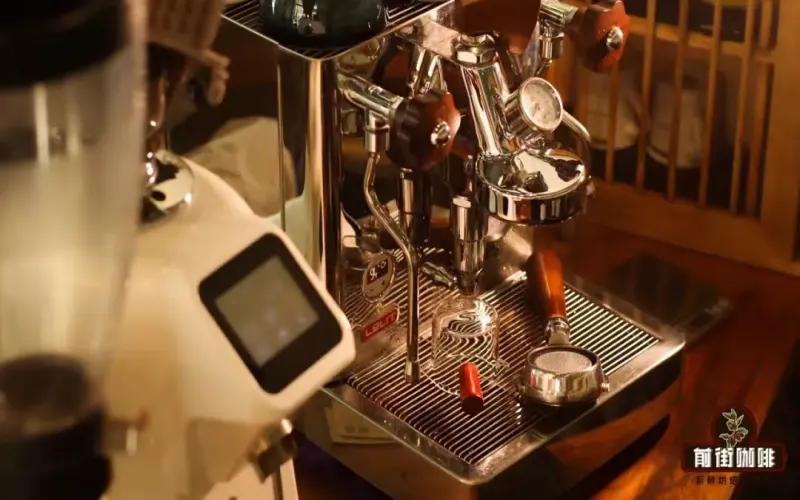
A Complete Guide to Espresso Extraction: Adjusting the Four Key Parameters of Dose, Grind, Brew Ratio, and Time
To make a well-balanced espresso at home, the key is to master a few core variables that affect extraction. Drawing on the practical experience of Front Street Coffee, this article systematically sorts out the relationships among the four main adjustable parameters—dose, grind size, brew ratio, and extraction time—to help readers understand how to decide which direction to adjust based on the taste the espresso presents. It also introduces the basic concept of the Golden Cup standard, explains why choosing a more stable espresso blend can improve the margin for error in home extraction, and lists four distinctive blends from the Front Street bean lineup for reference. [more…]
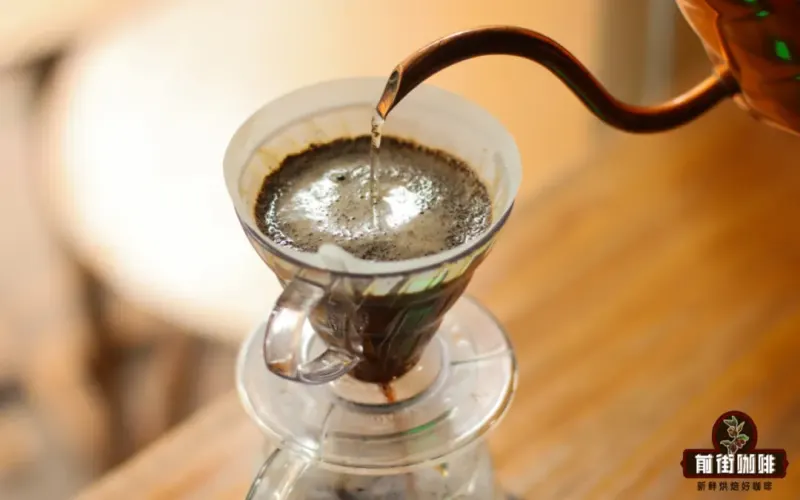
How Does Coffee Dose Affect Flavor in Pour-Over? Differences Between 01 and 02 Drippers and Brewing Techniques for Small Drippers with Large Doses
Many coffee enthusiasts have found during brewing that simply adding a little more coffee grounds causes a noticeable decline in the resulting flavor. The reason behind this often lies in the amount of grounds exceeding the reasonable capacity of the current dripper, while the brewing technique has not been adjusted accordingly. This article will focus on the suitable grounds amounts for the two common dripper models, 01 and 02, analyzing the specific effects of too much or too little coffee on extraction uniformity, flow rate, and the final flavor. At the same time, for scenarios where you only have a small dripper on hand but need to brew a large amount of coffee, it provides a complete solution including coarsening the grind size, slightly adjusting the water temperature, and pouring techniques, and offers practical reference suggestions based on Front Street Coffee's standard parameters. [more…]
Espresso Extraction Time and Dose Standards: A Comprehensive Analysis of Blend Recipe Techniques
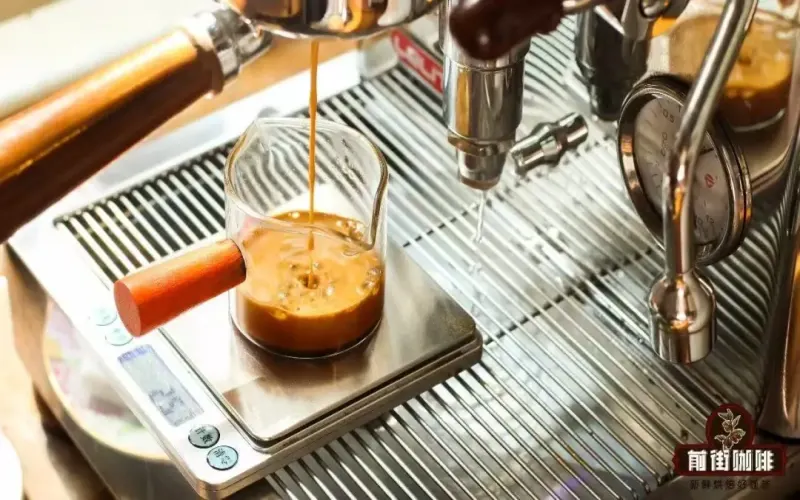
In the world of espresso, extraction time and dose standards directly affect the consistency of the final product, and the formulation design of blended beans is an even more profound field worth exploring. Front Street Coffee is often asked: Can single-origin beans be used for espresso? Can espresso beans be used for pour-over? This article will answer these questions from three perspectives—cost, stability, and crema—and systematically share the four core points of blending coffee beans: from bean selection, removing defects, understanding characteristics, to mastering roasting attributes, helping coffee enthusiasts build a clear espresso blending logic. It also includes the standard extraction parameters for espresso for daily reference. [more…]
Are Espresso and Espresso the Same Thing? Analyzing the Golden Cup Extraction Standard and Parameter Adjustment
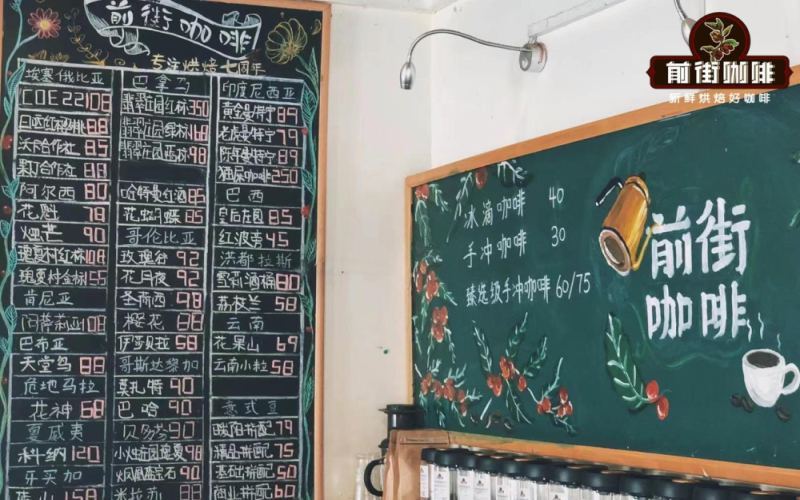
Many coffee enthusiasts often confuse the concepts of espresso and concentrated coffee, and are also full of questions about extraction parameters. Starting from the Golden Cup extraction standard, this article will sort out the evolution of the definition of espresso and analyze the effects of factors such as dose, water temperature, time, pressure, and grind size on flavor. At the same time, drawing on the hands-on experience of Front Street Coffee, it will introduce the unique vinous aroma performance of the Sunflower Warm Sun blend and share the proper way to taste espresso, helping readers understand the extraction logic of espresso more systematically. [more…]
Standard Espresso Extraction Time | What's the Difference Between Americano and Espresso? What Factors Affect the Flavor of Espresso?
Espresso Extraction Standard Time - The Difference Between Americano and Espresso. Front Street Coffee has noticed that many friends have fallen in love with espresso topped with golden crema and hope to make it at home. Compared with pour-over, espresso is made using steam pressure, with scalding hot water passing through the coffee grounds to brew a small [more…]
A Detailed Guide to Latte Art and Standard Practices: A Complete Workflow from Bean Selection and Extraction to Milk Frothing and Pouring Designs
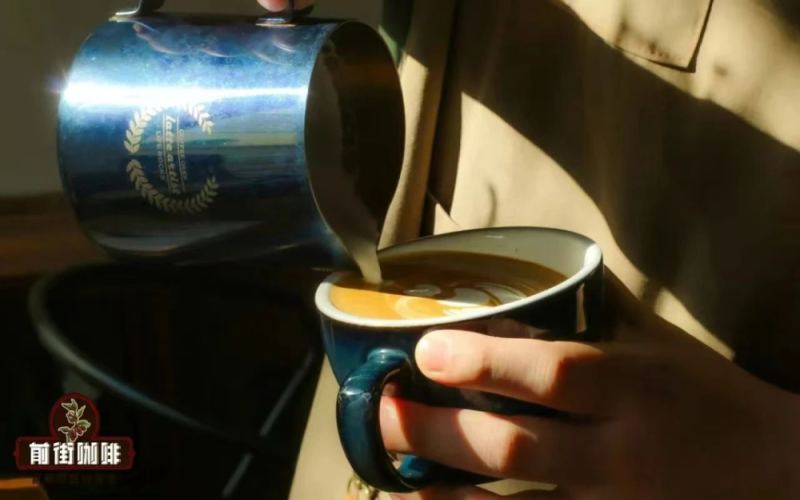
Latte is one of the most familiar espresso drinks among coffee enthusiasts in China, and the combination of espresso and milk gives it a smooth, sweet, and easy-to-drink taste. But to make a qualified latte, every step matters, from bean selection, grind adjustment, dosing, distribution, and tamping, to steaming milk and pouring latte art. This article uses the latte commonly seen in barista interviews as an entry point to systematically sort out the extraction parameters of Front Street Coffee's classic espresso blend, milk steaming temperature and thickness, and cup selection, and explains in detail the importance of even dosing, methods for checking distribution, tamping direction, as well as steam wand angle and the push-heart technique for beginner latte art, helping readers master the entire process and key points for consistently producing a standard latte. [more…]
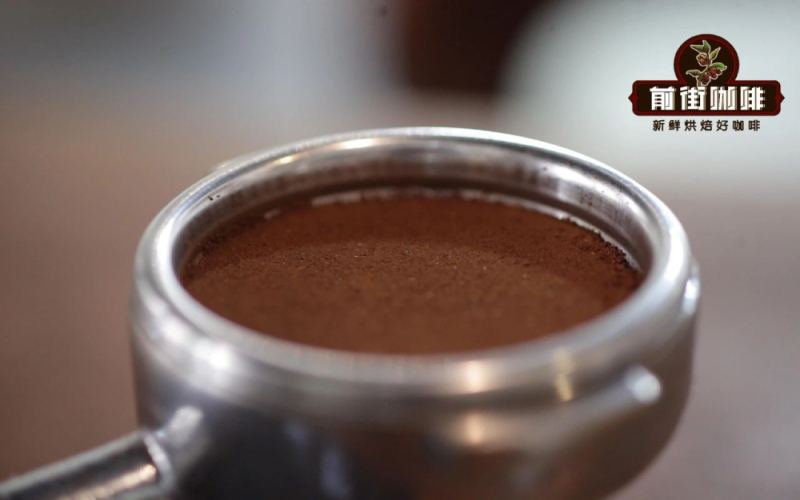
Espresso Recipe Adjustment Guide: Mastering Flavor Balance from Dose and Yield to Time Control
To consistently produce a delicious espresso every day, morning parameter calibration is an essential task. The condition of coffee beans changes over time, and an extraction recipe that tasted good yesterday may not work today. Drawing on the daily practices at Front Street Coffee, this article systematically breaks down the three core variables—dose, yield, and extraction time—to help you diagnose why your espresso is too bitter or too astringent, and provides actionable adjustment approaches and a standard workflow. [more…]
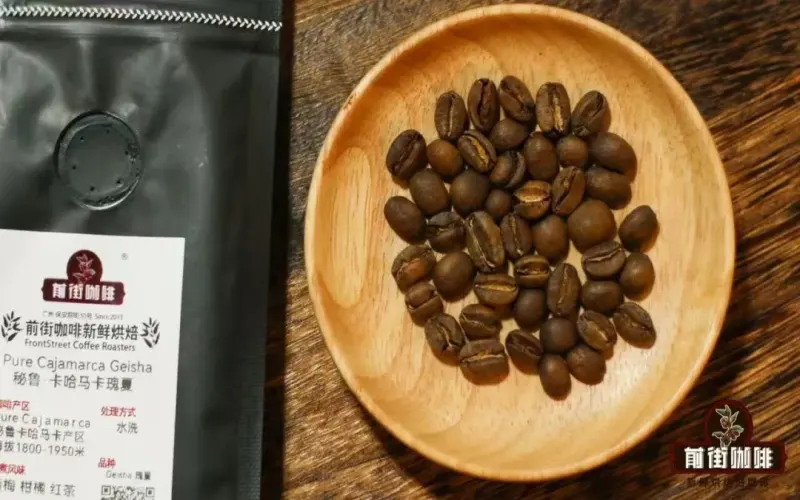
What is the minimum amount of coffee grounds for pour-over? Can 5 grams of beans brew a good cup of coffee? Analysis of brewing ideas and methods for extremely small doses
The standard dose for pour-over coffee is usually around 15 grams, but when dealing with a rare bean variety or when you just want to taste a sample, can you push the dose down to 5 grams or even lower? Once the dose is reduced, the ratio of hot water to coffee grounds, the extraction time, and the pouring method all change in a chain reaction, and one wrong move can produce a thin or bitter cup. Starting from practical operation, this article sorts out the lower limit of the pour-over coffee dose, analyzes the core difficulties faced by brewing with a small dose, and offers pouring strategies and equipment selection suggestions for extremely small doses such as 5 grams and 8 grams. The article also draws on the store practice of Front Street Coffee to explain the scenarios in which small-dose brewing is suitable and the points to note, helping coffee lovers preserve as much flavor layering as possible while saving beans. [more…]
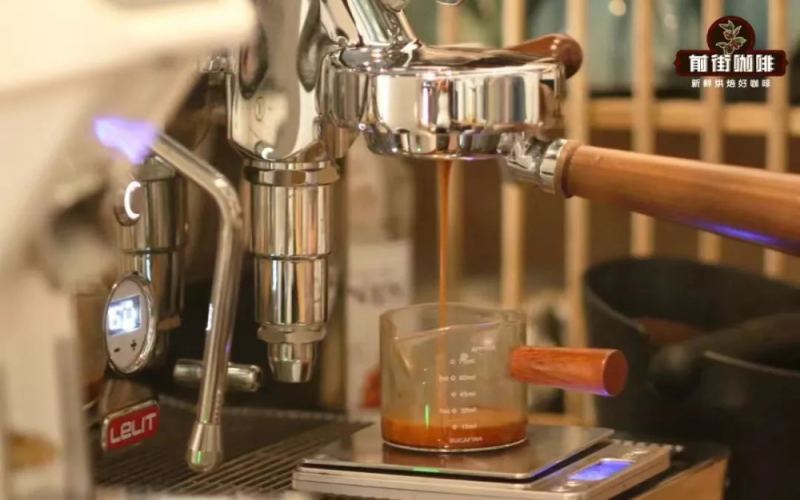
A Comprehensive Analysis of Espresso Extraction Standards and Parameter Adjustment: A Practical Guide from Grind Ratio to Flavor Calibration
In making espresso, data parameters are always just reference coordinates, not formulas that must be copied exactly. This article centers on the essence of extraction standards, offering an in-depth analysis of the dynamic balance among dose, grind size, and yield, and drawing on Front Street Coffee's daily hands-on experience to systematically sort out how to judge whether extraction is normal by observing the flow and tasting the flavor, and how to make targeted fine adjustments to the parameters. At the same time, the article also explores the differences in extraction strategies for the base of lattes versus Americanos, helping you truly understand the logic of extraction rather than mechanically replicating numbers. [more…]
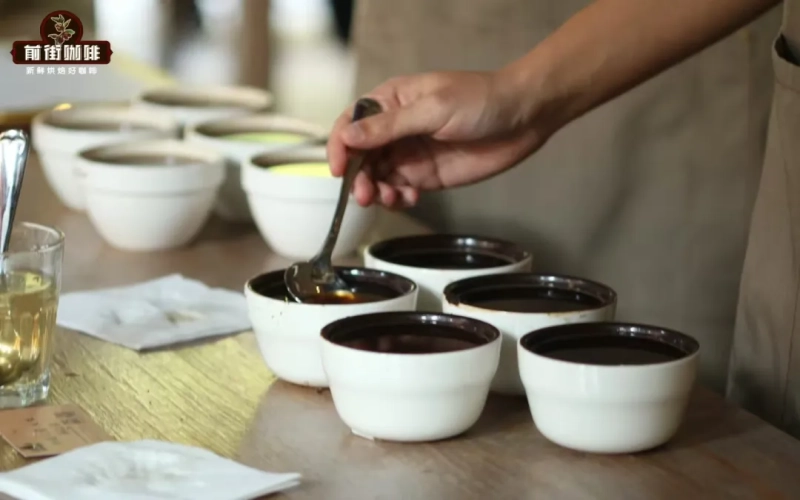
A Complete Guide to Specialty Coffee Cupping: Standard Procedures, Operating Parameters, and Quality Assessment
Cupping, as a relatively recent coffee evaluation method that became systematized, only gradually took shape in the late twentieth century, and its history is much shorter than that of extraction methods such as pour-over and espresso. By standardizing variables such as dose, water temperature, water quality, and steep time, it allows the flavor performance of different beans to be compared horizontally under the same standard. This article will comprehensively sort out the specific operating process of cupping and its key parameters (such as 11~12g dose, 1:18.18 brew ratio, 94°C water temperature, 75~250ppm water quality, and 4-minute steep), and objectively analyze the advantages and limitations of this method to help coffee enthusiasts understand tasting logic more professionally. The article also combines the practical experience of Front Street Coffee to provide actionable reference suggestions. [more…]