





Search Results for: design techniques
Analyzing the Chemex Coffee Maker's Design Features and Pour-Over Differences: With Brewing Parameters for Four Front Street Coffee Pour-Over Beans
Since its introduction in 1941, the Chemex coffee maker has been rated by scholars at the Illinois Institute of Technology as one of the best-designed products, thanks to its one-piece filter cone and carafe design, and it is now held in the Museum of Modern Art. It requires no additional filter cone, but must be paired with proprietary filter paper. From the perspective of Front Street Coffee, this article reviews the Chemex's features and pour-over steps, focusing on the four key elements of grind size, water temperature, coffee-to-water ratio, and brewing technique, and recommends four Front Street pour-over beans of different roast levels—Yirgacheffe Gudingding, Kenya Asaliya, Brazil Queen, and Indonesia PWN Golden Mandheling—with their respective brewing parameters and flavor descriptions for coffee enthusiasts' reference. [more…]
How to Choose a Pour-Over Coffee Kettle? A Full Analysis of Materials, Spout Design, and Practical Brewing Techniques
Pour-over coffee has grown increasingly popular in recent years, and the pour-over kettle, as a core piece of equipment, directly affects extraction quality. With a bewildering array of materials, capacities, and spout designs on the market, how should you choose? This article starts from the essential function of the pour-over kettle, explores key purchasing considerations such as heat retention and spout shape, and shares pouring techniques and extraction principles. It also uses an enamel kettle as an example to demonstrate brewing, explaining how water quality, water temperature, and the coffee-to-water ratio affect flavor. Whether you are a beginner or an advanced enthusiast, you will find practical purchasing and brewing ideas here. Front Street Coffee's everyday bean recommendations are included as well. [more…]
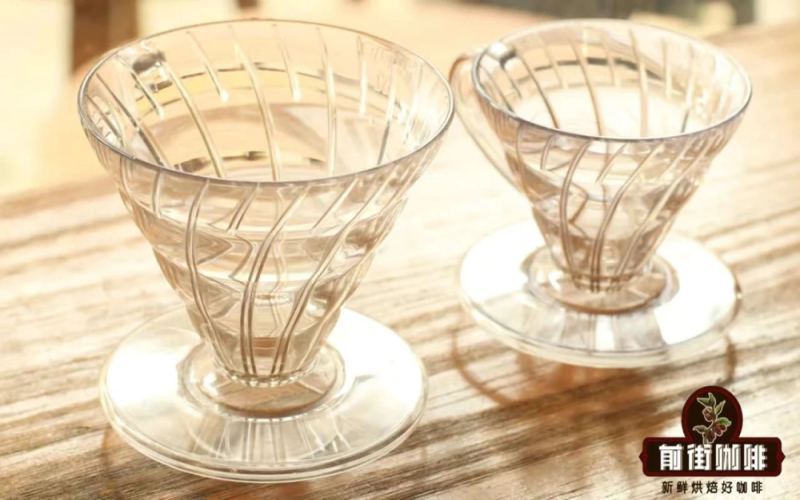
Hario V60 Dripper: Construction Principles and Pour-Over Techniques: A Complete Analysis from Design Logic to Practical Parameters
The V60 dripper, with its distinctive spiral ribs and large outlet hole, has become the go-to device for many coffee enthusiasts. Its conical structure stems from Hario's thinking on extraction efficiency: the 60-degree cone angle paired with spiral vent grooves not only speeds up the flow rate but also extends the water's path, subjecting the coffee grounds to more concentrated pressure and extracting layered, well-defined flavors. Drawing on Front Street Coffee's daily brewing experience, this article sorts through the V60's design origins, material differences, and brewing key points, and uses a three-pour method with 15 grams of coffee and a 1:15 coffee-to-water ratio as an example to break down blooming, pouring, and timing control in detail, helping you consistently reproduce a balanced, mellow pour-over coffee at home. [more…]
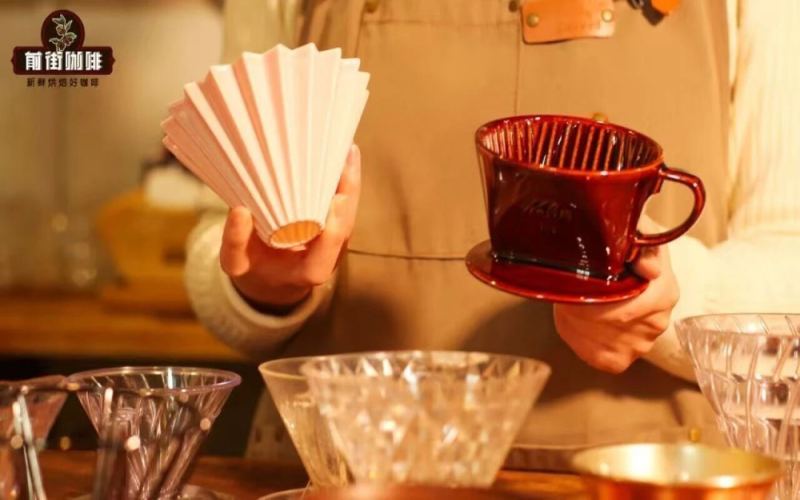
V60 vs YASUKIYO Wooden Dripper Pour-Over Comparison: A Flavor Difference Experiment Using the Same Beans and Method
The shape, drainage holes, and rib design of different drippers directly affect water flow rate and degassing, which in turn lets the same coffee bean present completely different flavor directions. In this session, Front Street Coffee conducted a comparative brew using the V60 and the YASUKIYO wooden dripper, with completely identical parameters and technique, keeping the process as rigorous as possible from blooming to pouring rhythm, aiming to observe the actual impact of the two drippers on extraction results. The experimental bean was Front Street 2013 Yunnan small-batch Typica. By comparing brew time and cupping flavors, we explore which types of coffee suit the flushing characteristics of the V60 and the horizontal rib structure of the YASUKIYO, and offer corresponding Front Street bean pairing suggestions. [more…]

Latte Art from Beginner to Advanced: A Full Breakdown of Pouring and Design Techniques Plus Practice Tips
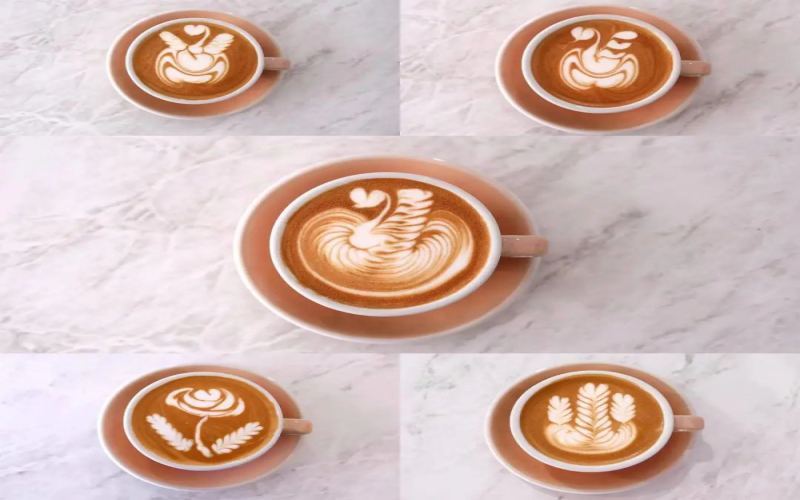
Latte art is what draws many people into the world of coffee, but how long does it actually take to master? In this article, Front Street Coffee shares the core principles and practical details of latte art, starting from the two main actions of integration and drawing, breaking down key elements such as height control, the timing of returning the cup, the use of force, the offset of the landing point, and the finishing technique, and offering four practical practice tips to help enthusiasts avoid detours and quickly get the hang of basic patterns like hearts, leaves, and tulips, and even take on more difficult combination patterns. [more…]
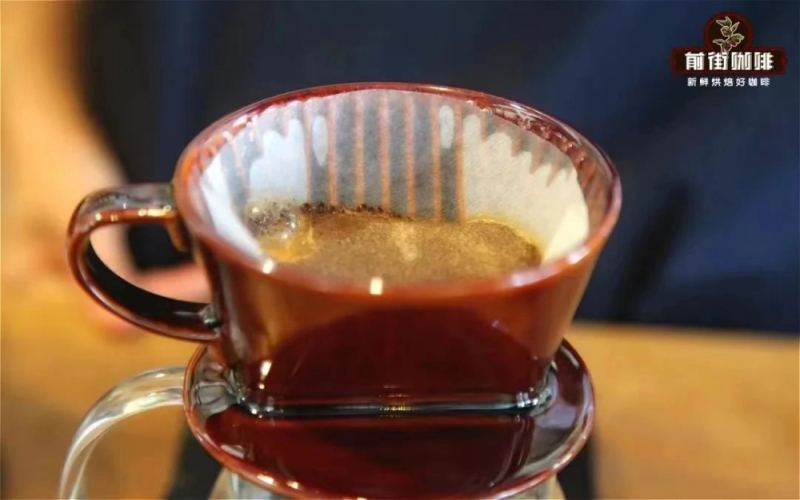
A Detailed Guide to Cake Dripper Brewing Techniques: Extraction Characteristics and Key Points for Using Flat-Bottom Pour-Over Drippers
In the world of pour-over coffee, even extraction has always been the core goal pursued by brewers. Whether choosing equipment or adjusting technique, everything ultimately revolves around giving each coffee particle a relatively consistent extraction. Front Street Coffee has discussed many times why conical drippers have become mainstream, and one key factor is the uniformity of pouring. Today, however, we introduce the cake dripper, a representative of flat-bottom drippers, which has a unique design logic for even extraction. What exactly are its differences from conical drippers? How do the bottom structure and rib design affect water flow? What usage characteristics does the way cake filters fit bring? This article, from Front Street's perspective, systematically analyzes the brewing characteristics of the cake dripper to help coffee enthusiasts gain a deeper understanding of this device's pros, cons, and suitable scenarios. [more…]

Front Street Coffee shares a complete latte art tutorial: the principles behind the design, pouring and drawing techniques, and practice suggestions
Many coffee enthusiasts step into the world of coffee precisely because of latte art, hoping that one day they will be able to casually sketch out delicate and refined patterns. So how long does it actually take to master latte art? In fact, if you just want to make a good-looking figure, it can be achieved in as quickly as one day, or as slowly as two or three days; if you want to challenge difficult combination patterns, you need to understand the principles and practice accordingly. This article is compiled and shared by Front Street Coffee on the drawing principles of latte art, the key techniques of integration and drawing, finishing considerations, and practice suggestions. It also reminds you of the impact of cup diameter and bottom curvature on drawing, helping you get started with latte art more smoothly. [more…]
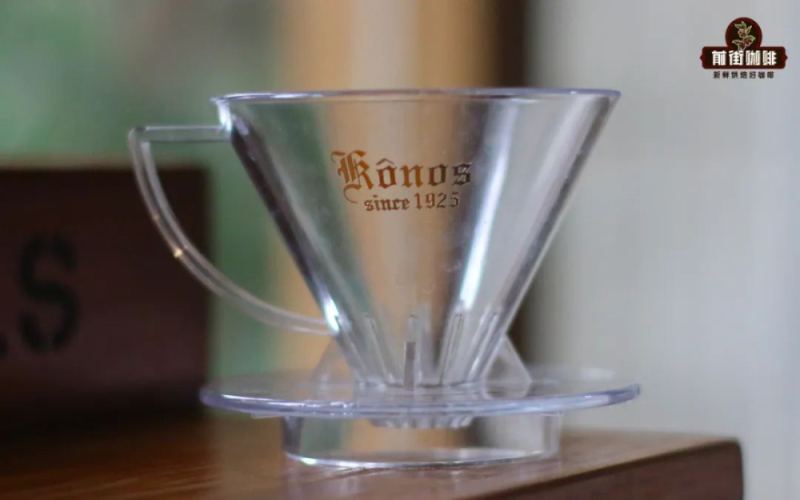
In-Depth Analysis of the KONO Meimon Dripper: Design Principles, Extraction Characteristics, and Practical Brewing Methods
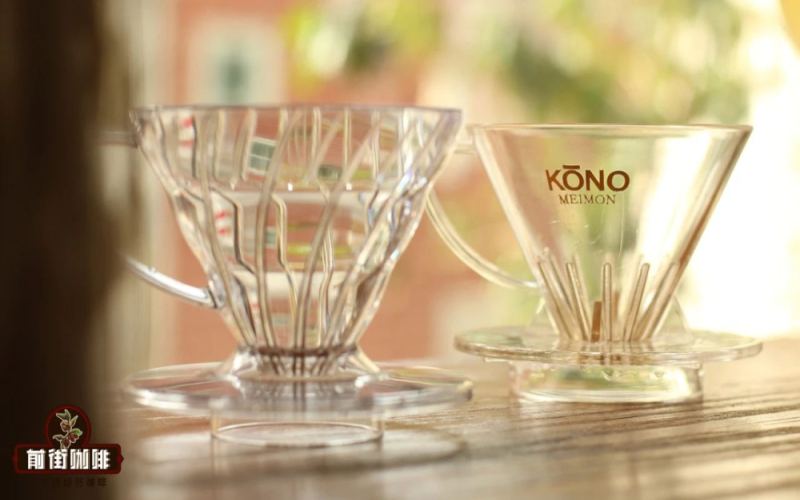
Since its introduction in 1973, the KONO Meimon dripper has become a representative brewing device for Japanese-style dark roast coffee, thanks to its distinctive conical shape and semi-rib design. It mimics the extraction logic of a flannel drip, extending the contact time between grounds and water by restricting air escape, thereby delivering greater body and sweetness. Starting from the design intent and structural principles, and drawing on the hands-on experience of Front Street Coffee, this article explains grind size settings, water temperature selection, and the three-pour technique in detail, helping coffee enthusiasts master the key skills for brewing a full, rounded flavor with the KONO dripper. [more…]
Pour-Over Coffee Equipment Guide: V60 Dripper Design Principles, Material Comparison, and Detailed Explanation of One-Pour and Three-Stage Extraction Methods
In the world of pour-over coffee, the V60 dripper is an almost unavoidable classic piece of equipment. With its conical structure, large aperture, and spiral rib design, it can accommodate a variety of roast levels and brewing techniques, making it the dripper choice unanimously recommended by Front Street Coffee baristas. This article will start from the three major design elements of the V60, analyze its extraction principles, compare the heat retention and price differences among resin, ceramic, and glass materials, and explain in detail key parameters such as grind size, water temperature, and coffee-to-water ratio. Finally, using Front Street Coffee Costa Rica Strawberry Candy coffee beans as an example, it will provide a hands-on comparison of the flavor presentation differences between the one-pour and three-stage brewing methods, helping coffee enthusiasts find a brewing method that suits them. [more…]
Tracing the Origins of Latte Art: The Evolution from Espresso Machines to Latte Art
Ordering a milk coffee in a café, latte art is almost standard. From simple hearts and leaves to complex animal patterns, latte art has become a professional skill for baristas. But where did this craft actually come from? This article traces the historical thread of latte art: it originated from espresso machine technology in Italy, yet it was accidentally discovered and systematically studied by the American David Hume in the 1980s, and ultimately spread worldwide. Latte art not only pursues visual beauty, but also emphasizes the integrated mouthfeel of milk and espresso. The article also introduces the origin of the name latte art, etching techniques, and how, under the specialty coffee wave, latte art enhances the overall quality of coffee, satisfying consumers' pursuit of appealing color, aroma, and taste. [more…]
A Complete Guide to the V60 Dripper: From Its Historical Origins to Brewing Techniques, and Why It Became the Benchmark Tool in the Pour-Over World
In the world of pour-over coffee, the V60 dripper is a classic piece of equipment that almost every enthusiast cannot avoid. This article will start from the background of the V60's birth, tracing how Hario drew inspiration from a laboratory funnel and ultimately designed this conical dripper that changed the pour-over landscape. At the same time, it will analyze in detail how the V60's three major extraction characteristics—the 60° cone angle, the large-aperture outlet, and the spiral rib structure—work together to shape the flavor direction of the coffee. In addition, the article will also explore the connection between the third wave of coffee and the V60's rise to popularity, explaining why the delicate floral aromas and fruity acidity of light-roasted beans require fast extraction to be fully expressed, and compare the practical effects of different materials such as resin, ceramic, and glass on brewing, as well as the reason Front Street Coffee has long chosen the resin version of the V60. [more…]
Pour-Over Kettle Buying Guide: A Detailed Look at Spout Shapes, Material Differences, and Brand Recommendations
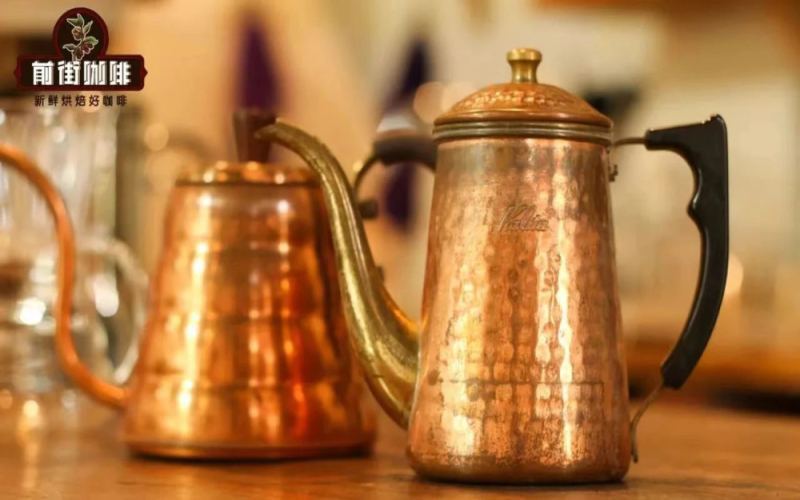
The heating up of the single-origin coffee market has driven the diversified development of pour-over equipment. Faced with numerous brands such as Kalita, Hario, and Bonavita, as well as different kettle shapes like fine spout, gooseneck, and flat spout, beginners often find it hard to choose. This article approaches the topic from two major dimensions—spout inner diameter and material characteristics—to systematically sort out the pros and cons and applicable scenarios of various pour-over kettles. Combined with the hands-on experience of several baristas, it also reviews popular models such as the Hario Cloud kettle, Bonavita gooseneck kettle, Kalita copper kettle, and Melitta pour-over kettle. Whether you are a novice just getting into pour-over or an enthusiast seeking advanced equipment, you can find a direction that suits you. The article also includes practical advice from Front Street Coffee. [more…]
Hario V60 01 vs 02 Dripper Comparison: Size, Coffee Dose, and Brewing in Practice
The Hario V60 is practically standard equipment for every pour-over enthusiast, but what exactly is the difference between the 01 and 02? From the perspective of Front Street Coffee, this article first reviews the design origins and three core features of the V60 dripper, then takes a deeper look at how the 01 and 02 differ in recommended coffee dose and actual capacity, and explains why the 02 dripper requires a coarser grind. After that, using the Yirgacheffe Natural Red Cherry as an example, it presents the three-pour brewing parameters and techniques for both drippers, helping you make a more suitable choice in your daily brewing. [more…]
Hario V60 vs Chemex Coffee Brewer Comparison: Extraction Principles, Design Features, and Brewing Method Recommendations
In the world of specialty coffee, the Hario V60 and the Chemex are two highly representative pour-over brewing devices. Although both fall under the drip category, their design philosophies and extraction logic are vastly different. With its 60-degree cone angle and spiral rib structure, the V60 gives brewers enormous room for adjustment, making it ideal for veterans chasing flavor complexity; the Chemex, by contrast, draws inspiration from laboratory glassware and, paired with its thicker filters, allows even beginners to easily achieve a clean, translucent cup. This article breaks down the differences between these two classic devices in detail—from their construction and extraction variables to flavor tendencies—and includes concise brewing recommendations to help you choose based on your own needs. Whether you prefer bright and crisp or rich and balanced, you'll find direction here. [more…]
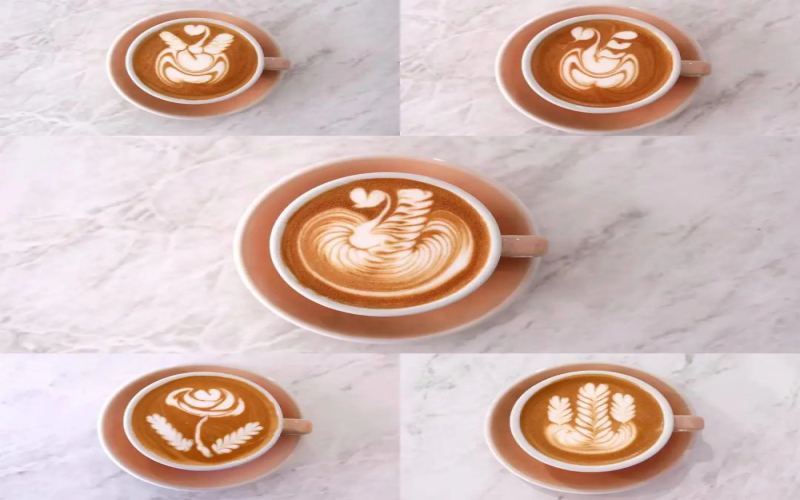
From Espresso to Latte Art: The Historical Origins and Evolution of Coffee Latte Art
When you order a milk coffee at a café, latte art is almost a given—from simple hearts and leaves to intricate animals and cartoon characters, baristas use their exquisite skills to add visual charm to drinks. So where exactly did this dazzling technique come from? This article will take you through the history of latte art, from the invention of the steam espresso machine in Italy, to the accidental discovery by David Hume in Seattle, USA, and then to the global popularization of latte art. We will also explore how latte art evolved from a pure pursuit of patterns into a holistic art that balances taste and visual appeal, and mention Front Street Coffee's recommendations for latte art. Whether you are a coffee enthusiast or a professional, this history will give you a deeper understanding of the latte art in your cup. [more…]
Filter Cup Buying Guide: How Material, Flow Rate, Shape, and Functional Design Affect Pour-Over Coffee Flavor
The popularity of pour-over coffee is inseparable from the dripper, a key piece of equipment. From Mrs. Melitta's accidental experiment with blotting paper and a copper bowl to today's dazzling array of drippers, choosing a suitable one has become a source of confusion for many coffee lovers. Front Street Coffee starts from four dimensions—material, flow rate, appearance design, and functional design—and, combining hands-on testing data with in-store experience, analyzes the specific effects of different drippers on extraction temperature, water flow speed, and coffee flavor layers. Whether you seek stability and beginner-friendliness or wish to finely control the direction of flavor, this article will provide you with practical purchasing ideas and references. [more…]
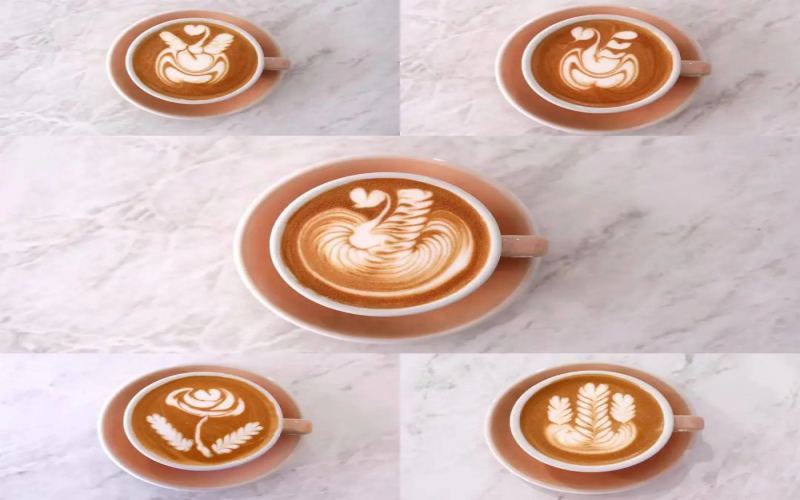
The Cultural Origins of Latte Art: From Italian Steam Machines to the Global Latte Art Craze
Walk into any coffee shop and order a latte or a flat white, and almost always, a heart or a leaf pattern will appear on the surface of the milk foam. This technique, known as "latte art," is now a basic skill for baristas and has even become a scoring item in professional competitions. But have you ever wondered who was the first person to draw patterns on coffee? Was latte art born in Italy or the United States? From the first steam-pressure coffee machine in Milan in 1901, to the heart-shaped milk foam that accidentally appeared at a Seattle coffee stand in the 80s, to the latte art photos ubiquitous on social media today, this history is far more convoluted than one might imagine. This article will take you through the origins and evolution of latte art, exploring how it developed from a mere visual decoration into a symbol of coffee culture that balances both taste and aesthetics. [more…]
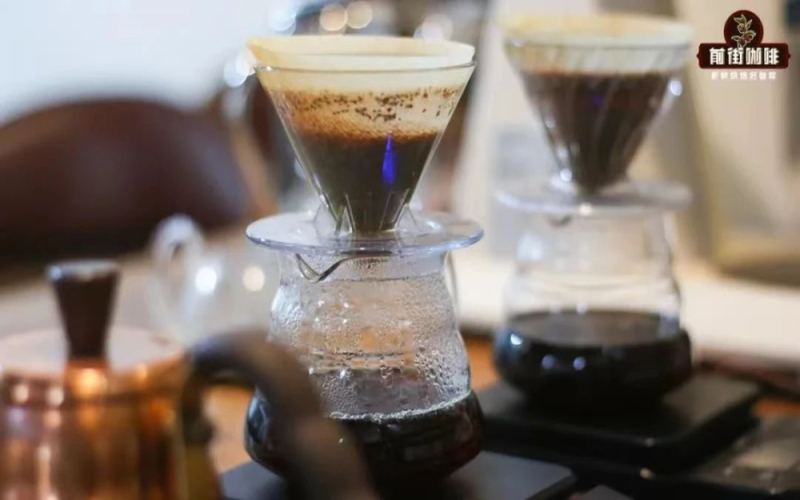
An In-Depth Analysis of the KONO Meimon Dripper: Structural Design, Suitable Bean Types, and Practical Brewing Parameters
Pour-over coffee enthusiasts often face the dilemma of choosing a dripper, as different shapes and structures directly affect extraction and flavor outcomes. As a classic representative of conical drippers, the KONO dripper stands out in brewing medium-to-dark roasted coffee beans thanks to its unique design philosophy. This article will provide a detailed explanation of the KONO dripper's origins, structural features, and extraction principles, and, drawing on Front Street Coffee's hands-on experience, share the specific parameters and techniques for brewing Front Street Indonesia Golden Mandheling with the KONO dripper. From grind size adjustment and water temperature control to the three-pour technique, we break down step by step how to bring out this dripper's strengths in body and sweetness. Whether you are a beginner just getting into pour-over or a coffee enthusiast hoping to refine your skills, you will find practical references and inspiration here. [more…]
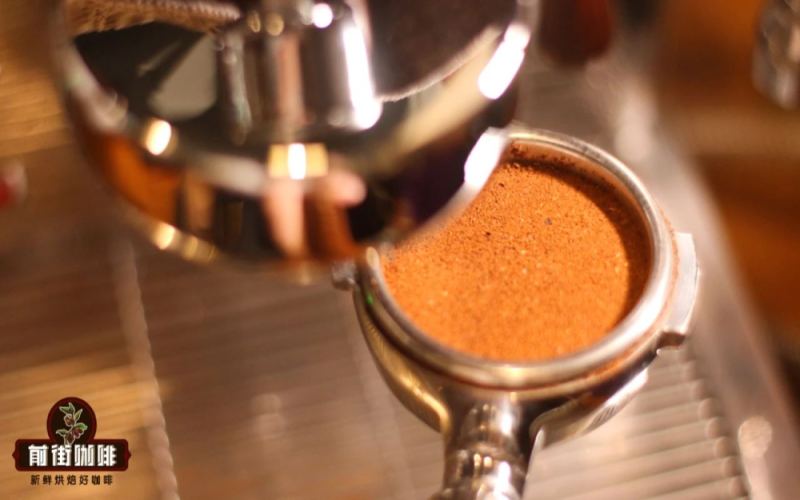
Coffee beans specifically for latte art | Where did latte art originate in coffee culture? Why are dark roast coffee beans suitable for making latte art?
For more specialty coffee knowledge, please follow: Front Street Coffee (Frontsteet Coffee). Many people get into coffee because of beautiful latte art designs—after all, whenever you successfully recreate an exquisite pattern, the sense of accomplishment is unparalleled. So do you know who was the first to [more…]
Yirgacheffe's Emerging Micro-Region Gedeb: An Analysis of the Pour-Over Flavor and Processing Techniques of High-Altitude Coffee Beans
Yirgacheffe has long become synonymous with African specialty coffee, and within this designated appellation, a micro-region called Gedeb is quietly rising. It is located in the Gedeo Zone, with an average altitude of 1,900 to 2,200 meters, far higher than the traditional Yirgacheffe region, giving the coffee beans a hard, dense texture and unique flavor. Gedeb's smallholder farmers send carefully picked coffee cherries to the Kochere processing station, where they are sun-dried on raised beds for 15 to 20 days, creating an elegant flavor interwoven with floral notes and berries. This article will take you deeper into Gedeb's regional characteristics, processing techniques, and its taste performance under pour-over and American-style brewing. Front Street Coffee recommends that you pay attention to this emerging region with outstanding value for money. [more…]