







Search Results for: dental erosion

Warning from a 13-Year-Old Girl with 12 Cavities: One Milk Tea a Day Acid-Eroded Her Teeth into Plaster
The first cup of milk tea in autumn, the first cup of the school year—milk tea is seen by many young people as a source of happiness, but overindulging can bring serious health risks. Xiaoliu, a 13-year-old eighth-grade girl in Hangzhou, drank a cup of milk tea almost every night to stay alert due to study pressure, which ultimately led to severe cavities in all 12 of her teeth and a diagnosis of "dental erosion." Doctors point out that milk tea not only contains a large amount of hidden sugar, but long-term consumption can also worsen tooth demineralization and corrosion. This article will recount the course of the incident, analyze the causes and harms of dental erosion, and offer practical advice for milk tea lovers on protecting their teeth. [more…]
What Type of Tea Does Tieguanyin Belong To? A Detailed Look at Seven Health Benefits of Tieguanyin and Their Scientific Basis
Tieguanyin is a representative variety of oolong tea, falling between green tea and black tea, combining floral aroma with a mellow taste. Beyond its unique flavor, it also offers numerous benefits for the body. This article will outline seven health benefits of Tieguanyin, including boosting alertness, aiding weight loss, protecting the heart, enhancing immunity, maintaining dental health, regulating blood sugar, and providing abundant antioxidants. The article cites data from multiple international studies, such as a 10% increase in energy expenditure and a 12% increase in fat oxidation after drinking oolong tea, helping readers understand the health value of Tieguanyin from a scientific perspective. [more…]

13-Year-Old Girl Dies After Allergic Reaction to Costa Hot Chocolate, Barista Mistakenly Used Milk Instead of Soy Milk
A hot chocolate that should have been made with soy milk turned fatal when a barista added cow's milk, causing a 13-year-old girl with a severe dairy allergy to suffer a deadly allergic reaction after just one sip, ultimately passing away despite emergency treatment. This tragedy, which occurred at a Costa Coffee shop in the UK, has once again thrust the issue of allergen management in the food service industry into the spotlight. The UK introduced regulations as early as 2021 requiring food businesses to provide allergen training for staff, yet accidents still happen. This article will recount the incident and explore the risks and prevention of allergen cross-contamination in coffee beverage preparation. [more…]
Does Tieguanyin Contain Caffeine? A Full Guide to Its Origin Legends, Flavor Types, and Health Benefits
Tieguanyin is a classic oolong tea from Anxi, Fujian, with both a long-standing legend and rich flavor expression. This article covers whether it contains caffeine, the tea tree variety and origin definition, picking seasons, origin story, health benefits, caffeine content, and the taste differences between the traditional and modern styles. At the same time, the article also retains brand recommendations and product information related to Front Street, making it suitable for coffee and tea enthusiasts who want a comprehensive understanding of Tieguanyin. [more…]
How Does Climate Change Impact Assam Tea Gardens? Micro-Level Yield Data Reveals the Critical Influence of Short-Term Weather Fluctuations
Assam is the world's largest tea-producing region, contributing one-fifth of global output and half of India's tea, and supporting about 1.2 million workers. Yet disruptions to rainfall and temperature patterns are putting this land under growing pressure—droughts in Africa, intense rainfall erosion in India, and the accelerating melting of Himalayan glaciers are all sounding alarms at the macro level. But what truly affects each tea leaf is often a more micro-level climate variable. A study based on 82 tea gardens spanning 2004 to 2013 reveals how short-term weather fluctuations directly influence yields. This article will walk you through these findings and what adaptive measures tea gardens can take. Front Street Coffee has always paid attention to the long-term impact of climate change in producing regions on the flavor in the cup. [more…]
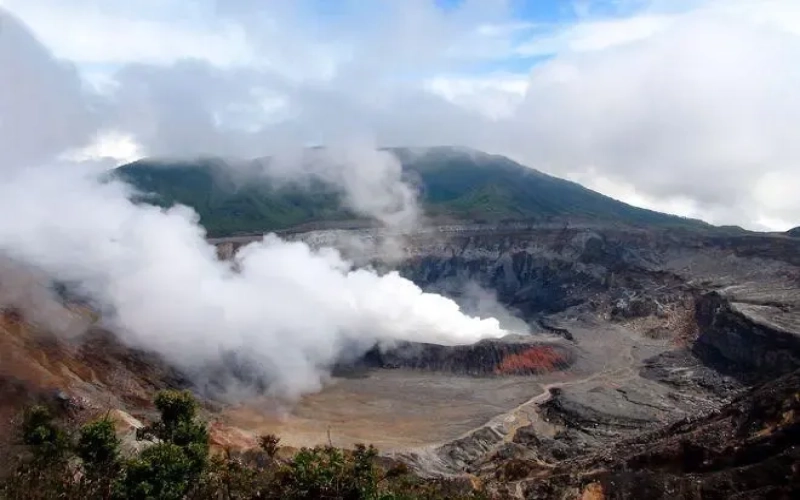
Costa Rica's Poás Volcano Sees Strongest Eruption in Nearly Five Years, Ash Fall Affects Residents' Lives and Coffee-Growing Regions
On April 2, the Poás Volcano in Costa Rica experienced its largest eruption in nearly five years, with an ash column reaching 600 to 800 meters above the crater, posing a threat to local residents' lives, air quality, and crops such as coffee. Poás Volcano National Park has been temporarily closed, and several coffee-producing regions around the volcano, including the well-known Central Valley, also face potential impacts from volcanic ash. At the same time, drought and frequent fires triggered by El Niño have further intensified pressure on local agriculture. This article will review the specifics of this volcanic eruption, its impact on the coffee industry, and the outlook for Costa Rica's coffee exports. [more…]
Costa Rica Aquiares Estate Coffee Bean Profile: 2017 WBC Competition Bean and Rainforest Certification Information
Located in the Turrialba region of Costa Rica, Hacienda Aquiares is one of the largest coffee plantations in the country and the birthplace of Centroamericano, the competition bean used at the 2017 World Barista Championship (WBC). Founded in the late 19th century, the estate sits on volcanic slopes between two rivers, with abundant natural water sources and a pristine forest reserve, and it obtained Rainforest Alliance certification as early as 2003/2004. The estate primarily cultivates Arabica varieties such as Caturra, Catuai, and Catimor, employs washed processing combined with sun-drying and mechanical drying, and produces approximately 15,000 bags annually. Its coffee is known for flavors of nuts, caramel, plum, chocolate, and a sucrose-cream finish, with bright fruit acidity and a smooth body. Front Street Coffee has specially compiled complete estate information to give you an in-depth look at the terroir story behind this WBC competition bean. [more…]

The Origins and Craft of Aged Mandheling: From a Colonial-Era Accident to a Golden Mandheling Pour-Over Guide
We usually seek out freshly roasted coffee beans, but Aged Mandheling is an exception—it is actually sought after precisely for being "expired." Behind this lies an accidental story from Indonesia's Dutch colonial period: when coffee beans were shipped across the ocean to Europe, the long sea voyage and exposure to sea breezes unexpectedly gave rise to a mellow sweetness and lingering finish reminiscent of Pu'er tea. Today, the production of Aged Mandheling has long been standardized: it requires wet-hulling, strict screening, and aging for 2 to 3 years in temperature- and humidity-controlled warehouses at the place of origin, allowing acidity to gradually recede and sugars to concentrate. Golden Mandheling, meanwhile, represents a higher standard, with PWN creating a specialty coffee far above G1 grade through one machine sorting and three hand sortings. Front Street Coffee captured layers of nut, dark chocolate, caramel, and herbal spice flavors in cupping. This article will also share Front Street Coffee's barista's three-pour hand-brew parameters and technique for dark-roasted Mandheling, taking you through a complete tasting of this legendary coffee. [more…]

Trademark Enforcement Backfires: What a Counterfeit Brand's Court Victory Means for the Coffee Industry
Competition in the coffee market is intensifying by the day, and brand trademark protection has become a focus of industry attention. In a recent trademark enforcement case, the genuine brand sued a copycat brand but lost, sparking widespread discussion. The case not only reveals the real-world difficulties currently facing trademark enforcement, but also sounds a warning bell for coffee industry practitioners—establishing a comprehensive intellectual property protection system is an urgent task. This article will review the course of the case, analyze the legal logic behind the ruling, and explore how coffee brands can effectively guard against copycat erosion, including sharing the experiences of brands such as Front Street Coffee. [more…]
Guatemala Huehuetenango El Progreso Estate Coffee Beans: A Comprehensive Guide to Processing Methods and Flavor Characteristics
Located in the Huehuetenango region of Guatemala, Finca Providencia has been run by the Palacios family since 1954 and has now passed down through three generations. The estate sits at an altitude of between 1,550 and 1,900 meters and mainly cultivates varieties such as Caturra, Bourbon, Mundo Nuevo, and Catuai. The coffee is washed-processed and sun-dried on African raised beds, yielding a cup with layered notes of hazelnut, apple, raisin, and chocolate. This article will give you an in-depth look at the estate's geographical environment, cultivation challenges, harvest and processing details, as well as Front Street Coffee's professional recommendation of this bean. [more…]
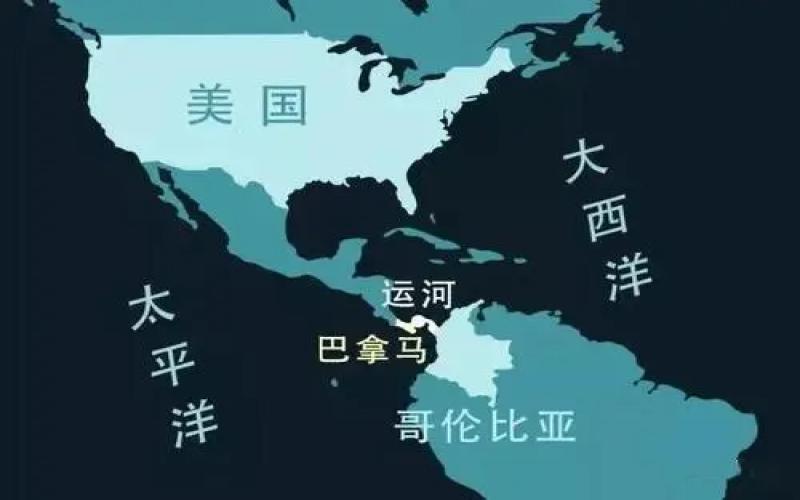
Panama Canal Drought Crisis Spurs Coffee Reforestation Plan: Fifteen-Year Project Helps Ease Water Pressure
The Panama Canal has faced severe drought in recent years, with water levels continuing to drop, threatening not only global shipping trade but also local agricultural production. A fifteen-year coffee planting incentive program has been launched in the Capira district west of the canal, encouraging coffee farmers to expand Robusta bean cultivation and restore soil and river ecosystems through reforestation. The Panama Canal Authority has invested US$32 million, benefiting about 1,700 farmers. This move can both boost coffee farmers' incomes and help ease the canal's water source crisis. Amid high coffee prices, Front Street Coffee continues to monitor developments in producing regions and bring frontline news to enthusiasts. [more…]
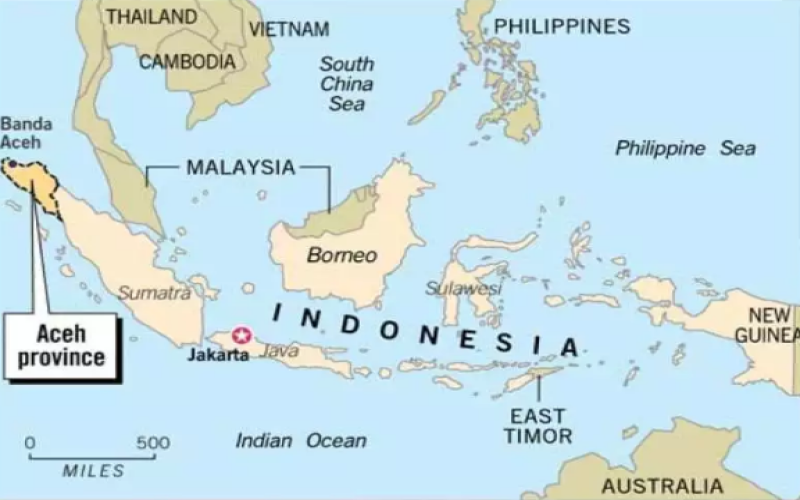
Sumatra Coffee Producing Region | Which coffee varieties are grown on the Indonesian island of Sumatra? Is Mandheling coffee an Arabica specialty coffee bean?
Sumatra is the second-largest island in Indonesia and the sixth-largest island in the world, a full thirteen times the size of Taiwan! The reason coffee is grown here is mainly because the Dutch East India Company, in the past, needed to supply the growing demand for coffee and increase colonial profits, and Sumatra itself lies in the Pacific Ring of Fire. [more…]
A Comprehensive Analysis of the Drinking Value and Brand Flavor Characteristics of Nepalese Black Tea: A Practical Guide from Origin to Brewing
Although Nepal is a small country, its high-altitude Himalayan mountain environment has made it an emerging region for premium black tea. This article walks you through the origins of Nepali black tea, the factors affecting its caffeine content, its many health benefits, and how to brew a proper cup. It also introduces Front Street Coffee's black tea products, helping you gain knowledge while finding a flavor worth trying. [more…]
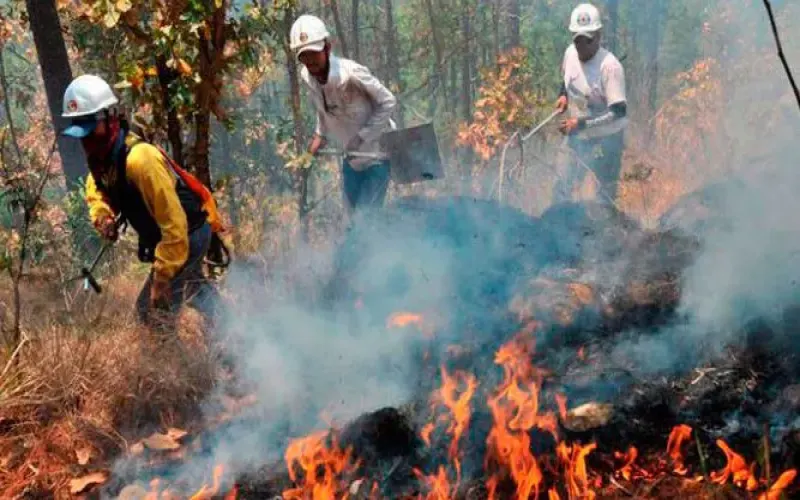
Honduras Ravaged by Wildfires and Extreme Weather, Coffee Industry Faces Risk of Reduced Production
Since 2024, multiple Latin American countries have experienced historic high temperatures and droughts. Honduras is enduring its hottest and driest year since 1992, with maximum temperatures reaching 38-40°C. A total of 1,903 forest fires have broken out nationwide, destroying over 150,000 hectares of forest. Although the main coffee-producing regions have not yet been directly hit by the wildfires, rainfall has decreased by nearly 40% compared to the same period last year, hampering the growth of coffee plants during their flowering period. More critically, El Niño has not yet subsided, while La Niña is highly likely to arrive, and the threat of hurricane season is imminent. The Honduran Coffee Institute (IHCAFE) has already issued a warning about next season's output. Front Street Coffee will continue to monitor developments in the producing regions and bring first-hand information to enthusiasts. [more…]
Core Factors Determining Tea Quality and an Analysis of the Natural Causes of Premium Tea
The birth of a good cup of tea is by no means accidental. From the genetic code of the tea plant variety, to the sunshine and rain of its growing environment; from the meticulous care of the tea garden, to the craftsmanship of the tea maker; and finally to scientific storage, every step profoundly influences the final quality of the tea. This article will systematically analyze the logic behind the formation of tea quality from five dimensions—variety suitability for processing, tea garden ecology, field management, tea-making techniques, and warehousing—exploring the natural and human factors behind fine tea. Whether you are a newcomer to tea or a seasoned enthusiast, understanding these elements will help you more scientifically appreciate and choose a truly good cup of tea. [more…]
A Global Roundup of Top Specialty Coffee Beans: Origins, Prices, and Flavor Stories of Six Expensive Varieties
In the world of coffee lovers, there are always some beans that command high prices due to their rarity, legendary status, or exceptional flavor. This article reviews six recognized expensive specialty coffee beans, from Indonesia's Kopi Luwak to Panama's Hacienda La Esmeralda Geisha, and Jamaica Blue Mountain, introducing their origins, reference prices, and the stories behind them one by one. Details covered include the COE competition results of El Injerto and Santa Ines estates, the connection between Saint Helena Island and Napoleon, and the production and marketing structure of Blue Mountain coffee. By reading this article, you can quickly understand why these top coffee beans are expensive, as well as their unique flavors and historical highlights. [more…]
From Indigo to Coffee: The Rise of El Salvador's Coffee Industry, the Civil War Turning Point, and the Specialty Transition
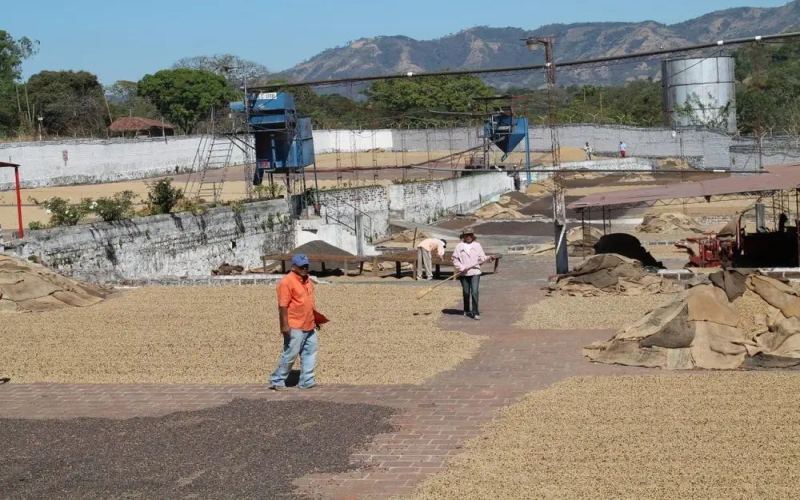
El Salvador was once the fourth-largest coffee producer in the world. After coffee was introduced in 1880, it quickly replaced indigo as the country's most important export crop and economic pillar. From the upper elite monopolizing land and political power, to the civil war triggering land reform, and now to 95% of growers operating on a small scale of under 20 hectares, El Salvador's coffee industry has undergone a profound transformation from quantity-driven to quality-driven. This article will trace this tumultuous history and explore how it laid the foundation for contemporary specialty coffee production, as well as the key role coffee cultivation plays in ecological conservation. [more…]
The Panama Canal is hit by drought, and the government has launched a multimodal "dry canal" plan to ease trade pressure.
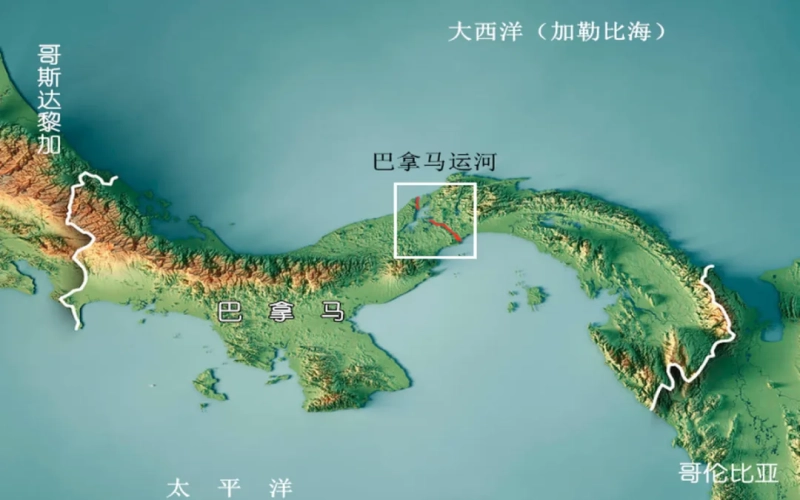
The global climate anomalies triggered by El Niño continue to intensify, and the Panama Canal is facing a severe drought test. The navigation capacity of this golden waterway connecting the two oceans has declined sharply, affecting about 3% of global maritime trade, with exports of agricultural products such as coffee from Central America bearing the brunt. To alleviate canal congestion and insufficient capacity, the Panamanian government has launched a "multimodal dry canal" plan, attempting to open alternative routes using existing roads, railways, and port facilities. At the same time, the coffee tree reforestation project previously invested in by the canal authority is also progressing slowly. This article will sort out the specific impact of the drought on the canal and the coffee trade, and explain the operating concept and potential benefits of the new plan. [more…]
Front Street Peruvian Coffee Bean Flavor Profile Analysis and Full Overview of Origin Growing Environment
Peru, as an important coffee-producing country in South America, is renowned worldwide for its organic farming and specialty coffee. Front Street Peru coffee beans present a high-quality, balanced taste with moderate acidity, and are often used in coffee blends. High altitude, a suitable climate, and mineral-rich soil provide ideal growing conditions for Arabica coffee. Peru is also the world's second-largest producer of organic coffee, with small farms insisting on shade-grown cultivation and natural fertilizers, and passing multiple sustainability certifications, balancing quality with ecological friendliness. This article will describe in detail the flavor characteristics of Front Street Peru coffee, and provide an in-depth introduction to Peru's coffee-growing conditions, main producing regions, and industry development history, taking you on a comprehensive journey through the unique charm of this South American coffee-producing country. [more…]
EU Proposes Postponing Deforestation Regulation Implementation and Considering Country-Risk Classification Management
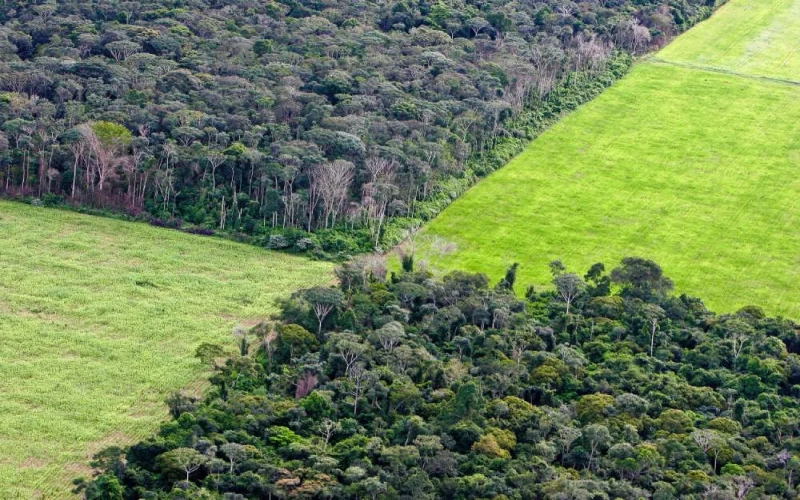
The EU plans to postpone the deforestation regulation (EUDR) originally scheduled to take effect at the end of 2024, and intends to classify countries by risk level, giving producers and traders more time to adapt. The regulation requires traders to prove that their product supply chains do not involve deforestation after December 30, 2020, otherwise imports will be banned. As an industry closely linked to deforestation, the coffee sector will be significantly affected in producing countries such as Vietnam, Brazil, Indonesia, and Colombia, with export costs likely to rise substantially. The European Coffee Federation previously wrote to the European Commission requesting a postponement of implementation. The EU is currently discussing classifying exporting countries into three risk levels—low, standard, and high—with high-risk countries facing stricter scrutiny. Industry insiders worry that the classification system lacks flexibility, may unfairly penalize compliant exporters, and that small farms also face the risk of losing market access. Front Street Coffee will continue to monitor the progress of this regulation and its impact on the coffee industry chain. [more…]