







Search Results for: degassing valve principle
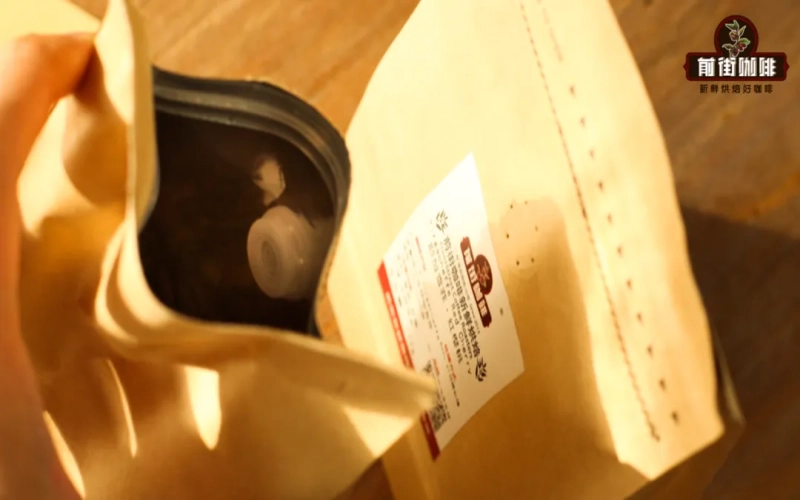
What is the purpose of the one-way degassing valve on a coffee bag? A detailed explanation of material differences and the anti-burst principle
That inconspicuous little hole on a coffee bean bag is actually an ingenious one-way degassing valve. Many people assume it exists simply so we can smell the coffee's aroma, but the truth goes far beyond that—its core mission is to prevent the coffee bean bag from bursting due to excessive internal pressure. This article starts with the "one-way street for cars" analogy commonly used by Front Street Coffee to explain in detail the patterns of carbon dioxide release from coffee beans after roasting, the differences in degassing volume under different roast levels, and why they should be sealed and stored as soon as possible to slow down oxidation. At the same time, it will also walk you through the differences between common materials used for coffee bean bags, helping you understand the science behind coffee packaging more comprehensively. [more…]

How should coffee beans be stored properly after buying them? Master the four principles—avoiding moisture, oxygen, light, and heat—to keep their fresh flavor.
Many people mistakenly believe that freshly ground coffee equals fresh coffee, but that is not the case. To truly savor the aroma of coffee, besides grinding fresh, the roast date of the coffee beans is equally crucial. Front Street Coffee, whether in-store or through its online Taobao shop, offers freshly roasted coffee beans. Beans roasted more than 50 days ago basically have little aroma left, but in the first two days after roasting, the aroma has not yet stabilized and the regional flavors cannot be tasted, so Front Street reminds customers to generally rest the beans for three to four days before brewing. So how should coffee beans be stored to maintain freshness after opening? Front Street has summarized the four things coffee beans fear most — moisture, oxygen, light, and heat — and shared the pros and cons of storage methods such as one-way degassing valve bags, sealed canisters, and vacuum canisters, to help everyone extend the flavor life of coffee beans as much as possible in daily life. [more…]
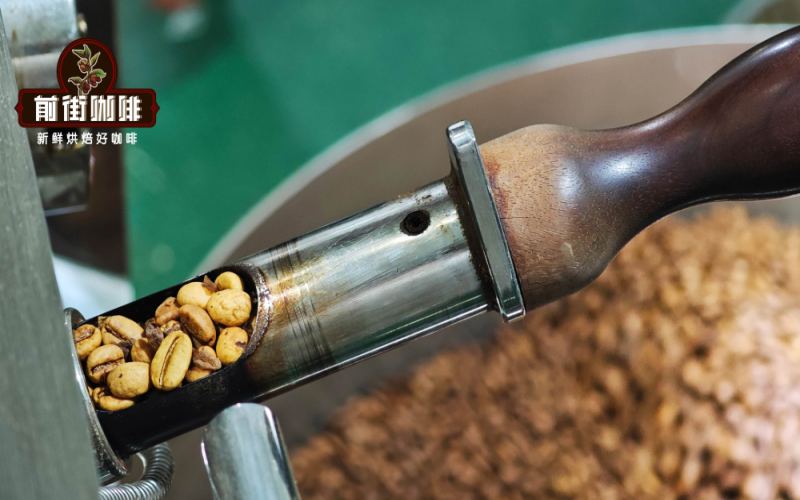
How Long Should Coffee Beans Rest? Resting Principles and Key Operational Points for Different Roast Levels
Freshly roasted coffee beans are not at their best right after roasting; they still need to go through a degassing process known as "resting." The core purpose of resting is to let the large amount of carbon dioxide produced during roasting gradually escape, allowing the aromatic compounds and oils to integrate more fully, so that a cleaner, more stable flavor is presented during brewing. Insufficient resting brings a dry, harsh sensation and a smoky, pungent taste, while excessive resting accelerates the loss of aroma and shortens the optimal enjoyment period. Different roast levels and different brewing methods have different requirements for resting time; medium-dark roasts generally need about 3 days, while beans for espresso may need 10 to 15 days. In this article, Front Street Coffee systematically sorts out the principles, time ranges, and storage key points of resting, helping coffee lovers find the rhythm that suits their own taste. [more…]
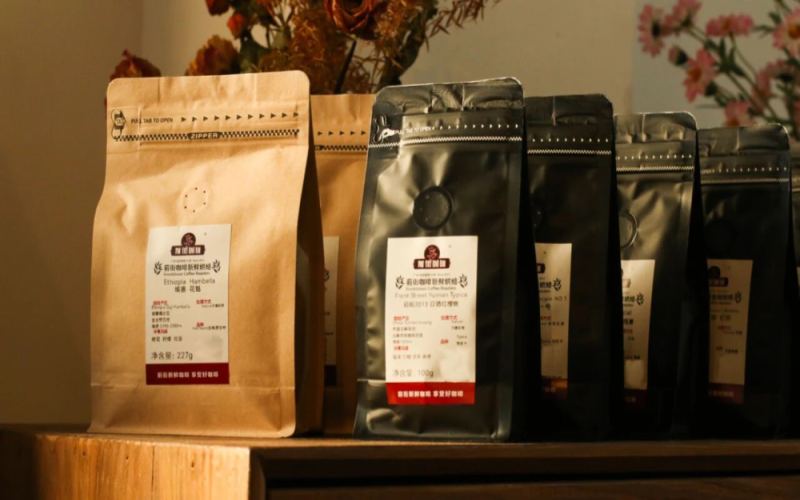
The Complete Guide to Coffee Bean Resting Time: How Long Should You Rest Beans of Different Roast Levels? The Key to Better Brewed Flavor
Can freshly roasted coffee beans be brewed immediately? Many coffee enthusiasts have heard the term "resting beans," but what it actually does and how long it should last often leave people confused. In fact, resting beans is essentially a process of releasing carbon dioxide and allowing the flavors to stabilize. Insufficient resting brings a harsh, dry sensation and a smoky, choking taste, while excessive resting affects freshness. Coffee beans of different roast levels require different resting times. This article starts with the principles and functions of resting beans, and combined with Front Street Coffee's shipping practices, explains the recommended resting periods for pour-over beans and espresso beans respectively, and finally shares the correct methods for resting beans and key points for storing them in one-way degassing valve bags, helping you grasp the optimal flavor window for each bag of beans. [more…]

Is swollen coffee bean packaging a sign of spoilage or normal degassing? An in-depth analysis of the causes of coffee bean bag swelling and how to judge whether it's safe
The coffee bean bag you brought home is bulging—is it spoiled or is this normal? Many coffee lovers have encountered this question. In fact, a swollen coffee bag doesn't necessarily mean the beans have gone bad—roasted coffee beans continuously release carbon dioxide, which is the main reason the packaging expands. However, not all swollen bags are harmless; if accompanied by a musty or sour odor, that's a different story. This article will walk you through the chemistry of coffee bean degassing, the mechanism of one-way degassing valves, and why dark-roasted beans are more likely to make packaging bulge, helping you accurately judge whether the coffee beans in your hands are still safe to enjoy. [more…]

Home Coffee Bean Storage Methods | Can Freshly Roasted Coffee Beans Be Frozen in the Refrigerator? Can Sealing the Degassing Valve Slow Down the Loss of Coffee Bean Flavor?
Recently, everyone has probably stocked up on beans during Double Eleven. The questions asked to Front Street are all things like "How long can the flavor of unopened coffee beans be preserved at most?" and "How can opened coffee beans be stored to slow down the rate of flavor loss?" Today, Front Street will talk about the issue of storing coffee beans. How long can the flavor of coffee beans be preserved? Can it be asked this [more…]
A Complete Guide to Coffee Bean Resting: Degassing Principles, Timing, and Brewing Tips for Beginners
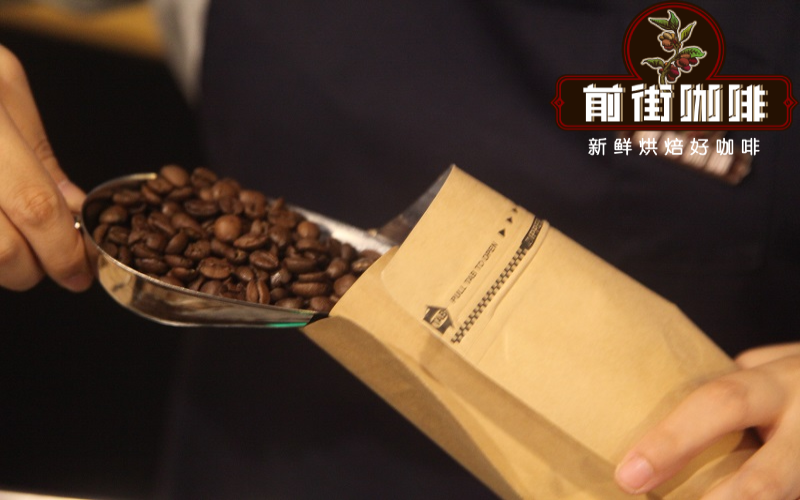
Have you just gotten your hands on some coffee beans and found yourself wondering: why can't I brew them right away? The truth is, freshly roasted coffee beans hold a large amount of carbon dioxide inside them, and they need a period of "resting" to let the gas release slowly so the flavor can reach its peak. Drawing on the hands-on experience of Front Street Coffee, this article explains in detail the science behind resting beans, the time required for different roast levels, emergency brewing techniques for beans that haven't rested properly, and the correct way to store them. Whether you're a beginner just getting into specialty coffee or an enthusiast looking to refine your brewing details, you'll find practical answers here to bring every cup closer to your ideal flavor. [more…]
A Complete Guide to Coffee Bean Resting: From Degassing Principles to Roast Level Differences, Master the Optimal Flavor Window
Why can't freshly roasted coffee beans be brewed right away? What exactly is happening during bean resting? In fact, the essence of resting beans is a maturation process that allows the coffee beans to release carbon dioxide. The resting time varies noticeably between beans of different roast levels—light roasts degas slowly and take longer to mature, while dark roasts are relatively faster. Resting beans is not complicated; simply keep the unopened beans in a cool, dry, dark place, but storage method is equally crucial. If you really can't wait, there are also emergency tricks such as grinding and letting the grounds sit, or extending the bloom time. Front Street Coffee will guide you through a systematic understanding of how to calculate bean resting time, key operational points, and notes on storing and brewing drip coffee bags, helping you enjoy a cup of coffee with just the right flavor. [more…]
Coffee Bean Freshness | How Do Coffee Beginners Choose Fresh Coffee Beans? How Long Can Coffee Beans Be Stored After Opening? Which Is Better: A Sealed Coffee Bean Storage Canister or Storing Coffee Beans in the Refrigerator?
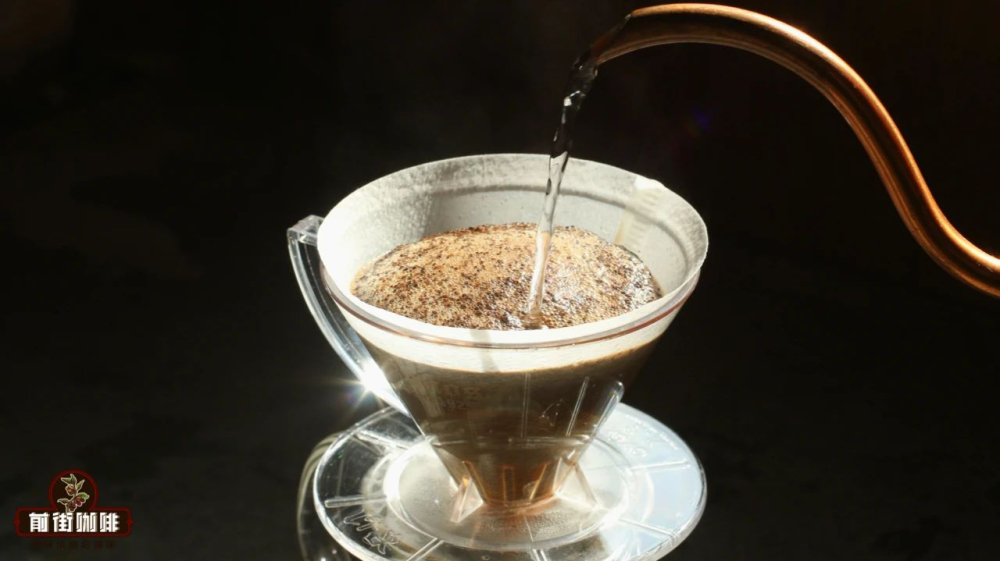
Many friends assume that freshly ground coffee means fresh coffee, but that's not actually the case. In reality, to truly enjoy the aroma of coffee, it's not just about grinding fresh—the roast time of the coffee beans also matters to some extent. Front Street Coffee has always placed great emphasis on the freshness of coffee beans, high [more…]
How Should You Store Hand-Drip Coffee Beans Properly? A Full Analysis of the Flavor Characteristics of Twelve Common Single-Origin Beans
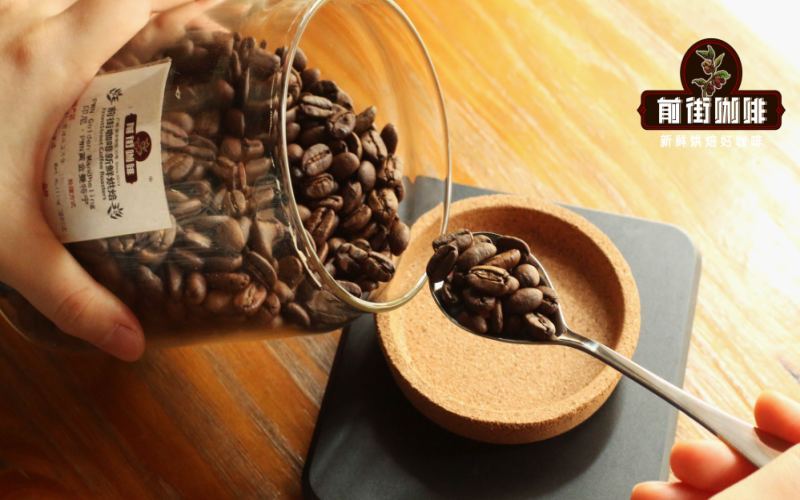
The freshness of coffee beans directly determines the flavor profile of a cup of pour-over coffee, and storage method is the key factor affecting freshness. This article approaches the topic from two preservation strategies—green beans and roasted beans—analyzing the three major flavor killers: light, temperature, and oxygen. It also introduces the respective advantages of one-way degassing valve bags and vacuum-sealed canisters, while explaining the difference between a coffee bean's peak flavor period and its shelf life. Finally, it compiles twelve common coffee beans suitable for pour-over and their flavor characteristics, covering the Front Street Coffee everyday drinking series and more distinctive single-origin beans, helping you quickly find your ideal choice based on taste preference. [more…]
A Detailed Guide to Coffee Bean Resting and Optimal Flavor Periods: How Roast Level Affects Degassing Time and Storage Tips
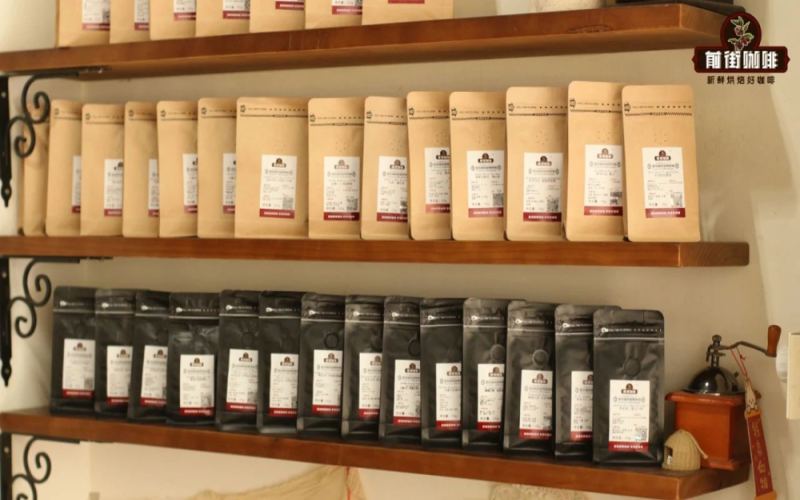
Many coffee enthusiasts pay attention to the roast date when buying coffee beans, believing that the fresher the better. But in fact, freshly roasted coffee beans need a period of "resting" to allow the internal carbon dioxide to fully release before they reach their flavor peak. This article will explain in detail the principles of resting beans, the resting time required for different roast levels, emergency brewing methods for beans that haven't rested properly, and the correct storage methods. At the same time, using Front Street Coffee beans as an example, we provide specific resting recommendations to help you enjoy a good cup of coffee within its optimal flavor period. [more…]
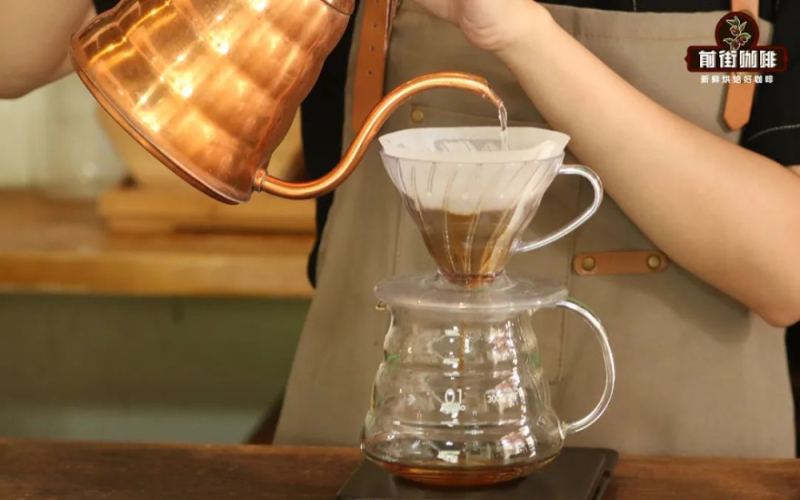
A Complete Guide to Degassing and Resting Espresso Beans: Resting Times and Optimal Flavor Window
You just bought coffee beans and brewed them right away, only to find the taste falls short of expectations—yet after a few days, they become smooth and pleasant instead. The key behind this lies in the degassing process of the coffee beans. This article will systematically explain the resting principles for espresso beans, the recommended resting times for different roast levels, and the specific methods and precautions for awakening the beans. At the same time, for those who can't resist tasting early, Front Street Coffee will also share two practical tips to help you maximize extraction performance even when the beans haven't finished resting. [more…]
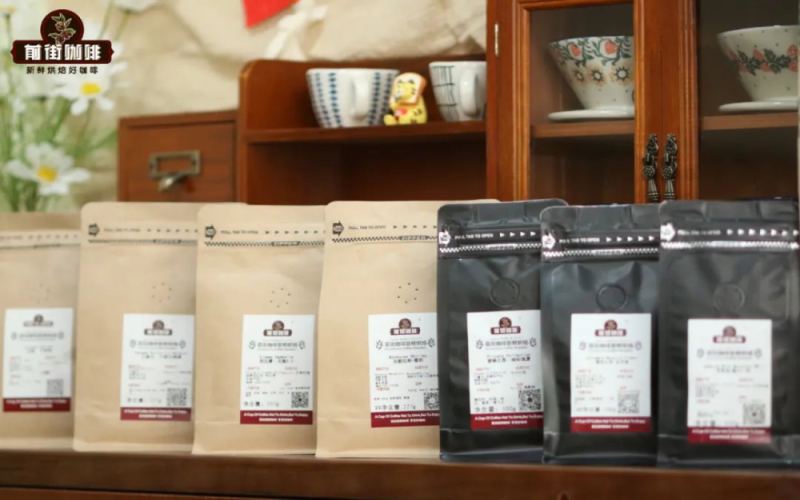
A Comprehensive Guide to Coffee Bean Resting Time and Shelf Life: Why Freshly Roasted Beans Aren't Immediately Delicious
Many people can't wait to brew a cup as soon as they get coffee beans, assuming the fresher the better, but beans just off the roast actually need a resting period to reveal their best flavor. This article starts with the changes in bean structure after roasting, explaining how carbon dioxide affects extraction, why beans that haven't rested enough taste flat and harsh, and why espresso bean crema is unstable. It also answers how coffee beans should really be stored, whether they can go in the fridge, whether ground coffee still needs resting, and Front Street Coffee's specific practices for shipping and grinding services, helping you master the optimal drinking window for coffee beans. [more…]
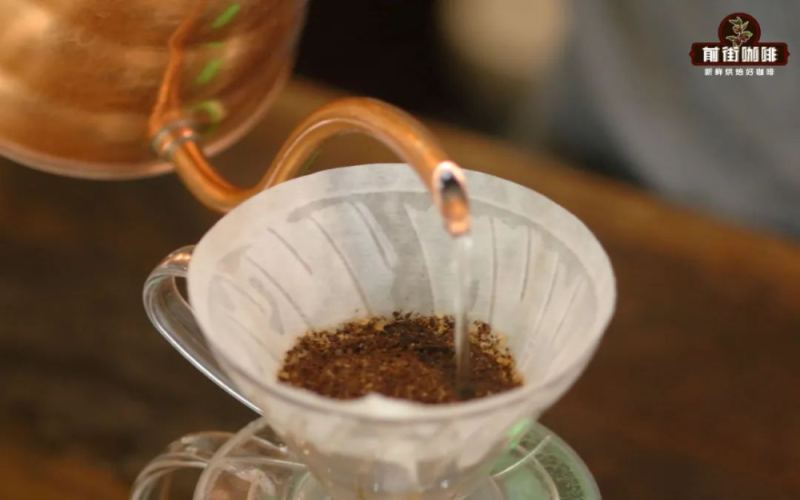
Why Doesn't the Coffee Bloom Puff Up During Pour-Over? An In-Depth Look at the Principles of Degassing and Expansion, Plus Practical Tips
In the bloom phase of pour-over coffee, after water is added, the coffee bed should absorb water and expand, forming a plump "hamburger" dome. But sometimes we find the coffee bed utterly motionless, with no sign of expansion at all—what exactly lies behind this? This article will systematically sort through the various factors that cause a bloom that fails to swell, analyzing everything from the freshness of the coffee beans and storage methods to grind size and roast level. It will also explain the possible effects of an overly long bloom time and offer Front Street Coffee's grinding calibration recommendations for actual practice, helping you pinpoint the root of the problem and improve the consistency and flavor performance of every cup of pour-over. [more…]
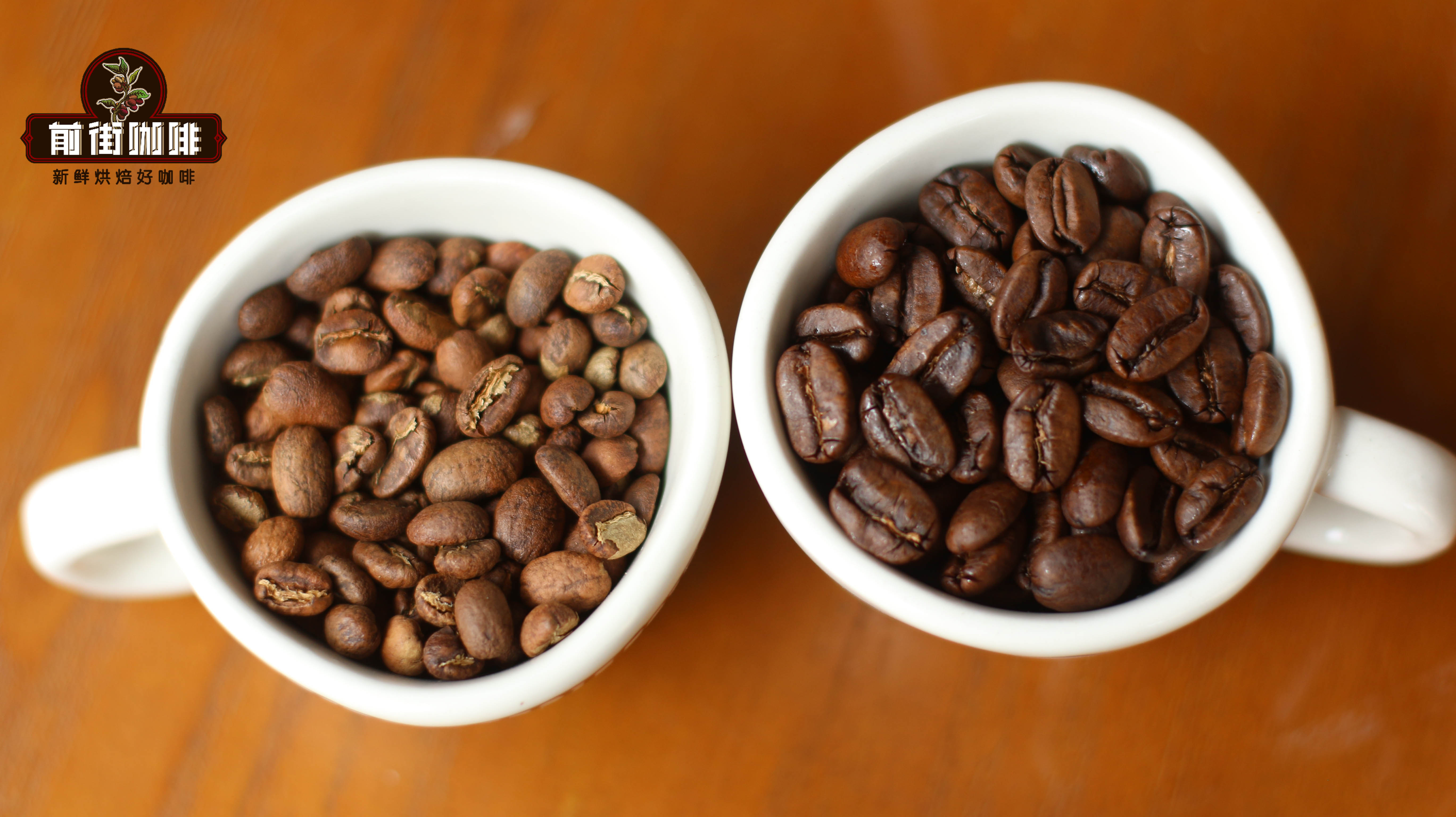
Coffee Bean Beginner's Guide: From Freshness and Origin to Roast Style, Learn to Pick the One That Suits You
Faced with a dazzling array of coffee beans, beginners often don't know where to start. In fact, choosing coffee beans isn't complicated—as long as you grasp a few key dimensions, you can greatly increase your chances of buying good beans. This article starts with the primary principle of freshness, explaining why you should look for products marked with a roast date and packaged with a one-way exhaust valve, and introduces Front Street Coffee's standard of shipping within 5 days of roasting. It then sorts out flavor differences across the three major producing regions of Central and South America, Africa, and Asia, discusses which groups and brewing devices suit blends versus single-origin beans, and finally breaks down the acidity, mouthfeel, and brewing methods corresponding to the three roast styles of light, medium, and dark roast. The article also intersperses recommendations of several specific Front Street beans to help you translate abstract flavor descriptions into practical choices. [more…]
The Complete Guide to Keeping Coffee Beans Fresh: Best-By Dates, Storage Mistakes, and the Right Way to Store Them
The freshness of coffee beans directly determines the flavor performance of a cup of coffee, and whether the storage method is appropriate is the key factor affecting the freshness of coffee beans. From the professional perspective of Front Street Coffee, this article systematically sorts out the two major categories of coffee bean storage—the different precautions for green beans and roasted beans—deeply analyzes the mechanisms of the three major freshness "killers": light, high temperature, humidity, and oxygen, and provides two practical storage solutions: one-way exhaust valve packaging bags and vacuum-sealed canisters. The article will also answer how long coffee beans can actually be stored, the difference between the peak flavor period and the shelf life, why refrigeration is not recommended, and clever ways to reuse expired beans, helping coffee lovers maximize the retention of the best flavor of every bag of beans. [more…]

The Principles of Coffee Bean Resting | Why Do Coffee Beans Need to Degas and Rest? How to Determine How Long Coffee Beans Need to Rest and Awaken? What Is the Correct Way to Rest Coffee Beans?
Coffee enthusiasts who often pick freshly roasted coffee beans at FrontStreet Coffee know that the optimal flavor period for coffee beans is within one month, while for drip bag coffee it is half a month; does this mean that just-roasted coffee beans are at their freshest? This [more…]
What exactly is the difference between coffee bean resting, peak flavor period, and shelf life? Front Street Coffee helps you decode the time code of freshly roasted coffee.
Many people think coffee beans should be brewed right after roasting, but freshly roasted beans often carry a dry, smoky character and need to be rested to degas so the flavors become rounder. Drawing on years of roasting and cupping experience, Front Street Coffee has found that resting times vary from 3 to 7 days depending on the roast level, and the optimal flavor window usually falls between 7 and 20 days after roasting. The flavor window is not the same as the shelf life; the latter is merely the safe consumption period, often as long as 12 months or more. This article clarifies the complete timeline of coffee beans from fresh to stale across several dimensions—the principles of degassing, resting recommendations, the flavor window, and storage limits—and also tells you how much to buy at once and how to store it so nothing goes to waste. [more…]
The Complete Guide to Resting Hand-Pour and Espresso Coffee Beans: Optimal Degassing Times and Identification Methods for Different Roast Levels
Why do freshly roasted coffee beans need to rest for a period? How does carbon dioxide release affect extraction and flavor? Drawing on the practical experience of Front Street Coffee, this article systematically explains the principles and necessity of resting beans, and provides recommended resting days for three roast levels: light-medium, medium, and medium-dark. At the same time, you will learn how to judge whether coffee beans have finished degassing by observing the blooming state in pour-over brewing and the crema performance of espresso, as well as how to flexibly adjust the resting period under low winter temperatures. Whether you prefer pour-over or espresso, these practical tips can help you present coffee's fullness and cleanliness more consistently. [more…]
A Beginner's Guide to Coffee Bean Freshness: Key Selection Points, the Science of Resting, Peak Flavor Window, and Everyday Storage Methods
Many people believe that as long as coffee is freshly ground, it counts as fresh, but in reality, whether the coffee aroma can be fully released depends not only on the timing of grinding but also on time management after roasting. Once coffee beans have passed 50 days after roasting, their flavor is almost entirely depleted, so Front Street Coffee has always regarded freshness as the first prerequisite for good coffee. This article focuses on four core questions: how to tell whether a bag of beans is fresh, why beans need resting, how the peak flavor period differs from the shelf life, and how to store them properly in daily life. It also compiles suggested resting times for different roast levels from light to dark, special considerations for espresso beans, and the pros and cons of three storage options—sealed jars, one-way degassing valve canisters, and original packaging—to help beginners avoid common pitfalls. [more…]