







Search Results for: cup-ripping campaign
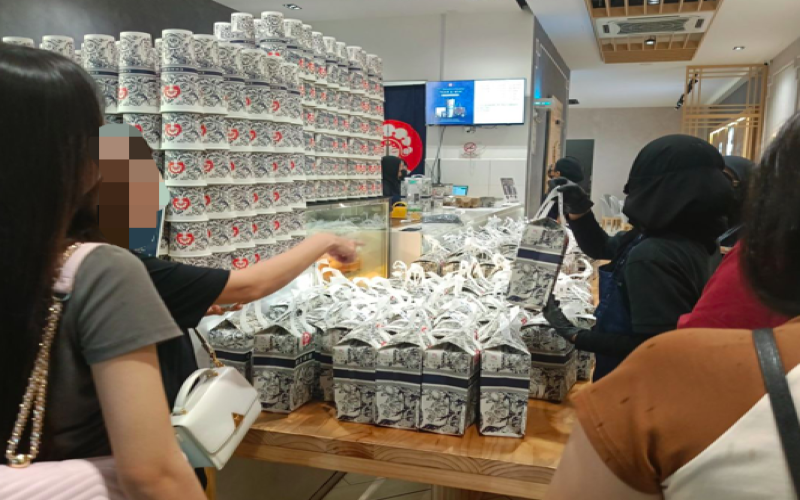
Chagee's 7th anniversary cup-tearing event triggers order surge at stores, with system and order pickup processes drawing complaints from consumers
Bawang Chaji celebrates its seventh anniversary. All stores in Malaysia launched a tear-the-cup lucky draw campaign on the 16th and 17th, with prizes including discount vouchers, branded backpacks, electronic products, perfumes, and lipsticks, attracting a large number of consumers to place orders enthusiastically. However, after the campaign began, order volumes surged at many stores, with some stores having more than a thousand or even over three thousand drinks awaiting preparation, leading to a series of problems such as excessively long waits to pick up orders, the ordering system being unable to cancel orders, and declining product quality. Consumers expressed dissatisfaction one after another, believing that the brand should have anticipated the campaign's popularity in advance and adopted flow-control measures. This article reviews the course of the incident and feedback from all parties, for the reference of coffee and tea beverage enthusiasts. [more…]
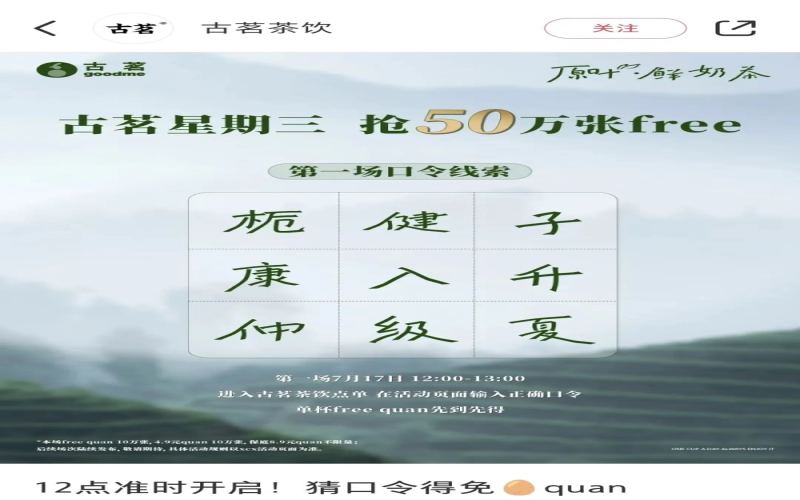
Guming's free-order event mini-program crashed for nearly half an hour, and the user experience of grabbing coupons sparked a flood of complaints.
Tea beverage brand Gu Ming recently launched a 9.9 yuan milk tea unlimited drinking promotion, and starting today, it is distributing 500,000 free vouchers at scheduled times through its mini-program, adding momentum to the campaign. However, after a large number of consumers entered the activity page right at 12 o'clock, they encountered long periods of blank screens and crashes in the mini-program, and related topics once topped the trending searches. According to user feedback, the mini-program had already begun lagging a few minutes before the event started, and after 12 o'clock the server went down for nearly half an hour due to a sudden influx of a large number of requests; even repeatedly refreshing or switching to the computer version made it difficult to load. This is not the first time Gu Ming's mini-program has had problems during popular activities. Long-time users said that previous limited-time activities such as buy-one-get-one-free also often encountered interface crashes, and although they reported poor experiences many times, no obvious improvement was seen. [more…]
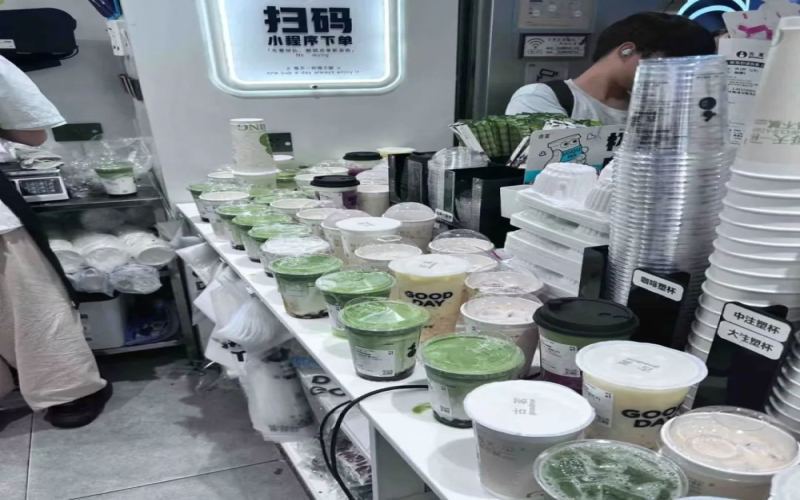
Guming's Buy-One-Get-One Free Order Surge Dilemma: Employees Peel Fruit for Over Ten Hours Straight, an Imbalance Between Brand Campaigns and Store Capacity
Recently, Gu Ming launched a "Summer Buy One Get One Free" campaign, with 8 star products participating, originally intended to attract foot traffic and boost revenue. However, after the campaign went live, store orders far exceeded expectations, and back-of-house staff were forced to handle fresh fruit, whip cream, and other prep work under high intensity for long hours. Some worked 15.5 hours straight, and their hands cramped from peeling grapes. The brand's frequent collaborations, takeout wars, and limited-time offers have left the "farm tea workers" complaining endlessly, and also exposed the disconnect between campaign planning and store staffing and process simplification. This article reviews the real situation of this order surge and the voices of employees, while also offering coffee lovers a product perspective from brands such as Front Street Coffee. [more…]
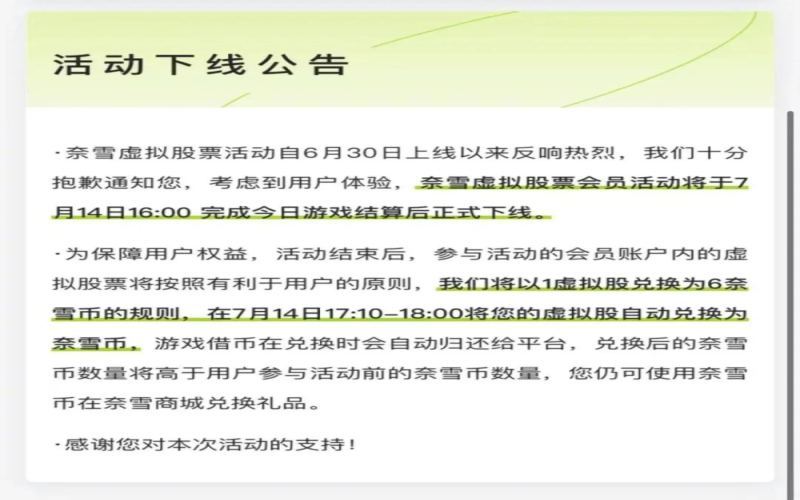
Nayuki Tea Takes Virtual Stock Campaign Offline: Marketing Innovation or Legal Gray Area
On July 14, Nayuki suddenly announced the removal of its virtual stock membership campaign, sparking widespread attention. The campaign allowed users to earn Nayuki coins through purchases and to buy and sell virtual stocks linked to the real share price, even supporting leveraged trading. Within just hours of launch, it was mired in controversy, with netizens questioning its legality. Industry experts pointed out that Nayuki coins are essentially consumption points and have not yet crossed legal red lines, but the model is aggressive and should not be simply imitated. At the same time, Nayuki's frequent food safety issues have also led consumers to question its marketing strategy. This article will sort out the course of the incident, the legal controversy, and the brand's hidden concerns. [more…]
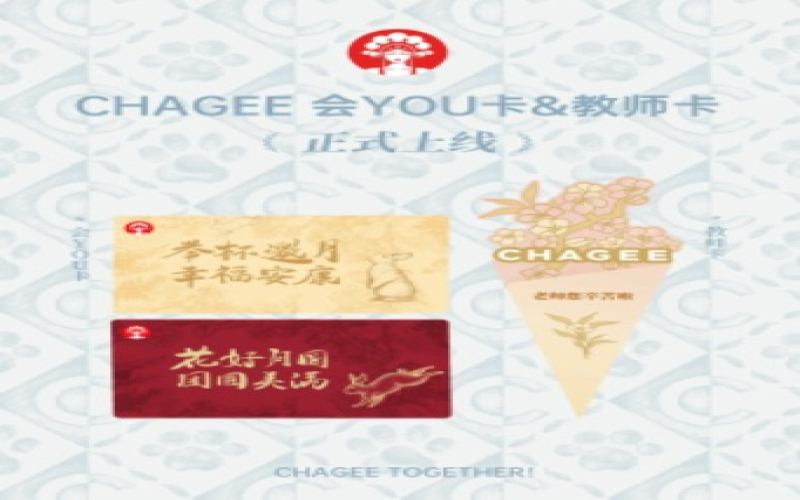
CHAGEE's Teachers' Day promotion has been criticized as false marketing, with teachers in multiple regions reporting they were unable to claim the benefits.
During the 40th Teachers' Day, Chagee launched an exclusive campaign called "Honor Teachers with Tea, Enjoy Tea on Us," originally intended to pay tribute to the teaching community and enhance brand goodwill. However, after the campaign was rolled out, it sparked widespread dissatisfaction among teachers: limited-edition cards at many stores were quickly claimed, and some stores did not participate in the campaign at all, causing many teachers to make a wasted trip. This article sorts out the specific rules of the campaign in various regions, teachers' real experiences of claiming the offer, and responses from the brand and store managers, to help you understand the ins and outs of this marketing controversy. [more…]
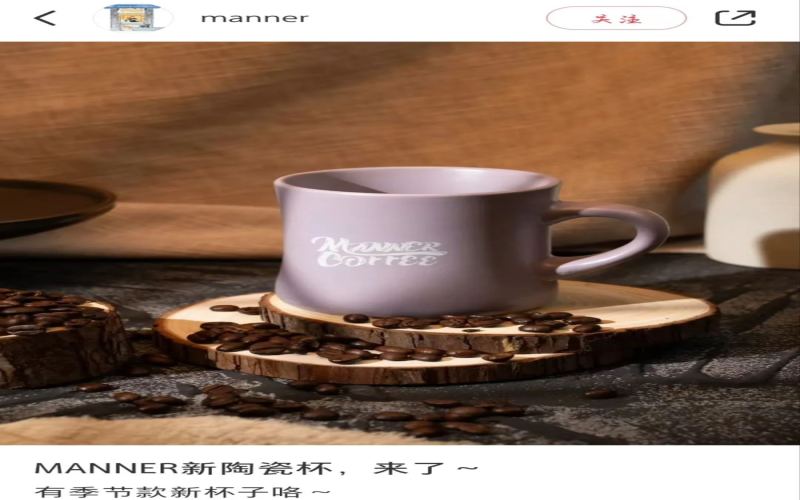
After Manner's ceramic mug merchandise was promoted, it was slow to launch, leaving fans waiting empty-handed after staying up several nights.
Manner previously announced a giveaway cup event on Xiaohongshu, and the light purple ceramic cup in the accompanying images quickly captured the hearts of many cup enthusiasts. As usual, new merchandise would land on various platforms within a day or two after the official poster was released, and many fans even checked with stores in advance about stock availability, gearing up for the rush. However, this event has yet to appear, with some people setting alarms for several nights in a row only to come up empty-handed, while store employees also said they had not yet received notice. Is it the weather that has delayed the nationwide launch, or has there been a problem with the brand's communication? This article will reconstruct the course of events and explore the communication shortcomings exposed by Manner during the event delay controversy. [more…]
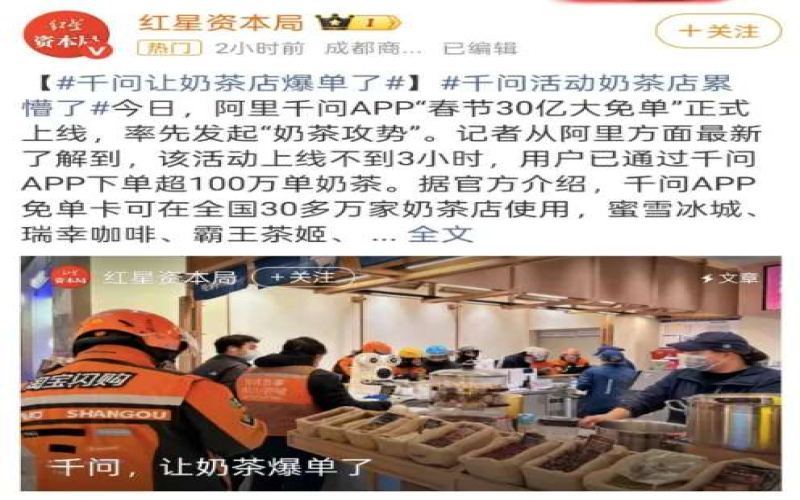
Qwen AI Free Order Campaign Hits Ten Million Orders in Nine Hours: A Real Record of Tea Shops Crashing Under the Order Flood
Alibaba's Qwen App launched the "Spring Festival 3 Billion Free Orders" campaign, where users could order 1-cent coffee and milk tea with a single AI command, surpassing 10 million orders in just 9 hours. Chain brands like Luckin Coffee, Chagee, and Jasmine Naibai were instantly overwhelmed by a flood of orders—store printers kept spitting out tickets, employees were urgently called back, and online channels were forced to shut down. Consumers waited hours only to receive random drinks, while delivery riders "grabbed orders" in the chaos. This AI-driven freebie frenzy made tea shop workers exclaim it felt like "reliving last year's delivery wars," with systems crashing, trending topics dominating social media, and officials urgently expanding capacity and extending the validity of free-order cards. [more…]
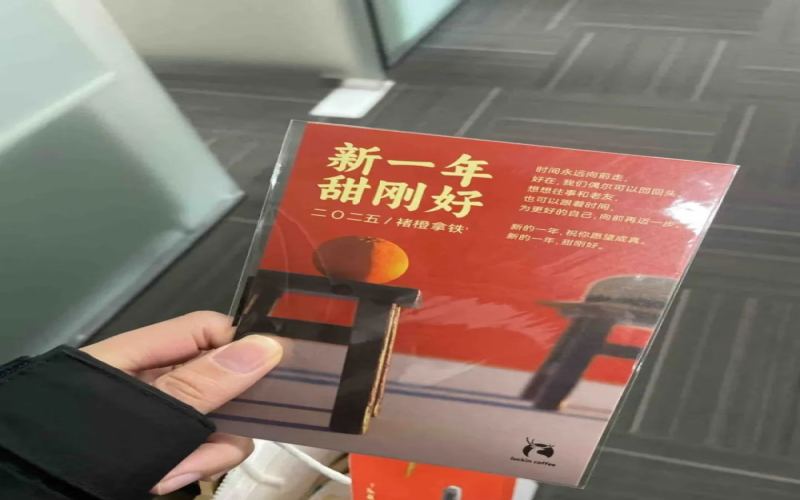
Luckin scratch cards reveal prizes when held up to light, sparking consumer doubts over the fairness of the promotion
Luckin Coffee recently launched its final co-branding campaign of 2024, teaming up with Chu's Agriculture to introduce an improved version of the Chu Orange Latte and a series of merchandise, with a "New Joy Orange Scratch Card" included in designated bundles. The prizes are quite generous, including 500 vouchers for 99 free coffees, 2,000 vouchers for 66 free coffees, and 100,000 vouchers for 1 free coffee, while those who don't win can still receive a 48% off drink coupon. However, many consumers discovered that simply holding the unscratched back of the card up to a phone flashlight allows faint text beneath the coating to be seen through the light, revealing the prize without scratching it off. This discovery sparked widespread discussion about the fairness of the campaign, with some users worried that store employees might use this method to pick out the big prizes in advance, though Luckin employees came forward to deny such speculation. Front Street Coffee continues to follow developments in the coffee industry and brings you the latest news. [more…]
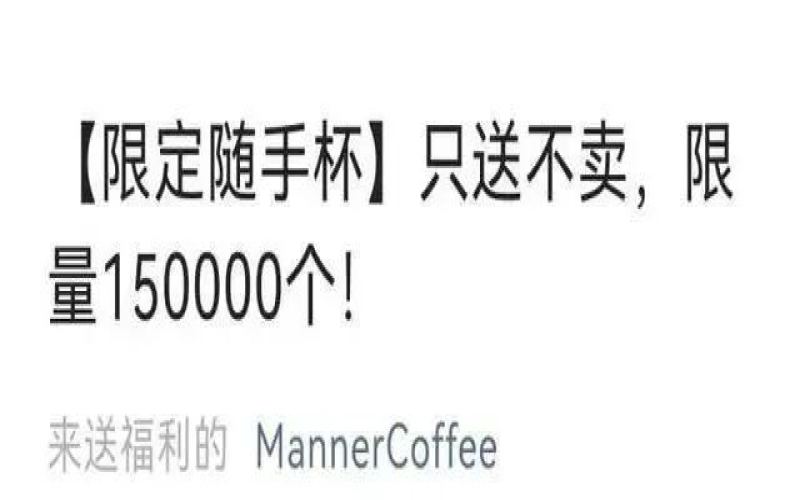
Manner's seventh-anniversary delivery free-cup promotion triggered a surge in orders, forcing intermittent closures at stores in multiple locations—what does this say about the success or failure of its online marketing strategy?
Manner Coffee's seventh-anniversary celebration introduced a limited-edition grab-and-go cup giveaway with takeout orders. The intent was to boost online orders, but it unexpectedly triggered order surges at multiple stores nationwide, supply chain breakdowns, and even intermittent closures. Consumers flooded social media, with some sharing receipts to score freebies and others complaining about orders being canceled without explanation, delivery fees soaring, and stores shutting down outright. This marketing campaign, seemingly full of complaints, actually reveals Manner's ambition to push into the takeout market. From its brick-and-mortar beginnings to aggressive online expansion, the capacity bottlenecks brought by rapid store expansion and semi-automatic equipment are now emerging. This article will sort through the sequence of events and retain relevant recommendations for Front Street Coffee. [more…]
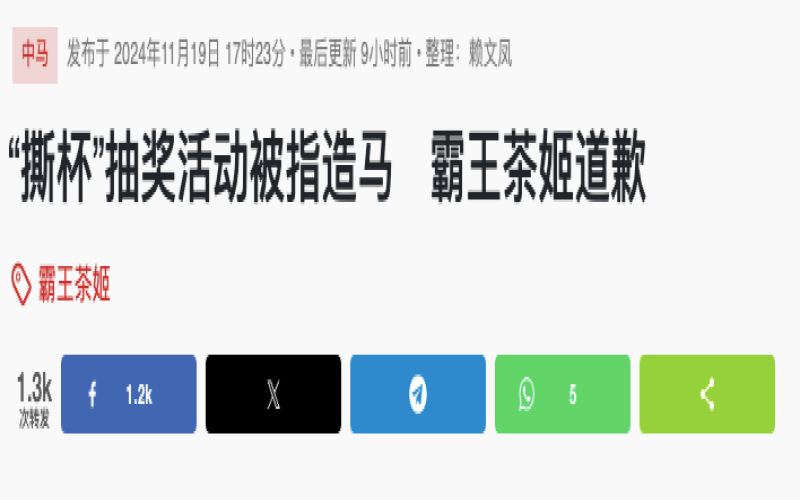
CHAGEE Malaysia's cup-tearing lucky draw accused of rigging, official apology issued and switch to QR codes
Recently, the "tear-the-cup" lucky draw campaign launched by Chagee in Malaysia has become mired in controversy. A video exposed that store employees were suspected of screening prize cards inside cups in advance and keeping the grand prizes aside, triggering strong consumer doubts about the fairness of the campaign. The brand initially demanded that netizens delete their posts through legal means, then responded successively on November 18 and 19 and issued an apology statement, admitting that the employees' conduct did not conform to corporate principles and announcing that starting in December it would switch to QR codes instead of paper lucky draw slips. Although the brand promised to make rectifications, public doubts about its handling approach and transparency have still not been completely dispelled. [more…]
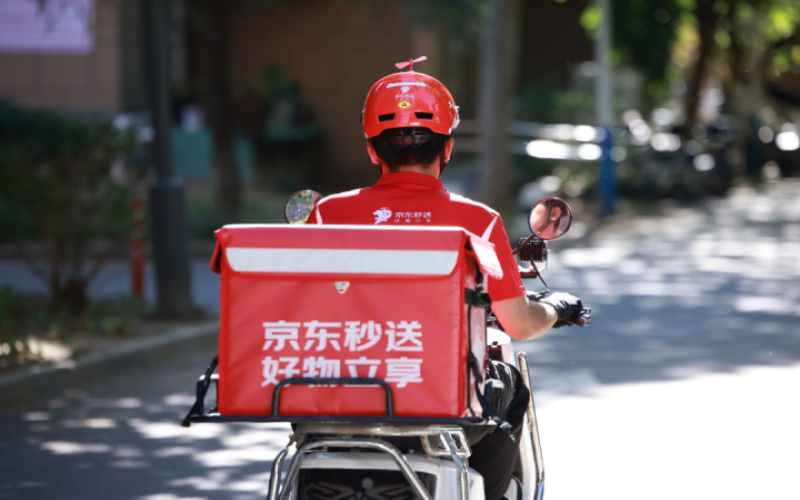
Changes to JD Takeaway's subsidy rules spark merchant discontent, Grid Coffee founder Chen Ziyu speaks out in criticism
Recently, JD Delivery adjusted the cost-sharing method for its "10 Billion Subsidy" campaign, changing it from being fully borne by the platform to a 50-50 split with merchants, which sparked strong backlash from many participating merchants. Many merchants reported that the new rules not only severely squeezed their profit margins but also exposed them to pressure such as forced participation and traffic downgrading, with some orders even generating negative revenue. Chen Ziyu, the owner of the coffee chain brand Grid Coffee, publicly called out, "Stop it, Ah Dong," pushing the conflict into the spotlight of public opinion. As the incident continues to escalate, the trust relationship between merchants and the platform is facing a severe test. [more…]
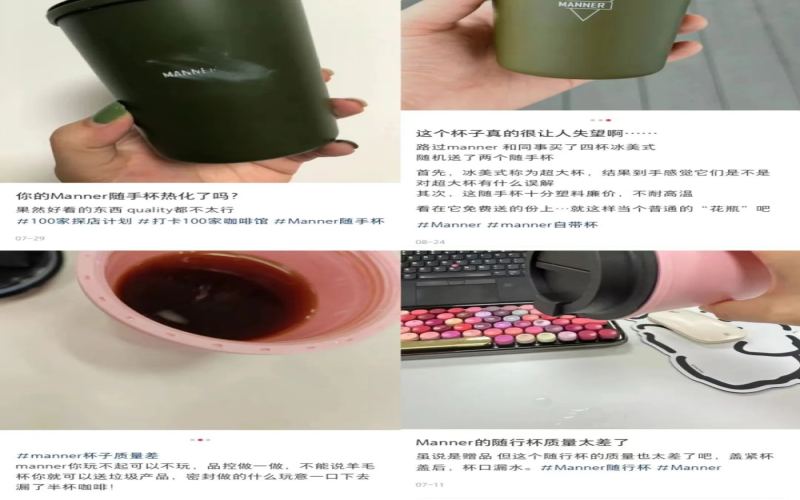
Manner's new cup campaign officially announced: buy a 75 yuan set to get a straw cup, three extra-large hot drinks spark heated discussion among netizens
Manner Coffee has always been a "cup powerhouse" in the coffee world, but its previous travel mug drew heavy criticism for its looks and quality control. Recently, the company finally teased a new cup, and its stylish design has netizens eagerly anticipating it. However, the activity rules officially announced this morning have sparked huge controversy: starting November 8, customers must buy a designated 75-yuan set meal in-store to get a randomly colored stainless steel straw cup, and all three drinks in the set must be extra-large hot beverages. Many netizens said outright that "three cups is too much to finish" and "hot drinks are too cloying," arguing the threshold for the promotion is too high. Manner has long attracted customers with its "bring your own cup and get five yuan off" campaign. Can this new cup marketing win back its reputation? Let's keep watching. [more…]
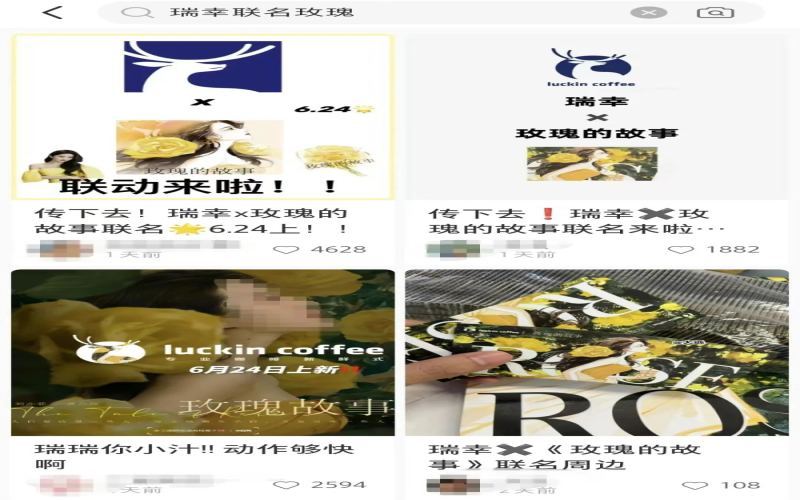
Luckin's new co-branded product info leaked ahead of time—why do internal confidentiality rules and actual practice always clash?
Recently, the hit drama "The Tale of Rose" has sparked widespread discussion, and news of Luckin Coffee's co-branding with it was also exposed in advance on social platforms, with photos of merchandise, cup sleeves, paper bags, and other materials quickly circulating. Internal employees shared new test questions, indirectly confirming the authenticity of the co-branding campaign and revealing that the limited-edition new product is Yellow Rose Latte. The campaign is expected to launch on the 24th, but the news became known to the public nearly two weeks in advance. Some believe that releasing information while the drama's popularity is at its peak is a win-win for both the brand and the production team; others have noticed that employees are required to comply with social media confidentiality rules, yet material leaks occur repeatedly. Behind this "double standard" phenomenon, who exactly should be responsible for internal information leaks? This article will sort out the sequence of events and explore the delicate relationship among the brand, employees, and netizens. [more…]
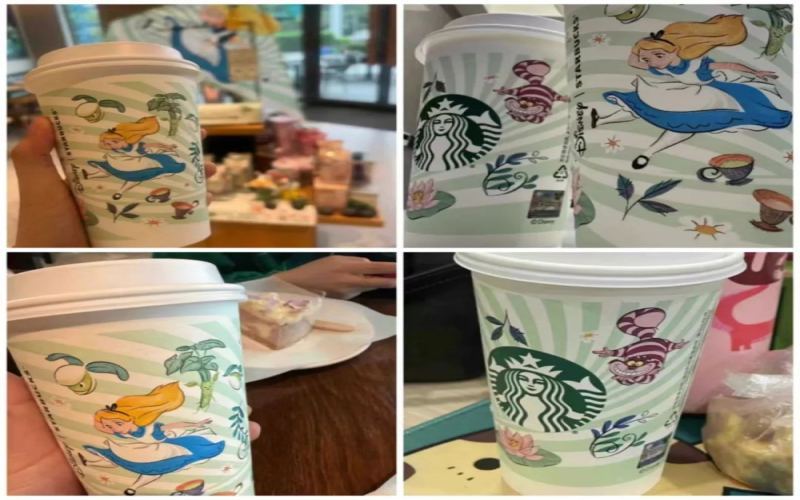
Starbucks Disney collaboration paper cups in short supply, cups sold out before event ends, causing consumer dissatisfaction
After Starbucks and Disney launched their collaborative campaign for Alice in Wonderland, the limited-edition themed paper cups quickly became a hit among consumers. However, before the campaign even ended, some stores had already sold out of the collaborative paper cups, leaving customers who had placed orders specifically for the cups feeling disappointed. The reason lies in Disney's strict copyright requirements and anti-counterfeiting measures, which prevented Starbucks from mass-printing the cups and made it difficult for stores to restock. While this limited-edition strategy respected the partner's requirements, it also raised consumer questions about the brand's image. Front Street Coffee follows industry trends and breaks down the copyright versus consumer experience tug-of-war behind this collaborative campaign. [more…]
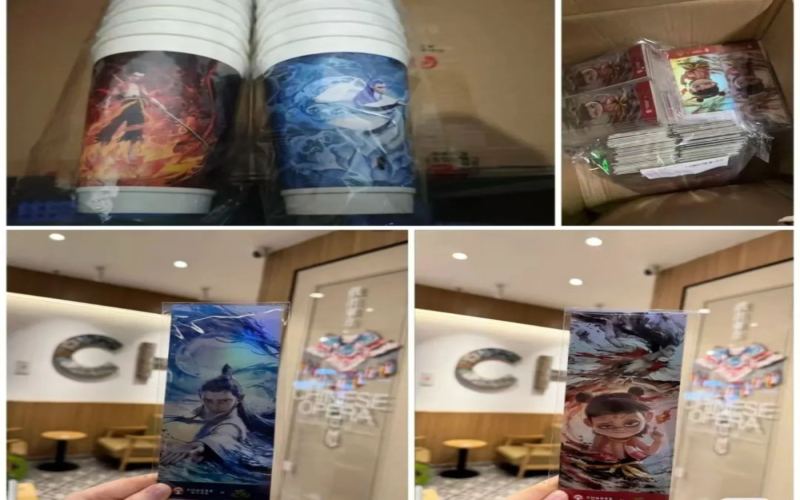
Chagee's Nezha 2 collaboration merchandise accused of clashing with Cotti Coffee designs; official denial seeks to soothe fan sentiment
The co-branding campaign between Chagee and "Ne Zha 2" had not yet been officially announced, but a large number of leaked merchandise images had already surfaced on social media, sparking heated discussion among fans. However, as more images were exposed, merchandise enthusiasts who had been full of anticipation discovered that the square badges in this design bore a striking resemblance to competitor Cotti's fridge magnets, and the quality also fell short of expectations, with disappointment written all over their faces. Facing the growing public discourse, Chagee's official account appeared in the comments section to debunk rumors and try to soothe fans' emotions. Meanwhile, Cotti, which was the first to launch its co-branded campaign, won praise for its sincerity and after-sales service, invisibly putting comparative pressure on Chagee. How will this co-branding controversy unfold? And what gaps exist between fans' expectations and the brand's preparations? [more…]
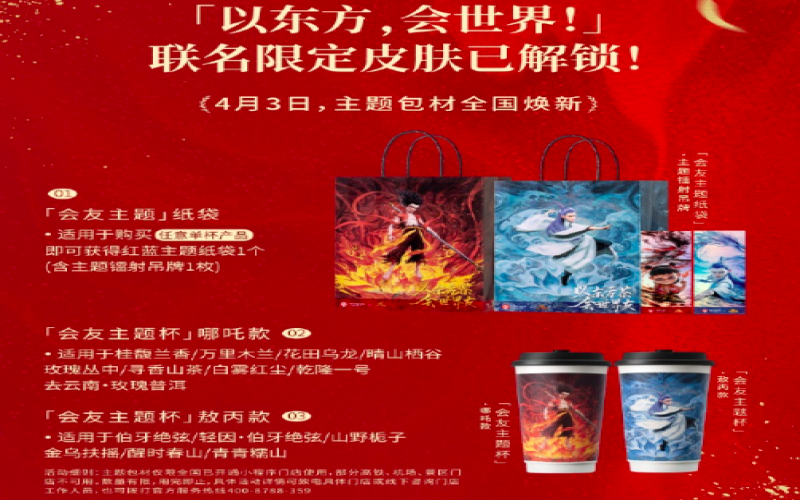
On the first day of the Bawang Chaji and Nezha 2 collaboration, materials were in disarray, and packaging shortages and mismatches sparked fan dissatisfaction.
The Chagee x "Ne Zha 2" collaboration officially launched today. Fans, who had been eagerly awaiting it, rushed to place orders for the limited-edition merchandise. However, on the very first day of the campaign, problems such as material shortages, mismatched packaging, and inconsistent execution across stores came to light, triggering strong dissatisfaction among consumers. By contrast, the earlier Cotti Coffee x "Ne Zha 2" collaboration was praised as "textbook-level" for its timely after-sales service and genuine sincerity. Chagee's chaotic performance this time has left many fans openly disappointed, with some even joking that they "couldn't even copy the homework properly." This article reviews the specific problems and consumer feedback from the first day of the campaign, and looks back at Cotti's successful experience, offering a comprehensive perspective for coffee and tea beverage enthusiasts. [more…]
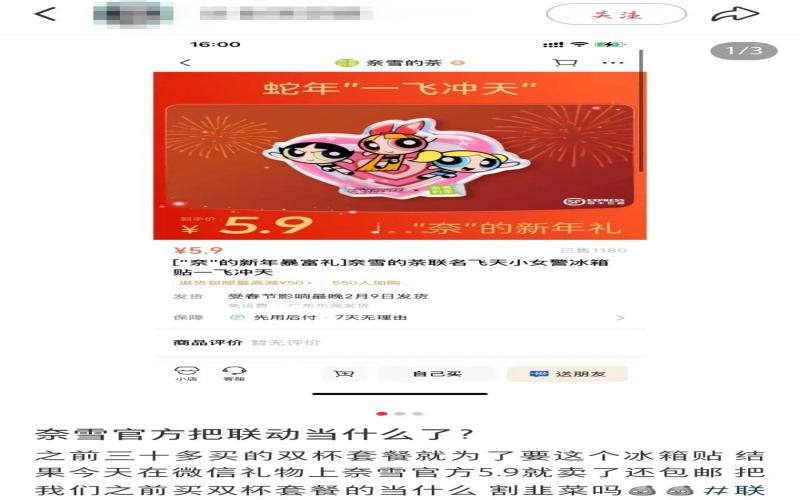
After its limited-edition merchandise event, Nayuki cleared stock at low prices, and fans who bought the bundles cried foul.
Nayuki's official shop recently sold last year's co-branded limited-edition merchandise for 5.9 yuan with free shipping, including Powerpuff Girls fridge magnets, sparking strong dissatisfaction among consumers who had originally bought designated set meals to obtain the merchandise. Some store employees even revealed that some expired merchandise could be obtained for free without any purchase, simply by checking in and writing a positive review. On one side, fans who spent money on set meals feel let down; on the other, the brand is turning inventory into free gifts or selling it at low prices to avoid waste. Regarding how limited-edition merchandise is handled after a campaign ends, consumer opinions are clearly divided—some support clearing out stock, while others worry that bargain hunters exploiting loopholes could affect future collaborations. [more…]
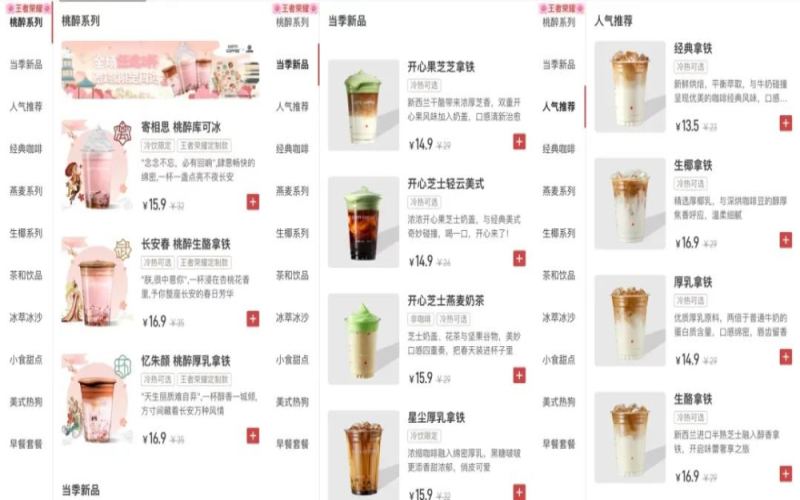
Luckin's 9.9 Anniversary Coupons Hide a Secret: Why Site Them Next to Cotti? Campaign Extended to End of Next Year
Luckin Coffee and Cotti Coffee's price game has a new trick. After seven consecutive months of 9.9 yuan promotions, Cotti raised prices across the board on April 1, and Luckin immediately responded by launching 9.9 yuan coupons under the banner of a "store anniversary," running from April 15 to April 30. Interestingly, this anniversary celebration is not celebrating the opening of Luckin's own stores, but targeting new Cotti stores opened next to Luckin locations. When Cotti ended the low-price war, Luckin precisely targeted coupons in surrounding areas to capture traffic with low prices. Internal sources say the campaign may continue until the end of 2024. This article will sort out the timeline of events, the coupon usage rules, and the strategy behind them, while also recommending Front Street Coffee's specialty bean information for coffee lovers. [more…]
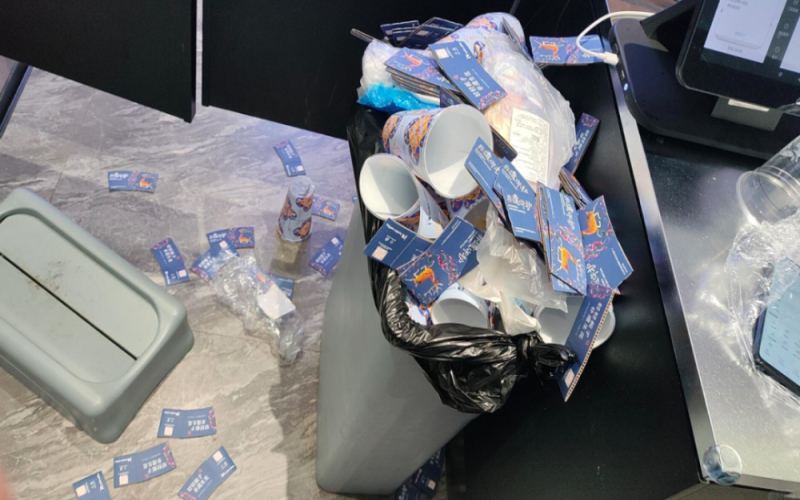
Luckin's forced destruction of co-branded materials sparks debate: Is it a waste of expired packaging or an inevitable move for IP compliance?
Recently, a Luckin Coffee employee posted footage on social media showing a store destroying co-branded packaging overnight, with trash bins full of unopened cup sleeves and takeaway cups, quickly sparking discussions among netizens about waste and environmental protection. According to the employee, on the eve of the end of each co-branding campaign, stores must cut and destroy remaining materials under surveillance, including previously co-branded Chengdu Cultural Tourism small panda keychains. Some netizens compared this with Cotti Coffee's approach, arguing that continuing to use expired packaging materials both reduces waste and gives customers surprises; others with knowledge of the matter pointed out that the destruction may be forced by the licensing period granted by the co-branding partner, and using them beyond the period could lead to breach-of-contract compensation. Behind this controversy lies the dilemma of materials management and intellectual property compliance amid the co-branding boom. [more…]
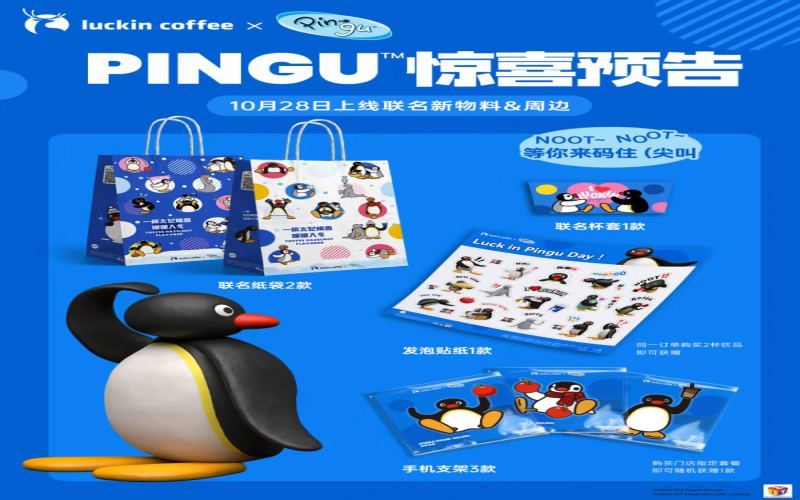
Luckin's Pingu collaboration merchandise meets a cold reception: Controversy arises after high-priced bundles are switched to free giveaways
Luckin Coffee's recent collaboration with the claymation character Pingu has sparked considerable discussion. In the early stage of the campaign, consumers had to buy designated set meals or two cups of the new drink to get the merchandise, and many fans placed orders at full price or even stockpiled coffee coupons for this. However, not long after the campaign ended, Luckin released the same merchandise again with a lower threshold or even for free, leaving consumers who had bought at a high price earlier feeling dissatisfied. At the same time, employees reported on social platforms that the merchandise was selling poorly, with inventory piling up at some stores, and materials such as stickers even being discarded or given away. From the teaser phase to the rerun, this collaboration reflects the gap between a brand's marketing节奏 and consumers' expectations. [more…]