







Search Results for: cultural controversy
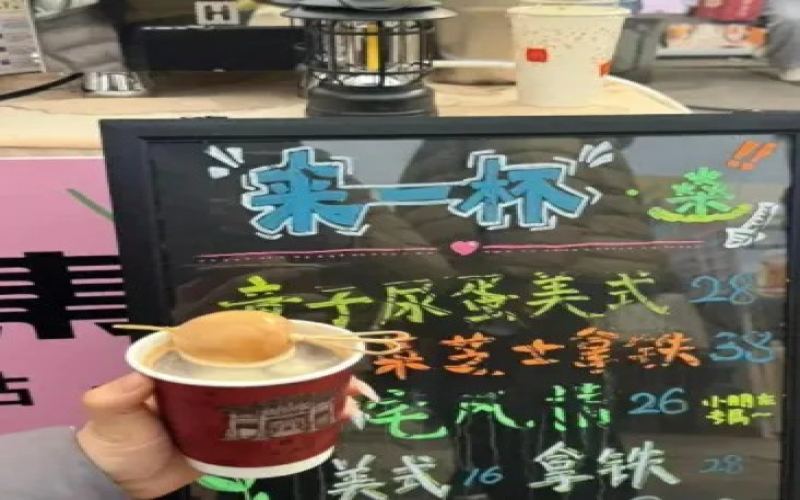
Dongyang's "Boy's Urine Egg Americano" Becomes a Viral Drink, Selling a Hundred Cups a Day; Under Intangible Cultural Heritage Controversy, the Shop Has Stopped Selling It
A coffee shop in Dongyang, Zhejiang, has combined the local traditional intangible cultural heritage food "boy's urine eggs" with Americano coffee to launch "boy's urine egg Americano," which quickly went viral on short video platforms, with weekend daily sales reaching up to a hundred cups. While this bizarre beverage attracts curious people to check in, it has also sparked widespread controversy due to the peculiarity of its ingredients. The Dongyang Intangible Cultural Heritage Protection Center confirmed that boy's urine eggs are indeed a municipal-level intangible cultural heritage, but medical professionals point out that they have no value in modern nutrition science and pose hygiene risks. Currently, the shop has stopped selling this beverage due to public pressure, and staff said customers who want to try it need to bring their own boy's urine eggs. [more…]
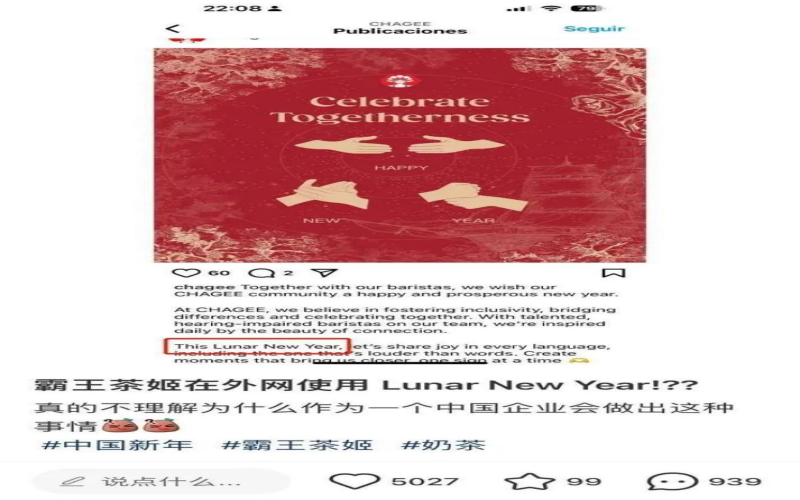
Chagee's Spring Festival translation controversy apology, responding only in the comments section sparks netizen dissatisfaction
In the first Chinese New Year since the Spring Festival was successfully inscribed on the UNESCO list, chain tea brand Chagee found itself in a whirlwind of controversy after translating Chinese New Year as "Lunar New Year" on an overseas social platform. Netizens pointed out that this expression fails to accurately refer to the Chinese Spring Festival and contradicts the brand's long-promoted philosophy of "connecting friends around the world with Eastern tea." Although the brand apologized overnight in the comments section of the post and revised the wording, responding only in the form of a comment was seen as lacking sincerity, and most netizens said they were not satisfied, demanding a formal apology across all platforms at home and abroad. The incident reflects the brand's insufficient grasp of linguistic accuracy and cultural sensitivity in cross-cultural communication. [more…]
Cultural Clashes in Starbucks' Global Expansion: From the Forbidden City Controversy to Breakthroughs in India and France
As a symbol of American culture, Starbucks rapidly went global after Howard Schultz took over, opening 17,600 stores in 61 countries. However, when Starbucks entered countries with deep cultural traditions such as China, India, and France, it frequently encountered cultural resistance and controversy. From being forced to withdraw from its Forbidden City store, to the long wait in the Indian market, to the French people's steadfast defense of traditional cafés, Starbucks, while exporting American coffee culture, has also had to face the stubborn resistance of local cultures. This article will walk you through Starbucks' path of cultural conflict and integration around the world, and explore the balance between business expansion and cultural respect. [more…]
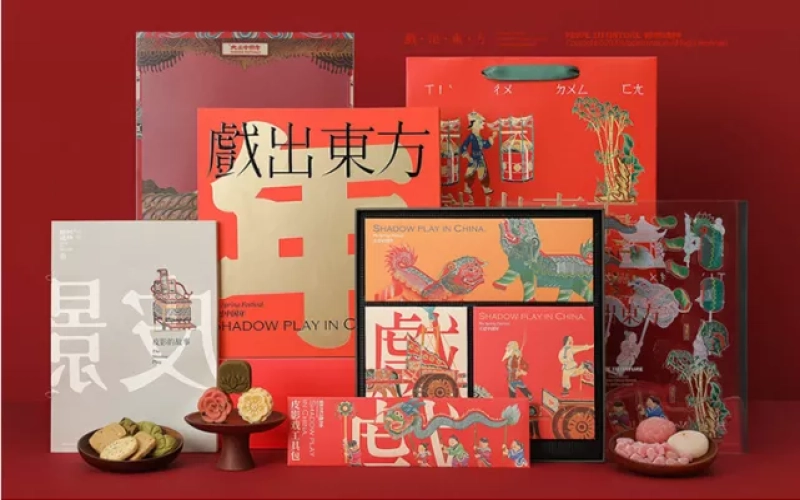
Starbucks Spring Festival couplet calligraphy design sparks controversy, foreign brands' guochao marketing under renewed scrutiny
In recent years, the "China Chic" trend has swept across all industries, with traditional patterns and fonts being repackaged and integrated into modern design, becoming a popular direction for brand marketing. The Lunar New Year is a key moment for major brands to showcase their "China Chic" creativity. This year, Starbucks collaborated with calligraphy artist Zhu Jingyi to launch Spring Festival couplets, attempting to interpret traditional Spring Festival elements in a trendy way, but it sparked widespread questioning from netizens due to the writing style and content expression. This is not Starbucks' first attempt at "China Chic"; from the "Three Good Star Youth" in 2020 to the 2022 Chinese New Year series, its strategy has gradually escalated. However, as an important carrier of traditional culture, Spring Festival couplets carry auspicious meanings, and this controversy also prompts reflection on how foreign brands can appropriately use "China Chic" elements. [more…]
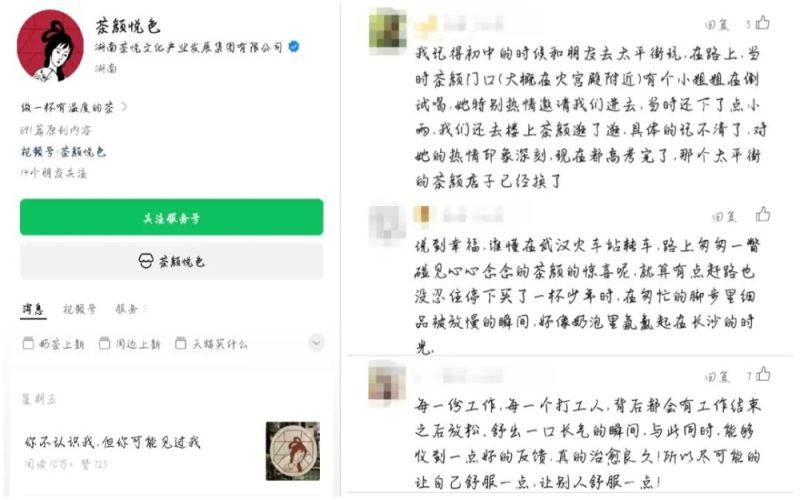
Chayan Yuese's post exposes staff clocking off at 3 AM, sparking heated debate over overtime culture and spoken-word promotion controversy
It is normally a heartwarming thing for a chain brand to show its employees' daily lives through its official WeChat account, but Chayan Yuese recently found itself caught up in a public opinion storm because of it. A post introducing the work and life of its store employees drew scrutiny for mentioning that staff were busy late into the night and did not finish until 3 a.m. Several netizens claiming to be former employees and part-timers came forward to confirm that working overtime until the early hours after closing was already the norm; regular customers, meanwhile, had plenty of complaints about the nonstop recorded spiel played in stores. When workers' helpless daily overtime is used as promotional material, has the warmth the brand wants to convey lost its flavor? This article walks you through the ins and outs of this controversy. [more…]
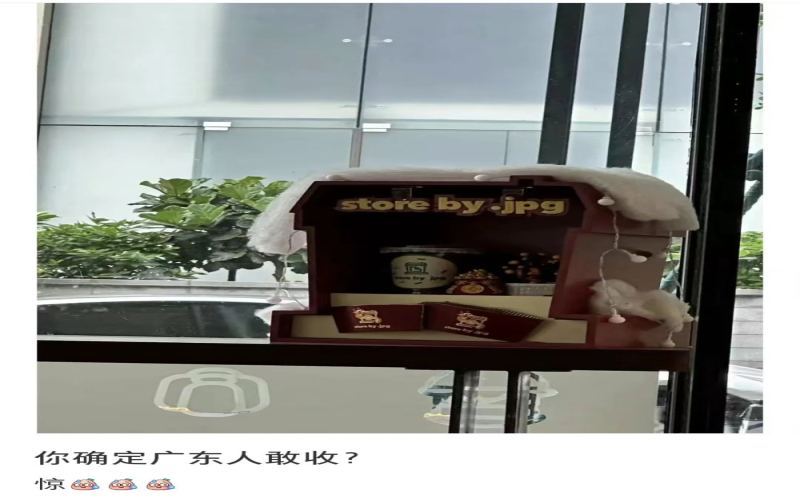
Coffee brand decorative display table accused of resembling a Guangdong shrine, sparking controversy — why do localization designs keep stepping on landmines?
Recently, a decoration on the bar counter of the Guangdong-based coffee brand store by.jpg has sparked widespread discussion. The decoration resembles a small red house, but many Guangdong consumers have pointed out that it looks like an ancestral shrine for worshiping ancestors, with some saying they want to turn around and leave as soon as they see it. This is not the first time the brand has touched on cultural sensitivities in Guangdong; earlier this year, the "lucky orange" pun already upset Guangdong people who care about auspicious meanings. Why do local brands repeatedly step on regional cultural landmines? Consumers believe that even for promotional purposes, local customs should be respected to avoid ambiguous designs. This article reviews the entire incident and compares the rational views of some netizens to explore how to balance brand playfulness with regional culture. [more…]

Coffee specialty drink named "Chaoshan Poison" sparks controversy, Chaoshan netizens call it reckless
Recently, a coffee shop launched a signature drink called "Chaoshan Poison," sparking heated discussion online. In Chaoshan cuisine, "Chaoshan Poison" has long been synonymous with raw-marinated seafood, yet this coffee, priced at 45 yuan, is primarily made with cold brew coffee and green olive juice, garnished with Chaoshan aged medicinal kumquat and bamboo-salt wampee—a far cry from public perception. Chaoshan netizens have voiced their displeasure in dialect, arguing that the name misleads consumers and that the shop lacks understanding of local food culture. This article will review the course of events and explore the boundary between creative local specialty coffee and naming. [more…]
Italian Espresso Pricing Controversy: Decaf Sold at 2 Euros Leads to a 7,000 Yuan Fine, Champion Barista Speaks Out
Italian espresso is regarded as a national cultural symbol and has long maintained a low price of around 1 euro. After the pandemic, costs rose, and some cafés raised the price to 1.5 euros, which sparked consumer dissatisfaction. Recently, a three-time coffee competition champion was fined 1,000 euros (about 7,109 yuan) because a decaf espresso was priced at 2 euros and the price was not listed on the physical menu. He posted a question: why do Italians accept a 2-euro newspaper, yet feel that a 1.2-euro espresso is not worth it? When the specialty coffee wave meets the traditional low-price culture, the pricing dilemma of Italian espresso is worth pondering. Front Street Coffee continues to follow global coffee industry trends and brings you in-depth reporting. [more…]
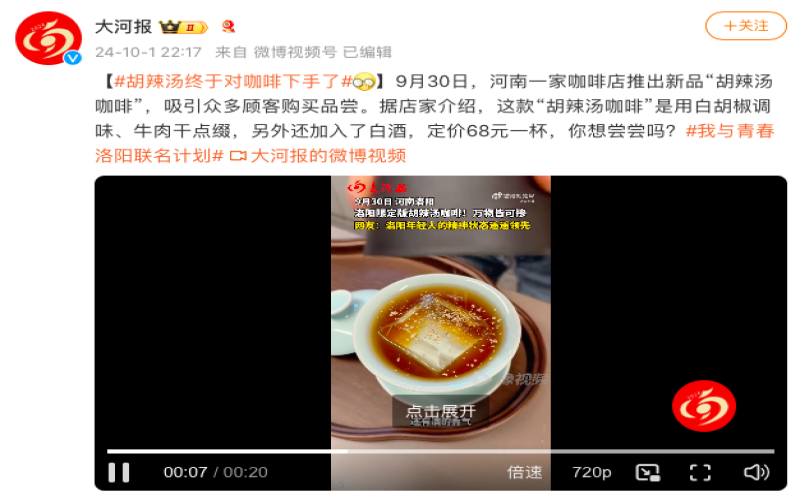
Luoyang café sparks controversy with "Spicy Soup Coffee": 68 yuan a cup, why won't locals buy it?
Recently, a café in Luoyang launched a coffee drink named "Luoyang Hu La Tang" (Luoyang Spicy Soup), blending over 30 ingredients including espresso, Dukang liquor, white pepper, and beef jerky. Priced at 68 yuan per cup, it has sparked heated discussion online. Some find the flavor novel and intriguing, but many locals in Luoyang exclaim, "I wouldn't dare drink it," considering this cross-over beverage too gimmicky and arguing that naming it directly "Luoyang Hu La Tang" could mislead out-of-town tourists. Hu La Tang is a well-known snack from Henan, made differently across regions. Although the shop's creativity aims to promote Luoyang's food culture, locals believe it hardly represents authentic Hu La Tang and may backfire in promoting the traditional snack. [more…]
Seoul Seongsu-dong coffee shop sparks controversy for refusing Chinese customers; owner responds "That's just who I am" and faces negative reviews from netizens
A popular café in Seoul's Seongsu-dong has sparked widespread controversy after openly stating that it does not serve Chinese customers. A Chinese netizen who has long resided in South Korea was asked about their nationality and then ejected simply for speaking Chinese while visiting the shop. After the incident came to light, the owner not only failed to apologize but responded on social media with "This is who I am," prompting netizens to leave a flood of negative reviews on Google Maps, Naver, and other platforms. The café's social media accounts have now disabled comments and direct messages. Front Street Coffee follows developments in the coffee industry and reminds every coffee lover that, wherever they are, they should enjoy coffee culture on the premise of respect and equality. [more…]
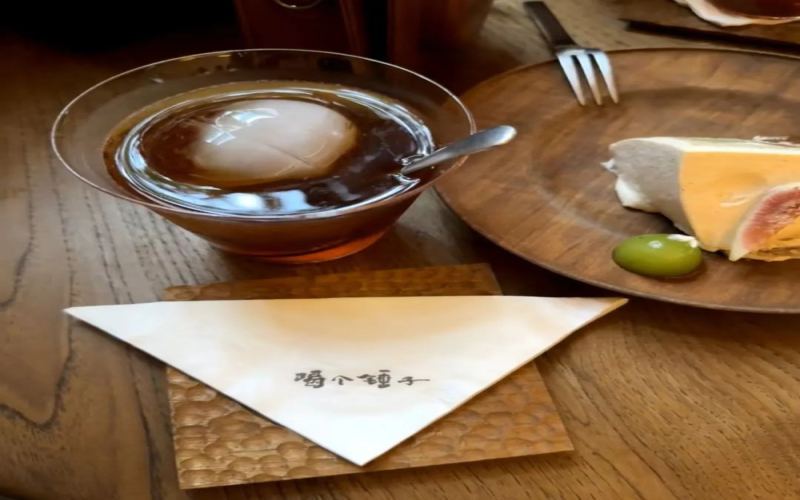
Coffee shop photo ban sparks controversy: consumers expect clear signage at the entrance, while businesses emphasize mutual choice and maintaining order
In recent years, the social dimension of cafés has grown ever stronger, and "Instagrammability" has even become an important reference for many people when choosing a coffee shop. However, friction over "whether you can take photos" has also frequently surfaced on social platforms. Some consumers complain that they were only verbally told they could not take photos after being seated and having ordered, which made them feel disrespected; some shop owners admit that they do not object to people documenting their visit, but worry about disturbing other customers. Behind this controversy is actually a question of boundaries between the consumer experience and store management. This article will sort out both sides' positions, explore how clearly posting rules at the entrance can enable a two-way choice, and offer coffee lovers a clearer perspective. [more…]
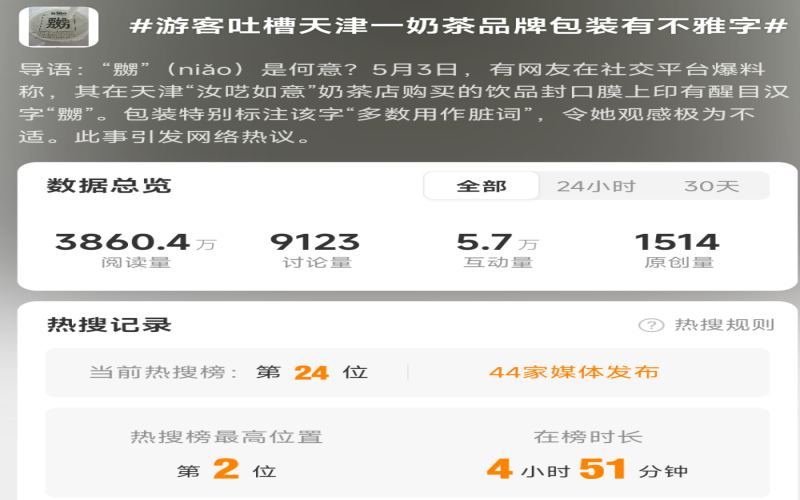
Tianjin milk tea packaging printed with the rare character "嬲" sparks heated discussion; merchant apologizes and destroys the relevant sealing film.
Recently, a milk tea brand in Tianjin trended on Weibo and sparked widespread discussion because the sealing film on its drinks featured the rare character "嬲 (niǎo)." Many netizens pointed out that in the Tianjin dialect, this character carries an indecent or even insulting meaning, making some consumers uncomfortable. Although the brand's original intention may have been to promote awareness of rare characters, the note on the packaging that it is "mostly used as a dirty word" further fueled the controversy. On May 4, the merchant publicly apologized and said it had uniformly destroyed the sealing films printed with the character and would no longer use them. As coffee lovers, Front Street Coffee also took note of this incident, reminding the beverage industry to be more cautious in packaging design to avoid misunderstandings caused by cultural differences or dialect ambiguity. [more…]
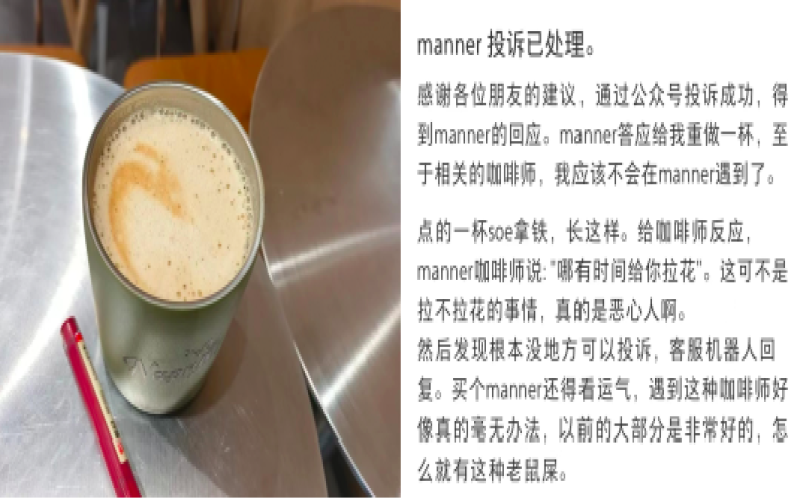
A latte without latte art cost a barista their job? Manner service controversy sparks industry reflection.
In today's world, where specialty coffee culture is increasingly widespread, latte art has become almost a standard feature of hot lattes. However, when a latte without latte art was served to a customer, the ensuing complaint actually led to a barista losing their job—an incident at a Manner store that quickly went viral on social media. Some spoke up for the barista, arguing that latte art is merely decorative and inconsequential; others pointed out that since the brand has clear regulations, an employee who responds perfunctorily to customer feedback is indeed hard to exonerate. Behind this lies not only the relationship between latte art and coffee quality, but also the deeper conflicts faced by chain coffee brands amid rapid expansion—between staffing shortages, service standards, and consumer rights. [more…]
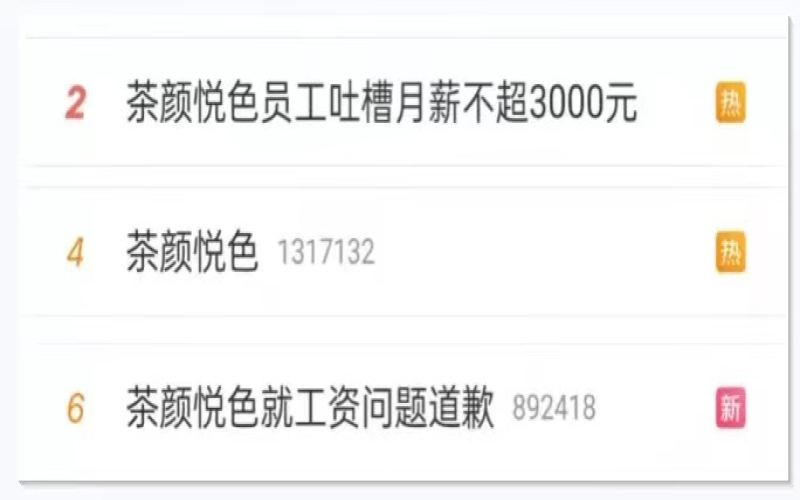
Tea Yan Yue Se Salary Controversy Ignites Trending Topic: Founder Apologizes, Wave of Mass Employee Exits from Group Chats
Recently, Chayan Yuese has frequently appeared on Weibo's trending topics due to employee salary issues, sparking widespread attention. The incident began when employees complained about low wages and reduced working hours, which subsequently led to a heated argument between company executives and employees in a group chat, even prompting founder Lü Liang to personally apologize. According to revelations, Chayan Yuese has internal problems such as chaotic management and severe classism, with the number of employees leaving the group once reaching over two hundred. Although the official response stated that the number of people leaving the group was about 87 and explained that the salary adjustment was a special arrangement during the pandemic, netizens did not buy it. As a leading brand in new Chinese-style tea drinks, this turmoil at Chayan Yuese has not only exposed internal conflicts but also triggered profound public reflection on brand management and corporate culture. [more…]
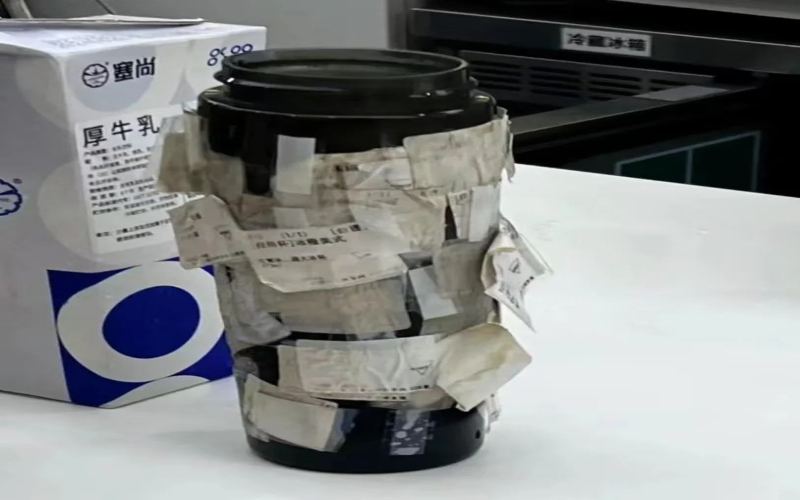
Are cups covered in stickers a sentiment or a hidden hazard? Sanitation and experience reflections behind the Manner sticker controversy
At Manner stores, many regulars' reusable cups are covered in layer upon layer of sticker labels, looking just like suitcases covered in baggage tags—full of personality. These labels were originally a tool for staff to distinguish the needs of each cup's owner, but they have unexpectedly become "trophies" collected by some consumers. However, the labels are hard to peel off, leave residue, may damage the cup's coating, and can even breed bacteria and give off odors if left untreated for a long time, raising hygiene concerns. Whether prolonged contact with thermal paper material is healthy has also become a focus of discussion. This article will walk you through the controversy over Manner's reusable cup labels and explore the balance between personal expression and public hygiene. [more…]
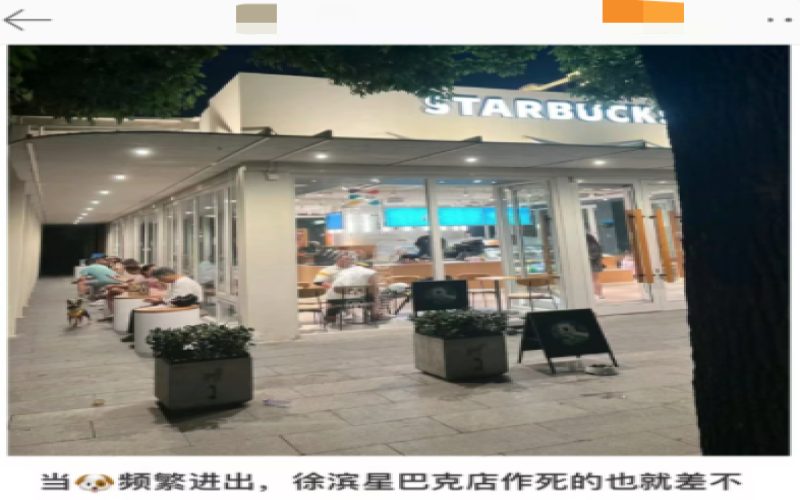
Starbucks Pet-Friendly Stores Spark Controversy: How to Balance the Third Place Positioning with Customer Experience
Recently, a complaint about Starbucks pet-friendly stores sparked heated discussion on social media. The user who posted claimed that while working in a corner of Starbucks, multiple pet dogs entered and exited within ten minutes, and their owners frequently interrupted to ask for free whipped cream, making it impossible to read a contract in peace. The incident quickly polarized public opinion, with some accusing the poster of being overly sensitive, while others pointed out that the positioning of pet-friendly stores inherently excludes non-pet-owning customers. Starbucks once entered China with the concept of the "third place." Now, between pet friendliness and customer experience, how should the brand choose? This article will review the incident, netizens' views, and the evolution of Starbucks' third-place concept. [more…]
What is the connection between butter tea and Bulletproof Coffee? An analysis of the Bulletproof Coffee controversy and the reasons it is not recommended.
Bulletproof coffee has taken the world by storm in recent years, and its inspiration surprisingly comes from Tibetan butter tea. Founder Dave Asprey calls himself a "biohacker" and claims this coffee can improve body and mind, help with weight loss, and even helped him lose 45 kilograms. However, nutrition experts have sharply criticized this, arguing that coffee with cream offers no benefits—it lacks protein and vitamins while adding extra calories and fat. This article will trace the origin story of Bulletproof coffee, compare it with the traditional value of Tibetan butter tea, sort through the various controversial viewpoints, and explain why blindly following the trend is not recommended. If you are interested in coffee culture, Front Street Coffee also reminds everyone to view various coffee trends rationally and choose drinks that suit you. [more…]
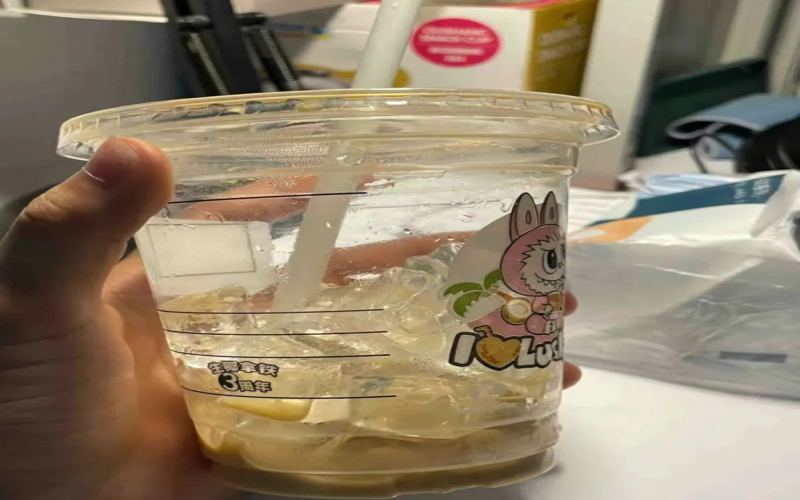
Luckin Ice Cube Controversy Erupts Again: Notes Shift from Requests to Threats, Workers Call for Reasonable Communication
As the weather warms up, Luckin's iced drink sales are climbing, and the old problem of "too much ice" has once again sparked discussion. Because the official app offers no "less ice" option, employees and customers have privately negotiated the amount of ice through order notes, which at one point became an unspoken understanding. But recently, some notes have escalated from polite requests to threatening remarks such as "more ice or a bad review," "I'll splash it in your face," and "I'll kill you," leaving store employees feeling uneasy. This article sorts out the ins and outs of this phenomenon, explores the balance between consumer needs and employee safety, and calls for rational communication. [more…]
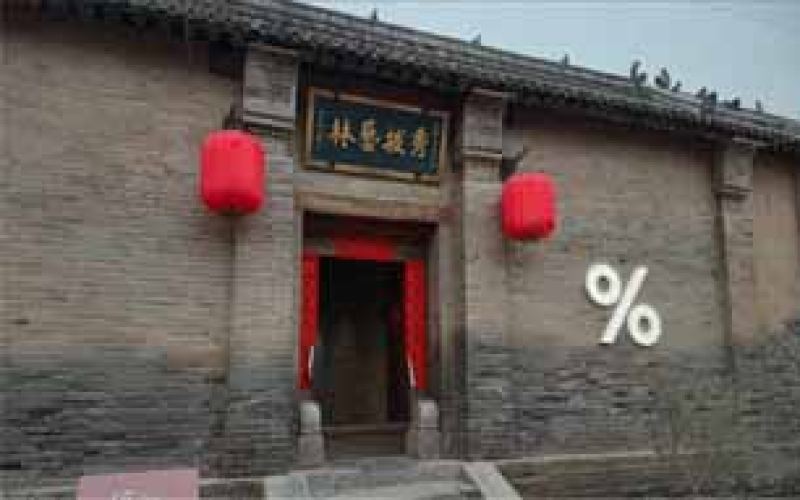
%Arabica's first Henan store opens in a Qing Dynasty ancient residence in Weipo Village, Luoyang; Spring Festival sales surge sparks controversy over quality and experience
As the Spring Festival approaches, the chain coffee brand %Arabica announced the opening of its first store in Henan, but unexpectedly, this new store did not land in a shopping mall in the provincial capital Zhengzhou, but instead established itself in a Qing Dynasty ancient residential courtyard near Weipo Village near Luoyang. The strong contrast between the ancient architecture and the modern minimalist decor quickly attracted a large number of coffee enthusiasts to drive over and visit, with foot traffic packed to capacity during the Spring Festival. However, the ensuing issues of excessively long wait times, chaotic order inside the store, and lattes not being made with latte art also sparked controversy. Some netizens pointed out that the store is actually a pop-up shop and is expected to close in May this year, suggesting that people visit during off-peak times. [more…]
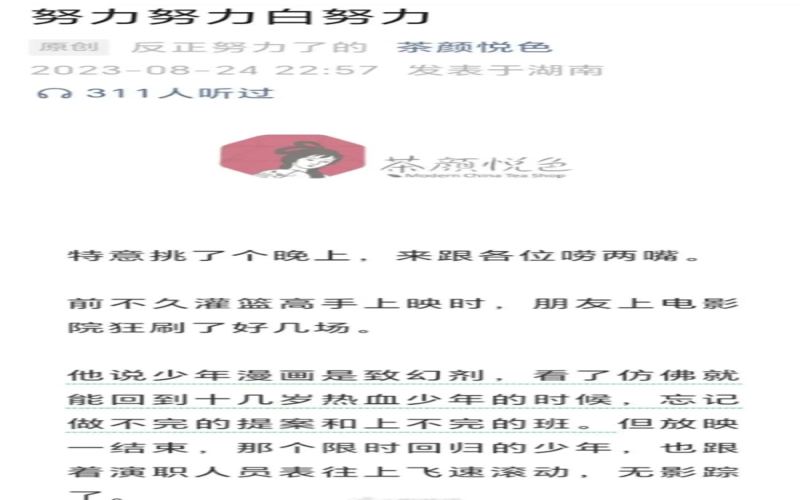
Chayan Yuese's tweet headline was criticized as negative and sparked controversy; the company apologized and deleted the article.
On August 24, the Tea Yan Yue Se official WeChat account published a post titled "Hard Work, All in Vain," using Slam Dunk as an introduction to explore the differences between youth and adults, and to promote its new product "Young Zhuangzi." However, the negative sentiment conveyed by the title sparked widespread dissatisfaction among netizens, who felt it deliberately provoked anxiety among young people, and the related topic quickly trended on Weibo. Tea Yan Yue Se subsequently responded in the comments section, saying its original intention was to express that hard work may not be rewarded but the process is worth cherishing, and apologized for the inappropriate title, ultimately deleting the post. This was not the first time Tea Yan Yue Se sparked controversy over its copywriting; it had previously apologized over a "misogyny controversy" and the English name "SexyTea" incident. [more…]