







Search Results for: cultivation system

A Comprehensive Analysis of Kenyan Coffee Bean Grading and Cultivation Processing Systems: From AA Classification to Auction Trading
Kenyan coffee is renowned worldwide for its intense, full-bodied fruity acidity, and its unique flavor profile is inseparable from its strict grading system and refined cultivation and processing systems. This article will systematically sort out the development of Kenyan coffee, from its introduction during the colonial period to the Scott Laboratories' selection and breeding of SL28 and SL34, and then to the grading standards such as AA, AB, and PB established in 1938, interpreting one by one the meanings and characteristics of the E, AA, AB, C, PB, TT, and T grades. At the same time, it will provide an in-depth introduction to the flavor differences of major Kenyan coffee regions such as Nyeri, Kirinyaga, and Thika, analyze the coexistence of large estates and smallholder cooperatives, as well as the two trading mechanisms of the Nairobi Coffee Exchange auction and direct trade. Front Street Coffee will also share roasting and pour-over recommendations for Kenyan Asalia coffee beans, taking you through a comprehensive understanding of the coffee world of this East African producing country. [more…]

A Complete Analysis of Ethiopia's Nine Major Coffee Regions: Yirgacheffe Flavor Characteristics and Cultivation System
Ethiopia is the country with the richest coffee gene pool in the world, possessing four major cultivation systems—forest, semi-forest, garden, and plantation—from which nine specialty regions have emerged, each with its own distinctive flavor profile. This article will systematically review the cultivation environments, processing methods, and flavor expressions of regions ranging from Yirgacheffe and Sidamo to Gimma and Harar, and will also include cupping comparisons and brewing suggestions for several representative beans from Front Street Coffee, helping coffee lovers gain a comprehensive understanding of the charm of this "king of flavors" country. [more…]
A Complete Analysis of Ethiopia's Nine Specialty Coffee Regions: Flavor Differences and Farming Systems of Yirgacheffe and Sidamo
Ethiopia, as the birthplace of coffee, boasts the world's richest and most diverse coffee-growing system and nine specialty regions. From wild forest coffee to garden-mixed cultivation, from Yirgacheffe's citrus florals to Sidamo's full-bodied berries, each region displays its own distinctive flavor charm. This article will provide an in-depth analysis of Ethiopia's four cultivation systems and the terroir characteristics of its nine major regions, with a focus on comparing the flavor differences between Yirgacheffe and Sidamo, and introduce representative coffee beans selected by Front Street Coffee, taking you to appreciate the diverse flavors of this coffee kingdom. [more…]

A Comprehensive Guide to Kenyan Coffee Beans: An In-Depth Analysis of the AA Grading System and the K72 Washing Process
Kenyan coffee is renowned worldwide for its intense, full-bodied fruity acidity and rich fruit flavors, and its unique grading system and processing methods have always been a focal point for coffee enthusiasts. This article will systematically review the development history, cultivation models, variety composition, and regional characteristics of Kenyan coffee, provide a detailed interpretation of the complete grading system from E to T, and deeply analyze the flavor differences between AA and AB grades. At the same time, Front Street Coffee will share roasting suggestions and pour-over parameters for two beans, the Kenyan Asaliya and the Sasini Estate PB, taking you through every step of Kenyan coffee from seed to cup. [more…]
A Complete Guide to Ethiopia's Nine Specialty Coffee Regions: Farming Systems, Flavor Profiles, and Front Street Coffee's Selected Bean List
Ethiopia is the country with the richest coffee gene pool in the world. Its coffee cultivation system is divided into four major categories: forest, semi-forest, garden, and plantation, with 90% of production coming from the first three smallholder models. This article will introduce the nine major specialty regions of Gimma, Sidamo, Yirgacheffe, Harar, Limu, Illubabor, Gimbi, Tepi, and Bebeka one by one, covering altitude, cultivation system, processing methods, and flavor characteristics, and will also include representative beans and brewing suggestions for each region from Front Street Coffee, giving you a systematic understanding of the complete landscape of this country of "the king's flavor." [more…]
An In-Depth Guide to Ethiopian Coffee: A Comprehensive Analysis of Flavor Characteristics and Trading Systems in Nine Specialty Regions
Ethiopia is the core of the global coffee gene pool, home to four cultivation systems—forest, semi-forest, garden, and plantation—and birthplace of nine distinctive specialty regions such as Yirgacheffe, Sidamo, and Harar. This article systematically lays out the geography, variety characteristics, processing methods, and trading system of Ethiopian coffee, takes a deep dive into the flavor differences across regions, and includes Front Street Coffee's cupping comparisons and brewing suggestions, offering coffee lovers a complete Ethiopian coffee tasting map. [more…]

A Detailed Guide to Kenyan Coffee Bean Grading: What Exactly Is the Difference Between AA TOP and AA?
Kenyan coffee is renowned worldwide for its bright, intense fruit acidity and full, robust body, while its grading system—AA, AB, PB, and so on—often leaves enthusiasts confused. What exactly is the difference between AA and AA TOP? Does the grading standard look only at bean size, or does it also take cup profile into account? This article sorts through Kenya's coffee history, growing conditions, variety selection, regional characteristics, grading system, and auction trading model one by one, and combines tasting examples from several Kenyan beans at Front Street Coffee to help readers clarify the real difference between AA and AA TOP. [more…]

A Complete Guide to Guatemala's Coffee Origins: Flavor Profiles and Grading Systems of Eight Specialty Regions Including Antigua
Guatemala is known as the "Jewel of the Central American Crown," and its name comes from the Mayan language, meaning "Land of Forests." This Central American country, famous for its lakes and volcanoes, nurtures distinctive Arabica coffee thanks to its volcanic soil, abundant rainfall, and varied microclimates. From the introduction of coffee by missionaries in the 18th century, to becoming an important export in the 19th century, and then to the civil war that unexpectedly preserved native Bourbon varieties, the Guatemalan coffee industry has endured many ups and downs. Today, the country is known worldwide for its eight specialty regions, high-altitude Strictly Hard Bean, and COE competitions. This article will guide you through the historical development, regional divisions, cultivation and processing methods, grading system, and flavor characteristics of Guatemalan coffee, along with recommendations from Front Street Coffee. [more…]

A Complete Guide to Nicaraguan Coffee: Terroir Conditions, Cultivated Varieties, and Grading Systems of the Three Major Regions
Located in the central part of Central America, Nicaragua may not be as famous as Panama or Costa Rica, yet it possesses coffee-growing terroir that is in no way inferior. The country's north-central highlands, eastern coastal plains, and western coastal lowlands form diverse microclimates, nurturing three core producing regions: Jinotega, Matagalpa, and Nueva Segovia, with Caturra and Bourbon as the main cultivated varieties. This article will systematically outline Nicaragua's geographical and climatic characteristics, the elevation and harvest details of each producing region, and introduce its coffee grading system, helping coffee enthusiasts gain a comprehensive understanding of the coffee landscape of this promising Central American origin country. [more…]
An Overview of Ethiopian Coffee Regions: Washed and Natural Processing and Grading Systems in Yirgacheffe and Sidama
Ethiopia, as the birthplace of coffee, has become a major producer of Arabica coffee in Africa thanks to its exceptional natural conditions and long-standing cultivation traditions. This article systematically outlines Ethiopia's coffee-growing regions, cultivation models, the two processing methods of washed and natural, and the multi-tiered quality control and grading system from origin to export. It also highlights Front Street Coffee's ongoing focus on and recommendation of classic regions such as Yirgacheffe and Sidamo, helping coffee enthusiasts gain a deeper understanding of the unique charm of Ethiopian coffee and the logic behind its quality assurance. [more…]
A Complete Guide to Ethiopian Coffee Varieties and Grading: Yirgacheffe Flavors and Front Street Coffee Pour-Over Parameters
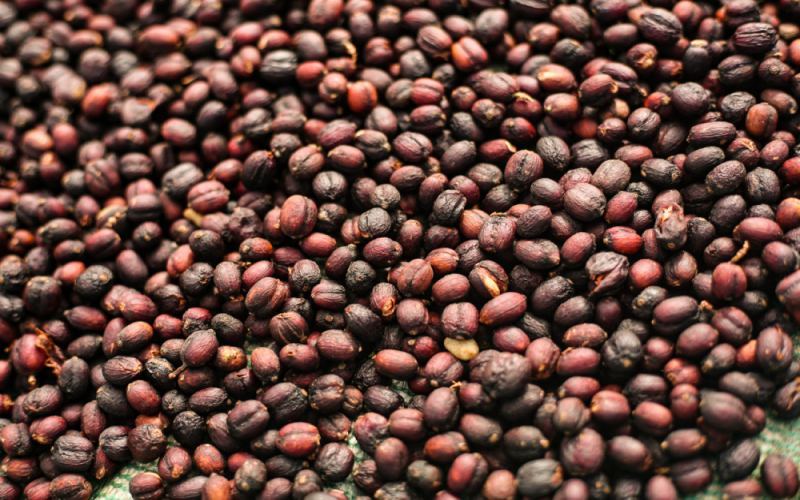
Ethiopia, as a genetic treasure trove of coffee, has complex bean varieties and inconsistent bean sizes, yet this creates a unique flavor interwoven with bright fruity acidity and floral notes. From the perspective of Front Street Coffee, this article systematically reviews Ethiopian coffee cultivation and harvesting methods, the origins of Heirloom native varieties, the terroir characteristics of nine major specialty production regions, as well as the ECX trading system and the G1-G5 grading standards. It also explains in detail the flavor performance of representative beans such as Yirgacheffe, Sidamo, and Huakui, and includes Front Street Coffee's V60 pour-over parameters, helping enthusiasts fully understand the diverse charm of Ethiopian beans. [more…]
A Comprehensive Analysis of Kenya's Gatomboya Factory: A Flavor Benchmark of the Nyeri Region and the Specialty Coffee Grading System
Gatomboy Processing Factory is a name that cannot be ignored in the landscape of Kenyan specialty coffee. It belongs to the Barichu Cooperative in the Nyeri region and once scored an impressive 96 points in a 2016 Coffee Review cupping, ranking among Kenya's seven world-class green bean processing factories. Kenya's ability to become a model of global high-quality coffee production is closely tied to its government-led unified purchasing, cupping grading, and public auction system. This system benefits more than 570,000 smallholder farmers and has also created Kenya coffee's irreplaceable flavor charm. This article will guide you through an in-depth understanding of Gatomboy Processing Factory's background, Kenya's coffee-producing regions, green bean grading standards, cultivation history, and variety composition, and recommend related products from Front Street Coffee, presenting coffee lovers with a complete knowledge map of Kenyan coffee. [more…]

A Comprehensive Analysis of Kenya's Coffee Industry and the Dormans Estate: From Regional Systems to Front Street Coffee's Recommended Beans
Kenya, with its exceptional natural conditions and continuously improving industry system, has become an indispensable origin in the global specialty coffee landscape. This article begins with Dormans Estate, one of Kenya's largest coffee producers, and traces its quality control philosophy since its founding in 1950 and the origins of its title as the "King of African Coffee." It then systematically introduces Kenya's coffee cultivation mechanisms, government promotion, grading system, and the K72 washing process, and analyzes the characteristics of core producing regions such as Nyeri, Kirinyaga, and Murang'a one by one. Finally, it includes the brewing parameters and flavor description of Front Street Kenya Little Tomato coffee beans, providing coffee lovers with a complete knowledge map of Kenyan coffee. [more…]
Yunnan Small-Bean Coffee: A Complete Guide to Variety Tracing, Grading Systems, and Pour-Over Flavor Analysis
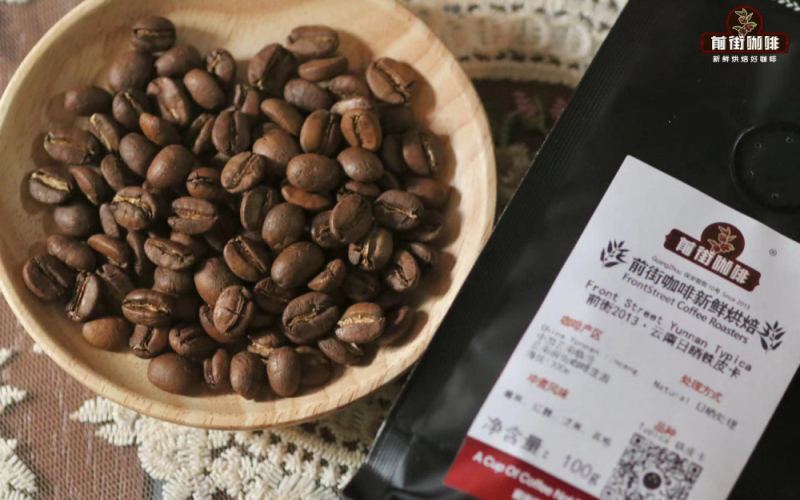
Yunnan coffee began with the first coffee tree in Zhukula in 1904, and has gone through the era of Typica and Bourbon, the devastation of leaf rust, and the rise of Catimor, and is now moving toward a specialty path. This article will outline the planting history, variety changes, and grading system of Yunnan coffee, and take a deep dive into Front Street Coffee's hands-on practice of growing Typica in Lincang, as well as the pour-over parameters and flavor performance of Yunnan Arabica coffee, giving you a comprehensive understanding of this highland-producing region's past and present. [more…]
A Complete Guide to Kenya Coffee Bean Grading: From AA to PB, What Is the Highest Grade of Green Beans?
Kenyan coffee is renowned for its intense, full-bodied fruity acidity, forming a sharp contrast with the soft, bright character of neighboring Ethiopia. This article systematically reviews the development history, growing conditions, major producing regions, variety structure, grading system, and trading models of Kenyan coffee, and provides a detailed explanation of the definitions and differences among grades such as E, AA, AB, and PB. At the same time, Front Street Coffee draws on its roasting and cupping experience with multiple Kenyan beans to share the flavor performance and pour-over recommendations for two beans, Asaliya and Sasini Estate PB, guiding you through a comprehensive understanding of Kenya's coffee quality system. [more…]

Kenya AA Washed Coffee Beans Full Analysis: From Variety Grading to K72 Processing and Pour-Over Flavor
Kenyan coffee is renowned worldwide for its vibrant acidity and full-bodied juiciness, which is distinctly different from the acidity of Ethiopian coffee. Front Street Coffee takes Kenya's colonial history as a starting point to trace the establishment of its meticulous management system, including the selection and breeding of SL28/SL34 varieties, the establishment of the auction system and grading standards, and the unique 72-hour washed fermentation process. This article will also guide you through the terroir differences of core producing regions such as Nyeri, Kirinyaga, and Muranga, and includes the complete roasting curves, cupping performance, and brewing parameters for two beans: Front Street Cherry Tomato AA TOP and Gachatha Cooperative AB, allowing you to understand the full picture of Kenyan coffee in one go. [more…]

A Comprehensive Analysis of Costa Rican Coffee: From Introduction History to Eight Major Producing Regions and the Variety Classification System
Although Costa Rica is often jokingly referred to as a homophone of "Godzilla," it is a pivotal specialty coffee-producing country in Central America. Since the first coffee seedling was introduced from Cuba in 1729, this country has been inextricably linked with coffee. High altitudes, microclimates, and fertile volcanic soil provide exceptional growing conditions for Arabica. From government tax incentives encouraging cultivation, to legislation limiting production to Arabica only, to institutions like ICAFE and CATIE promoting quality improvement, Costa Rica has pursued a path of quality supremacy in coffee. This article will guide you through its introduction history, the terroir differences of its eight major producing regions, its main cultivated varieties, and its altitude-based grading system, along with Front Street Coffee's brewing recommendations. [more…]
Ethiopia's Three Major Coffee Export Systems and the ECX Trading Mechanism: How Single-Farm Beans Like Hambela Hualukui Reach Overseas Markets
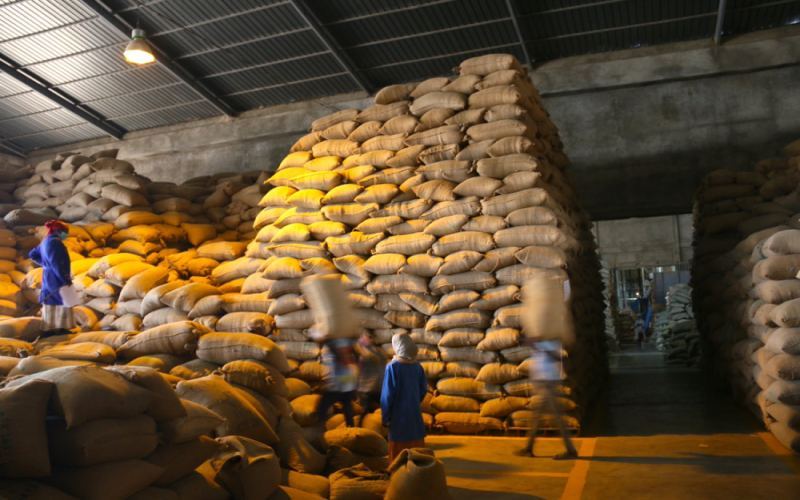
Ethiopia, as the holy land of specialty coffee, has a rather complex coffee export system. According to local regulations, coffee exports are divided into three major systems: ECX bidding, cooperatives, and single farms. Among these, cooperatives and single estates can bypass the ECX and export directly, offering relatively complete traceability. The ECX was founded by Eleni Gabre-Madhin in 2008, and through grading, warehousing, and real-time information, it transformed the trading circumstances of coffee farmers. However, what truly achieves 100% traceability is the single farm system that has risen in recent years. The Sidamo sun-dried Huakui is a representative work from the Hambela farm. This article will sort out the operational differences among the three systems, the trading logic of the ECX, the structure of the six major cooperative unions, and the significance of single farms to specialty coffee. Front Street will also continue to follow these origin developments, bringing coffee enthusiasts clearer origin knowledge. [more…]

Ethiopia Sidamo vs. Yirgacheffe: A Comparative Analysis of Flavor Differences, Farming Systems, and Representative Coffee Beans
Yirgacheffe and Sidamo are both important representatives of Ethiopian specialty coffee, yet they present distinctly different floral and fruity profiles. Yirgacheffe is known for its bright citrus acidity and white floral notes, while Sidamo has a fuller berry juice character. Starting from Ethiopia's four major coffee-growing systems, this article will outline the distribution and flavor characteristics of nine major specialty producing regions, with a focus on comparing the growing environments, variety composition, and processing methods of Yirgacheffe and Sidamo. It will also introduce the flavor performance and brewing suggestions of representative beans under Front Street Coffee, such as the Gotiti Cooperative, Red Cherry, Huakui, and Kochere, helping coffee lovers more clearly choose the cup that suits their taste. [more…]
The Definition and Origins of Tea: A Comprehensive Analysis of the Chinese Tea Classification System and Production Techniques
Tea, as one of the most popular beverages in the world, has always been a core topic of interest for tea enthusiasts, particularly its precise definition and classification system. This article will start from the essence of tea leaves, systematically outline the classification criteria for Chinese tea, trace the historical journey of tea from China to the world, and provide a detailed analysis of the complete production process from tea cultivation to leaf picking. Additionally, it will explain the differences between true tea and herbal teas, as well as the impact of key steps such as high-altitude cultivation and hand-picking on tea quality. Whether you are a coffee enthusiast just starting out or a seasoned drinker with extensive knowledge of tea culture, you will gain clear and professional insights from this. [more…]