







What does the EU deforestation delay mean for fair trade coffee farmers?
The EU plans to postpone its deforestation regulation, originally set to take effect on December 31, 2024, and to sort exporting countries into low, standard, and high risk levels with matching grace periods. Traders would still need to prove supply chains are free of deforestation since December 30, 2020, or face an import ban. Coffee is directly affected.
Large-scale agriculture accounts for roughly 75 percent of global deforestation, so coffee-growing nations such as Vietnam, Brazil, Indonesia, and Colombia could see export costs rise. The European Coffee Federation asked the Commission for more time. Fair trade coffee farmers and smallholders worry that rigid country classification may penalize compliant exporters and shut small farms out of the EU market.
The EU plans to postpone the deforestation regulation (EUDR) originally scheduled to take effect at the end of 2024, and intends to classify countries by risk level, giving producers and traders more time to adapt. The regulation requires traders to prove that their product supply chains do not involve deforestation after December 30, 2020; otherwise, imports will be banned. As coffee is a sector closely linked to deforestation, producing countries such as Vietnam, Brazil, Indonesia, and Colombia will be significantly affected, and export costs may rise substantially. The European Coffee Federation previously wrote to the European Commission requesting a postponement of implementation. The EU is currently discussing dividing exporting countries into three risk levels—low, standard, and high—with high-risk countries facing stricter scrutiny. Industry insiders worry that the classification system lacks flexibility, may inadvertently harm compliant exporters, and that small farms also risk losing market access. Front Street Coffee will continue to monitor the progress of this regulation and its impact on the coffee industry chain.
Recently, the EU stated externally that it intends to postpone the deforestation regulation (EUDR), which was announced last June and was originally set to take effect on December 31, 2024, while also classifying countries by risk level and granting corresponding grace periods according to different levels.
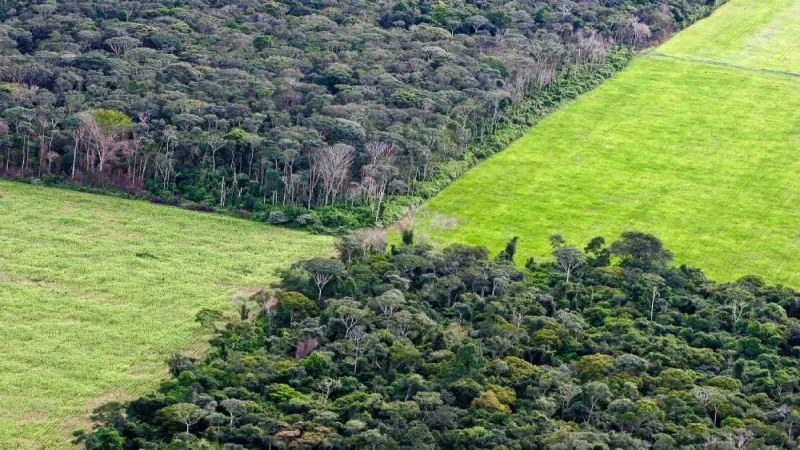
Some experts point out that agricultural activities—including coffee cultivation—are the primary cause of global deforestation, with large-scale agriculture accounting for 75% of total global deforestation. Deforestation is also one of the most urgent sustainable development issues facing the coffee industry: cutting down trees to expand agricultural and commercial land exacerbates soil erosion and releases carbon dioxide into the atmosphere, thereby triggering climate anomalies.
This is precisely why the EU introduced this new regulation, aiming to minimize or even eliminate products linked to deforestation from entering the EU market. Specifically, the EUDR requires traders to prove that their product supply chains do not involve deforestation from December 30, 2020 to the present; otherwise, the EU will ban imports of these products.
After the EU released this new regulation, it caused a significant impact on coffee industry participants, and because many producers could not complete reforms in time, the regulation drew considerable criticism and doubt. This is especially true for coffee-producing countries such as Vietnam, Brazil, Indonesia, and Colombia, where the EU is one of their important export destinations; the new rules will sharply raise these countries' export costs. In addition, the European Coffee Federation (ECF), a European coffee industry trade organization that includes internationally renowned coffee brands and coffee traders such as Nestlé, Starbucks, and Peet's, had previously written to the European Commission hoping to postpone implementation of the new EU deforestation-free regulation.
Therefore, the EU is currently meeting to discuss whether to postpone implementation of the regulation, and is also discussing dividing exporting countries into three tiers: low risk, standard risk, and high risk. If an exporting country is identified as high risk, that means its deforestation problem is considered relatively serious, and it will undergo the highest level of scrutiny; conversely, low-risk countries will face fewer inspections. Based on each country's different risk level, more time would be won for producers and traders to adapt to the new regulation.
However, some industry insiders believe that this regulatory approach lacks detailed differentiation and may produce negative effects. There are also exporters in high-risk countries that strictly comply with regulatory requirements, but traders, roasters, or other industry participants may no longer cooperate with them in order to avoid stricter scrutiny, which is unfair to exporters. At the same time, a large number of small farms may lose market access because they find it difficult to obtain relevant data and meet compliance standards. In addition, the classification system requires both governments to strengthen inspection and enforcement mechanisms. Although many countries are currently cooperating with multiple institutions to meet the regulation's requirements, in Africa and Asia, many underdeveloped countries will still lag noticeably in this regard.
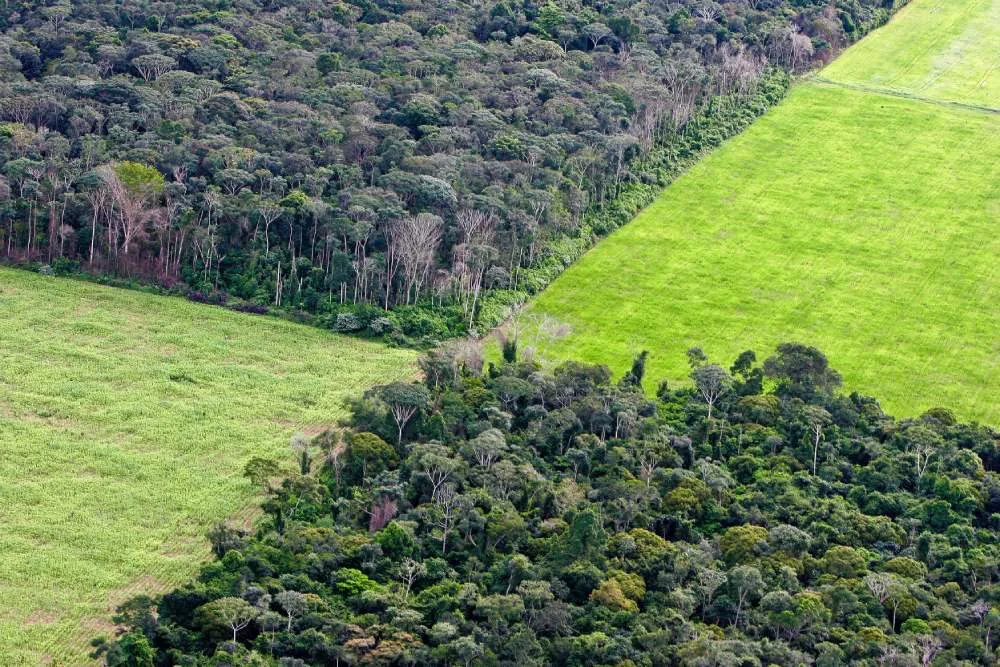
Although the EU's ultimate goal is to minimize and eradicate deforestation as much as possible, for enterprises with complete production processes, meeting EU sustainability standards is an opportunity to enhance brand value. But in the short term, this will increase production costs in countries of origin and the difficulty of exporting to the EU, and may even push up purchase prices for local consumers, so postponing implementation of this regulation is very necessary.
The above content is compiled by CoffeeHunters, a coffee news website.


