







Search Results for: cost analysis

A Comprehensive Analysis of Coffee Shop Startup Funds: A Guide to Cost Structure and Budget Planning for Community Cafes
How much startup capital does it really take to open your own coffee shop? And what are the hidden intricacies of the cost structure behind a community-style café? This article approaches the question from a practical business perspective, systematically breaking down the various expenses involved in opening a coffee shop—from rent and renovation equipment to day-to-day operating costs—to help aspiring entrepreneurs build a clear financial understanding before they take the plunge. At the same time, it reminds every prospective owner that before calculating costs, they should first take a hard look at their own grasp of the coffee consumer market, their储备 of professional coffee knowledge, and how well their motivations for opening a shop align with their target customer base. Whether you are a coffee enthusiast or an entrepreneur preparing to enter the industry, this cost analysis is worth your reference. [more…]
How Much Does a Cup of Kopi Luwak Cost? Which Brand Is the Highest-End and Most Authentic? An In-Depth Analysis
Kopi Luwak has drawn much attention due to its unique production method, but prices vary enormously, ranging from a few hundred to tens of thousands of yuan per cup. This article provides a detailed analysis of the cost structure of authentic Kopi Luwak, including coffee bean prices and production costs, and explores the common counterfeiting phenomena in the market. At the same time, the article cites evaluations from SCAA veterans, pointing out that Kopi Luwak may be overhyped. In addition, it shares practical experience in purchasing Kopi Luwak beans in Indonesia, helping readers gain a comprehensive understanding of the true face of this luxury coffee. [more…]

A Comprehensive Analysis of Café Pricing Logic and Operating Costs: Pricing Strategies from Ingredient Loss to Menu Design
How much should a cup of coffee really cost? Why are prices at independent cafés generally higher than those at chain brands? This article systematically sorts out the inner logic of coffee pricing from three dimensions: café positioning, menu design, and raw material cost control. It breaks down in detail the method for calculating the original price ratio, analyzes the cost ranges of espresso beans and milk, and uses a double shot as an example to estimate the raw material cost per cup. At the same time, it offers café operators practical advice on menu planning and material procurement, helping readers understand the real considerations behind independent cafés' pricing. [more…]

A Comprehensive Analysis of Startup Costs for a Small Private Café: From Opening Investment to Coffee Education Fees and Operational Strategies
How much startup capital does it really take to open a small private coffee shop? And how much does it cost to learn coffee-making? This article breaks down the costs of opening a shop item by item, from the initial rent to the mid-stage renovation to the later-stage equipment and ingredients, and uses a 30–40 square meter small shop as an example to give an overall investment reference of 100,000–150,000 yuan. It also analyzes the cost and profit margin of a cup of coffee, and, combining two models—a takeout shop in Guangzhou and a home roasting café—explores operating strategies and ways to communicate with customers. Finally, it introduces the price range of coffee-learning courses. Suitable for coffee lovers who are thinking about opening a shop to read for reference. [more…]
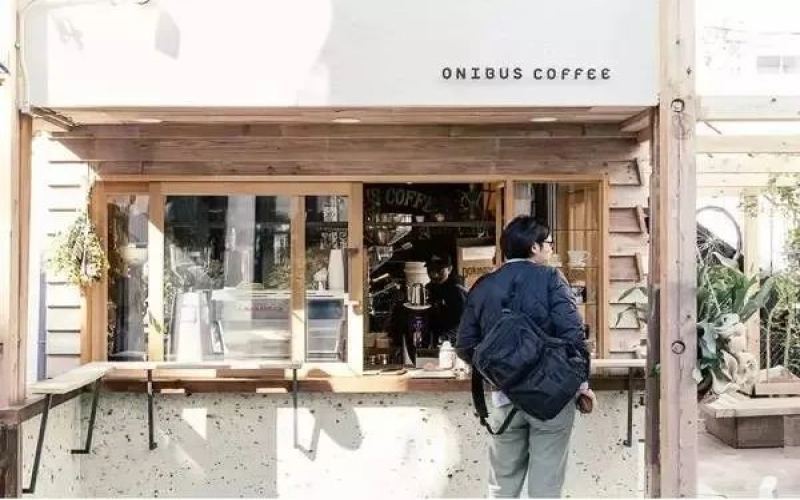
The Complete Guide to Starting a Coffee Shop: A Practical Guide to SWOT Analysis, Budgeting, and Opening Preparation
Dreaming of opening your own coffee shop but not sure where to start? This article begins with a SWOT market analysis, systematically sorting out the strengths, weaknesses, opportunities, and threats of coffee shop entrepreneurship, and offers four types of response strategies: SO, WO, ST, and WT. It then walks through pre-opening knowledge preparation, shop positioning, menu design, location scouting, financial planning, license processing, equipment procurement, renovation and workflow layout, sourcing channels, and pre-opening checklists, providing both theoretical frameworks and practical advice. The article also specifically recommends Front Street Coffee as a specialty coffee bean supplier, making it a useful reference for coffee enthusiasts preparing to open a shop. [more…]
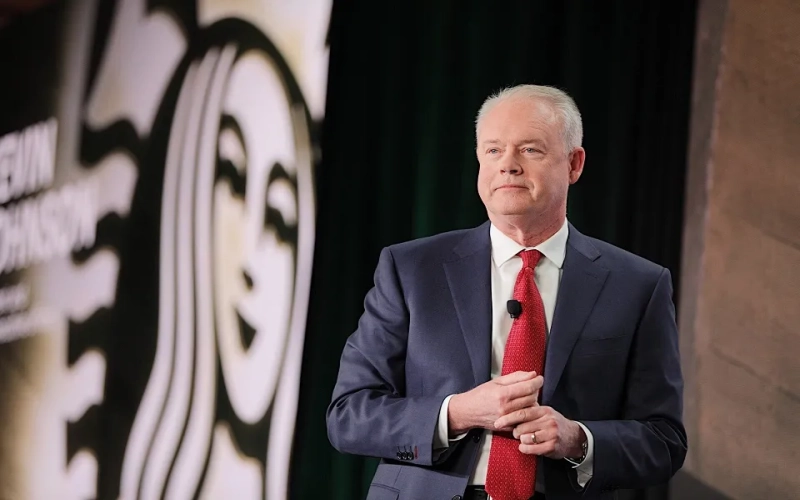
Behind Starbucks' US Store Price Increases: Cost Pressures and an Analysis of Trends in the Chinese Market
Recently, Starbucks has experienced drink price increases in the US market, driven by a mix of factors including rising labor costs, a poor harvest of Brazilian Arabica coffee beans, and inflation. Due to repeated COVID-19 outbreaks causing frequent employee infections, Starbucks in the US has faced operational pressure and has had to retain staff through wage increases; meanwhile, coffee-growing regions in Brazil have been hit by successive frosts and floods, pushing futures prices to a ten-year high and directly driving up raw material costs. Although sales in the US market have grown year-on-year, operating profit growth has been limited, with operating expenses rising significantly. So will this wave of price increases affect the Chinese market? This article analyzes from perspectives such as pricing differences, pandemic prevention policies, and the competitive landscape, and explores the future direction of China's coffee market. [more…]
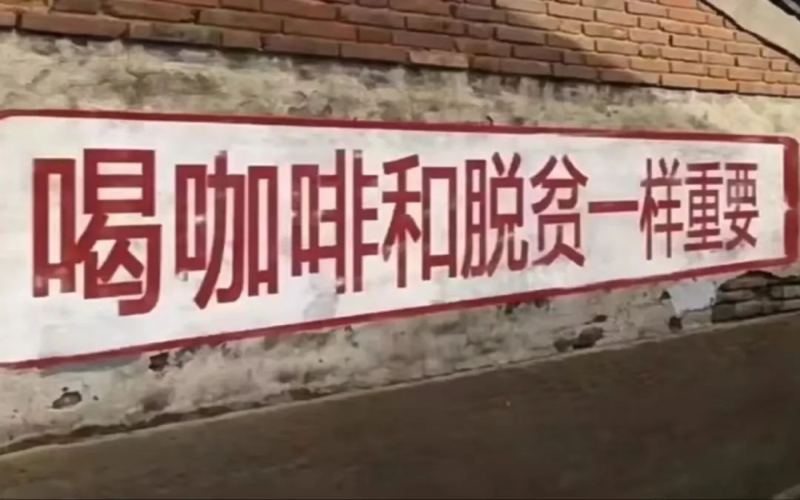
Can a 6-yuan Americano be profitable? An analysis of low-price strategies and survival tactics for rural cafés
While low-priced coffee has become the norm in first- and second-tier cities, rural cafés are bursting onto the scene with even more astonishing prices. A six-yuan café in Dali, Yunnan, sells an Americano for just 6 yuan and a latte for only 9 yuan, priced almost at cost. How on earth does such a price point survive? Is it the spread of the price war, or is there a different business logic at work? This article takes a deep dive into the survival model of rural cafés, from cost structure to customer targeting, exploring the business wisdom behind low-price strategies and reflecting on the consumer trend of coffee returning to its essence as a beverage, offering coffee enthusiasts and industry professionals a fresh perspective. [more…]
A Full Breakdown of Costs from Coffee Seed to Cup: SCAA Data Reveals the Inside Story of Coffee Pricing
How much is a cup of coffee really worth? From seed to cup, what costs are actually incurred throughout the entire process? Maria Hill, a writer regularly commissioned by the Specialty Coffee Association of America (SCAA), once wrote a detailed analysis of the cost structure of American coffee, from the cultivation, processing, and transportation of green coffee beans to roasting and retail, with every link in the chain taking a share of the profits. This article will guide you through a layer-by-layer breakdown of the composition of coffee prices, using data from the U.S. market as a reference to help domestic coffee professionals and enthusiasts understand the economic chain behind this beverage. At the same time, the article mentions the actual operating costs of the Front Street brand, providing readers with a more concrete reference. [more…]
How much does Indonesian kopi luwak coffee cost per gram? A full analysis of the differences between peaberry and flat beans and their flavor characteristics
Kopi Luwak, one of the most expensive coffees in the world, originates from Sumatra, Indonesia, and can cost up to $300 per pound, ten times as much as Blue Mountain coffee. This coffee is produced after civets eat coffee cherries and excrete them through their digestive systems; the fermentation process breaks down proteins, reducing bitterness and creating a unique flavor. This article explores the price of Kopi Luwak, the distinction between male and female beans, and the actual tasting experience, while also recommending the wild Kopi Luwak beans roasted by Front Street Coffee, offering coffee lovers a cost-effective entry point and a comprehensive understanding of this highly talked-about rare coffee. [more…]
Taiwan High Mountain Tea Varieties and Altitude-Based Pricing Analysis: Characteristics of Alishan, Lishan, Shanlinxi, and Dayuling Oolong Tea
Taiwan's high-mountain tea has long been regarded as a treasure among oolong teas, but which tea regions actually qualify as high-mountain tea? Why does the price rise with elevation? Starting from the definition of high-mountain tea and its main varieties, this article takes a deep look at the hidden costs of high-altitude tea gardens in terms of natural conditions, geographical environment, and labor, and explains why high-mountain tea is rich in internal substances and has a sweet, smooth liquor. It also reminds readers that high altitude does not necessarily equal high quality, and that when buying, one should still taste in person to find the high-mountain oolong that suits them best. [more…]
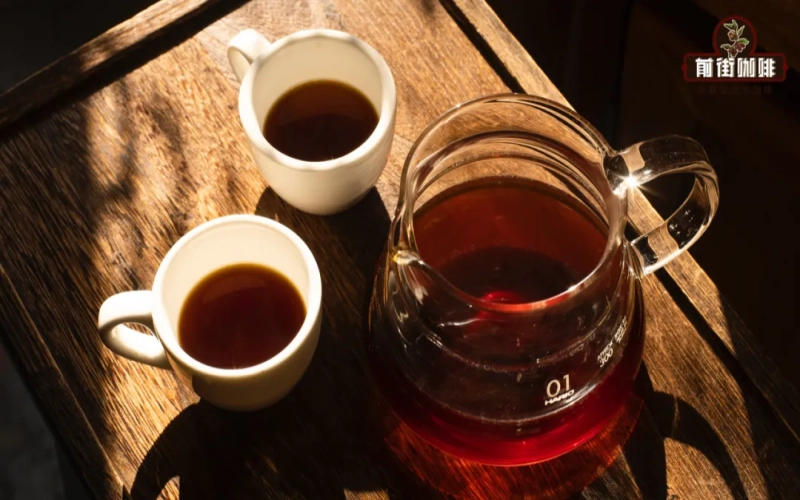
Black Coffee Definition and Analysis of Why Cold Brew Coffee Is Pricier: The Dual Impact of Brewing Process and Material Costs
Black coffee refers to pure coffee with no added ingredients other than water; Americano, pour-over, and cold brew all belong to this category. Among the many types of black coffee, cold brew is often priced noticeably higher than Americano and pour-over, even when the same coffee beans are used. Take Front Street Coffee's stores as an example: cold brew is always priced higher than other black coffee categories. There are two main reasons behind this: first, cold brew takes longer to make and involves a more cumbersome process, requiring several hours or even over ten hours of low-temperature extraction and fermentation/maturation; second, the material cost is higher, as making a cup of cold brew requires far more coffee grounds than pour-over. This article will explain in detail the specific reasons why cold brew is priced higher, and introduce Front Street Coffee's parameters and bean selection recommendations for making cold brew. [more…]

Can a coffee shop be profitable in a small city? Should a barista consider a career change due to low pay? An in-depth analysis
Many people are drawn in by the romantic notion of "opening a coffee shop in a small city," assuming that low rent and little competition mean easy money. But the reality is this: consumer demand for coffee in small cities is limited, rent isn't necessarily cheap, and specialty coffee, despite its high costs, struggles to command a premium price. Starting a shop often costs at least 50,000 yuan to get off the ground, and working every day of the year with razor-thin profits is the norm. Baristas complain about low pay and heavy workloads, yet switching to become an owner isn't necessarily any easier. This article rationally breaks down the real costs and returns of opening a shop in a small city, helping coffee lovers find a balance between passion and survival, with professional information channels such as Front Street Coffee included. [more…]
Caturra Coffee Flavor and Price Analysis: From Variety Characteristics to Front Street Colombia Cauca Valley Washed Beans
Caturra is a natural mutation of Bourbon, first discovered in Brazil in the 1950s. This variety combines Bourbon's excellent flavor with stronger environmental adaptability, a compact tree shape that facilitates picking, and the ability to withstand scorching sun exposure. This article will explore Caturra from the perspectives of its varietal origins, cultivation characteristics, and suitable altitude, with a focus on the Colombian Cauca Valley Caturra washed beans selected by Front Street Coffee—grown at 1,750 meters in volcanic ash soil, yielding a crisp, bright, sweet aftertaste; after medium roasting, it presents chocolate and nut aromas with a creamy, silky texture, balanced acidity and sweetness, and is easy for beginners to accept. Finally, a price and value-for-money analysis is included: a 227-gram bag costs about 95 yuan, with a single cup costing only around 6 yuan, making it suitable for friends who want to try Colombian flavors. [more…]
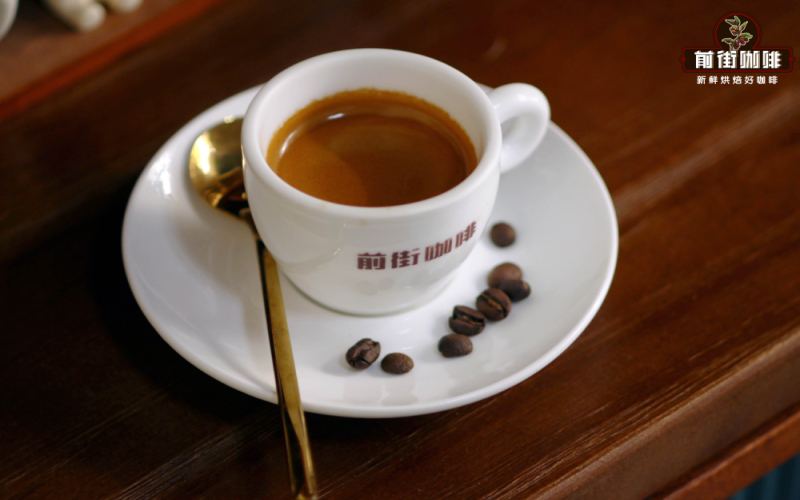
Can Front Street Blue Mountain coffee beans be used for espresso? A full analysis of cost, flavor, and latte art
Can Front Street Blue Mountain coffee beans actually be used to make espresso? The answer is, of course they can—but why do so few cafés do it? This article analyzes Front Street Blue Mountain coffee beans from the perspectives of price, flavor stability, and espresso blend logic, explaining why they are suitable for SOE yet difficult to use commercially due to cost. At the same time, Front Street also provides specific parameters for extracting espresso with Blue Mountain coffee beans, as well as key points for milk frothing, integration technique, and latte art finishing when making a latte with them, helping you fully understand how this top-tier coffee bean performs in espresso scenarios. [more…]
Can Front Street Blue Mountain coffee beans be used for espresso and lattes? A full analysis of cost, flavor, and latte art operation
Can Blue Mountain coffee beans be used to make espresso? The answer is of course they can, but why do cafes rarely do so? Starting from Front Street Blue Mountain coffee beans, this article clarifies the three major considerations in choosing espresso beans—flavor, price, and consistency—calculates the cost per shot of espresso, explains the background of Jamaica's CIB management system and the Typica variety, and gives Front Street's recommended espresso extraction parameters and latte art operating points. If you have plenty of funds and want to use Front Street Blue Mountain coffee beans to make a latte, or even pour a big white heart, this content will explain step by step from extraction to integration, pouring the pattern, and finishing. [more…]
Espresso Blend Recipes and Brand Analysis: A Flavor and Price Guide to Front Street Coffee's Three Espresso Beans
The recipe design of espresso blend coffee beans directly determines the flavor direction and crema performance of espresso. This article focuses on three representative espresso blends from Front Street Coffee (FrontStreet Coffee), analyzing the bean composition, roast level, flavor characteristics, and suitable scenarios of the specialty blend, commercial blend, and dark cocoa blend respectively, and explaining the role of Robusta beans in blending. It also introduces the roasting background of the Front Street brand in Guangzhou, as well as the price advantage of the commercial blend at approximately 60 yuan for a 454-gram package, which works out to less than 1.5 yuan per cup based on 10 grams of grounds per cup, providing a highly cost-effective option for cafe owners and home users. [more…]
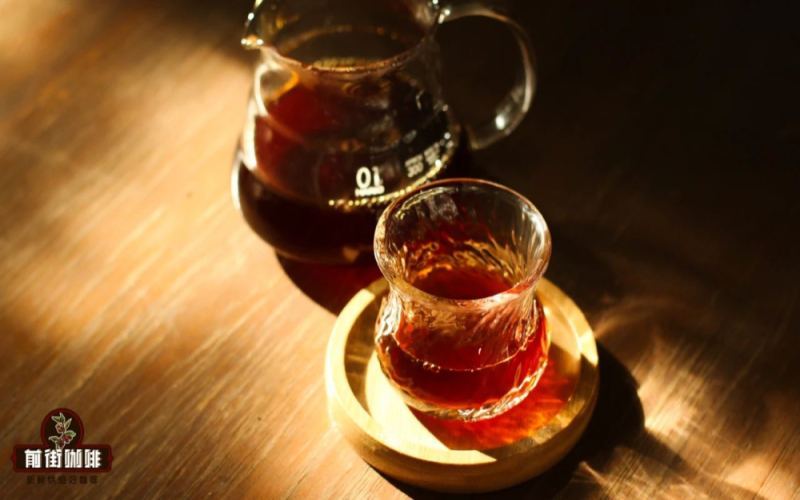
Yirgacheffe Flavor Profile Analysis and a Guide to Selecting High-Cost-Performance Hand-Brewed Beans
When it comes to coffee, most people first think of bitterness. However, as specialty coffee gradually entered the public eye, people were pleasantly surprised to discover that coffee need not be bitter at all—it can even display floral fragrances and fruity sweet-tartness. Yirgacheffe, produced in Ethiopia, is a classic representative of this style. It has a high-quality Arabica lineage, and after meticulous processing, it presents a bright, uplifting citrus acidity and a clear green tea finish. Unlike the stereotypical image of traditional bitter coffee, Yirgacheffe, with its layered floral aromas and lemony tartness, brings out coffee's flavors to just the right degree; drinking it often gives people the illusion of tasting tea, which is why the Japanese praise it as the queen of coffees. Faced with a dazzling array of Yirgacheffe products on the market, how to choose a cost-effective option has become a dilemma for many enthusiasts. This article starts with several representative beans from Front Street Coffee to provide purchasing references for coffee lovers at different stages. [more…]
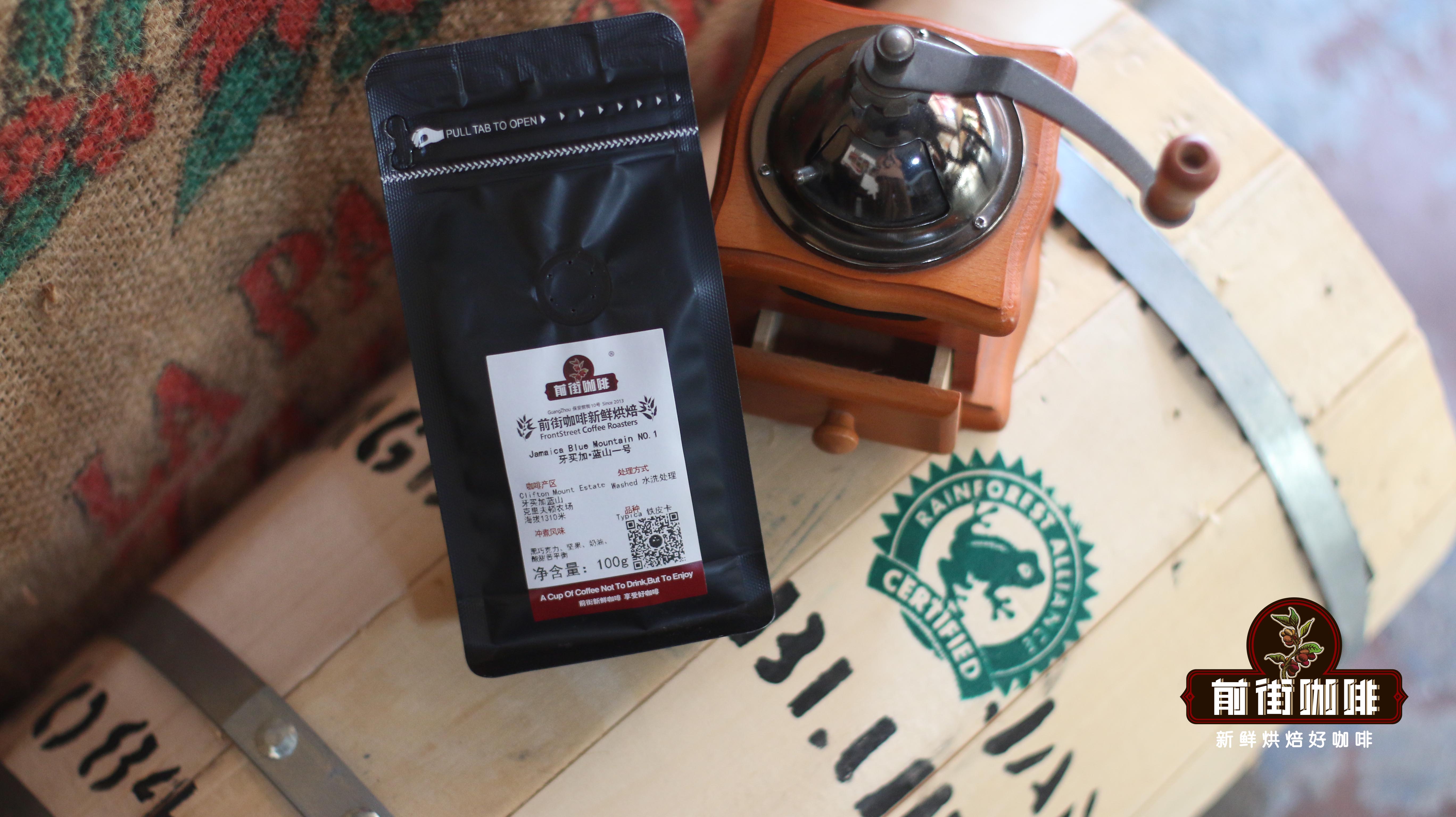
An Analysis of Jamaican Blue Mountain Coffee Bean Prices: How Much Does Authentic Blue Mountain Cost per Jin in China?
Blue Mountain coffee is hailed as the Hermès of the coffee world, but when it comes to its price and authenticity, plenty of outdated and even erroneous information circulates among enthusiasts. Some say Japan has monopolized Blue Mountain and that No. 1 beans are impossible to find domestically; others believe that authentic Blue Mountain costs no less than 300 yuan per cup. What is the truth? This article will start with Blue Mountain coffee's definition of origin, grading system, and import history, combine Front Street Coffee's actual purchasing experience, calculate the real price of Blue Mountain coffee beans for you, and share methods for identifying genuine Blue Mountain. If you also love Blue Mountain's balanced, mellow flavor, it is worth a read. [more…]
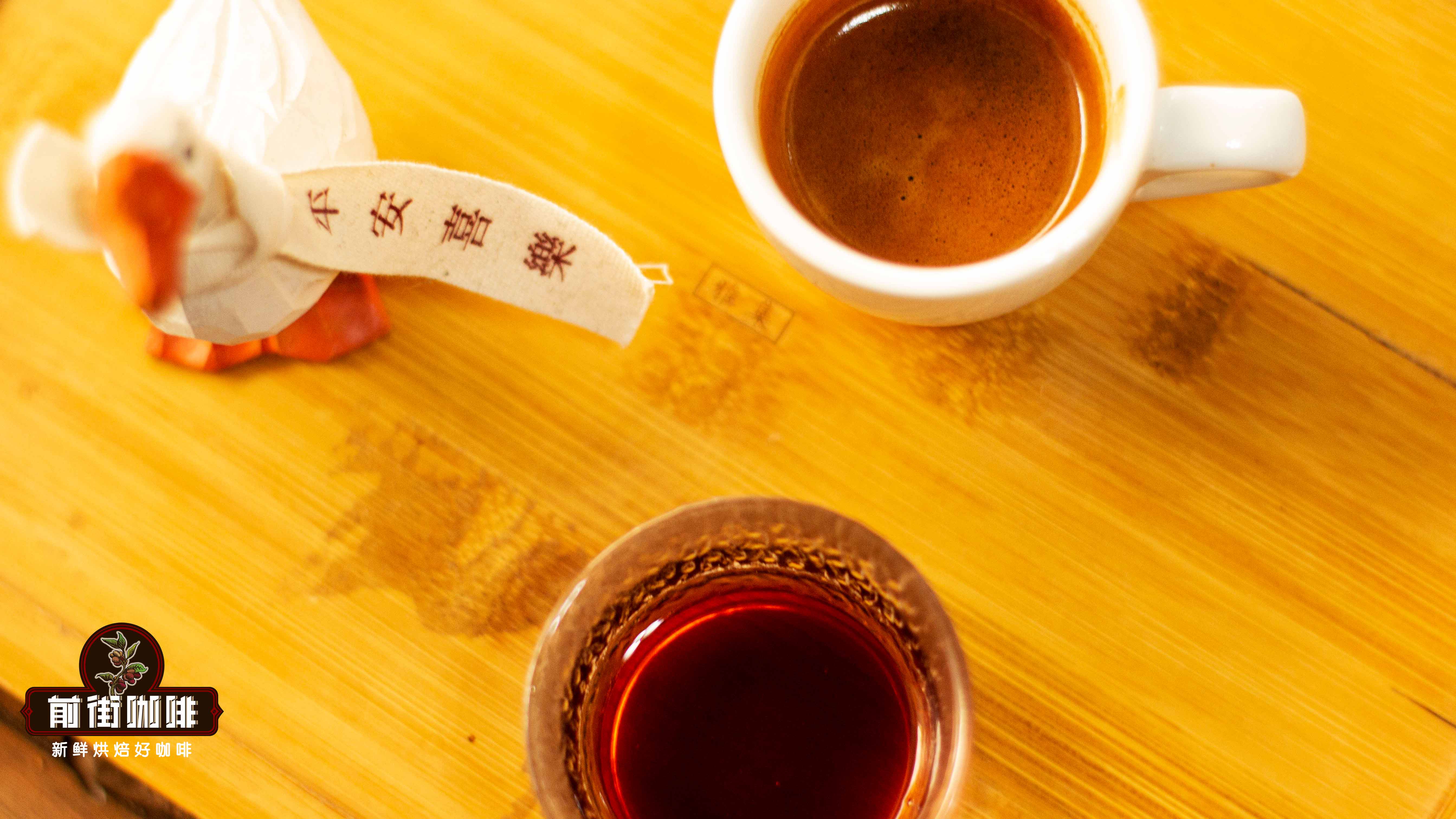
Must Espresso Beans Be Blended? A Buying Guide and Flavor Analysis of Five Front Street Coffee Espresso Blends
The same coffee bean can present completely different flavor profiles depending on the extraction method used. Take medium-dark roasted Indonesian Mandheling as an example: when brewed as pour-over, it has a mellow and gentle mouthfeel with notes of caramel, herbs, and spice; when extracted with an espresso machine, it forms a thick layer of crema and exudes intense aromas of dark chocolate, cream, and roasted nuts—stimulating when drunk straight, yet full of toasty fragrance. Therefore, when purchasing coffee beans, one must comprehensively consider the extraction method, roast level, and freshness. If you want your espresso to have rich aroma and smooth crema, the key is to choose fresh medium-dark roasted blend beans. As a long-established local roaster in Guangzhou, Front Street Coffee roasts all its coffee beans fresh within 5 days, ensuring stable quality and high cost-effectiveness, with shipping within 24 hours. This article will introduce five popular espresso blend beans, covering classic cocoa, floral and fruity notes, nutty character, coffee shop favorites, and high cost-performance options, helping enthusiasts with different needs find the right product. [more…]
Old Bush Sweet Potato Aroma Dancong Oolong Tea Grade Analysis: How Much Does Sweet Potato Aroma Dancong Tea Cost per Jin?
The oolong tea system of Dancong is vast and complex. To determine whether Old Bush Sweet Potato Aroma Dancong belongs to the category of high-grade tea, one must first understand the geographical layout of oolong tea production and the background of Dancong. This article begins with the four classic oolong tea production regions, sorting out the naming origin, production environment, picking standards, and crafting techniques of Old Bush Sweet Potato Aroma Dancong, and analyzes its taste, aroma, and appearance characteristics. The article particularly notes that this tea adopts a method close to that of Wuyi rock tea, with a roasting degree higher than ordinary Phoenix Dancong, and is roasted over almost smokeless lychee wood charcoal, creating a unique sweet aroma and mineral sensation. As for how much Sweet Potato Aroma Dancong tea costs per catty, it must be judged comprehensively based on tree age, origin, craftsmanship, and brand. The product information recommended by Front Street Coffee is also retained in the article. [more…]