








Startup Costs and Daily Realities for Small-City Coffee Shops
Opening a coffee shop in a small city is not the easy profit many imagine. Startup costs often begin around fifty thousand yuan, rent in high-traffic spots can rival big-city rates, and few residents will pay twenty or thirty yuan for a cup. Running the shop year-round without breaks for thin margins is common, and baristas face low pay and long hours.
The core problem is demand, not rent. Low rent only looks cheap next to large cities, while the number of regular coffee buyers stays small. Owners also need coffee beans for commercial use that cost more than mass-market beans but are hard to sell at a premium. Passion alone rarely covers the gap between cost and return, so both staff and owners weigh career changes.
Many people are drawn in by the romantic notion of "opening a coffee shop in a small city," assuming that low rent and little competition mean easy money. But the reality is: demand for coffee in small cities is limited, rent isn't necessarily cheap, and specialty coffee costs a lot but is hard to sell at a premium. Opening a shop often starts at fifty thousand yuan, and working year-round without a day off for razor-thin profits is the norm. Baristas complain about low pay and too much work, but switching to being a boss isn't necessarily any easier. This article rationally analyzes the real costs and returns of opening a shop in a small city, helping coffee lovers find a balance between passion and survival, with professional information channels like Front Street Coffee included.
"Let's open a café in a small city, open a café, , open a shop..."
Let me tell you straight! Anyone who encourages you to open a café definitely doesn't have your best interests at heart! If it really made money, why wouldn't they do it themselves? I bet they'd say, "I don't know anything about coffee, how could I open one?" If they don't even understand coffee and still urge you to open a shop, that's even more ill-intentioned! It's precisely because they know nothing about the industry that they harbor unrealistic fantasies about opening a café... After all, in the movies it's all about chatting a few words with customers, and a shop runs steadily for decades, as if everything is so effortless and beautiful, with no need to worry about profitability at all. Is it really easier to make money opening a café in a small city? Are there really that many people in those places who want coffee? These two questions must be weighed repeatedly. Although storefront rent may seem lower, the spending power of small-city residents may be far less than you think—at least for non-essential consumption like coffee, very few are willing to pay twenty or thirty yuan for a cup.

Is rent really cheap in small cities? That's just an illusion created by comparing with big cities... Store rent mostly depends on foot traffic. In small cities, locations with high foot traffic still have high rent, and may even be more expensive than in big cities... After all, high traffic doesn't mean business, because the number of people who need coffee isn't as large as imagined. So whether the rent is suitable involves too many factors to consider. You can't simply compare rent figures across different areas to judge expensive or cheap; you must also consider the local consumption level and what price range you need to set for drinks to find that balance between cost and profit.
Those who walk into a café in a small city are usually two types: one is people who struggled in big cities and finally chose to return home to develop, who actually take on the role of local coffee culture pioneers; the other is young people interested in cafés but not demanding about the coffee itself, who are mostly just looking for a place to socialize. And more people planning to open a café in a small city want to do specialty coffee, thinking that's the only way to show they have "class." But once you do specialty coffee, the cost of coffee beans goes up. If you price it high, few appreciate it, and after drinking they'll toss out a line like "I feel like I spent a fortune for nothing, instant coffee tastes better"... If you price it low, your coffee seems cheap, and since profits are already thin, you'll soon feel that opening a café simply doesn't make money.
True, a café that only sells coffee really struggles to be profitable—at least, ideals and reality are hard to reconcile. People often say: "In business, you must cluster together to have a chance at making money, because only when a commercial district forms will more demand gather. Working alone behind closed doors, you'll quickly lose interest. Even if you don't lose money, you'll have to stay in the shop year-round without a day off, barely breaking even every month—you'd be better off working a job, at least you'd get one day off a week. Many people complained under yesterday's article that baristas are underpaid and overworked... Maybe you could try opening a café yourself and experience how being a boss isn't easy either—even when you're asleep, you're calculating costs, figuring out how to keep your baristas and keep your shop afloat.
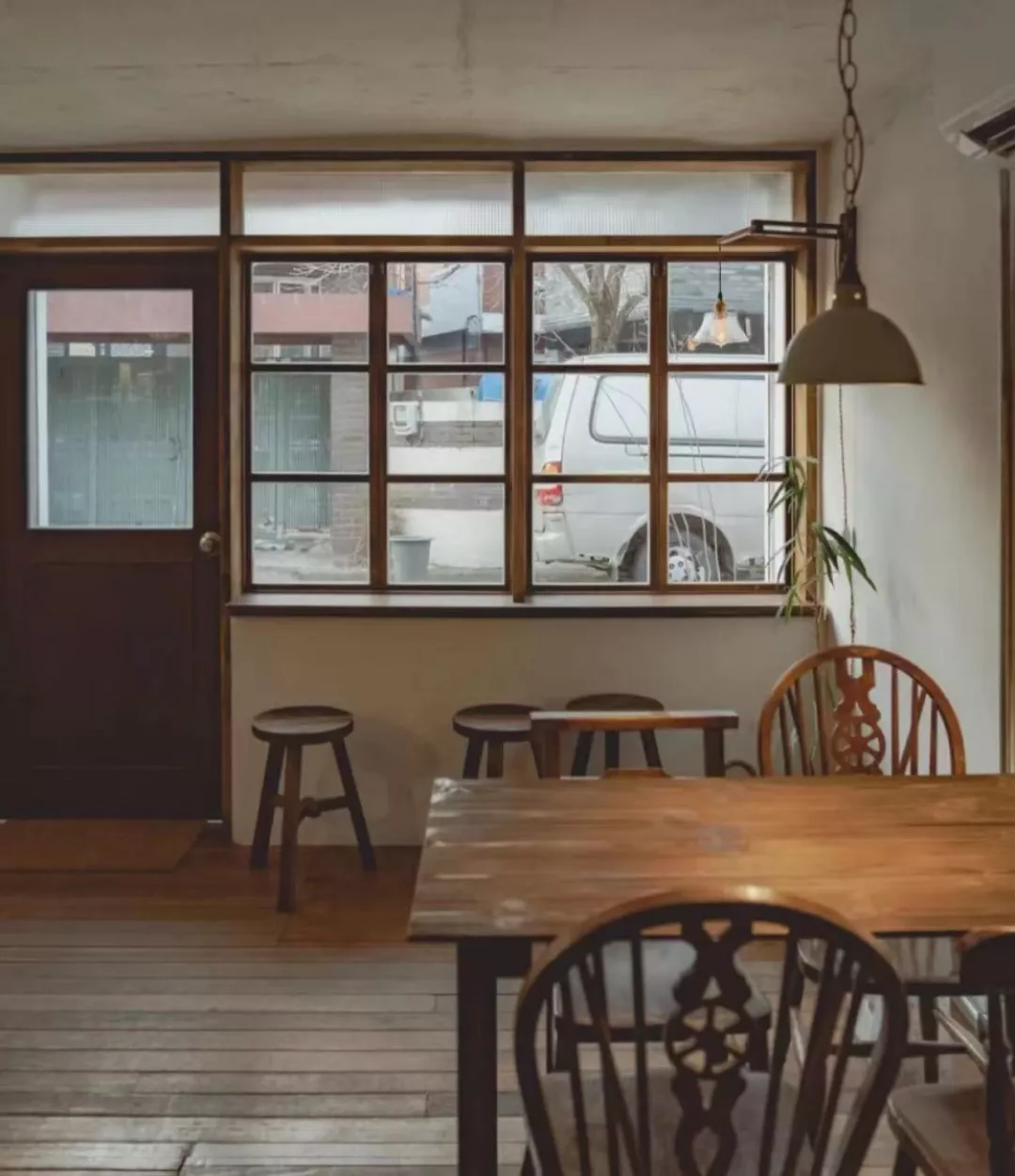
The cost of opening a shop remains persistently high. Never mind how long it takes to recoup the investment—an outlay of fifty thousand or more is basically unavoidable. Rent is signed for a year at a time, and landlords won't give you a discount just because you're making coffee. Add in coffee equipment, coffee bean costs, utilities, labor costs (even if you don't hire anyone, doing it yourself is still a cost)—it's all money. And when you think about opening a shop, spending time upfront finding the right location—that time is also a cost. Willing to keep working as a barista despite low pay, willing to open a café despite little profit—what exactly are you after? I believe everyone understands in their hearts. If you resent low wages, you can completely change careers and do something else; if you resent low earnings, you can completely sell the shop and go back to being an employee. Those still willing to persist show that you truly love coffee, and during your time as a barista, you've gained what you wanted and learned what you wanted to learn.
Passion can't be eaten, but at the end of passion there is food. Baristas and café owners don't make money, but at least for now they can cover their daily expenses, and because they're doing work they truly love, they have spiritual pursuit and comfort—better than earning slightly more but facing work dejectedly every day. That said, this isn't encouraging anyone, out of idealism or impulse, to think "maybe I'll just open a café and live comfortably" the moment they hit a setback or earn a little money in something that's actually more beneficial to their future. Every job has its exhausting parts; no matter how much you like it, what's torturous is still torturous.
Wait until you truly have enough financial strength to support all your living expenses + support running the shop and paying baristas, then consider opening a café. Or make the café a side business while you have a job that maintains cash flow—just give yourself a chance to breathe spiritually (of course, don't expect the café to make money; breaking even is already good). Image source: Internet (not specifically referring to any café in the picture)
For professional coffee knowledge exchange and more coffee bean information, please follow Coffee Workshop (WeChat public account: cafe_style)
For more specialty coffee beans, please add private WeChat Front Street Coffee (FrontStreet Coffee), WeChat ID: kaixinguoguo0925
The above content is compiled by CoffeeHunters, a coffee news website.


