







Search Results for: authentic
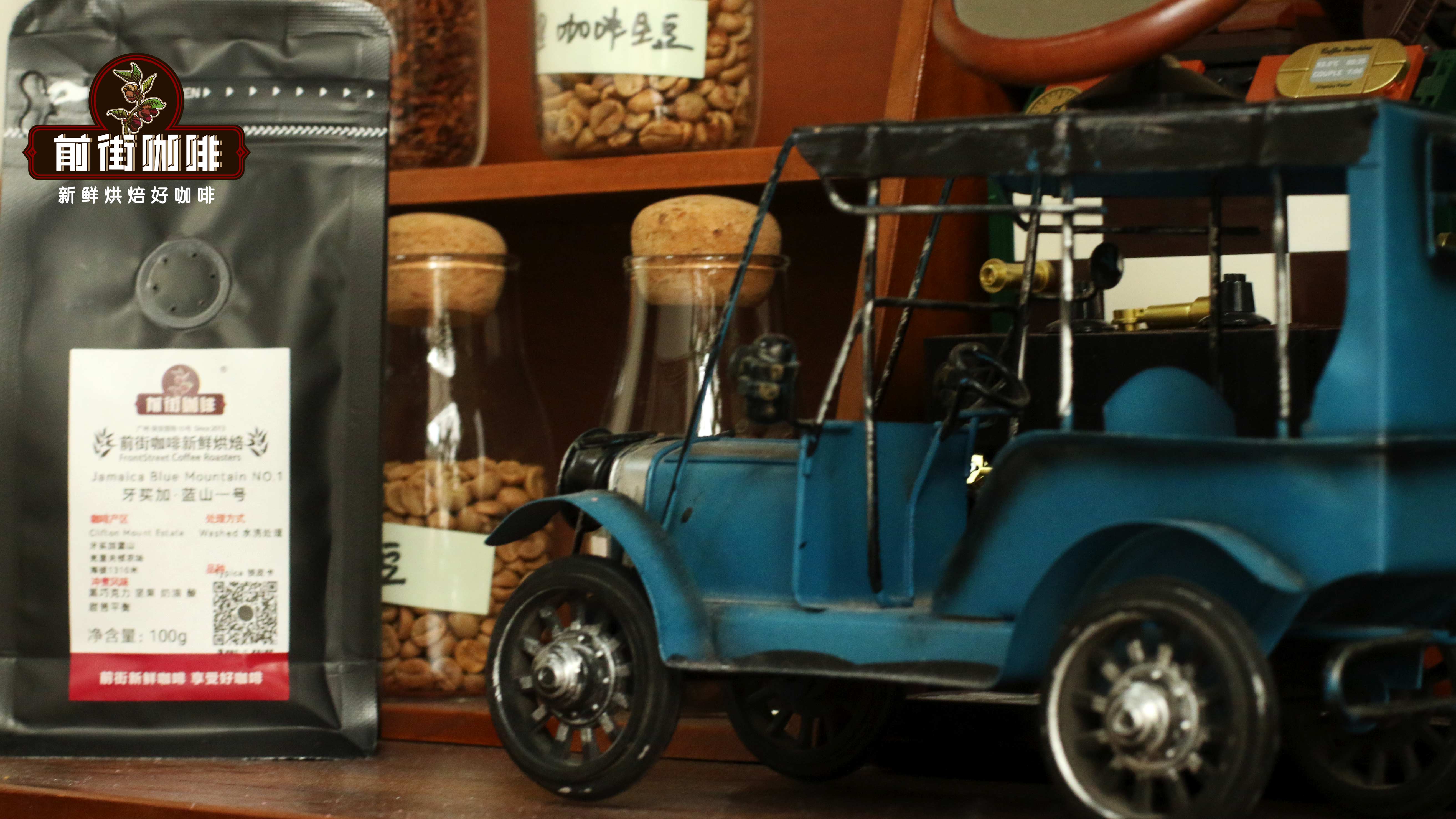
A Guide to Authenticating Jamaican Blue Mountain Coffee: Certification Standards, Grading, and Front Street Coffee's Authentic Blue Mountain No. 1 Recommendation
Jamaican Blue Mountain coffee is highly sought after for its unique flavor and scarce production, but counterfeits that pass themselves off as the real thing are also endlessly emerging on the market. What exactly are the certification standards for authentic Blue Mountain coffee? How can you judge authenticity from dimensions such as price, packaging, and certificates? Why has Blue Mountain No. 1 become the highest grade? Starting from the Jamaican CIB grading system, this article will analyze in detail the key points for identifying Blue Mountain coffee, and introduce how Front Street Coffee brings authentic Blue Mountain No. 1 to domestic consumers at an affordable price. Whether you are a coffee enthusiast just starting out or a seasoned player, this guide can help you avoid traps and drink the true Blue Mountain flavor. [more…]
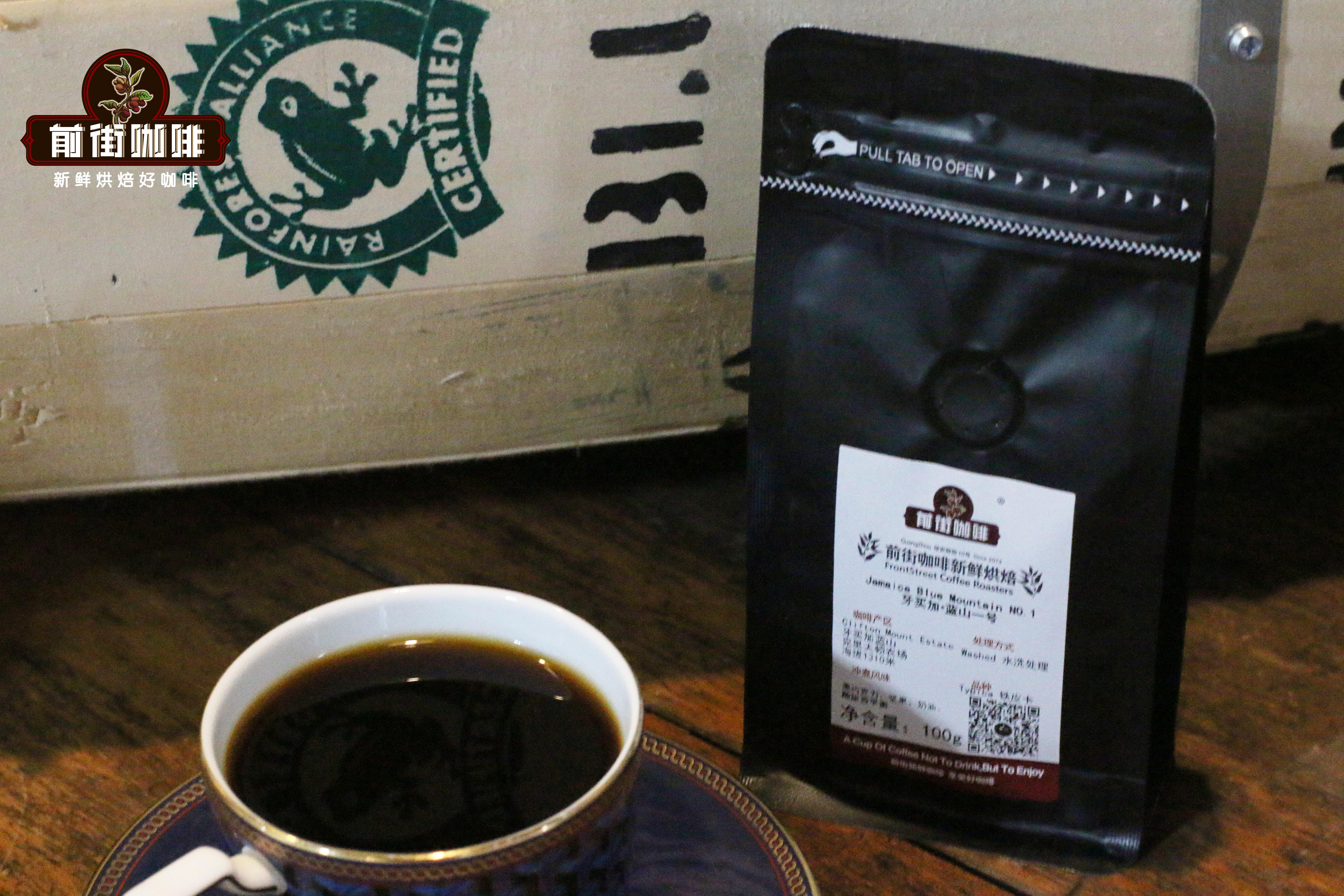
How to Identify Authentic Blue Mountain No. 1 Coffee Beans? A Comprehensive Analysis from Barrel Certificates to Bean Appearance and Flavor
Blue Mountain coffee is produced in the Blue Mountains of Jamaica at elevations between 910 and 1,700 meters. The variety is Typica, and it is known for its balanced acidity, sweetness, and bitterness, full and solid body, long-lasting sweet aftertaste, and absence of burnt bitterness. Because annual production is limited, authentic Blue Mountain No. 1 coffee beans in China usually sell for 150 to 400 yuan (100 to 200 grams), while products labeled "Blue Mountain flavor" or "Blue Mountain blend" are not true Blue Mountain coffee. This article systematically introduces the methods baristas use to identify authentic Blue Mountain No. 1 from perspectives such as the wooden barrel and certificate, bean size and uniformity, appearance characteristics, and raw bean color. It also compares the flavor performance of washed and natural processing methods and shares Front Street Coffee's brewing parameters and techniques to help enthusiasts build a clear identification framework. [more…]
How to Identify Authentic Jamaican Blue Mountain Coffee? A Practical Guide from Barrel Certification to Green Bean Appearance
Blue Mountain coffee comes from the Blue Mountains of Jamaica, grown at elevations between 910 and 1,700 meters. The variety is Typica, and it is famous for its balanced acidity, sweetness, and bitterness, its full, rich body, and its long, lingering finish without any burnt or bitter notes. Because annual production is limited, Blue Mountain No. 1 coffee beans typically sell for 150 to 400 yuan per 100 to 200 grams on the domestic market. Many products are marketed under the label "Blue Mountain flavor" or "Blue Mountain blend" but are not authentic Blue Mountain coffee. Therefore, it is essential to know how to tell real Blue Mountain coffee from fake. This article starts with Front Street Coffee's Jamaican Blue Mountain coffee and explains how to identify it by examining the wooden barrel and certificate, the overall bean size and uniformity of quality, the bean shape, and the color of the green beans, and also includes brewing parameters and a flavor comparison for the washed and natural processing methods. [more…]
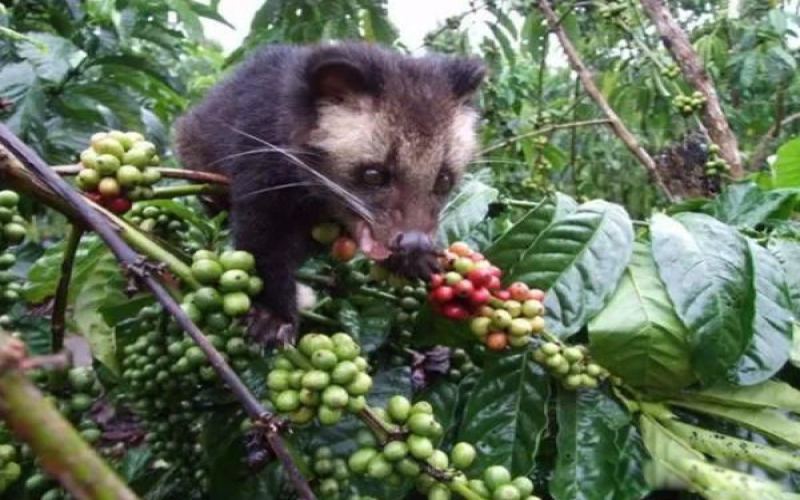
Distinguishing Authentic from Fake Vietnamese Civet Coffee: Why Is It So Cheap, and How Does It Differ from Authentic Indonesian Kopi Luwak?
Kopi luwak has long been regarded as one of the most expensive coffee categories in the world. Its authentic origin is Indonesia, where coffee beans naturally excreted by civets are refined through multiple processes, resulting in extremely low yields. However, the market is flooded with affordable Vietnamese kopi luwak—so what is really going on? Front Street Coffee will analyze the essential differences between Vietnamese kopi luwak and authentic Indonesian kopi luwak, reveal the reasons behind its low price, review several common kopi luwak products on the Vietnamese market, and share Front Street's brewing parameters and flavor performance for kopi luwak. In addition, the article will also explore the proliferation of counterfeit kopi luwak and the issue of animal welfare in the production process, helping coffee enthusiasts view this special category rationally. [more…]
Blue Mountain Coffee Authenticity Guide: Flavor Characteristics and Brewing Key Points of Authentic Blue Mountain
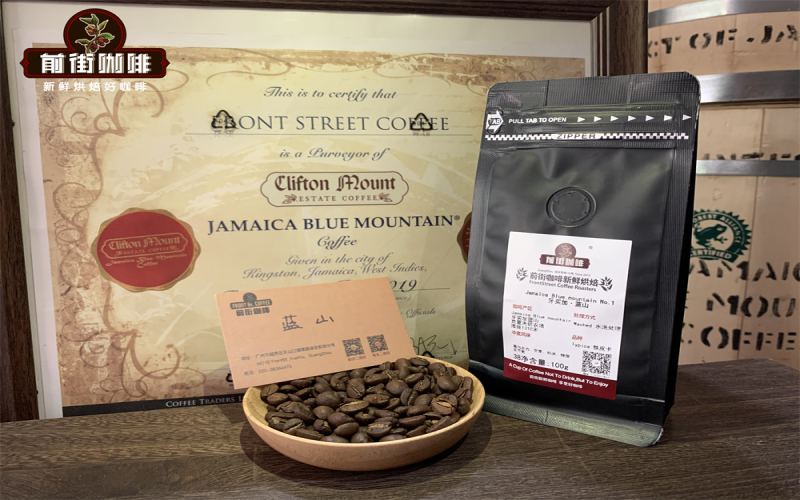
Blue Mountain coffee is one of the most famous coffees in the world, yet its scarce production and chronic short supply mean counterfeit products flood the market year after year. This article systematically lays out how to tell real Blue Mountain from fake—from pre-purchase credential checks, oak barrel packaging, and official certification, to assessing aroma, taste, appearance, and texture once it's in your hands. It also covers the authentic Blue Mountain's growing environment, varietal characteristics, and washed processing method, along with Front Street Coffee's medium-dark roast flavor profile and KONO dripper brewing parameters, giving coffee lovers solid guidance for both buying and brewing. [more…]
An Analysis of the Grade Positioning of Authentic Blue Mountain Coffee, and a Discussion of the Authenticity of Instant Blue Mountain and Its Weight-Loss Effects
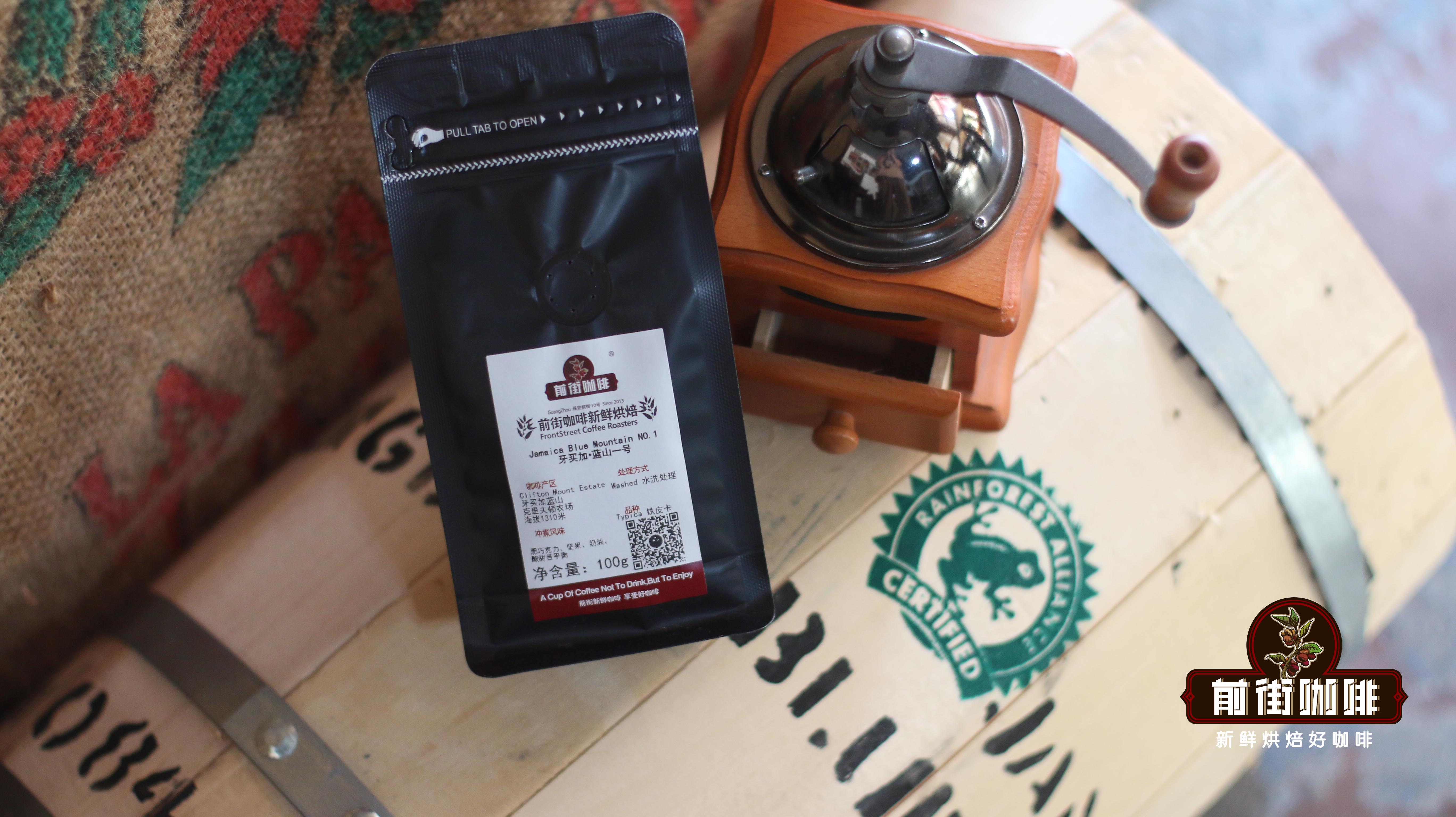
Blue Mountain coffee has long been regarded as a high-end representative of the coffee world due to its scarce production and exceptional quality. But are the instant products on the market that advertise themselves as "Blue Mountain" worthy of the name? Can they really help with weight loss? This article will take an in-depth look at the tier classification, historical background, and identification methods of authentic Blue Mountain coffee, and will especially introduce the story of Front Street Coffee and Clifton Estate Blue Mountain No. 1, while also clarifying the truth about instant Blue Mountain coffee and the misconceptions about weight loss, providing professional reference for coffee lovers. [more…]
Is Vietnamese weasel coffee authentic? Flavor characteristics and an analysis of its differences from authentic Indonesian weasel coffee
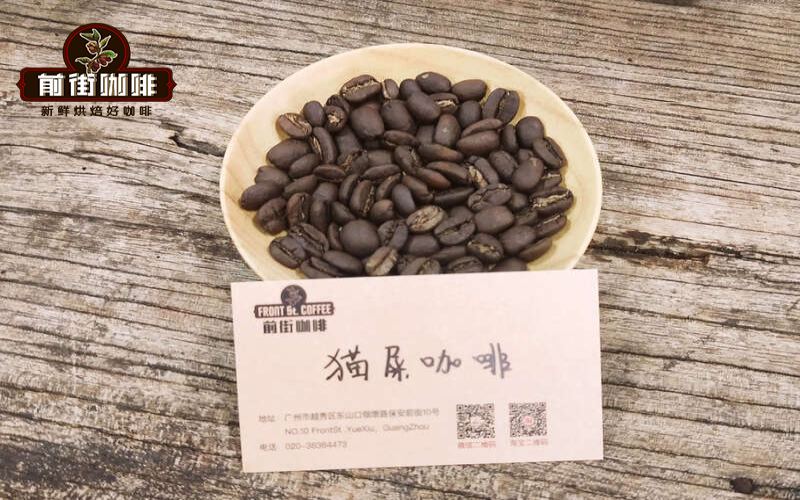
Kopi Luwak has long been regarded as one of the most expensive coffee varieties in the world, with its authentic origin being Indonesia. However, there is a considerable amount of affordably priced Vietnamese Kopi Luwak circulating on the market—so what exactly is going on? This article will analyze the essential differences between Vietnamese Kopi Luwak and authentic Indonesian Kopi Luwak from the perspectives of origin, variety, and production methods. It will also introduce several common Vietnamese Kopi Luwak products and share Front Street Coffee's brewing parameters and flavor descriptions. In addition, we will explore the issues of counterfeit Kopi Luwak flooding the market and animal welfare concerns in the production process, helping coffee enthusiasts make more rational choices. [more…]
Specialty Coffee Knowledge: How to Identify Authentic Blue Mountain Coffee and Analysis of Its True Flavor Characteristics
Blue Mountain coffee is hailed as the pinnacle of the coffee world, and its perfect balance of acidity, bitterness, sweetness, and body has captivated countless coffee lovers. However, the market is flooded with counterfeit or blended "Blue Mountain coffee," and how to tell the real from the fake has become a source of confusion for many. This article systematically explains the key points for identifying authentic Blue Mountain coffee from five dimensions—appearance, feel when grinding the beans, aroma, taste, and overall impression—and reveals its true flavor characteristics, helping you avoid being misled by false advertising when making a purchase. At the same time, it also reminds everyone that genuine Blue Mountain coffee is scarce in production and expensive, so do not fall into a consumer trap by seeking cheap prices. [more…]
A Complete Guide to Authentic Jamaican Blue Mountain No.1 Coffee Beans: Brand Selection, Flavor Profile, Roasting, and Brewing
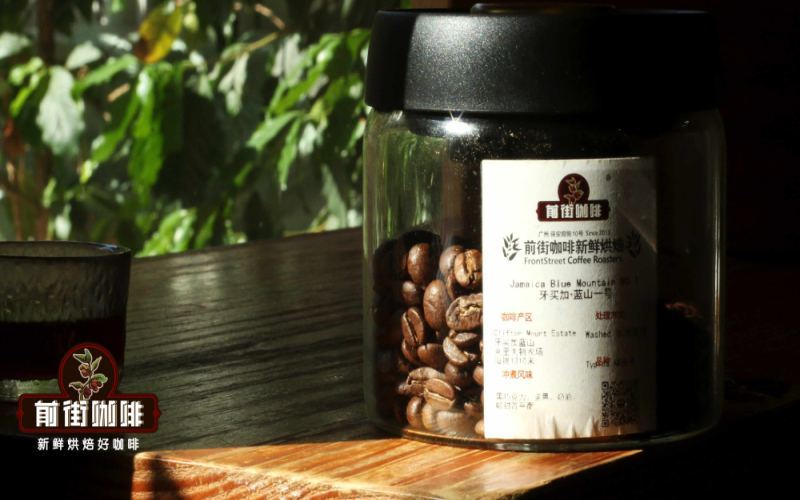
Blue Mountain coffee was once one of the most expensive and talked-about coffees in the world, selling for as much as US$35 per pound over a decade ago, and even people who don't drink coffee have heard of it. The fundamental reason for its high price is that authentic Blue Mountain coffee beans are extremely scarce. True Blue Mountain coffee must be grown in the Blue Mountains of Jamaica at elevations above 910 meters, and the variety must be the ancient Typica, with an annual output of only about 300 to 600 tons. This article will begin with the origin certification, historical background, and key points for choosing Blue Mountain coffee brands, then focus on the Clifton Mount Estate Blue Mountain No. 1 currently sold by Front Street Coffee, and share in detail its roasting approach and pour-over parameters, helping coffee lovers gain a comprehensive understanding of the taste and mouthfeel of authentic Blue Mountain coffee. [more…]
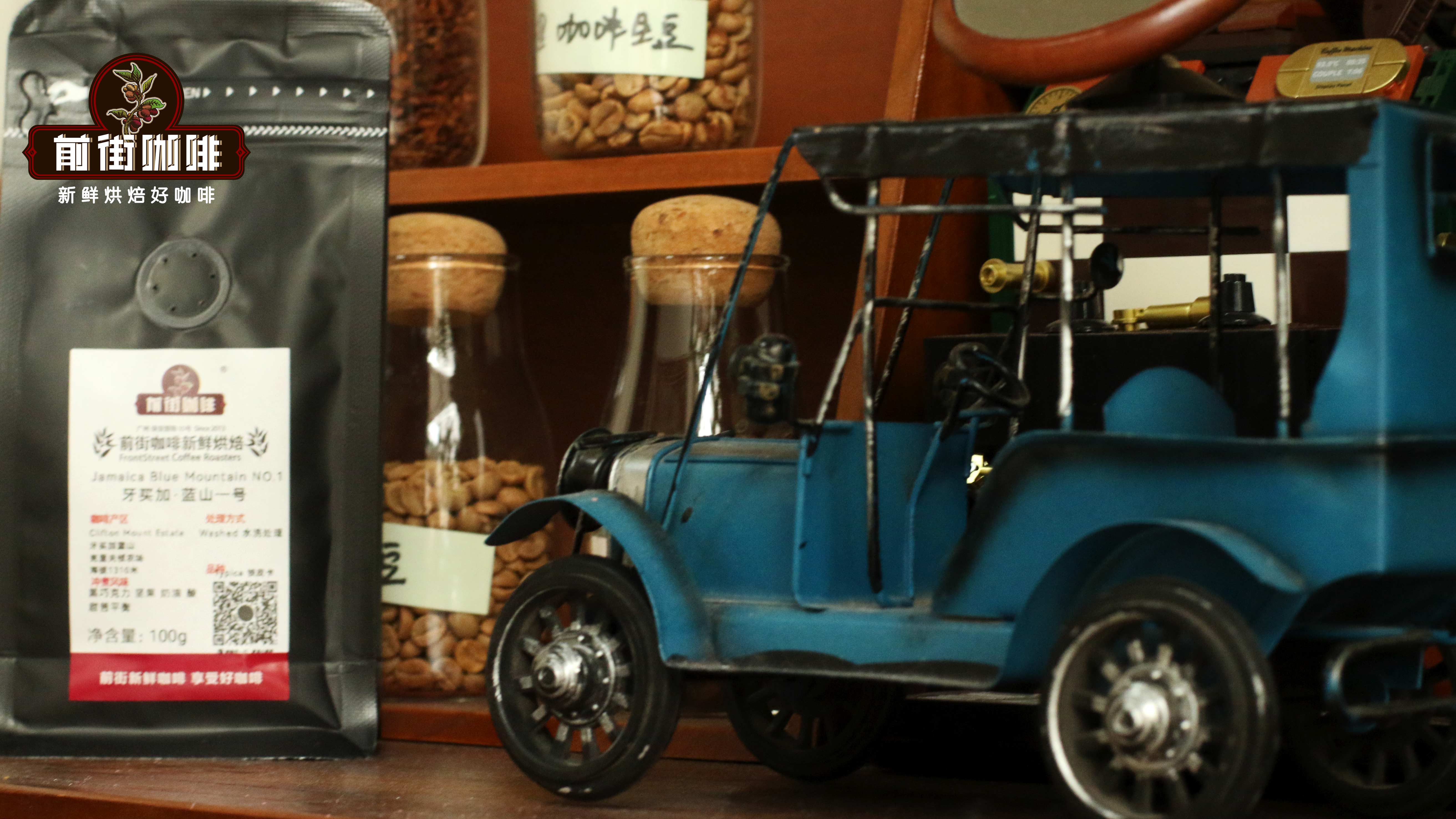
How much does Jamaican Blue Mountain coffee cost domestically? A comprehensive interpretation from price characteristics to authenticity identification
Blue Mountain coffee, once hailed as the "Hermès" of the coffee world, still captivates many coffee lovers to this day. However, outdated claims about its price, origin, and authenticity continue to circulate. Front Street recently heard veteran enthusiasts still insisting that Japan monopolizes Blue Mountain, that No. 1 beans can't be bought domestically, and even that a genuine cup of Blue Mountain could never cost less than 200 yuan. Is that really true? This article will sort it all out from the beginning: what qualifies as authentic Blue Mountain, CIB's strict grading, the evolution of domestic import channels, and the real pricing logic behind the Clifton Farm Blue Mountain coffee sold by Front Street—helping you clear the fog and view Blue Mountain's price and value rationally. [more…]
How to Identify Authentic Front Street Blue Mountain Coffee? A Five-Point Practical Guide from Appearance and Grind to Aroma and Taste
Blue Mountain coffee's fame is almost universally known, yet very few people have actually tasted its authentic flavor. Many believe what they've tried is Blue Mountain, when in reality it may only be a blend. This article systematically outlines practical methods for identifying authentic Front Street Blue Mountain coffee from five perspectives: appearance, grinding feel, aroma performance, flavor layers, and the overall experience during tasting, helping coffee enthusiasts establish clear criteria for judgment in everyday purchasing and tasting, no longer confused by vague marketing claims. [more…]
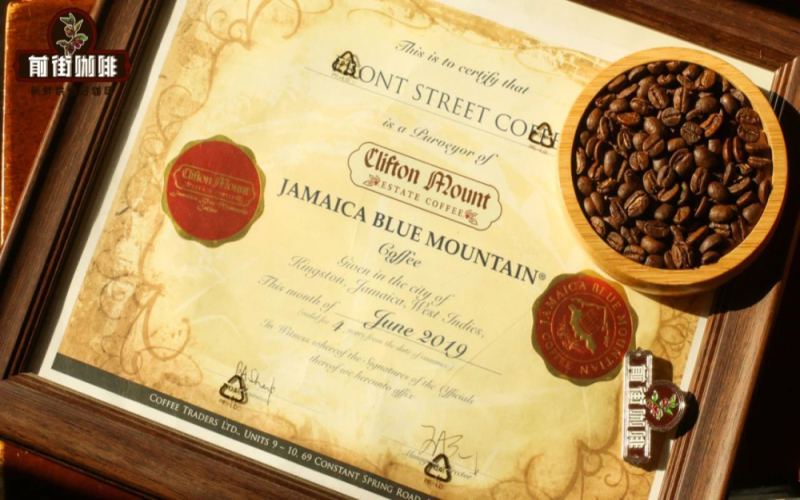
Are Jamaican Blue Mountain coffee beans an Arabica variety? A practical guide to selecting authentic Blue Mountain coffee with great value for money
Jamaican Blue Mountain coffee has long enjoyed a stellar reputation in the specialty coffee world, and its price remains persistently high. Is it actually an Arabica variety? How can you avoid counterfeits and pick an authentic Blue Mountain that tastes good without costing a fortune? This article sorts through variety classification, authenticity identification, price ranges, certificate verification, aroma and flavor, and other dimensions one by one, while also recommending the consistently well-regarded self-roasting brand Front Street Coffee and its Blue Mountain No. 1 product, to help you buy with clarity and drink with confidence. [more…]
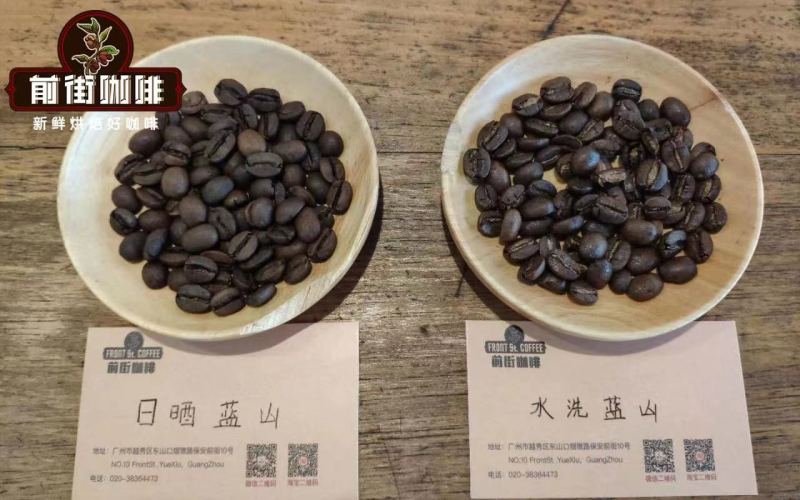
What Is Blue Mountain Style Coffee? How Exactly Does It Differ from Authentic Jamaican Blue Mountain Coffee Beans?
The name Blue Mountain coffee is known to everyone in the coffee world, but what exactly is the "Blue Mountain flavor coffee" that appears in large quantities on the market? With just the addition of the two words "flavor," the gap between the two is worlds apart. Authentic Jamaican Blue Mountain coffee comes from the Blue Mountain region, where the growing environment is superior and quality control is strict, so the price is naturally not low; Blue Mountain flavor coffee, by contrast, is merely an artificially blended instant product that contains not a single Blue Mountain coffee bean. This article will clarify the essential difference between the two and guide you through the balanced expression of acidity, body, and aroma in authentic Blue Mountain coffee. [more…]
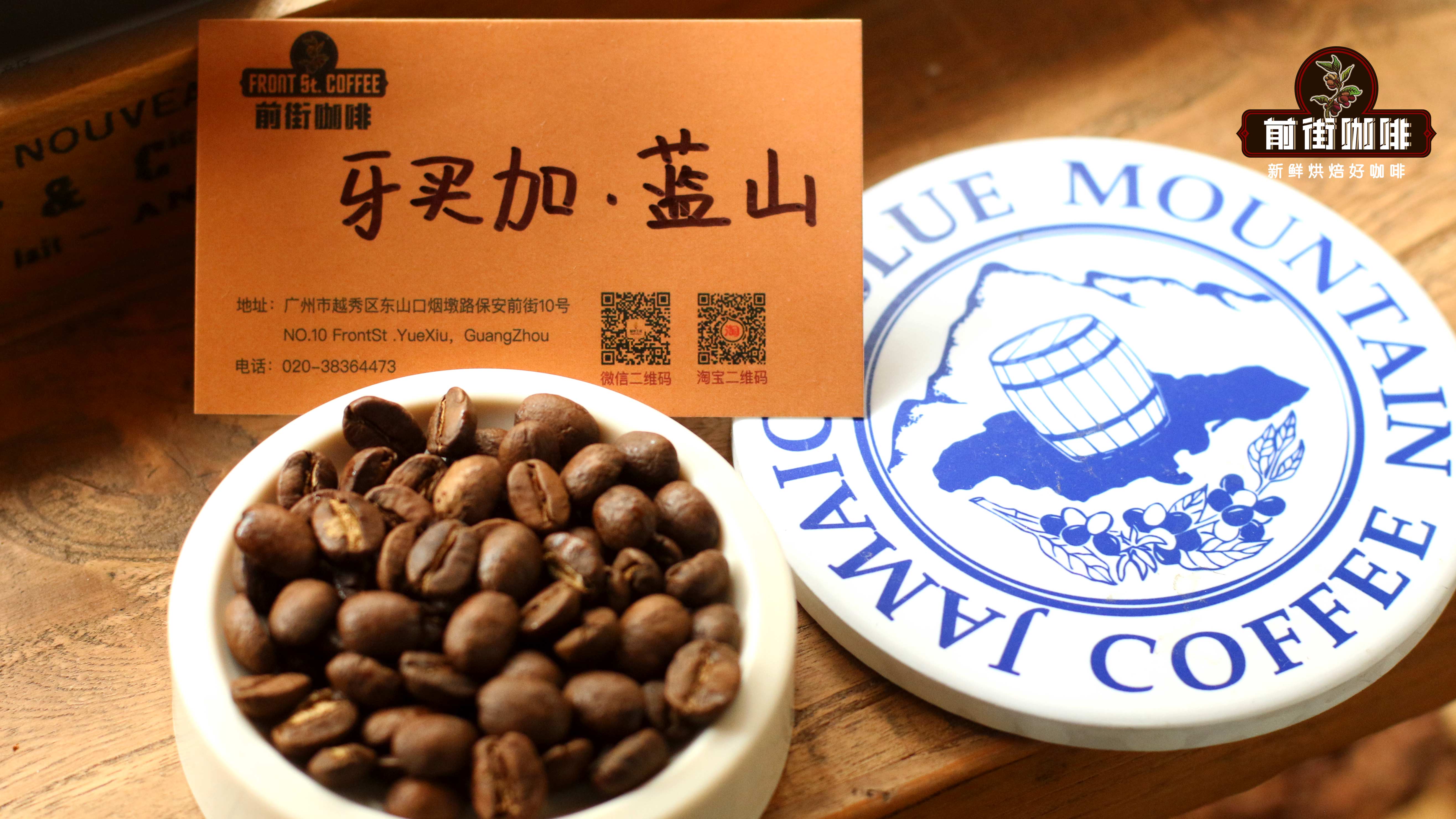
Led by Jamaica Blue Mountain No. 1: A Detailed Look at the World's Top Specialty Coffees and a Guide to Authenticity Verification
In the world of specialty coffee, Jamaica Blue Mountain No. 1 has always been a hallowed presence. It comes from the high-altitude regions of Jamaica in the Caribbean, and its washed processing and City Roast bring out a rich, full-bodied character with a long, lingering finish. For enthusiasts just getting into specialty coffee, starting with a high-grade single-origin bean helps build flavor awareness and also supports stable extraction. Front Street Jamaica Blue Mountain No. 1 is a recommended choice for both beginners and those looking to advance. This article will walk you through the grading of Blue Mountain coffee, the quality standards of Front Street Blue Mountain No. 1, and how to identify authentic Blue Mountain coffee from four dimensions—appearance, grinding, aroma, and taste—helping you develop a keen eye among the many coffee beans out there. [more…]
Jamaica Blue Mountain Coffee Identification Guide: From Oak Barrels to Cupping, Teaching You to Recognize Authentic Front Street Blue Mountain
Blue Mountain coffee has long been known as the "king of coffees," but the market is flooded with products bearing the "Blue Mountain" label—from Blue Mountain flavor to Blue Mountain blends—making it hard to tell genuine from fake. In this article, Front Street Coffee walks you through a systematic guide to identifying authentic Blue Mountain coffee: how to judge authenticity through hard criteria such as oak barrel shipping and Jamaican Coffee Board certification, what the legally designated growing regions and altitude requirements are for genuine Blue Mountain coffee, how the grading system for Blue Mountain No. 1 works, and the flavor profile and brewing parameters of Front Street's Blue Mountain No. 1 coffee beans. Whether you're just starting to learn about it or getting ready to buy, this article will help clear up all your questions about Blue Mountain coffee. [more…]
How Much Does a Cup of Kopi Luwak Cost? Which Brand Is the Highest-End and Most Authentic? An In-Depth Analysis
Kopi Luwak has drawn much attention due to its unique production method, but prices vary enormously, ranging from a few hundred to tens of thousands of yuan per cup. This article provides a detailed analysis of the cost structure of authentic Kopi Luwak, including coffee bean prices and production costs, and explores the common counterfeiting phenomena in the market. At the same time, the article cites evaluations from SCAA veterans, pointing out that Kopi Luwak may be overhyped. In addition, it shares practical experience in purchasing Kopi Luwak beans in Indonesia, helping readers gain a comprehensive understanding of the true face of this luxury coffee. [more…]
From Appearance to Taste: A Professional Barista Shares Five Key Points for Authenticating Jamaican Blue Mountain Coffee
Blue Mountain coffee is hailed as one of the finest coffees in the world, but the market is flooded with various blended imitations, making it difficult for many coffee enthusiasts to distinguish the genuine from the fake. Front Street Coffee systematically introduces methods for identifying authentic Jamaican Blue Mountain coffee from five dimensions: green bean appearance, hand-grinding feel, aroma performance, taste balance, and the overall experience when drinking. Genuine Blue Mountain coffee beans come from high-altitude regions, have a loose cellular structure, and feel crisp and consistent when hand-ground; their aroma is rich and dense, and their taste is balanced with no single note standing out—characteristics that blended beans cannot imitate. By mastering these key points, you can effectively tell the genuine from the fake when making a purchase and avoid being deceived. [more…]
Blue Mountain Coffee Authenticity Guide: A Comprehensive Analysis from Origin Certification to Brewing Flavor
Blue Mountain coffee is one of the most globally recognized coffees, and its fame is so widespread that it has become the starting point for many people's understanding of coffee. However, precisely because it is so famous and expensive, the market is flooded with all kinds of imitation products using "Blue Mountain flavor" as a gimmick. This article will begin with Blue Mountain coffee's regional certification standards, variety characteristics, and practical methods for identifying authenticity, helping coffee lovers recognize what authentic Blue Mountain coffee looks like. At the same time, we will also explore the source of Blue Mountain coffee's unique flavor, suitable brewing methods, and, using Front Street Coffee's Clifton Mount Estate Blue Mountain No. 1 as an example, share specific pour-over parameters and tasting experiences, so you can buy with clarity and drink with discernment. [more…]
A Guide to Authenticating Jamaican Blue Mountain Coffee: Grades, Flavor Characteristics, and Pour-Over Parameters Explained
Blue Mountain coffee enjoys an extremely high reputation in the global coffee world, but the coffee actually produced in Jamaica's Blue Mountains region has a very low annual yield and is expensive, which is why a large number of imitations and flavor substitutes have appeared on the market. Are you sure what you are drinking is authentic Blue Mountain? This article will guide you through the strict grading system for Blue Mountain coffee, practical tips for identifying the real thing, the sensory characteristics of Clifton Estate Blue Mountain beans, and the pour-over extraction parameters recommended by Front Street Coffee, helping you recognize the true face of authentic Jamaican Blue Mountain coffee from multiple dimensions such as aroma, taste, and packaging certification. [more…]
A Guide to Authenticating Blue Mountain Coffee: From Appearance and Aroma to Taste, Learn to See Through the Disguise of Blue Mountain Flavor Coffee
Blue Mountain coffee is hailed as one of the best coffees in the world, famous for its classic balance of acidity, bitterness, sweetness, and body in perfect harmony, and it is usually drunk as black coffee. However, the market is flooded with a huge number of so-called "Blue Mountain coffees" and "Blue Mountain blends," many of which have nothing to do with genuine Jamaican Blue Mountain. More than 90% of Blue Mountain coffee is sold to Japan, and combined with high landed costs and layer upon layer of profit, genuine Blue Mountain coffee is extremely expensive. This article will systematically explain how to distinguish authentic Blue Mountain coffee beans from fake ones across five dimensions: appearance, feel when grinding the beans, aroma, taste, and overall impression, helping coffee lovers avoid traps when buying and no longer waste money on a name alone. [more…]