







Search Results for: consumer filtering
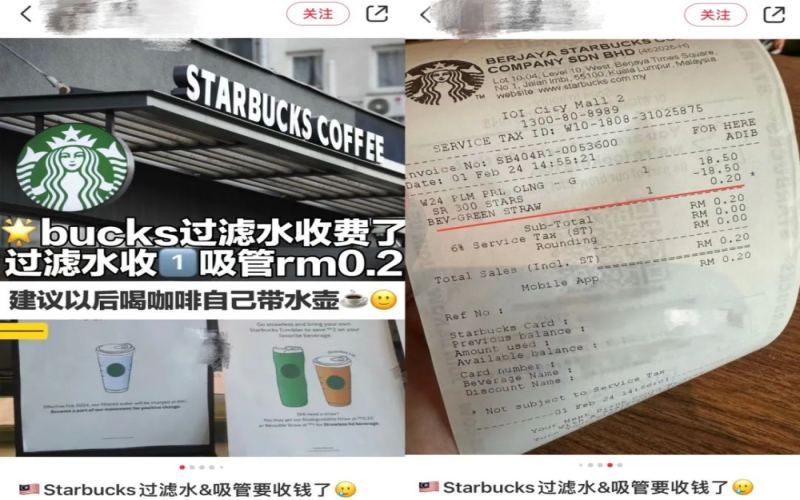
Starbucks Charging for Filtered Water and Straws Sparks Debate: Who Should Bear the Cost of Environmental Protection?
Since 2024, Starbucks has been charging RM1 for filtered water in Malaysia, and biodegradable straws and reusable straws also require an additional fee. This new environmental policy quickly sparked heated discussion among netizens at home and abroad: some criticized it for shifting the cost of environmental protection onto consumers, while others believed the move could help reduce single-use items. Starbucks employees revealed that stores have long experienced petty freeloading, and the charging measures might ease operational pressure. How to balance environmental protection and consumer interests has become a focus of attention. [more…]
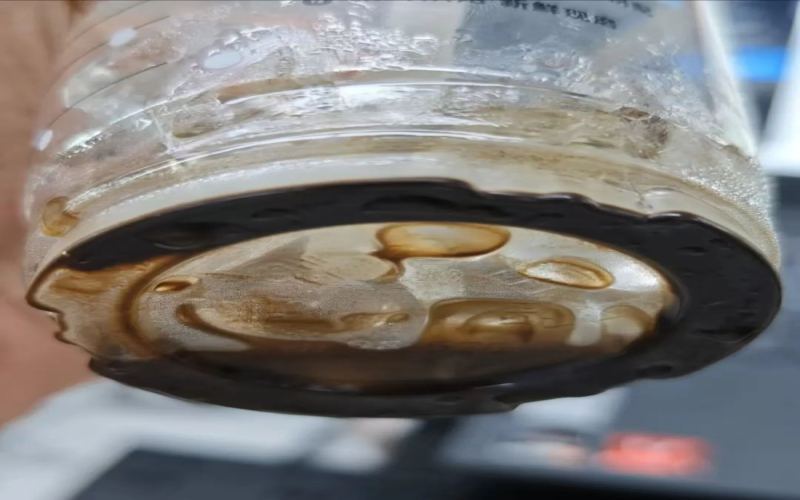
Large Amounts of Coffee Powder Sediment Found at the Bottom of Luckin Cold Brew Coffee Cups; Employees Suggest Filter Bags May Be the Main Cause
As the weather heats up, Luckin Coffee's cold brew has returned to the market, becoming a refreshing choice for many consumers. However, recently several customers have reported that after finishing their cold brew, they found a thick layer of coffee grounds settled at the bottom of the cup, with a noticeably powdery mouthfeel, some even describing it as "like drinking muddy soup." This phenomenon has drawn attention from cold brew enthusiasts, and Luckin employees have revealed that the problem may lie with the filter bags used for filtration. What exactly is going on? And how should the brand address it? This article breaks down the ins and outs of the incident. [more…]

What Exactly Is Double-Chamber Filter Paper? The High-Priced Yin-Yang Pot Filter Paper Pour-Over Method and Budget Alternatives
Front Street Coffee recently came across a uniquely shaped pour-over filter paper—the dual-chamber filter from Spain's Sibarist. Because its interior is divided in two by a partition, netizens have jokingly dubbed it the "double-flavor hot pot filter." The original design intent was to let coffee beans with different characteristics each be extracted separately in a single brew, but at 37.44 euros for 30 sheets—about 9.4 yuan per sheet—it really is staggering as a disposable consumable. Front Street Coffee decided to make a DIY alternative, using two 01-size filter papers in a 02 conical dripper to replicate the dual-chamber structure, and to explore the water temperature and other parameters that need to be considered when actually brewing with this kind of filter. This article will walk you through the dual-chamber filter's construction principle, its official pricing, how to make a DIY alternative, and the core considerations for using it, so you can see whether it's worth buying. [more…]
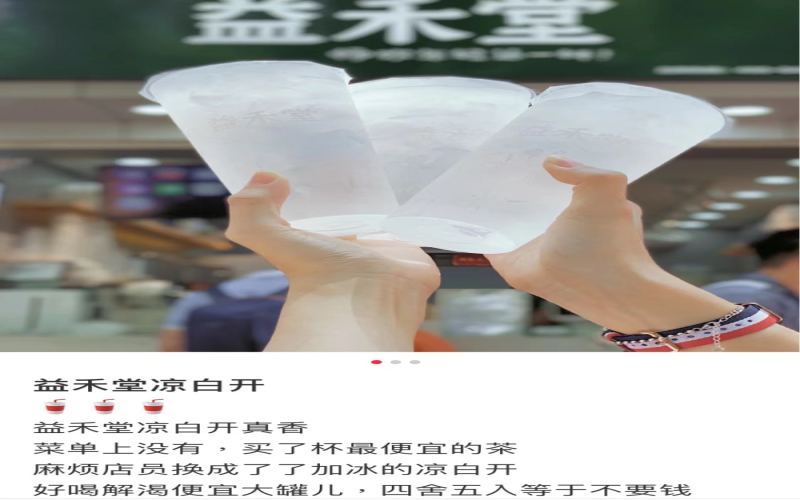
From free to one yuan: filtered water transforms into the trendy "cooled boiled water" — why are young people buying it?
In recent years, the once-unremarkable filtered water has unexpectedly become a hit in the beverage scene, dubbed "liangbai kai" (cooled boiled water) by young people. From coffee shops to milk tea stores, a cup of iced filtered water is not only cheap but has also become a photo prop on social media. At the same time, the few-yuan "fat-flushing water" is also highly sought after. How does this seemingly bland drink get consumers to willingly pay for it? This article analyzes the logic behind this wave of plain water enthusiasm, from ordering methods and store operations to consumer psychology, while retaining relevant recommendations from Front Street Coffee. [more…]
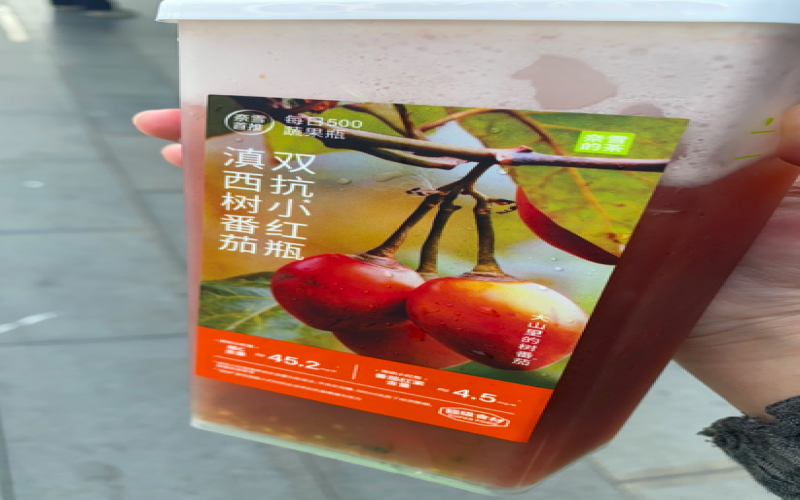
The Controversy Over Nayuki's Little Red Bottle Fruit Pulp: Freshly Squeezed Fruit Not Filtered—Selling Point or Drawback?
Nayuki recently launched a new product, the "Double-Antioxidant Little Red Bottle," featuring freshly squeezed Yunnan tree tomatoes paired with blueberries, cherry tomatoes, lemons, and other fresh fruits. It is advertised as sweet and tangy, rich in vitamin C and lycopene. However, not long after its release, the first wave of curious consumers began complaining: a large amount of fruit peel and seeds settles at the bottom of the cup, and one sip fills your mouth with grit—some people even nearly choked on a lemon seed. Staff responded that filtering the fruit puree was not required during preparation, and the final product varies due to differences in technique. Interestingly, netizens are divided on the issue—some suggest adding a filtration step, while others believe the fruit residue is precisely proof of "genuine ingredients." Behind this controversy lies the challenge of balancing taste and health in fruit-and-vegetable teas. [more…]
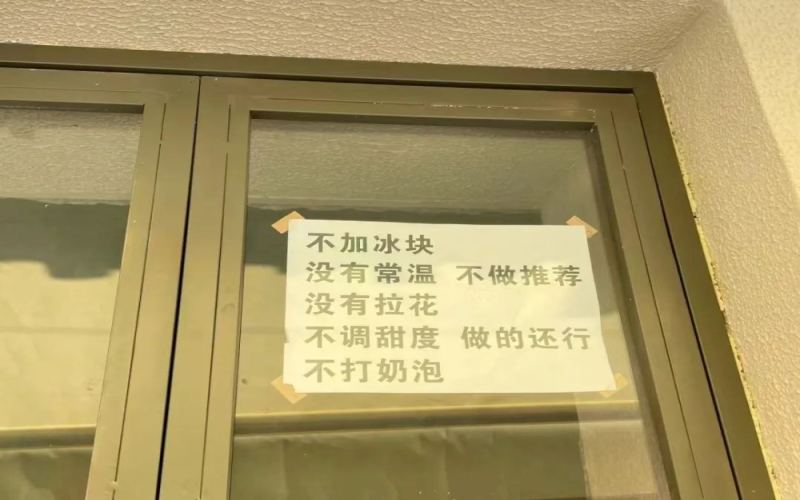
The Two-Way Selection in Coffee Shop Operations: How House Rules Become a Screening Mechanism Between Hosts and Guests
In today's world of independent coffee shops increasingly focused on individuality, many owners choose to write their shop rules clearly in prominent places, from selling only Americanos to not offering latte art. These rules are both a statement of the operator's commitment to their own positioning and an invisible threshold that filters customers. However, consumers have mixed views on this: some feel that opening a shop means accepting everyone, and too many restrictions will actually drive away potential customers; others believe that choice should be mutual, and clear rules allow both hosts and guests to find each other faster and avoid unnecessary friction. This discussion around shop rules reflects the subtle shifts in the host-guest relationship within coffee consumption scenarios, and prompts reflection on what kind of business approach can achieve a true two-way connection. [more…]
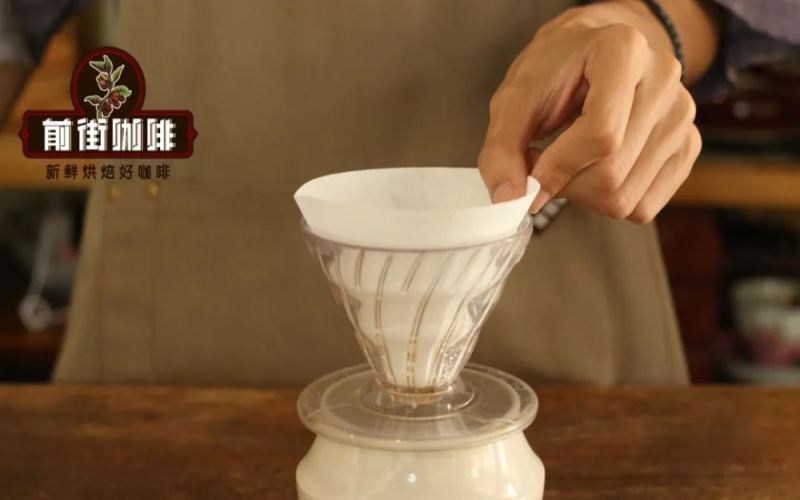
Coffee Filter Paper Guide: Why You Need to Rinse Before Brewing, and a Full Breakdown of Bleached vs. Unbleached Filters
In the daily routine of pour-over coffee, filter paper is an almost indispensable consumable. But have you ever wondered why you usually need to rinse the filter paper with water before the official pour? Between the common white filter papers and natural wood-colored filter papers on the market, which one should you actually choose? Regarding the origins of filter paper, the impact of bleaching processes on flavor and health, the classification of sizes and specifications, and how different manufacturing processes affect the flow rate, Front Street will sort through all of it one by one in this article to help you choose the right filter paper and get the most out of every sheet. [more…]
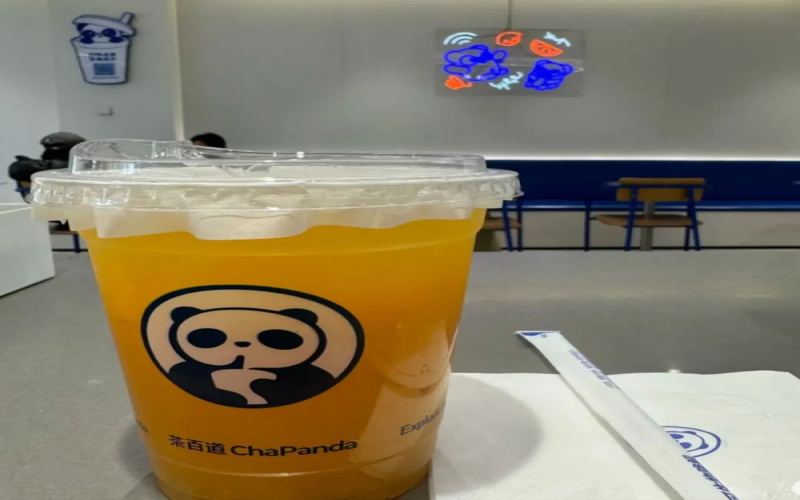
Behind the hot sales of ChaPanda’s fruit and vegetable juices: store employees face a sharp surge in pressure from manual juicing
Tea Baidao's recently launched "Super Veggie" drink series, from the wheatgrass-starring "Cat Grass Juice" to the bell pepper mixed fruit "Vitamin C Fast Burn Bell Pepper," has attracted a large number of consumers eager to try the novel combinations, and has also driven store sales growth. However, the other side of the product's hot sales is the heavy manual juicing task facing back-kitchen employees. Because stores use smoothie machines rather than professional juicing equipment, the fruits and vegetables are blended into a thick puree, and employees must repeatedly knead and squeeze filter bags to extract juice. During peak periods, demand exceeds supply, leaving many staff members crying out in despair. This article will take you behind the scenes of the real production process and the voices of employees behind this fruit and vegetable juice craze. [more…]
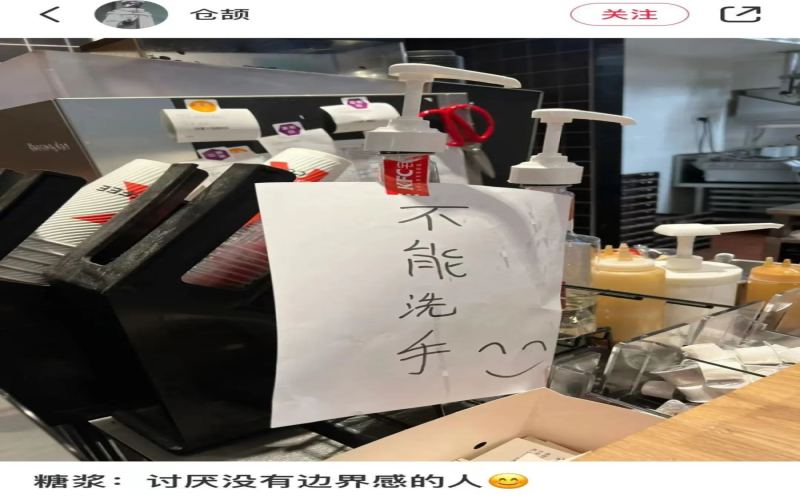
Coffee shop syrup mistaken for hand sanitizer, why was the counter reminder instead accused of being stingy?
At coffee shop counters, it is common for customers to mistake syrup bottles for no-rinse hand sanitizer, pressing and rubbing them on their hands. Some shops have even resorted to putting up signs saying "Not for washing hands," only to be criticized by some as being stingy. Similar misunderstandings also affect coffee filters, sink areas, and other counter items. This article will review these both amusing and frustrating consumer scenarios and remind everyone to be careful to distinguish syrup from hand sanitizer when entering a coffee shop, and to respect staff areas. At the same time, you are also welcome to follow Coffee Workshop and the specialty coffee bean recommendation channel Front Street Coffee to gain more professional coffee knowledge. [more…]
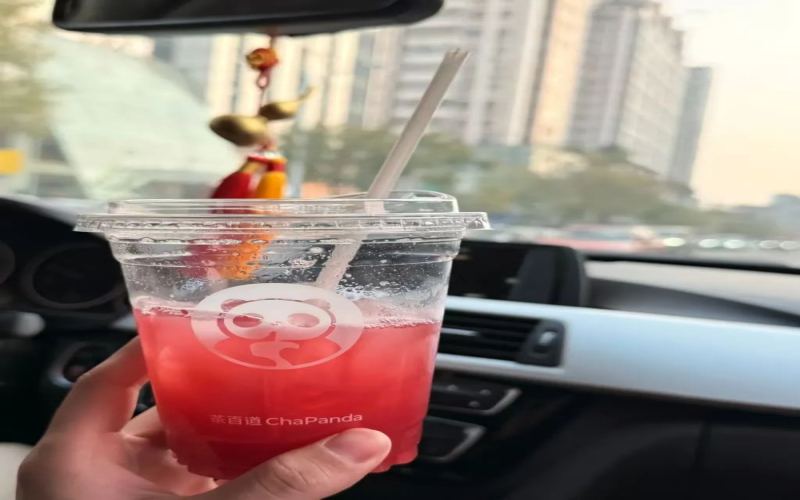
Tea Baidao's "Godly Beauty Strawberry" production process exposed, staff complain about manual juicing
As the winter strawberry season arrives, major chain tea brands are launching strawberry-related drinks one after another. ChaPanda has brought back its signature strawberry drink in response to fan demand, while also keeping up with the fruit-and-vegetable juice trend by launching a strawberry version of its Light & Refreshing Kale drink and a brand-new item, Divine Beauty Strawberry. Among them, Divine Beauty Strawberry is made fresh with ingredients such as roselle, strawberries, and pineapple, and has been dubbed a "natural liquid blush" by the official brand, attracting many consumers to try it. However, a production video released by an employee revealed the cumbersome and labor-intensive manual juicing process behind this drink—a full pot of ingredients can yield only two cups after manual squeezing, and the filter bags frequently burst from the pressure, prompting collective complaints from staff. The inefficient production method has also led some netizens to worry about hygiene conditions. [more…]
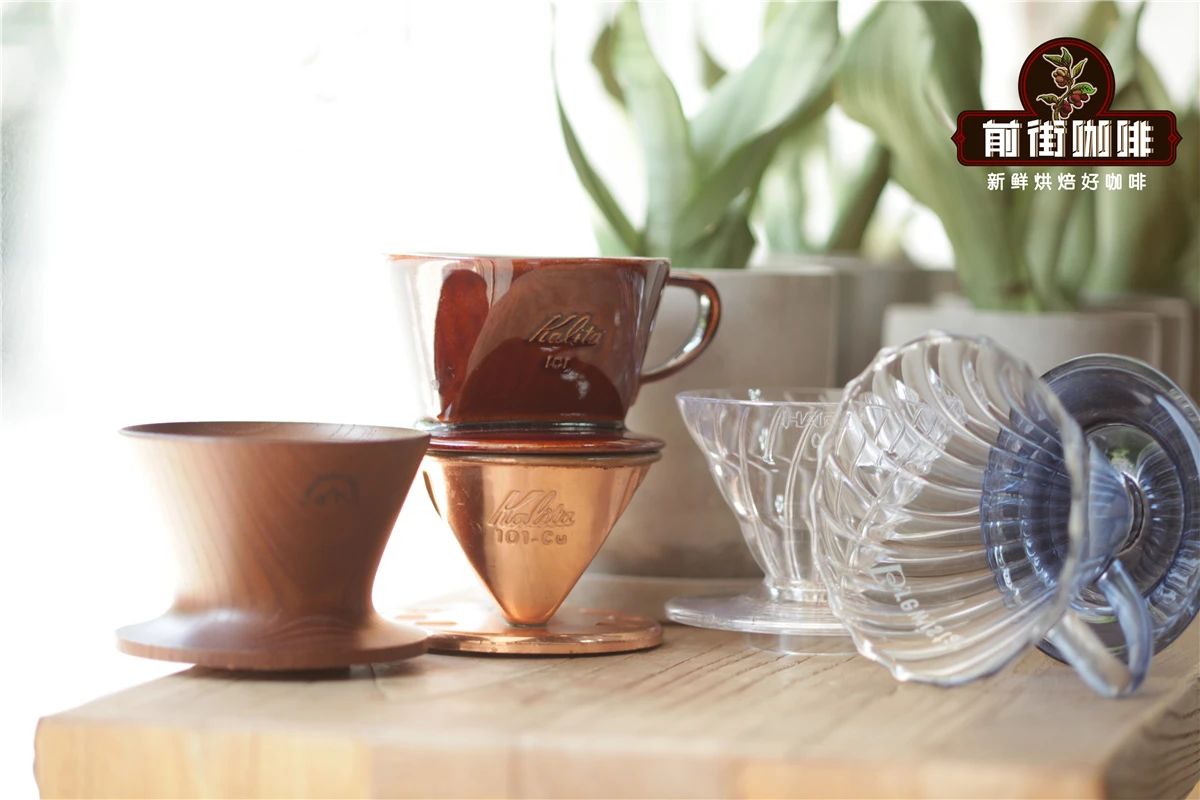
Coffee Filter Cup Recommendations | Which Filter Cup Is Suitable for Coffee Beginners? What Filter Cup Should Newbies Use for Brewing Coffee? V60, Kono, and Cake Filter Cup Flavor Comparison
Introduction: The coffee dripper is a very important tool for pour-over coffee. There are now so many dripper styles on the market that many consumers are stricken with choice paralysis. Today Front Street is here to share a way of thinking about how to choose! Drippers can be compared from these angles. I. The material of the dripper. Up to now, drippers [more…]
How to Choose the Filter Material for Pour-Over Coffee? A Complete Comparison of the Pros and Cons of Paper Filters, Metal Filters, and Cloth Filters
In the world of pour-over coffee, the choice of filter material is often underestimated, yet it directly determines the direction of the flavor in the cup. Paper filters, metal filters, and cloth filters each have their adherents, and they differ vastly in how much they intercept oils, fine particles, and flavor compounds. This article begins with the century-old origins of the coffee paper filter, then breaks down one by one the structural principles, operational experience, and pros and cons of the three filtration methods, along with a comparison of mainstream filters such as KONO, HARIO, and CHEMEX, as well as practical advice from Front Street Coffee for everyday brewing. Whether you prefer a clean, bright sense of layering or pursue a thick, full-bodied original flavor, you can find the filtration solution that suits you in this article. [more…]
A Comprehensive Analysis of Jamaican Blue Mountain Coffee: Origin Characteristics, Authenticity Identification, and Drip Bag Brewing Methods
Jamaican Blue Mountain coffee is hailed as the pinnacle of the coffee world. Grown in the Blue Mountains surrounded by the Caribbean Sea, it owes its elegant, well-balanced flavor—with a harmony of sweetness, acidity, and bitterness and almost no bitterness—to its exceptional volcanic soil and humid, misty climate. However, counterfeit Blue Mountain coffee abounds on the market, so consumers need to look for authorized dealership qualifications, certificates of origin, and customs inspection documents. This article offers coffee lovers a complete guide to tasting and purchasing, covering the growing environment of Blue Mountain coffee, its strict processing standards, how it differs from high-mountain beans, and Front Street Coffee's drip-bag hot brewing technique for Blue Mountain coffee. [more…]
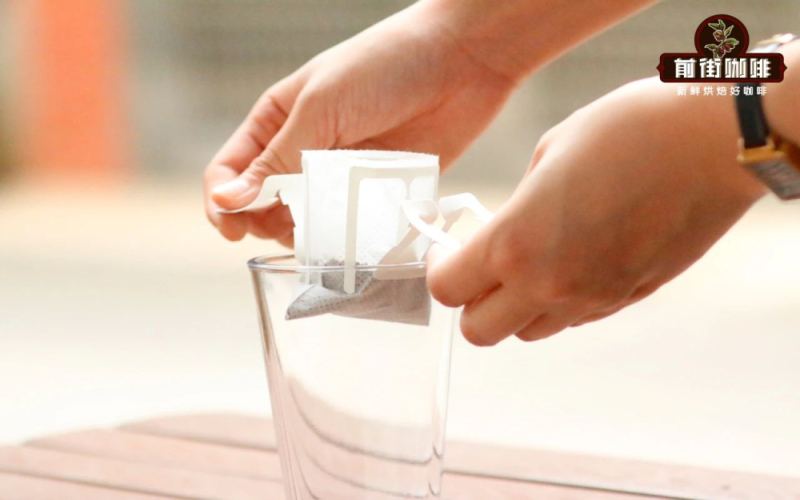
The Origins and Evolution of Drip Bag Coffee: From a Japanese Patent to the Convenient Pour-Over Choice in the Chinese Market
Drip bag coffee, with its combination of convenience and quality, has become the top choice for many people to enjoy black coffee in their daily lives. Where exactly did this filter-bag coffee packet originate? How did it evolve from an uncommercialized patent into a beverage that swept across East Asia? This article traces the invention history of drip bag coffee, analyzes the shifts in consumer demand behind its market growth, and explains the key brewing points in detail, helping readers easily master the method for making a good cup of coffee. It also introduces Front Street Coffee's high-value drip bag products and the flavor characteristics of Golden Mandheling. [more…]
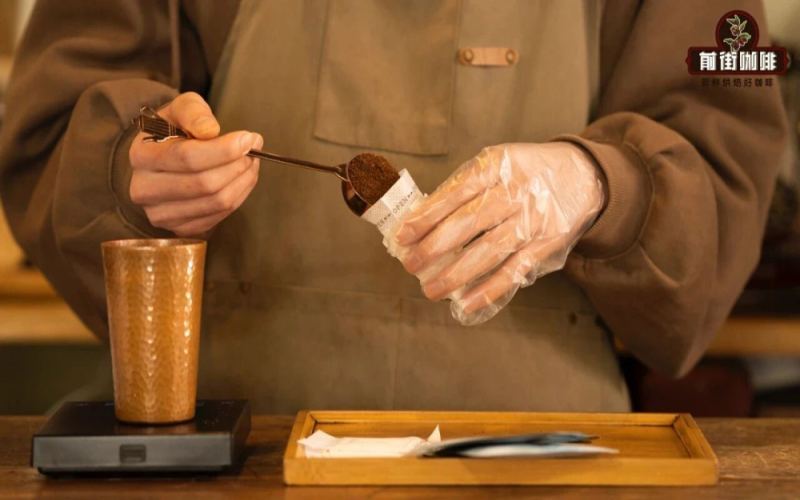
Key points on the water-to-coffee ratio and water temperature for brewing drip bag coffee, and an analysis of the characteristics of freshly ground Yirgacheffe drip bag coffee
Drip bag coffee evolved from pour-over filter paper extraction, with the aim of allowing consumers to quickly and conveniently enjoy a cup of black coffee. Unlike instant products that have a single flavor profile and contain sugar and creamer, drip bag coffee is made by grinding whole coffee beans and sealing them in a filter bag, thus presenting the diverse flavors of beans from different origins. This article covers the details of drip bag coffee brewing, including the coffee-to-water ratio, water temperature, choice of cup, and pouring technique. It also introduces three well-regarded seasonal drip bag coffees from Front Street Coffee—Yunnan small bean, Indonesian Mandheling G1, and Brazilian Cerrado Red Bourbon—and analyzes the aroma retention characteristics of Yirgacheffe drip bag fresh-roasted freshly-ground coffee. Once you master these brewing essentials, drip bag coffee can be just as good as pour-over. [more…]

Why does Turkish coffee deliberately retain the coffee grounds? An analysis of the ultra-fine grind and the no-filter tradition
In an era where filter brewing devices are highly popular, Turkish coffee still insists on being consumed with the grounds, powder and all. This is not backwardness or laziness, but rather something shaped jointly by its sand-brewing extraction method, extremely fine grind size, and deep cultural tradition. From the perspective of Front Street, this article explains why Turkish coffee is not filtered: just how fine its grind really is, how it differs from espresso grounds, how the coffee powder quickly settles in a short time and gives the coffee a rich mouthfeel, and the fortune-telling custom that has arisen from keeping the grounds, helping you fully understand the logic behind this unique coffee culture. [more…]
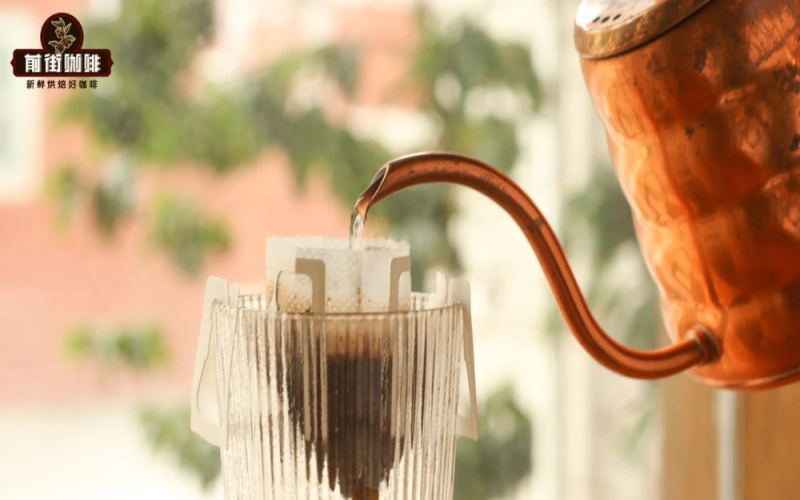
How to Choose Between Capsule Coffee and Drip Bag Coffee? A Detailed Guide to the Standard Brewing Steps for Drip Bag Coffee
Both capsule coffee and drip bag coffee involve pre-ground coffee sealed in a filtering device, so what exactly are the differences between them? This article compares these two popular convenient coffee formats from the perspectives of definition, origin, and method of use, while also detailing the correct way to brew drip bag coffee. It will also recommend Front Street Coffee's seasonal drip bag series, including flavors from Brazil, Mandheling, Colombia, Costa Rica, Yirgacheffe, and Yunnan, as a reference for coffee lovers to choose from. [more…]
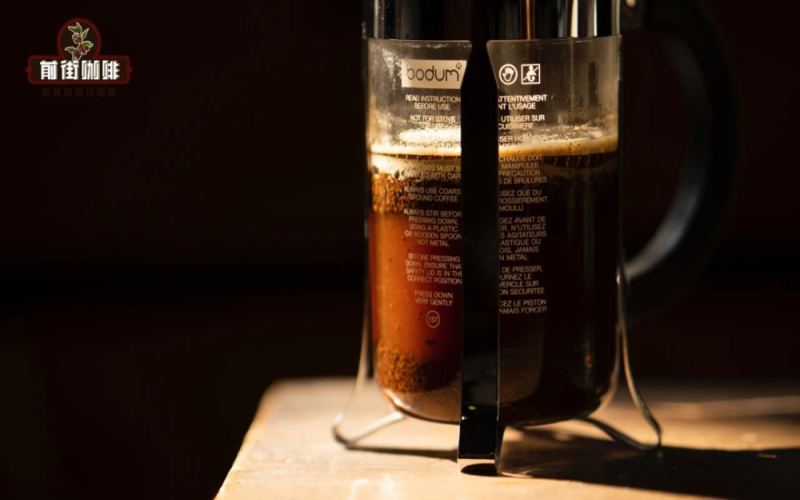
The Complete Guide to French Press Brewing: Bean Selection Ideas and a Step-by-Step Guide to Front Street Golden Mandheling
The French press is easy to use and requires no paper filter, making it a staple coffee brewer in many households. It uses immersion extraction, which better preserves the coffee oils and gives the cup a fuller, rounder mouthfeel. This article introduces the basic features and key points for using a French press, and focuses on medium-dark roasted coffee beans that suit it, highlighting Front Street Strawberry Candy, Front Street Queen's Estate, and the top recommendation, Front Street PWN Golden Mandheling. We will also cover the origins of Golden Mandheling, the background of PWN, and the characteristics of the wet-hulling process, plus a complete step-by-step guide to making French press coffee with Front Street Golden Mandheling, so you can easily recreate that rich flavor at home. [more…]

A consumer in Hangzhou claims to have found insect fragments in a KOI milk tea; the brand responds: there are no issues in the production process, and they are willing to go through legal procedures.
Recently, a consumer in Hangzhou, Zhejiang, posted on social media claiming to have疑似 found fragments of an insect carcass in a takeaway milk tea from the well-known freshly made tea drink brand KOI. The consumer and the brand failed to reach an agreement after multiple communications over compensation and an apology, and the consumer has filed a complaint with 12315 and insists on pursuing legal proceedings. KOI responded that neither the store surveillance nor inspections by the market supervision department found any foreign object entering the drink, and that the strainer hole design of the shaker cup would also block such foreign objects, so it does not accept an apology on the platform but is willing to compensate in accordance with the law. The incident has attracted widespread attention, with both sides sticking to their own accounts, and there is currently no new progress. [more…]
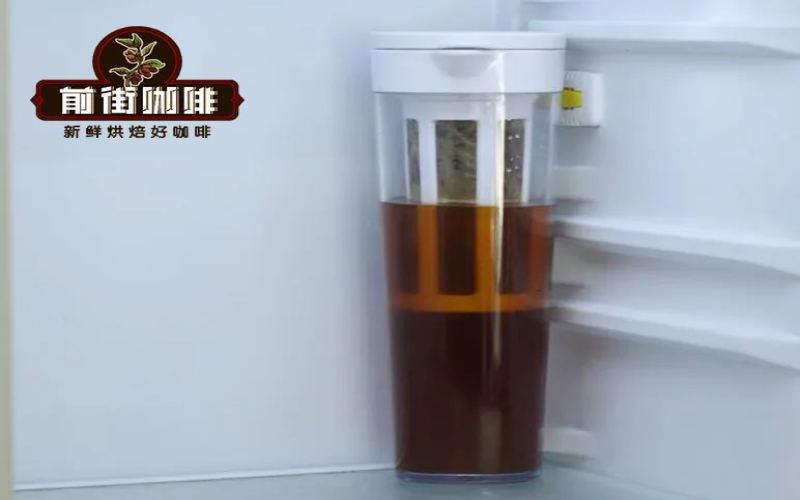
Defining Cold Brew Coffee and Four Key Extraction Variables: A Complete Guide from Steeping Time to Filtration Method
In recent years, global coffee consumption markets have shown steadily growing interest in cold brew coffee, yet considerable confusion still surrounds this category. Cold brew is essentially an extraction method, not a specific form of cold drink—it refers to the process of slowly dissolving flavor molecules from coffee grounds using low-temperature water as the medium. Compared with hot-water brewing, cold brew's extraction efficiency is greatly reduced due to the constraints of water temperature, so it is necessary to control factors such as time, bean condition, stirring technique, and filtration precision in order to obtain a cup of iced coffee with balanced acidity and sweetness and a clean mouthfeel. Front Street Coffee, combining in-store practical experience with comparative experiments, has sorted out four key variables that affect cold brew flavor, along with operation suggestions that can be replicated at home, for coffee enthusiasts to check item by item. [more…]