







What ratio and temperature does drip bag coffee need?
Drip bag coffee descends from pour-over brewing with filter paper and exists so drinkers can get a cup of black coffee quickly. Unlike instant products, which have a single flavor and often contain sugar and creamer, drip bags hold ground whole beans sealed in a filter, so they show the flavors of different origins. The main variables are the coffee-to-water ratio and the pouring temperature.
Cup selection and pouring technique also shape the result, and freshly roasted, freshly ground Yirgacheffe drip bags are a useful example of how aroma is preserved. Questions such as does instant coffee have carcinogens and is instant coffee carcinogenic concern instant products, not drip bags. Seasonal options include Yunnan small-bean, Indonesian Mandheling G1, and Brazilian Cerrado Red Bourbon; with the basics right, a drip bag can match pour-over.
Drip bag coffee evolved from pour-over extraction using filter paper, with the goal of letting consumers quickly and conveniently enjoy a cup of black coffee. Unlike instant products that have a single flavor and contain sugar and creamer, drip bag coffee is made by grinding whole coffee beans and sealing them into a filter bag, so it can present the diverse flavors of beans from different origins. This article discusses details such as the coffee-to-water ratio, pouring temperature, cup selection, and pouring technique for drip bag coffee. It also introduces three highly regarded seasonal drip bag coffees from Front Street Coffee—Yunnan small-bean, Indonesian Mandheling G1, and Brazilian Cerrado Red Bourbon—and analyzes the characteristics of Yirgacheffe drip bag freshly roasted and freshly ground coffee in preserving aroma. Once you master these brewing essentials, drip bag coffee can be just as good as pour-over.
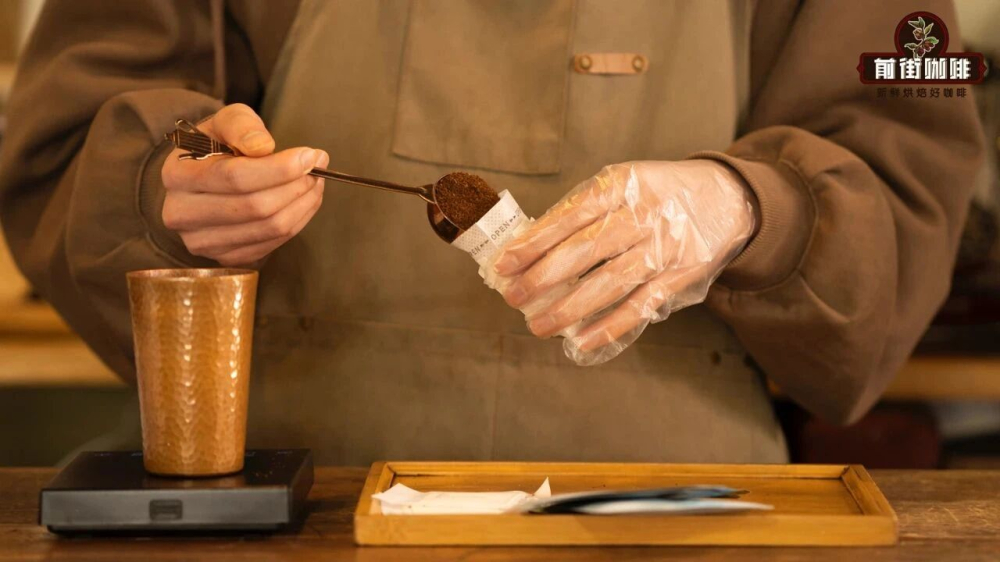
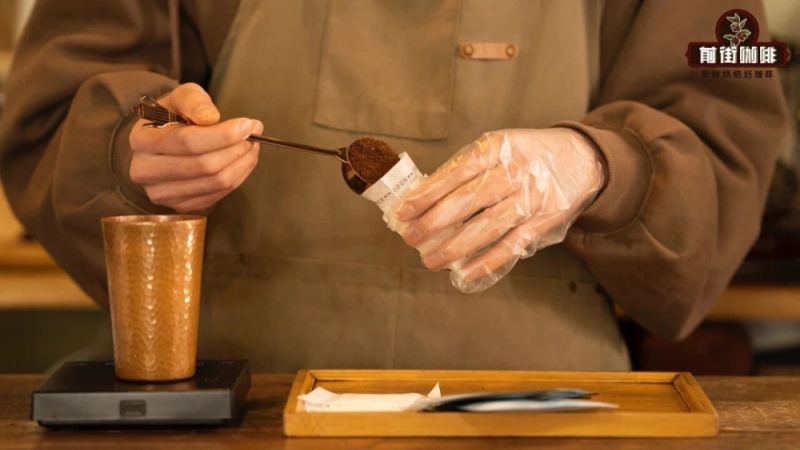
Drip bag coffee is also called filter bag coffee. Its predecessor was pour-over coffee made with filter paper, and it was created with the original intention of allowing consumers to obtain a cup of black coffee more conveniently and quickly, which is also one of the important reasons many people are willing to buy drip bag coffee today.
Instant coffee has a monotonous taste and often has sugar and creamer added; drip bag coffee is different. It is made by grinding whole coffee beans into grounds, putting them into a filter bag, and sealing it, so it can display different flavors depending on the bean variety. If you are a beginner who has just encountered drip bag coffee and are not yet sure which type you prefer, you might first try three highly praised seasonal drip bag coffees from Front Street Coffee:
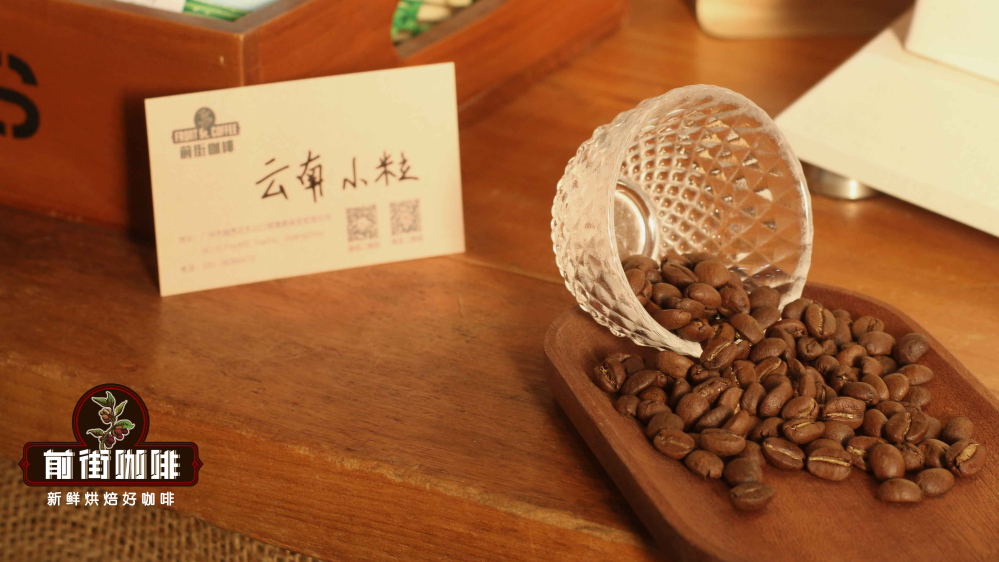
Front Street Coffee. Yunnan Small-Bean Drip Bag
Roast level: Medium roast
Recommended reason: This Front Street Coffee Yunnan Small-Bean Drip Bag uses washed processing. In terms of flavor, it presents tea-like notes and melon-fruit aromas. In terms of mouthfeel, the acidity is relatively rounded, with a nut-like texture, a prominent sweetness in the finish, and a long, lingering caramel sweetness.
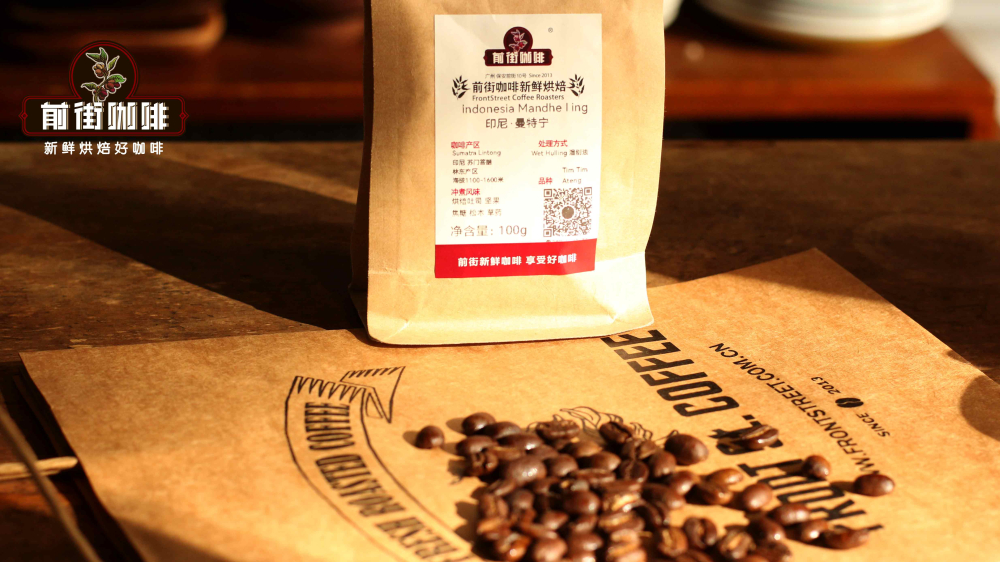
Front Street Coffee. Indonesian Mandheling G1 Drip Bag
Roast level: Medium-dark roast
Recommended reason: The medium-dark roasted Front Street Coffee Mandheling comes from Sumatra, Indonesia. In addition to unique spice, herbal, pine, and dark chocolate flavors, it is also accompanied by a rich coffee aroma and a lasting sweet aftertaste, leaving a deep impression.
Front Street Coffee. Brazilian Cerrado Red Bourbon Drip Bag
Roast level: Medium roast
Recommended reason: Brazil is the world's largest coffee-producing country. While its output is huge, its flavors are mild and its mouthfeel is smooth. This Front Street Coffee Brazil Red Bourbon Drip Bag has a rich nutty aroma, with bitterness that is not pronounced and acidity that is not prominent either, making it suitable for people who like a balanced taste.
Front Street Coffee drip bags are made by first grinding the coffee beans and then packaging them. The surface area of coffee grounds exposed to air is far larger than that of whole coffee beans, which accelerates the reaction between coffee and air and continuously releases carbon dioxide. When the carbon dioxide has mostly been released, the coffee's own aroma will begin to slowly dissipate. Although no change can be seen from the appearance, when you actually drink it you will find that the aroma has weakened, so the freshness of drip bag coffee is especially critical. In order to let everyone obtain the best drinking experience, all Front Street Coffee drip bags are freshly roasted and freshly ground within 5 days and support shipping within 24 hours.
Brewing a drip bag looks simple, but in fact it contains many small details. As the saying goes, the devil is in the details. If these details can all be done well, the coffee brewed will be no worse than pour-over.
1. The water must be hot enough
Many people who work in offices are used to directly using hot water from a water dispenser to brew drip bags, but water dispensers on the market can only reach just over 80°C after "boiling," so the brewed coffee is often too weak and sour. Through testing, Front Street Coffee found that if you boil a large pot of water, turn off the heat, leave the lid open, and place it in a room-temperature environment of 25–30°C, after 2–3 minutes the water temperature will drop to 92–95°C (suitable for brewing floral, fruity, and acidic coffees); if left for 5–6 minutes, the hot water temperature will fall to 87–90°C (suitable for nutty, bitter-type coffees).
2. Control the amount of water poured
A single pack of drip bag coffee usually contains about 10g of grounds. After repeated measurements, if you pour hot water into the drip bag until it is half full, that is about 30–40g; if you pour until it is nine-tenths full in one go, that is 60–80g. In this way, we can roughly estimate the total amount of water by combining the number of pours.
3. The cup must be deep enough, and the diameter must not be too wide
When brewing drip bag coffee, there are certain considerations in choosing a cup. It is usually recommended to use a tall glass or a slightly deeper mug, so that the coffee liquid can pass directly through the coffee bed and fall to the bottom of the cup. Because the ears on both sides of the drip bag need to rest on the rim of the cup for support, if the cup diameter is too wide, the filter bag is likely to slide down due to gravity when water is poured. Therefore, Front Street Coffee recommends prioritizing containers with a rim smaller than 9cm and a body taller than 12cm for brewing drip bags.
4. Use a small stream and pour in multiple stages
Because there is no need to pour in circles, brewing drip bags basically places very few restrictions on equipment. As long as it can pour clean hot water, it meets the requirement. An ordinary kettle, an unused thermos at home, an inherited hot water bottle, or even the water heater on a high-speed rail can all be put to use. We can pour in 5 stages, each time adding only enough hot water to fill half of the drip bag. The pouring point can be raised slightly, so that all the coffee liquid finishes dripping in about 1 minute 50 seconds to 2 minutes. The overall taste will be much richer than pouring a large volume to fill it in one go.
5. Avoid shaking the drip bag frequently
When discussing pour-over details, Front Street Coffee once analyzed that the greater the force or the more times the dripper is tapped, the easier it is for fine particles to fall from the gaps to the bottom, causing drainage blockage during brewing. The same applies to drip bag coffee. Some people are used to shaking it hard before opening the package. The more frequently the filter bag is shaken, the greater the possibility that fine particles will sink to the bottom, and the easier it is to cause water retention in the final stage, which in turn makes the coffee bitter and astringent.
The above content is compiled by CoffeeHunters, a coffee news website.


