







How Does Coffee Brewing Differ Between Capsules and Drip Bags?
Capsule coffee and drip bag coffee both hold pre-ground coffee in a sealed filter, but they work differently. A capsule goes into a matching coffee machine, which forces water through it and finishes one cup in seconds. A drip bag sits over a cup and steeps or pours slowly, giving the drinker control over water temperature, volume and contact time.
The capsule format dates to 1974, when illy produced the first espresso capsule and introduced Easy Serving Espresso, followed by the Nespresso system in 1986. The article also recommends current-season drip bag options such as Brazil, Mandheling, Colombia, Costa Rica, Yirgacheffe and Yunnan for daily coffee brewing.
Both capsule coffee and drip bag coffee involve pre-ground coffee sealed in a filtering device, so what exactly are the differences between them? This article will compare these two popular convenient coffee formats from the perspectives of definition, origin, and usage, and also explain the correct brewing method for drip bag coffee in detail. It will also recommend Front Street Coffee's current-season drip bag series, including flavors such as Brazil, Mandheling, Colombia, Costa Rica, Yirgacheffe, and Yunnan, for coffee lovers to consider.
Have you ever wondered: capsule coffee and drip bag coffee both have pre-ground coffee placed into some kind of filtering structure in advance, so what exactly is the difference between them? Next, let's discuss these two widely favored coffee brewing formats.
What is capsule coffee? When did it enter people's lives?
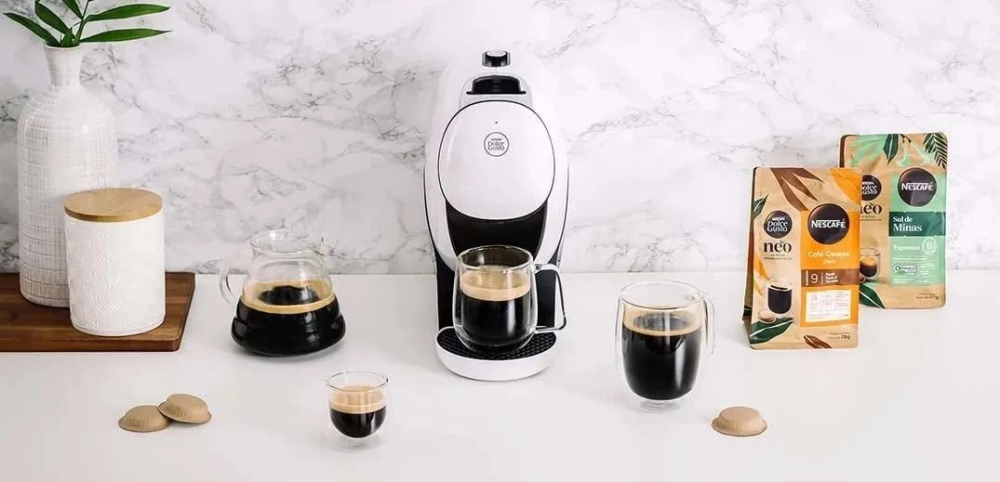
Capsule coffee is made by grinding roasted coffee beans into powder and sealing them into special capsules made of plastic or aluminum foil. To drink it, you place the capsule into a matching coffee machine, and the machine quickly completes the extraction. The working principles of capsule coffee machines from different brands are roughly the same: insert the capsule, select the brew volume, and press the button. One capsule makes one cup of coffee, and the operation is direct and efficient.
The reason capsule coffee quickly won over the market is not that the process is especially complex, but that it allows ordinary consumers to get a freshly brewed cup of coffee in a very short time, eliminating a whole series of preparation steps beforehand. In addition, the growing variety of capsule flavors makes it very suitable for home and office settings.
In 1974, illy produced the first espresso capsule and introduced the concept of "Easy Serving Espresso," because this single-serve coffee pod was designed to be compatible with espresso machines. By 1986, Nespresso launched its capsule system, completely changing the market landscape; the system could both preserve coffee freshness and ensure consistency in the final cup. In the 1980s, when Nespresso first introduced capsule machines, it mainly targeted restaurants and office users, positioning them as a clean and efficient solution to the messiness of making espresso. Entering the 1990s, Nespresso began turning its attention to affluent household consumers, especially in Europe, and this shift required a comprehensive review of coffee machine design.
What is drip bag coffee? And who invented it?
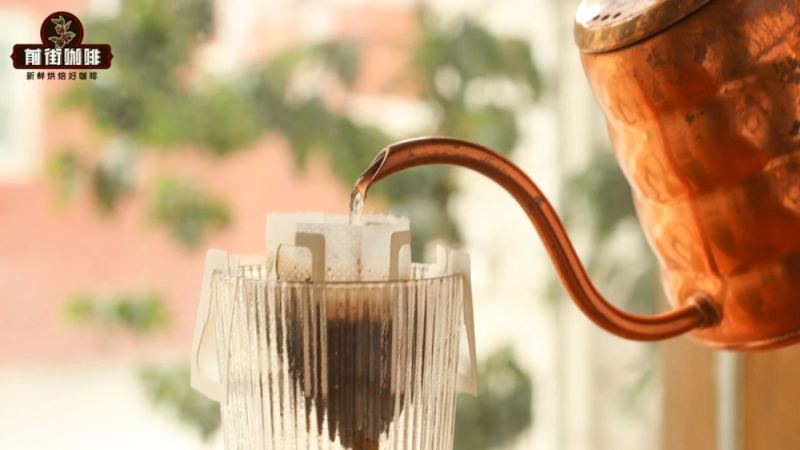
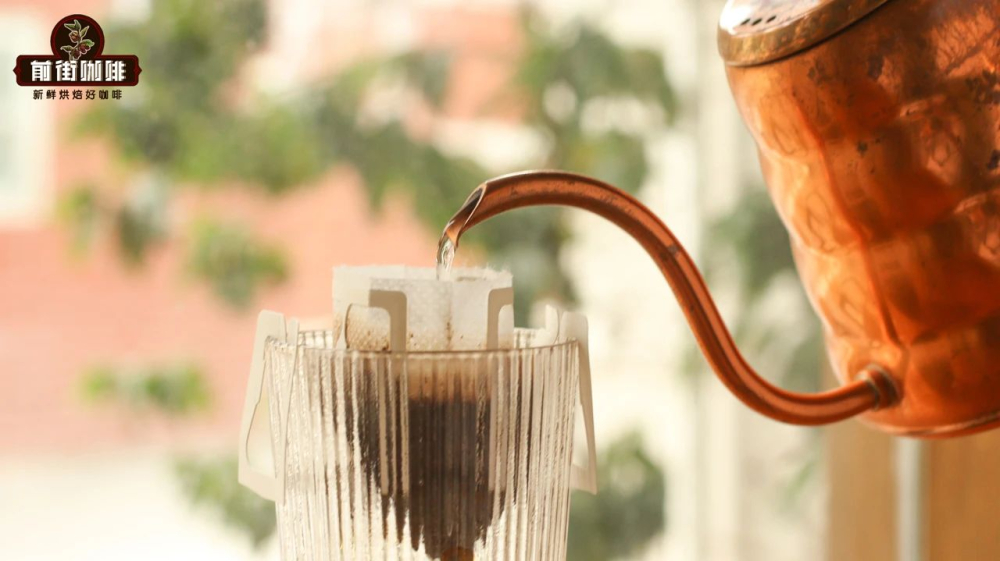
In 2001, Japan's UCC Ueshima Coffee invented drip bag coffee, registered a patent for it, and then brought it to market. In Japanese, it is called "one-cup extraction coffee." The principle is to put coffee grounds into a filter bag made of non-woven fabric or cotton paper. Each side of the filter bag has a paper flap, and when opened, it can rest on the rim of a narrow-mouthed cup. After brewing, you simply remove it and enjoy fragrant black coffee.
The two paper flaps resting on the cup rim look like "ears," which is exactly where the name "drip bag" comes from. Because it is easy to use, easy to carry, and brews coffee far purer and richer than instant coffee, drip bag coffee has now captured 15% of Japan's regular coffee market.
Front Street Coffee drip bag coffee is made by grinding coffee beans into powder and sealing it in a sealed filter bag. It is called drip bag coffee because during brewing you need to spread open the small paper pieces on both sides of the filter bag (the little ears) and hang them on the cup rim for extraction. Its greatest feature is that it allows you to enjoy a cup of black coffee very conveniently, making it a regular choice for the office, home, and travel.
The Front Street Coffee drip bag set is made from high-quality fresh Arabica coffee beans. Beginners just getting into drip bags can start with the very cost-effective current-season drip bag series. Baristas strongly recommend Front Street Brazil current-season drip bags, Front Street Mandheling current-season drip bags, Front Street Colombia current-season drip bags, Front Street Costa Rica current-season drip bags, Front Street Yirgacheffe current-season drip bags, and Front Street Yunnan current-season drip bags.
The above content is compiled by CoffeeHunters, a coffee news website.


