







Search Results for: concentrated apple juice
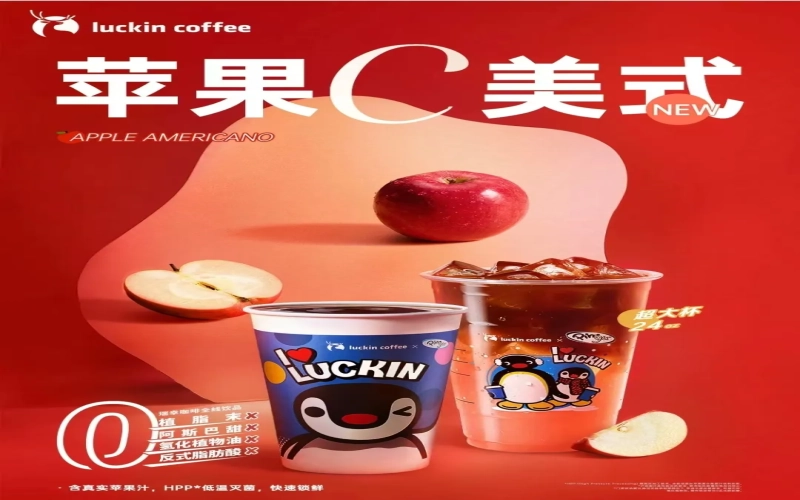
Luckin Apple C Americano New Drink Gets Slammed: Consumers Complain About Cloying Sweetness and Separated Flavors
Luckin Coffee has recently launched another collaborative new product, "Apple C Americano," continuing its fruit coffee C series concept and highlighting a "7 zeros" health standard. However, unlike previous refreshing fruit coffees that received praise, this apple-flavored specialty drink encountered a flood of negative reviews on its launch day, with consumers generally reporting that the concentrated apple juice was too sweet, the coffee flavor integration was poor, and some even described it as "rotten apples soaked in ashtray water." Meanwhile, KFC's previously launched Apple Sparkling Americano was more favored for its taste due to the addition of sparkling water, and in comparison, netizens bluntly said "KFC wins completely." This article reviews the new product's formula, consumer feedback, and differences from competitors, presenting the true reputation of this controversial new item. [more…]
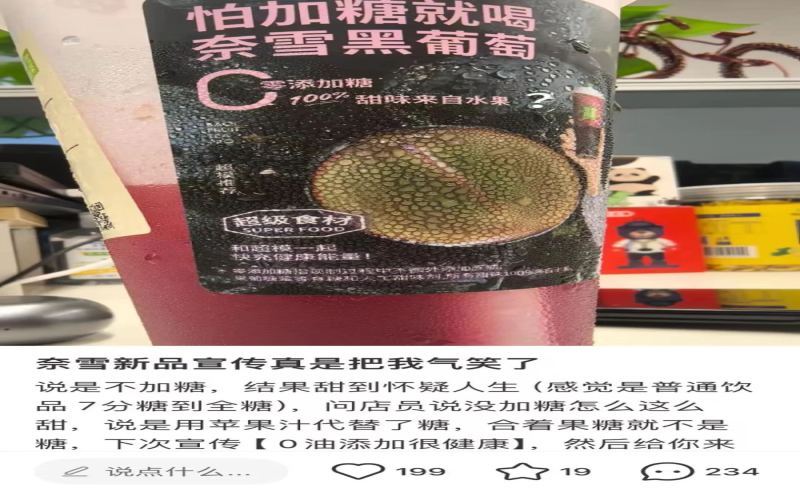
Nayuki's new drink claims no added sugar yet is explosively sweet—the truth behind healthy marketing of juice-based sugar substitutes
Recently, Nayuki launched "Unsweetened · Nayuki Black Grape," promoted as having 0 added sugar with all sweetness coming from fruit, yet it drew complaints from consumers for being too sweet. The brand replaced sucrose with apple juice, but concentrated apple juice can have a sugar content exceeding 50, meaning the actual sugar content of the entire drink is not low. This approach is similar to the strategy some brands use of hiding additives in ingredients, maintaining sweetness while preserving the "healthy" selling point. Consumers' impression of juice as naturally burden-free is being exploited, while the risk of blood sugar spikes remains. This article sorts out the ins and outs of the incident and includes related product information from Front Street Coffee, exploring the trade-off tea beverage brands face between taste and health. [more…]
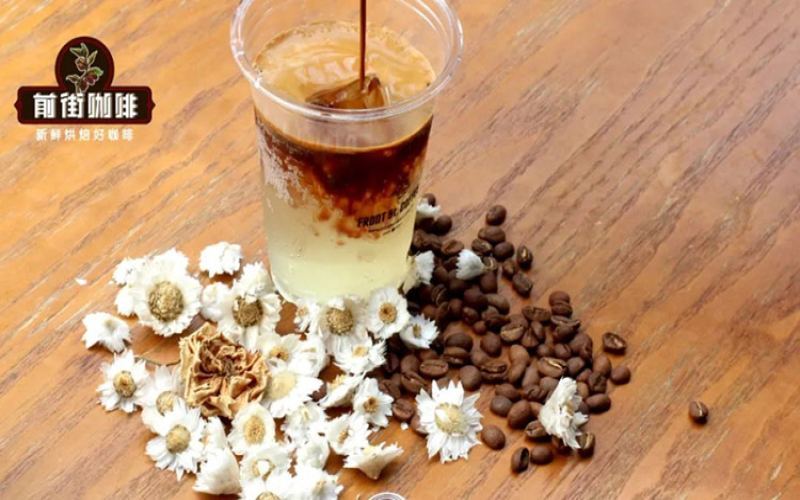
Detailed Recipe for Summer Apple Special American Coffee: Three Methods and Ratio Parameters
On a hot summer day, a refreshing apple-infused Americano might be exactly what you need. This article centers on the pairing of apple juice and espresso, sharing three different approaches: direct mixing, adding sparkling water, and freezing apple juice into ice cubes. As the star of the coffee, Front Street Mamba Blend Coffee brings the wildness of Mandheling and the cocoa-like balance of Brazilian beans. Whether you have an espresso machine or a moka pot on hand, as long as you get the ratio of juice to coffee and the details right, you can recreate at home an apple Americano with a harmonious taste where the fruity aroma isn't overshadowed. [more…]
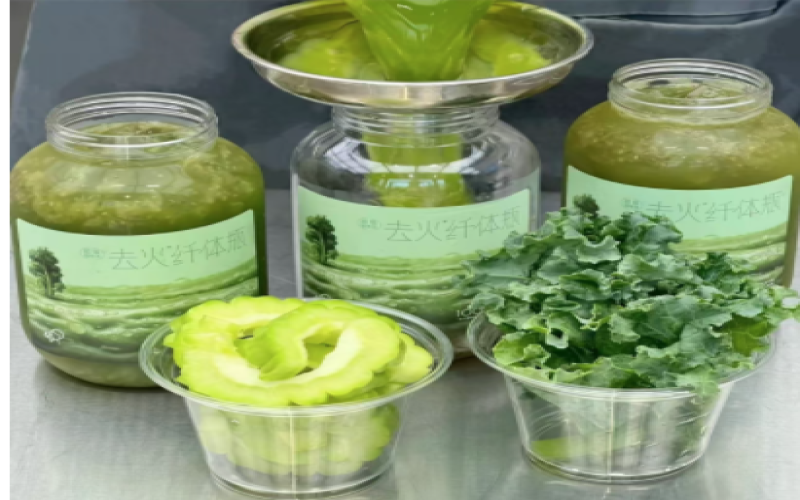
Heytea launches a "fire-reducing slimming bottle," and store employees are overwhelmed by endless fruit cutting.
Heytea recently launched the "Fire-Clearing · Slimming Bottle," the second product in its "Super Plant Tea" series, featuring kale and bitter melon as the core ingredients, paired with apple, lemon water, tea infusion, and white pomelo pieces. The official emphasis is on 100% fresh ingredients freshly squeezed, with no added concentrated juice, and only about 100 calories. Just one day after its launch, the new product was sought after by young consumers, with many reporting that the bitter melon taste is not very noticeable and the drink is refreshing and easy to drink. However, the hot sales of this beverage have also brought enormous pressure to store employees, with the workload of apple washing and juicing surging, and back-of-house partners complaining endlessly. This article will take you through the features of this new product, consumer feedback, and the real situation behind the stores. [more…]

Luckin Apple C Americano officially discontinued, fans' reluctance grows loud—seasonal limited edition or strategic adjustment?
Luckin Coffee recently issued an official notice announcing that its Apple C Americano will be gradually removed from stores nationwide, sparking dissatisfaction and regret among many fans. This fruit coffee C-series drink, launched last October, has built up a loyal following with its refreshing taste, but it had already briefly disappeared before. In this formal farewell, the company cited a shortage of apple juice concentrate and its status as a seasonal limited edition, and said the Apple C Fruit Tea made with the same ingredient will also be discontinued at the same time. Some speculate that this is to make way for the return of the spring Cherry Blossom Latte. For consumers who love this flavor, Front Street suggests trying to make it at home or looking for alternatives, such as KFC's Apple Sparkling Americano. [more…]

Tea Baidao's launch of wheatgrass drinks sparks discussion, adding a new member to the fruit and vegetable tea sector
Since Heytea launched its Super Botanical Tea series, fruit and vegetable juice drinks have quickly gained popularity, with major brands rushing to follow suit. ChaPanda recently rolled out its "Super Veggie" series in 14 cities including Beijing and Shanghai, among which "Detox Wheatgrass" sparked heated discussion online because its main ingredient closely resembles cat grass and livestock feed. This drink pairs wheatgrass with fresh fruits such as apple, pineapple, and Shine Muscat grapes, and the company emphasizes that no concentrated juice is used. Consumers report that it tastes refreshing, but kitchen staff's workload has increased accordingly, while some customers have raised concerns about the food safety of fruit and vegetable juices. [more…]
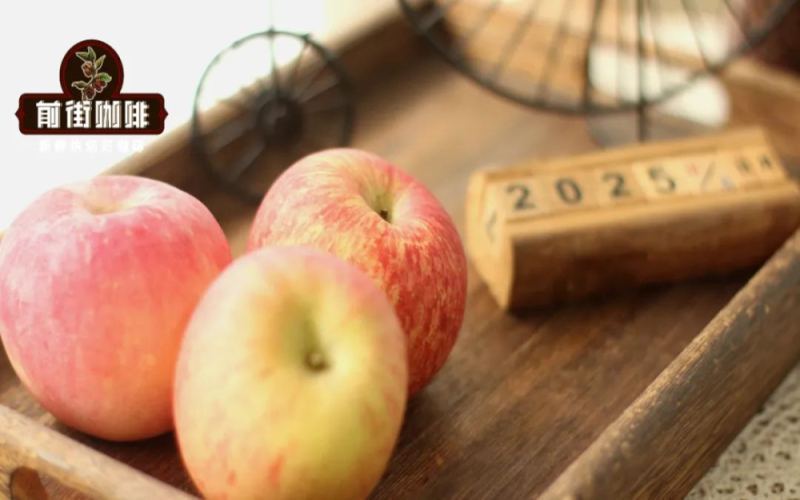
Apple Sailor Pour-Over Coffee Practical Guide: Complete Parameters and Flavor Comparison from Bean Selection to Four-Pour Technique
Using apple-infused water instead of regular drinking water to brew coffee has recently attracted considerable attention in the coffee community. Front Street Coffee conducted multiple rounds of hands-on testing on this, breaking down the feasibility and flavor performance of this approach step by step—from bean selection and apple water boiling time to pouring technique. This article provides a complete record of Front Street's brewing process and tasting results using three beans: Sidamo Santa Vini, washed Yirgacheffe, and Panama Geisha, along with a comparison against versions brewed with Nongfu Spring water, analyzing the effect of apple water's mild acidity on coffee flavor extraction, offering coffee enthusiasts a reproducible operational reference. [more…]
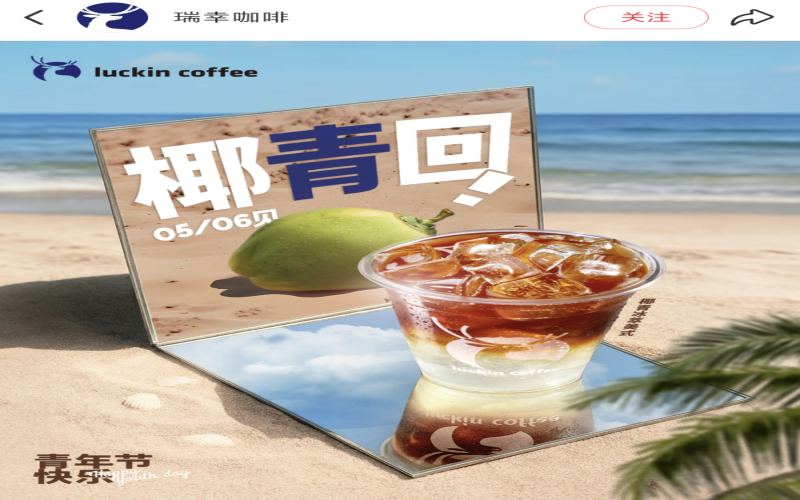
Luckin Coffee's Coconut Ice Americano Returns to Bad Reviews: Ingredient Change Sparks Taste Controversy
Luckin Coffee's signature product, the Coconut Ice Americano, officially returned on May 6 after a comeback teaser was released on Youth Day. However, to the surprise of many long-awaiting fans, the reviews for the new version of the drink were almost overwhelmingly negative. Quite a few regular customers reported that this cup, once their "white moonlight," had changed its taste—the fresh fragrance and sweetness of coconut water had vanished, replaced by a sticky mouthfeel and a strange sweetness, even described as "cold Banlangen granules." After netizens dug deeper, they found that Luckin had swapped the originally used Fino coconut water for a blended juice containing concentrated apple juice, which is believed to be the main reason for the change in taste. Less than 12 hours after the return, complaints were already all over social platforms, and calls to bring back the original recipe grew louder and louder. [more…]

The Colombian Sidra Favored by WBC Champions: Variety Origins, Genetic Lineage, and Flavor & Brewing Analysis
In the past two years, a coffee variety called "Sidra" has rapidly risen to fame in the specialty coffee circle. Two WBC champions each won with Sidra lots from Colombia's Palma y El Tucán estate and Finca El Diviso, propelling this experimental variety—once relegated to the fields—onto the world stage. In Spanish, Sidra means apple juice or cider. It is generally considered a hybrid descendant of Typica and Red Bourbon, but WCR genetic identification shows it is closer to Ethiopian landraces, and its origins remain unclear to this day. In this article, Front Street Coffee will sort through Sidra's origin story, genetic research, plant characteristics, and flavor performance, and share a cupping experience and pour-over recommendations for Finca El Diviso's anaerobic natural Sidra, giving you a comprehensive understanding of this champion variety that combines floral aromatics with high-sweetness fruit notes. [more…]
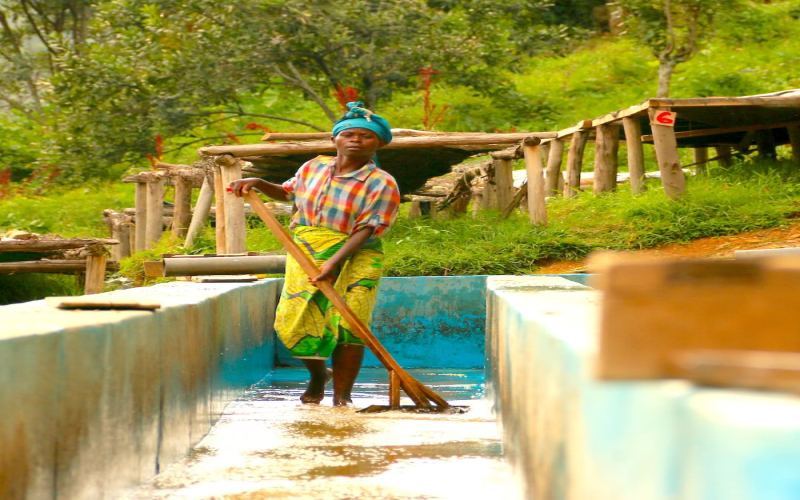
A Comprehensive Analysis of Rwanda's Coffee Bean Grading System and Altitude Standards for Cultivation: From Bourbon Variety to Washed Processing
Among African coffee-producing countries, Kenya is famous for its intense fruity acidity, while Rwanda displays another style—a more balanced mouthfeel, accompanied by fruity sweetness, floral notes, and a black tea finish. Front Street Coffee recently acquired several Rwandan beans for roasting and cupping, and found their flavor falls between Kenya and Central America, clean and solid. This article will comprehensively examine the coffee industry landscape of this "Land of a Thousand Hills," from Rwanda's growing environment, main producing regions, variety composition, washed processing techniques, to its grading system, and analyze the specific classification standards for AA, SC, TT, and other grades. [more…]
A Complete Guide to Rwanda Coffee Bean Grading, Varieties, and Origins: Bourbon, Washed Processing, and Regional Flavor Profiles
Rwanda is located in central Africa. Though a small landlocked country, it is blessed with exceptional conditions such as high altitude and volcanic soil, giving rise to specialty coffee that is balanced in flavor, clean, and solid. This article systematically reviews Rwanda's coffee-growing environment, main producing regions, variety composition, washed processing methods, and grading system, and, combined with Front Street Coffee's cupping experience, presents the stylistic differences between Rwandan coffee and Kenyan coffee. Whether you are an enthusiast just getting into African beans or a professional wanting to gain a deeper understanding of the context of Rwanda's coffee industry, you will find clear and practical references here. [more…]
How to brew coffee from Tambo Estate in Cauca, Colombia? A detailed guide to pour-over and iced pour-over parameters and flavor
Front Street Coffee's Colombia Tambo Estate is a micro-lot from the Cauca Department, washed processed, and in cupping it presents a creamy, velvety mouthfeel with citrus-like acidity, a clean entry, accompanied by red brown sugar sweetness and notes of apple, caramel, Earl Grey tea, and plum, with a fresh lemon-like acidity in the finish and a lasting sweet aftertaste. This article centers on this bean, first outlining the terroir of the Cauca producing region and Colombia's grading methods, then providing Front Street Coffee's complete parameters for pour-over and Japanese-style iced pour-over, including grind size, water temperature, coffee-to-water ratio, and the staged pouring rhythm, to help coffee enthusiasts reliably reproduce its round, sweet flavor performance at home. [more…]
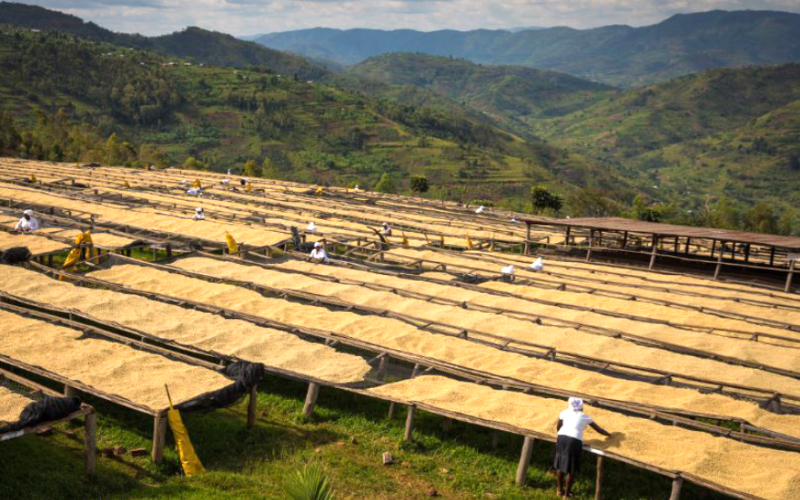
The Coffee Code of the Land of a Thousand Hills: Flavor Map of Rwandan Bourbon and Analysis of Its Washed Process
Rwanda, with its high altitude, volcanic soil and abundant sunshine, has become a producer that cannot be overlooked on Africa's specialty coffee map. Over ninety percent of the local coffee trees are Bourbon and its hybrid varieties, with washed processing as the mainstream, presenting multi-layered flavors of floral notes, citrus, berries and green tea. From Huye in the south to the shores of Lake Kivu in the west, different producing regions each have their own characteristics. The Rwandan washed Red Bourbon listed by Front Street Coffee comes from the Nanshike producing region in the west. This article will take you through the growing conditions, varietal advantages, processing techniques and cupping performance to give you a comprehensive understanding of the coffee charm of this "Land of a Thousand Hills." [more…]

Analyzing the Sources of Coffee Acidity: A Professional Guide to Identifying Quality Fruit Acidity vs. Negative Sourness
Is the sourness in coffee good or bad? Some people believe that sourness means the coffee is not fresh, while others regard it as a hallmark of high-quality coffee. In fact, green coffee beans themselves are rich in organic acids, most of which decompose or disappear after roasting, leaving only a limited variety of organic acids in the final cup. The latest research shows that there are not many acids that our taste buds can clearly identify, and much of the fruity acidity we perceive actually comes from the combined association of sourness with other flavors. The latest SCA cupping form classifies acidity into two categories—"sweet type" and "dry type"—helping us more accurately judge whether a coffee's acidity is good or bad. This article, from the professional perspective of Front Street Coffee, will provide an in-depth analysis of the sources of coffee acidity and the criteria for evaluating it. [more…]
The Geisha Legend of Sofia Estate: Flavor Secrets from High-Altitude Cultivation to BOP Champion
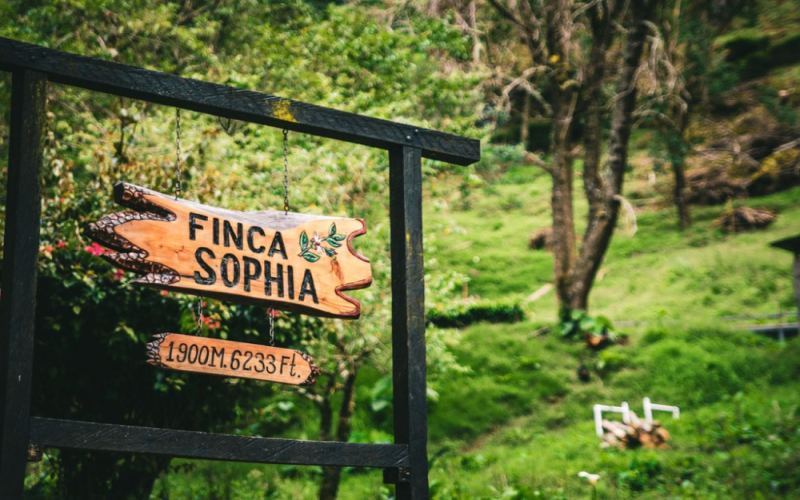
In the brilliant starry sky of Panama's specialty coffee, Finca Sophia is a particularly dazzling new star. Founded in 2008 by coffee expert Willem Boot, this estate, with its ultra-high-altitude growing environment and extreme pursuit of the Geisha variety, won the washed category championship on its first participation in the BOP competition in 2017, and in 2020 won the washed category championship again as well as second place in the natural category. This article will delve into the background story, cultivation challenges, and terroir conditions of Finca Sophia, and present a detailed flavor description and brewing suggestions for the 2022-crop natural Geisha sold at Front Street Coffee stores, unveiling the unique charm of this top-tier Geisha for you. [more…]
Flavor Characteristics of Major Coffee Regions Around the World: A Guide to Tasting Profiles and Mouthfeel from Africa to the Americas
Even different plots within the same estate can produce coffees with distinct flavors, let alone major regions spanning continents. The three great specialty coffee belts—Asia, Africa, and Central & South America—nurture vastly different flavor profile characteristics due to terroir differences: Ethiopia's floral and citrus notes, Indonesia's rich herbal undertones, and Central America's balanced chocolate character, each with its own following. Before deciding to put a coffee on the shelf, Front Street Coffee repeatedly roasts and cups samples from each region, selecting the most representative lots before recommending them to consumers. This article systematically organizes the flavor characteristics and taste descriptions of major coffee-producing countries worldwide, covering Ethiopia and Kenya in Africa; Indonesia and India in Asia; Guatemala, Costa Rica, and Panama in Central America; and Colombia and Brazil in South America, providing coffee lovers with a complete flavor profile reference. [more…]
Panama Boquete Honey-Processed Geisha Coffee Beans: A Complete Analysis from Terroir to V60 Pour-Over Parameters
Panama Geisha has traditionally been dominated by natural or washed processing—the former emphasizing berry notes, the latter highlighting floral aromas and citrus acidity. But this article introduces a rarer honey-processed Geisha—from Panama's Boquete region, sourced by Front Street Coffee. The article will walk you through Boquete's high-altitude volcanic terroir, the origins and principles of honey processing, the rise to fame of the Geisha variety, and Front Street's roasting curve, cupping data, and V60 pulse-pouring recipe for this bean. Whether you want to understand the sweetness expression of honey-processed Geisha or need a set of reference pour-over parameters, you'll find the corresponding content in this article. [more…]
How to Describe Coffee Flavors? A Comprehensive Analysis of Flavor Characteristics of Major Coffee-Producing Countries and Regions Worldwide
Even coffee from different plots within the same estate can vary in flavor, let alone regions spanning different countries. The three major specialty coffee regions—Asia, Africa, and the Americas—each display distinctly different regional characteristics due to their unique terroir. Ethiopia's floral and citrus notes and the rich, full-bodied character of Asian coffees each have their own following. When recommending single-origin beans to customers, Front Street Coffee matches them based on taste preferences—those who prefer acidity can choose Front Street Kenya Small Tomato or Front Street Yirgacheffe, while those who enjoy a full-bodied cup can try Front Street Jamaica Blue Mountain or Front Street Golden Mandheling. Front Street currently offers more than 200 specialty coffee beans, and every bean has undergone repeated roasting tests and cupping screenings, only being recommended to consumers after confirming it is representative of its region. The following content is a coffee flavor guide compiled by Front Street after multiple rounds of roasting and cupping of common coffee regions around the world. [more…]
Panama Hacienda La Esmeralda Diamond Mountain Coffee Flavor Analysis: Terroir, Variety Processing Methods, and Cupping Performance
Panama is located at the strategic isthmus of Central America. The completion of the Panama Canal not only facilitated shipping and trade, but also brought advanced agricultural technology from Europe and the United States to this land. Specialty coffee is mainly concentrated in the northern region near Costa Rica and bordering the Pacific Ocean, with Boquete, David, Remancimiento, Bugaba, and Volcán in Chiriquí Province being the core producing areas. Front Street Coffee's Panamanian coffee has always been known for its mild to bright acidity and lingering sweetness, with an impressive honeyed floral sweetness interwoven with citrus, jasmine, almond, and mango. In the third wave of coffee, Hacienda La Esmeralda is undoubtedly the most legendary famous Panamanian estate, having won numerous awards since 2004, and after starting independent auctions in 2008, it has continuously set record-breaking prices. In addition to its top auction lots, the estate has also launched many accessible series, and Diamond Mountain is one of them. This article will interpret Diamond Mountain in terms of its producing area conditions, variety processing, and flavor performance. [more…]
A Complete Analysis of the Sidra Coffee Variety: From Its Ecuadorian Origins to Its Rise to Fame in Colombia
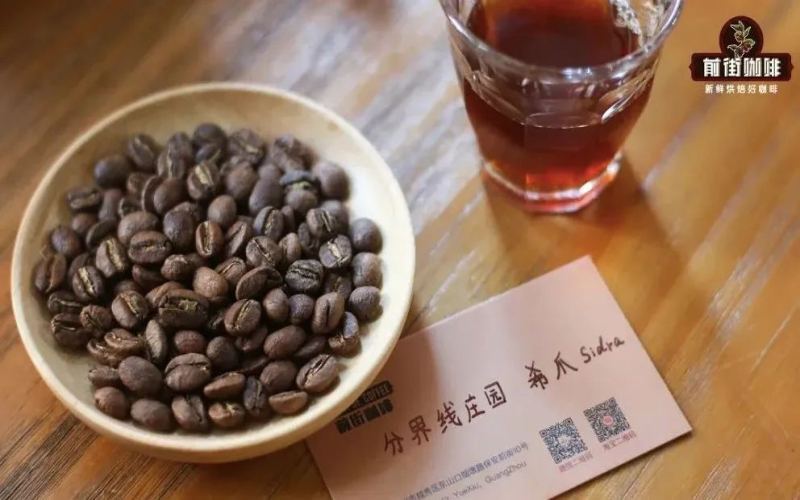
In recent years, Sidra has frequently taken top honors in world coffee competitions, becoming a hot variety in the specialty coffee scene. Many people assume it originated in Colombia, but its story actually begins at a Nestlé breeding center in Ecuador. This article will walk you through Sidra's botanical characteristics, origin history, genetic testing results, and why it has not been widely cultivated globally. At the same time, Front Street Coffee has selected Sidra beans from Finca La Divisa in Colombia's Huila region, delivering grape, passion fruit, and honey-like sweetness that is well worth trying. [more…]