







Why does Rwandan arabica coffee bean taste so layered?
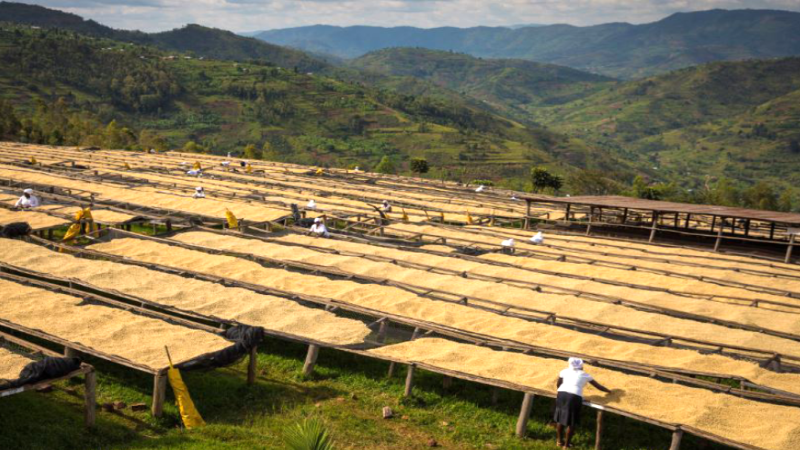
Rwanda grows coffee on hillsides at 1,700 to 2,000 meters, where high altitude, volcanic soil, and abundant sunshine combine into conditions suited to arabica. More than ninety percent of local coffee trees are Bourbon and mixed Bourbon lines, and washed processing is the mainstream, which together produce floral, citrus, berry, and green tea notes in the cup.
Growing areas sit in the south and west. The Huye mountain area and Nyamagabe in the south tend toward floral and citrus acidity, while the Nyamasheke region by Lake Kivu in the west gives fuller flavor, rich aroma, and ample juiciness. Front Street's Rwandan washed Red Bourbon comes from Nyamasheke, and its Gaseke coffee is a Bourbon mixed variety.
With its high altitude, volcanic soil, and abundant sunshine, Rwanda has become a producing area not to be overlooked in Africa's specialty coffee landscape. Over ninety percent of local coffee trees are Bourbon and its mixed varieties, with washed processing as the mainstream, presenting multi-layered flavors of floral, citrus, berry, and green tea notes. From Huye in the south to the shores of Lake Kivu in the west, different producing regions each have their own characteristics. The Rwandan washed Red Bourbon launched by Front Street Coffee comes from the Nyamasheke producing region in the west. This article will take you through growing conditions, variety advantages, processing techniques, and cupping performance to comprehensively understand the coffee charm of this "Land of a Thousand Hills."
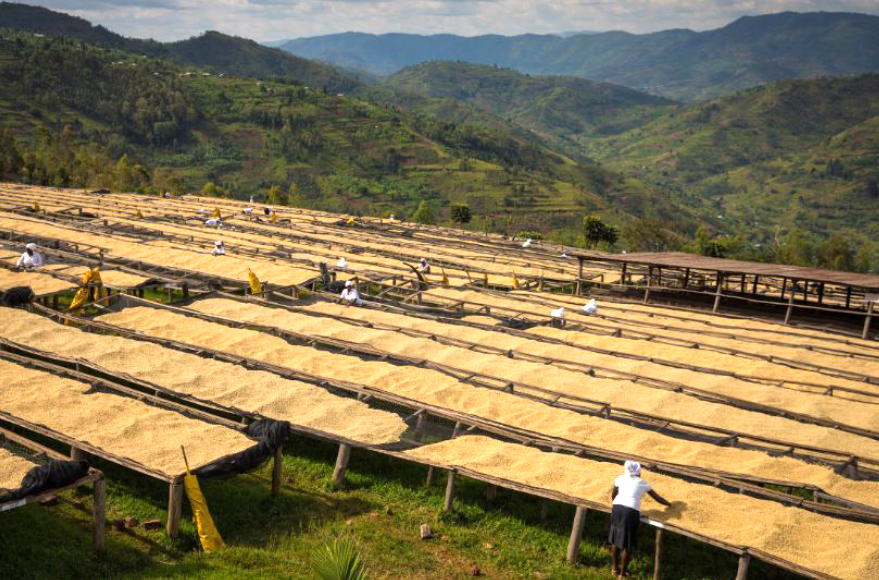
Rwanda has a temperate and tropical highland climate, where high altitude, volcanic soil, and abundant sunshine together form an ideal coffee-growing environment. Many local coffee trees grow on hillsides at 1,700 to 2,000 meters, which is why Rwanda is also called the "Land of a Thousand Hills."
Rwanda's Arabica coffee bean growing areas are concentrated in the south and west. The Huye mountain area and Nyamagabe region in the south, due to their higher altitude, often produce coffee with floral and citrus notes; the Nyamasheke region by Lake Kivu in the west is known for high-quality coffee with full flavor, rich aroma, and ample juiciness. The main producing regions are as follows: Southern region: Huye, with higher altitude, coffee has floral and citrus acidity. Western region: Lake Kivu, coffee has a richer mouthfeel and fruity juice-like texture. Eastern region: Ngoma Lakes, with chocolate and fruity flavors. Northern region: with citrus, nut, and caramel flavors. The Gaseke coffee launched by Front Street belongs to the Nyamasheke region by Lake Kivu in the west, and is mainly a Bourbon mixed variety.
In Rwanda, more than ninety percent of coffee varieties are the early-introduced Bourbon and mixed lines of the Bourbon family. These coffee trees have strong disease resistance and can cope with general natural disasters. Bourbon coffee first became widely popular in Latin America, but because of its weaker disease resistance, not many countries still grow it today. The several Latin American Bourbon coffee beans currently purchased by Front Street include Brazil Red Bourbon, Brazil Yellow Bourbon, and Colombia Pink Bourbon. By contrast, Rwanda's Bourbon still retains its advantages, which is one reason Front Street Coffee is willing to launch Rwandan coffee beans.
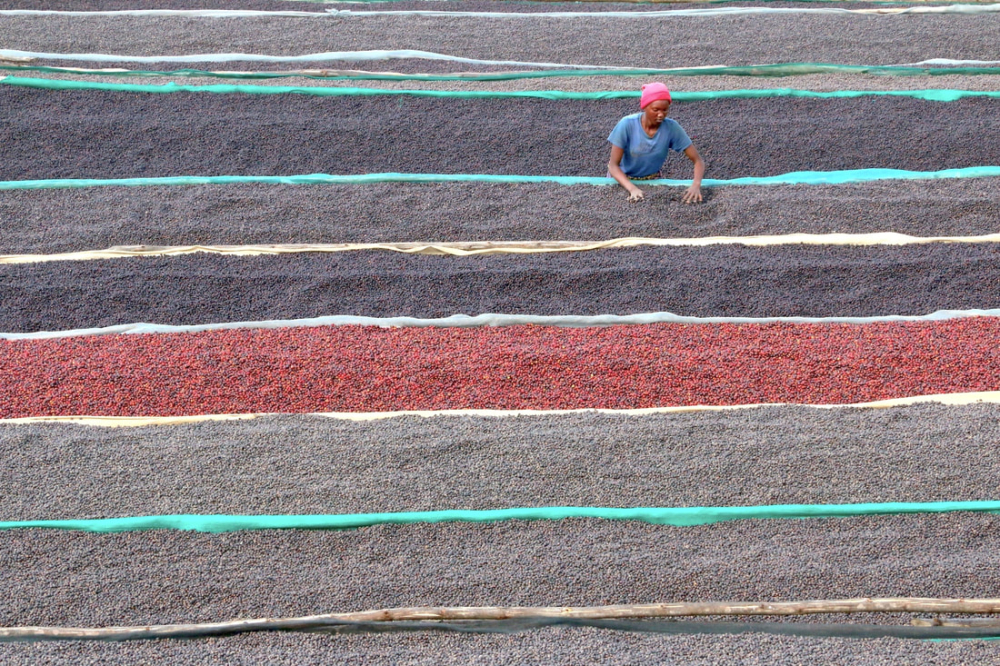
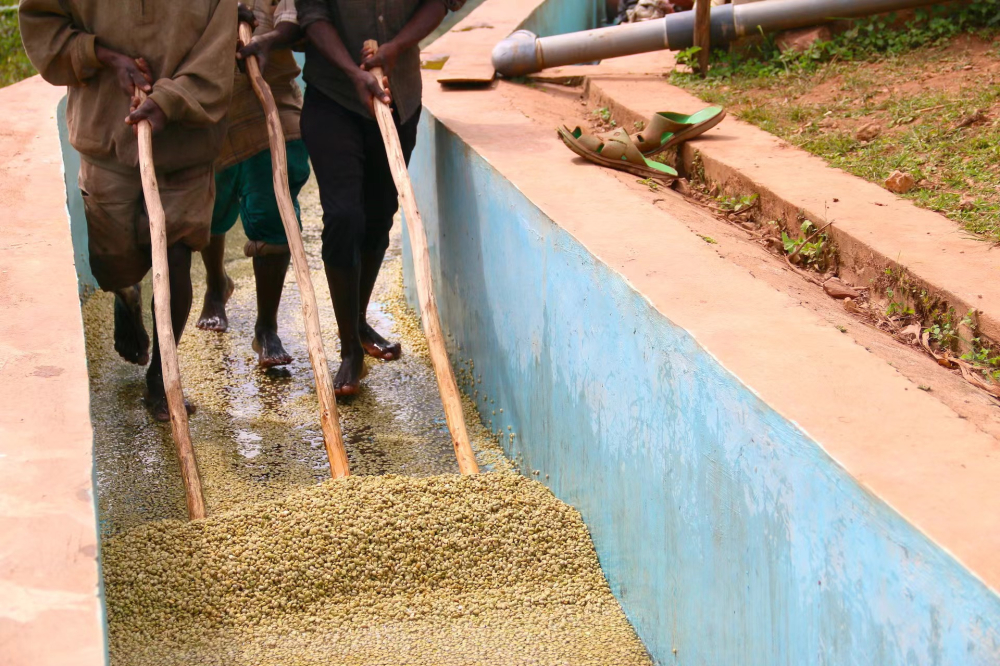
Front Street has always believed that the processing method chosen for a bean is crucial. Rwandan coffee is mainly washed processed. The general process is: first float the harvested coffee cherries to remove fruits with insufficient density, then remove the skin and pulp; next, place the coffee beans that still have mucilage into a water tank to rest and ferment, a step intended to avoid damaging the coffee's flavor; after fermentation ends, rinse off the mucilage layer with clean water, and finally send the clean parchment coffee beans for drying. Some coffee beans are dried on raised beds for 15 to 22 days, bringing the green bean moisture content down to about 11% to 13%.
Rwanda is very particular about controlling the details in the washing stage. Local farmers first sort out unripe fruits after harvesting coffee cherries, and only red cherries are sent into the depulper. Front Street Coffee also believes that washed coffee has brighter acidity, better cleanliness, and a more stable overall performance.
Therefore, when Front Street Coffee recommends coffee beans from a certain producing region, it usually gives priority to recommending the washed version, because washing best showcases the coffee's essential flavor and also allows one to understand the flavor characteristics of that region through washed beans. As for Rwanda using washing as its main processing method, Front Street Coffee highly approves and considers it a very wise choice.
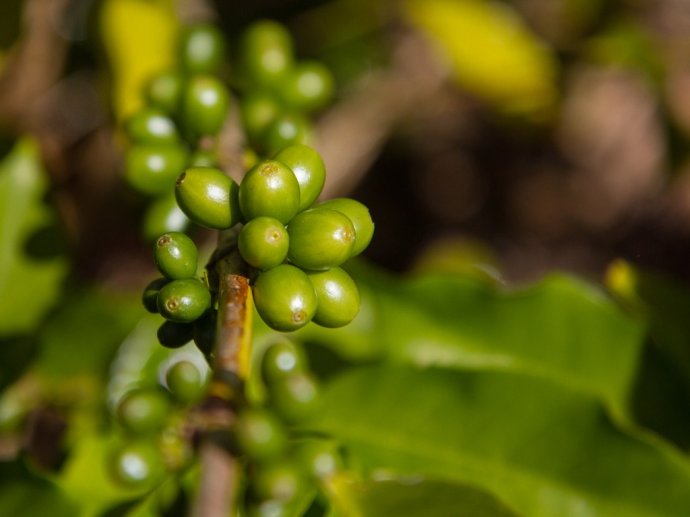
If you are already tired of drinking Ethiopian and Kenyan coffee, you might as well try Front Street Rwandan Red Bourbon. This bean comes from Nyamasheke in the west, is washed processed, and belongs to the specialty grade. It almost brings together Rwanda's finest representative traits, so naturally you can taste the most distinctively Rwandan flavor of terroir from it.
Front Street Rwandan · Washed Red Bourbon Coffee Beans
Country: Rwanda
Region: Nyamasheke
Altitude: 1,500~1,700 meters
Variety: Red Bourbon
Processing method: Washed
Flavor: Berry, apple, green tea, apricot
In order to more fully present Rwanda's regional flavor, Front Street used a medium-light roast profile for this bean and conducted cupping 8 hours after roasting was completed.
During cupping, Front Street captured the fresh aroma of apple and green tea from the dry fragrance of this bean, along with a faint trace of floral scent, making it very refreshing overall. After hot water was poured in, the aromas of berry and green tea emerged.
On the palate, the first thing Front Street felt was a berry-like sweet-tartness, after which the acidity quickly faded and clean sweet flavors such as apple and apricot gradually appeared. After swallowing, clear green tea and apple freshness could also be captured in the aftertaste. The entire coffee's flavor profile is quite balanced, with a clean and solid mouthfeel, making it very pleasant to drink.
The above content is compiled by CoffeeHunters, a coffee news website.


