







Search Results for: commercial cultivation

Arabica Coffee | What are the three main categories of coffee beans? What coffee variety is Yunnan coffee? Recommended Yunnan specialty coffee suitable for beginners
For professional coffee knowledge exchange and more coffee bean sharing, please follow Front Street Coffee (FrontStreet Coffee). In plant taxonomy, coffee belongs to the Rubiaceae family, under which there are at least over a hundred coffee species, with about eighty confirmed varieties of coffee trees, among which those used for drinking coffee [more…]
A Complete Guide to Hawaii's Coffee Regions: From Growing History to Kona Flavor and Specialty Bean Roasting
The Hawaiian Islands lie south of the Tropic of Cancer, and thanks to their volcanic soil and tropical climate, they produce coffee that is recognized worldwide as exceptional. The Kona growing region is the most famous, yet the history of coffee cultivation in Hawaii has been full of ups and downs—from its first introduction in 1825 to infestations of pests and diseases, and then the rise of small estates, spanning nearly two centuries. This article examines the full picture of Hawaiian coffee, from the history of its growing regions and flavor characteristics to the Kona certification system and emerging sub-regions such as Kau, Hamakua, and Puna, and explores how roasters like Front Street Coffee bring out its distinctive charm. [more…]

Analysis of Coffee Tree Potted Cultivation and Growing Region Conditions: From Plant Classification to Artificial Planting Practices
Coffee, this everyday beverage, originates from the fruit of the coffee tree. This article begins with its botanical classification and systematically examines the origins, growth habits, and suitable cultivation regions of the coffee tree. The coffee tree belongs to the genus Coffea in the family Rubiaceae and is an evergreen shrub, naturally distributed across the "Coffee Belt" between the Tropic of Cancer and the Tropic of Capricorn. Beyond commercial cultivation, the coffee tree can also be grown as an ornamental potted plant, displaying its unique charm in artificial environments. The article will explain in detail the coffee tree's growth cycle, pruning management, and planting applications in coffee shops, accompanied by multiple images to aid explanation, helping coffee enthusiasts gain a more comprehensive understanding of this plant's natural and cultivated growing requirements. [more…]
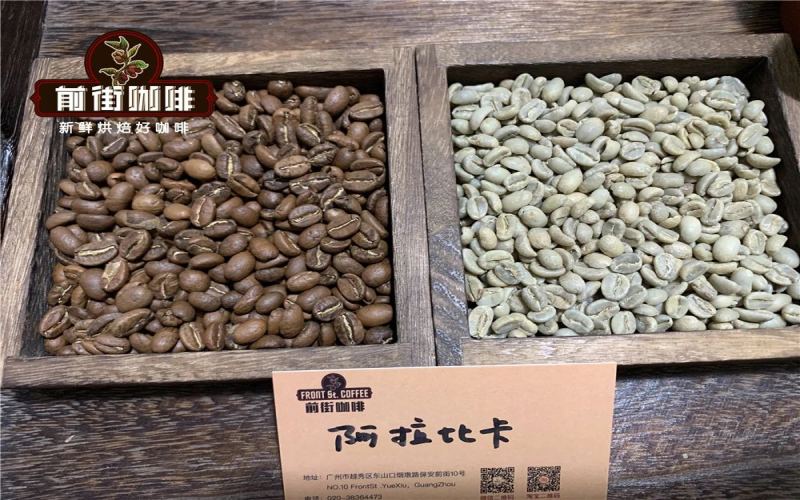
Arabica Specialty Coffee Bean Buying Guide | What Coffee Is Arabica Single-Origin Coffee Bean Suitable For?
We often see the words "pure Arabica coffee beans" in TV commercials, or in coffee shops and convenience stores. Many people are very curious: what are Arabica coffee beans? In this article, Front Street will answer these questions one by one ~ What are Arabica coffee beans? There are three main types of coffee beans in the world. [more…]
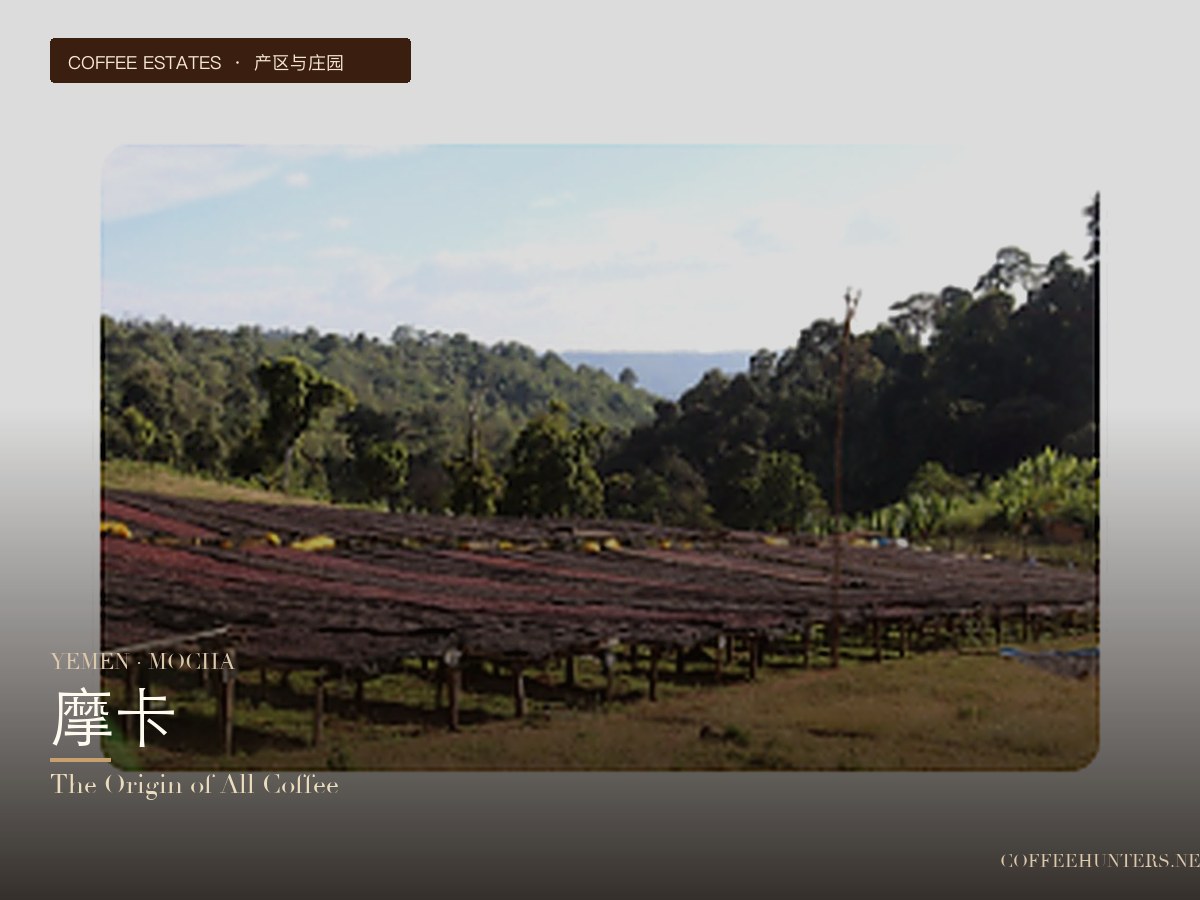
Yemen · Mocha: The Origin of Coffee and Ancient Flavors
Yemen is the birthplace of commercial coffee cultivation, and the port of Mokha was once the starting point of the global coffee trade. This article takes you through the long history of Yemeni coffee, its unique processing methods, and how it performs in the cup. [more…]
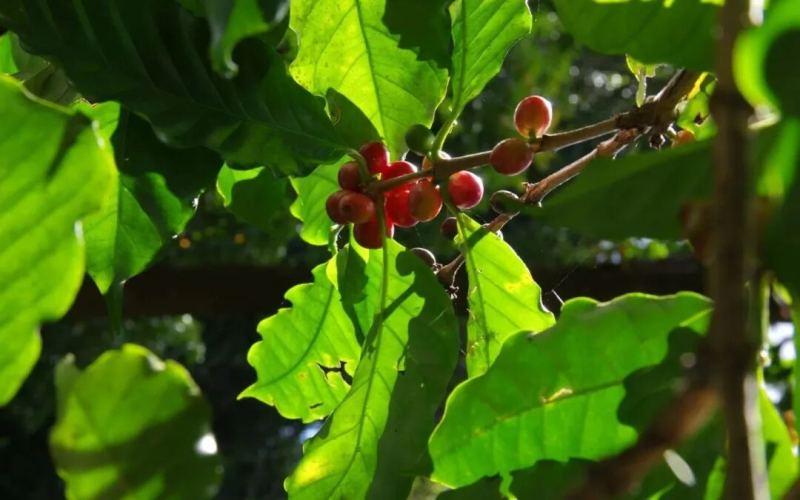
Ethiopian Coffee Beans | How Many Coffee Regions Are There in Ethiopia? Which Washing Stations and Cooperatives Produce Ethiopian Specialty Coffee?
As the birthplace of coffee, Ethiopia has always been a pilgrimage site for many coffee professionals. Many friends who come to Front Street Coffee ask as soon as they walk in whether we have Ethiopian beans, whether we have Yirgacheffe beans. Yes, whether for coffee beginners or coffee connoisseurs, Ethiopian coffee beans have that bright [more…]
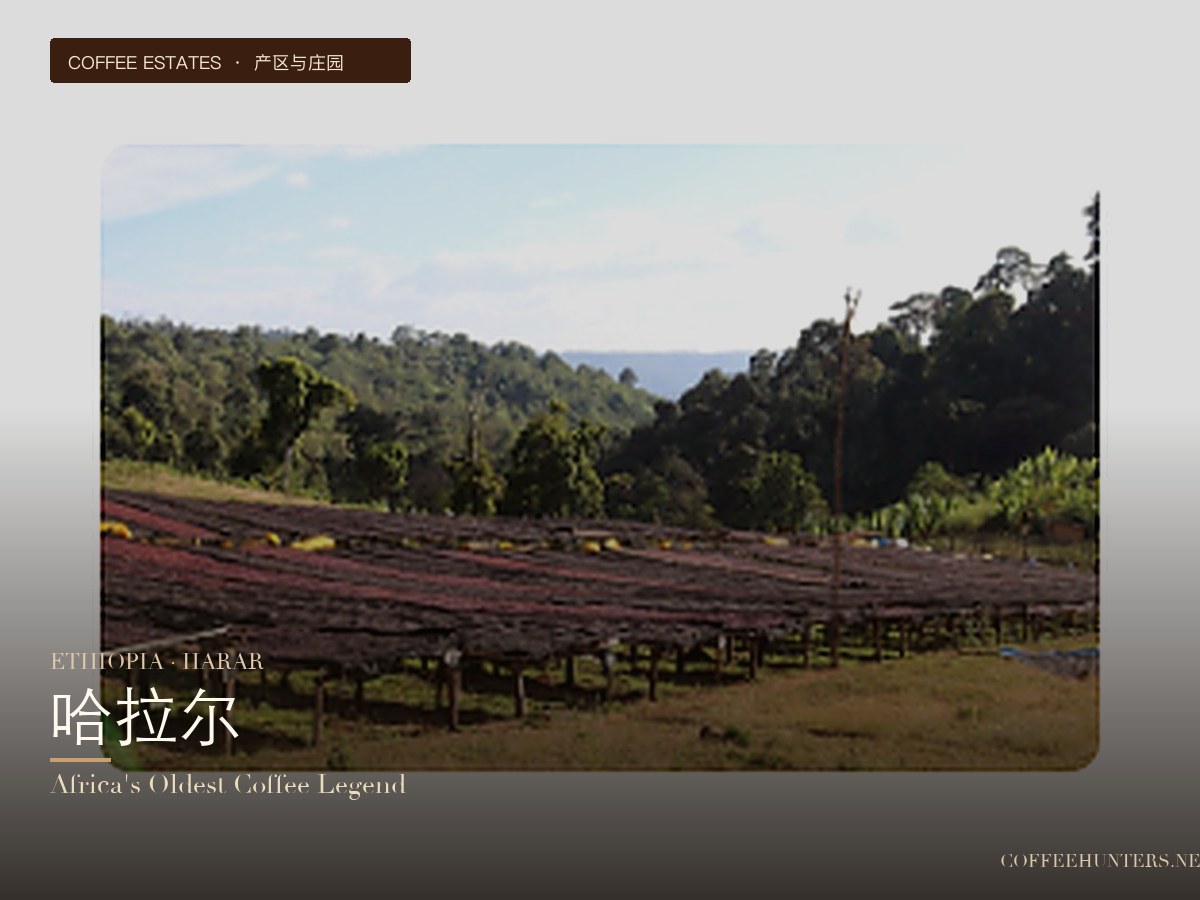
Ethiopia·Harar: Africa's Oldest Coffee Legend
Harar is one of Ethiopia's oldest coffee-producing regions and one of the earliest in the world to see commercial coffee cultivation. This article takes you through Harar's history, its unique processing methods, and how it performs in the cup. [more…]
A Complete Guide to Arabica Coffee: From Botanical Classification to Variety Characteristics and Origin Distribution
What exactly does a coffee tree look like? What is the essential difference between Arabica and Robusta? Starting from botanical classification, this article systematically sorts out the complete classification system of the genus Coffea and explains in detail the origins, growing conditions, flavor characteristics, and main subspecies of the two major commercial varieties, Arabica and Robusta. You will learn about the anatomical structure of the coffee cherry, the spread paths of classic subspecies such as Typica and Bourbon, and the genetic connections between Yunnan small-bean coffee and Blue Mountain and Kona. Whether you are a beginner enthusiast or a seasoned professional, this basic knowledge about coffee varieties is worth reading. Front Street Coffee will also recommend variety information worth paying attention to in this article. [more…]
Analysis of Yunnan small-bean coffee varieties: From Catimor to Typica—flavors, origins, and brewing suggestions
Yunnan, as the core coffee-growing region in China, nurtures small-bean coffee that is rich but not bitter, aromatic but not harsh, with a slight fruity note, thanks to its low latitude, high altitude, and abundant rainfall. The most common variety on the market is Catimor, but a small amount of Typica is still grown—for example, Front Street Coffee's estate in Lincang cultivates Typica. This article systematically reviews the variety classification, morphological characteristics, main producing regions, processing methods, and brewing parameters of Yunnan coffee, and includes flavor descriptions of Front Street Coffee's washed Yunnan small-bean, natural Catimor, and 2013 natural Typica, helping enthusiasts gain a comprehensive understanding of Yunnan coffee's past and present. [more…]

A Comprehensive Interpretation of the Quality Characteristics and Grading Standards of Yunnan Coffee Beans
As the core production region for China's domestic coffee, Yunnan's coffee bean quality and grading system have always attracted much attention. From the perspective of Front Street Coffee, this article systematically reviews the history of coffee cultivation in Yunnan, the current state of varieties, and the existing grading standards, while exploring in depth the opportunities and challenges Yunnan coffee faces on its path toward specialty status. At the same time, drawing on its own planting experience in Lincang, Yunnan, Front Street recommends representative washed and natural Yunnan arabica coffees, offering coffee lovers a reference for understanding the regional taste of Yunnan. [more…]
Complete Guide to Arabica Coffee: Origins, Variety Characteristics, and Processing Method Flavor Guide
Coffee belongs to the Rubiaceae family, with over a hundred known species, but commercial cultivation is dominated by three major types: Arabica, Robusta, and Liberica. Among them, Arabica, with its outstanding aroma and flavor, accounts for over seventy percent of global production and is the core raw material for single-origin and specialty coffee. This article will systematically review the varietal characteristics, advantages and disadvantages, and sub-varieties of Arabica, and introduce one by one the cultivated varieties, processing methods, grading standards, and flavor profiles of representative producing countries such as Brazil, Colombia, Panama, Guatemala, Costa Rica, Jamaica, Ethiopia, Kenya, and Indonesia. It will also incorporate Front Street Coffee's sourcing experience and recommendations to help coffee enthusiasts build a complete framework for understanding origins. [more…]
Brazil · Cerrado and Sul de Minas: The Backbone of Global Coffee Production
Brazil is the world's largest coffee producer, with Cerrado and Sul de Minas being its two most core producing regions. This article takes you through the history of coffee cultivation in Brazil, its flavor characteristics, and its unique place in the world of specialty coffee. [more…]

Espresso Tasting | Which specialty coffee beans make good-tasting espresso? What are the ways to drink Italian-style espresso?
For more specialty coffee knowledge, please follow: Front Street Coffee (Frontsteet Coffee) Espresso has always been known as the "soul of coffee"! However, because Espresso has a rich mouthfeel and strong flavor, it is often hard for people to accept. But once [more…]
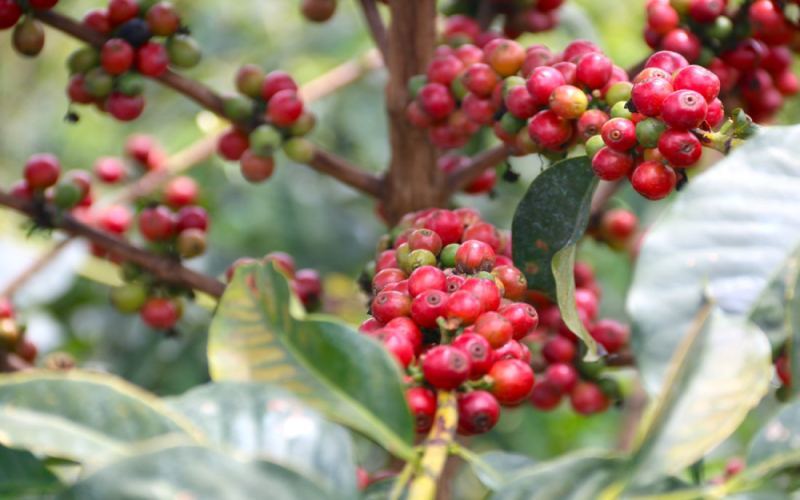
The Origin, Flavor Characteristics of the Brazilian Yellow Bourbon Coffee Variety, and Front Street Roasting Recommendations for Queen's Farm
Yellow Bourbon is a rather legendary variety in Brazilian coffee. With its distinctive yellow appearance when ripe and outstanding flavor performance, it has attracted considerable attention in the specialty coffee world in recent years. Its history can be traced back to a natural mutation of Red Bourbon in the 19th century. Later, through systematic research by the Campinas Agronomic Institute (IAC), its genetic mechanism and cultivation characteristics were gradually clarified. Although its yield is relatively low and its disease resistance is weak, Yellow Bourbon often displays a flavor profile in cupping characterized by prominent sweetness and bright citrus acidity. This article reviews the variety's origins, genetic principles, and key cultivation points, and introduces the Yellow Bourbon from Fazenda Rainha in Brazil, along with Front Street Coffee's roasting approach and flavor description. [more…]
The Century-Long Planting History and Variety Evolution of Yunnan Small-Bean Coffee: Industrial Transformation from Typica to Catimor
Yunnan coffee has traveled a long and winding road of growth, from the first coffee seedling introduced by missionaries a century ago to its current status as a common choice in specialty coffee shops. This article traces the complete story of Yunnan small-bean coffee—its cultivation origins, the evolution of varieties, and the upgrading of the industry—and also explores the distinct characteristics of the two varieties, Typica and Catimor. For coffee lovers who want to understand the flavors of the Yunnan growing region or who are currently choosing a Yunnan single-origin bean, this article offers a comprehensive reference ranging from historical background to practical brewing, and it also includes Front Street Coffee's Yunnan bean brewing recipe and flavor description. [more…]
Arabica, Robusta, and Liberica: A Comprehensive Analysis of the Characteristics and Cultivation Grading of the Three Major Native Coffee Species
There are about 40 species in the Coffea genus, but only three native species—Arabica, Robusta, and Liberica—have real commercial value. They differ markedly in appearance, flavor, disease resistance, suitable altitude, and cultivation conditions: Arabica is elegant yet delicate, Robusta is hardy and intense, while Liberica is limited to localized trade in West Africa. Starting from botanical characteristics, this article systematically sorts out the origin distribution, climate and soil requirements, the complete cultivation process from sowing to harvesting, and the grading systems that producing countries have formed based on altitude, screen size, and defect bean ratios. Whether you are new to specialty coffee or want to understand the logic of origins more deeply, this foundational knowledge will help you more clearly judge the variety and terroir code behind the flavor in your cup. Front Street Coffee will also combine the key points in this article to recommend directions for your everyday purchases. [more…]

Espresso Blend Coffee Bean Recommendations | What Is a Coffee Blend? Which Coffee-Producing Regions' Beans Are Suitable for Blending? Introduction to Espresso Blend Principles and Coffee Bean Variety Ratios
Front Street Coffee · The Art of Blending Coffee Beans and Sharing an Espresso Blend Recipe Blending coffee, also known as mixed coffee, is the practice of combining various single-origin coffee beans to fully bring out the strengths of each one. Blended beans [more…]
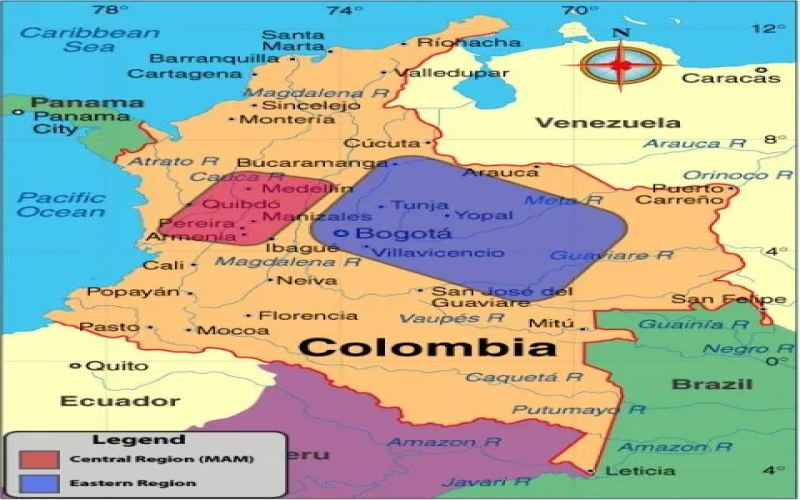
Central American Coffee Beans | Which regions in Colombia produce specialty coffee? What does the MAM designation mean? What are the flavor characteristics of washed beans from the Huila region?
Colombia is the world's second-largest producer of Arabica coffee beans after Brazil. Everyone is well acquainted with the chocolate-like flavor characteristic of Colombian coffee beans. Everyone also knows that coffee originated in Ethiopia—so if no one had brought coffee seeds or coffee saplings to Colombia, how could this [more…]

The Origin and History of Yunnan Coffee | What Variety Is Yunnan Small-Bean Coffee? Recommended Yunnan Specialty Pour-Over Coffee Beans for Beginners
Most of China's coffee is produced in Yunnan Province, which borders coffee-rich countries such as Myanmar, Laos, and Vietnam. Front Street has previously covered the history of Yunnan coffee, but let's go over it again here to help refresh everyone's memory. In 1904, a French missionary named Tian Denerg introduced some plants to Yunnan, hoping to drink a [more…]
KOUANDJI Estate, New Caledonia, South Pacific: The Rare Legend of Bourbon Pointu Leroy Coffee Beans
In the Melanesian archipelago of the South Pacific, New Caledonia is like a vibrant oasis, hiding one of the world's rarest, most expensive, and most unusual coffees. KOUANDJI Estate is located at the foot of the mountains about 25 kilometers southeast of the capital, Nouméa, and is dedicated to reviving the region's nearly vanished coffee-growing industry. The estate cultivates "Leroy," also known as Bourbon Pointu, named for the pointed ends of its fruit. Its caffeine content is only half that of ordinary Arabica, and its yield is extremely low—even the French presidential palace must purchase it in limited quantities. Front Street Coffee has always paid attention to such niche, rare bean varieties. This article will take you deeper into the story behind its historical origins, variety characteristics, and unique flavor. [more…]