







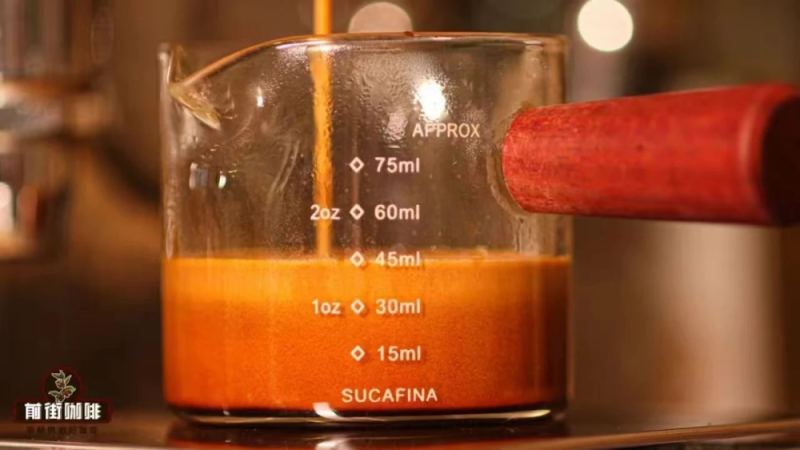

For more specialty coffee knowledge, please follow: Front Street Coffee (Frontsteet Coffee)
Espresso has always been known as the "soul of coffee"! But because espresso is rich and intense, it often strikes people as hard to accept—though once you embrace it, you find it has a distinctive charm of its own. Espresso is also a coffee that tests coffee quality and a barista's skill.
Since espresso is loved by so many people, it must have a certain appeal. Next, Front Street Coffee (FrontStreet Coffee) will guide you through understanding espresso!
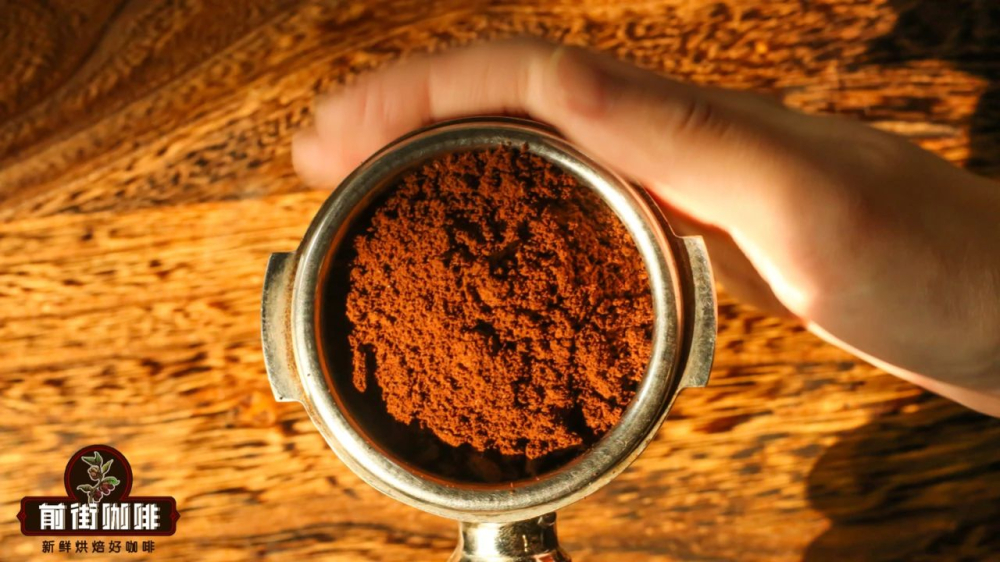
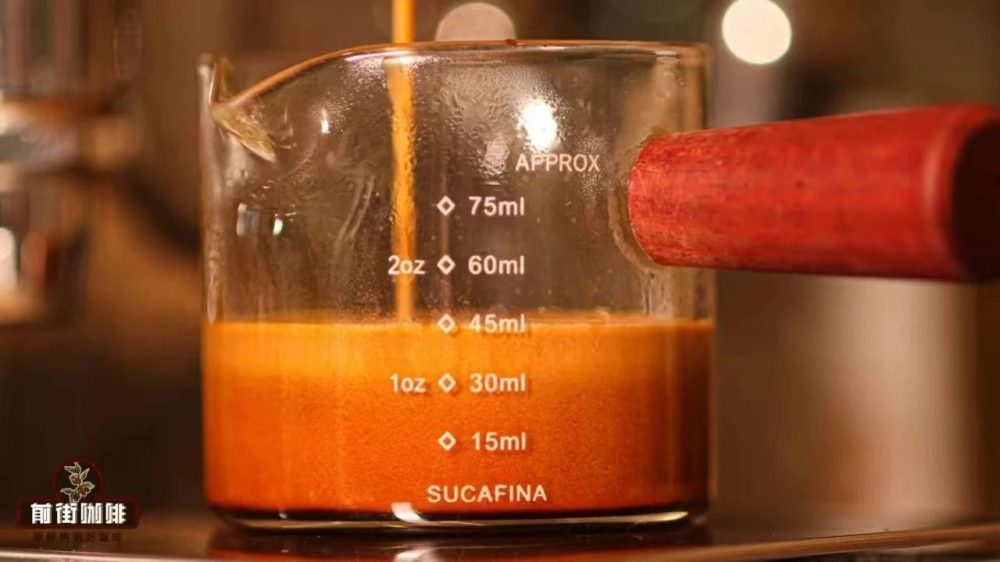
Freshly extracted espresso has a beautiful layer of golden crema, which we generally call "cream." The appearance of cream is inseparable from that 9 bar of pressure. When water is heated and pressurized, it extracts the soluble substances from the coffee grounds, and this process emulsifies the naturally occurring fats and oils in the coffee. At the same time, freshly roasted coffee beans contain carbon dioxide, and during espresso preparation, this carbon dioxide is subjected to pressure and dissolves into the coffee.
How to taste espresso?
1. Smell
Usually when we receive a cup of espresso, the first thing we do is smell its aroma. You will detect notes of nuts and caramel; if the roast is not so dark, you might even smell fruity sweet-and-sour aromas.
2. Observe
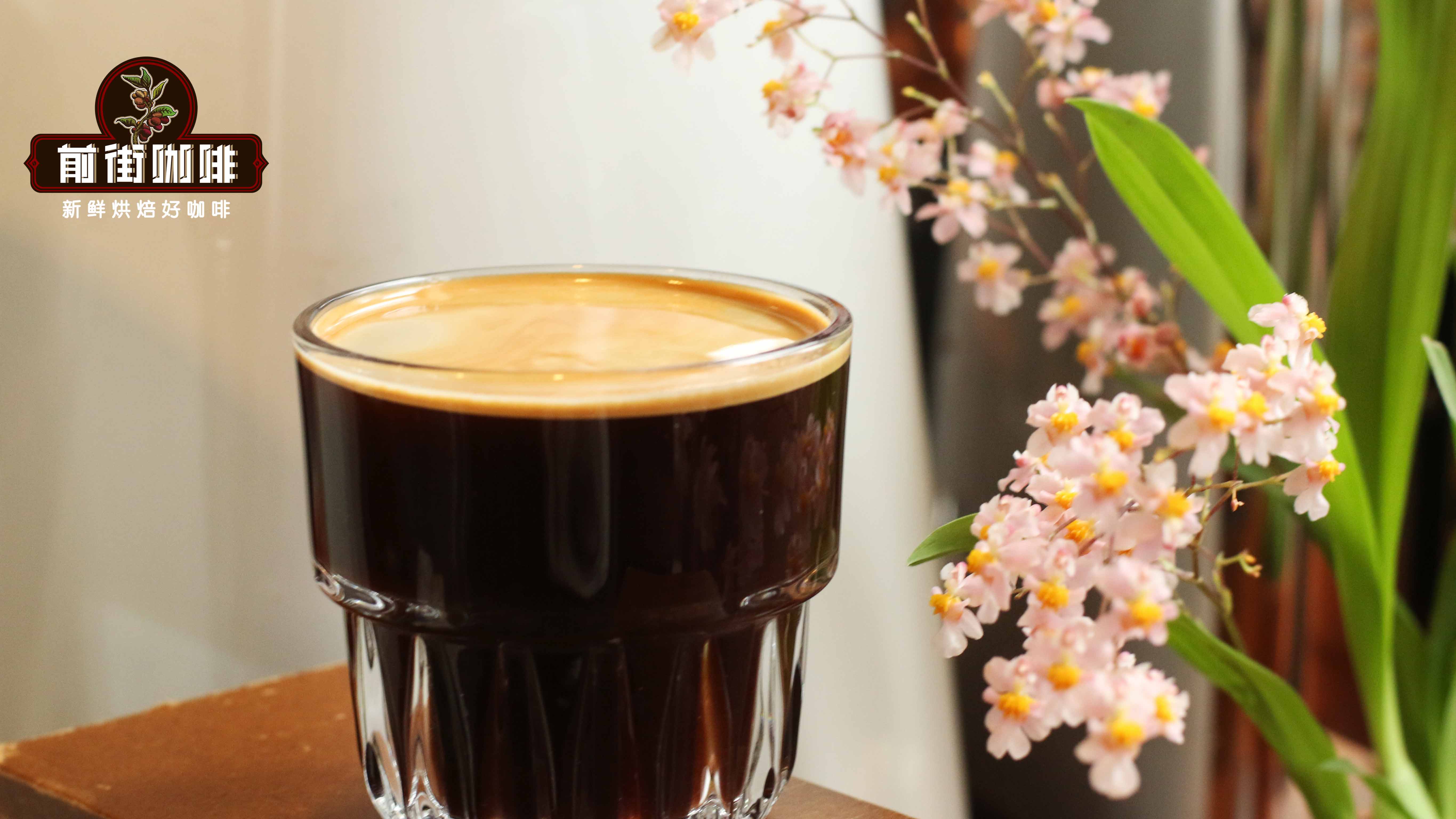
After smelling the aroma, we look at the color and thickness of the cream, because from this we can roughly tell how well the coffee was made.

3. Drink
Espresso is a very small cup of coffee, usually served with a glass of ice water. First take a sip of ice water to rinse your mouth, then down the espresso in one go, feeling the creamy sensation it brings in your mouth, along with intense caramel and nutty flavors.
Besides drinking it straight, are there other ways to enjoy it? Of course. For example, some people who can't handle the intensity of espresso pour a small amount of milk into it, which makes the coffee smoother and less bitter, highlighting caramel and chocolate notes.

Of course, if you find it too rich, you can also add an appropriate amount of water to dilute it, or even make it into an Americano or latte—no problem at all. However, that would lose the original charm of espresso.
Which espresso beans make good-tasting espresso?
Front Street Coffee (FrontStreet Coffee) Espresso Front Street Specialty Blend Coffee Beans: The goal is to blend espresso beans with nutty and cocoa aromas.

Colombia
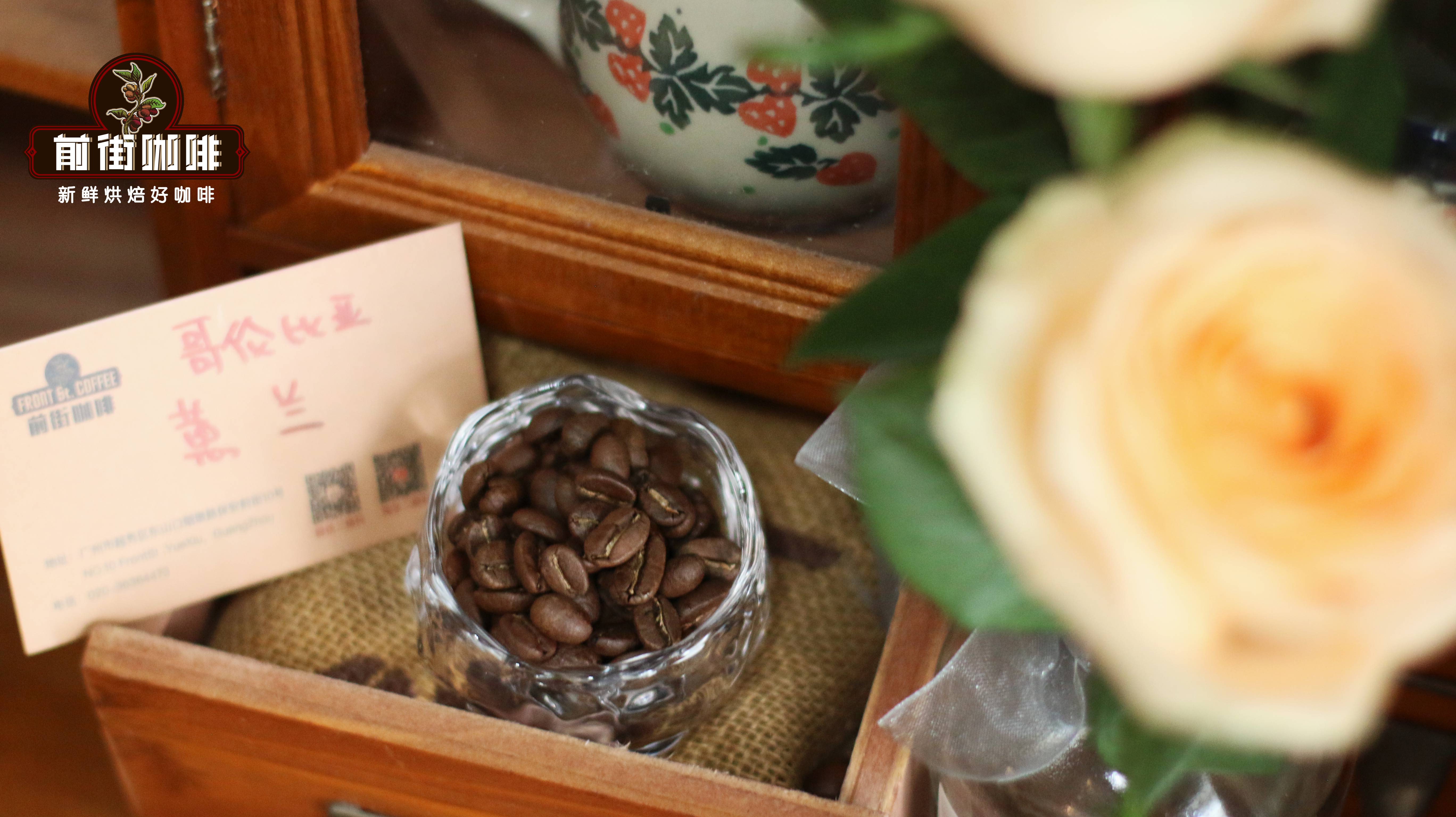
Located in southwestern Colombia, it is one of the major coffee-growing regions. Colombia's elevation is generally 1500-1800 meters, mostly Bourbon and Caturra varieties, washed processing, with higher density, uniform bean size, and plump bean shape (thicker from the core to the surface). Because the Huila region is dotted with famous coffee-growing areas, the names of various small localities have become brand names and circulate widely. Although the growing conditions in this region are also very good, the coffee farms and the surrounding cultivation infrastructure are not yet very developed. The green bean drying equipment and washed processing facilities are still incomplete, which is a rather regrettable point. Coffee from the Huila region has a strong taste and heavier body. Front Street Coffee (FrontStreet Coffee) chooses coffee from the Huila region as a blend component because the coffee beans from this region have nutty, chocolate, and caramel aromas and suitable acidity, making it an ideal base note in a blend.
Huila Growing Region
After comparative cupping at Front Street, it was concluded that Colombian Huila coffee beans have a rich and solid mouthfeel, with a pleasant acidity, fragrant aroma, moderate acidity, and abundant sweetness that is very intriguing. Because of their low price and small beans, they are suitable for blending. The coffee has a strong taste and heavier body. Its nutty, chocolate, and caramel aromas and suitable acidity make it a high-grade specialty coffee, suitable for single origin or as an espresso blend base.
Brazil Cerrado Region
Brazilian coffee generally grows at elevations of 1000-1300 meters, so its density is relatively low. Mostly Bourbon variety, using semi-washed processing. With moderate moisture content, the beans are softer, and the thickness from surface to core is relatively thin, so it is not suitable for roasting at too high a temperature—the temperature of the roaster drum wall will scorch the bean surface, resulting in burnt bitter flavors;
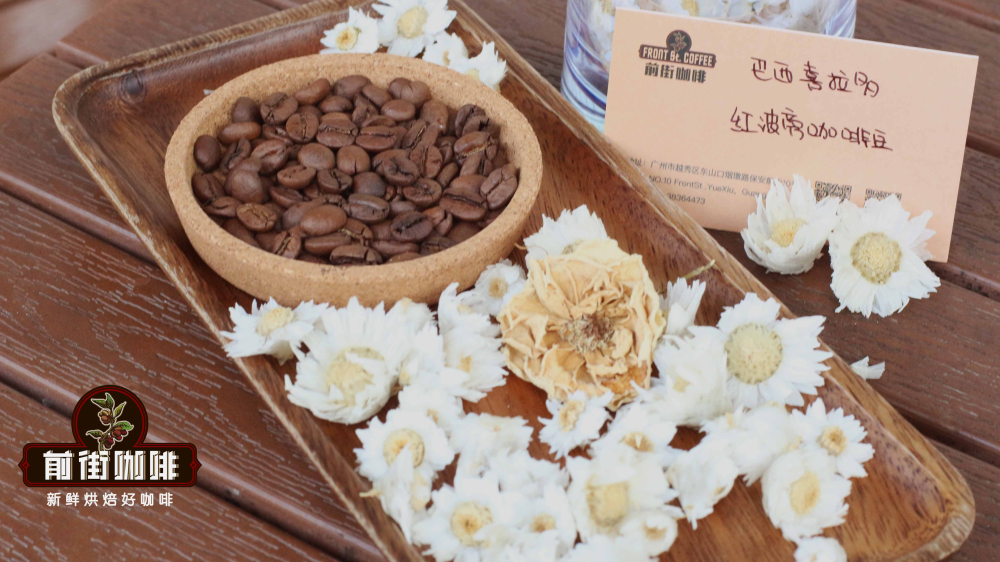
At the same time, if you want to express the characteristics of nuts, milk chocolate, and good body, and use it as a blend base, Front Street's roaster adopts the method of dropping beans at medium heat, maintaining heat through the dehydration phase, and making fine adjustments as the temperature rises after first crack begins, promoting a more complete caramelization reaction, then discharging beans when the temperature approaches second crack. After comparative cupping at Front Street, it was concluded that the Brazilian Cerrado coffee has a comfortable bittersweet taste, extremely smooth on the palate; with a faint grassy aroma, lightly fragrant with a slight bitterness; sweet and smooth, with a refreshing aftertaste;
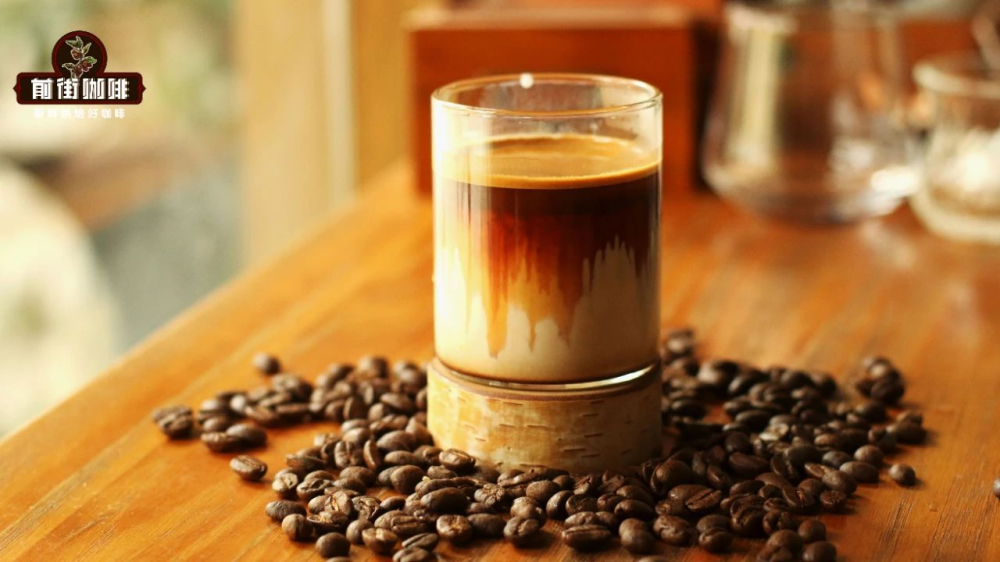
After blending at Front Street, with grind size adjustment and extraction, the resulting espresso has a soft, slightly acidic taste, clean sweetness, and nutty finish. The overall feel is not too intense, mild, with medium crema.
Front Street Coffee (FrontStreet Coffee) Espresso Commercial Blend Coffee Beans: The goal is to blend espresso beans with nutty and cocoa as the main theme, with a full-bodied mouthfeel.
Robusta Variety
Its beans have strong resistance to pests and diseases and high yield. Usually less acidic than Arabica beans, often with a slight woody aroma. Its caffeine content is 2.2%, higher than Arabica's 1.2%, and its chlorogenic acid content is also higher, making it quite bitter and astringent. It is usually used in commercial beans, costing less than Arabica beans.
In terms of flavor from a single bean, coffee from commercial beans is far inferior to specialty coffee beans. Generally, commercial beans are chosen for blending, and through blending, they can also produce very good-tasting coffee, suitable for making lattes, cappuccinos, and other espresso drinks. When Front Street Coffee (FrontStreet Coffee) commercial blend coffee beans are made into espresso, because of the Robusta beans, the crema is richer, the taste is classic, with caramel sweetness, nutty and cocoa, dark chocolate flavors, balanced acidity and sweetness, slightly bittersweet, with a lasting finish.
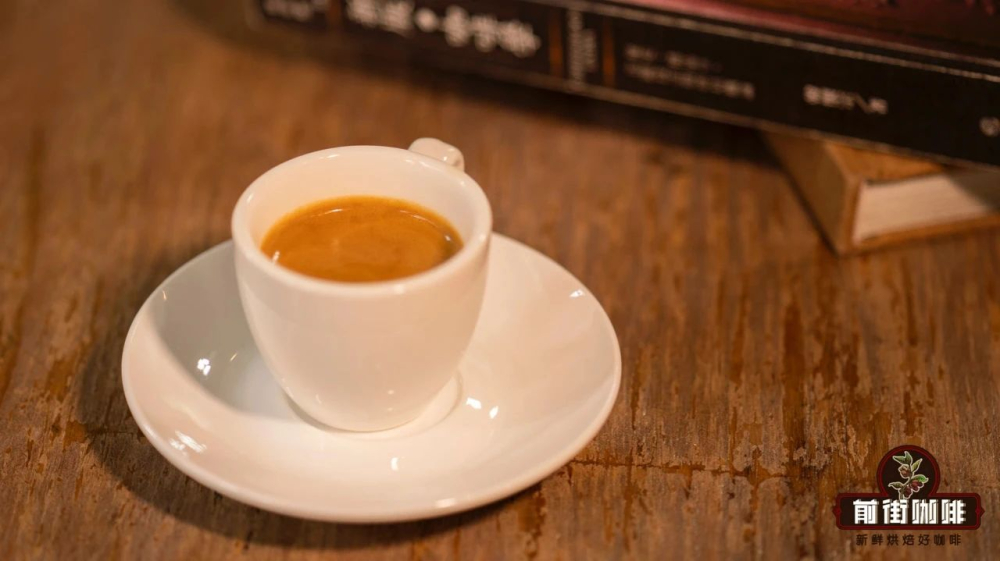
After blending at Front Street, with grind size adjustment and extraction, the resulting espresso has caramel sweetness, nutty and cocoa, dark chocolate flavors, balanced acidity and sweetness, slightly bittersweet, with a lasting finish.
The above content is compiled by CoffeeHunters, a coffee news website.


