







Front Street Coffee · The Art of Blending Coffee Beans and Espresso Blend Recipes Shared
Blended coffee, also known as mixed coffee, is the practice of combining various single-origin coffee beans together so that the strengths of each single-origin bean can be fully expressed. A blend is made from coffee beans of different origins to create a more balanced flavor. For example, if one coffee bean is smooth but lacks aroma, you can add another bean rich in aroma, allowing the advantages of individual beans to complement each other—whether in flavor or by enhancing one another—thus creating a richer new taste. Sometimes the beans are blended first and then roasted, which is called "raw blend"; sometimes the beans are roasted first and then blended, which is called "roasted blend."
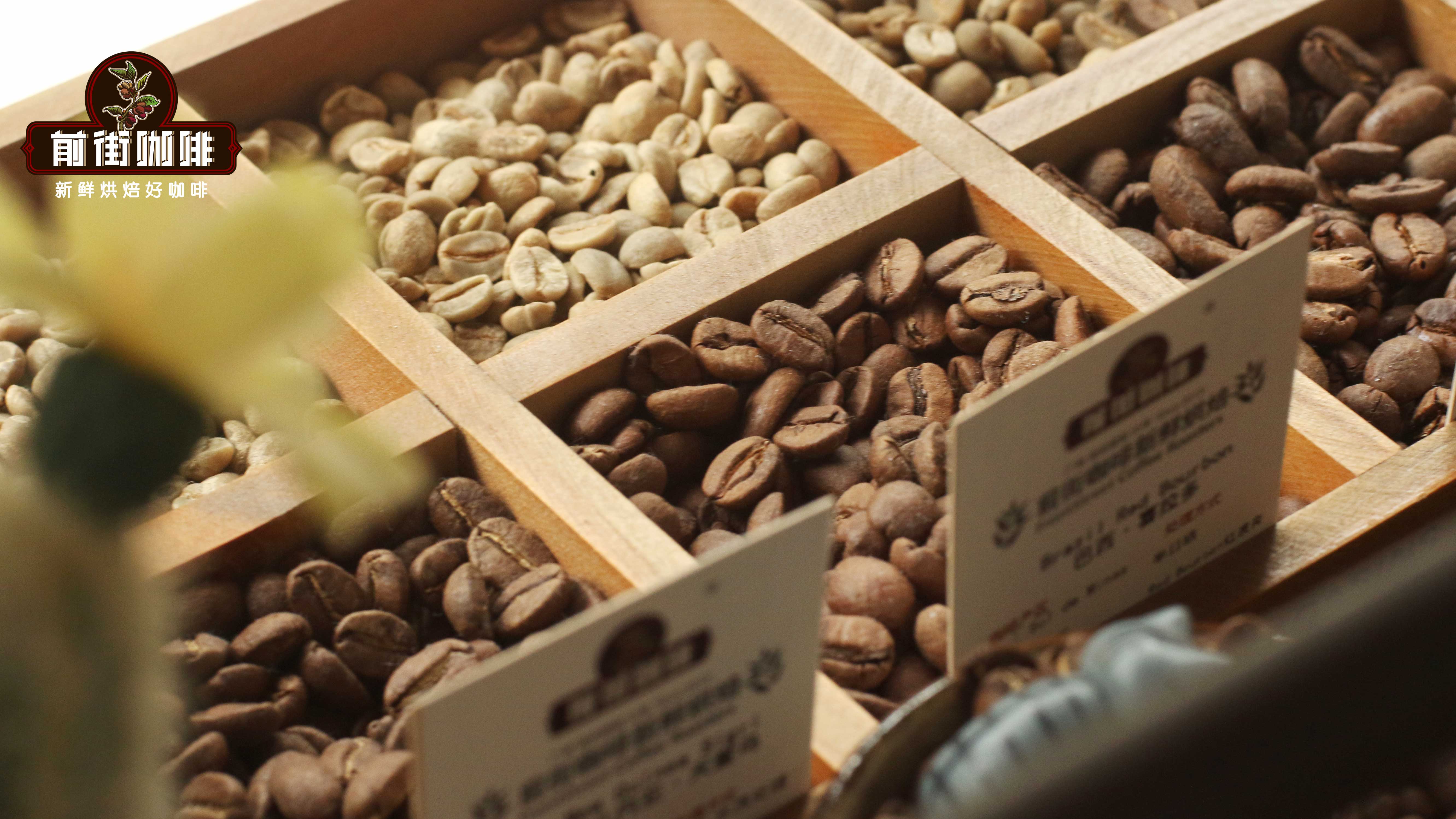
Whether pre-blending green beans or blending after individual roasting, it must depend on the characteristics of the coffees in the recipe. Both methods are acceptable. Post-roast blending provides different degrees of roast for each bean so that every component can perform at its best.
Before blending, you must first know what flavors coffees of different varieties from around the world have. Beans from different origins each have their own distinctive features. Different coffee beans have different personalities due to different varieties and origins, with subtle differences in acidity, bitterness, sweetness, aroma, body, and other flavors. Single-origin coffee beans tend to emphasize the unique characteristics of a particular type of coffee. Blends are mostly used for espresso drinks such as Espresso, Americano, Latte, or Cappuccino. The coffee tastes more balanced, smoother, and more consistent in flavor—one could say the taste is more accessible to the general public.
So, how do we blend?
(1) Front Street Specialty Blend Coffee Beans: Colombia : Brazil
Colombia Huila Region
Located in southwestern Colombia, it is one of the main coffee-growing regions. Colombia generally ranges from 1,500 to 1,800 meters in altitude, mostly Bourbon and Caturra varieties, washed processing method, with relatively high density, uniform screen size, and plump bean shape (thicker from the center to the surface of the bean). Because the Huila region is dotted with famous coffee-growing areas, the names of various small districts have become brand names and circulate in the market. Although the growing conditions in this region are also very good, the cultivation infrastructure of coffee farms and surrounding conditions is not yet very developed. The green bean drying equipment and washed processing facilities are not yet complete, which is a very regrettable point. Coffee from the Huila region has a strong mouthfeel and a heavier body. In particular, the nutty, chocolate, and caramel aromas and moderate acidity of Huila coffee can be called premium specialty coffee. and caramel aromas and moderate acidity can be called premium specialty coffee.
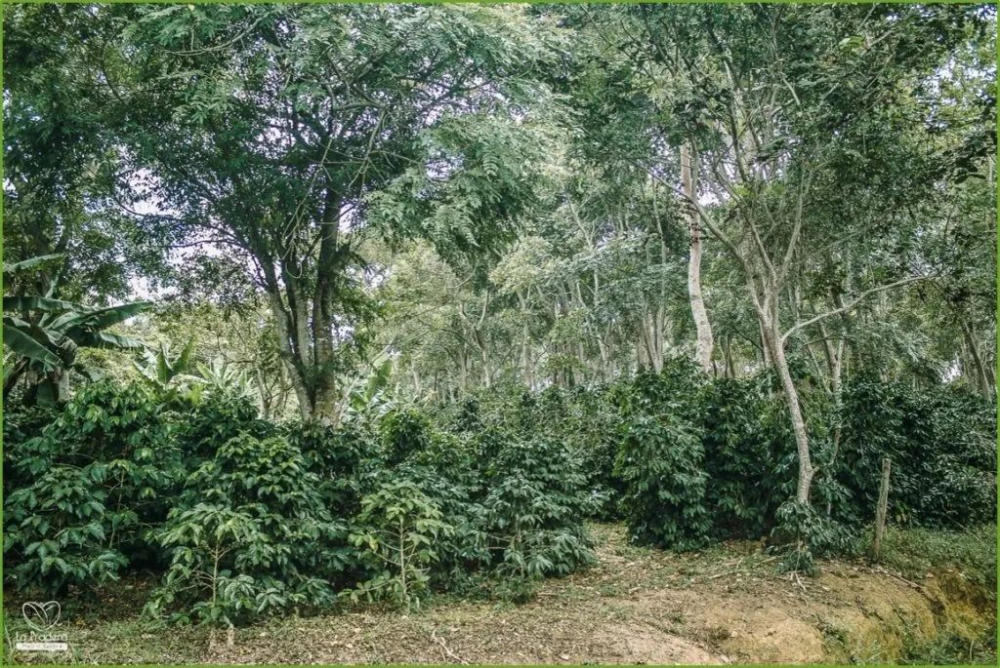
Flavor characteristics: Rich and solid mouthfeel, with a pleasant acidity, aromatic and mellow, moderate acidity, rich sweetness that is very thought-provoking. Because of its low price and small beans, it is suitable for blending. The coffee has a strong mouthfeel and a heavier body. Its nutty, chocolate, and caramel aromas and moderate acidity can be called premium specialty coffee, suitable as a single origin or as an espresso blend base.
Brazil Cerrado Region
Brazilian coffee generally grows at altitudes of 1,000-1,300 meters, so its density is relatively low. Mostly Bourbon variety, using semi-washed (pulped natural) processing. With moderate moisture content, relatively soft bean texture, and a thinner thickness from the bean surface to the center, it is not suitable for roasting at too high a temperature. The temperature of the boiler wall will scorch the bean surface, which will produce a burnt bitter taste;
At the same time, if you want to express the characteristics of nuts, milk chocolate, and better body, and use it as a blend base, we adopt a medium-heat bean loading method, maintaining the heat through the dehydration stage, making fine adjustments as the temperature rises after first crack begins, promoting a more complete caramelization reaction, and when the temperature rises close to second crack, the beans can be dropped.
Flavor characteristics: Comfortable sweet-bitter taste, extremely smooth on the palate; with a faint grassy aroma, light and slightly bitter; sweet and smooth, with a refreshing aftertaste;
Flavor after blending: A sweet and fragrant taste. Using a medium-dark roast, when making espresso, the flavor will have a soft slight acidity, clean sweetness, and a nutty sweet aftertaste. The overall impression is not too stimulating,平和, with medium crema, meeting the daily output needs of a coffee shop.

(2) Front Street Commercial Espresso Blend Beans: Colombia : Brazil : Robusta
【Robusta】beans have strong resistance to pests and diseases and high yield. They usually do not have the acidity of Arabica beans and often carry a slight woody aroma. The caffeine content is 2.2%, higher than Arabica's 1.2%, and the chlorogenic acid content is also higher. They are also quite bitter and are usually used in commercial beans, costing less than Arabica beans.
In terms of the flavor of a single bean, the coffee obtained from commercial beans is much inferior to the taste of specialty coffee beans. Generally, commercial beans are chosen for blending. Through blending, you can also make very good-tasting coffee, which can be used to make lattes, cappuccinos, and other espresso drinks. Our Front Street Commercial Blend for Espresso, because it contains Robusta beans, will have a richer crema, a classic taste, caramel sweetness, nutty and cocoa-like, dark chocolate flavors, balanced acidity and sweetness, with a slight sweet-bitter note and a lasting aftertaste. It is suitable for the daily output of a coffee shop.
(3) Front Street Black Cocoa Espresso Blend Coffee Beans: YunnanAA: Brazil;
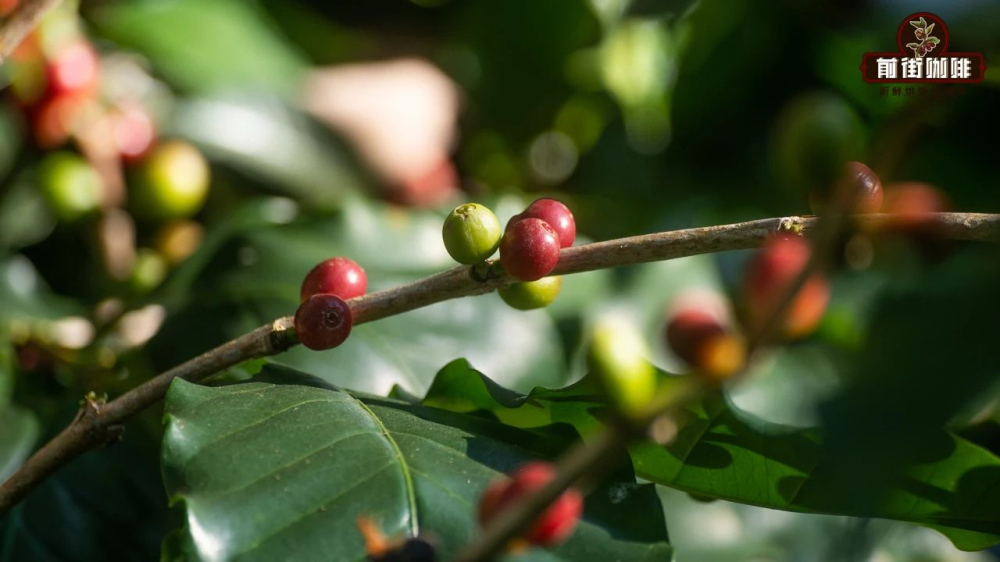
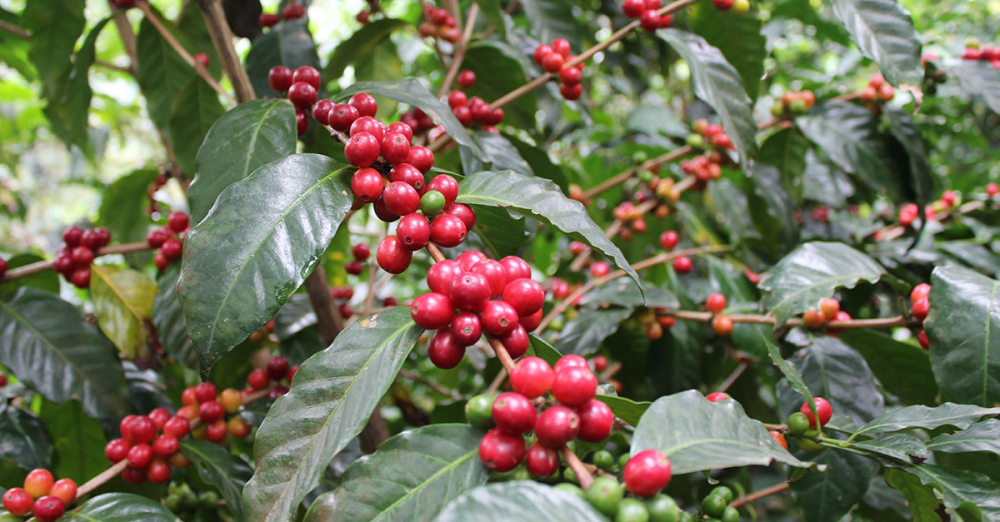
Our Yunnan AA is 【Typica】, the oldest native variety from Ethiopia, originating in Ethiopia and southeastern Sudan. All Arabica varieties are derived from Typica. The top leaves are copper-red, hence the name "red-top coffee." The flavor is elegant, but the plant is relatively weak, has poor disease resistance, is prone to leaf rust, and produces few cherries. Typica has four slender branches, spreading outward, with an inclination angle of 50~70 degrees. The opposite leaves are long oval-shaped, with a smooth surface. The branches at the ends are very long with few lateral branches, and the flowers are white, blooming at the base where the leaf stalk connects to the branch. Ripe coffee cherries look like cherries and are bright red.
Compared with others, it requires more shade during cultivation and can only be harvested about once every two years. Yunnan's high-quality geographical and climatic conditions provide good conditions for coffee growth. The planting areas include Lincang, Baoshan, Simao, Xishuangbanna, Dehong, and other prefectures. Yunnan's natural conditions are very similar to Colombia's: high altitude, large temperature difference between day and night. The flavor belongs to the mellow-aroma type, with moderate acidity, a rich and full-bodied taste, uniform beans, high oil content, and fruity aroma. Its quality and mouthfeel are similar to Colombian coffee.
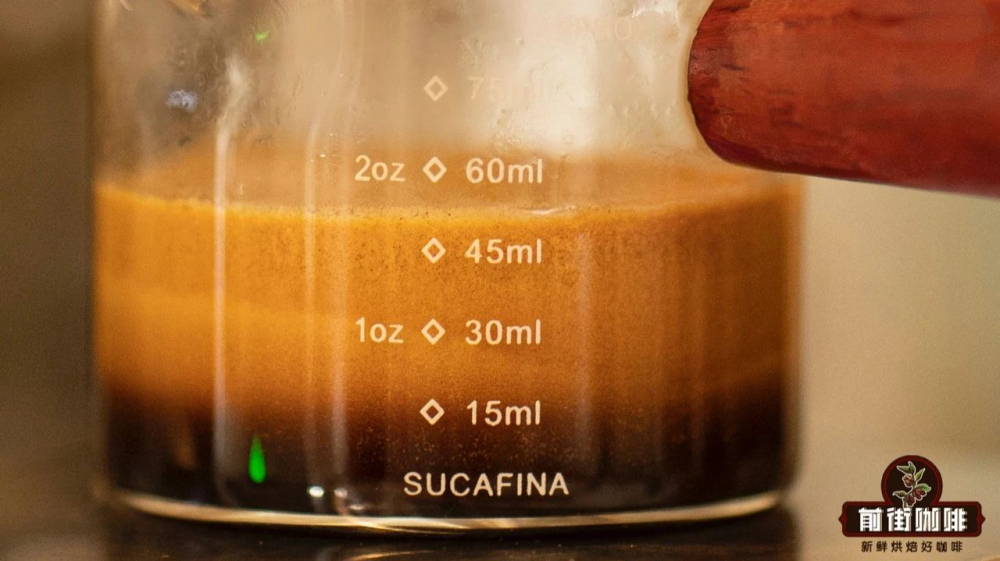
Blend flavor: With soft fruity acidity, caramel sweetness, nutty and dark chocolate flavors, smooth and viscous, but the taste is on the lighter side. This cost-effective espresso blend is suitable for opening a shop or home users who prioritize cost and have average requirements for flavor.
When blending, there must be a distinction between primary and secondary components in order to create a more wonderful taste than single-origin coffee. Before formulating a blend plan, first envision a suitable combination method, then blend through appropriate roasting, and determine the best plan through cupping and later adjustments. Hope this helps everyone~
The above content is compiled by CoffeeHunters, a coffee news website.

