







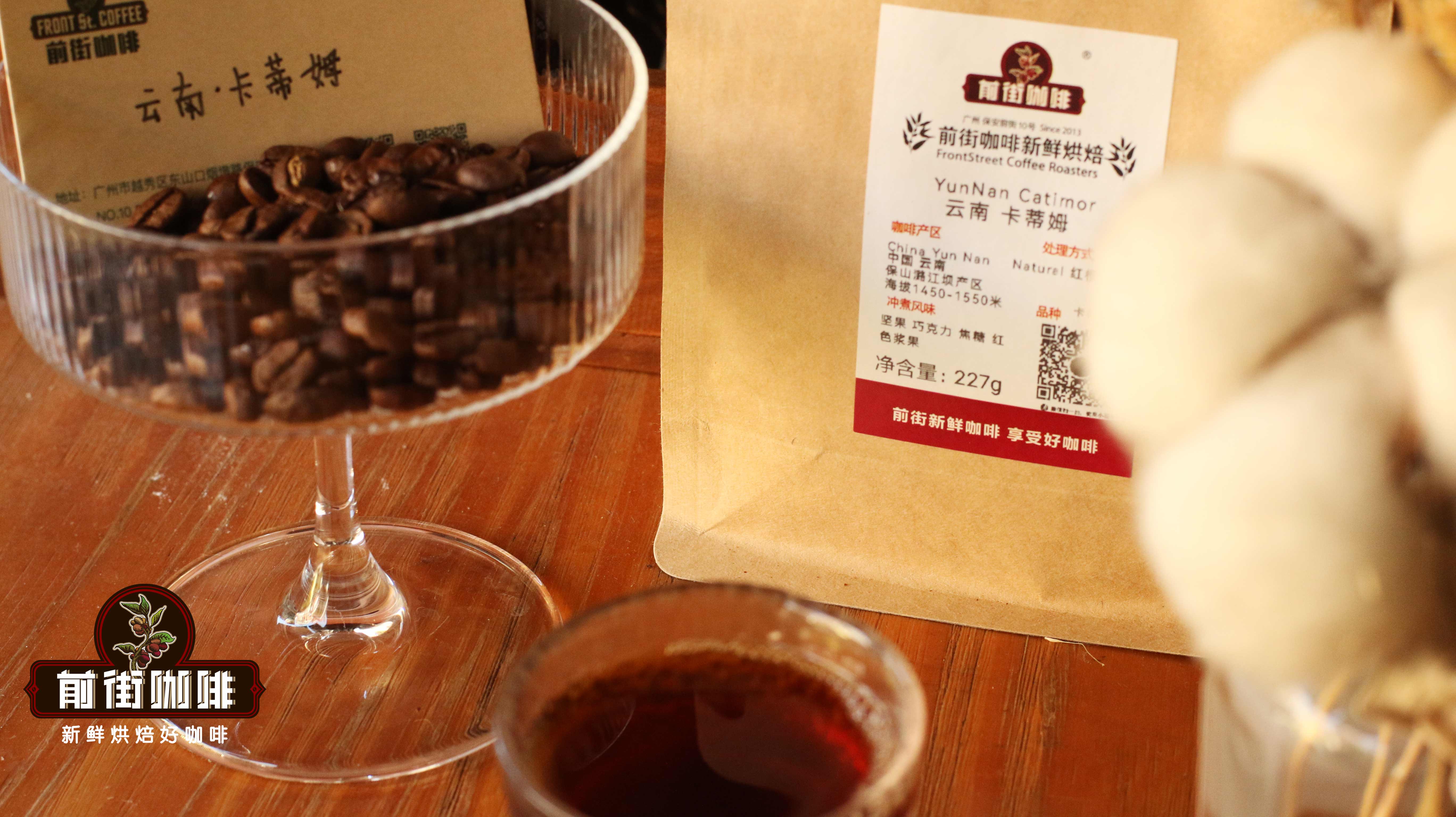
Yunnan, as the core production region for coffee cultivation in China, nurtures small-bean coffee that is rich but not bitter, aromatic but not harsh, with a slight fruity note, thanks to its low latitude, high altitude, and abundant rainfall. The most common variety on the market is Catimor, but a small amount of Typica is still grown—for example, Front Street's estate in Lincang cultivates Typica. This article will systematically outline the variety classification, morphological characteristics, main production regions, processing methods, and brewing parameters of Yunnan coffee, and include flavor descriptions of Front Street's washed Yunnan small-bean, natural Catimor, and 2013 natural Typica, to help enthusiasts gain a comprehensive understanding of Yunnan coffee's past and present.
The Yunnan coffee circulating on the market is mainly the Catimor variety, though Yunnan still retains a small amount of Typica cultivation. Take "Front Street" as an example: it owns a self-operated coffee estate in Lincang, Yunnan, dedicated to growing Typica, and has launched Front Street 2013 Natural Typica Coffee. Of course, Front Street also supplies Catimor varieties, such as Washed Yunnan Small-Bean Coffee and Natural Catimor Coffee.
Yunnan is the province with the largest coffee cultivation scale in China, enjoying natural advantages such as low latitude, high altitude, abundant rainfall, and suitable sunshine. The area between 15°N and the Tropic of Cancer is considered an ideal zone for coffee growth—a golden cultivation belt—which gives rise to a unique style that is rich but not bitter, aromatic but not harsh, with a slight fruity taste.
Yunnan coffee is also called Yunnan small-bean. The coffee beans are uniform and plump, with a mellow and moderate mouthfeel. Front Street favors Yunnan coffee because it is Chinese people's own coffee. Front Street currently offers two Yunnan small-bean coffees: one is Catimor, and the other is Typica. The so-called small-bean coffee is Arabica coffee beans; because the fruit beans are relatively small, it is also called small-fruit coffee. Robusta is called medium-fruit coffee, while Liberica belongs to large-fruit coffee.
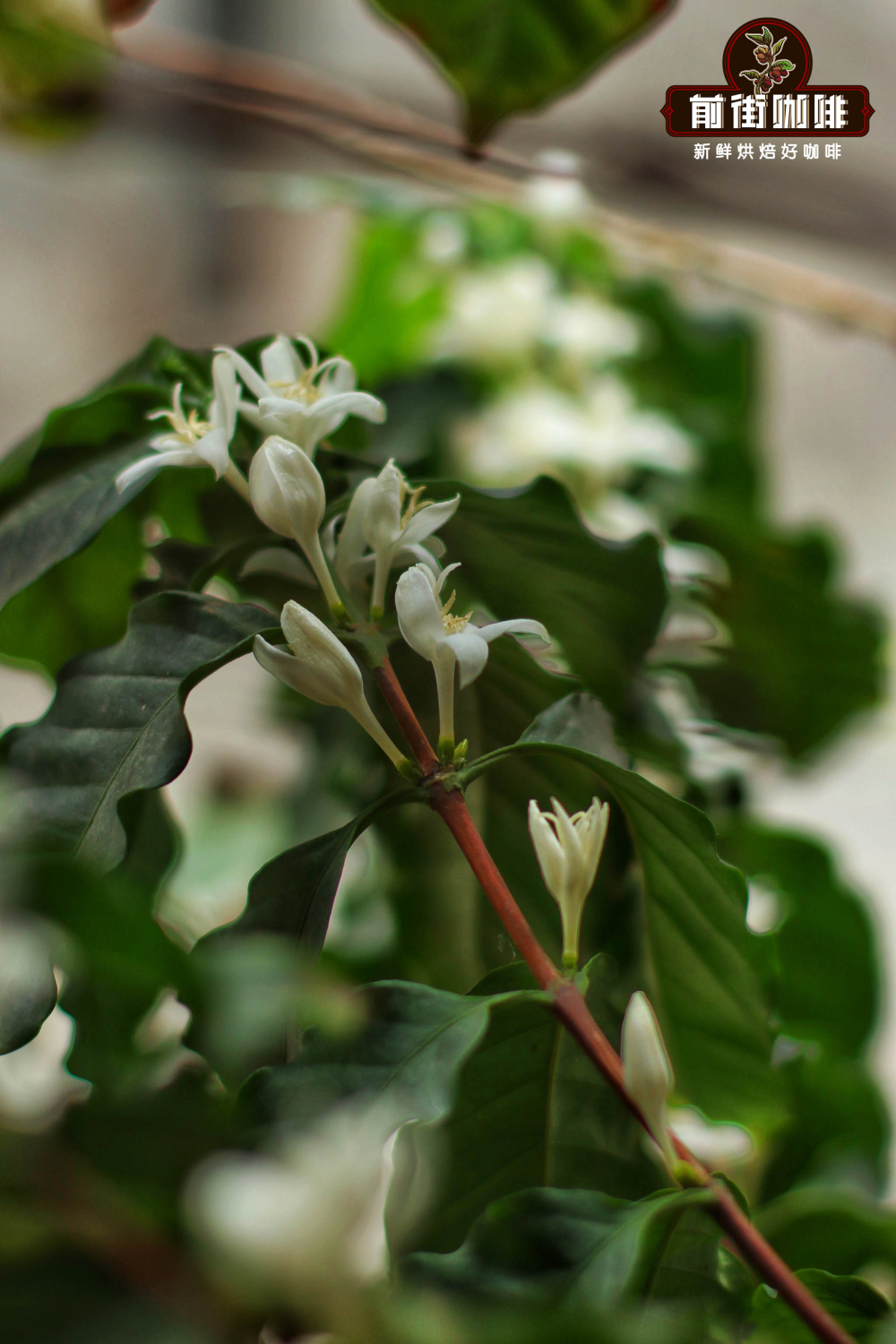
Morphological characteristics: small tree or large shrub, 5–8 meters tall. The base is usually much branched, and old branches are grayish-white. Nodes are swollen, and young branches are hairless. Leaves are thinly leathery, ovate-lanceolate or lanceolate, with a long acuminate apex, cuneate or slightly obtuse base, entire or slightly wavy margins, and hairless on both surfaces. Cymes are several, clustered in leaf axils; the corolla is white and fragrant. The berry is broadly elliptic and red when mature, 1.2–1.6 cm long; the seed is 0.8–1.0 cm long. Flowering period is March–April.
Yunnan Small-Bean Coffee
Although China is famous for tea, coffee has a rather long history on this land. In 1892, Yunnan small-bean coffee was introduced to mainland China. Since then, this exotic species has taken root and multiplied on Eastern soil, and it has now been cultivated for more than a century.
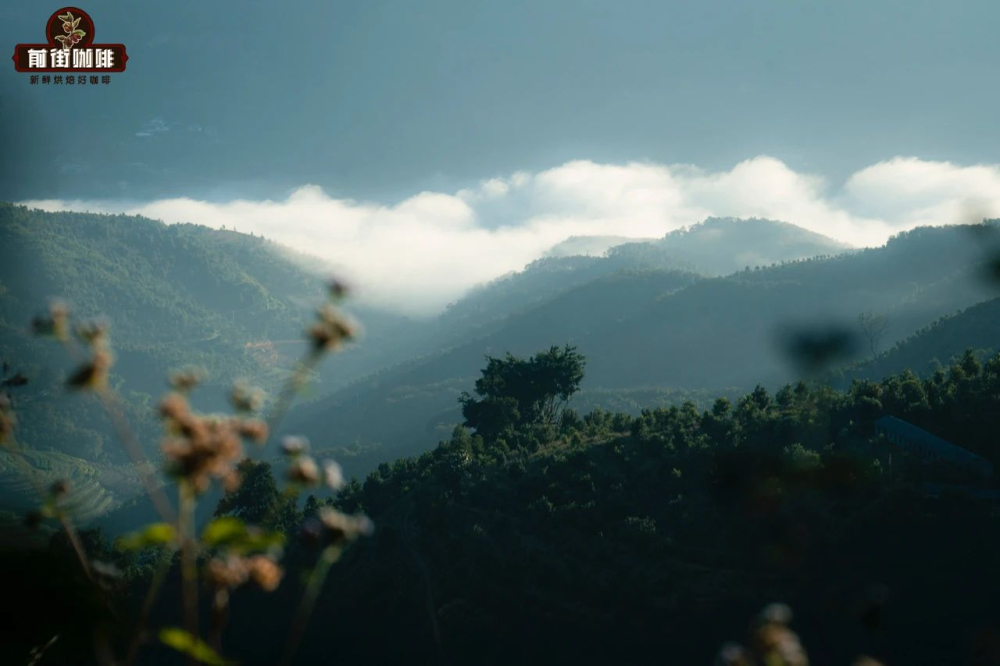
From initially satisfying only the personal taste of an old godfather to now becoming a regional cash crop, coffee's journey in China has not been merely copying and imitation. Through continuous exploration, cultivation, and improvement, coffee varieties adapted to China's geographical environment have emerged, along with many roasting methods suited to Chinese palates. Compared with imported beans, Yunnan coffee beans have an obvious freshness advantage: imported beans must travel across the ocean and go through lengthy customs inspection procedures, often taking more than half a year to reach domestic distributors, so freshness is out of the question. Domestic coffee, however, can be roasted within a few days, which far surpasses imported beans. In addition, the quality of Yunnan coffee beans improves year by year, and today Yunnan coffee can be seen in almost every café.
Yunnan Coffee Production Regions
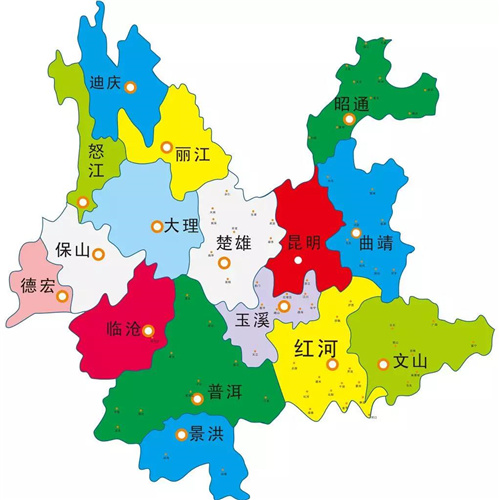
Yunnan's coffee-growing areas are mainly distributed in Lincang, Baoshan, Simao, Xishuangbanna, Dehong, and other regions.
Baoshan: Baoshan has an average annual temperature of 21.5°C, with a maximum of up to 40.4°C, and basically no frost throughout the year. It is widely recognized as the highest-quality small-bean coffee producing area. The small-bean coffee cultivated here is renowned at home and abroad for being rich but not bitter, aromatic but not harsh, with small and uniform beans, a rich mellow fragrance, and a fruity note. Tasting experts from the International Coffee Organization once classified Yunnan coffee in the same category as Colombian wet-processed small-bean coffee, making it one of the better-quality coffees in the world. Front Street's Yunnan small-bean coffee comes precisely from Baoshan, Yunnan.
Lincang: With its unique geographical location and climatic conditions, Lincang has become a focus of attention for many coffee enterprises. Locally, high-quality coffee seedling bases of 200 mu and 100 mu were established in Mengding Town, Gengma Autonomous County, and Lincang Xingfu Farm, respectively, and coffee cultivation was promoted in Gengma, Zhenkang, Yunxian, Cangyuan, Yongde, and other places.
Front Street Coffee has established its own estate in the Lincang production region of Yunnan. Front Street selected and cultivated the Typica variety, which belongs to the pure Arabica species, and its flavor is superior to the Catimor currently widely grown in Yunnan. It takes at least 4 to 5 years from seedling to first fruiting, which is also why Yunnan coffee farmers are unwilling to tear out and replant even though they know Catimor's flavor is slightly inferior. The first batch of self-produced Yunnan coffee beans from Front Street in 2020–21 was named "Front Street 2013" and received unanimous praise.
Yunnan Coffee Varieties
At present, most coffee grown in Yunnan is the Catimor variety, but a small amount of Typica coffee is still grown in Baoshan.
Catimor: Hybridized from Arabica and Robusta. Robusta has good resistance to leaf rust and rich oils, with high yield and easy cultivation. After hybridization with Arabica Typica, Catimor carries 25% Robusta genes, which improves resistance to leaf rust while retaining rich oils, and also inherits part of the flavor of the original Typica variety. Therefore, most Yunnan estates began planting Catimor on a large scale, and Front Street Yunnan small-bean is this widely planted variety.
Typica: The most classic high-quality Arabica variety, from which many commercial improved varieties are derived. Its flavor performance is excellent, and it is recognized as a specialty coffee variety, but its yield is extremely low and it is susceptible to rust disease, requiring more labor for management. Typica coffee originated in Ethiopia and southeastern Sudan and is the most widely cultivated coffee variety in the Western Hemisphere. The plant is relatively robust but not tolerant of light, and yields are higher in Hawaii. Typica's top leaves are copper-red, hence it is called red-top coffee. The famous Front Street Jamaica Blue Mountain and Hawaiian Kona both belong to Typica, and Front Street 2013 Natural Red Cherry also belongs to Typica.
For this reason, in the past Yunnan coffee was mostly used to make instant coffee or as commercial beans. But today, as the quality of Yunnan coffee continues to improve, the name of Chinese Yunnan coffee is gradually spreading worldwide, and Yunnan coffee has also appeared in the specialty coffee field.
Coffee Bean Processing Methods
Yunnan coffee uses the washed processing method, and some also uses the natural processing method. For example: Front Street Washed Yunnan Small-Bean Coffee, Natural Catimor Coffee, and Front Street 2013 Natural Typica Coffee. The washed and natural processing methods each have their own flavor characteristics.
Washed processing method: Coffee farmers first pour the harvested coffee cherries into a large water tank. Underdeveloped, inferior beans will float to the surface, while ripe, plump fruits sink to the bottom. At this point, the defective beans (fruits) floating on the surface are removed. Then a depulping machine is used to remove the outer skin and pulp of the coffee fruit; at this stage, the coffee beans still carry a slippery layer of mucilage. The mucilage-covered coffee beans are placed in a fermentation tank for 16–36 hours, during which microorganisms break down the mucilage. After fermentation is complete, a large amount of clean water is used to remove the remaining mucilage from the coffee beans. Finally, the washed coffee beans are dried. The washed processing method has both soft and intense acidity, a mouthfeel that can be strong or light as appropriate, and a sweet, spicy aroma.
Front Street Coffee Brewing Suggestions for Yunnan Small-Bean Coffee
Front Street recommends using a V60 conical dripper. The V60 has a larger opening, and together with its unique spiral curved ribs, it allows air to escape more easily, thereby improving extraction quality. The mouthfeel may not be thick enough, but the Yunnan coffee's fruity acidity and distinct aroma brought out by its high concentration are a major feature.
Dripper: Hario V60, water temperature: 88°C, dose: 15 g, coffee-to-water ratio: 1:15, grind size: medium-fine grind (75% passing through a Chinese standard No. 20 sieve)
[Front Street 2013 Natural Typica Coffee Flavor] Heavy mouthfeel, prominent sweet-and-sour acidity, with citrus and berry notes, a hint of fermented wine aroma, caramel-like sweetness, creamy finish, and black tea-like tea sensation.
[Washed Yunnan Small-Bean Coffee Flavor] Herbal, nutty aroma, chocolate, caramel.
[Natural Yunnan Catimor Coffee Flavor] Flavor profile: nuts, chocolate, spices, caramel, plum.
Front Street Coffee Brewing Suggestions
To brew a good cup of coffee, besides the coffee variety, the freshness of the coffee beans is equally crucial. Front Street believes freshness is a very important part of brewing. The coffee beans shipped by Front Street Coffee are all within 5 days of roasting because Front Street deeply understands the huge impact of freshness on flavor. Front Street's roasting principle is "freshly roasted good coffee," so that every customer who places an order receives the coffee in its freshest state. Coffee's resting period is about 4–7 days, so when customers receive it, it is exactly at its best flavor.
The above content is compiled by CoffeeHunters, a coffee news website.


