







Search Results for: color fading
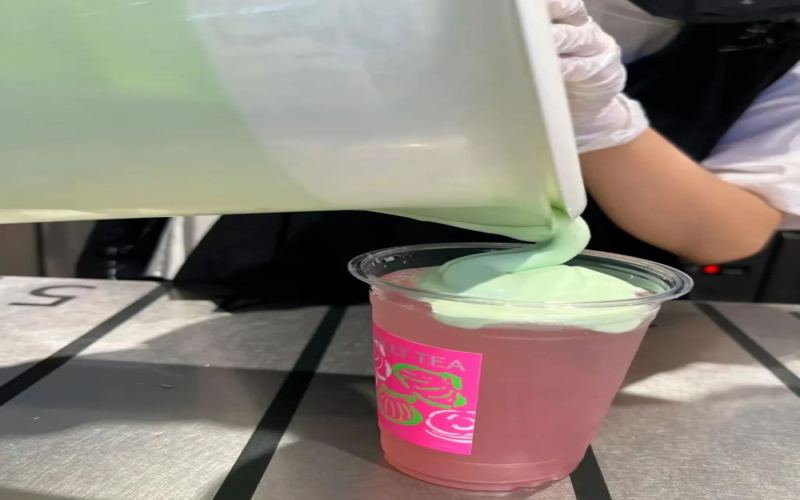
Jasmine Milk White Grapefruit Apple Coconut with Milk Foam Turns Color and Flocculates Afterward: Protein and Vitamin C Reaction Sparks Consumer Doubts
Molly Tea recently launched a pomelo-coconut series, including three new drinks: Pomelo Apple Coconut, Pomelo Jasmine Coconut, and Pomelo White Orchid Coconut. With a combination of refreshing pomelo-mint milk foam and fruit coconut water, they quickly attracted a large number of consumers. However, the most popular Pomelo Apple Coconut showed an abnormal phenomenon after adding the milk foam: the pink color faded, white flocculent substances appeared, and the liquid became cloudy like soy milk, raising customers' doubts about beverage safety and store ingredients. Store employees explained that this was caused by a chemical reaction between the protein in the milk foam and the vitamin C in the apple juice and pomelo juice, and was not due to spoiled ingredients. This article will reconstruct the course of the incident, consumer feedback, and the official response, and include the professional perspective of Front Street Coffee to help you understand the scientific principles behind this color-changing drink. [more…]

Bawang Chaji's second wave of limited-edition packaging for "Ne Zha 2" comes under fire again over printing: ghosting, color deviation, and blurry images are frequently reported.
Chagee recently launched the second wave of its "Ne Zha 2" co-branded limited-edition packaging across stores nationwide. The popular character Ao Guang is printed on paper bags and takeaway cups, sold in a bundle with "Seeking Fragrance Camellia." Buying one cup earns you a matching paper bag. As soon as the news broke, fans rushed to buy them, but after receiving the actual products, they were greatly disappointed: the pattern on the cup body has severe ghosting, so much so that people joked you'd need 3D glasses to see it clearly. The color difference between the themed cup, paper bag, and poster is obvious, and the details are blurred into a mosaic. Many consumers pointed out that the first batch of packaging had already suffered from problems like blurry printing and fading. They had expected the brand to improve its craftsmanship, but unexpectedly the second batch still flopped. In addition, some stores did not use the themed cups as advertised, which harmed the rights of delivery customers. As coffee enthusiasts, Front Street Coffee has also noticed this co-branded merchandise quality control controversy. This article will sort out the whole story and consumer feedback. [more…]

%Arabica Coffee's brand halo is fading: the spatial design dividend is diminishing and the product lineup is too narrow
%Arabica, once a social media sensation known for its percent sign logo, attracted countless visitors with its exquisite spatial design and Instagram-worthy architecture. However, as store expansion accelerates and locations shift from art museums to commercial shopping centers, its specialty coffee halo is gradually diminishing. Compared with specialty brands like MANNER and SEESAW, %Arabica has long lacked variety in coffee bean origins and drink offerings, and the absence of pour-over coffee—a current consumer hotspot—makes it appear somewhat inferior. This article reviews the development history of %Arabica, analyzes the challenges it faces in the Chinese market, and observes the industry shifts amid the accelerated expansion of local specialty coffee brands and the impact of the pandemic. [more…]
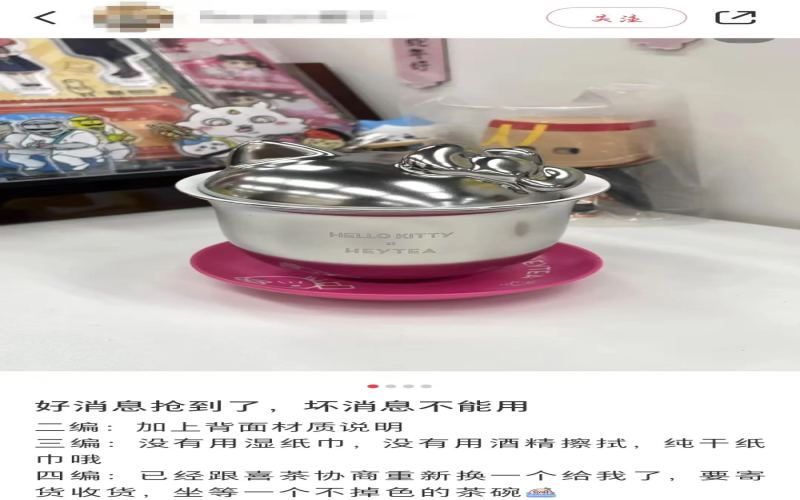
HEYTEA's co-branded tea bowl alleged to have its silver coating wiped off; brand has not responded, and quality remains hard to guarantee even after exchanges
The limited-edition silver tea bowl jointly launched by Heytea and Hello Kitty quickly went viral on social platforms thanks to its appealing appearance and scarcity. However, some consumers who managed to get one discovered that when they wiped the outer shell of the tea bowl with a dry tissue, silver coating came off onto the tissue, sparking concerns about product quality. After the incident gained traction, netizens discussed issues such as whether the electroplating process is safe and whether the design of the tea bowl lid is reasonable. Heytea has not yet made a public response, and only arranged a replacement for the customer involved through negotiation, but customer service admitted it could not guarantee whether the new bowl would still fade. [more…]

The Truth About Aged Tea and Old Tea: Taste Differences, Value, and the Overlooked Category of Aged Teas
Although fresh tea has long been regarded as the best choice, aged tea has gradually gained popularity in recent decades. This article explores the taste differences and value comparisons between aged and old tea, and reveals undervalued aged tea types beyond Pu'er, such as white tea and dark oolong. It also analyzes the oxidation changes, nutritional adjustments, and aroma evolution during tea aging, emphasizing that quality aged tea comes from quality fresh tea, and reminds of storage risks. Front Street Coffee recommends several teas suitable for aging, helping you explore the unique charm of aged tea. [more…]
Comprehensive Guide to Green Coffee Beans: Quality Assessment, Crop Year Classification, Shipping Methods, and Storage Essentials
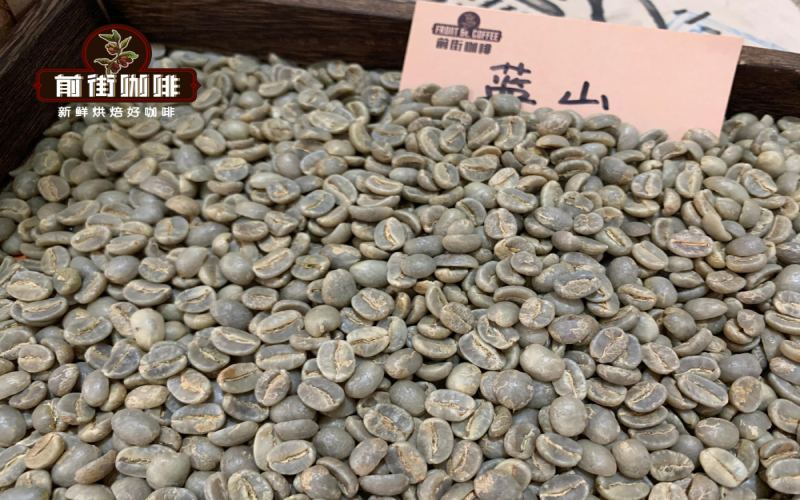
Green coffee beans are the starting point that determines the flavor of a cup of coffee. From color and luster to moisture content, every detail reveals the quality code of green beans; the terms "new crop," "current crop," "old crop," and "aged crop," named by harvest year, record how time shapes flavor. During transoceanic shipping, temperature and packaging methods also influence the fate of green beans—low-temperature containers, temperature-controlled storage, and vacuum aluminum foil bags are all effective means of extending good flavor. The ultimate preservation challenge points to a simple yet expensive answer: vacuum packaging followed by freezing. This article systematically organizes the complete knowledge of green beans from identification to storage, and includes practical advice from Front Street Coffee, taking you deeper into understanding this green seed. [more…]
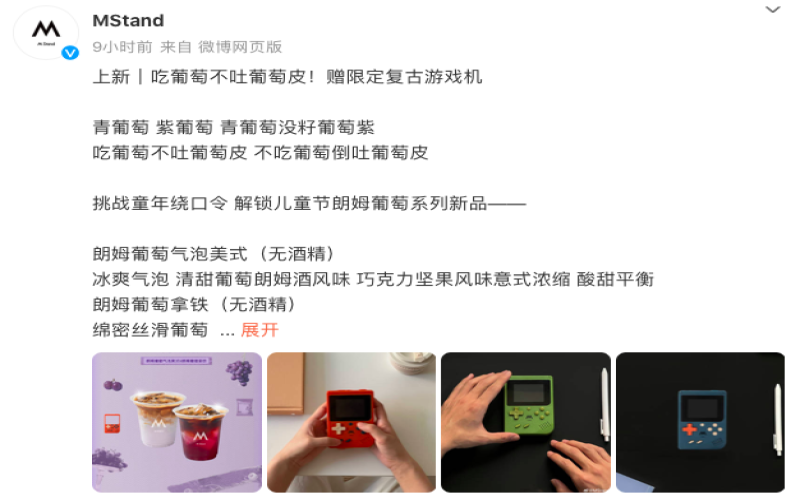
Mstand's Children's Day game console set causes mini-program crash, the consumer truth behind nostalgic marketing
On the eve of Children's Day, Mstand launched a promotion offering a retro handheld game console with the purchase of a limited-edition set, attracting a large number of adult consumers to snap it up and causing its ordering mini-program to crash. The console comes with ten classic games built in, such as Contra and Tetris, evoking childhood memories for many. However, some consumers found that the games were not officially licensed, the graphics were crude, and after just a few minutes of play their eyes felt uncomfortable. Merchants use nostalgia to attract grown-up kids to spend, but once the impulsive sentimentality fades, electronic toys ultimately cannot truly bring back the joy of times gone by. This article sorts through the whole incident and brings related recommendations from Front Street Coffee. [more…]

Luckin stores concentrate on destroying Coconut King series ingredients, behind the full delisting of the third anniversary limited edition products
It is not uncommon for chain coffee brands to destroy inventory in bulk due to expired ingredients or quality issues, but what Luckin recently discarded on a large scale was a batch of coconut royale series ingredients that were still within their shelf life. This pink liquid was not spoiled, but rather the normal color of the third-anniversary limited-edition product. From the April collaboration with Pop Mart that triggered a buying frenzy, to now going days in stores without selling a single cup, the fate of the coconut royale series reflects the harsh reality after a new product's hype fades. Front Street Coffee notes that this incident has also sparked consumer discussion about product lifecycles and inventory management. [more…]
A Detailed Explanation of the SCAA Specialty Coffee Green Bean Defect Grading and Scoring Standards: A Comprehensive Analysis from Defects to Cupping Performance
Before green coffee beans reach our hands, they often go through many stages, during which defects are almost unavoidable. Some defects are obvious at the green bean stage, yet once roasted they may be cleverly concealed. The SCAA (Specialty Coffee Association of America) has established strict grading standards for specialty Arabica coffee, covering multiple dimensions such as defect types, moisture content, aroma, and bean size. This article will systematically sort out the SCAA's defect classification rules and scoring requirements, explain in detail the causes of various defective beans and their impact on cupping flavor, and help enthusiasts develop a keen eye for identifying specialty coffee. At the same time, the article retains relevant recommendations from the Front Street brand for readers' reference. [more…]

Why High-Altitude Cultivation Creates Specialty Coffee: A Comprehensive Comparison of Arabica and Robusta Beans
Coffee, as an evergreen shrub in the Rubiaceae family, is mainly cultivated in two major categories: Arabica and Robusta, with specialty coffee mostly coming from Arabica branches such as Typica, Bourbon, and Caturra. About 70 countries worldwide grow coffee in tropical and subtropical regions between 25 degrees north and south latitude, and it usually takes three to five years from sowing to first flowering. This article will provide a detailed introduction to the complete growth cycle of the coffee tree from seedling cultivation and flowering to fruit ripening, and systematically compare the core differences between Robusta and Arabica in terms of growing altitude, flavor characteristics, and share of production. At the same time, for coffee lovers who prefer a rich, oily mouthfeel, the article also specifically recommends two espresso beans containing Robusta components, Front Street Classic Blend and Front Street Commercial Blend, to help readers understand coffee varieties and purchasing directions more comprehensively. [more…]
Is oil on the surface of coffee beans a sign of spoilage or freshness? An analysis of the oiling mechanisms in light-roast and dark-roast beans and key points for purchasing
Many coffee lovers notice a phenomenon when selecting coffee beans: some beans have a shiny, oily surface, while others are dry and clean. What exactly does this "oiliness" mean? Is it a sign of declining quality, or is the flavor at its peak? In fact, the oil on the surface of coffee beans is not真正的油脂—it is a class of water-soluble organic substances that contain abundant aromatic compounds. The oiliness phenomenon is closely related to the roast level and storage time: medium-roast beans typically develop spotty oiliness a few days after roasting, then gradually lose flavor; dark-roast beans develop heavy oiliness soon after roasting, and after three weeks the sheen fades and the flavor is completely gone. When purchasing, you cannot judge freshness simply by "shiny" or "dry"—you need to consider the roast date and roast level together. This article will break down in detail the causes of coffee bean oiliness and provide practical buying advice. [more…]

A Complete Guide to Hacienda La Esmeralda Geisha Grades: Why Was Blue Label Geisha 1500 Discontinued? What's the Difference Between Red, Green, and Black Labels?
Hacienda La Esmeralda in Panama, with its unique vision, discovered the potential of the Geisha variety, and through the Best of Panama (BOP) competition, made Geisha an overnight sensation. Since then, the Geisha produced by Hacienda La Esmeralda has remained a hot topic in the coffee world, with terms such as Red Label, Green Label, and Blue Label (Geisha 1500) frequently appearing. However, in recent years, "Geisha 1500" has gradually faded from view—why did it disappear? How many grading systems does Hacienda La Esmeralda currently have? This article will start with the layout of the estates under Hacienda La Esmeralda, systematically explain the grading logic and traceability rules of brands such as Red Label, Green Label, Black Label, and Diamond Mountain, and clarify the ins and outs of the discontinuation of Blue Label Geisha, helping coffee enthusiasts understand the full picture of Hacienda La Esmeralda's Geisha product line. [more…]
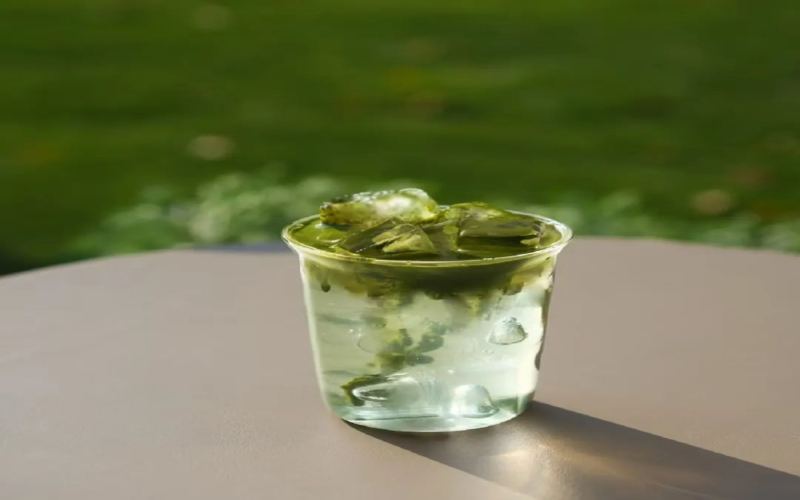
Manner Iced Coconut Jasmine Matcha Sparks Debate: Emerald-Green Appearance Faces Real-Life Color Discrepancy, Taste Reviews Mixed
Manner has once again launched a green-themed new product, "Iced Coconut Jasmine Matcha," combining coconut water, jasmine tea, and matcha concentrate, with a visual concept highlighting the vibrant essence of spring. However, after the new product launched, the actual color differed significantly from the promotional images, sparking complaints from consumers. Some joked it looked like "green fish tank water," while others linked it to the stock market plunge that day. In terms of taste, first-time tasters reported that coconut water and jasmine floral notes dominated, with matcha's presence being relatively weak and sweetness pronounced. Is this new product a visual flop or a taste surprise? Let's find out. [more…]
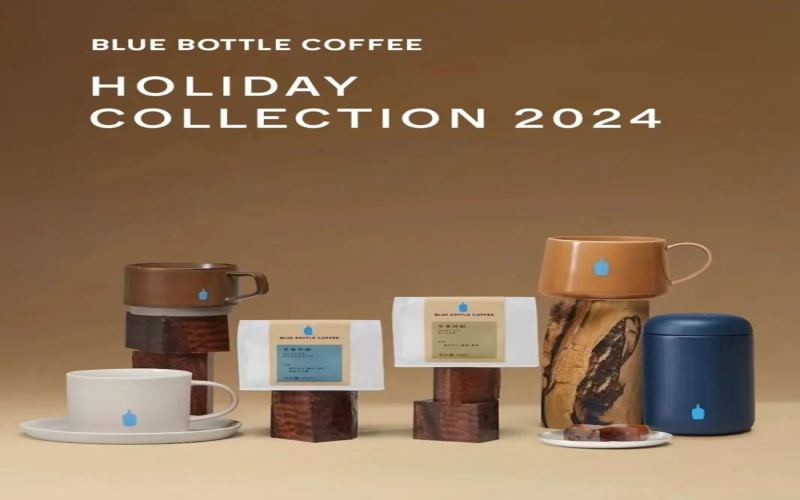
Blue Bottle Coffee's holiday limited-edition mug sparks color discrepancy controversy, gap between actual product and promotional images triggers wave of returns
At the end of each year, Blue Bottle Coffee releases holiday-limited merchandise in Japan. This year's theme is "Delicious Gifts," featuring items such as the caramel-colored Kiyosumi Shirakawa cup and the dark caramel Kinto ceramic mug. However, after the products went on sale, many consumers found a noticeable color difference between the actual items and the official promotional images—the rich caramel color shown in the ads turned into a pale milk-tea shade once in hand. In addition, quality-control issues such as crooked logos, flaws on the cup body, and uneven coloring appeared frequently, triggering a flood of complaints and returns. The official explanation attributed the color discrepancy to the hand-glazing process and the influence of lighting during photography, but the controversy continues to intensify. [more…]
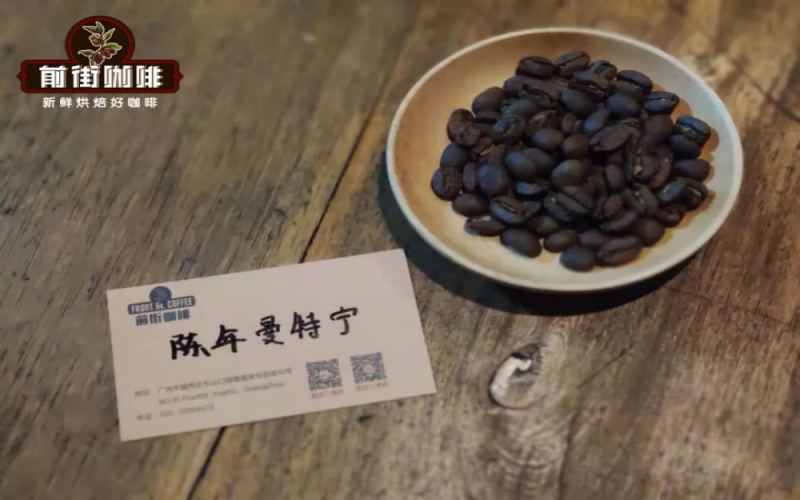
The Origins and Craft of Aged Mandheling: From a Colonial-Era Accident to a Golden Mandheling Pour-Over Guide
We usually seek out freshly roasted coffee beans, but Aged Mandheling is an exception—it is actually sought after precisely for being "expired." Behind this lies an accidental story from Indonesia's Dutch colonial period: when coffee beans were shipped across the ocean to Europe, the long sea voyage and exposure to sea breezes unexpectedly gave rise to a mellow sweetness and lingering finish reminiscent of Pu'er tea. Today, the production of Aged Mandheling has long been standardized: it requires wet-hulling, strict screening, and aging for 2 to 3 years in temperature- and humidity-controlled warehouses at the place of origin, allowing acidity to gradually recede and sugars to concentrate. Golden Mandheling, meanwhile, represents a higher standard, with PWN creating a specialty coffee far above G1 grade through one machine sorting and three hand sortings. Front Street Coffee captured layers of nut, dark chocolate, caramel, and herbal spice flavors in cupping. This article will also share Front Street Coffee's barista's three-pour hand-brew parameters and technique for dark-roasted Mandheling, taking you through a complete tasting of this legendary coffee. [more…]
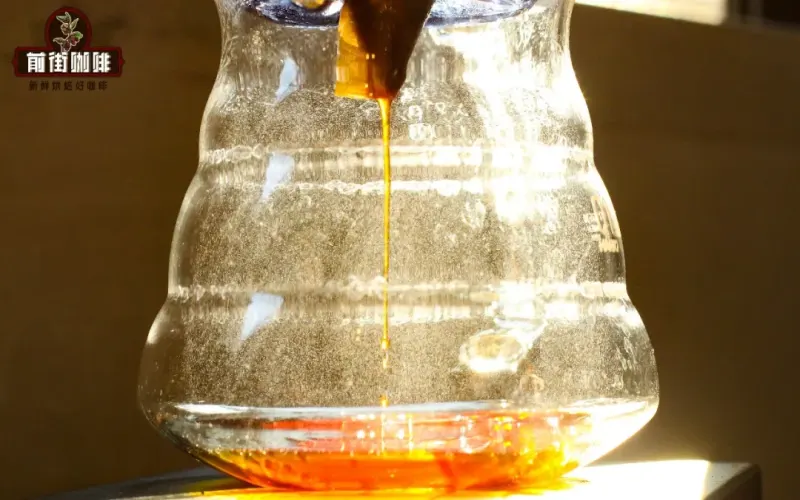
Judging Espresso Extraction by Color Observation: Is It Reliable? Tips for Identifying Under-Extraction and Over-Extraction
During coffee extraction, many enthusiasts try to judge the extraction state by observing changes in the color of the coffee liquid—the so-called "reading the color" method. Does this method have any scientific basis? Can it accurately distinguish between under-extraction and over-extraction? Front Street Coffee, based on practical testing, found that the color of the coffee liquid does indeed become lighter as extraction progresses, because the acidic and sweet substances among the solubles have smaller molecules and dissolve more quickly, while the bitter substances have larger molecules and dissolve more slowly. Once the acidic and sweet substances have largely dissolved, the bitter substances are still being released, and the coffee liquid begins to take on a whitish hue, which is usually regarded as a signal of approaching over-extraction. However, this method is greatly affected by factors such as flow rate and roast level, and is only suitable as an emergency reference; stable output still needs to rely on measuring tools such as an electronic scale. [more…]
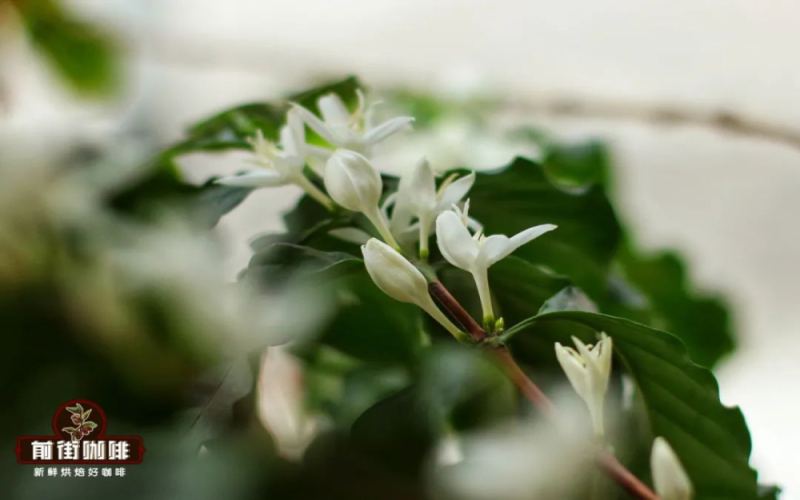
What color are coffee flowers? How long does the flowering period last? And how long does it take from flowering to forming coffee beans?
The blooming of the coffee tree is a sight rarely seen by many coffee lovers. The coffee tree at Front Street Coffee has bloomed once again after a year, and in about two to three months it will bear fruit. What exactly does the coffee flower look like, and what color is it? How long does the flowering period last? How long does it take from the flower fading to growing into coffee beans? This article starts from the botanical classification and aroma characteristics of the coffee flower, extends to the white floral notes in the cup, and analyzes the patterns of floral aroma in roasting and brewing, giving you a complete understanding of this small white flower that closely resembles jasmine. [more…]
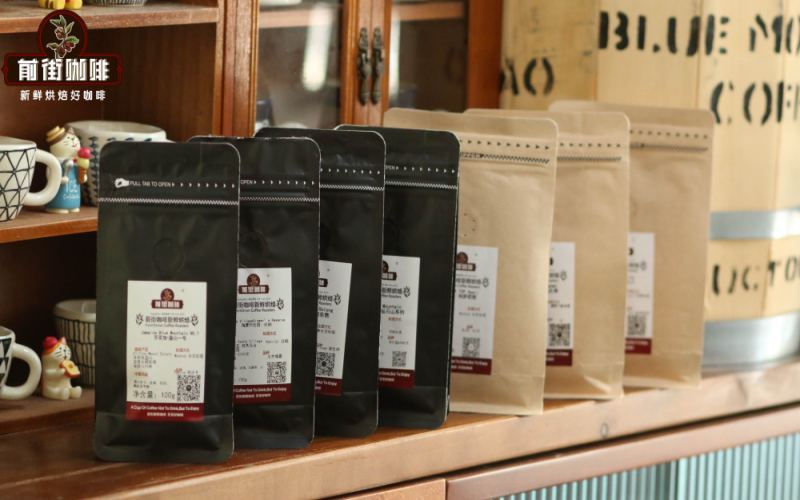
A Complete Guide to Coffee Roast Levels: From Agtron Numbers to Sweet, Sour, and Bitter Classification—Decoding the Roast Secrets Behind Non-Sour Coffee
Consumers often wonder why Front Street Coffee beans are not labeled with a roast level, and behind this lies a professional roasting classification system. From Front Street's perspective, this article first introduces the industry's eight-level roast classification based on Agtron color values, explaining one by one the drop timing and flavor characteristics from light roast to Italian roast; it then explains why presenting this standard directly to consumers would create a burden of understanding, and shares Front Street's approach of simplifying the complex—grouping coffees into medium-light roast and medium-dark roast according to the degree of acidity, sweetness, and bitterness, while also giving corresponding brewing parameter suggestions to help coffee lovers more easily choose beans that suit their own taste. [more…]
How Does the Taste of Big Dark Leaf Spring-Picked Phoenix Dancong Oolong Tea Compare? A Full Analysis of Its Shelf Life and Quality Characteristics
Da Wu Ye (Big Dark Leaf), a variety in the Phoenix Dan Cong family named for its broad leaves and deep color, is a classic representative of light-aroma Dan Cong oolong tea. This Da Wu Ye spring-picked oolong tea comes from Fengxi Village, Phoenix Town, Chaozhou, Guangdong. It was harvested on May 13, 2021, using the standard of one bud and two leaves. The tea trees are about 40 years old, and the tea garden is located in Shitoujiao Tea Garden at an altitude of about 950 meters. The finished tea has plump, slightly curled strips, mainly dark brown with some green leaves interspersed, and carries a natural orchid fragrance, roasted aroma, and a faint milky scent. The tea liquor is bright and clear yellow, sweet and smooth on entry, with a long-lasting sweet aftertaste, an elegant and lingering orchid fragrance, and a moderate caffeine content. This article will provide a detailed explanation of this tea's flavor performance, brewing experience, and the shelf life of Phoenix Dan Cong, offering a reference for readers who enjoy oolong tea. Front Street Coffee also recommends paying attention to the storage methods and drinking rhythm of this type of light-aroma Dan Cong. [more…]
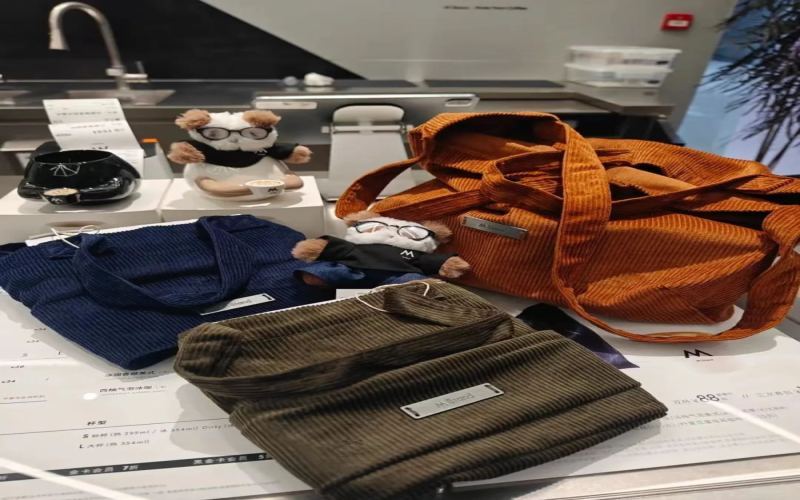
The real-life texture of the Mstand corduroy crossbody bag has sparked heated discussion, with people joking that it looks like a begging bag and that quality control has failed.
As the weather turns cooler, Mstand has launched a retro corduroy crossbody bag, which quickly attracted many coffee lovers to buy it thanks to its Maillard color palette. However, after receiving the actual product, many users found that the fabric was too thin and the bag body slumped softly, a clear gap from the official promotional images. Shorter users even joked that the overly long shoulder strap made them look like they were "out begging for alms." More surprisingly, some customers found loose threads at the seams and pilling on the inside after washing, while longtime fans pointed out that unstable quality control in Mstand merchandise has long been the norm. This article will walk you through the real reviews and detailed issues of this new merchandise. [more…]