







Search Results for: cold coffee handling
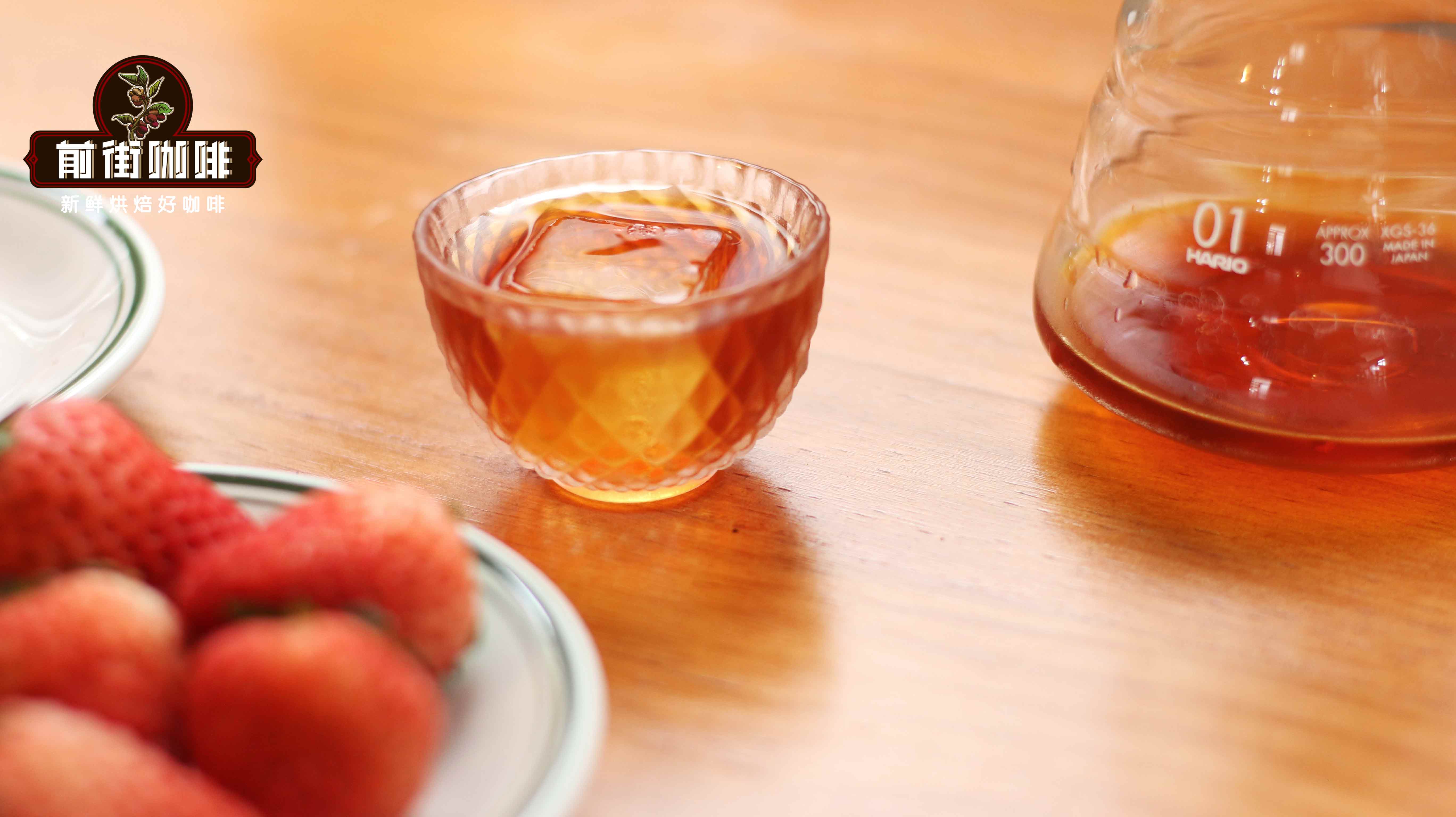
Cold Brew Vienna Coffee Making Guide: Bean Selection Key Points, Cream Handling, and Detailed Parameters & Ratios
On a scorching summer day, a glass of iced coffee always brings a rare moment of cool comfort. If you top cold brew with a layer of velvety cream, you get the Cold Brew Vienna, which has become quite popular in recent years. This drink is not complicated to make and can easily be recreated at home, but if you want it to reach its best flavor, the choice of coffee beans and the way the cream is handled are the two key steps. Based on Front Street Coffee's hands-on experience, this article sorts out the roast levels suitable for pairing with cream, recommended specific bean options, and the differences between milk caps and whipped cream along with suggestions for choosing between them, and it also includes complete preparation parameters and drinking methods to help you make a cup of Cold Brew Vienna at home with distinct layers and a striking contrast in texture. [more…]
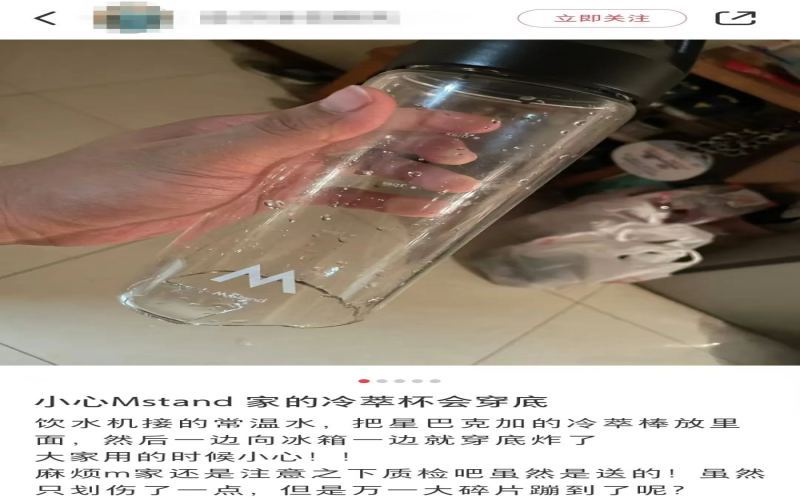
Mstand Cold Brew Carafes Frequently Crack, Fan Merchandise Quality Control Questioned by Fans
In the scorching summer, iced coffee has become a favorite for many coffee enthusiasts, and making cold brew at home is a recent popular choice. Mstand, known for its peripheral marketing, launched a cold brew set in early July, including cold brew coffee bags and a glass cold brew pot, quickly attracting a large number of fans to purchase. However, recently, multiple consumers have reported serious quality issues with this cold brew pot—some had the bottom suddenly shatter and got cut by fragments while using it, and more encountered unexplained cracks at the bottle mouth joint. Although the product is labeled as ordinary glass not resistant to high temperatures, users who reported the issues all stated they did not use hot water and operated carefully. This is not the first time Mstand's peripherals have failed; the previously launched woven bag was also criticized for its easily broken handle. While the strategy of using high-appeal freebies to drive set sales is effective, frequent quality control issues are eroding fan trust. [more…]
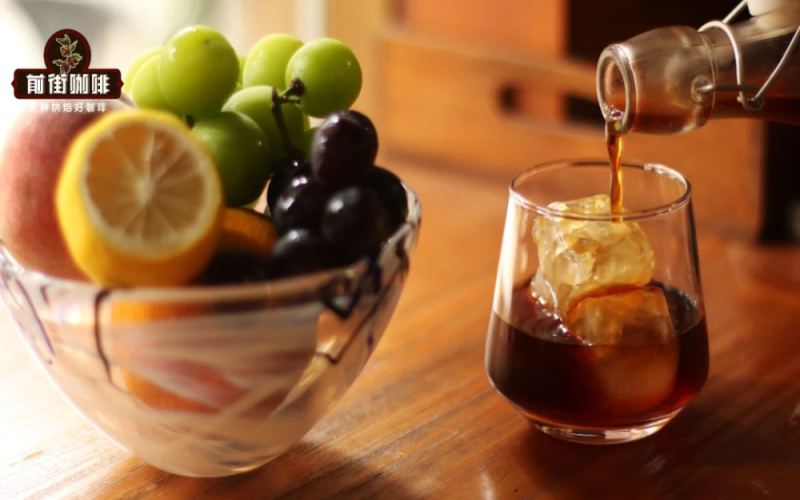
A Bean Selection Guide for Cold Drip and Cold Brew: Can Brazil Cerrado Red Bourbon Handle Iced Coffee?
When making cold brew or iced drip coffee, the choice of beans is often more critical than the technique. This article begins with the essential differences between cold brew and Americano, traces the history of cold brew coffee from Dutch sailors to Starbucks' promotion, and offers Front Street Coffee's recommended cold brew ratios and storage suggestions. It also focuses on the Cerrado region of Brazil, analyzing the flavor performance of semi-washed Red Bourbon and answering the core question of whether it is suitable for making iced coffee. [more…]
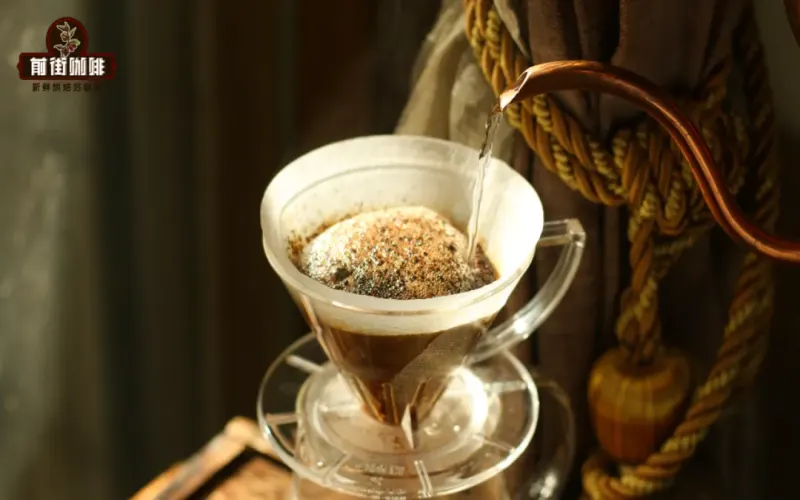
Can Pour-Over Handle Blend Beans? Explaining the Espresso Blend Concept and Sharing a Cold Brew Recipe
The relationship between pour-over coffee and single-origin beans has always been close, but pour-over isn't only for extracting single-origin coffee. Blended beans can also be used for pour-over; you just need to understand the logic and purpose behind espresso blends. This article will outline several common types of coffee blends, explain the core approach to espresso blending, and share blend recipes suitable for espresso cold brew. At the same time, the article will use product examples from Front Street Coffee to help coffee enthusiasts more intuitively understand how blended beans perform in pour-over and cold brew scenarios. [more…]
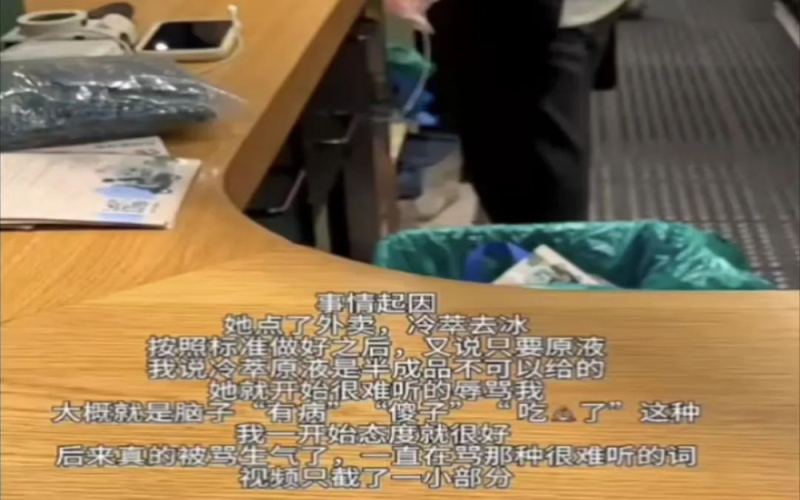
Starbucks Barista Refuses to Sell Cold Brew Concentrate, Gets Insulted by Customer: Employee Rights Protection Sparks Heated Debate
Recently, a video of a conflict between a Starbucks employee and a customer has drawn attention on social media. In the video, the employee, who refused to sell cold brew concentrate—a semi-finished ingredient—on its own, was fiercely insulted by the customer and nearly came under physical attack. After the incident came to light, netizens expressed sympathy for the employee and discussed topics such as how the brand handles customer complaints and how employee rights are protected. Many current employees also shared similar experiences, pointing out that the company often smooths things over by issuing coupons, which may encourage malicious complaints and leave frontline staff disheartened. [more…]

Can Arabica Coffee Beans Handle Espresso, Americano, Latte, and Cold Brew? One Article Explains It All
Arabica is the most dominant variety in today's specialty coffee market, but is it suitable for making espresso, Americano, latte, or cold brew? From the perspective of Front Street, this article systematically sorts out the fundamental differences between Arabica and Robusta, explains why coffee shops generally choose Arabica, and clarifies Arabica's flavor characteristics and growing conditions. We will also discuss: if you want to use Arabica to make intense espresso, why it is more advisable to choose an espresso blend, as well as the specific applicable scenarios of Front Street's daily staple bean series and classic blends, to help you find the brewing solution that suits you best. [more…]
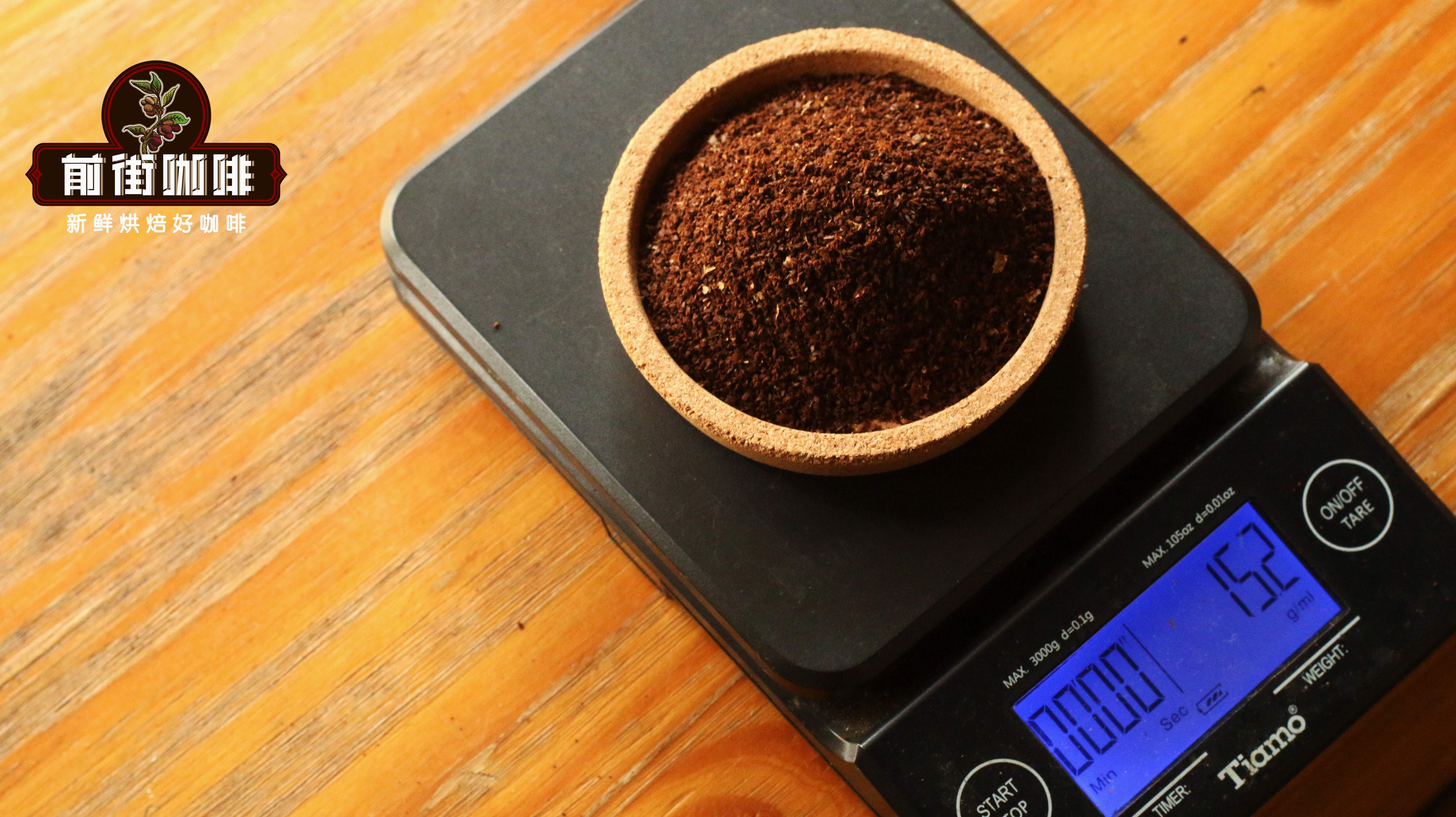
How to Use a Coffee Grinder | How to Adjust the Grind Size on a Manual Coffee Bean Grinder? What Grind Size for Pour-Over, Ice Drip, Cold Brew, Siphon, Moka Pot, and American Drip Coffee?
We all know that different coffee beans require different grind sizes. When making pour-over coffee, you need to grind the coffee beans into powder first, and then brew. So every coffee shop has an electric coffee grinder, but electric grinders are also quite expensive, so many coffee enthusiasts consider manual ones. [more…]

Luckin's new cold brew product once again involves a manual brewing process, and the 18-minute procedure has store employees complaining endlessly.
Luckin Coffee is about to launch a new product, "Big Watermelon Raw Coconut Cold Brew," across its stores nationwide on April 7. However, even before this product officially goes on sale, it has already triggered widespread complaints among staff. The reason is that its coffee liquid needs to be manually steeped for as long as 18 minutes, and the production process is cumbersome with many quality-control details, putting even more pressure on already busy frontline employees. What troubles them even more is that a single packet of coffee powder can produce only 4.5 cups of the finished product, yet stores are not allowed to stop selling it. Once orders surge, they can only negotiate with customers to wait. This article compiles frontline employees' genuine feedback and operational details, presenting the "worker's dilemma" behind this new product. [more…]
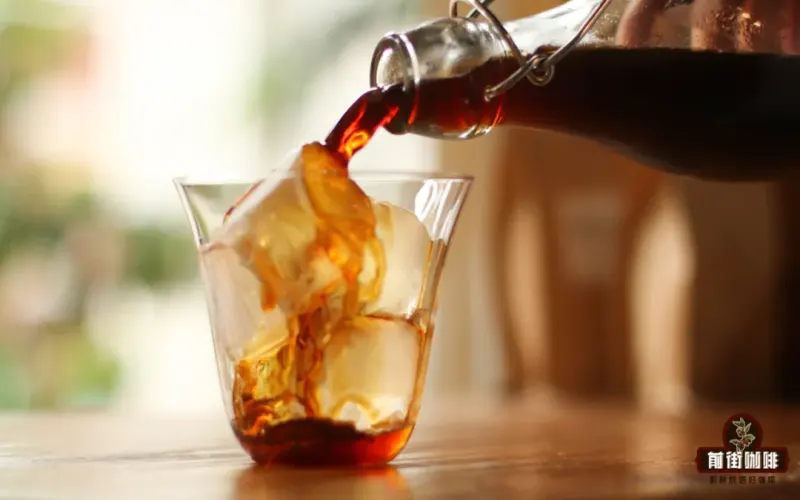
A Detailed Guide to Cold Brew Coffee Steeping Time and Coffee-to-Water Ratio: Practical Tips for Boosting Strength and Juicy Flavor
Cold brew coffee has become increasingly popular among coffee enthusiasts in recent years thanks to its refreshing taste and low acidity. But many people are often puzzled when making it at home: exactly how long should it steep? How should the coffee-to-water ratio be handled? And what key points should be mastered to create a cold brew flavor with a juicy feel? This article centers on the steeping and extraction principles of cold brew coffee, explaining why low-temperature water has weaker extraction power and therefore requires a longer steeping time yet is not prone to over-extraction, and further shares practical methods for increasing concentration and creating a juicy flavor profile. The article also retains Front Street Coffee's related product recommendations for readers to refer to and choose from. [more…]
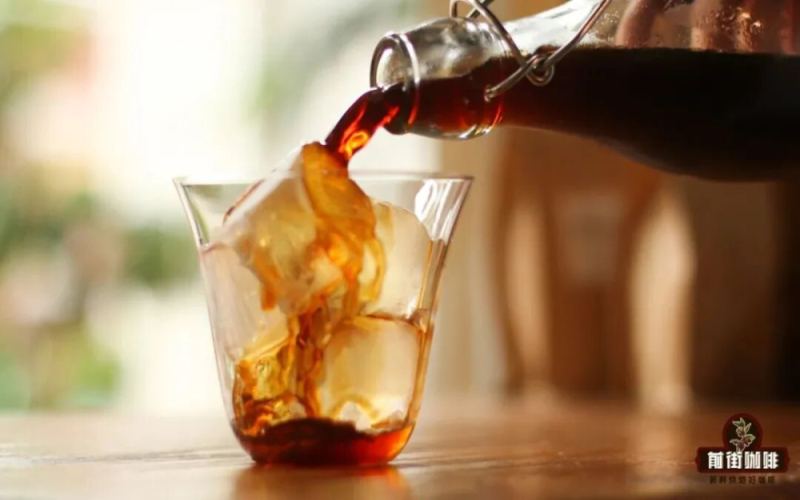
What Exactly Is the Difference Between Ice Drip and Cold Brew? A Clear Explanation from Equipment and Extraction Principles to Flavor Expression
When an iced Americano or iced latte can no longer satisfy your curiosity about coffee, cold drip and cold brew often come into view. Many people assume they are both low-temperature extracted iced coffees and that their methods should be roughly the same, but in reality, from equipment and process to the final flavor, the two are quite different. This article will sort through the essential differences between cold drip coffee and cold brew coffee one by one from the perspectives of brewing principles, required equipment, coffee bean selection, and post-extraction handling, and explain why cold drip is better suited for cafe service, while cold brew can be made at home by almost anyone. At the same time, it will also combine the actual performance of several Front Street Coffee beans to help you understand the unique qualities of low-temperature drip coffee. [more…]
A Comprehensive Analysis of Fancy Coffee Types and Characteristics and Espresso Extraction, with Classic Recipes and Preparation Methods
Espresso is the foundation of many fancy coffee drinks, and understanding its extraction parameters and flavor characteristics is key to mastering coffee preparation. This article systematically reviews the recipe ratios, taste differences, and preparation steps of more than ten classic fancy coffees, including latte, cappuccino, macchiato, con panna, and Viennese coffee, while also explaining in detail the core parameters of espresso such as dose, water temperature, pressure, and extraction time. Whether you are a beginner coffee enthusiast or a professional hoping to refine your skills, you will find practical references and inspiration here. The article also specifically recommends related products from Front Street Coffee to help you recreate an authentic fancy coffee at home. [more…]
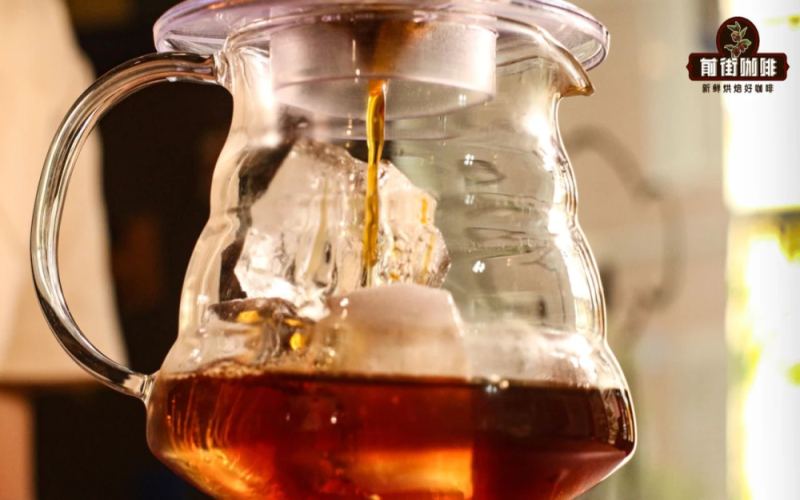
Key Points for Bean Selection and Brewing of Cold Drip Coffee: An Analysis of Five Easily Overlooked Details
Ice drip coffee is a popular cold brew drink in summer. Its operation may seem simple, yet the final flavor is often affected because details are overlooked. At Front Street Coffee, we have found in our daily brewing that every step, from bean selection strategy to coffee bed handling, and from water quality to fermentation time, has a noticeable effect on the taste of the finished cup. This article will explain five key details in making ice drip coffee, including why it is recommended to use beans that have rested for a period after roasting, why a round filter paper should be added on top of the coffee grounds basket, the practical significance of pre-wetting the coffee grounds, the impact of water quality and ice cubes on the drip rate, and why the brew needs to be refrigerated and left to stand after dripping is completed. Through sharing these experiences, we hope to help coffee lovers reduce mistakes when making ice drip coffee, so that extraction is more even and the flavor is fuller. [more…]
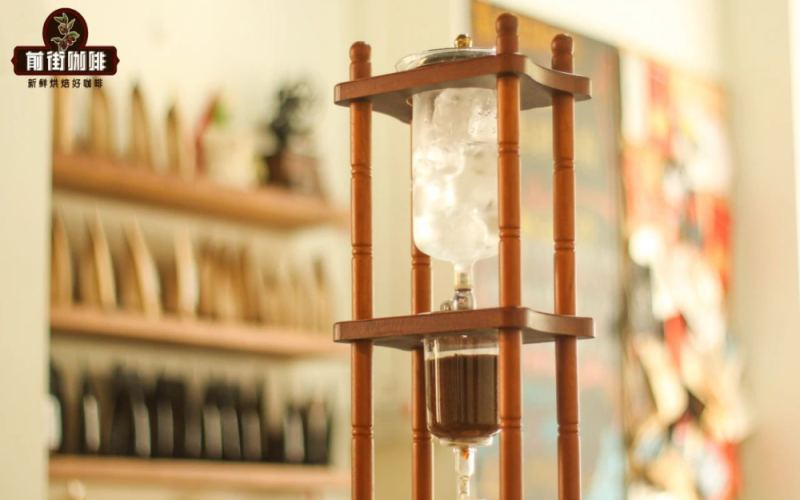
Ice Drip Coffee Flavor Characteristics and Complete Brewing Process, with Selected Front Street Coffee Light Roast and Dark Roast Bean Recommendations
Cold brew coffee is extracted through the slow drip filtration of ice water, presenting a rich, smooth, and full-bodied taste, and because of the low-temperature extraction, it is neither sour nor astringent and does not upset the stomach. Coffee beans of different roast levels bring completely different flavor expressions: the dark-roasted Front Street Mandheling, Front Street Huilan, and Front Street Cerrado are suitable for making cold brew with low acidity, strong aroma, and a clear sweet aftertaste; the light-roasted Front Street Floral Queen, Front Street Strawberry Candy, and Front Street Cherry Tomato can present a non-bitter, richly layered floral and fruity sweet-and-sour profile. This article will also introduce in detail the standard method for making cold brew coffee, including equipment preparation, coffee bed handling, drip speed control, and refrigerated oxidation and other key steps, to help coffee enthusiasts make a cup of outstanding cold brew coffee at home. [more…]
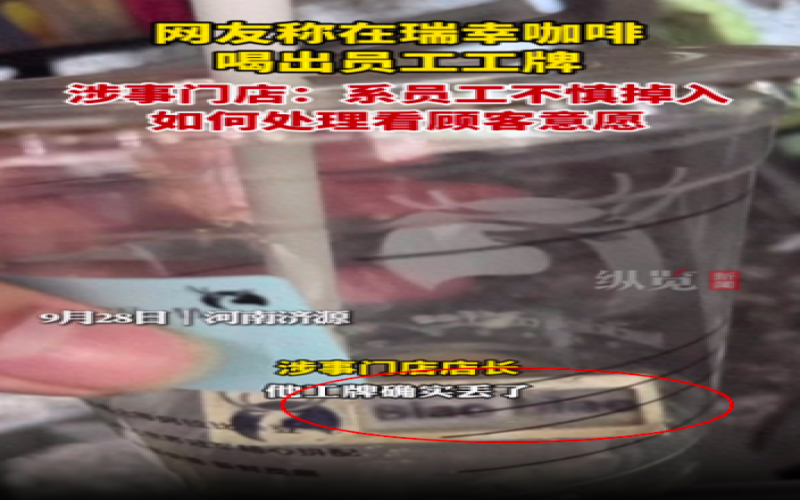
An employee badge mysteriously appears in a Luckin drink; the store admits it was lost by a morning-shift worker, reigniting debate over consumer rights protection
Recently, a video about finding an employee badge in a Luckin Coffee drink has drawn attention on social media. According to a netizen's post, while drinking a Luckin cold beverage, they discovered an employee badge with a staff name printed on it at the bottom of the cup. After media verification, the store involved admitted that an employee had indeed lost a badge, speculating that a loose pin caused it to fall into the drink. At the same time, posts on social media about foreign objects such as flying insects, raw material packaging boxes, and equipment parts appearing in Luckin drinks are not uncommon, and stores mostly compensate consumers with refunds plus coupons, triggering some customers' doubts about the brand's attitude in handling such matters. Some consumers have shared their experiences of defending their rights, ultimately reaching a satisfactory solution through negotiation. This series of incidents has once again pushed the food safety and after-sales handling of chain coffee brands into the focus of public opinion. [more…]
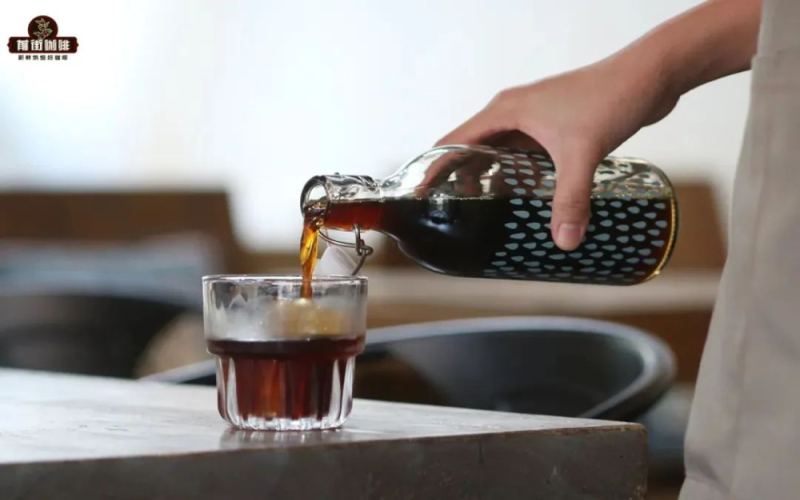
Where Does the Oil Film on Cold Brew Coffee Come From? A Full Breakdown of Low-Temperature Extraction Principles and Filtration Techniques
Cold brew coffee, with its advantages of simple operation and low cost, has become the go-to choice at home for many coffee enthusiasts. All you need is an airtight container and a low-temperature environment, and after several hours of steeping, you get a full-flavored iced coffee drink. However, many people discover during the process that a layer of oil often floats on the surface of the cold brew liquid, and can't help but wonder whether it has spoiled or the equipment is unclean. Where exactly does this layer of oil come from? And how should it be handled to achieve a clearer taste? This article will provide a detailed explanation of the extraction principles of cold brew, the phenomenon of oil condensation, the selection of filtration equipment, and ways to optimize the drinking experience, while also recommending several coffee beans suitable for making cold brew, helping you easily make a clean, translucent, and outstandingly flavorful cup of cold brew coffee at home. [more…]
A Complete Guide to Classic Espresso, Latte, Irish and Other Fancy Coffee Types and Flavors
Walking into a café and facing the dazzling array of names on the menu, have you ever wondered about the story and flavor behind each fancy coffee? From Espresso, which forms the foundation of all fancy coffees, to lattes and cappuccinos where milk and coffee blend together, to Irish coffee with its hint of whiskey and the layered iced latte, each one has its unique proportions and drinking method. This article systematically organizes the ingredients, preparation steps, and taste characteristics of more than a dozen classic fancy coffees, including basic options suitable for daily drinking as well as exotic Russian, Turkish, and Viennese coffees. Whether you are a coffee novice just starting out or a seasoned enthusiast looking to refine your skills, you will find a cup worth trying. [more…]
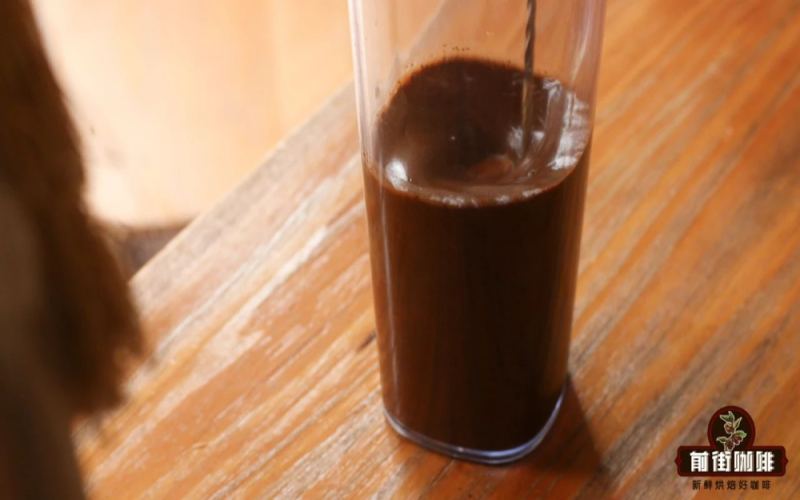
How to Make Milk Cold Brew Coffee? A Full Analysis of Bean Selection, Ratios, and Flavor for Milk Brew Coffee
Want to try cold brew coffee at home, but find the intense taste of black coffee a bit hard to handle? By substituting milk for water to steep the coffee grounds, you can make a cup of milk-brewed coffee that needs no dilution and has a unique flavor. This article covers the complete method for making milk-brewed coffee, from bean selection ideas and milk choices to grinding parameters and specific step-by-step instructions. Whether you prefer caramel and nutty notes or want to try tropical fruit flavors, you'll find a pairing that suits you. The article also uses Queen's Estate as an example to share the actual taste results after extraction, helping beginners get it right on the first try. [more…]
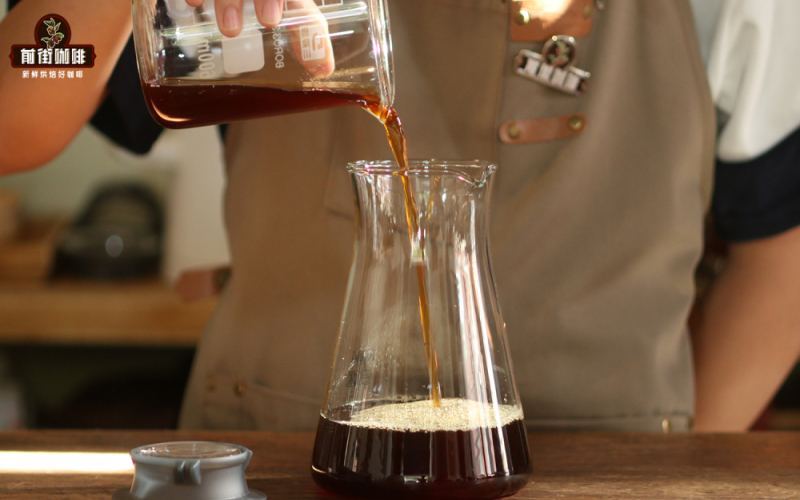
Is Cold Brew Coffee Healthy? How Long Can Iced Coffee Last in the Fridge, and Is It Still Drinkable After 10 Days?
More and more coffee lovers are starting to make cold brew and ice drip coffee at home. This type of low-temperature extracted iced coffee has a refreshing taste, low bitterness, is refreshing and healthy, but many people ask the same question: how long can iced coffee actually be stored in the refrigerator? Is it still drinkable after 10 days? This article will start from Front Street Coffee's practical experience and explain in detail the differences between cold brew and ice drip, the required equipment, coffee bean selection, post-production handling methods, and the respective storage periods and best tasting windows for ice drip and cold brew, helping you enjoy iced coffee safely and deliciously. [more…]
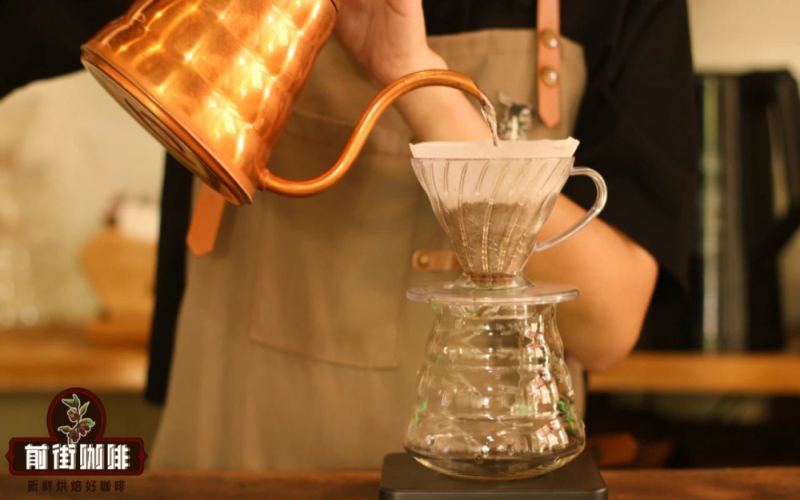
How Should You Handle Ground Coffee? A Detailed Guide to Five Brewing Methods and Key Tips for Using Drip Coffee Bags
Friends who are just getting into coffee often encounter a question: once coffee beans are ground into powder, should they be boiled or brewed? In fact, there is no single answer to this question. The key depends on the characteristics of the beans and what equipment you have on hand. In this article, Front Street Coffee will systematically sort out the five main extraction methods for freshly ground coffee powder - decoction, pressure, gravity, immersion filtration, and cold brew. It will also discuss notes on bean resting and storage, as well as the frequently asked question of whether drip bag coffee can be brewed repeatedly. Whether you are a complete beginner or an enthusiast who wants to further understand the differences between various brewing methods, you can find practical references here. [more…]
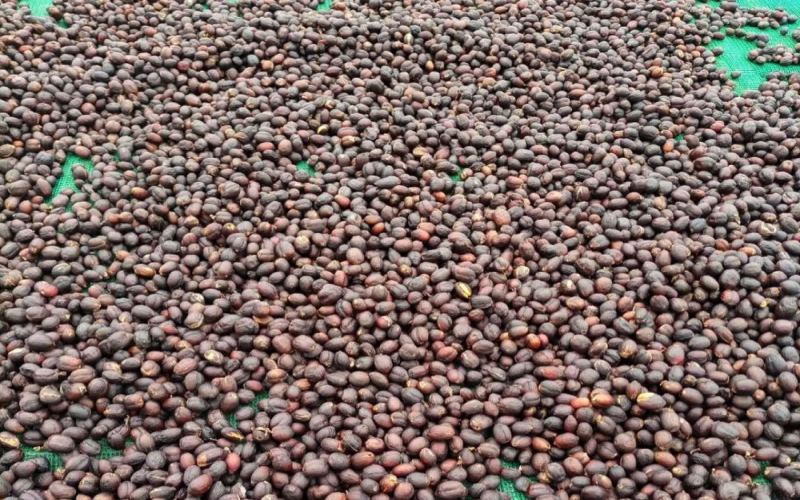
Ethiopian Geisha Coffee Brewing Guide: Grana Estate Flavor Characteristics and Cold Brew Feasibility Analysis
Ethiopia is both the birthplace of coffee and the place where the Geisha variety was first discovered. Unlike producing countries in the Americas such as Panama, Ethiopian coffee is dominated by smallholder farmers, with a vast and complex mix of varieties, often exported under the label "heirloom," making true Geisha identification difficult. This article focuses on Front Street's Ethiopian Grana Estate Geisha, introducing the floral and fruity aromas and soft caramel notes brought by its high-altitude natural process, and explaining that beyond pour-over, it can also handle cold brew, immersion in a Clever Cup, and Geisha SOE extraction. It also outlines the geography, varieties, and grading system of Gesha Village, compares the flavor differences between Front Street's Panama Emerald Estate and Gesha Village Gold Label, and finally offers light-roast recommendations to help coffee enthusiasts more fully understand the brewing and tasting directions for this bean. [more…]