







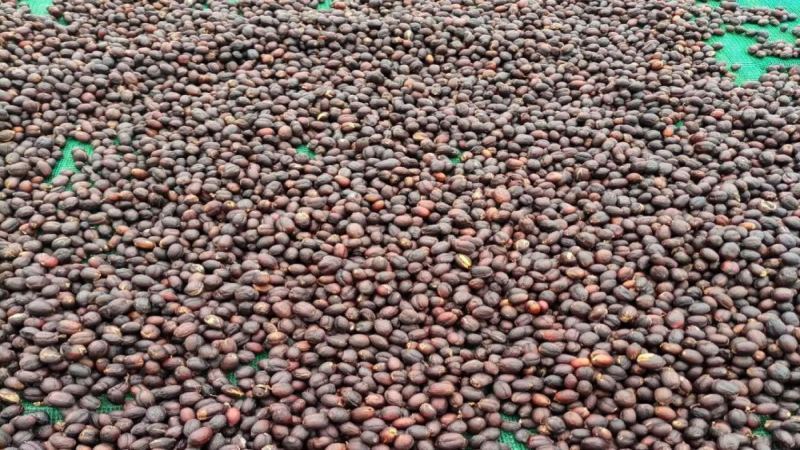
How Should You Brew Ethiopian Geisha Coffee?
Ethiopian Geisha comes from the country where coffee and the Geisha variety both originated. Geisha was first discovered in 1931, then spread to the Americas. Because Ethiopian coffee is grown mostly by smallholder farmers with an extremely diverse mix of varieties, lots are often exported as heirloom, so identifying true Geisha is difficult.
Front Street Ethiopia Grana Estate Geisha is a high-altitude natural process bean with floral and fruity aromas and soft caramel sweetness. Beyond pour-over, it works for cold brew, immersion in a Clever Cup, and Geisha SOE extraction. Gesha Village sits at 1,900 to 2,100 meters, and light-roast recommendations help bring out its delicate character.
Ethiopia is both the birthplace of coffee and the place where the Geisha variety was first discovered. Unlike American producing countries such as Panama, Ethiopian coffee is mainly grown by smallholder farmers, with a vast and complex mix of varieties, often exported under the name "heirloom," so truly identifying Geisha is not easy. This article focuses on Front Street Ethiopia Grana Estate Geisha, introducing the floral and fruity aromas and soft caramel sweetness brought by its high-altitude natural process, and explaining that besides pour-over, it can also handle cold brew, immersion in a Clever Cup, and Geisha SOE extraction. At the same time, it reviews the geography, varieties, and grading system of Gesha Village, compares the flavor differences between Front Street Panama Hacienda La Esmeralda and Gesha Village Gold Label, and finally gives light-roast recommendations to help coffee lovers understand this bean's brewing and tasting directions more completely.
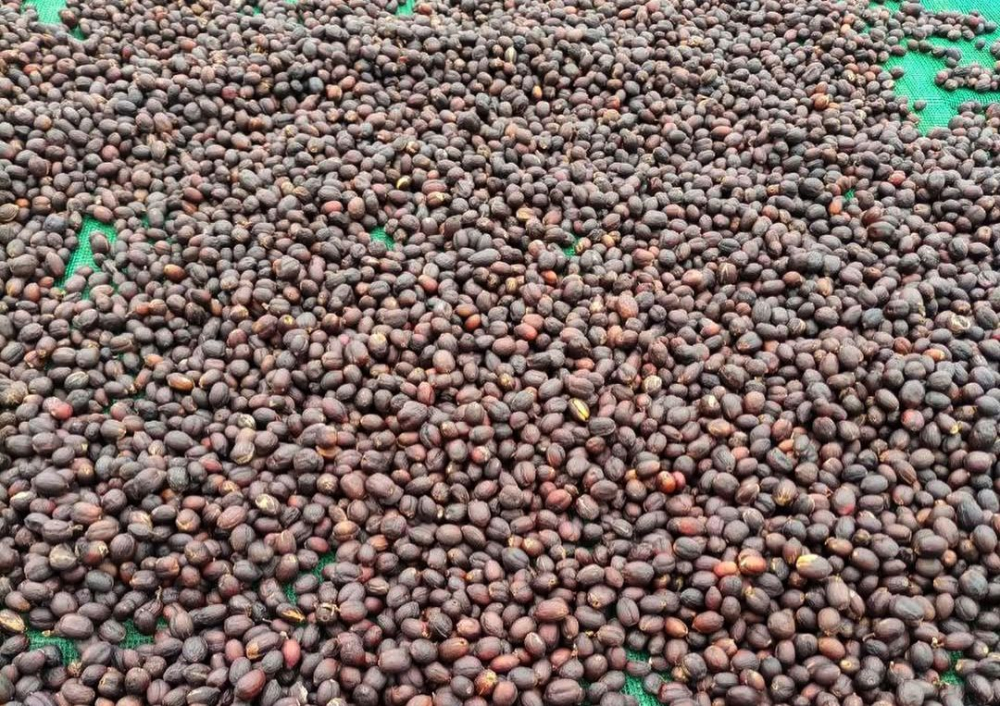
The birthplace of coffee is Ethiopia, and the Geisha variety also originated there. Geisha was first discovered in 1931, and afterward gradually spread to the Americas and elsewhere. Therefore, outside Panama, Ethiopia is one of the Geisha-producing countries most worth paying attention to. However, Ethiopia differs markedly from American countries such as Panama: local varieties are extremely rich, and smallholder farming dominates, making it difficult to accurately determine whether a given lot belongs to Geisha, and most coffee is ultimately exported under the name "heirloom."
If you want to experience the charm of Ethiopian Geisha, Front Street Ethiopia Grana Estate Geisha is a choice worth trying first. High-altitude conditions combined with meticulous natural processing give this bean distinct floral and fruity notes, with a soft flavor profile that still retains caramel-like sweetness. Front Street Grana Geisha coffee is not only suitable for pour-over, but can also be used for cold brew, immersion in a Clever Cup, and even for extracting Geisha SOE.
Since 2008, Gesha Village's owners Adam and Rachel spent a full three years searching for the ideal plot, and finally found an ecosystem suitable for coffee growing at an altitude of 1,900 to 2,100 meters, with tropical rainforest, a suitable climate, fertile forest soil, and a historic woodland environment. With the guidance and assistance of Mr. Willem, the godfather of Geisha, Gesha Village's coffee has continued to achieve impressive results in major competitions around the world.
Gesha Village is completely different from the vast majority of Ethiopian farms. It is not a small farm, but a large farm of more than 400 hectares, equipped with its own washing station and laboratory, located in the southwest near the Sudanese border. The estate divides the farm into 8 blocks, mainly growing 3 Geisha varieties. Its Geisha selections come from a native coffee forest 20 kilometers from the estate—which is also the source of Panama's Geisha variety.
Gesha Village is completely different from the vast majority of Ethiopian farms. It is not a small farm, but a large farm of more than 400 hectares, with its own washing station and laboratory, located in the southwest near the Sudanese border. Gesha Village divides the farm into 8 blocks, with 3 main Geisha varieties. The Geisha selections come from a native coffee forest 20 kilometers from the estate, which is also the source of Panama's Geisha variety.
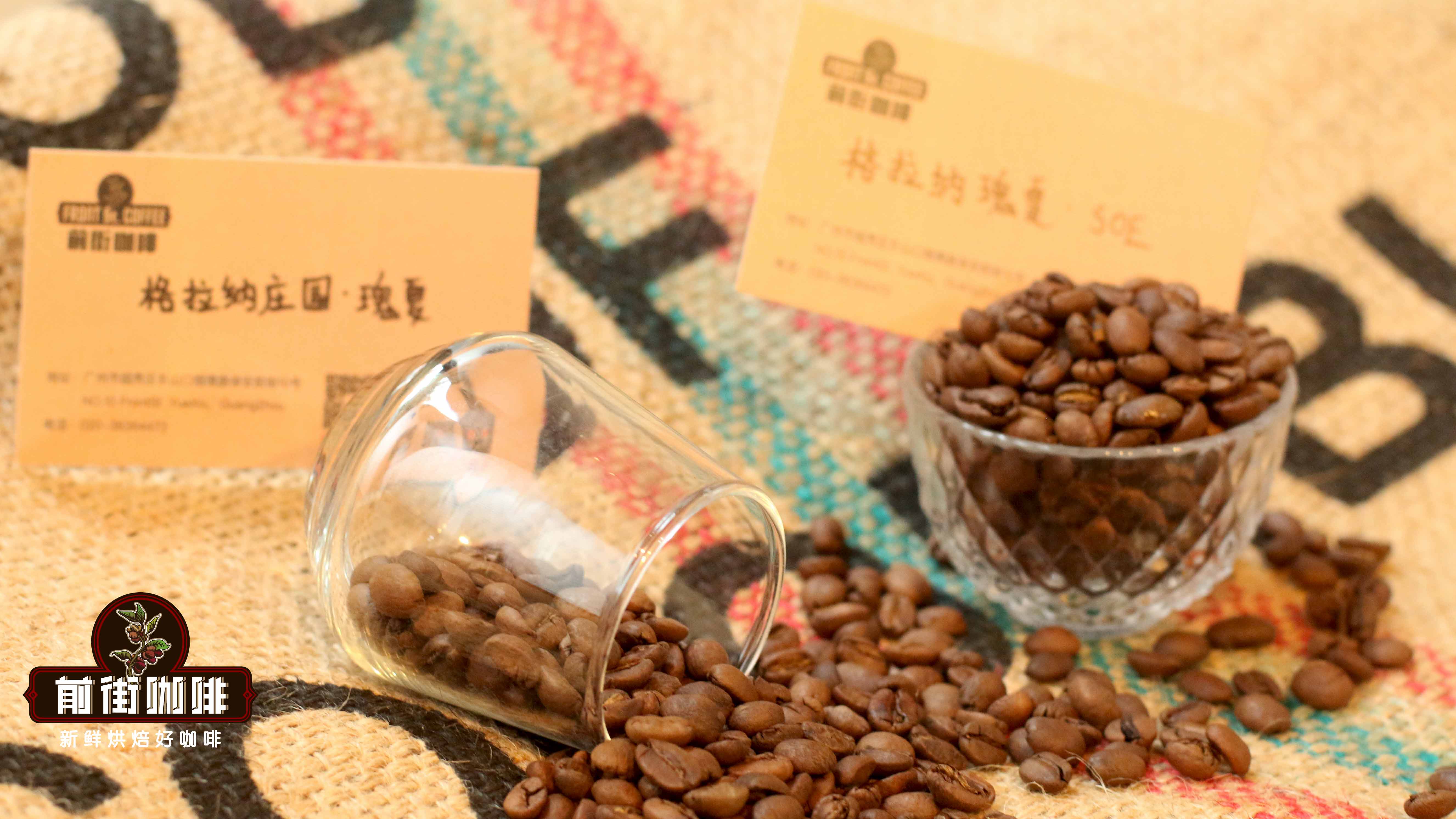
In addition to the two varieties Geisha 1931 and Gori Geisha, Gesha Village also grows a native variety called Illubabor. Even for a top estate, the coffee produced can vary in quality. In order to protect Gesha Village's flavor reputation, the estate enforces strict internal grading standards, dividing coffee into five grades based on factors such as cupping score and yield: Auction, Gold Label, Red Label, Green Label, and Chaka lot Geisha. Front Street Gesha Village Red Label has complete traceable lot information and presents the typical Gesha Village flavor. Its flavor intensity and complexity are slightly lower than the Gold Label lot, making it a single-origin lot with quite outstanding value for money.
The flavor direction of Front Street Gesha Village Geisha coffee is not the same as that of Front Street Panama Hacienda La Esmeralda Geisha coffee. Hacienda La Esmeralda's washed Geisha mostly shows delicate floral aromas, tea-like notes, and almond-nut tones, while its natural Geisha is mainly dominated by rich fruit notes, accompanied by slight floral aromas, and as it cools it easily brings to mind ginger lily and citrus. Front Street Gesha Village Gold Label Geisha, on the other hand, is based on yellow stone fruit flavors, often reminding people of yellow peach, with medium-high sweetness, and outstanding lots can even show toffee-like flavors.
In order to fully bring out the characteristics and aroma of Geisha coffee beans, Front Street recommends using a light roast. This roast level is more conducive to releasing the bean's own personality, while roasting too dark will weaken the floral aroma and fruity acidity. Of course, the specific choice also needs to be flexibly adjusted according to the characteristics of the coffee beans and the roaster's understanding of the beans.
The above content is compiled by CoffeeHunters, a coffee news website.


