







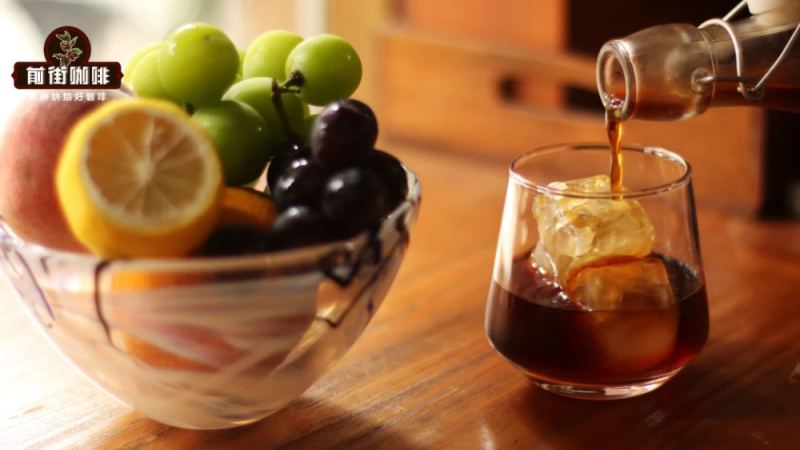
American Coffee in Japan, Cold Drip, and Bean Selection
Bean choice matters more than technique for cold brew and ice drip. Cold brew is immersion extraction with cold water, typically refrigerated about twelve hours, while an Americano is espresso pulled under high temperature and pressure and poured over ice water. The two differ in temperature, equipment and taste, so the bean that suits one does not automatically suit the other.
Cold brew keeps five to seven days refrigerated, and most beans fade after the second or third day, so finishing it within six days is advisable. Semi-washed Red Bourbon from Brazil's Cerrado region is the case examined here. Iced americano how much water is added is a separate question, since that drink is built from espresso rather than an immersion brew.
When making cold brew or ice drip coffee, the choice of beans is often more critical than the technique. This article starts with the essential difference between cold brew and Americano, traces the history of cold brew coffee from Dutch sailors to Starbucks' promotion, and gives Front Street's recommended cold brew ratios and storage advice. It also focuses on the Cerrado region of Brazil, analyzing the flavor performance of semi-washed Red Bourbon and answering the core question of whether it is suitable for making iced coffee.
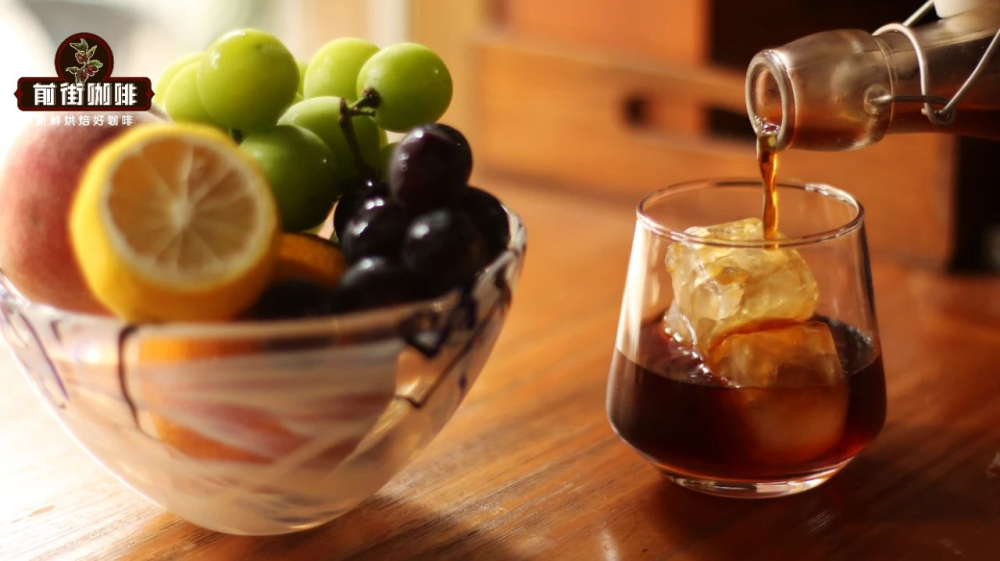
When making cold brew coffee, the key is still to choose beans according to personal taste, so you can drink it to your satisfaction.
What is the difference between cold brew coffee and Americano? The two are completely different in production process and extraction principle. The most core difference is temperature: iced coffee is usually made by first brewing hot coffee and then adding ice cubes to cool it; cold brew, on the other hand, directly uses cold water to extract coffee. Different methods naturally lead to clearly different tastes.
Cold brew and Americano share one thing in common: both belong to immersion extraction, but they are only grouped together by extraction method, while the actual operation differs greatly.
Americano relies on an espresso machine to extract concentrated liquid under high temperature and high pressure, then pours it into a cup containing ice water, and a cup of Americano is ready.
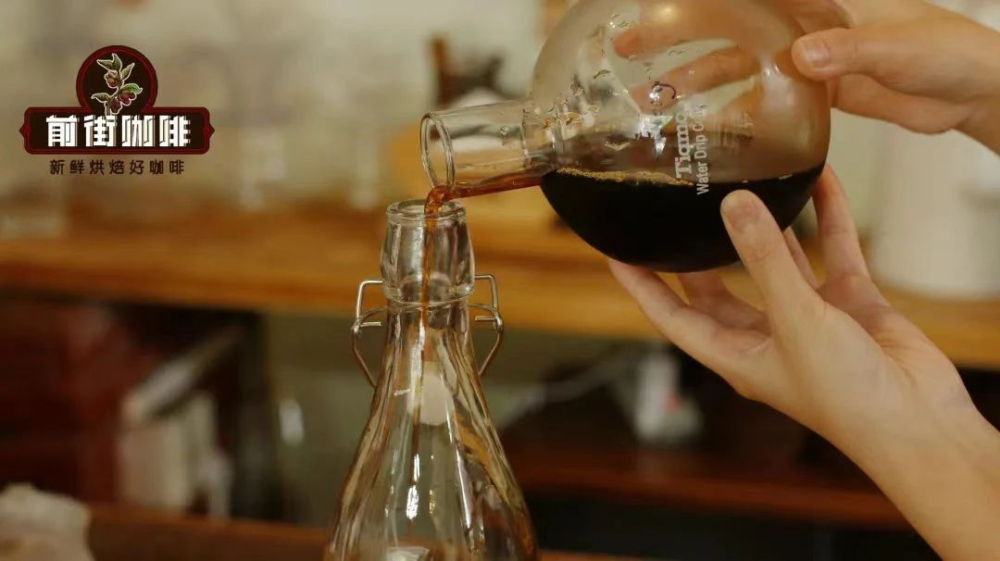
Cold brew is much more down-to-earth. It does not require an espresso machine, and even a grinder can be skipped. Just buy freshly ground coffee powder, put it into a filter bag, seal it, drop it into ice water, and refrigerate for about twelve hours, and the cold brew is ready. The operation is simple and the cost is low, so it can be easily done at home.
After filtering, cold brew can be stored refrigerated for five to seven days. It is not recommended to drink it after more than a week. The longer the time, the more pronounced the fermented taste, and the flavor of most beans begins to decline after the second to third day.
Try to finish it within six days. The third day is usually the best state, though this also depends on the specific extraction method and the beans used.
The origin of cold brew coffee
Many people know cold brew through Starbucks, but cold brew was not invented by Starbucks. Starbucks merely brought it to the public, allowing more people to accept and fall in love with this kind of coffee.
It is said that cold brew was first created by the Dutch. In the seventeenth century, sailors could not drink hot coffee at sea, so they had to soak coffee grounds in cold water, and found that the taste was not bad. After that, cold brew became popular in Western countries, and by the mid-nineteenth century it gradually spread around the world. From the United Kingdom to Japan and then to the United States, various cold brew concentrate products kept emerging, and it was especially popular in the military.
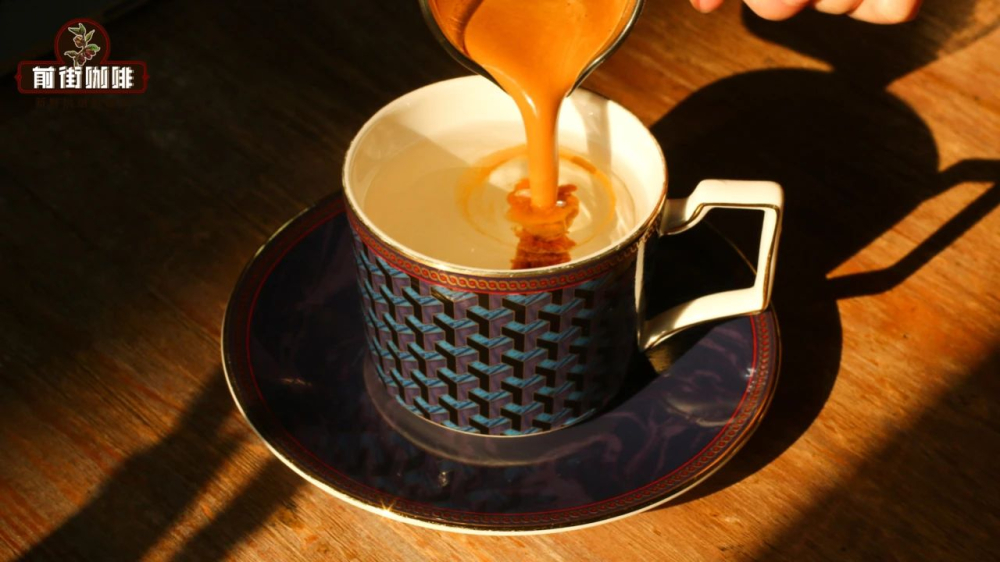
By the 1960s, Todd Simpson drank local cold brew coffee while traveling in Peru and became fascinated by it. He then designed and launched the now world-famous Toddy cold brew system. It is precisely by adopting the Toddy system that Starbucks brought cold brew coffee to the whole world.
How to make cold brew coffee
Front Street recommends using a wide-mouth cup or bottle with a lid for extraction.
1. Take out the cold brew bag and lift the hanging string.
2. Put it into a cup or bottle. A 1:10 extraction ratio is recommended (one 10g bag with 100g cold water, ready to drink directly after completion); if you plan to mix it with milk, coconut milk, etc., use a 1:6 ratio (one 10g bag with 60g cold water, and the resulting coffee liquid is used to mix with other drinks).
3. Cover with the lid, shake a few times, and put it in the refrigerator to extract for 8 to 12 hours, allowing the coffee grounds to fully contact the cold water.
4. After extraction is complete, take out the cold brew bag and enjoy.
The emergence of the semi-washed processing method does not mean that all producing regions in Brazil adopt it. Cerrado, which has lower humidity, still mainly uses natural processing, and semi-washed is only a supporting role in Cerrado. However, the Cerrado Red Bourbon selected by FrontStreet Coffee is processed by the semi-washed method.
Front Street Brazil Red Bourbon Coffee Region: South Minas region Variety: Red Bourbon, Red Bourbon Processing method: semi-washed processing Altitude: 700-1250m
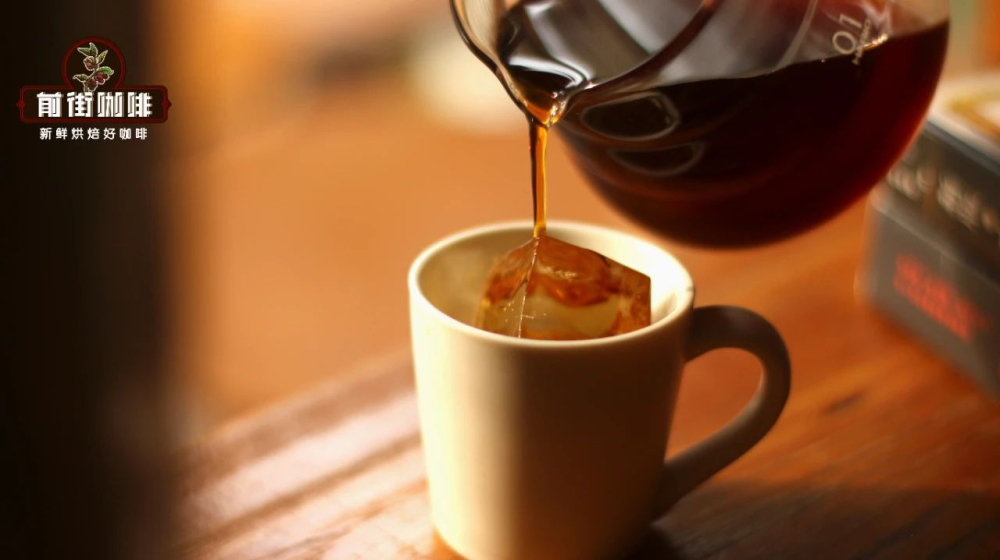
Flavor: prominent sweetness on the palate, with a slight lemon aroma, rich nutty notes, and a distinct dark chocolate note in the finish, with an overall round performance.
The above content is compiled by CoffeeHunters, a coffee news website.


