







Search Results for: cold brew storage time
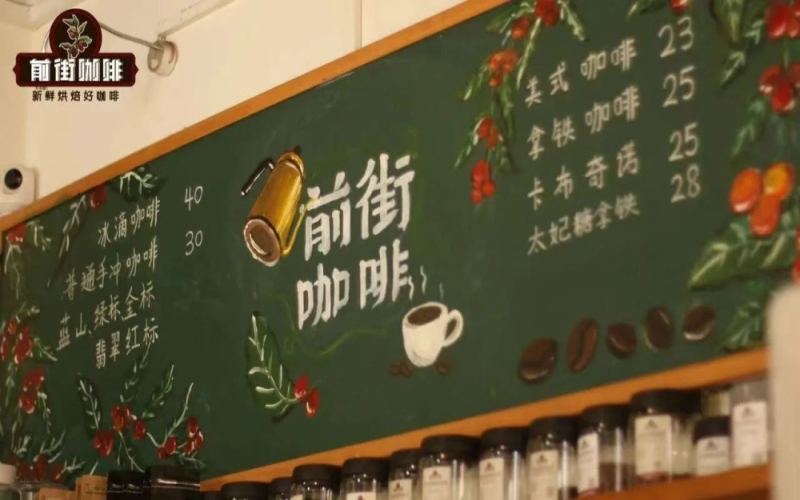
What Is the Difference Between Ice Drip and Cold Brew Coffee? A Detailed Guide to the Ice-Brewed Coffee Process and Storage Tips
Ice drip coffee and cold brew coffee are often confused with each other—what exactly is the difference between the two? This article provides a comprehensive breakdown of the differences between ice-brewed coffee and cold brew coffee, covering extraction principles, equipment selection, brewing steps, and coffee bean recommendations. It details how beans such as Front Street Strawberry Candy, Huakui, and Flower Butterfly perform in ice drip brewing, and includes a complete ice drip procedure along with storage suggestions. Whether you prefer floral notes or fermented wine-like aromas, you'll find an iced coffee solution that suits you, while also learning about the respective flavor windows and storage key points for ice drip and cold brew. [more…]
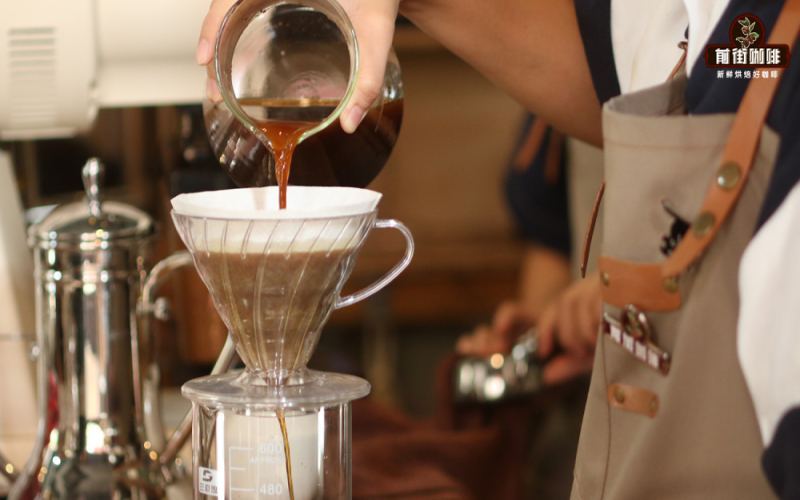
Is Cold Brew Coffee Suitable for Long-Term Storage? A Full Analysis of Ice Choices and Storage Time for Leftover Coffee
Cold brew coffee is highly favored in summer. It is usually made by steeping coffee in the refrigerator overnight using a coffee filter, and can be prepared by either pour-over or drip methods. It takes about 12 to 18 hours, yet the flavor is quite excellent. Many people believe that iced coffee is better than hot coffee, like a dessert in a glass. With ice cubes, coffee, flavored syrup, and dairy products combined, the result is amazing, and it can easily be made at home. When making it, you should choose high-quality coffee beans. Front Street Coffee's dark-roasted Brazil and Mandheling coffees are both good choices. The type of ice also matters. Crushed ice, medium ice cubes, and large ice cubes each have their own suitable uses. As for whether leftover cold brew can be stored in the refrigerator, the answer depends on the type of coffee and the storage method. Cold brew can be refrigerated for 2 to 3 days, while drip iced coffee is best kept for no more than 24 hours. [more…]
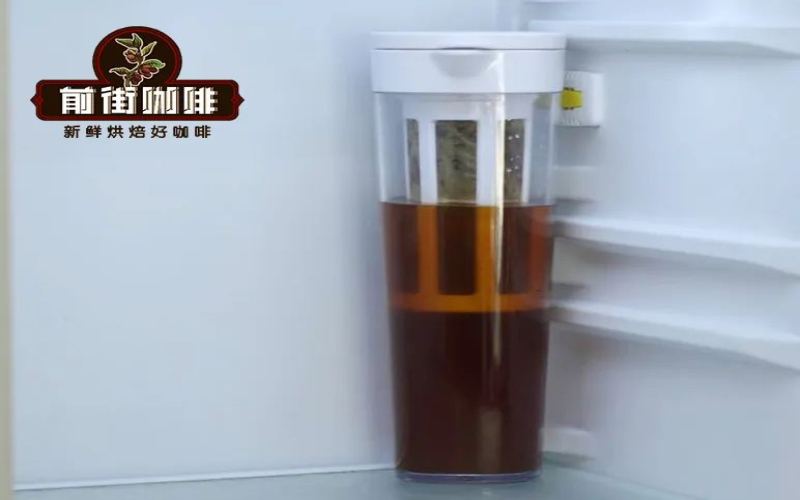
A Complete Guide to Iced Pour-Over, Cold Brew, and Cold Drip Coffee: Brewing Techniques and Storage Times
After the summer solstice, iced coffee becomes the focus of discussion among coffee enthusiasts. Drawing on community opinions, this article systematically organizes the key techniques for making three types of iced coffee: iced pour-over, cold brew, and ice drip. The content covers calculating coffee-to-water ratios, grind size recommendations, adjusting ice quantity, and the optimal drinking window and storage limits for cold brew and ice drip. Front Street also provides specific parameter references for each type of coffee to help you make iced coffee with clear flavor and a full body at home. [more…]
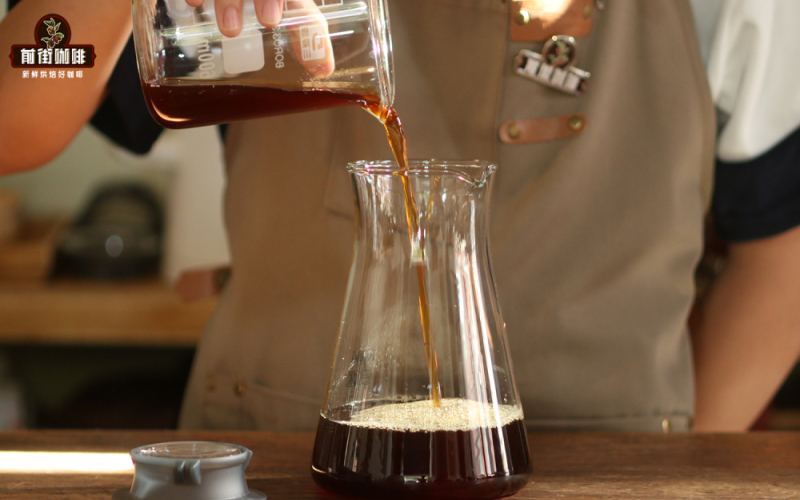
What's the Difference Between Cold Brew Coffee and Iced Americano? A Full Breakdown of Low-Temperature Extraction Flavor Characteristics, Cold Brew Making, and Storage
Although cold brew coffee and iced Americano are both iced coffee drinks, the core difference lies in the extraction temperature: cold brew uses low-temperature long-steeping, while iced Americano is hot espresso diluted with water and then poured over ice. Low-temperature extraction reduces the release of bitter compounds while fully preserving the sweet and sour flavors, so cold brew tastes cleaner and fuller; Americano, on the other hand, is rich, bold, and robust. This article explains in detail the brewing principles and flavor differences of the two, and shares a cold brew coffee brewing tutorial, suitable coffee bean choices, and storage period recommendations, helping you understand and make cold brew coffee more professionally. [more…]
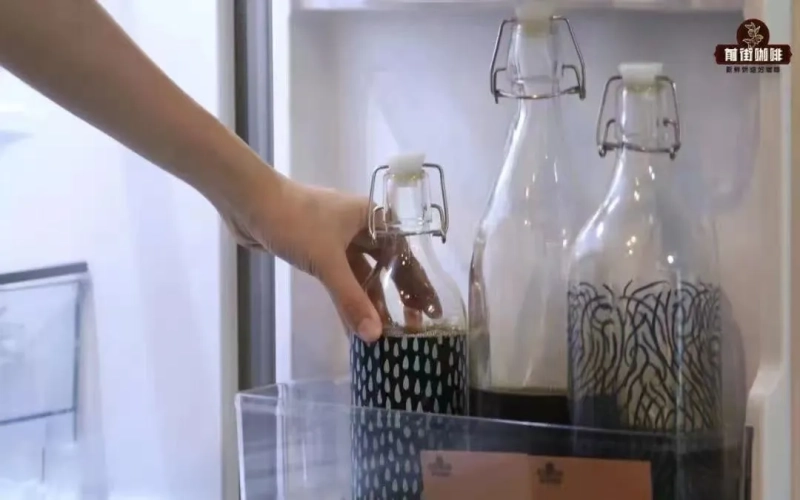
Cold Brew Coffee Shelf Life Fully Explained: How Long Is Best to Finish It Under Refrigeration and Sealed Storage?
More and more people are making cold brew coffee in the summer—brewing a big batch at once and keeping it in the fridge to drink slowly is indeed convenient. But problems come along with it: how many days can this batch of cold brew actually last? When does the flavor start to decline? When might it spoil? Front Street Coffee, drawing on hands-on testing experience, lays out clearly the shelf life of cold brew coffee, the optimal drinking window, the impact of how often it's opened, and the special precautions when using warm water to speed up extraction—helping you both enjoy good flavor and hold the safety line. [more…]
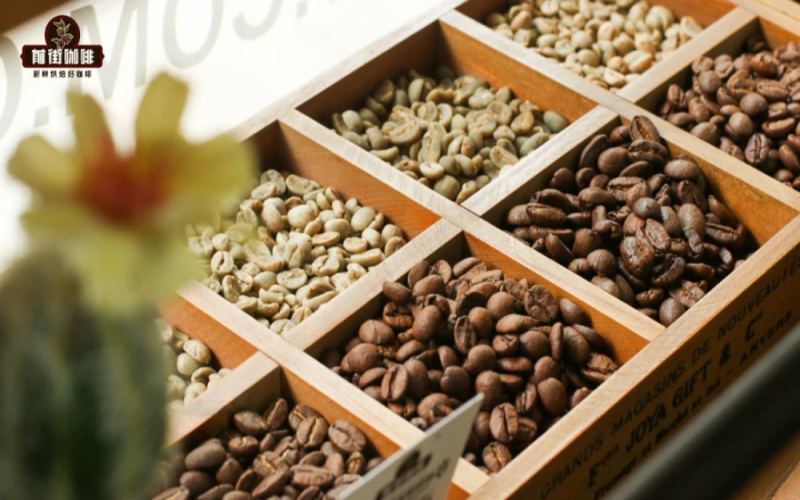
Cold Brew Coffee Tutorial: From Principles to Practice, with Front Street Coffee Bean Recommendations and Refrigeration Storage Tips
Cold brew coffee has won increasing favor among coffee lovers in recent years thanks to its silky mouthfeel and clean flavor. So how exactly does it differ from regular iced coffee? And which coffee beans are better suited to low-temperature extraction? In this article, Front Street Coffee will walk you through the extraction principles and flavor characteristics of cold brew, and recommend three Front Street Coffee beans for different taste preferences—Huakui, Butterfly, and Strawberry Candy. We'll also share the specific steps for making a single serving of cold brew, along with grinding parameters and coffee-to-water ratio. Finally, we'll explain how long filtered cold brew can be stored in the refrigerator, helping you enjoy cold brew safely and with peace of mind at home. [more…]
Cold Brew Coffee Storage Time and Brazilian Red Bourbon Recipe Explained: A Complete Guide from Extraction to Filtration
Cold brew coffee, with its user-friendly brewing method and refreshing taste, has become the summer favorite for many coffee lovers. But once you've made a batch of cold brew, how long can it keep? When does it taste best? This article starts with shelf life, offering a detailed explanation of cold brew storage essentials, and walks you through making cold brew easily with drip bags. It also compiles recommendations from Front Street Coffee for several beans suitable for cold brew, including the floral Panama Geisha, the bright and fruity Ethiopia Huakui, the balanced nutty and caramel-flavored Brazil Red Bourbon, and the rich and robust Golden Mandheling, helping you find the cup you love. [more…]
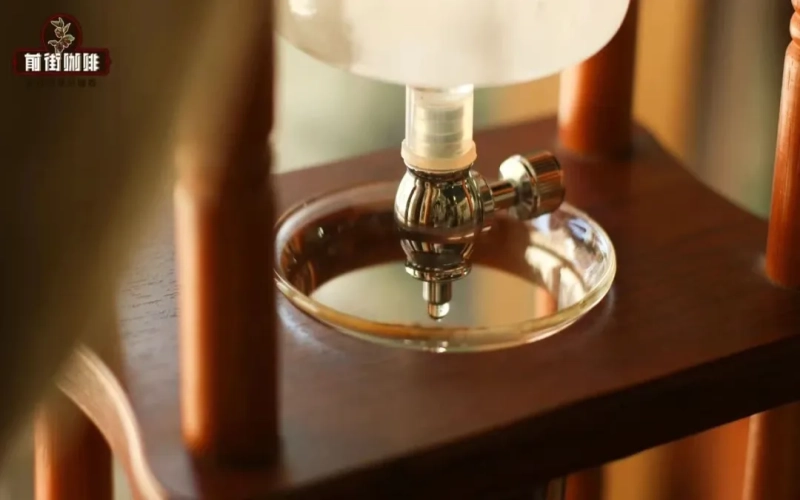
Detailed Guide to Cold Brew Coffee Storage Time and Differences from Cold Extraction: Brewing Ratios, Flavor Changes, and Optimal Drinking Period
Why can't you drink ice drip coffee immediately after it's made? What exactly is the difference between it and cold brew? This article provides a detailed explanation of ice drip coffee's shelf life, the principles of flavor maturation, and its brewing parameters and ratios. Freshly dripped ice drip coffee has a flat flavor and needs to be sealed and refrigerated for more than 8 hours to mature before it can present a mellow, silky mouthfeel and its signature wine-like aroma. It can be kept refrigerated for 3 to 5 days, but after more than three days the fermented taste becomes noticeably stronger, so Front Street sets the optimal drinking period at 3 days. The article also includes the ratio parameters for making ice drip, helping you fully master this coffee that requires patient waiting. [more…]
The Complete Guide to Making Cold Brew Coffee at Home: Extraction Parameters, Bean Selection, and Storage Tips All in One Place
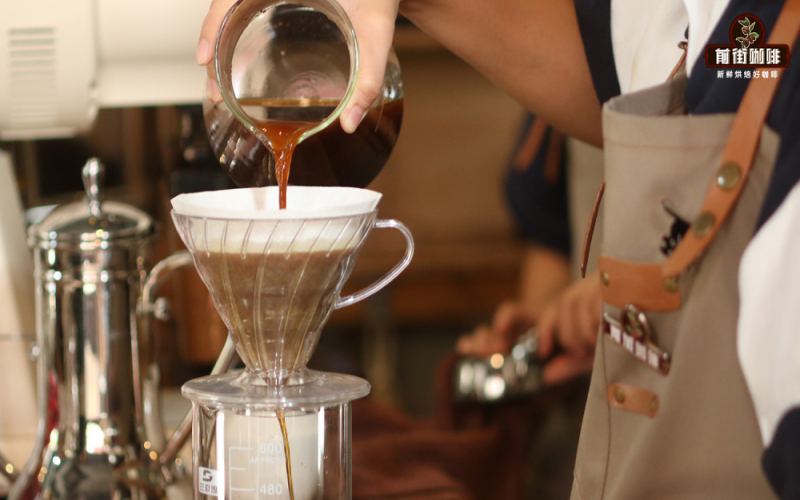
In the heat of summer, a refreshing glass of cold brew coffee has become a favorite among many coffee lovers. Compared with buying it at a coffee shop, making cold brew at home is actually not complicated—just master the coffee-to-water ratio, grind size, and steeping time, and you can easily make a cup of iced coffee with a clean flavor and balanced taste. So what beans should you choose for cold brew? How long is the ideal steeping time? And how many days can it be stored after it is made? Based on Front Street Coffee's hands-on experience, this article shares in detail the method for making cold brew coffee, recommended bean list, and the correct ways to drink and store it, helping you achieve cold brew freedom this summer. [more…]
Cold Brew Coffee DIY Guide: Brewing Ratios, Storage Duration, and Health & Flavor Benefits Explained
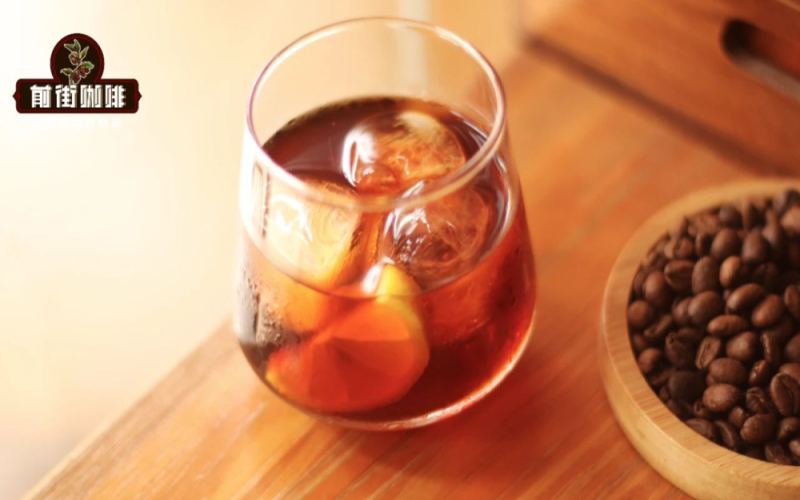
Want to make refreshing, delicious cold brew coffee at home? The internet is full of recipes, and beginners often get overwhelmed by all the conflicting advice. This article starts with the basic principles of cold brew, explains how it fundamentally differs from hot-brewed coffee, and covers the recommended coffee-to-water ratio, steeping time, and optional cold drip equipment. We'll also explain why cold water extraction produces coffee with less acidity and bitterness and more sweetness and floral notes, and recommend three coffees ideal for cold brew — Front Street Coffee Butterfly, Front Street Coffee Natural Red Cherry, and Front Street Coffee Mozart — to help you choose beans without pitfalls and easily make a clean, bright cup. [more…]
Complete Guide to Bean Selection and Brewing for Cold Brew Coffee: Coffee-to-Water Ratio, Refrigerated Fermentation Time, and Storage Tips
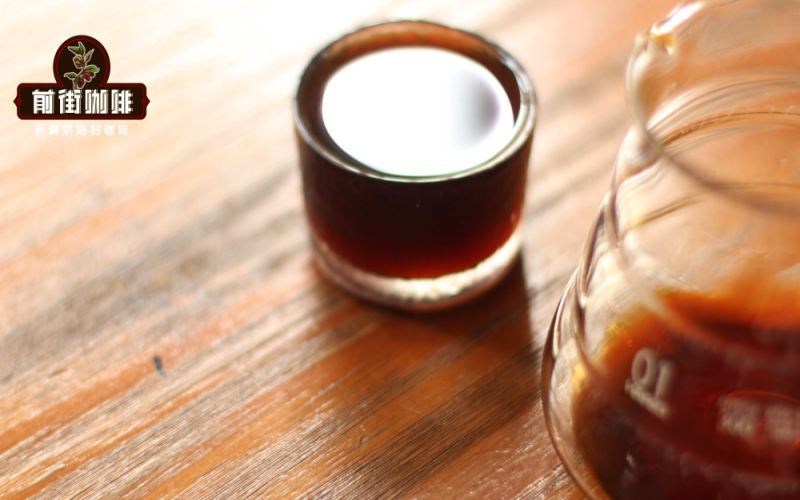
Cold brew coffee, with its refreshing taste and rich aroma brought by low-temperature extraction, has become increasingly popular among coffee lovers in recent years. But which beans should you use, how do you set the coffee-to-water ratio, why must it be refrigerated for more than 8 hours after brewing, and how long can it be stored? This article addresses these frequently asked questions, drawing on the practical experience of Front Street Coffee, and breaks down the key points of making cold brew coffee one by one—from bean selection ideas and classic blend recipes to the complete steps for using a Tiamo cold brew tower—to help you make a cup of cold brew coffee that is full of aroma and smooth on the palate. [more…]
Analysis of Ice Drip and Cold Brew Coffee Storage Time in the Refrigerator: Why the Flavor Is Better After 12 Hours of Chilling
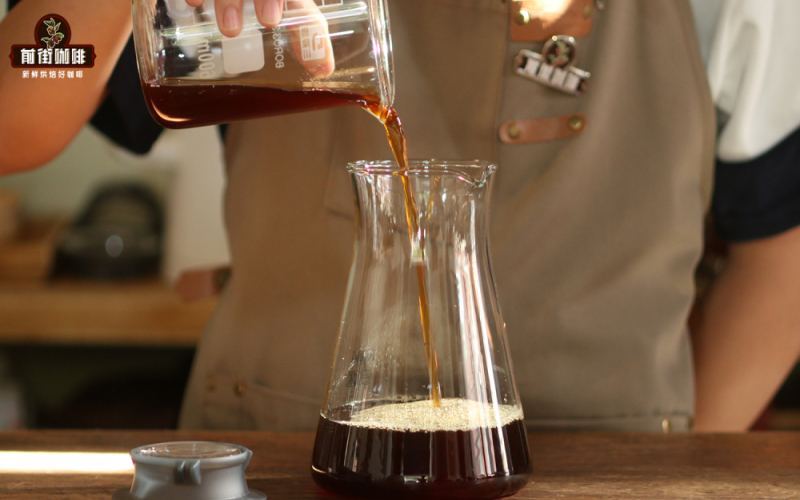
In recent years, more and more coffee enthusiasts have begun trying their hand at making cold brew and ice drip coffee at home, and the ice drip coffee produced by Front Street Coffee is often in short supply. Many friends are concerned about: how long can this kind of low-temperature extracted iced coffee be kept after being placed in the refrigerator? Why does ice drip coffee actually taste better after 12 hours of refrigeration? This article will focus on the principles of low-temperature extraction, equipment selection, coffee bean recommendations, and the flavor evolution during refrigeration, systematically answering the shelf life and optimal drinking time of iced coffee, helping you both enjoy great taste and ensure safety. [more…]
A Detailed Guide to Cold Brew Coffee Storage Methods, No-Fridge Brewing Tips, and Optimal Drinking Window
Cold brew coffee has become increasingly popular among coffee enthusiasts in recent years thanks to its rich, full-bodied character, low bitterness, and smooth mouthfeel. But many people still have questions about how to store it, how long it keeps, and what to do when there's no refrigerator available. This article will systematically answer how long cold brew coffee lasts, how to extend its flavor lifespan, and introduce practical methods for making cold brew without a refrigerator. At the same time, drawing on the flavor profiles of several beans—Front Street Coffee Yirgacheffe Red Cherry, Costa Rica Mozart, Colombia Pink Bourbon, and Panama Butterfly—it offers bean selection advice and detailed brewing parameters suited to cold brew, helping you easily make a cup of cold brew iced coffee with high distinctiveness and excellent sweetness. [more…]
The Complete Guide to Making Cold Brew Coffee at Home: Steeping Time, Grind Size and Coffee-to-Water Ratio, Filtering and Storage, and Bean Recommendations
On a scorching summer day, a glass of refreshing cold brew coffee always perks you up. But many coffee lovers find that when they make it at home, even if they follow the shop's parameters exactly, the result is always disappointing. Where exactly is the problem? Drawing on Front Street Coffee's practical experience, this article systematically sorts out six key steps in cold brew coffee making: the steeping time should be controlled at 8 to 18 hours, avoiding too short or too long; the coffee beans should not be too fresh, ideally rested for more than 10 days; stir thoroughly both before and after extraction to ensure even extraction; filter thoroughly to achieve a clear taste; as for bean selection, light-roasted Yirgacheffe, Kenya, and Costa Rica beans are all excellent choices. In addition, it also introduces cold brew storage methods and suggestions for adding milk and mixing drinks, helping you easily make a cup of summer iced coffee with full aroma and balanced acidity. [more…]
Yirgacheffe Single-Origin Bean Grading and Flavor Analysis, with Cold Brew Coffee Making Methods and Storage Tips
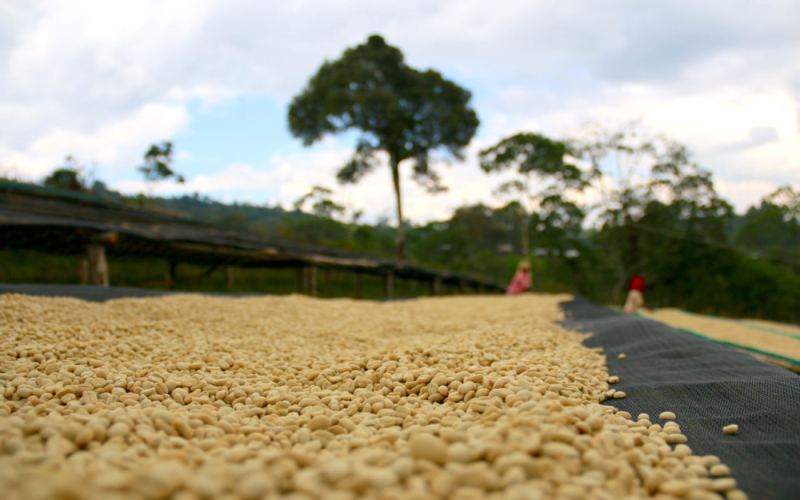
Yirgacheffe is one of Ethiopia's most representative high-altitude coffee-producing regions, and its unique flavor profile has earned it great fame in the coffee world. This article will begin with Yirgacheffe's regional background, the characteristics of its micro-regions, and the flavor differences among several representative Yirgacheffe coffees offered by the Front Street brand, helping coffee lovers make a choice based on their personal taste. At the same time, the article will also provide a detailed introduction to the cold brew coffee-making process, the key points for controlling grind size, and the optimal drinking and storage times for cold brew coffee, so that you can easily make a full-bodied, richly layered iced coffee at home. [more…]
Can Milk Be Used for Cold Brew Coffee? A Detailed Guide to Milk Brew Coffee Preparation and Storage Time
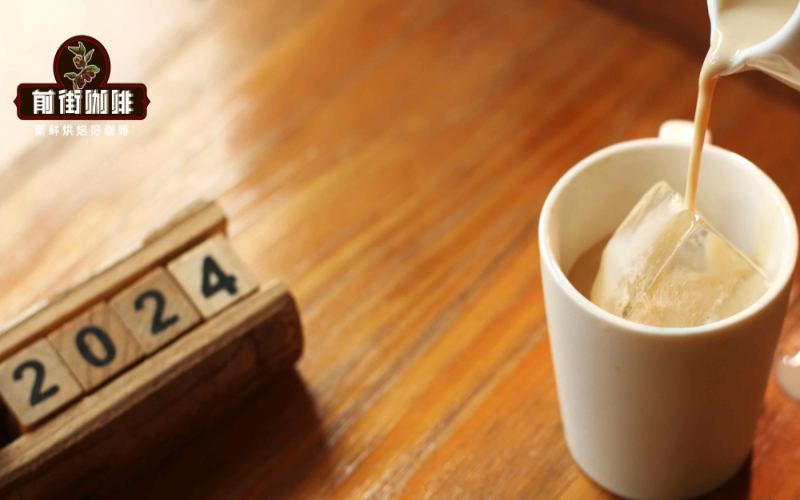
When water can no longer satisfy coffee lovers' desire for exploration, milk has become a new extraction medium. Is it actually feasible to use milk instead of water to brew coffee? The pour-over method is difficult to achieve due to milk's high saturation and limited heating temperature, but the cold brew immersion method offers new possibilities. This article will verify in detail the feasibility of milk cold brew coffee, starting from Front Street's practical experience, and share coffee bean selection preferences, home brewing steps, and storage precautions. Choose medium-dark roast or medium roast coffee beans, pair with fresh milk and soak at low temperature for 12 hours, and you can get a rich, fragrant milk coffee with a chocolate milk flavor. Want to know how to do it specifically? Let's take a look together. [more…]

Ice Drip Coffee Fermentation Duration and Cold Brew Optimal Drinking Window: Production Key Points and Storage Recommendations
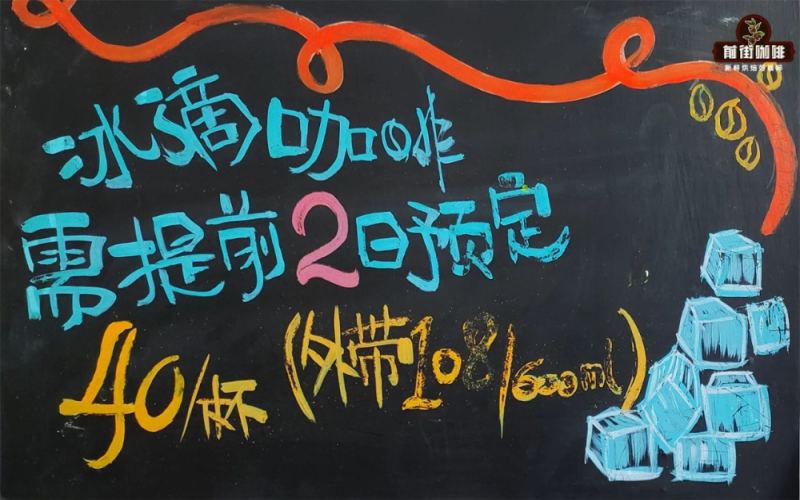
Cold brew coffee takes a long time to make, so it is often available only in limited quantities at cafés. It originated in Europe and is said to have been invented by the Dutch, which is why it is also called Dutch Coffee. During preparation, ice water seeps through the coffee grounds by dripping naturally, eventually flowing drop by drop into the lower pot, so it is also known as water-drip coffee, and the whole process usually takes more than 8 hours. This article will introduce the steps for making cold brew coffee in detail, including the key aspects of the coffee-to-water-to-ice ratio, grind size selection, filter paper placement, and drip rate control, while also answering common questions about cold brew coffee fermentation time and the best drinking period. The article also uses Front Street Strawberry Candy coffee beans as an example for a practical demonstration and explains the effect of low-temperature refrigeration "aging" on flavor, as well as why it is recommended to drink it within 5 days. [more…]
Low-Temperature Slow Extraction for Eight Hours: Flavor Advantages, Storage Tips, and Bean Selection Advice for Cold Brew Coffee
Cold brew coffee, with its low-temperature slow-drip extraction method, shows unique advantages in taste and shelf life. It not only avoids the bitterness caused by high temperatures, but also achieves a rich, layered, aromatic flavor through prolonged refrigeration and fermentation. However, making a pot of cold brew takes 6 to 8 hours, and the amount of grounds used is higher than for regular iced coffee, so the price is relatively higher. Why exactly is cold brew coffee sweet and smooth? How long can it be stored? And what beans should be chosen to make it? This article will start from Front Street Coffee's production experience to answer these questions one by one, and recommend the dark-roasted Golden Mandheling, which is suitable for making rich cold brew. [more…]
Complete Iced Drip Coffee Making Tutorial: Practical Points from Extraction Parameters to Refrigerated Storage
Cold brew coffee was originally invented to make coffee last longer. Extracting with cold water does not draw out large amounts of coffee oils the way hot water does, so if stored properly in the refrigerator, it can keep for a month without any problem. After three days of aging, the flavor becomes even mellower. However, cold water extraction takes a very long time—common methods can even require dripping for more than 24 hours—and the caffeine concentration is relatively high. In fact, when making it at home, using room-temperature water instead of ice water works just as well and can shorten the time. This article will explain in detail the complete cold brew process, including sterilizing equipment, choosing grind size, the coffee-to-water ratio, controlling drip speed, and how to prevent refrigerator odors from affecting the coffee's flavor, helping you make a rich and aromatic cup of cold brew coffee. [more…]
Cold Brew Coffee Practical Guide: Ratio, Time, and Storage Explained Clearly
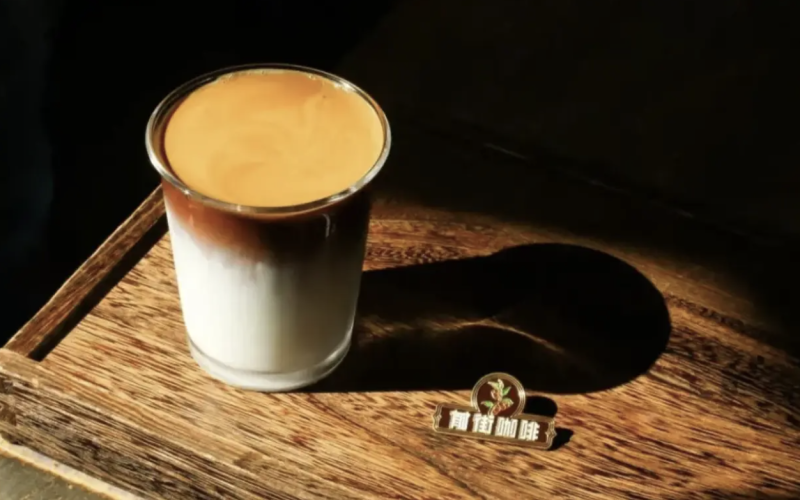
When the weather gets hot, many people crave cold brew. But buying a cup at a coffee shop easily costs twenty or thirty yuan, and drinking it every day adds up to a considerable expense. In fact, cold brew is a coffee with a very low barrier to making at home—no professional equipment needed, just a sealed jar at home. Soak it the night before, and you can drink it the next morning. This article covers how to make cold brew [more…]