







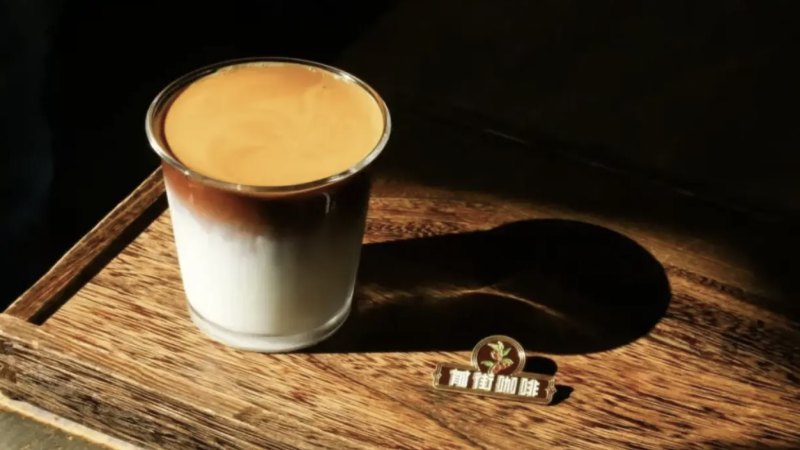
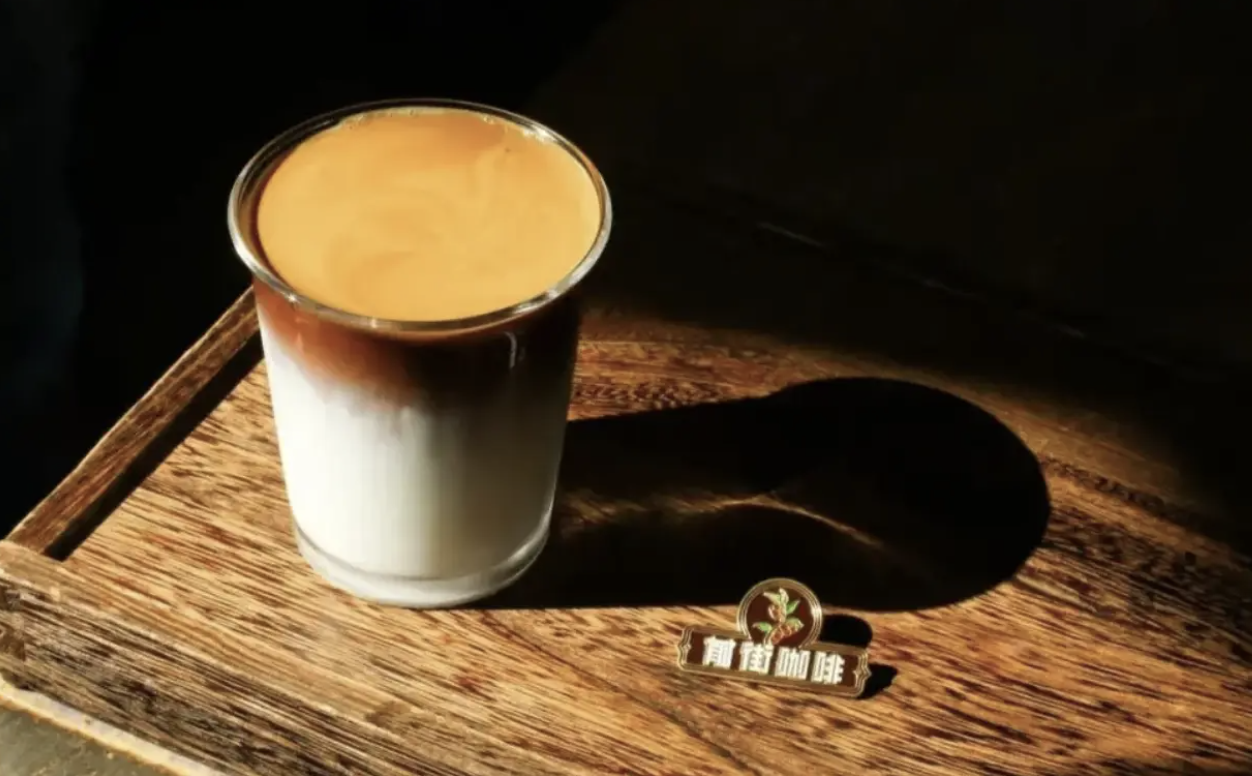
When the weather gets hot, many people crave cold brew. But buying a cup at a café costs twenty or thirty yuan, and drinking it daily adds up. Actually, cold brew is a coffee with a very low barrier to making at home—no professional equipment needed, just a sealed jar at home. Soak it the night before, and you can drink it the next morning.
This article explains the cold brew method from start to finish: coffee-to-water ratio, how long to steep, how to store it, and which beans to use—all in one go.
The principle of cold brew
Cold brew is simply soaking coffee grounds in cold or ice water for a long time to slowly extract the coffee's flavors. Because it's low temperature throughout, the bitterness and astringency in the coffee are greatly suppressed, and the acidity is softer. The resulting coffee is smooth, refreshing, and has a sweet aftertaste.
Master three variables, and the outcome is in your control: lower temperature → less bitterness; longer time → fuller flavor release; higher coffee-to-water ratio → stronger concentration.
Step 1: Choose beans
Cold brew is very forgiving with beans, but to make the flavor more outstanding, it's recommended to choose fruity, medium-light roasted beans. Low-temperature slow extraction amplifies floral and fruity notes, making it taste like a glass of iced juice.
Front Street Coffee Yirgacheffe Gudingding, with citrus, berry, and floral notes, and a green tea sweet aftertaste in the finish. The acidity is soft and bright, making it a popular choice for many people starting with cold brew.
Front Street Coffee Huakui, with prominent tropical fruit notes of strawberry, passion fruit, and jackfruit. It has obvious sweetness and low bitterness, tasting like juice. Those afraid of bitterness can start with this one.
Front Street Coffee Strawberry Candy Cold Brew Blend, a fruity blend specially designed for cold brew, replicating the sweet aroma of strawberry gummies, with plenty of sweetness and light bitterness.
Step 2: Coffee-to-water ratio
Two commonly used levels: 1:10 is stronger, with a rich coffee taste, suitable for adding milk, ice, or making specialty drinks, with full flavor; 1:12 is moderate, smooth to drink straight, with prominent fruity and sweet notes.
Beginners are advised to start with 1:10, brewing it stronger, and then adjust by adding water or milk later, which has a high tolerance for error. It's much harder to fix a brew that's too weak than to dilute one that's too strong.
Step 3: Steeping time
Steep at room temperature for 8 to 12 hours for fuller flavor release, with plenty of fruity and sweet notes. It's suitable for summer room-temperature placement, but don't exceed 12 hours, as it can develop off-flavors over time.
Steep in the refrigerator for 12 to 24 hours for more stability and less risk of over-extraction. It's suitable for office workers to steep before bed and drink the next morning. Beyond 24 hours, it starts to become bitter, so be careful not to over-steep.
Step 4: Filtering and storage
After steeping, filter out the coffee grounds with filter paper or a fine mesh strainer, pour into a sealed bottle, and refrigerate. Sealed in the fridge, it keeps for 3 to 5 days with the flavor still intact. You can drink it straight, or add ice cubes, milk, or sparkling water.
Two tips
Regarding grind size, cold brew grounds should be slightly coarser than pour-over, like coarse granulated sugar. Too fine will result in cloudiness and astringency.
If you want more fruity flavor, mix the coffee grounds with cold water, leave at room temperature for 1 hour before refrigerating, letting some of the aroma release first for a fuller flavor.
The cold brew formula is simple: suitable fruity beans + 1:10 coffee-to-water ratio + 8 to 24 hours steeping + filtering out grounds and refrigerating. Keep a bag of Front Street Coffee Yirgacheffe Gudingding or Front Street Coffee Huakui at home, soak it the night before, and the next morning you can enjoy refreshing cold brew coffee.
The above content is compiled by CoffeeHunters, a coffee news website.

