







Search Results for: cold brew pitcher cleaning
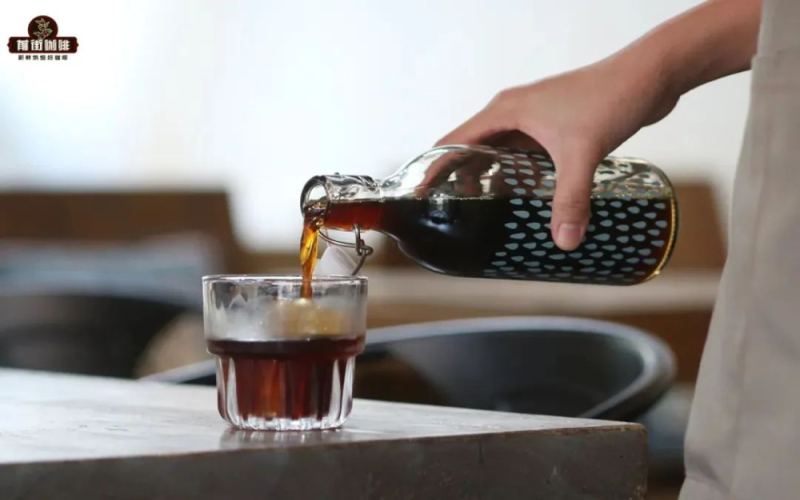
Where Does the Oil Film on Cold Brew Coffee Come From? A Full Breakdown of Low-Temperature Extraction Principles and Filtration Techniques
Cold brew coffee, with its advantages of simple operation and low cost, has become the go-to choice at home for many coffee enthusiasts. All you need is an airtight container and a low-temperature environment, and after several hours of steeping, you get a full-flavored iced coffee drink. However, many people discover during the process that a layer of oil often floats on the surface of the cold brew liquid, and can't help but wonder whether it has spoiled or the equipment is unclean. Where exactly does this layer of oil come from? And how should it be handled to achieve a clearer taste? This article will provide a detailed explanation of the extraction principles of cold brew, the phenomenon of oil condensation, the selection of filtration equipment, and ways to optimize the drinking experience, while also recommending several coffee beans suitable for making cold brew, helping you easily make a clean, translucent, and outstandingly flavorful cup of cold brew coffee at home. [more…]

The Complete Guide to Making Cold Brew Coffee at Home: Comparing Three Practical Methods and Analyzing Why Cold Brew Carafes Lose Flavor
As temperatures climb, the demand for iced coffee rises along with them, and easy-to-make cold brew once again becomes a regular in home refrigerators. This article centers on the low-temperature extraction principle of cold brew coffee, explaining how it differs from high-temperature brewing in terms of temperature, time, and flavor expression, and provides core parameters such as coffee-to-water ratio, grind size, and steeping duration. For the three home methods—direct immersion, filter bag/tea bag immersion, and cold brew carafe—it analyzes the pros and cons one by one, especially explaining why cold brew carafes tend to produce weak, thin-bodied coffee with insufficient richness. At the same time, drawing on Front Street Coffee's various single-origin beans and blend options, it offers bean selection advice for different taste preferences. [more…]
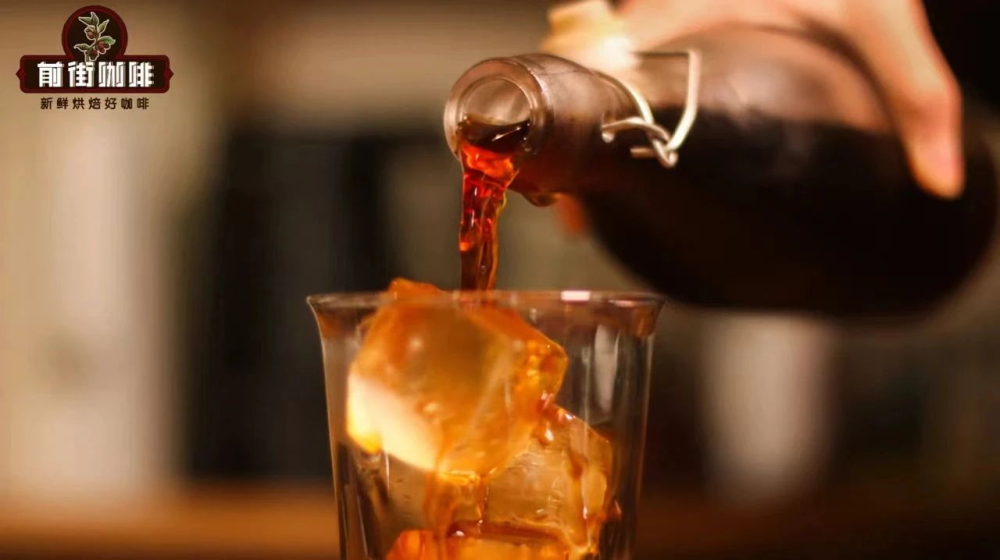
Homemade Cold Brew Coffee Guide | What Is German Iced Coffee? How Do You Make Italian Iced Coffee? Which Pour-Over Coffee Beans Are Suitable for Cold Brew Iced Coffee?
For more specialty coffee knowledge, please follow: FrontStreet Coffee In different European countries, iced coffee is also different! Some add ice cubes to hot coffee, some add ice cream to hot coffee, and some use cold water immersion extraction. For example, in the United States, the basic pairing [more…]

Cold Brew Coffee | What Factors Affect the Taste of Cold Brew? What Is the Layer of Oil on Top of Cold Brew? Why Does Oil Appear in Cold Brew?
Experienced folks know that many factors affect the taste of cold brew coffee. Among them, the most influential are the choice of coffee beans, grind size, coffee-to-water ratio, and steeping time; next are some small brewing techniques, such as thorough stirring, ensuring the container is clean, water quality, and so on. These will more or less change the co [more…]

What Is the German Iced Coffee Method? A Complete Guide to Making Great Iced Coffee at Home with Cold Water
European countries have different interpretations of iced coffee: American-style iced coffee is mainly espresso with water and ice, Italians are used to shaking espresso with ice cubes to create foam, and Germans prefer a long-extracted espresso paired with vanilla ice cream, cream, and caramel sauce, with a deluxe version that also adds rum. However, none of these methods can do without an espresso machine. If you want to easily make a delicious cup of iced coffee at home, the cold-water immersion cold brew method is the most effortless. Following the approach of Front Street Coffee (FrontStreet Coffee), this article introduces the principles of cold brew coffee, the coffee-to-water ratio, steeping time, and recommends several coffee beans suitable for making iced drinks, so you can enjoy a clean, full-bodied, icy flavor even in summer. [more…]
What makes German iced coffee unique? A complete guide to making cold brew coffee by cold water immersion
Iced coffee takes on strikingly different forms around the world. Americans are accustomed to making iced Americanos by adding water and ice to espresso, Italians like to shake espresso with ice until frothy, while Germans prefer to add vanilla ice cream, cream, and caramel sauce to a long-extracted espresso, sometimes even splashing in rum to create a luxurious dessert-grade drink. However, none of these methods can do without an espresso machine. If you want to enjoy summer iced coffee at home in a simpler way, cold water-steeped cold brew coffee is undoubtedly the most effortless choice. In this article, we join Front Street Coffee to learn how to make cold brew coffee and recommend several high-quality coffee beans suitable for making iced drinks. [more…]
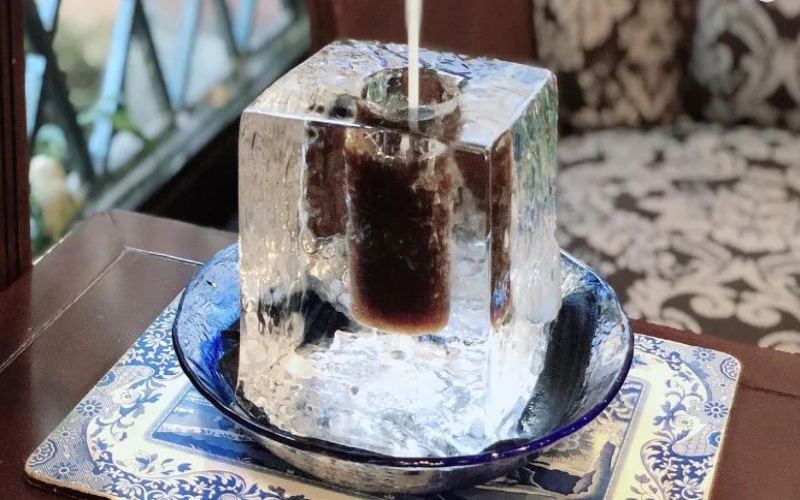
Making Summer Iced Coffee at Home: Three Great-Value Coffee Beans and Complete Tutorials for Pour-Over, Drip Bags, and Cold Brew
On a scorching summer day, a glass of iced coffee is undoubtedly a great choice to cool off and refresh yourself. This article compiles three iced coffee brewing methods suitable for home or office use—pour-over iced coffee, drip bag iced coffee, and cold brew iced coffee—and recommends three coffee beans that offer both refreshing and full-bodied flavors: Ethiopian Natural Red Cherry, Panama Elida Estate Natural Typica, and Colombia Finca La Divisoria Sidra. Whether you're after complexity or great value for money, you'll find an option that suits you. Follow Front Street Coffee's detailed steps and welcome summer with ease. [more…]
Summer Iced Coffee Brewing Guide: Pour-Over, Drip Bag, and Cold Brew Methods with Coffee Bean Recommendations
On a scorching summer day, a glass of iced coffee is undoubtedly an excellent choice for cooling off and refreshing yourself. This article will introduce in detail three ways to easily make iced coffee at home or in the office—pour-over iced coffee, drip bag iced coffee, and cold brew iced coffee—and share three coffee beans recommended by Front Street Coffee that are suitable for making iced drinks: Ethiopian Natural Red Cherry, Panama Elida Estate Natural Typica, and Colombia Diviso Estate Sidra. Whether you seek a fresh and crisp taste or a full-bodied, layered experience, you can find a plan that suits you. At the same time, the article will also explain the difference between espresso and cold brew coffee, as well as the various ways to drink cold brew coffee liquid, helping you enjoy a cool summer. [more…]
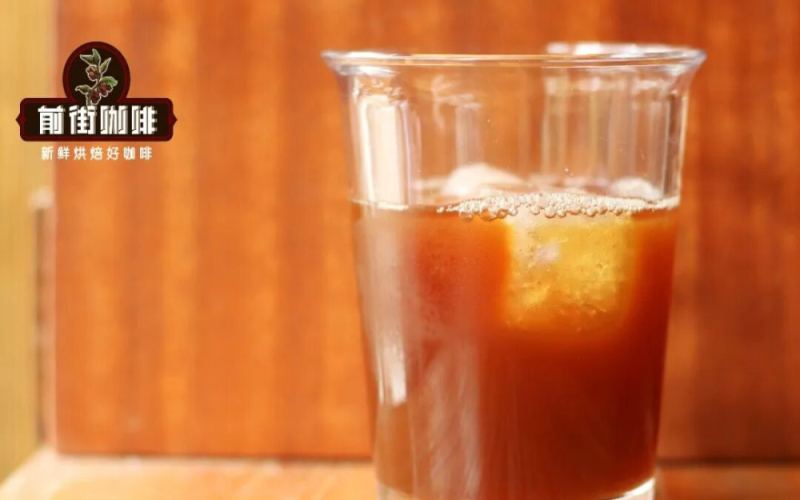
The Complete Process of Making Cold Brew Coffee at Home Using a Mineral Water Bottle: Parameters, Bean Selection, and Practical Tips
When the weather gets hot, cold brew becomes the go-to lifesaver for many coffee lovers. To enjoy cold brew, you don't necessarily need a dedicated cold brew pitcher—an ordinary plastic water bottle can just as easily produce a clean-tasting black coffee. This article explores the feasibility, cost, water usage, and extraction results of making cold brew with a plastic water bottle, along with specific details such as the coffee-to-water ratio, grind parameters, and steeping time. It also offers recommendations for coffee beans suitable for cold brew and tips to enhance the flavor. Using a 300ml plastic water bottle paired with Front Street Coffee's Fruit Ding Ding coffee beans as an example, the article provides a complete demonstration of the process from pouring water, grinding, adding coffee grounds, refrigerated steeping, to filtering and drinking, helping you easily make a budget-friendly and refreshing cold brew black coffee at home. [more…]
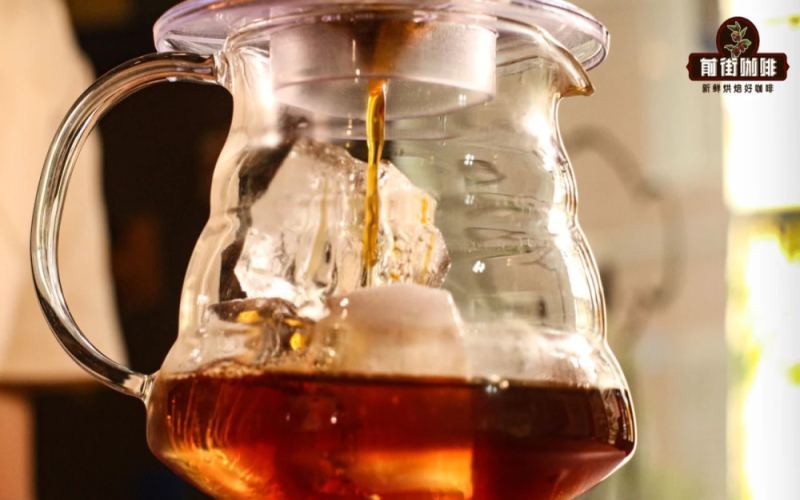
A Complete Guide to Making Summer Iced Coffee: Three Methods—Pour-Over, Drip Bag, and Cold Brew—Plus Must-Have Coffee Bean Recommendations
On a scorching summer day, a glass of iced coffee is undoubtedly the best way to cool down. This article compiles three iced coffee brewing methods that coffee lovers can easily do at home or in the office—hand-brewed iced coffee, drip bag iced coffee, and cold brew iced coffee—and explains in detail their respective ratios, water temperatures, and step-by-step instructions. It also recommends three coffee beans suitable for making iced drinks: Ethiopia Natural Red Cherry, Panama Elida Estate Natural Typica, and Colombia Finca La Divisa Sidra. These beans deliver a bright acidity while maintaining a soft, full-bodied complexity at low temperatures. In addition, the article specifically shares Front Street Coffee's buying advice for drip bag coffee and recommendations for cold brew beans, helping you quickly find your preferred flavor during the hot season. [more…]

A Complete Guide to Iced Coffee Types and Characteristics: Detailed Brewing Methods for Japanese-Style Iced Pour-Over, Drip Bags, and Cold Brew
On a scorching summer day, a glass of iced coffee is nothing short of a lifesaver. This article systematically breaks down the types and characteristics of coffee beans suitable for making iced coffee, including three Front Street Coffee recommendations—Ethiopia Natural Red Cherry, Panama Elida Natural Typica, and Colombia Diviso Strawberry Claw—and explains in detail three brewing methods that work equally well at home or in the office: Japanese iced pour-over, drip-bag iced coffee, and cold brew, covering key parameters such as coffee-to-water ratio, water temperature, grind size, and pouring technique to help you easily make a refreshing, full-bodied summer drink. [more…]
The Complete Guide to Summer Iced Coffee: Three Cost-Effective Bean Recommendations and Detailed Instructions for Pour-Over, Drip Bags, and Cold Brew
In the hot summer season, a glass of iced coffee is undoubtedly a great way to cool down. This article compiles three iced coffee methods that can be easily made at home or in the office—hand-brewed iced coffee, drip bag iced coffee, and cold brew iced coffee—and recommends three coffee beans that balance freshness and body with excellent value for iced drinks: Ethiopia Natural Red Cherry, Panama Elida Estate Natural Typica, and Colombia Finca La Divisa Sidra. The article explains in detail the coffee-to-water ratio, water temperature, grind size, and brewing steps. Front Street Coffee also provides specific operating parameters to help you consistently make iced coffee with rich layers and a smooth mouthfeel in the scorching summer. [more…]
A Complete Guide to Steaming Milk for Coffee Beginners: Principles, Tools, Steps, and Blending Techniques
To make a velvety, smooth latte or cappuccino at home, steaming milk is an unavoidable fundamental skill. This article starts with the principles of milk foam, first explaining the roles of the two stages—"aeration" and "texturing"—then compares the pros and cons of tools such as electric handheld frothers, manual frothing pitchers, hot/cold electric milk frothers, and espresso machine steam wands, with a key breakdown of the complete steam frothing process. The content covers the effects of milk fat and temperature, the choice of steam wand hole count and dryness, the considerations for pitcher size and shape, as well as practical tips on insertion angle, judging by sound, controlling aeration volume, and testing integration. The article also incorporates recommendations from Front Street Coffee, offering practice suggestions suitable for beginners. [more…]

What are the differences between ice drip, cold brew, iced pour-over, and iced coffee? Using Honduras Sherry beans as an example to analyze low-temperature and high-temperature extraction
What exactly is the difference between cold brew coffee and iced pour-over coffee? Front Street Coffee receives this question almost every day. In short, cold brew is a low-temperature slow extraction, while pour-over is a high-temperature fast extraction. The two paths ultimately present flavors and mouthfeels with their own distinctive characteristics. From the perspective of Front Street Coffee, this article first sorts out the influence of temperature on coffee extraction, then explains the advantages and shortcomings of high-temperature and low-temperature extraction respectively. After that, using Honduras Mocha Estate Sherry coffee beans as a sample, it fully demonstrates the production process, coffee-to-water ratio, fermentation key points, and storage suggestions for cold brew coffee and iced pour-over coffee, and includes a simple method for iced Americano, helping coffee lovers understand the flavor directions of different iced coffees. [more…]
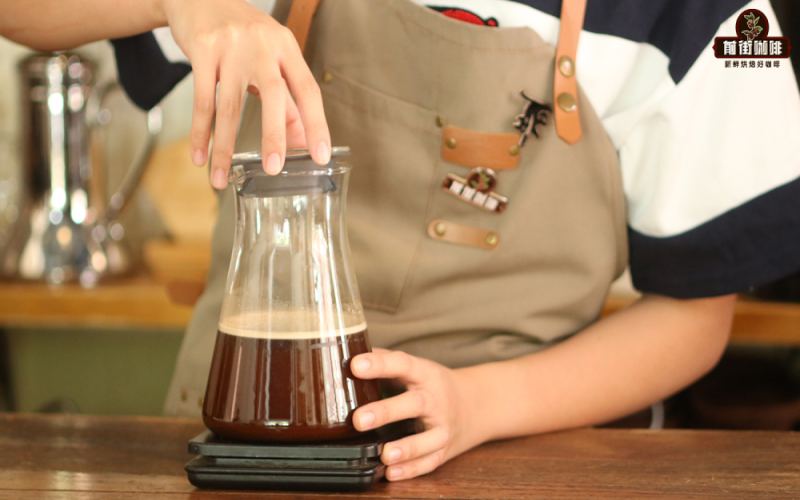
A Complete Guide to Cold Brew Coffee Parameters: How Coffee-to-Water Ratio, Grind Size, and Steeping Time Affect Flavor
As June arrives and temperatures climb, a refreshing glass of cold brew coffee becomes the go-to choice for many coffee lovers looking to beat the heat. Cold brew is made by steeping coffee grounds in cold water for an extended period and then filtering to obtain a clean liquid. It seems simple, but in reality, details such as grind size, coffee-to-water ratio, and steeping time all influence the final flavor. This article draws on the hands-on experience of Front Street Coffee to systematically break down the parameter choices, brewing process, and common pitfalls of cold brew coffee, helping you consistently reproduce a fragrant, clear-bodied iced coffee at home. [more…]
A Beginner's Guide to Milk Steaming for Latte Art: A Complete Breakdown of Techniques from Theory to Practice
Want to create dense, smooth latte art milk foam at home, but keep getting discouraged by "over-whipped," "separated," or "can't pour a pattern"? Actually, milk frothing isn't as mysterious as it seems. As long as you understand the principles, choose the right tools, and master a few key details, even beginners can produce consistent results. This article starts with the formation principles of milk foam, then breaks down the three major factors in steam frothing: milk, steam wand, and pitcher. It also includes detailed hands-on steps and advanced tips, covering core points such as temperature control, aeration ratio, vortex frothing, and judging integration. Whether you use an espresso machine or a handheld milk frother, you'll find a practice direction that suits you. The article also retains relevant recommendations for the Front Street Coffee brand for coffee lovers to reference when purchasing. [more…]

Comparison of Iced Coffee Characteristics | What's the Difference Between Iced Americano, Iced Pour-Over, Ice Drip, and Cold Brew? Which Iced Coffee Is Easier to Make and More Suitable for Coffee Beginners?
For more specialty coffee knowledge, please follow our WeChat official account: Front Street Coffee (FrontStreet Coffee). The four common types of iced coffee are iced Americano, iced pour-over, cold brew, and ice drip coffee. Some friends may not be very familiar with these four types of iced coffee, so Front Street will try to [more…]
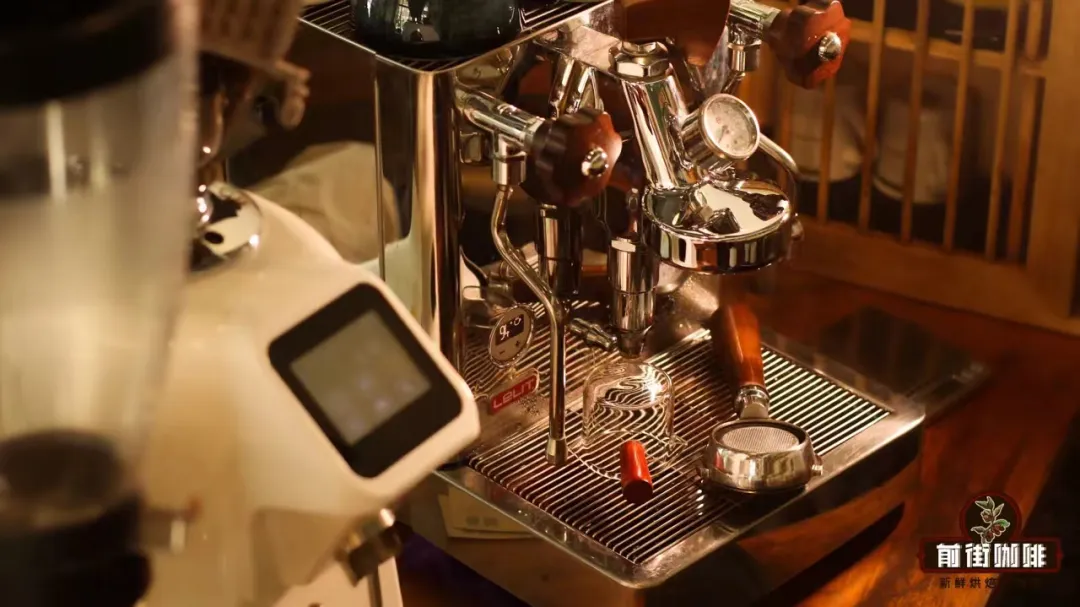
Types of Iced Coffee | What's the difference in flavor extraction principles between cold brew, ice drip, iced Americano, and Japanese iced pour-over? What are the specific coffee-to-water ratios, grind sizes, and methods for iced coffee?
For more specialty coffee knowledge, please follow our WeChat official account: Front Street Coffee (FrontStreet Coffee). The four common types of iced coffee we often see are iced Americano, iced pour-over, cold brew, and iced drip coffee. Some friends may not be very familiar with these four types of iced coffee, so Front Street will try to start from a few [more…]

How to Make Cold Brew Coffee That Actually Tastes Good: A Home Guide from Steeping Time and Bean Selection to Filtering Details
As midsummer arrives, iced coffee becomes many people's lifesaver. If you don't want to go out and queue, yet want to enjoy a refreshing, invigorating cold brew at home anytime, the barrier to entry for cold brew is actually much lower than you'd imagine—a bag of coffee beans, an airtight container, water, and a refrigerator are all you need. But why is it that even when following the same tutorials, the cold brew you make at home never tastes as rich and sweet as what you get in a café? Drawing on Front Street's hands-on experience, this article breaks down the four key stages that shape cold brew flavor: how to control the steeping time between 8 and 18 hours, why beans that are too fresh are actually unsuitable for cold brew, why stirring before and after extraction is essential, and how secondary filtration can make the mouthfeel clearer. It also recommends several Front Street coffees ideal for making cold brew, helping you achieve cold brew freedom this summer. [more…]
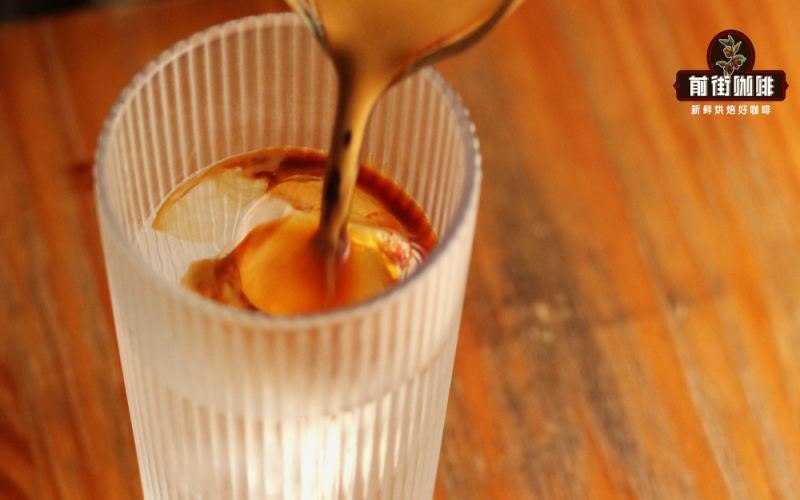
Analysis of Various Brewing Methods for Iced Coffee: From Iced Americano to Cold Brew, the Complete Cold Brew Process for Geisha Coffee
Iced coffee is not a single entity; depending on the brewing method, it can take many forms, such as iced Americano, iced pour-over, iced drip, iced French press, and cold brew. This article will introduce the brewing concepts and characteristics of these iced coffees one by one, and focus on Geisha coffee as an example to break down the steps of cold brew in detail, including key parameters such as grind size, coffee-to-water ratio, and steeping time. The article will also include bean recommendations from Front Street Coffee to help coffee lovers easily make a smooth, clean, and full-flavored iced coffee at home. [more…]