







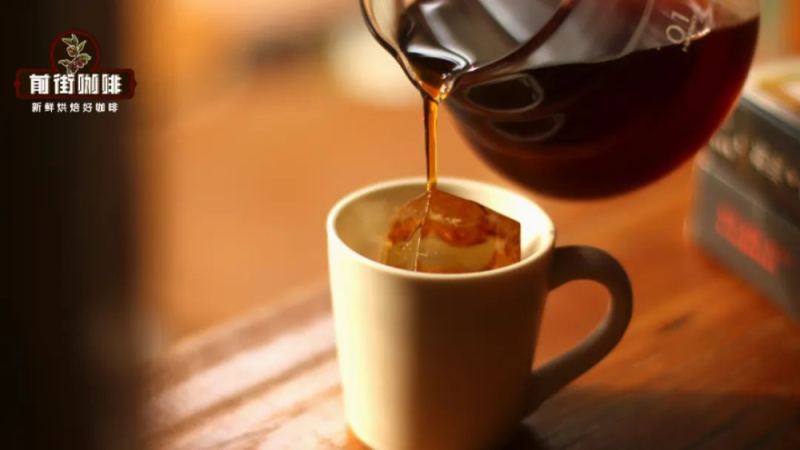
What Matters When Making Coffee in a Coffee Pot for Cold Brew?
Good cold brew at home comes down to four factors. Keep steeping time between 8 and 18 hours. Avoid beans that are too fresh, since they release gas and taste flat in cold water. Stir the grounds before and after extraction, and run the liquid through a second filter so the mouthfeel turns clearer. Light to medium roasts suit cold brew better than dark roasts.
The setup is simple: a bag of beans, a clean airtight jar, water and a fridge. Cold brew is forgiving, so most parameter combinations still produce a drinkable iced coffee, but the coffee extraction process beverage depends on ratio and grind size. Floral and fruity lots, such as a washed bean with Geisha lineage, tend to give the tea-like clarity people want in summer.
As midsummer arrives, iced coffee becomes a lifesaver for many. If you'd rather not go out and queue, yet want to enjoy a refreshing, energizing cold brew at home anytime—actually, the barrier to making cold brew is much lower than you'd think: a bag of coffee beans, an airtight container, water, and a fridge are all you need. But why is it that even when you follow the same tutorial, your homemade cold brew never turns out as rich and sweet as the café version? Drawing on Front Street's practical experience, this article breaks down four key factors that affect cold brew flavor: how to keep the steeping time between 8 and 18 hours, why beans that are too fresh are actually unsuitable for cold brew, why stirring before and after extraction is essential, and how a second filtration can make the mouthfeel clearer. It also recommends several Front Street coffees ideal for cold brew, helping you achieve cold brew freedom this summer.
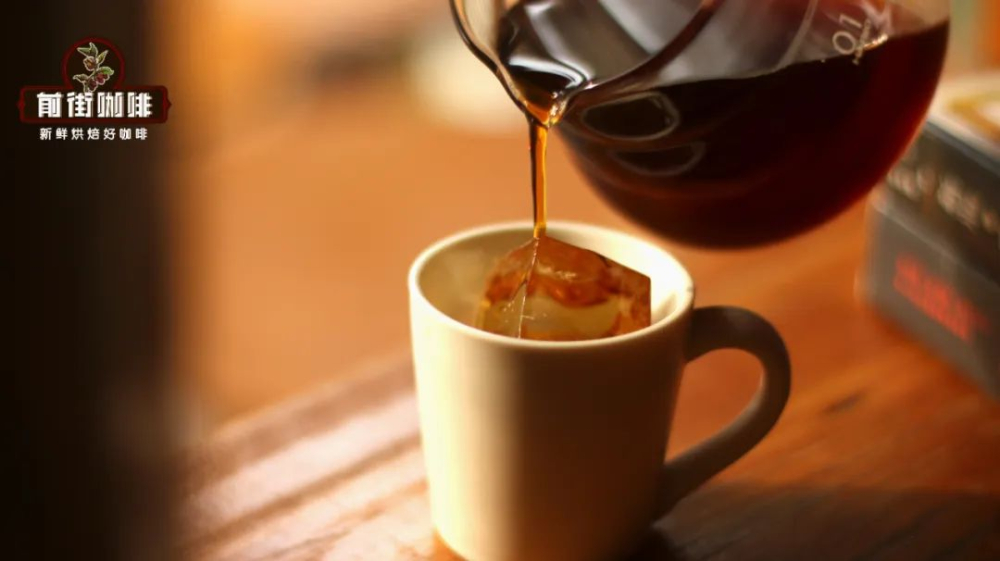
As soon as the scorching summer arrives, Front Street enters its peak season for iced coffee sales. If you're reluctant to brave the blazing sun and want a pick-me-up during the drowsy afternoon, making a cold brew yourself is definitely a great choice.
Unlike the usual hot water brewing, cold brew involves mixing cold or room-temperature water with coffee grounds, letting it sit in a low-temperature environment for several hours, then filtering out the grounds to obtain a refreshing coffee liquid. All you need is a bag of coffee beans, a clean airtight jar, water, and a refrigerator—and you can easily enjoy cold brew freedom at home.
In fact, cold brew is far more forgiving than other extraction methods. From bean selection and containers to coffee-to-water ratio, grind size, and steeping time, there's considerable room for adjustment at every stage. In other words, as long as you don't use overly extreme parameter combinations, you can basically make a decent-tasting iced coffee.
Cold brew inherently has the characteristics of an iced beverage, and people care more about whether the floral and fruity aromas are rich and the mouthfeel is refreshing. Therefore, light to medium roasts are more likely to produce a satisfying cold brew than dark roasts.
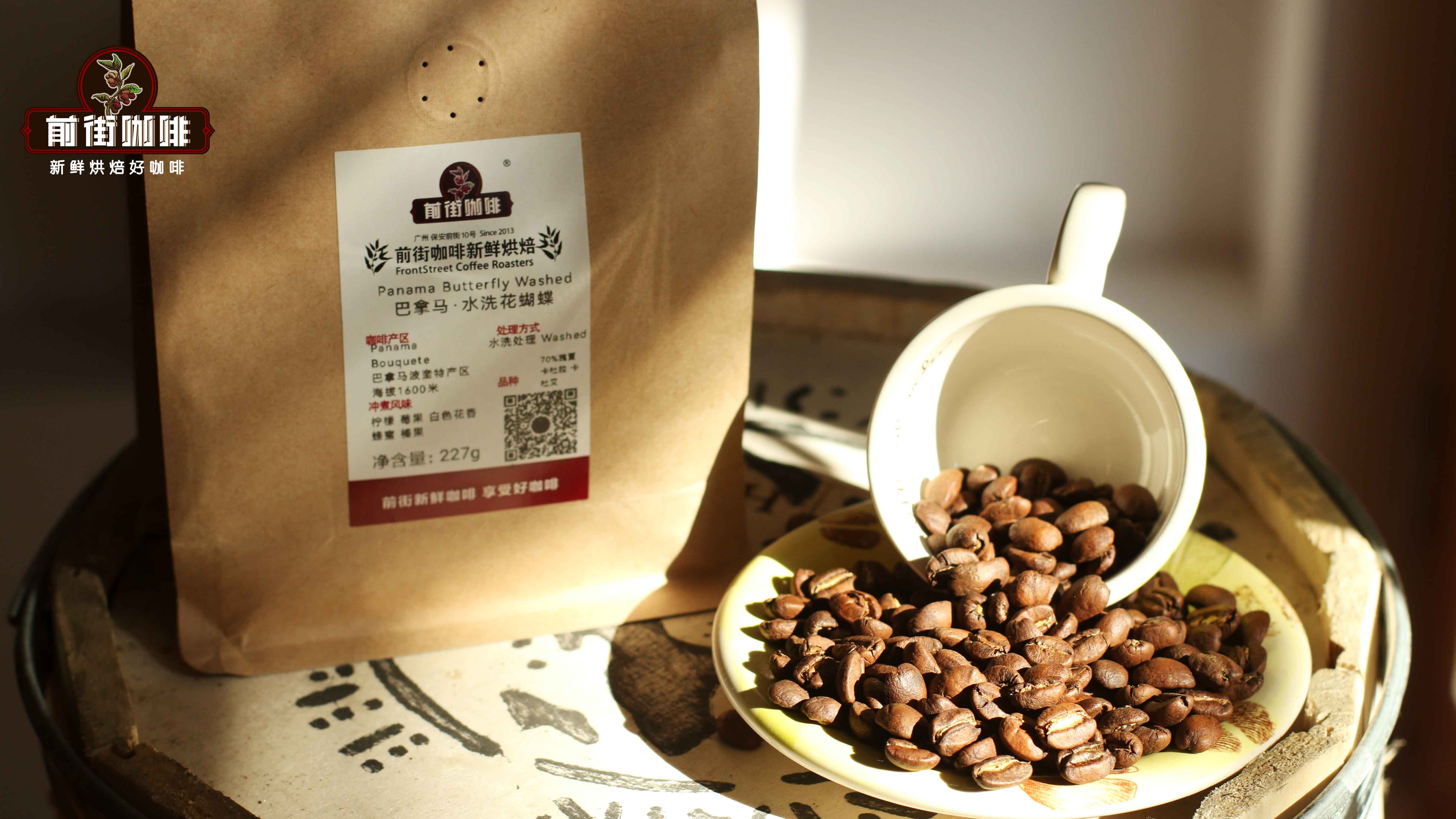
If you prefer an iced coffee experience reminiscent of floral and fruity tea, try Front Street Panama Butterfly. This washed bean contains 70% Geisha lineage and offers excellent value for money. When made into cold brew, it presents clean and refreshing floral notes with citrus and oolong tea nuances.
For those who enjoy a sweet and aromatic style, Front Street Strawberry Candy is the top choice. It combines Costa Rican honey-processed coffee with Panama Geisha, and when made into iced coffee, it carries aromas of grape, rose, and strawberry gummy. The longer it steeps, the more it develops a fruity wine-like charm. In addition, Front Street Sidra, Front Street Blackberry, and Front Street Maragogype are also excellent cold brew beans with prominent sweetness.
However, some friends have reported: using the same beans and following the exact same parameters, yet their cold brew still doesn't match the café's richness and sweetness. What exactly is the problem? Front Street has compiled a few easily overlooked key details that those brewing at home can check one by one.
1. Steeping time should be controlled between 8 and 18 hours
Pour-over coffee places great emphasis on water temperature and time, because water serves as the primary extraction medium—its temperature directly determines extraction efficiency and thus influences flavor direction; too long and it's easy to over-extract, too short and it may under-extract. Cold brew only comes into contact with low-temperature water at 4 to 10°C throughout, and the extraction speed is extremely slow. Therefore, a longer steeping time is needed to allow aroma compounds to fully leach out, so that sugars and organic acids dissolve more completely, and the final coffee achieves a balance of acidity, sweetness, and body. Generally speaking, the recommended steeping time for cold brew is 8 to 18 hours.
Front Street once conducted a comparative cold brew experiment using time as the variable: equal amounts of Front Street Panama Butterfly coffee were ground and steeped for 4 hours, 10 hours, 16 hours, and 24 hours respectively. The results showed that the 4-hour cup had almost no aroma and tasted bland as water; the 24-hour cup had a slight bitterness on entry, showing signs of over-extraction; while the 10-hour and 16-hour groups performed best—the former was refreshing, the latter even richer and fuller.
If you're worried about remembering the time, you might refer to Front Street's lazy method: start steeping between 7 and 9 PM, then filter out the grounds between 7 and 9 AM the next morning. This way, the time naturally falls within the safe range of 10 to 14 hours.
2. Beans that are too fresh actually hinder extraction
In many high-temperature brewing methods, a fresh roast date is often the primary consideration, because beans outside their peak flavor window will noticeably lose aroma—this is already common knowledge. In addition, gas release can also help us intuitively judge the freshness of beans, such as the crema on espresso or the blooming dome during pour-over. These phenomena simultaneously indicate that the coffee is at its most aromatic stage.
Coffee beans are continuously heated in the roaster, and freshly roasted beans accumulate a large amount of carbon dioxide internally. To extract the aromatic compounds, these gases must first be released. Cold brew is essentially a relatively static extraction process, and low-temperature water further inhibits gas release to some extent. It's easy to imagine that steeping cold brew with beans that are too fresh can easily result in under-extraction. If you're not in a hurry to drink it, Front Street recommends choosing coffee beans with a roast date of 10 days or more for steeping, which is more conducive to making a cold brew with rich aroma layers.
3. Stir thoroughly both before and after extraction
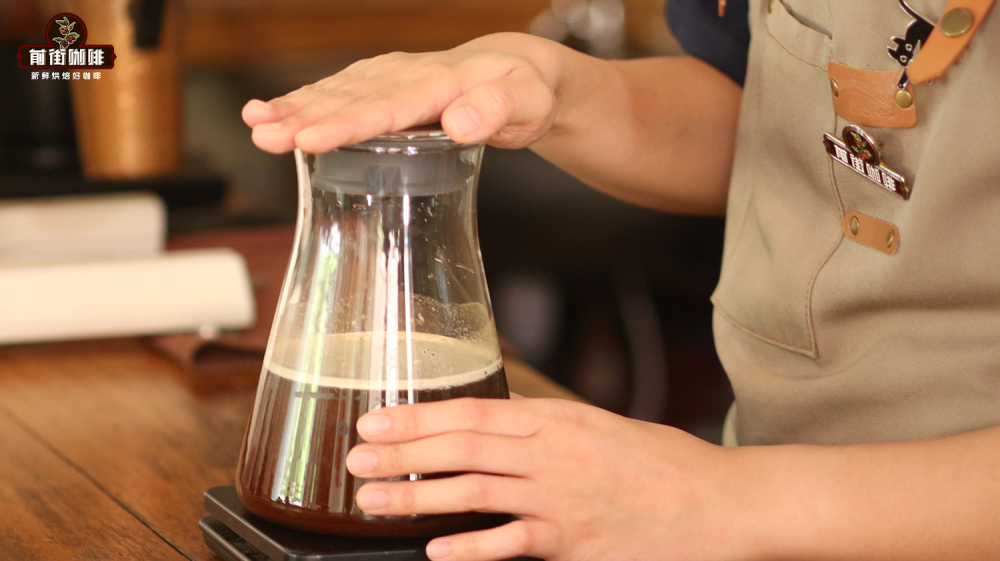
Many beginners, to save effort, simply add water, cover, and put it straight in the fridge. The coffee grounds may look wet on the surface, but some spots still haven't come into contact with water, and those dry grounds naturally can't participate in extraction. Also, after sitting overnight, the vast majority of particles have sunk to the bottom of the container. If you pour it out to filter directly at this point, you'll most likely only get a lighter-colored liquid from the top layer, and the taste won't be great either. So when making cold brew, the stirring step must never be skipped.
According to Front Street's experience, if you're using a larger capacity pitcher, you can use a stirring stick or long spoon to mix the coffee grounds and water evenly before putting it in the fridge; after taking it out, stir a few more rounds before filtering. If you're using an airtight water bottle, just seal it tightly and gently shake it up and down to mix evenly.
4. Filter out the grounds thoroughly, and your cold brew's mouthfeel will reach the next level
There are many options for filtering out coffee grounds, such as the built-in filter of a cold brew pitcher, metal filters, filter paper, flannel cloth, etc. Different devices have different pore sizes and can intercept different particles. Take the cold brew pitcher as an example: its filter mesh has a pore size of 245 mesh, which is already quite fine, but fine and ultra-fine particles still pass through. Without a second filtration, a layer of flocculent oil slick will float on the surface. Although the flavor difference when drinking isn't significant, you'll clearly feel a roughness on your tongue when swallowing, and visible residue will be left at the bottom of the cup.
To achieve a better drinking experience, Front Street uses denser filter paper for a second filtration. This not only intercepts ultra-fine particles but also blocks over 80% of condensed oils. After filtering, Front Street also seals the cold brew liquid and refrigerates it for 3 to 4 hours, allowing flavor compounds to further settle and mature. Through this process, the cold brew's entry flavor becomes very full, the mouthfeel clearer, and the acidity even more transparent.
The above content is compiled by CoffeeHunters, a coffee news website.


