







Search Results for: coffee turning bitter

How do you use a moka pot so the coffee isn't bitter? Front Street explains grind size, when to turn off the heat, and choosing dark roast beans.
The moka pot is a classic Italian household brewing device that, thanks to its pressure-based principle, can brew coffee about twice as concentrated as regular coffee. In this article, Front Street Coffee will start with the history and working principle of the moka pot, analyze the root cause of bitter coffee—over-extraction—and offer practical tips for avoiding bitterness, such as coarsening the grind, cooling the base with a cold towel off the heat, and filling the pot with hot water. Then we will demonstrate the complete brewing process in six steps, covering details such as coffee dose and water volume, heat control, and judging the heat by listening to the sound. Finally, we will share key points on cleaning and maintaining the moka pot and advice on choosing the roast level, recommending Front Street Coffee's dark-roasted Golden Mandheling to help you easily brew a cup of rich, non-bitter moka coffee. [more…]

Why does pour-over coffee become sour and astringent after cooling? Analyzing three reasons for flavor changes and the ideal drinking temperature
A freshly brewed pour-over coffee is full of aroma and smooth on the palate, but after sitting for half an hour it turns sour, astringent, and muddled—what's going on? In fact, coffee naturally presents different flavors at different temperatures, and during tasting it is often divided into three stages: hot, medium, and cool. A good cup of coffee can usually withstand all three temperature stages, but once it has fully cooled, the flavor goes beyond the normal tasting range. From Front Street's perspective, this article breaks down the root causes of coffee turning sour and developing astringent, muddled notes after cooling—including differences in how human senses perceive sourness, sweetness, and bitterness, the impact of aroma volatilization, and the three key mechanisms of oil oxidation, pigment oxidative polymerization, and condensation—and tells you the most suitable temperature for drinking coffee, helping you better capture the best flavor of every cup. [more…]

Why Does Pour-Over Coffee Frequently Turn Out Burnt, Harsh, and Bitter? An In-Depth Analysis of Over-Extraction and How to Fix It
Many coffee enthusiasts have encountered this frustration during pour-over brewing: even though the beans are of decent quality, the resulting coffee carries an unpleasant burnt or muddled bitterness. This flavor is often attributed to "over-extraction," but what exactly is the mechanism behind it? This article will systematically break down the science of over-extraction, analyze the various parameter factors that lead to excessively high extraction efficiency, and share Front Street Coffee's experience in building brewing recipes—specifically how choosing high-tolerance parameters can help avoid undesirable flavors—so you can more confidently brew a clean and delicious pour-over coffee. [more…]

Moka Pot Usage and Tips | Is Your Moka Pot Coffee Always Bitter and Burnt? Recommended Affordable, Great-Tasting, Non-Bitter Coffee Beans Worth Buying for Moka Pot Enthusiasts
As a recognized high-value home coffee gadget, the moka pot is actually far less complicated to use than you might imagine. There's no need to be bound by too many precise data and parameters; as long as you grasp the following key points, the rest can be freely adjusted to your taste preferences, letting you easily brew a delicious cup of coffee. No. [more…]

How do you adjust cold brew coffee when it turns out bitter or sour? Breaking down the key causes of over-extraction and under-extraction in low-temperature brewing
Cold brew coffee, with its smooth, full-bodied taste and lower acidity, has become the top choice for many people in summer. It uses cold or room-temperature water to steep coffee grounds for a long time; in a low-temperature environment, small-molecule floral and fruity notes are released first, while large-molecule roasted substances are difficult to dissolve, making it cleaner and softer than hot brewing. In practice, however, "too bitter" and "too sour" remain the two most common problems. This article analyzes the root causes of over-extraction and under-extraction in cold brew from the perspectives of roast level, grind size, steeping time, and filtration method, and offers practical adjustment tips from Front Street Coffee to help you make a balanced, easy-drinking glass of iced coffee. [more…]
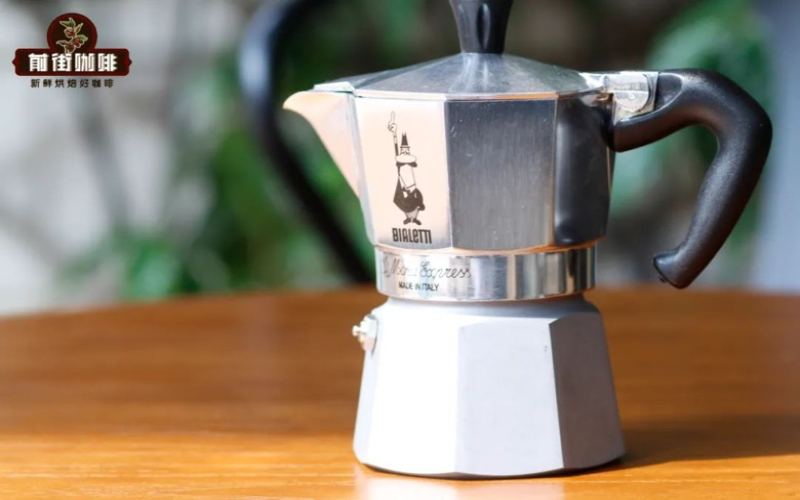
What to Do If Your Moka Pot Coffee Turns Out Too Bitter, Too Sour, or Burnt-Tasting?: Balancing Consistent Brews with Trying New Beans
The spectrum of flavor is far broader than just acidity and bitterness—aroma, sweetness, body, mouthfeel, and finish all lie along it. When choosing beans, it helps to first set a direction: floral and fruity, nutty and cocoa-like, or a balance of the two—then use origin, processing method, and roast level to find specific beans. The extraction principle of a moka pot is based on steam pressure, filling the filter with a layer of grounds. [more…]

How Long Does It Take to Brew Coffee with a Moka Pot? When Is the Right Time to Turn Off the Heat? A Complete Guide to the Key Steps
The moka pot, with its simple structure and pressure-enhanced extraction method, can produce rich, crema-topped coffee under ordinary home conditions. But how long to brew and when to turn off the heat often confuse beginners. This article starts with the working principle of the moka pot, explains the difference between single-valve and double-valve models, recommends suitable medium-dark roasted beans and specific products, and step by step breaks down the details of adding water to the lower chamber, grind size, filling the filter basket, heating, and judging when to turn off the heat, while also reminding you of precautions such as the safety valve, clogging, and cleaning, to help you consistently extract an ideal cup in three to four minutes. [more…]
A Complete Guide to Roasting Curve Parameters: From Turning Point to First Crack, a Step-by-Step Explanation of the Key Milestones
The roasting process of every coffee bean requires detailed recording of curve data, including the turning point, heat adjustments, temperature changes, and first crack time. These data are not only the basis for reproducing flavor, but also an important reference for roasters to understand the characteristics of the beans. This article will break down the key nodes in the roasting curve one by one—from the preheating drum temperature setting, the coordination of heat and airflow, to the turning point, yellowing point, Maillard reaction, caramelization reaction, and then to the determination of first crack and the calculation of the rate of rise—to help you build a clear logic for reading roasting curves. At the end, using [Front Street Jamaica Blue Mountain] as an example, it shows how to design the roasting rhythm according to the nature of the beans, so that acidity, body, and aroma reach a delicate balance. [more…]
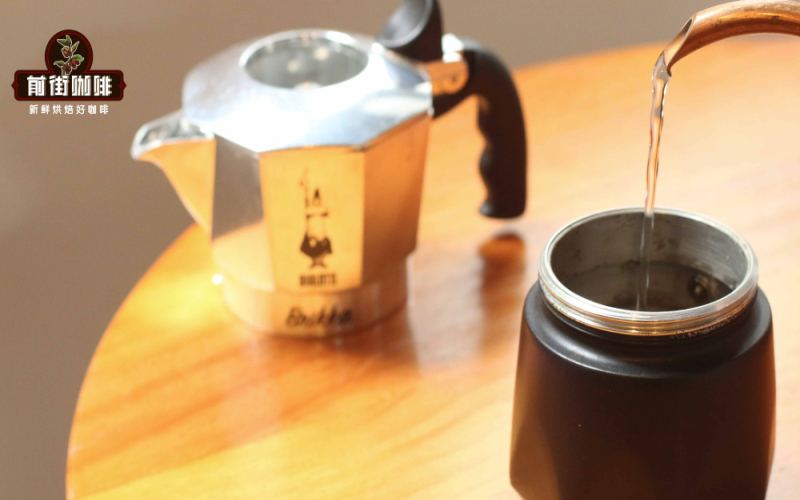
A Complete Guide to Moka Pot Brewing Techniques: From Bean Selection to Cleaning, a Practical Guide to Saying Goodbye to Overly Bitter or Sour Coffee
The Moka pot, with its unique pressurized extraction method, can produce rich and full-bodied coffee, but many enthusiasts often run into the problem of coffee that is too bitter or too sour. This article will start with the structural principles of the Moka pot, explain in detail the suitable types of coffee beans, including recommendations such as Front Street Coffee's classic espresso blend and Golden Mandheling, and then break down step by step the key stages of the brewing method, such as grind size, filling the basket, and heating. Addressing the three common problems of bitterness, sourness, and burnt flavor, the article provides specific adjustment solutions, and finally emphasizes the importance of daily cleaning and maintenance, helping you consistently extract a smooth cup of Moka pot coffee. [more…]

From Green Beans to Roasted Beans: A Detailed Guide to Coffee Roast Levels, Flavor Changes, and Agtron Roast Percentage Interpretation
Turning green coffee beans into roasted beans relies entirely on roasting. For the same batch of beans, different roast levels lead to completely different acidity, bitterness, sweetness, body, and aroma profiles. Today, Front Street Coffee systematically breaks down the core knowledge of coffee roasting: what happens during the dehydration phase, the yellowing phase, and the flavor development phase; how to judge the drop time based on first crack and second crack; and which origins and brewing methods suit light, medium, and dark roasts. We'll also explain why the color of the bean surface can be misleading, and how to interpret Agtron values and Roaster %. At the end, we've included Front Street's recommendations for resting and grinding, to help you get the best flavor once you have the beans in hand. [more…]
A Complete Guide to Con Panna Coffee: From the Classic Italian Recipe to an Advanced Tasting Guide
Con Panna is a classic Italian-style fancy coffee—a dollop of cream atop a double Espresso. It looks simple, yet it has taken countless people from being "tricked" to falling in love. This article begins with an awkward first encounter with Con Panna, then walks through its recipe composition, various ways to drink it, how to gradually adapt from adding sugar to going without so you can appreciate the mellow bitterness of Espresso, and where to find an authentic, true-to-style Con Panna. Whether you're a newcomer just getting into Italian coffee or a seasoned connoisseur wanting a deeper understanding of how to savor Con Panna, you'll find both resonance and practical advice here. [more…]
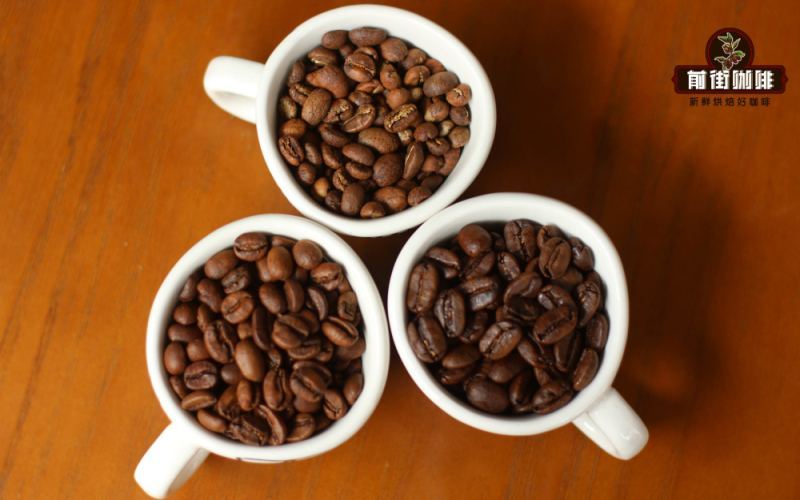
From Light to Dark: A Comprehensive Analysis of Eight Coffee Roast Levels and a Practical Operational Guide
Coffee roasting is the core step that determines the flavor direction of a cup of coffee. From green beans to the drink in your cup, the degree of roast directly governs the balance of acidity, sweetness, and bitterness. This article systematically sorts out eight common roast levels, the working principles of three types of coffee roasters, and the mechanisms by which caramelization and the Maillard reaction shape flavor. It also records in detail Front Street Coffee's operational procedures and curve management experience in actual roasting, helping coffee enthusiasts build a complete cognitive framework from theory to practice. [more…]
Comparison of Eight Coffee Bean Roast Levels|How do different roast levels affect coffee flavor? What is the specific process for roasting coffee beans?
Anyone who drinks coffee regularly knows that coffee beans come in different roast levels, and the flavor and mouthfeel they present are all different. As a café that roasts its own beans, Front Street has dozens of batches of coffee beans to roast every day. We know the flavors of light-roasted Yirgacheffe, medium-roasted Brazilian coffee, and the like like the back of our hand, and we also need to [more…]
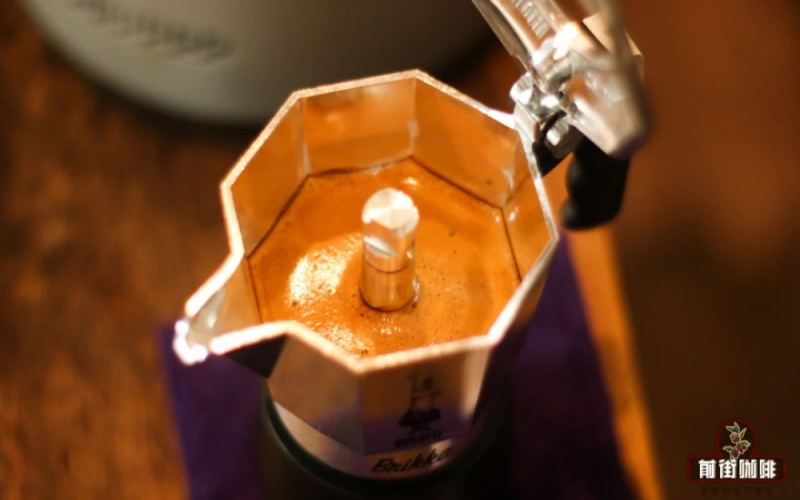
From Bean Selection and Grinding to Brewing: 6 Key Operational Details to Make Moka Pot Coffee Smoother
The Moka pot has a low barrier to entry, but in actual brewing it often produces problems like heavy bitterness, overly high concentration, or thin flavor. This article starts with selecting coffee beans by roast level, then explains in turn the filling method for the coffee dose, the testing logic for grind size, the auxiliary use of filter paper, heat adjustment during the heating process, and finally how to adjust strength by adding water. Each step provides specific operational suggestions and directions for adjustment, and it also recommends medium-dark roasted Front Street Coffee series beans suitable for the Moka pot, helping enthusiasts systematically improve the quality of their Moka pot output. [more…]
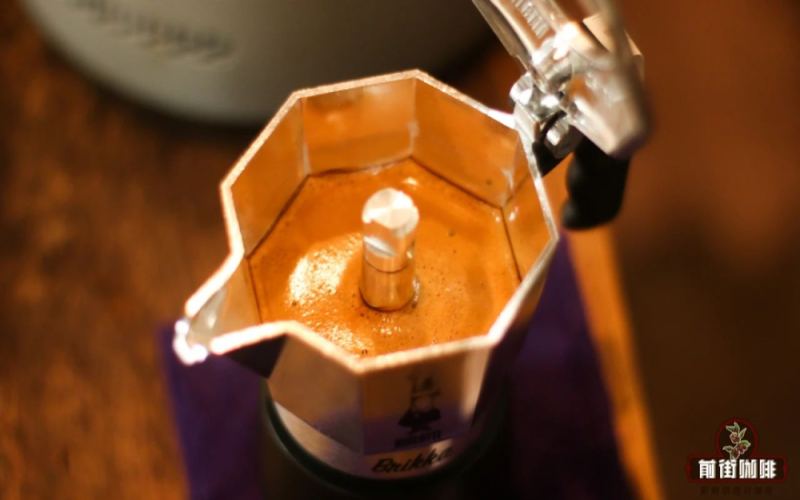
Brewing with a Moka Pot | What's the secret to making delicious moka pot coffee? Which selected medium-dark roasted single-origin coffee beans are recommended for moka pots?
Using a moka pot is very simple, but the brewing process can still sometimes result in bitterness, excessive strength, or insufficient flavor. Today we're sharing some tips for using a moka pot, hoping to help moka pot enthusiasts make delicious espresso-style black coffee at home. Let's think through everything from bean selection and brewing to tasting. 1. During use [more…]
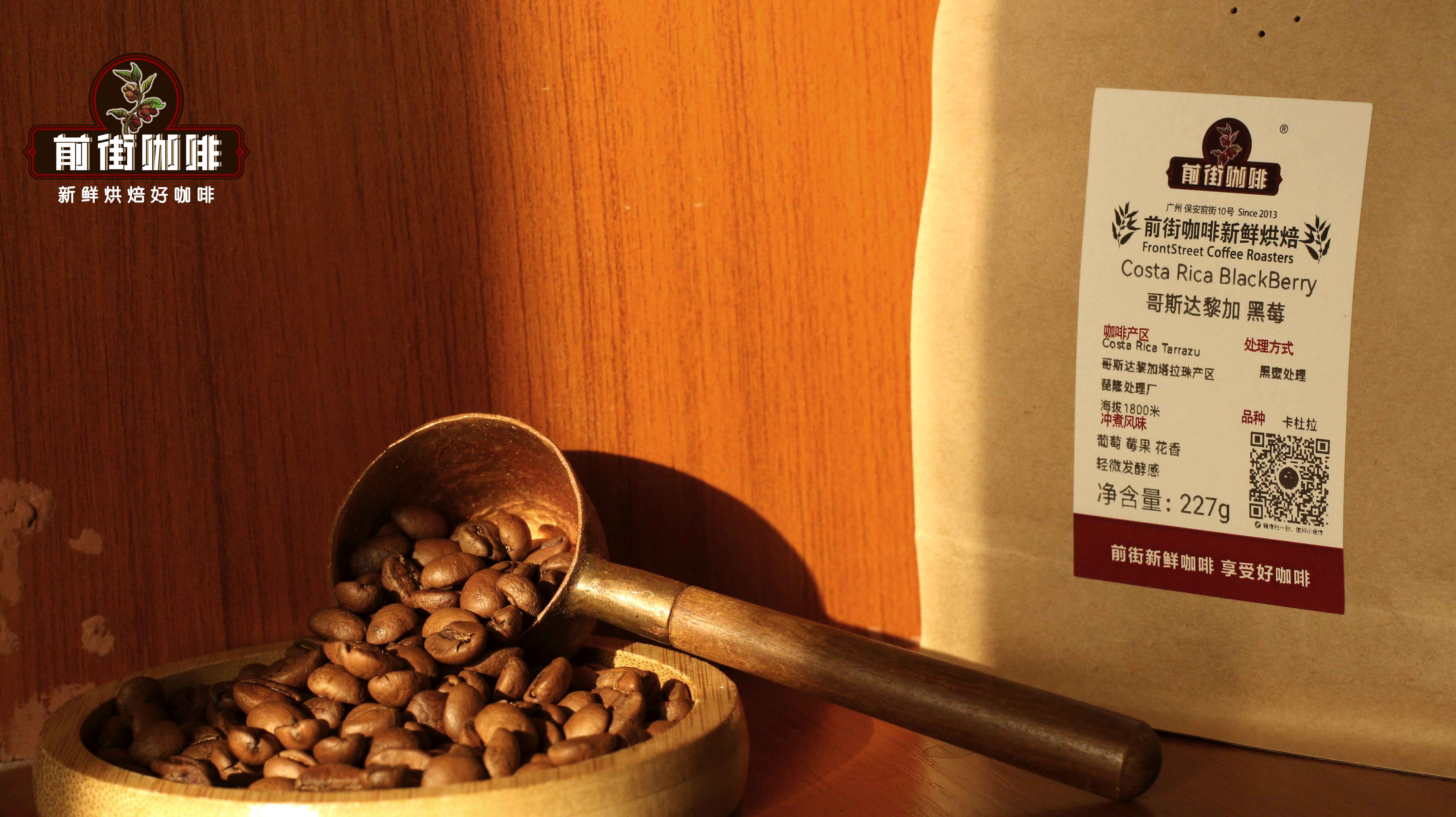
Espresso Single-Origin Beans | Is Espresso Bitter? Recommended High-Sweetness Espresso Beans for Americano and Latte
Many people think that the taste of espresso is only bitter, but in fact, as long as you choose the right coffee beans and control the extraction well, we can drink espresso with a sweet taste. Choosing a high-sweetness espresso bean: from the moment a coffee bean starts to be heated as a green bean until the end of roasting, sweetness is the first flavor to develop, and only afterward [more…]
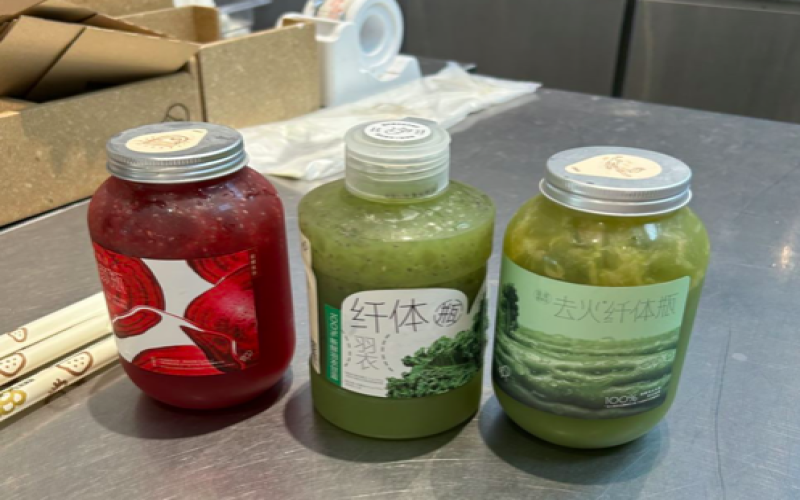
HEYTEA's Super Plant Tea keeps launching new products, and back-of-house staff turned into all-day fruit and vegetable processors are crying out that they can't take it anymore.
Heytea's "Super Plant Tea" family has welcomed a new member, the Red Beet Beauty Bottle, and the pace of new product launches in the fruit and vegetable beverage track is remarkable. However, behind the frequent launches, the work intensity in store back kitchens is constantly increasing. From the original chia seed slimming bottle to the bitter melon fire-clearing slimming bottle, and now to the new red beet product, employees are constantly busy around the sink, cutting board, and blender, washing vegetables, peeling, chopping, blanching, and juicing, with increasingly complicated procedures. The surge in orders during the National Day holiday has made workers complain endlessly, with some sighing that they have to process more than ten jin of fruits and vegetables a day, and blenders even overloaded to the point of smoking and breaking down. This article takes you through the real working conditions of Heytea's back kitchen employees, and the little-known daily hardships under the fruit and vegetable beverage craze. [more…]
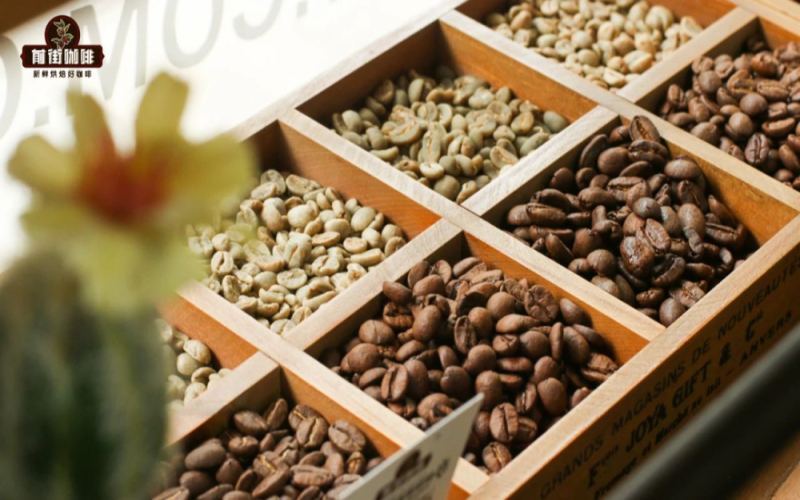
A Color Value Guide to the Eight Coffee Roast Levels: Practical Tips for Home Drum Roasting
Want to roast coffee beans at home but don't know where to start? Front Street Coffee, drawing on the practical experience of baristas, introduces the key operating points of drum roasting and compiles SCAA's eight-level roast degree comparison chart—from light roast with an Agtron color value of 95 to Italian roast with a color value of 25, explaining one by one the timing of each stage's release from the roaster, appearance changes, and flavor performance. The article also compares the time differences between a professional roaster and drum roasting for the same Brazilian Cerrado Red Bourbon coffee beans, helping coffee enthusiasts understand how roast degree determines the acidity-bitterness direction of a cup of coffee. [more…]
Moka Pot Brewing Guide: From Bean Selection to Cleaning, Practical Tips to Fix Coffee That's Too Bitter or Too Sour
The Moka pot, with its unique pressurized extraction method, can produce coffee with high concentration and a steady mouthfeel, but many enthusiasts often encounter problems such as overly bitter, overly sour, or burnt-tasting results. This article will start with the structural principles of the Moka pot, explain in detail the suitable types of coffee beans, and guide you step by step through the brewing method, including water volume control, grind size selection, coffee dosing techniques, and heating points. For the three common flavor defects, it will analyze the causes one by one and provide adjustment solutions, while also recommending beans such as Front Street Coffee Classic Espresso Blend and Golden Mandheling. Finally, it emphasizes the importance of daily cleaning to help you consistently produce a smooth cup of Moka pot coffee. [more…]
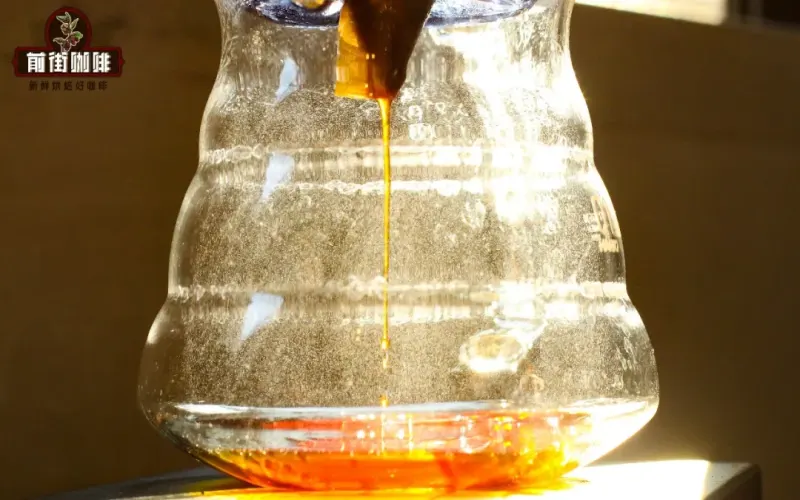
Judging Espresso Extraction by Color Observation: Is It Reliable? Tips for Identifying Under-Extraction and Over-Extraction
During coffee extraction, many enthusiasts try to judge the extraction state by observing changes in the color of the coffee liquid—the so-called "reading the color" method. Does this method have any scientific basis? Can it accurately distinguish between under-extraction and over-extraction? Front Street Coffee, based on practical testing, found that the color of the coffee liquid does indeed become lighter as extraction progresses, because the acidic and sweet substances among the solubles have smaller molecules and dissolve more quickly, while the bitter substances have larger molecules and dissolve more slowly. Once the acidic and sweet substances have largely dissolved, the bitter substances are still being released, and the coffee liquid begins to take on a whitish hue, which is usually regarded as a signal of approaching over-extraction. However, this method is greatly affected by factors such as flow rate and roast level, and is only suitable as an emergency reference; stable output still needs to rely on measuring tools such as an electronic scale. [more…]