







Search Results for: coffee too weak
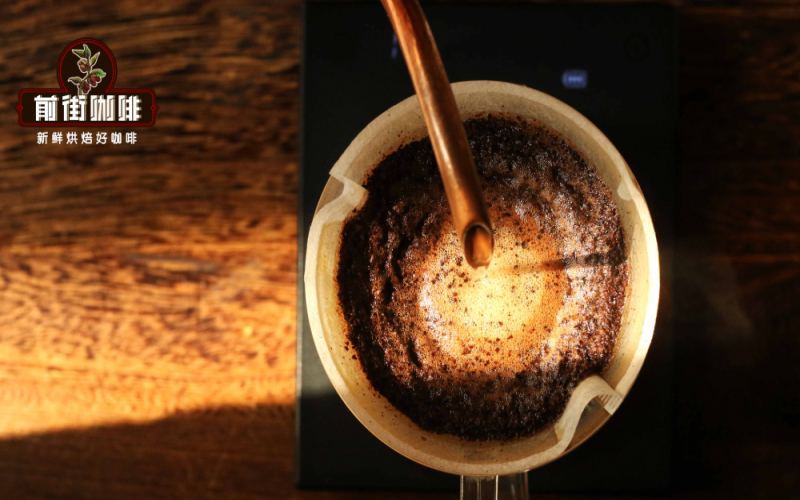
Pour-over coffee tastes too weak and watery? Analyzing the causes and adjustment methods from two aspects: under-extraction and low concentration.
Many coffee enthusiasts have encountered the situation during pour-over brewing where the coffee tastes bland and drinks like water, and even experienced veterans find it hard to completely avoid. There are two main categories of reasons why coffee turns out too weak: one is under-extraction, and the other is too low concentration. Starting from Front Street Coffee's brewing experience, this article first helps you determine whether the coffee beans you've chosen match your taste preferences, then takes a deeper look at how under-extraction and too-low concentration each manifest and what causes them, and offers specific adjustment ideas for parameters such as grind size, water temperature, coffee-to-water ratio, and brewing time. As long as you understand the underlying logic of extraction, no matter whether the coffee is too strong or too weak, you can quickly identify the problem and correct it. [more…]
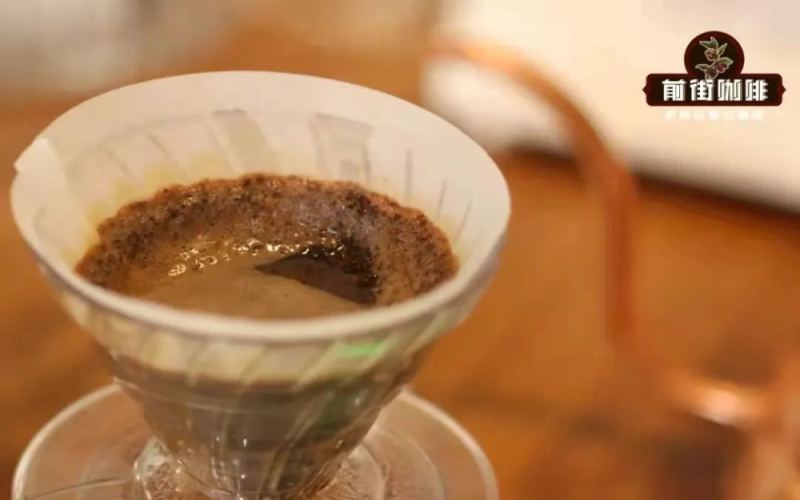
Causes of and Adjustment Techniques for an Imbalanced Strength in Pour-Over Coffee: Bypass Dilution and How Cup Color Affects Flavor Perception
Pour-over coffee may seem easy, but brewing a satisfying cup is no simple task. Many enthusiasts are often troubled by coffee that is too strong or too weak: when too strong, the bitterness lingers and irritates the throat; when too weak, the flavor is light as water—not objectionable, yet hardly enjoyable. This article addresses these two common situations. It first analyzes the causes of coffee being too strong—often stemming from a high extraction yield that has not yet reached over-extraction—and introduces a professional adjustment technique called "bypass," which means adding water directly to the brewed coffee to lower its strength while preserving the extraction yield. Front Street Coffee also recommends adding 10-20ml at a time in stages. As for coffee that is too weak, it cannot physically be made stronger, but with the help of cup-color experiments and the visual differences between glass and ceramic cups, a red or coffee-colored ceramic cup can make the brain perceive the coffee as richer, thereby improving the drinking experience. [more…]
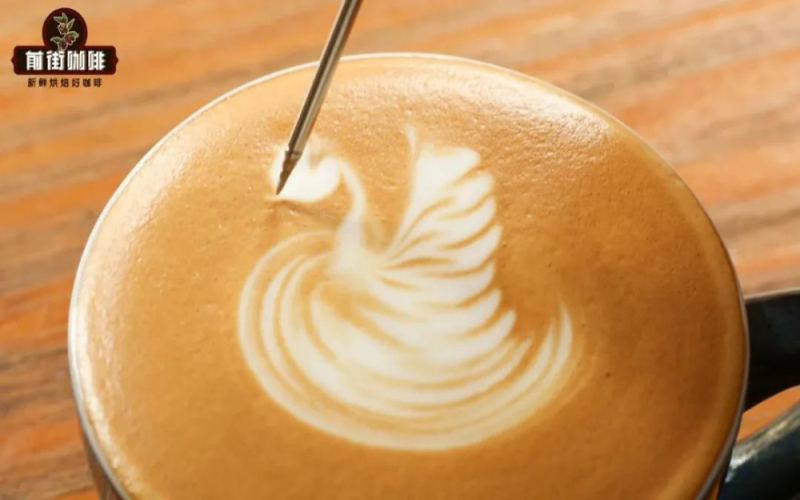
The Complete Guide to Latte Coffee Ratios: The Logic Behind Espresso and Milk Proportions, and the Causes and Solutions for Bitterness and Weakness
Latte is the starting point for many people's introduction to espresso, but when making it at home, it often turns out bitter or weak. The key to an ideal latte lies in whether the espresso extraction state and the milk ratio are appropriate. Based on Front Street Coffee's practical experience, this article sorts out the standard ratios for hot lattes and iced lattes, analyzes the root causes of three common problems—too bitter, too weak, and both bitter and weak—and provides corresponding adjustment approaches. It also introduces two espresso beans suited to different taste needs, Front Street Coffee Dark Cocoa Blend and Front Street Coffee Strawberry Candy Espresso, to help readers reliably recreate a balanced and smooth milk coffee at home. [more…]
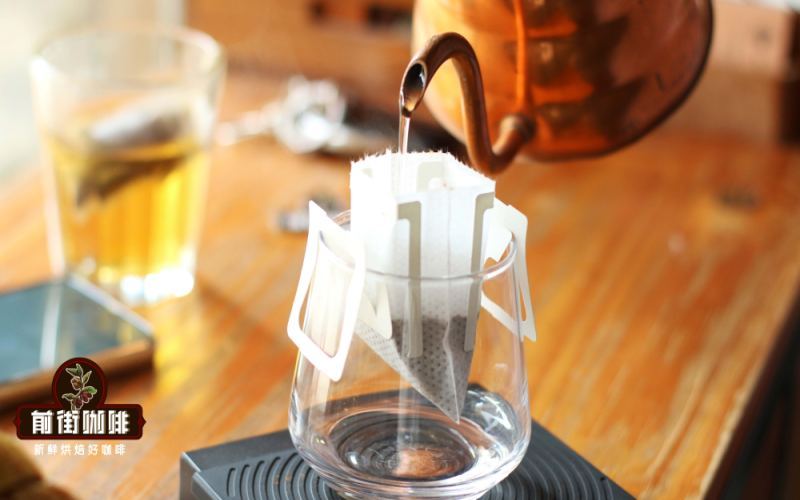
Mantenin Yirgacheffe Drip Coffee Flavor Analysis and Brewing Tips: Solutions for Too Sour, Too Bitter, or Too Weak
Drip coffee bags are not limited to a single flavor—like pour-over coffee, they offer a rich variety of types, broadly categorized into three major groups: floral, fruity, and full-bodied. Understanding these classifications can help you find the one that best suits your taste. Mandheling and Yirgacheffe, as classic representatives, belong to the full-bodied and floral types respectively, with significantly different flavors. So, what exactly do these drip coffee bags taste like? And if you encounter problems during brewing—too sour, too bitter, or too weak—how should you fix them? This article will analyze the flavor characteristics of drip coffee bags in detail and provide practical brewing adjustment methods, so you can easily brew a cup of ideal black coffee. At the same time, we will also recommend quality drip coffee bag products from Front Street Coffee to satisfy different taste preferences. [more…]
A Complete Analysis of Flavor Imbalance in Pour-Over Coffee: From Under-Extraction to Dilution, a Guide to Precisely Adjusting Weak Flavor
Pour-over coffee tasting thin and watery is a common frustration for many enthusiasts, and even seasoned coffee veterans can slip up. A cup with hollow flavor often stems from two core issues: under-extraction or too low a concentration. The former occurs when deviations in water temperature, grind size, time, and other parameters prevent enough flavor compounds from being released, while the latter happens when too much water dilutes the coffee's strength. Using Front Street Coffee's brewing experience as an example, this article will help you clarify the difference between these two situations and offer specific adjustment plans—from finer grinding and higher water temperature to reduced brew ratios and complementary parameter tweaks—so you can grasp the underlying logic of extraction and quickly identify and fix the problem, whether your coffee is too strong or too weak. [more…]
Drip Bag Coffee Flavor Selection Guide: Mandheling and Yirgacheffe Taste Analysis and Tips for Fixing Too Sour, Too Bitter, or Too Weak Coffee
Drip bag coffee is not limited to a single type; like pour-over coffee, it offers a rich variety of flavor choices. Drip bags on the market can be broadly divided into three major categories: floral, fruity, and full-bodied, each corresponding to different roast levels and flavor characteristics. Floral types are mostly presented with light-to-medium roasts, showcasing fresh notes like jasmine and citrus; fruity types deliver the full sweetness of tropical fruits and berries; while full-bodied types primarily use medium-dark roasts, offering a solid and intense mouthfeel. Understanding these categories can help you quickly find drip bag products that suit your taste. This article uses several drip bags from the Front Street brand as examples to analyze the characteristics of each flavor type in detail, and includes simple brewing steps, while also providing specific adjustment methods for the common problems of drip bag coffee being too sour, too bitter, or too weak. [more…]
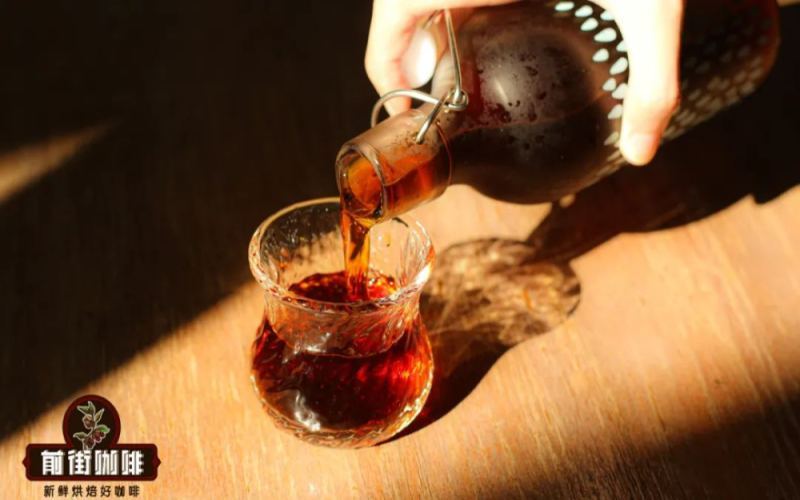
Why Is My Cold Brew Coffee Too Weak? A Complete Guide to Improving Extraction Strength with Tea Bags
Many people making cold brew coffee at home find that even when they use a higher coffee-to-water ratio, the resulting brew still tastes disappointingly weak, and they start to wonder whether they are simply missing professional cold brew equipment. In fact, the problem usually lies in the extraction method itself. In this article, Front Street Coffee will analyze the root causes of weak cold brew and share a practical little trick—using a non-woven tea filter bag to hold the coffee grounds for steeping—so you can significantly boost the strength of your cold brew without buying a dedicated cold brew bottle. The article also verifies the actual effectiveness of tea-bag cold brew through a comparative experiment using two groups of beans, a light roast and a dark roast, and includes specific operational recommendations. [more…]
What causes pour-over coffee to taste thin and watery? How to adjust the coffee-to-water ratio and brewing parameters to improve under-extraction
The coffee you brew is sometimes rich, and sometimes as bland as water—this can happen to both beginners and seasoned coffee enthusiasts. Compared with coffee that tastes too strong, coffee that is too weak and drinks like water is a more common problem. When a cup of coffee is bland, it usually means the cup doesn't have enough flavor substances to support a complete taste performance. There are two main reasons for this result, and the most core one is "under-extraction." This article will start from Front Street's perspective, analyze the root causes of coffee becoming weak, sort out how parameters such as time, grind, water temperature, and coffee-to-water ratio affect extraction efficiency, and give corresponding adjustment ideas to help you brew a cup of coffee with full flavor. [more…]
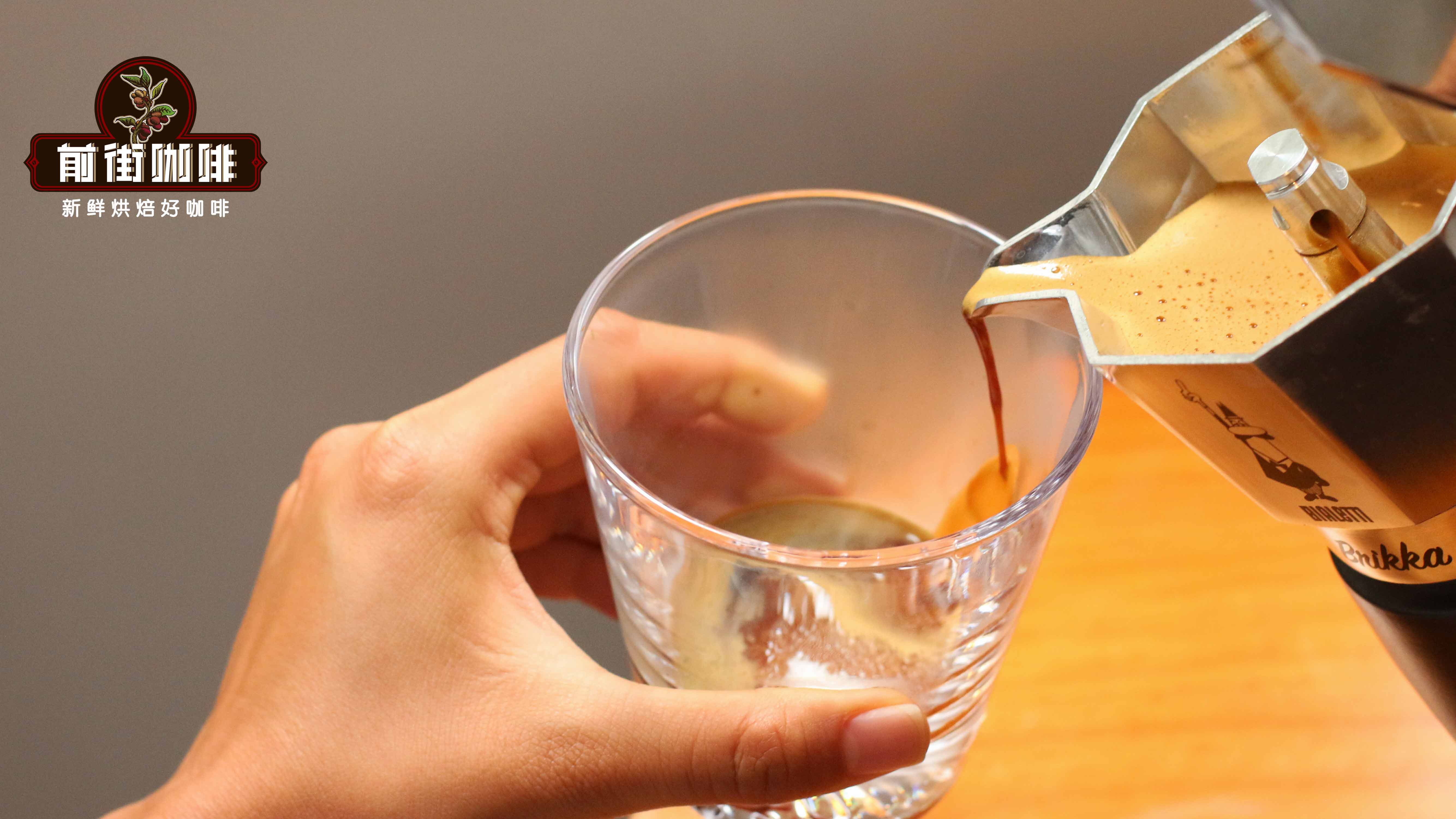
Moka Pot Coffee Tastes Weak and Has No Crema? Causes and Adjustment Solutions
Does your moka pot coffee come out weak and flavorless, lacking crema, or even bitter or sharply sour? These problems are often closely tied to bean selection, grind size, dose and tamping, and extraction technique. This article breaks down the common causes of unbalanced moka pot coffee flavor one by one and offers targeted solutions, while drawing on the characteristics of two beans—Front Street Classic Blend and Strawberry Candy Espresso Blend—to help you brew a cup of moka pot coffee with moderate strength and balanced taste. [more…]
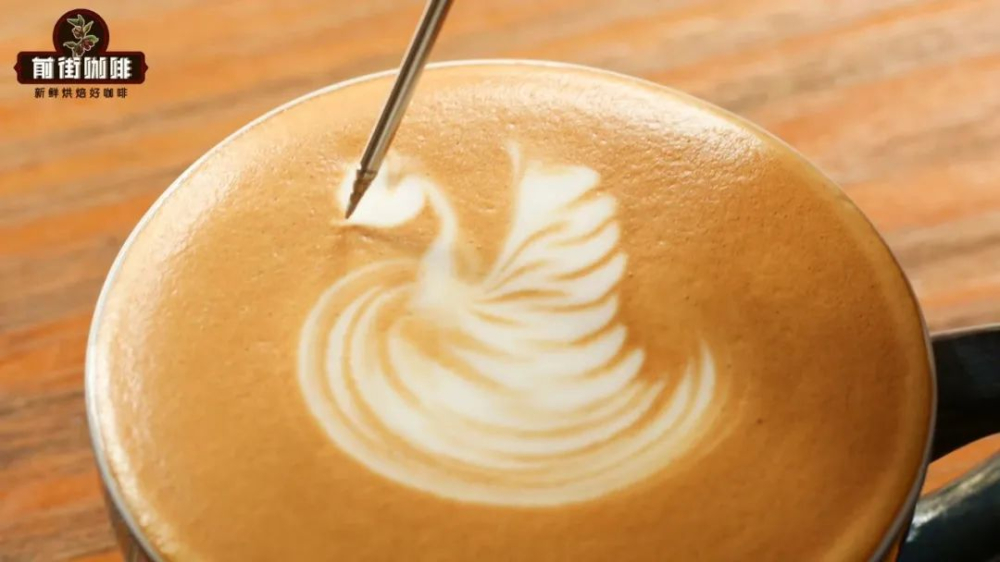
Latte Recipe | Can You Add Ice to a Hot Latte? What Makes a Latte Both Bitter and Weak? How to Adjust Extraction Parameters to Make a Delicious Latte?
I'm not sure if everyone remembers the first time they had a latte—many people probably have long since forgotten—but Front Street Coffee still remembers it vividly. The first glimpse of the delicate latte art was immediately eye-catching; a small sip revealed the faintly sweet aroma and hint of bitterness released by the crema, and by the second sip, the earlier intense bitterness had transformed into [more…]
Iced Latte Making Fully Explained: Practical Tips from Coffee Bean Selection to Extraction Parameters
Iced latte is a popular coffee drink in summer, but making one that both looks good and tastes great involves quite a bit of know-how. This article systematically breaks down the key points for making a quality iced latte, covering everything from coffee bean selection and espresso extraction parameters to the ratio of milk to coffee. It also analyzes the causes of common latte problems one by one—too bitter, too weak, or both bitter and weak—and offers specific adjustment solutions. Whether you're a barista just starting out or a home coffee enthusiast, you'll find practical guidance here. [more…]
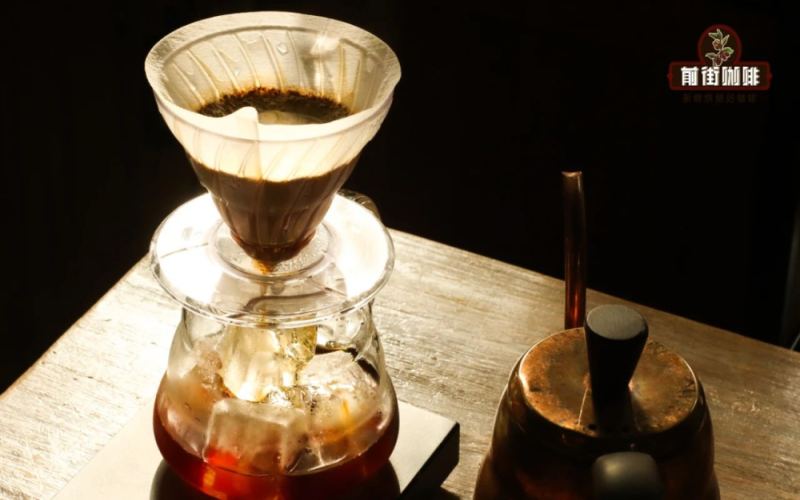
Drip Bag Coffee Brewing Mistakes | Why Is Drip Bag Coffee Too Weak and Flavorless? What Are the Differences Between Black Drip Bag Coffee and Pour-Over Coffee?
For more specialty coffee knowledge, please follow our WeChat public account: Front Street Coffee (FrontStreet Coffee) Drip bag coffee and pour-over coffee share many similarities in their brewing methods. However, for the same coffee beans, pour-over coffee tastes somewhat better than drip bag coffee. Drip bag [more…]
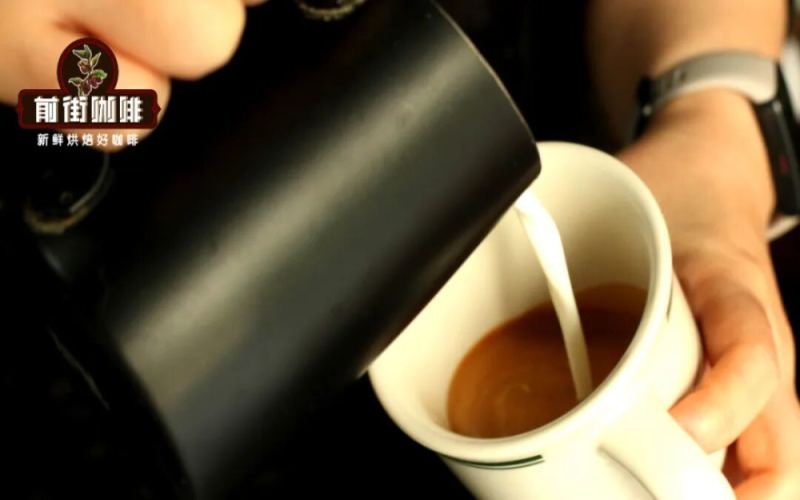
What to Do When Espresso Is Too Weak? A Complete Analysis from Brew Ratio to Extraction Strategy
Many home coffee enthusiasts often encounter the problem of weak flavor and lack of aroma when making espresso. Among the factors that affect whether a cup of espresso tastes good, the flavor and strength of the shot are a key part. Starting from Front Street's extraction experiments, this article analyzes the relationship between strength and extraction yield by tasting the beginning, middle, and end segments of the espresso, answers whether strength can be increased through more extraction, and provides strength improvement plans for coffee beans of different roast levels, helping you find the right brew ratio and extraction strategy. [more…]
Espresso vs. Specialty Coffee: A Complete Guide to Hot and Iced Latte Preparation and Common Flavor Issues
Does a latte actually count as a flavored coffee? And what exactly is the difference between espresso and flavored coffee? Drawing on Front Street Coffee's production experience, this article systematically lays out the recipe logic and production details of latte coffee, including espresso extraction parameters, milk ratios, and the operational differences between hot and iced lattes. It also analyzes the causes of common problems one by one—such as latte being too bitter, too weak, or both bitter and weak—and offers corresponding adjustment solutions. Whether you are a beginner just getting into espresso or an enthusiast looking to refine the consistency of your output, you will find practical reference here. [more…]
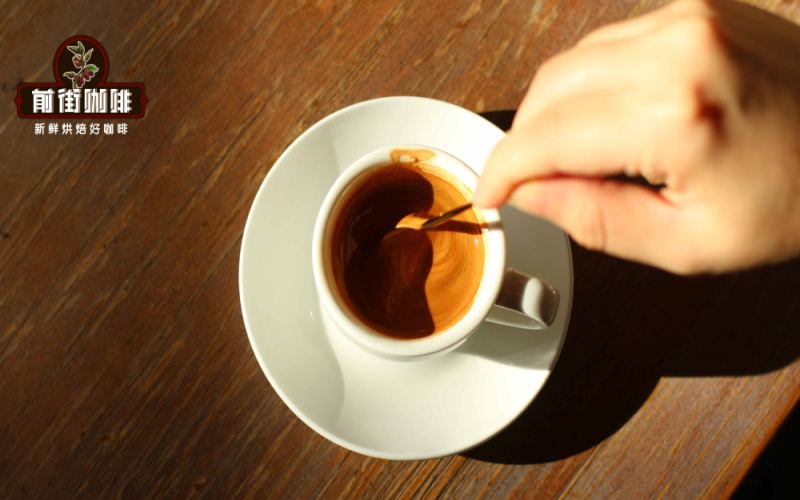
Detailed Guide to Moka Pot Coffee Brewing Steps: Causes and Solutions for Weak Coffee and Insufficient Crema
The moka pot, as an easy-to-use home coffee device, can produce a rich coffee close to espresso. Starting from the structure and working principle of the moka pot, this article will introduce the complete brewing process step by step, and for the three common problems in home use—coffee tasting too weak, lack of crema, and coffee splashing—analyze the causes one by one and provide adjustment solutions, while also recommending medium-dark roasted coffee beans suitable for moka pot use. [more…]
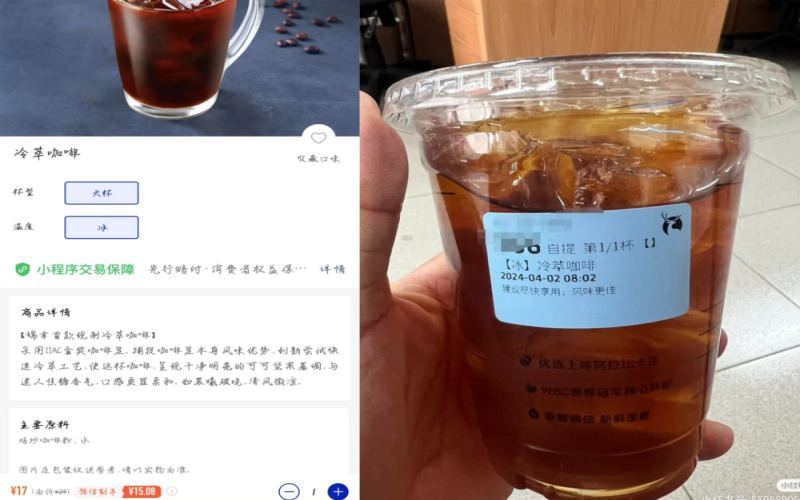
Luckin Cold Brew Steeped for Only 15 Minutes Sparks Debate, Consumers Say It Tastes Weak Like Iced Water
During the summer peak season for iced drinks, Luckin Coffee launched cold brew coffee in some cities, attracting many first-time tasters with its affordable prices. However, some consumers reported that its cold brew was too light in color and weak in taste, even describing it as "Americano with water." Employees explained that the brewing process involves only a 15-minute soak, in sharp contrast to Starbucks' 14 hours and Tims' 16 hours. Coffee enthusiasts have begun discussing whether this is a process issue or an operational mistake. This article walks you through the whole story and includes related recommendations from Front Street Coffee. [more…]
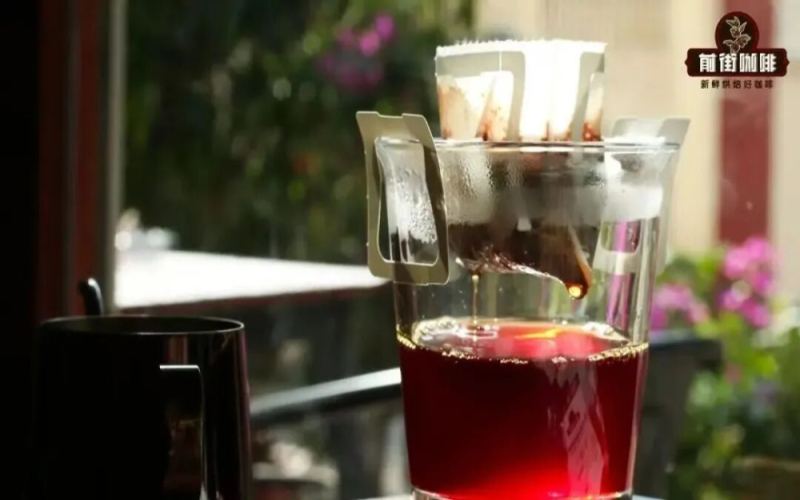
A Complete Guide to Drip Bag Coffee Brewing: Is Blooming Necessary, Can You Re-Extract, and the Reasons Behind No Foam
Drip bag coffee, with its convenience and high cost-performance ratio, has become the daily freshly brewed coffee of choice for many people. But with the same drip bag, some brew it so weak it tastes like water, some end up with bitterness, while others can produce something close to pour-over quality. Where exactly does the difference lie? This article addresses the most commonly asked questions about brewing drip bag coffee: precautions for hanging and pouring, whether a gooseneck kettle is necessary, whether the first pour needs a bloom, why the second pour produces no foam, whether the grounds can be extracted twice, and the common reasons the taste comes out too weak. It also incorporates the fresh-roast characteristics of Front Street Coffee drip bag coffee to offer specific operational advice, helping you improve your drip bag coffee brewing on all fronts. [more…]
Why Does Removing Ice from a Latte Affect Flavor? Is It Feasible to Add Ice to a Hot Latte? A Detailed Explanation of Key Latte-Making Points
Can a latte be ordered without ice? Can ice cubes be added to a hot latte? These seemingly simple questions actually involve the ratio of milk to coffee, the extraction state of the espresso, and the control of milk temperature. Starting from the fixed ratio of a good latte, Front Street Coffee analyzes how removing or adding ice affects the flavor, and systematically sorts out the causes and solutions for the three common problems of lattes: too bitter, too watery, and both bitter and bland. Whether you are a beginner just starting out or a veteran looking to produce consistent results, you can find practical directions for adjustment. [more…]
What roast level of espresso beans should you choose for making a latte? Analyzing the key reasons why homemade lattes don't taste as good as those from a coffee shop
Many people, when they first drink a latte, are drawn in by the sweet aroma woven from that layer of dense milk foam and coffee oils. Yet when making a latte at home, they often run into the awkward problem of it being too bitter, too weak, or even both bitter and weak at once. In fact, the key to a good or bad latte often lies in the roast level chosen for the espresso blend, and whether the espresso extraction parameters are stable. This article, drawing on the hands-on experience of Front Street Coffee, will break down the root causes of an imbalanced latte flavor one by one, focusing on coffee bean roast level, coffee-to-liquid ratio, milk pairing, and extraction details, to help you find an espresso recipe suited to your own taste and reliably recreate a rich, balanced latte at home. [more…]
Barista Practical Guide: Key Points for Making Iced Latte and How to Choose Arabica Coffee Beans
Latte may seem simple, but achieving a rich, balanced flavor is not easy. This article approaches the topic from a barista's perspective, systematically breaking down the techniques for making iced lattes, including choosing the roast level of coffee beans, the espresso extraction formula, controlling the ratio of milk to coffee, and the causes and solutions for common problems such as bitterness, blandness, and the combination of both. It also draws on Front Street Coffee's various blend beans and SOE single-origin beans to offer recommendations for different flavor preferences, helping coffee enthusiasts consistently produce a delicious iced latte in their daily brewing. [more…]