







Does Moka Pot Coffee Grind Explain Weak or Bitter Results?
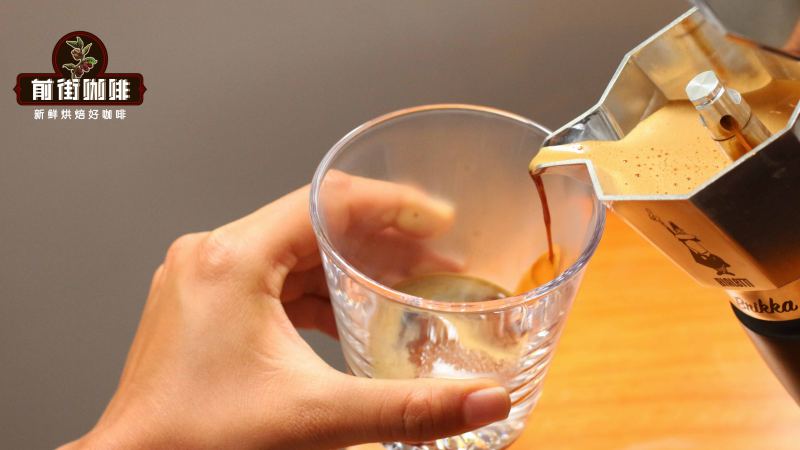
Weak, flavorless Moka pot coffee with no crema usually comes down to bean choice, grind size, dose or extraction. Properly extracted Moka pot coffee should have a full coffee aroma and balanced taste. Bitterness points to over-extraction, often from dark-roasted beans or grounds that are too fine; sharp sourness points to under-extraction, often from light roasts or too coarse a grind.
Adjustments are straightforward. For bitterness, grind coarser, reduce the dose, or choose a medium-dark roast. For sourness, grind finer or add a little more coffee and tamp it evenly. Moka pot brew time matters too: if no liquid appears after long heating and the water chamber was filled too full, stop extraction at once, since that situation can make the pot dangerous.
Does your Moka pot coffee come out weak and flavorless, lacking crema, or even bitter or sharply sour? These problems are often closely related to coffee bean selection, grind size, dose and tamping, and extraction technique. This article will analyze the common causes of imbalanced Moka pot coffee flavor one by one and offer targeted solutions, while also drawing on the characteristics of two beans—Front Street Classic Blend and Strawberry Candy Espresso Blend—to help you make a cup of Moka pot coffee with moderate strength and balanced taste.
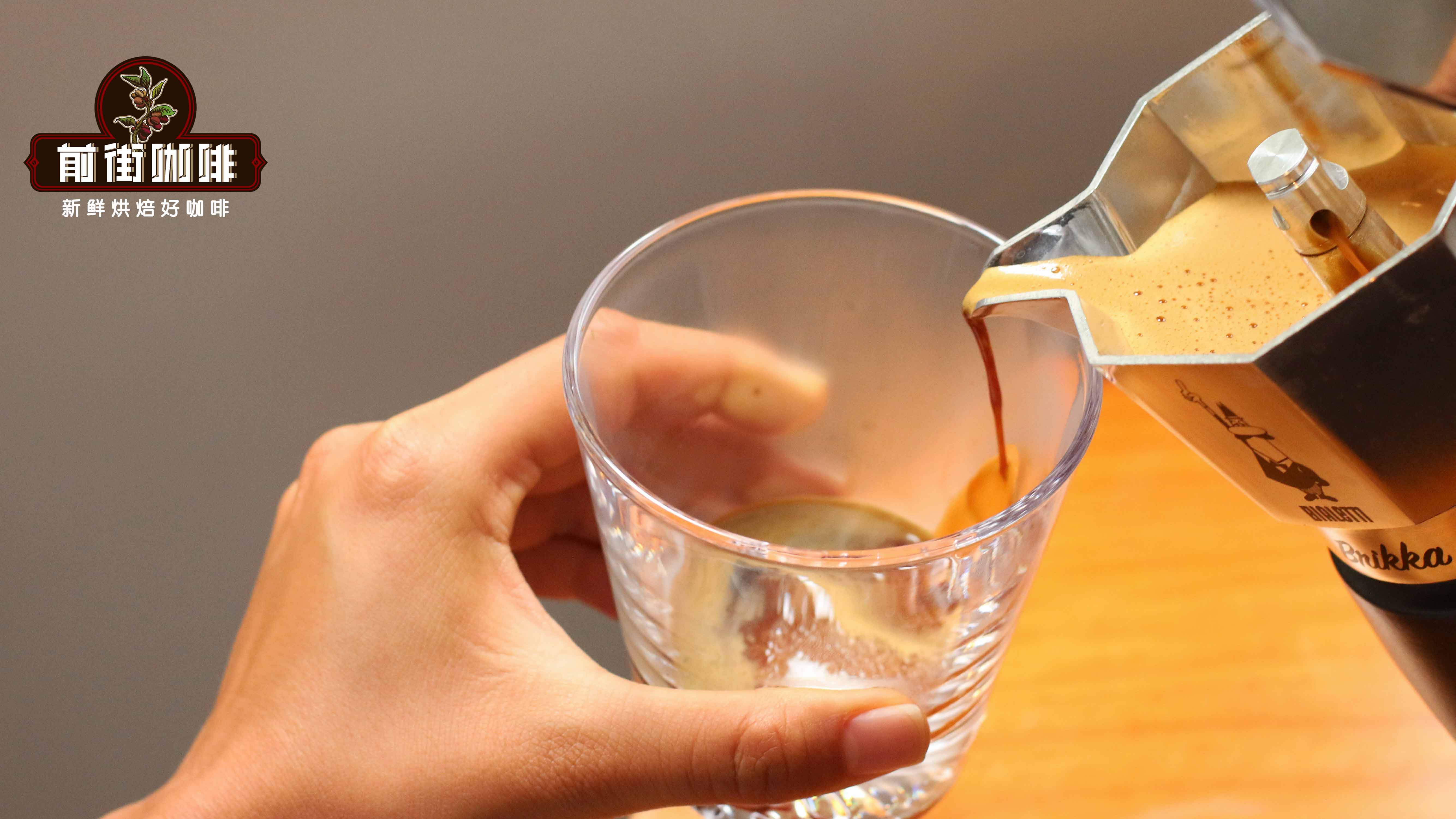
Moka pot coffee too bitter or too sour: Generally speaking, properly extracted Moka pot coffee should have a rich coffee aroma and a balanced taste. If the bitterness or sourness stands out particularly, it indicates over-extraction or under-extraction.
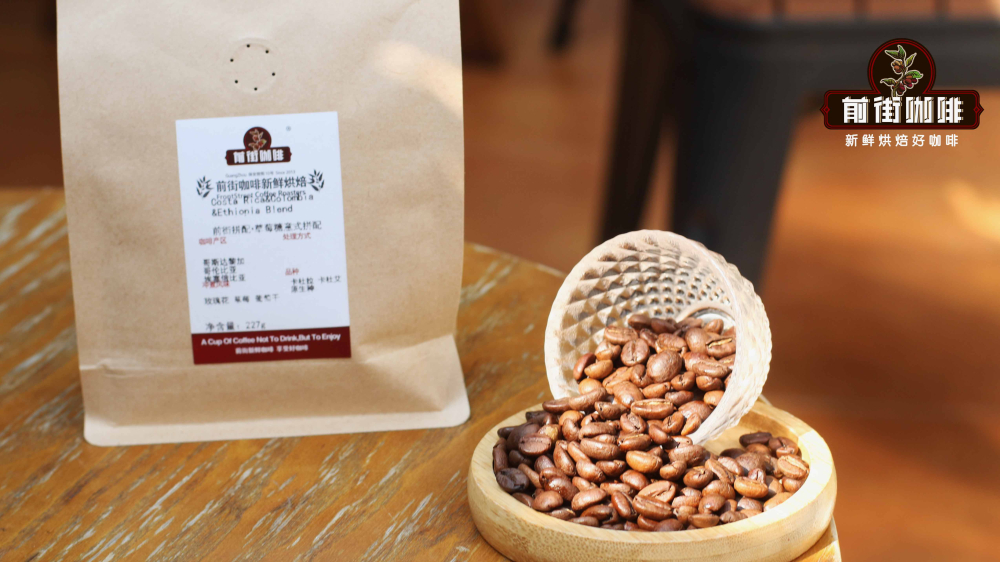
One reason the coffee tastes bitter may be that the beans used are on the darker roast side. It is recommended to prioritize medium-dark roasted coffee beans. Those new to the Moka pot can buy Front Street.Front Street Classic Blend, which has rich crema and nutty and buttery flavors; if you are a more experienced player who wants to explore different flavors of Moka pot coffee, you might try Front Street.Strawberry Candy Espresso Blend, whose extracted coffee presents aromas of roses, raisins, and fruit candy.
Besides the beans themselves, excessive bitterness may also be because the coffee grounds are ground too fine. In this case, you can adjust the grind coarser, or appropriately reduce the dose, to shorten the extraction time;
Coffee that is too sour is just the opposite, usually related to using light-roasted beans. Light-roasted beans are heated for a shorter time and have a harder texture, often requiring a finer grind to increase the extraction rate, but fine grounds in a high-temperature, high-pressure environment can easily make the coffee sour and astringent. If the light-roast bean factor is ruled out, then it is most likely caused by too coarse a grind; you can try adjusting finer, or adding a bit more coffee grounds and tamping them firmly.
If the Moka pot still does not produce coffee liquid after heating for a long time, and you filled the water too full when adding water, then it is best to stop extraction immediately. Because this situation can easily lead to the danger of the Moka pot exploding. There are many reasons a Moka pot fails to produce liquid, such as grinding too fine, using too much coffee, tamping too tightly, and so on. These operations greatly increase the resistance of the coffee puck, and the gaps through which water can pass become extremely few and small, which is why the coffee liquid does not emerge even after brewing for a long time.
If the Moka pot coffee you extract shows almost no bubbles at all, that is, no crema, then it may be that the coffee beans are roasted too light and are not suitable for extraction with a Moka pot. In addition, the Moka pot's inability to produce crema may also be due to too coarse a grind, beans that are not fresh enough, or the use of pre-ground coffee powder.
The above content is compiled by CoffeeHunters, a coffee news website.


