







What does coffee SOE meaning change in an iced latte?
SOE stands for single-origin espresso, a shot pulled from one origin rather than a blend. For an iced latte it matters because the espresso has to hold its character against cold milk: the coffee soe meaning is a clearer, more specific flavor, so the drink tastes of the origin instead of only of milk and sugar.
Medium-dark roasted blends or SOE beans are the usual starting point because they give caramel-like aroma and enough body to contrast with milk. Common faults are a latte that is too bitter, too weak, or both, and each points to different fixes in dose, grind and extraction time. A soe latte is simply that single-origin shot served over ice and milk.
Iced latte is a popular coffee drink in summer, but making one that both looks good and tastes great involves quite a bit of know-how. This article systematically covers the key points for making a quality iced latte, from choosing coffee beans and setting espresso extraction parameters to balancing the ratio of milk to coffee. It also analyzes the common latte problems of being too bitter, too weak, or both bitter and weak, identifying the cause behind each and offering specific adjustments. Whether you're a barista just starting out or a home coffee enthusiast, you'll find practical guidance here.
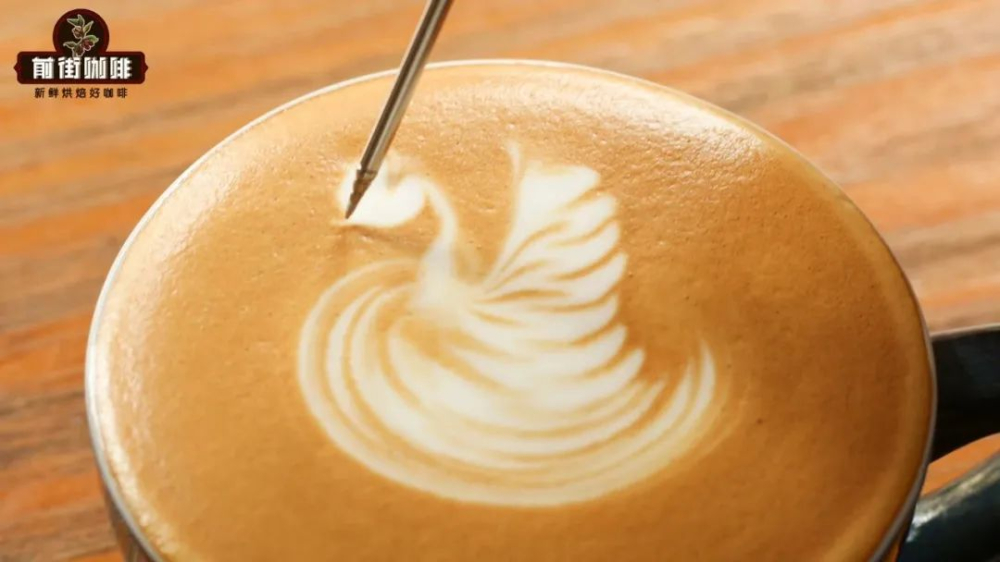
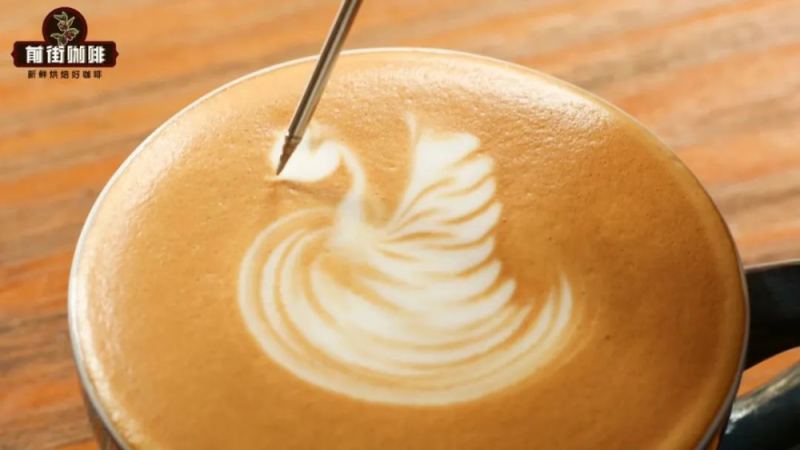
Do you remember the first time you tasted a latte? Most people have probably long forgotten that moment, but Front Street still recalls it vividly. What first caught the eye was the delicate latte art pattern on the surface; a gentle sip revealed a faint sweetness from the crema interwoven with a hint of bitterness. By the second sip, the initially intense bitterness had transformed into a round, mellow aroma that complemented the natural sweetness of the hot milk, achieving a pleasantly balanced state in the mouth, with a lingering creamy chocolate finish after swallowing.
As the Western saying goes, a thousand people see a thousand different Hamlets, and coffee is no different. A good latte may have a different definition in everyone's mind. Some prefer it for being generous in portion and easy on the wallet, some are drawn to its richness and balance, and others are simply captivated by the beautiful latte art.
However, when it comes to a bad latte, everyone's experience is strikingly similar—it's either so bitter you can barely swallow it, or so weak it's like plain water with no appeal whatsoever, or worse, both: bitter and weak at the same time. What exactly causes this?
The Recipe Philosophy Behind Latte
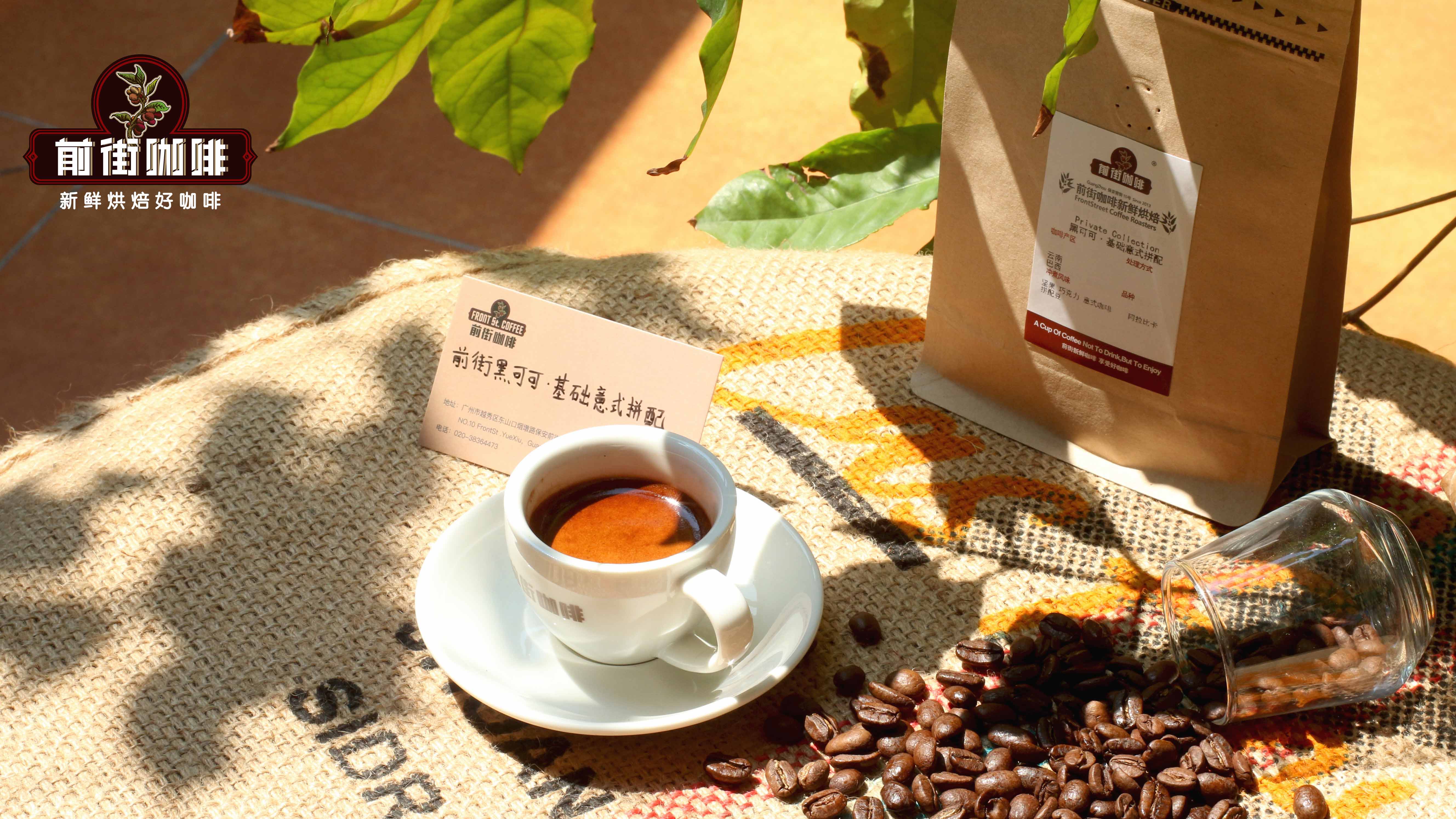
When making a latte, it's best to prioritize medium-dark roasted blend beans or single-origin espresso (SOE) beans, as they typically offer richer caramel-like aromas with a solid, grounded flavor that creates a clear contrast with the milk's sweetness and delivers a lasting finish. If you value consistency and value for money, Front Street Classic Blend and Front Street Dark Cocoa Base Blend are excellent choices—both produce abundant crema and exude a rich aroma reminiscent of butter and roasted chestnuts.
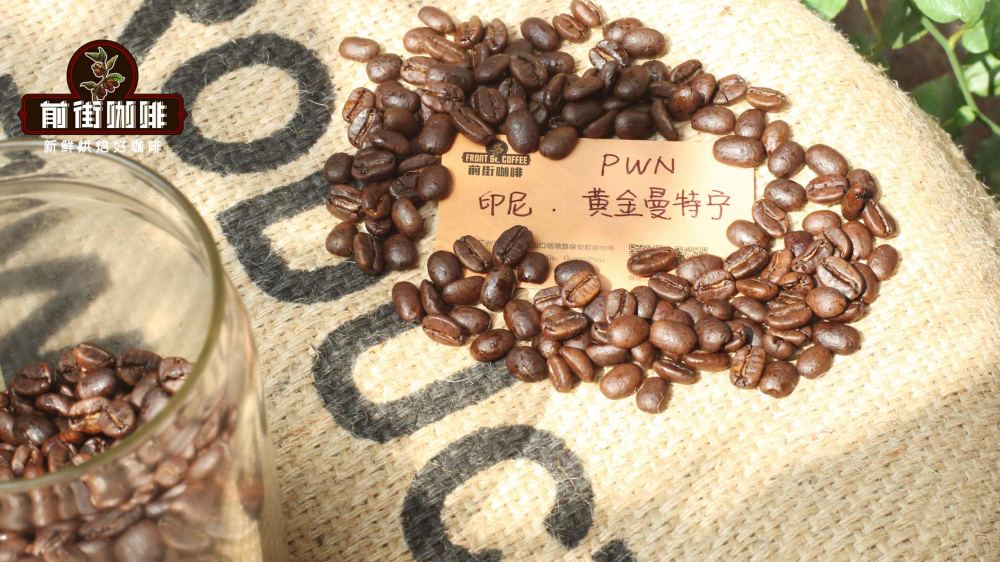
If you prefer the distinctive character of single-origin beans, try Front Street Queen's Estate SOE or Front Street Sumatra · Front Street PWN Golden Mandheling SOE. These extract into intense caramel and chocolate notes that create an even sharper contrast when paired with fresh milk.
If you'd like a more refreshing coffee flavor, you can opt for medium or medium-light roasted beans. For example, Front Street Strawberry Candy Espresso and Front Street Huakui SOE, both of which have roast profiles specifically adjusted for espresso on the Front Street bean list, extract into fruity, aromatic espresso that makes a uniquely delicious latte when combined with purified milk.
Today we'll use Front Street Classic Blend as an example. Let's start with the universal espresso formula: a 1:2 ratio of dry coffee to liquid yield, meaning 1g of coffee grounds yields about 2g of espresso, with extraction time controlled between 25 and 35 seconds. In practice, when using a double basket, Front Street weighs out 20g of coffee grounds to extract 40g of espresso, keeping the time within 27 to 33 seconds, with no abnormalities during extraction (such as channeling, splattering, or inconsistent flow rate).
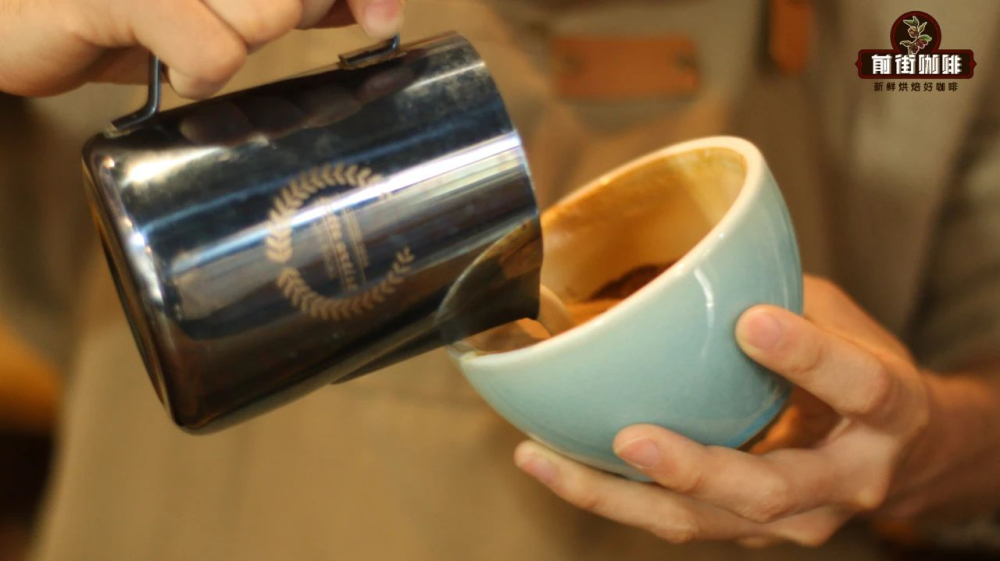
For a hot latte, Front Street follows a 1:5.5 ratio, pouring 220ml of fresh milk into the pitcher and steaming it to 55–65°C while maintaining a foam thickness of 0.3–0.5cm. Finally, it's fully integrated with the espresso, poured into a ceramic cup, and finished with a neat latte art pattern.
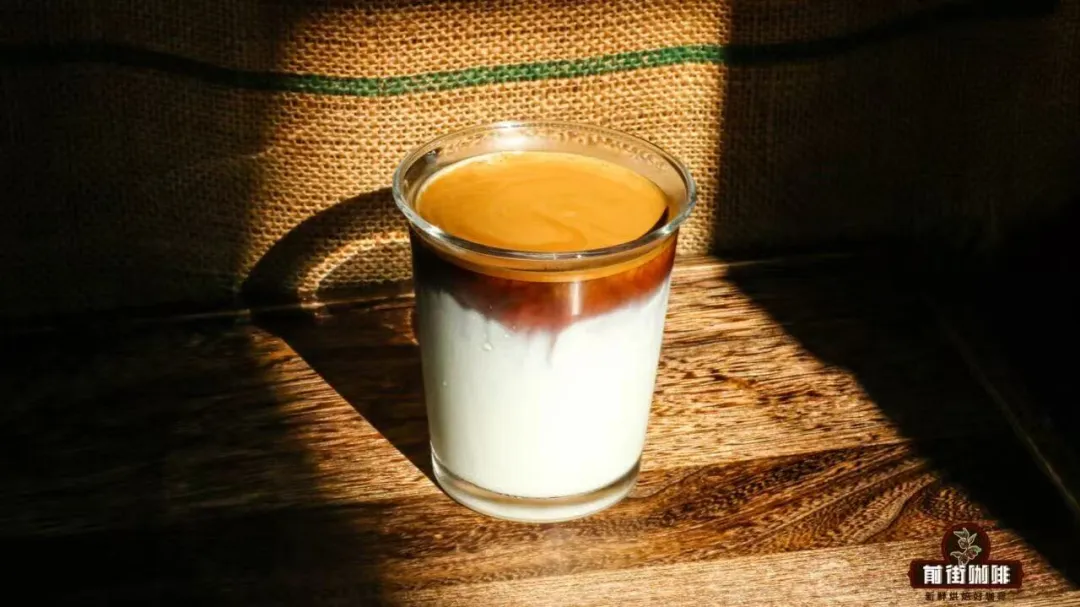
For an iced latte, we first place 3 ice cubes at the bottom of the glass, keep the coffee-to-milk ratio at 1:5, add 200g of fresh milk first, then slowly pour 40g of espresso over it, preserving an attractive layered effect.
Based on Front Street's practical experience, as long as you choose a reasonable pairing of coffee beans and milk, consistently control espresso extraction, and get the milk ratio right, making a great latte really isn't complicated. Conversely, if your latte doesn't taste right, the problem must lie in one of the steps mentioned above. Let's go through them one by one.
First, what causes a latte to be too bitter?
Everyone knows that without added sugar, a latte is the least bitter among all fancy coffee drinks, because the large amount of milk tends to soften the coffee's own flavors. If you do taste noticeable bitterness, the problem most likely lies with the espresso—either the beans are roasted too dark, or the extraction parameters are set incorrectly.
As for the former, unless you've bought extremely dark beans with an oily surface, most espresso blends on the market use medium-dark to dark roasts to preserve more of the beans' flavor complexity, at most pulling them right as second crack begins. These typically produce espresso with rich crema, mild acidity, and balanced bitterness and sweetness, creating a harmonious mouthfeel when mixed with milk without either element overpowering the other.
Generally speaking, the culprit behind a bitter latte is usually the espresso extraction process. The most common issues include slow flow rate (extraction time exceeding 35 seconds based on the formula above), channeling, and over-extraction caused by splattering from the portafilter.
A customer once told Front Street that their lattes usually tasted great, but one day the drink suddenly became bitter and lost its aroma. The beans were still within their peak flavor window, and the extraction parameters and ratios were the same as always—they just couldn't figure out why. After some careful questioning, it turned out the spent puck had holes in it, indicating channeling during extraction—likely caused by clumping in the coffee grounds leading to over-extraction and bitterness. The solution is to coarsen the grind setting or use a tool to break up the clumps.
What to do when a latte tastes too watery or too weak?
From a barista's perspective, the richness of a latte depends on two things: milk and espresso. For a latte, milk—being the largest component—is naturally the key factor. For a rich, aromatic coffee, whole fresh milk is the top choice, because compared to shelf-stable or skim milk, whole milk has a higher milk fat content, producing a denser, more stable foam after steaming and delivering a fuller mouthfeel.
In fact, aside from milk quality, under-extracted espresso can also make a latte taste weak, and this is especially common with SOE. Front Street once used a lighter-roasted Huakui 8.0 to make an SOE latte, and despite reducing the milk ratio, the result was still quite thin—like a cup of hot milk with citrus and caramel aromas—clearly due to under-extraction caused by too light a roast.
Therefore, when choosing fruit-forward single-origin beans to make a large latte, it's best to go with the corresponding SOE version to avoid problems.
Why does a latte turn out both bitter and weak?
This situation is usually the opposite of the SOE issue mentioned earlier. It's often because the beans are roasted too dark, giving the espresso an overall heavy, roasty character, with the latter part of the extraction yielding mainly bitter, woody, and off-flavors. If a higher extraction yield ratio is used, the espresso is very likely to be over-extracted.
For example, some people like to extract 40g of espresso from 18g of grounds, which gives a ratio of about 1:2.22. This causes the coffee to taste bitter and astringent on one hand, while the increased liquid weight means higher water content, which lowers the coffee's concentration—so the resulting latte ends up both bitter and weak.
If you feel your latte has this contradictory mouthfeel, try reducing the espresso yield slightly—for example, extracting 5g less liquid to boost concentration. This avoids over-extraction while giving the latte a fuller body.
The above content is compiled by CoffeeHunters, a coffee news website.


