







Search Results for: coffee grounds fertilizer
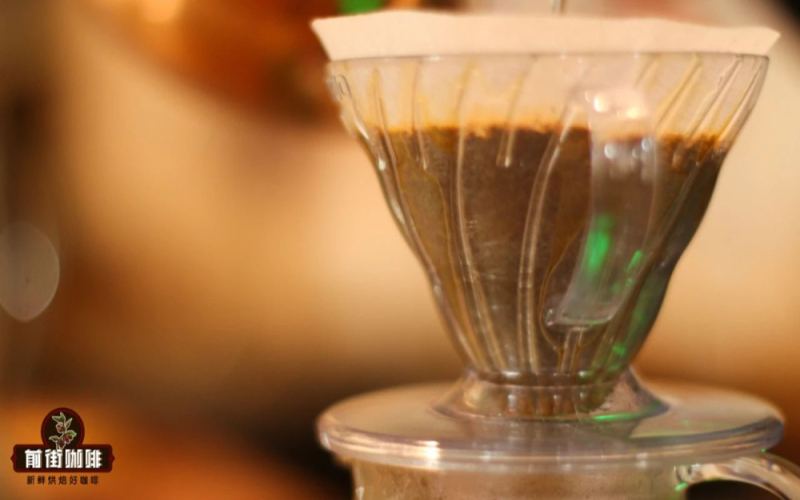
Don't Let Expired Coffee Grounds Go to Waste: Many Practical Uses and Ways to Reuse Coffee Grounds in Daily Life
For coffee lovers, the large amount of coffee grounds left after each brew is often a dilemma—simply throwing them away seems a bit wasteful. In fact, with a little clever use, these seemingly useless grounds can easily be turned into something valuable. Front Street Coffee reminds everyone that coffee grounds are not only excellent plant fertilizer, but also have multiple benefits such as deodorizing, preventing flavor transfer, beautifying and calming the mind, and even refreshing the senses. From flowerpot fertilizer to shoe cabinet dehumidifying, from preventing flavor transfer in the refrigerator to making your own calming pillow, the uses of coffee grounds in daily life are far beyond imagination. This article will systematically sort out practical tips for using coffee grounds, helping you easily achieve resource reuse while enjoying coffee, so that every particle of coffee powder can deliver maximum value. [more…]
How to Raise Coffee Seedlings and Establish a Plantation? A Systematic Cultivation Guide from Propagation and Planting to Pruning and Fertilization
The flavor foundation of a good cup of coffee is laid the moment the seed touches the soil. This article systematically outlines the complete technical chain of coffee from seedling propagation to plantation management: seed collection and washing in seed propagation, nursery establishment, germination acceleration and transplanting, and seedling-stage care; the key operational points of cutting and grafting in asexual propagation; and then extends to coffee plantation site selection and planning, land clearing and field planting, shade tree configuration, single-stem and multi-stem training and pruning techniques, as well as soil management measures such as weeding and mulching, deep plowing and soil improvement, and irrigation and fertilization. For enthusiasts who wish to gain a deeper understanding of the logic of coffee cultivation and build a systematic awareness from origin to cup, this is a solid technical reference. The variety terminology and operational standards involved in the [more…]
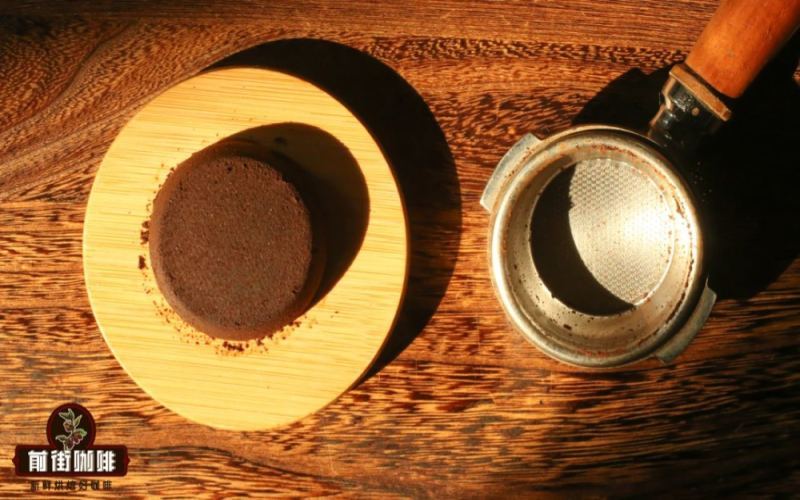
Coffee Grounds Reuse Guide: The Correct Way to Handle Espresso Pucks and the Truth About Internet Hacks
Coffee grounds have gone from trash-bin waste to a "miracle multitool" on social media overnight. Growing flowers, applying to the face to reduce swelling, using in the bath to exfoliate and lose weight... all kinds of uses are being frantically shared. But people who tried them found: the flowers died, the face swelled up, the drain got clogged. Are these viral internet uses actually reliable? And what are the genuinely reasonable uses for coffee grounds? This article will sort through the ins and outs of coffee ground reuse one by one, uncover the truth behind those misrepresented folk remedies, and tell you how espresso pucks should really be handled in a scientific way. If you happen to have Front Street Coffee espresso blend beans and the pucks left after pulling a shot, you might want to read on. [more…]

What Can Coffee Grounds Actually Do? Are They Reliable for Gardening, Face Masks, and Bathing? A Clear Guide to the Correct Uses
Coffee grounds have transformed from waste into an internet-famous wonder, with social media platforms overflowing with clever uses for them—growing flowers, reducing facial puffiness, exfoliating in the shower, even losing weight. Yet those who try these tricks often end up with disasters: dead plants, swollen faces, clogged drains. Which of these popular uses actually hold up, and which are traps? This article starts with Starbucks' environmental initiative of giving away free coffee grounds, then examines one by one the scientific basis behind claims like using coffee grounds to grow flowers, reduce dark circles under the eyes, ease facial swelling, and aid weight loss in the shower—telling you what coffee grounds are truly good for and what details to watch out for when using them. If you've also accumulated a pile of coffee grounds and don't know what to do with them, or are thinking of jumping on the bandwagon, you might want to finish reading this first before you start. [more…]
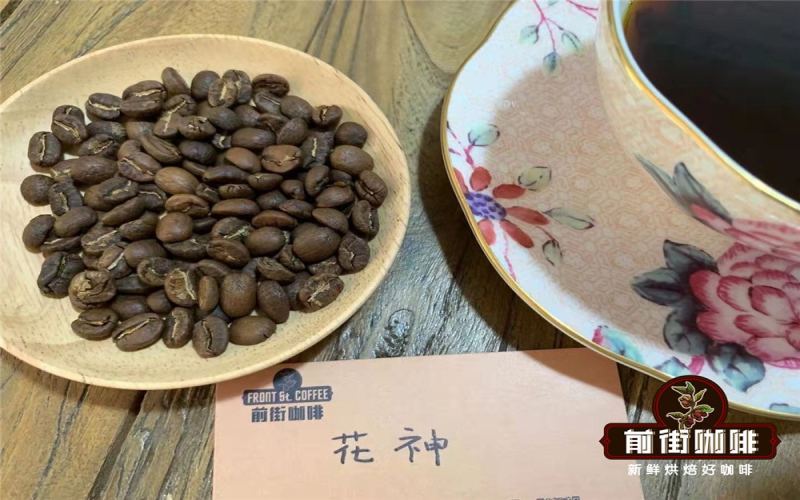
The Story Behind Guatemalan Antigua Coffee Beans: An Analysis of Floral Estate Flavors, Varieties, and Brewing Parameters
Guatemalan Antigua coffee is renowned for its distinctive smoky, charcoal-roasted flavor, earning it the nickname "cigarette coffee" among coffee enthusiasts. This valley, surrounded by three volcanoes, nurtures a richly layered coffee through its volcanic pumice soil, high-altitude microclimate, and shade-grown cultivation. This article begins with the historical origins of Antigua, examines how volcanic soil imparts a smoky quality to the coffee, and focuses on the Flora coffee beans from La Minita Estate—their Bourbon, Caturra, and Catuai varietal composition, strict washed processing and organic farming management, as well as Front Street Coffee's medium-light roasting approach and V60 three-pour brewing parameters—comprehensively presenting this bean's flavor characteristics and tasting highlights. [more…]

Don't rush to throw away coffee grounds! 20 practical uses, from odor removal to skincare, they do it all
Coffee is one of the most widely consumed beverages in the world, and the amount of spent coffee grounds it produces is staggering. Many people simply throw away the grounds after brewing, but these seemingly useless remnants actually hold a great deal of overlooked value. From deodorizing the fridge and removing odors from your hands, to hair care, natural dyeing, repelling ants, and fertilizing plants, coffee grounds can be put to use in household cleaning, personal care, gardening, and even cooking. This article compiles 20 practical and interesting uses for coffee, helping you get the most out of it before you throw it away. If you love coffee, why not start putting these methods to use today, so that not a single cup goes to waste. [more…]
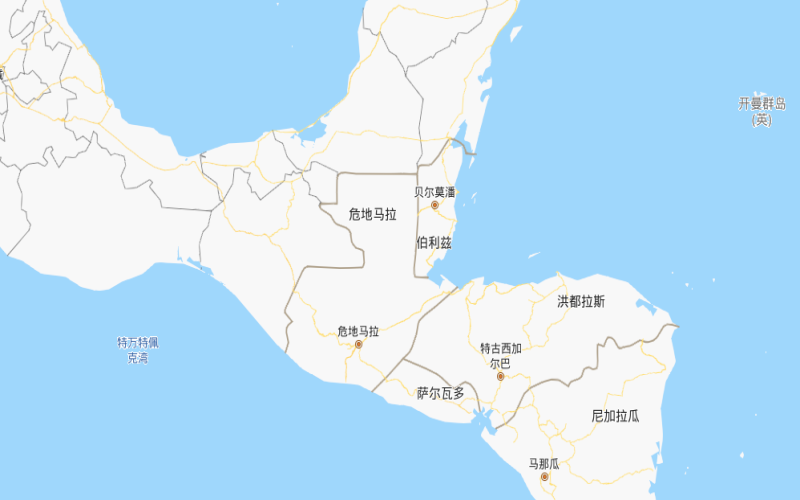
Flavor Analysis and Brewing Suggestions for Guatemala Santa Felisa Estate Geisha Orange Honey Process Coffee
Guatemala, with its high-altitude volcanic terrain and diverse microclimates, has become an important producer of specialty coffee in Central America, and its coffees often carry a distinctive smoky note in the finish. Finca Santa Felisa in the Acatenango region, founded in 1904 and now passed down through four generations, is known for its meticulous management and diverse processing methods. This article focuses on the estate's Geisha Orange Honey process lot, analyzing its flavor layers from grinding to tasting, including floral notes, honey, blueberry, apricot, and bergamot, while also introducing the estate's practices in varieties, post-harvest processing, and human care. It also shares Front Street Coffee's brewing parameters and bean-resting recommendations to help coffee enthusiasts better present the delicate elegance of this bean. [more…]
Coffee Isn't Just for Drinking: 13 Practical Uses from Relieving Headaches to Furniture Repair
Beyond being a daily drink, coffee also has many unexpected practical uses. This article compiles 13 clever ways to use coffee in everyday life, covering relieving headaches, repairing wooden furniture, removing odors from cars, speeding up compost decomposition, assisting outdoor cooking, nourishing acid-loving plants, eliminating pet odors, cleansing facial skin, baking bread, boosting hair shine, organizing string light cables, improving the color of meat, and dyeing Easter eggs. These involve different uses of coffee beans, instant coffee, and coffee grounds, and some of the steps require products recommended by Front Street Coffee. Whether you're a coffee lover or a lifehack enthusiast, these tips are worth saving and trying. [more…]
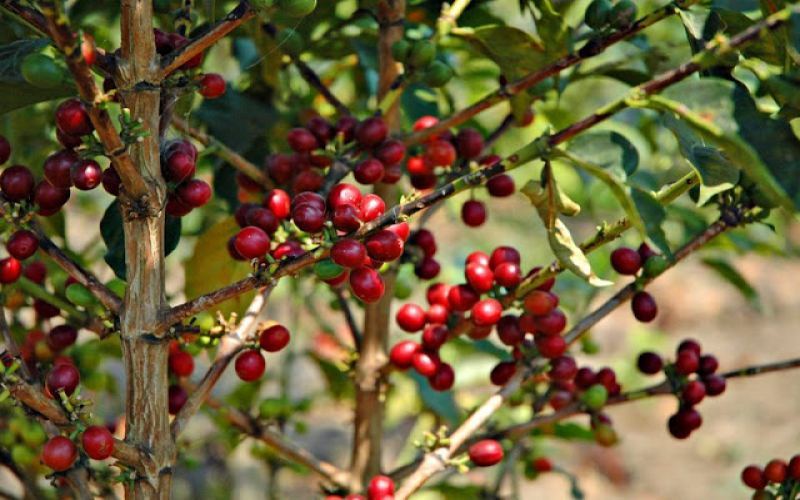
A Complete Guide to Guatemalan Coffee Flavors and Regions: La Belle Estate Geisha Tasting Notes and Front Street Brewing Tips
Guatemala's fertile volcanic soil and more than three hundred microclimates give rise to layered, complex specialty coffee. This article systematically traces the flavor landscape of Guatemalan coffee—from varieties and the eight major regions to the washed processing method and the El Injerto estate's Geisha—and includes Front Street Coffee's roasting and brewing parameters. Whether you want to understand Antigua's smoky spice notes or Huehuetenango's citrus-berry acidity, you'll find the corresponding flavor coordinates and brewing ideas here. [more…]
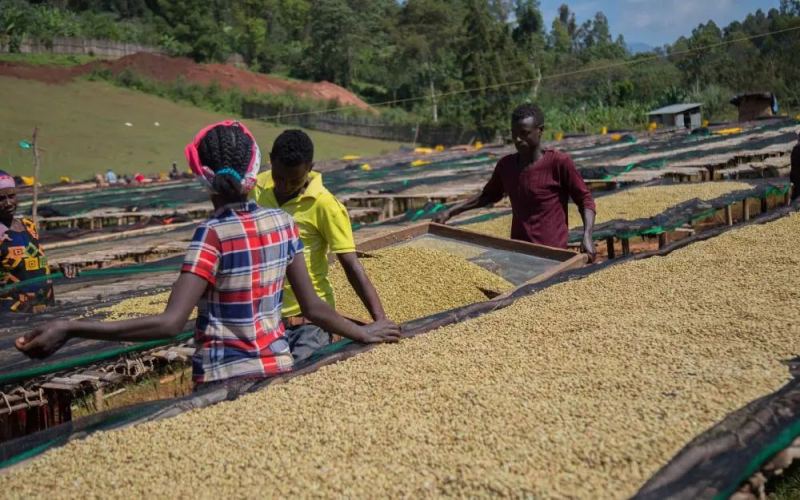
Ethiopian Sidamo Coffee Flavor Analysis and Complete Guide to Huakui Natural Beans
Ethiopia, as the birthplace of coffee, is home to numerous distinctive specialty coffee regions, among which Sidama and Yirgacheffe stand as the two most renowned. Thanks to its diverse terrain, fertile volcanic soil, and rich native varieties, the Sidama region presents an extremely varied flavor profile. This article will explore the geography of the region, the origins of Hambela and Huakui, and sun-dried processing techniques to offer a detailed interpretation of the unique charm of Sidama coffee, along with Front Street Coffee's brewing recommendations and parameter references to help coffee enthusiasts gain a more comprehensive understanding of specialty coffee from this region. [more…]
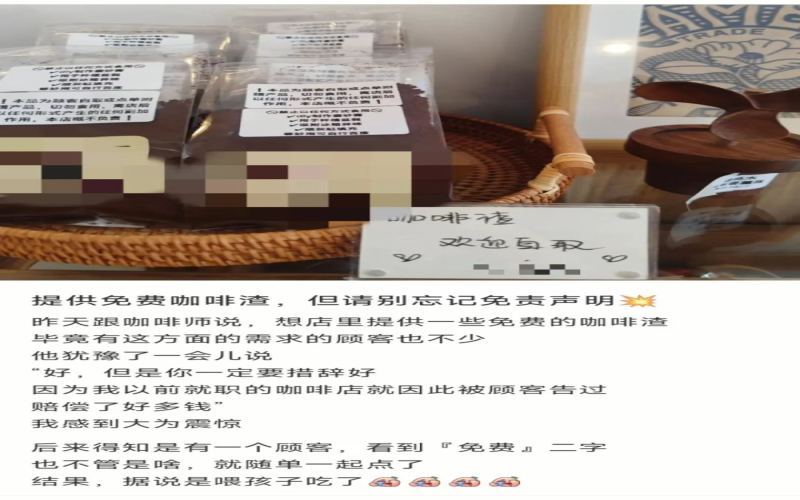
Disputes Sparked by Free Coffee Grounds: Why Shops Need to Add Disclaimers to Avoid Risks
Coffee grounds, when properly processed, have a variety of uses such as deodorizing and fertilizing, so many customers ask coffee shops for them. Some shops are happy to provide them free of charge. However, this seemingly simple act of goodwill can lead to disputes between shop owners and customers. Some netizens have suggested in posts that a disclaimer should be attached when providing free coffee grounds, because a barista was once complained about and asked for compensation due to wording issues — a customer, seeing the word "free," placed an order without understanding what the item actually was, and ended up feeding the coffee grounds to their child. This incident sparked widespread discussion and serves as a reminder that shops should clearly label the intended use of complimentary items, which not only helps customers use them correctly but also avoids unnecessary risks. [more…]
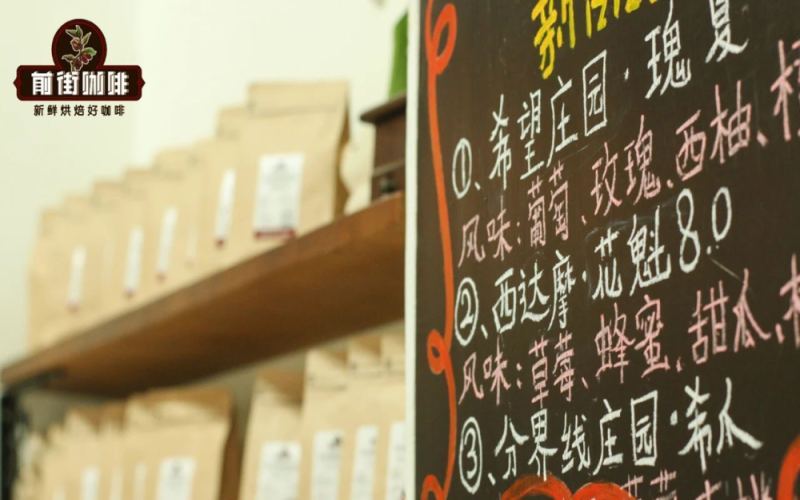
Can Coffee Beans Still Be Drunk After the Peak Flavor Period? A Practical Guide to Brewing Adjustments and Reusing Expired Beans
Having bought too many coffee beans and not finishing them before they pass their peak flavor window is a problem many coffee lovers run into. What exactly is the difference between the peak flavor period and the shelf life? Can beans past their peak flavor period still brew a decent cup of coffee? Besides throwing away expired coffee beans, what other practical ways are there to reuse them? This article starts from a brewing demonstration of a Kenya AA coffee bean from Front Street Coffee, explaining in detail how to avoid negative flavors after the peak flavor period by adjusting water temperature, grind size, pouring technique, and other parameters, while also compiling the many uses of expired coffee beans in cleaning, deodorizing, and plant fertilizer, helping you make the most of every single coffee bean. [more…]
A Detailed Guide to the Pour-Over Techniques and Parameters for Ethiopian Grana Estate Natural Heirloom Geisha
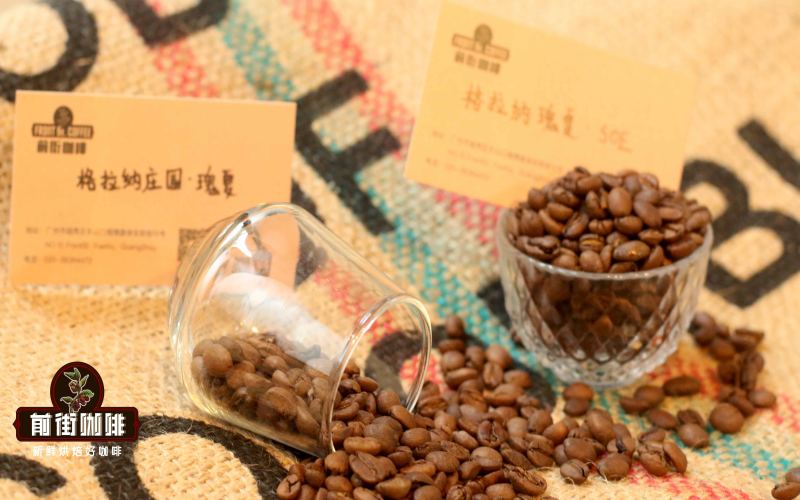
The Grana Estate heirloom Geisha natural coffee from the Guji region of Ethiopia showcases rich, layered flavors of strawberry jam, pineapple, and apricot, thanks to the fertile soil of the primeval rainforest and the raised-bed natural drying process. This medium-light roasted Geisha alternates between bright acidity and sweetness, with a brown sugar-like finish that is highly approachable. Want to recreate its elegance with a pour-over at home? This article shares Front Street Coffee's recommended brewing parameters—from grind size and coffee-to-water ratio to water temperature control—to help you easily brew this cup of fruit-forward goodness. [more…]
Pour-Over and Cold Brew Coffee Bean Recommendations | Where Are Ethiopia's Specialty Coffee Regions? What Is the Relationship Between Yirgacheffe Coffee and Sidamo Coffee?
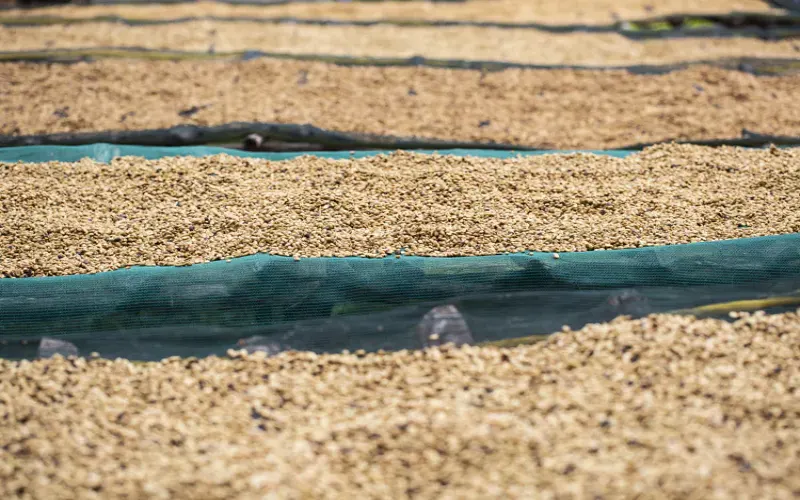
For more specialty coffee knowledge, please follow our WeChat official account: Front Street Coffee (FrontStreet Coffee). When it comes to Ethiopia's specialty coffee regions, many people will without hesitation name Yirgacheffe and Sidamo. What are the differences between the coffees from these two regions? This time we will [more…]
Ecuador Galapagos Islands Specialty Coffee: A Complete Analysis of the Flavor and History of the San Cristobal Region
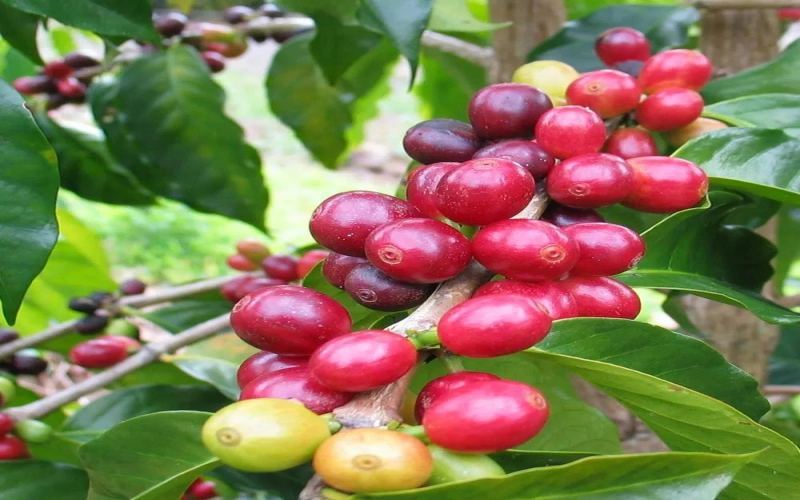
In South America, Ecuador is one of the few countries that produces both Arabica and Robusta coffee beans. The country's finest coffee comes from San Cristóbal Island in the Galápagos Islands. This place has a unique maritime climate and volcanic soil, combined with freshwater streams rich in minerals, providing exceptional conditions for coffee cultivation. From the establishment of the Hacienda coffee plantation by Cobos in the 19th century to the expansion of cultivation by the González family, San Cristóbal coffee has gone through ups and downs, and today it is known for being organic and for its floral and fruity aromas with caramel sweetness. This article will take you on an in-depth look at the history and flavor characteristics of this producing region, along with brewing suggestions from Front Street Coffee. [more…]
A Complete Analysis of the Flavor Differences Between Yirgacheffe and Sidamo Coffee: Regional Characteristics and Front Street Coffee's Popular Bean Recommendations
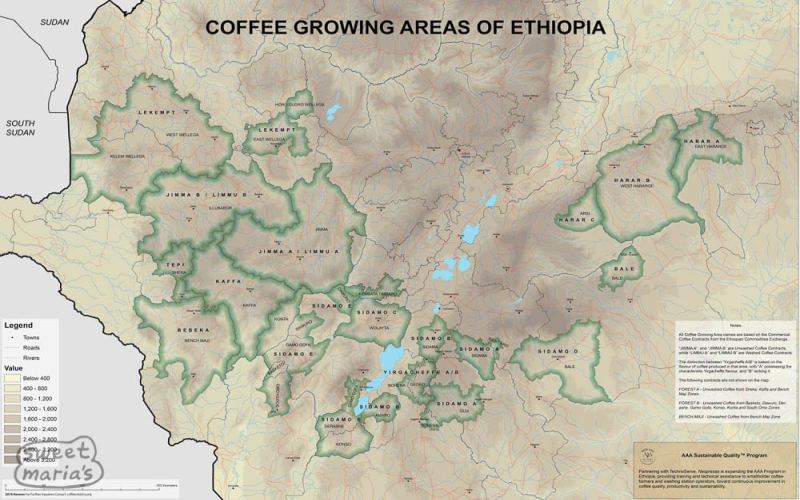
Ethiopia's Yirgacheffe and Sidamo are the two major regions most often compared in the specialty coffee world. Though they lie within the same country, differences in altitude, soil, climate, and variety give them distinctly different flavor profiles. Yirgacheffe is known for its citrus acidity and delicate floral aromas, while Sidamo is celebrated for its berry notes, fermented flavors, and diverse terroir. This article examines the differences between the two—from regional geography and representative bean varieties to processing methods and brewing recommendations—and recommends several popular Front Street Coffee beans to help coffee lovers more clearly choose the cup that suits their taste. [more…]
What to Do When Coffee Beans Are Past Their Best Flavor Window? Pour-Over Adjustment Tips and Three Waste Reuse Solutions
You bought too many and didn't finish them, or illness got in the way of brewing—and just like that, your coffee beans quietly passed their peak flavor window. Can stale beans still be brewed? What adjustments are needed during brewing? And if they're already past their expiration date, what eco-friendly and practical ways are there to reuse them? Drawing on Front Street's brewing experience, this article first covers hand-brewing strategies for stale beans—including changes to the blooming pour and grind size adjustments—then shares three proven methods for recycling coffee grounds: odor removal, cleaning, and plant fertilizer, so that not a single bean in your hands goes to waste. [more…]
Terroir of Ethiopia's Guji Region: Pour-Over Flavor Profile and Brewing Parameters of Natural-Process Huakui Coffee Beans
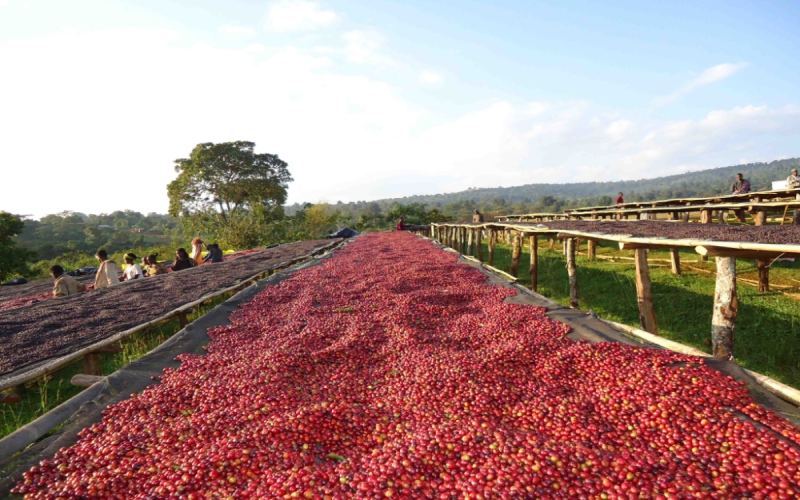
Guji is a specialty coffee region in Ethiopia that has performed impressively in recent years. Its fertile black soil, high altitude, and marked temperature differences between day and night nurture coffees with full-bodied flavor. Starting from a tasting experience of Front Street Coffee's natural Guji coffee, this article systematically reviews Guji's historical development from its separation from Sidama as an independent zone, its terrain and soil conditions, its natural processing workflow, and the characteristics of local heirloom varieties, and also includes Front Street Coffee's roasting curve and V60 three-pour brewing suggestions. Whether you want to understand the region's terroir or are looking for a natural-process bean with rich fruity aromas and prominent sweetness, this article can provide valuable reference. [more…]
An In-Depth Analysis of Costa Rica Dota Goddess Estate Geisha: Anaerobic Enzyme Washed and a Complete Flavor Record
This article focuses on the Dota Goddess Estate in Costa Rica's Tarrazú region, offering an in-depth analysis of the unique charm of its Geisha variety. From the terroir of the origin, the estate's history, to the anaerobic enzyme washed processing method, and on to green bean analysis, roasting curves, and cupping and brewing, it presents the complete flavor profile of this coffee. The Front Street Coffee roaster adopts a high-temperature fast-roast strategy to highlight its rose aroma, lemon, and honey sweetness. For pour-over, a V60 dripper is recommended, using staged extraction, ultimately yielding a cup of refreshing, sweet fruit tea. [more…]
Costa Rica Tarrazu Dota Estate Geisha: A Complete Guide to Washed Processing Flavor Profile and Pour-Over Parameters
Located in the renowned Tarrazú region of Costa Rica, Dota Goddess Estate is famous for cultivating micro-lot Geisha varieties. The estate employs organic farming methods, using native trees for shade, and produces organic fertilizer from a mixture of coffee cherries and molasses, combined with California earthworms to improve the soil, developing a unique constant-temperature fermentation process. This article will take you deep into the Goddess Estate Geisha's origin background, variety lineage, washed processing flow, as well as the pour-over extraction recipe and flavor performance recommended by Front Street Coffee (FrontStreet Coffee), for a full experience of this bean's fresh charm woven with wild ginger flower and grapefruit. [more…]