







Search Results for: coffee ground particle size
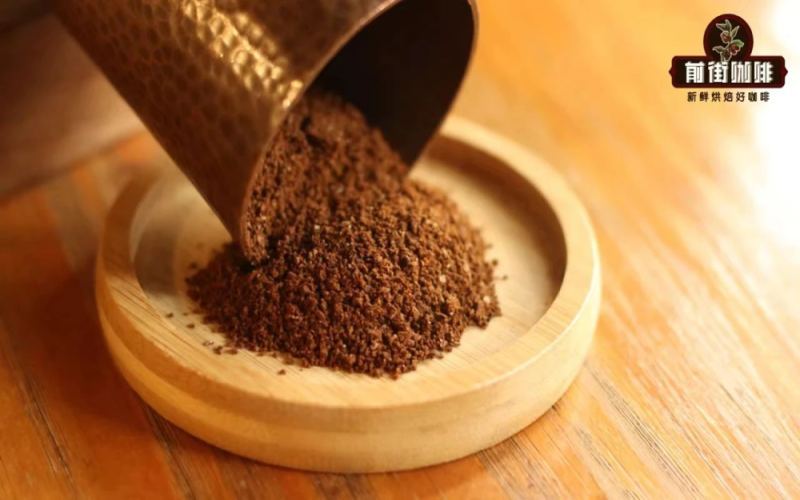
How do you determine the grind size for pour-over coffee? Can coffee grounds be brewed directly?
In the process of making pour-over coffee, water temperature, grind size, and coffee-to-water ratio are the three key variables that affect the final flavor. Among them, grind size directly determines the particle size and uniformity of the coffee grounds, which in turn affects the efficiency with which water extracts flavor compounds as it passes through the coffee bed. So, when faced with coffee beans of different characteristics, how do we find the most suitable grind setting? And when the grind is too fine or too coarse, what typical signs show up during brewing? In this article, Front Street Coffee will systematically explain the mechanism by which grind size affects extraction, and introduce a method that uses a standard sieve to accurately determine whether the grind is appropriate, helping you adjust grind parameters on a more informed basis in your daily brewing. [more…]
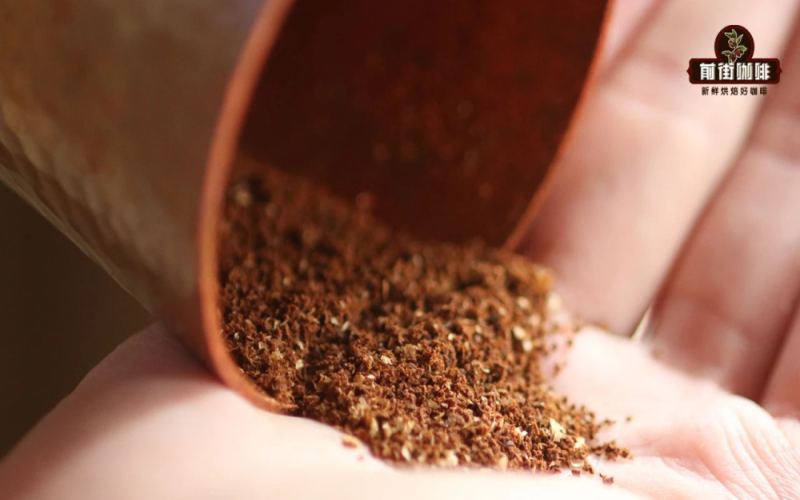
Coffee Ground Size Reference Standards | Why Does Coffee Bean Grind Size Affect the Flavor and Mouthfeel of Pour-Over Coffee? How Fine Should Pour-Over Coffee Grounds Be?
If you are a passionate lover of pour-over coffee, then you must know that the following factors are among the reasons that affect your coffee's extraction and flavor! So let's count them with Front Street: water temperature, grind size, coffee-to-water ratio, extraction time... Front Street Coffee (FrontStreet [more…]
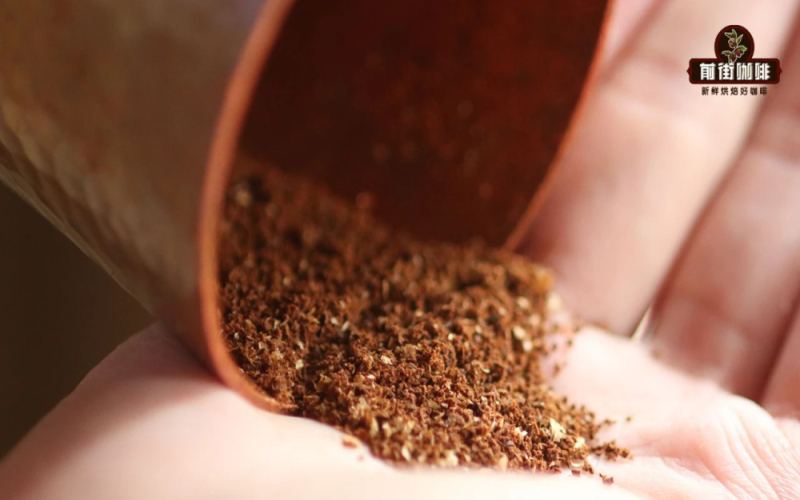
How Does Grind Size Affect Flavor in Pour-Over Coffee? A Full Breakdown of Cupping and Brewer Reference Standards
Among the many variables in pour-over coffee, grind size is one of the core factors determining extraction efficiency and the final flavor. The coarseness of the coffee grounds not only changes the speed at which water penetrates the coffee bed, but also directly affects the coffee's strength, body, and the balance of acidity, sweetness, and bitterness. In this article, Front Street Coffee systematically sorts out the mechanisms by which grind coarseness affects extraction, and provides reference grind standards for different brewing methods such as cupping, pour-over, French press, espresso, moka pot, and cold brew/ice drip. It also introduces the calibration method using the No. 20 sieve pass rate, helping coffee enthusiasts find grind parameters that suit them. [more…]
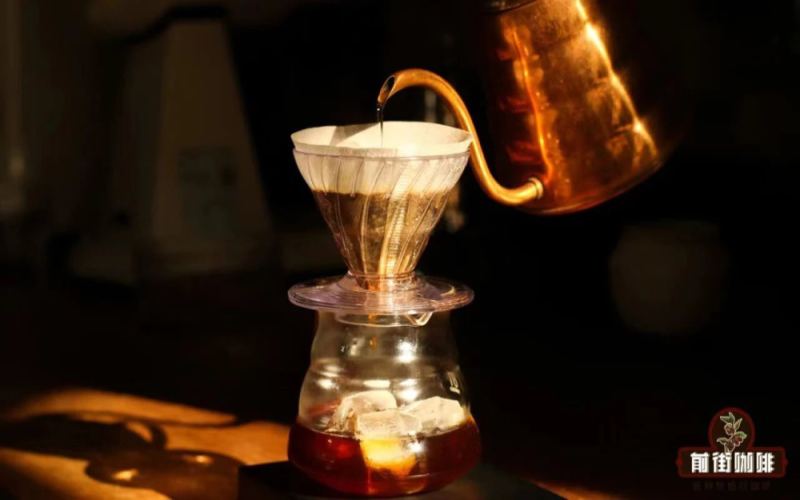
Coffee Flavor Extraction | What is the relationship between the grind size of freshly roasted coffee beans and coffee extraction? How fine should coffee grounds be for pour-over, espresso, and French press?
The grind size in coffee directly affects the contact area between the coffee and water as well as the extraction time, and it will directly impact the coffee's taste. But at the same time, coffee grind size is also the biggest headache for many people! In this article, Front Street will explain how to determine the appropriate grind size for different coffee beans. First [more…]

Why Does Fine Sediment Appear at the Bottom of an Espresso Cup? Analyzing the Causes and Practical Solutions for Improvement
Many people, after drinking an Americano or espresso, notice some fine black particles settling at the bottom of the cup—are these actually coffee grounds? And why are they rarely seen in iced drinks? Drawing on Front Street Coffee's practical experience in production, this article explains the sources of very fine particles in espresso extraction, including grinding particle size, the mesh of the portafilter basket, and cleaning of the group head, and offers four actionable improvement measures. The article also records the results of Front Street's test of placing a circular filter paper in the portafilter basket—although it effectively intercepts fine particles, the extraction flow rate and flavor change, requiring readjustment of the grind and dose parameters. [more…]
How to Set the Grind Size for Pour-Over Coffee? A Complete Analysis of How Coarseness and Fineness Affect Extraction and Flavor
Water temperature, grind size, and coffee-to-water ratio are the three key variables that determine coffee extraction. Among them, grind size directly affects the particle size and uniformity of coffee grounds, which in turn influences how efficiently water passes through the coffee bed to extract flavor compounds. The finer the grind, the more tightly packed the coffee bed, the more resistance to water flow, and the longer the extraction time, so strength and extraction yield climb, producing a strong but easily bitter cup; the coarser the grind, the larger the gaps in the coffee bed, the smoother the water flow, and the lower the extraction yield, resulting in a weak, light-bodied coffee. This article uses grind size as the only variable, brewing three groups of coffee—fine, medium, and coarse—with Honduras Lychee Orchid beans, verifying grind size's effect on flavor through strength and extraction yield data, and providing Front Street Coffee's recommended hand-brew grind baseline, while also explaining the differences in characteristics among conical, flat, and ghost-tooth burrs. [more…]
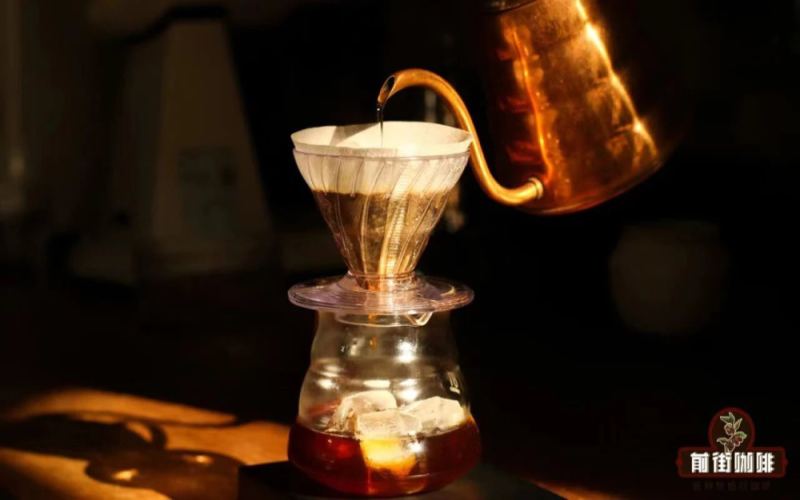
Coffee Bean Grinding | How Does Grind Size Affect the Flavor and Mouthfeel of Pour-Over Coffee? How to Judge Coffee Grind Size Without a Sieve?
The coarseness of the grind in coffee directly affects the contact area between the coffee and water as well as the extraction time, and it will directly impact the taste of the coffee. But at the same time, the coffee grind size is also the most headache-inducing aspect for many people! In this article, Front Street will explain how to determine what the grind size should be for different coffee beans. First, [more…]
How to choose the grind size for pour-over coffee? A full analysis of extraction yield, flavor and mouthfeel, and sieve pass-through rate standards.
Grind size is one of the core variables determining the extraction outcome and flavor direction of pour-over coffee. This article systematically examines how coffee particle size affects flow rate and extraction efficiency, compares the typical behaviors when the grind is too fine versus too coarse, and provides reference grind ranges for different brewing devices such as cupping, pour-over, espresso, moka pot, cold brew drip, and French press. It also introduces the calibration method using the No. 20 sieve pass-through rate to help you find the appropriate grind setting between medium-light and medium-dark roasted beans. The article also incorporates Front Street Coffee products such as Huakui, Geisha, Sidra, PWN Golden Mandheling, Queen's Estate, and Blue Mountain No. 1, offering corresponding grind recommendations and extraction approaches. [more…]
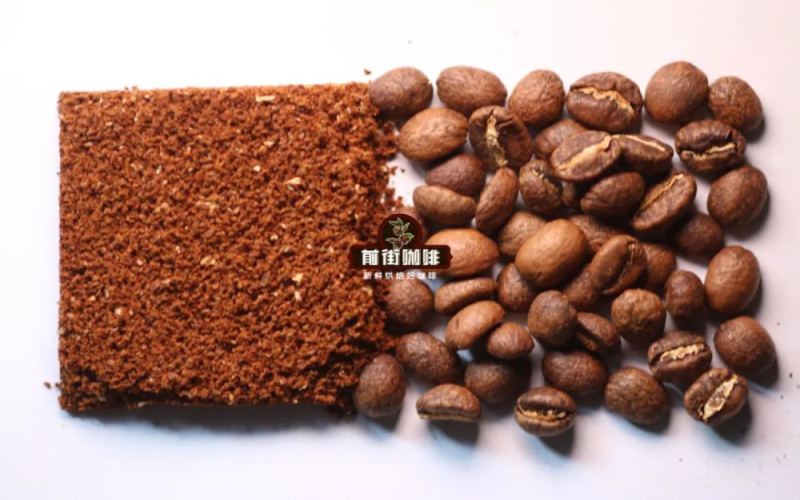
Pour-Over Coffee Grind Size Selection Guide: Three Methods for Judging Grind and the Practical Application of Particle Size Distribution
How should you determine the grind size for pour-over coffee? This is the first challenge many coffee enthusiasts encounter when getting started. This article systematically introduces three methods for judging grind size—visual analogy, grinder setting reference, and sieve calibration—analyzing the pros, cons, and applicable scope of each, and further introduces the advanced concept of "particle size distribution" to help understand how grind uniformity affects extraction. At the same time, Front Street Coffee, drawing on its own brewing framework, shares how to combine visual observation, data, and brewing tests to find the pour-over grind size that suits you in a more practical way. [more…]
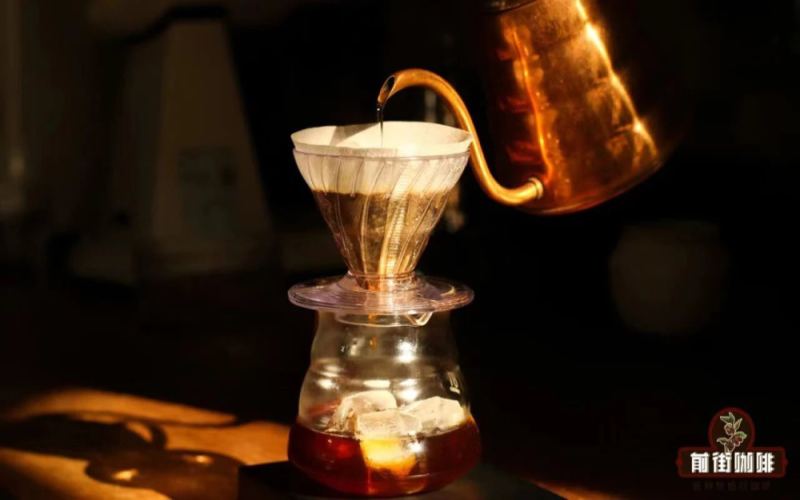
Pour-over black coffee grind size | Does the grind coarseness standard for pour-over coffee beans greatly affect coffee flavor? What flavor manifestations occur when coffee grounds are too coarse or too fine?
For more specialty coffee knowledge, please follow: Front Street Coffee (Frontsteet Coffee). In coffee, the coarseness of the grind directly affects the contact area between coffee and water as well as the extraction time, and it will directly affect the taste of the coffee. But at the same time, the coffee grind size is also what gives many people the biggest headache. [more…]
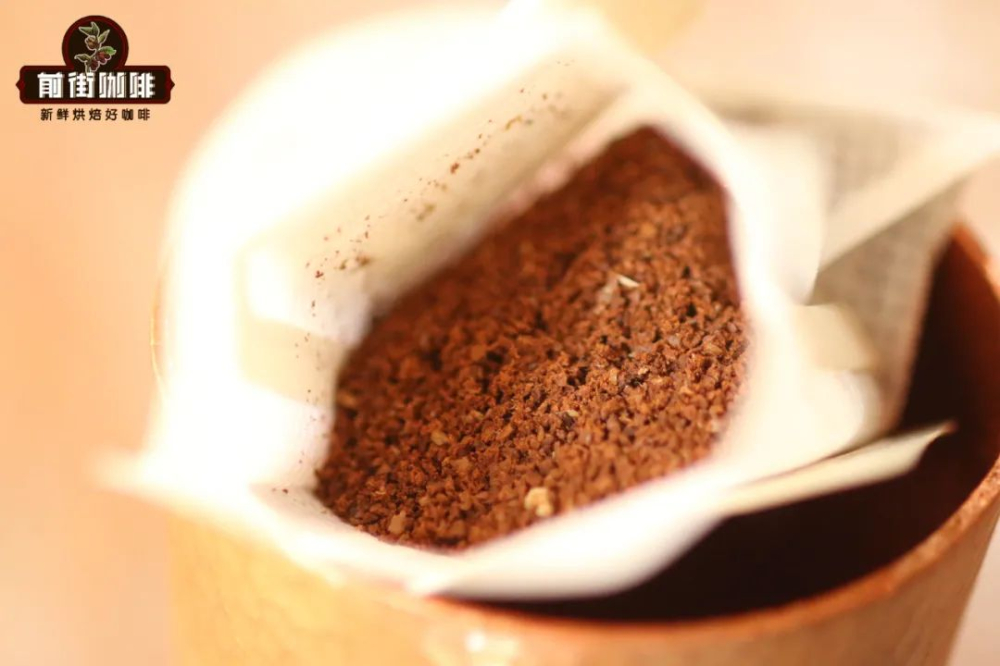
Pour-Over Coffee Grind Standards | How Does Coffee Grind Size Affect the Flavor of Pour-Over Coffee? What Happens When Coffee Is Ground Too Coarse or Too Fine?
The grind size of coffee directly affects the contact area between coffee and water as well as the extraction time, and it will directly impact the taste of the coffee. But at the same time, coffee grind size is also the most headache-inducing thing for many people! In this article, Front Street will discuss how to determine what the grind size should be for different coffee beans. First [more…]
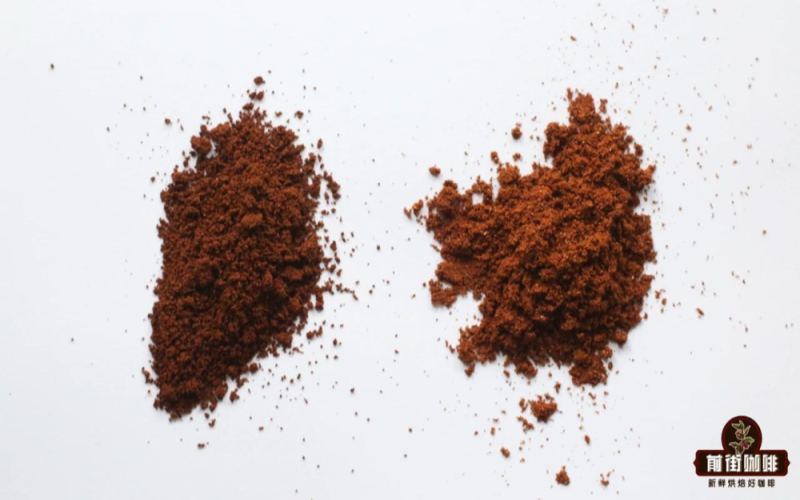
How to distinguish coffee bean grind sizes? A reference for pour-over grind adjustment and 0.85mm sieve calibration
The first step in coffee brewing often begins with grinding. Different extraction methods have different requirements for coffee grounds: a French press needs coarse particles visible to the naked eye, while a Turkish pot requires a grind as fine as flour. At the same weight, the finer the grind, the greater the number of cuts and the larger the surface area, and the more opportunities water has to contact the coffee grounds, so flavor compounds are released faster. To move away from vague descriptions like "as coarse as granulated sugar," Front Street Coffee uses standard sieves to calibrate particle size: generally, pour-over coffee particles are between 600-850 microns; when tested with a 0.85 mm (No. 20) sieve, the pass rate is about 80% for light roasts and about 65-70% for medium-dark roasts. This article will also compare the pass rates of common methods such as cold drip, siphon, moka, American drip filter, cupping, and French press, and introduce the effects of conical burrs, flat burrs, and ghost teeth burrs on grinding results, as well as recommendations for choosing between hand grinders and electric grinders. [more…]
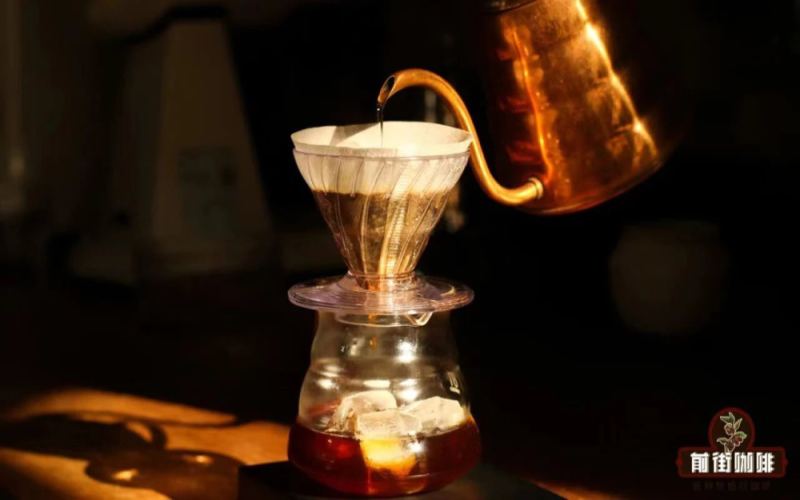
Coffee Storage Tips | How Many Days Should Freshly Roasted Coffee Beans Rest? How Soon Should You Finish Ground Coffee? How Does Grind Size Affect Coffee Flavor and Mouthfeel?
For more specialty coffee knowledge, please follow: Front Street Coffee (Frontsteet Coffee). In coffee, the coarseness of the grind directly affects the contact area between coffee and water as well as the extraction time, and it will directly affect the taste of the coffee. But at the same time, the coffee grind size is also what gives many people the biggest headache. [more…]

How Long to Finish Freshly Ground Coffee? | For Pour-Over, Cold Brew, Ice Drip, Moka Pot, and Espresso, How Do You Determine Grind Size? How Do You Adjust the Coffee Grind Setting?
For more specialty coffee knowledge, please follow: Front Street Coffee (Frontsteet Coffee). The coarseness or fineness of the grind in coffee directly affects the contact area between the coffee and water as well as the coffee extraction time, and it will directly affect the taste of the coffee. But at the same time, the coffee grind size is also what gives many people the biggest headache. [more…]
How to Determine the Grind Size for Pour-Over Coffee? A Detailed Explanation of the Particle Size Standard and the 80% Pass Rate Through a 0.85mm Sieve
The flavor expression of pour-over coffee depends to a large extent on the grind size setting. If the particles are too coarse, extraction is insufficient and the taste is thin; if too fine, over-extraction easily occurs and bitterness becomes prominent. So what range should pour-over coffee particles actually be controlled within? Different grinders have inconsistent scale standards, so how can this be expressed in a unified way? Starting from the principles of extraction, this article sorts out the mutual influences among coffee-to-water ratio, water temperature, time, and grind size, and introduces the method used by Front Street Coffee of measuring grind pass-through rate with a 0.85 mm standard sieve, giving the basic reference standard of an 80% pass-through rate to help coffee enthusiasts quickly find a suitable grinding baseline when facing different beans and equipment. [more…]
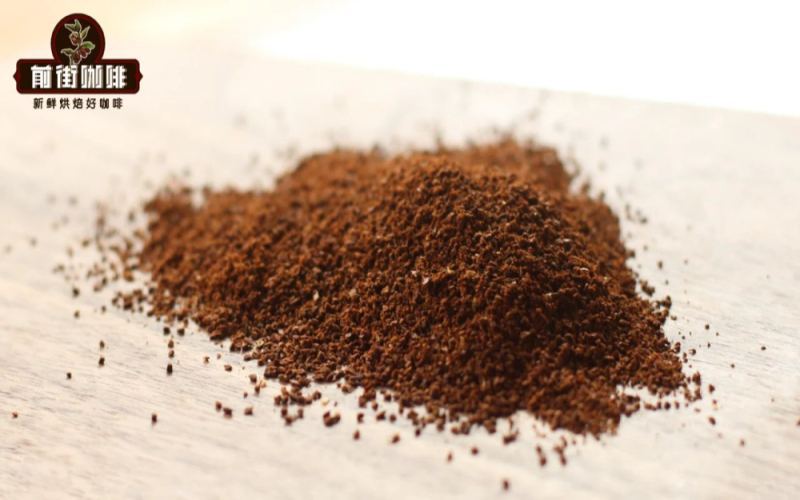
How Does Coffee Grind Size Affect Extraction? A Complete Analysis of Pour-Over and Espresso Parameter Adjustments
Grind size is one of the key variables determining coffee flavor. The finer the particles, the larger the contact area between hot water and coffee grounds, and the greater the resistance to extraction, which tends to prolong extraction time and increase the extraction yield; the coarser the particles, the opposite is true, and underextraction becomes likely. Different brewing devices have significantly different grind requirements, ranging from the flour-like extremely fine powder for a Turkish pot to the coarse particles for a French press, a very wide span. This article systematically sorts out the relationship between grind size, extraction time, and extraction yield, gives reference grind ranges for espresso and pour-over coffee, and, combined with Front Street Coffee's production experience, explains how to find a grind setting that suits you according to roast level and bean hardness, while also reminding you of the importance of daily maintenance of the grinder burrs. [more…]
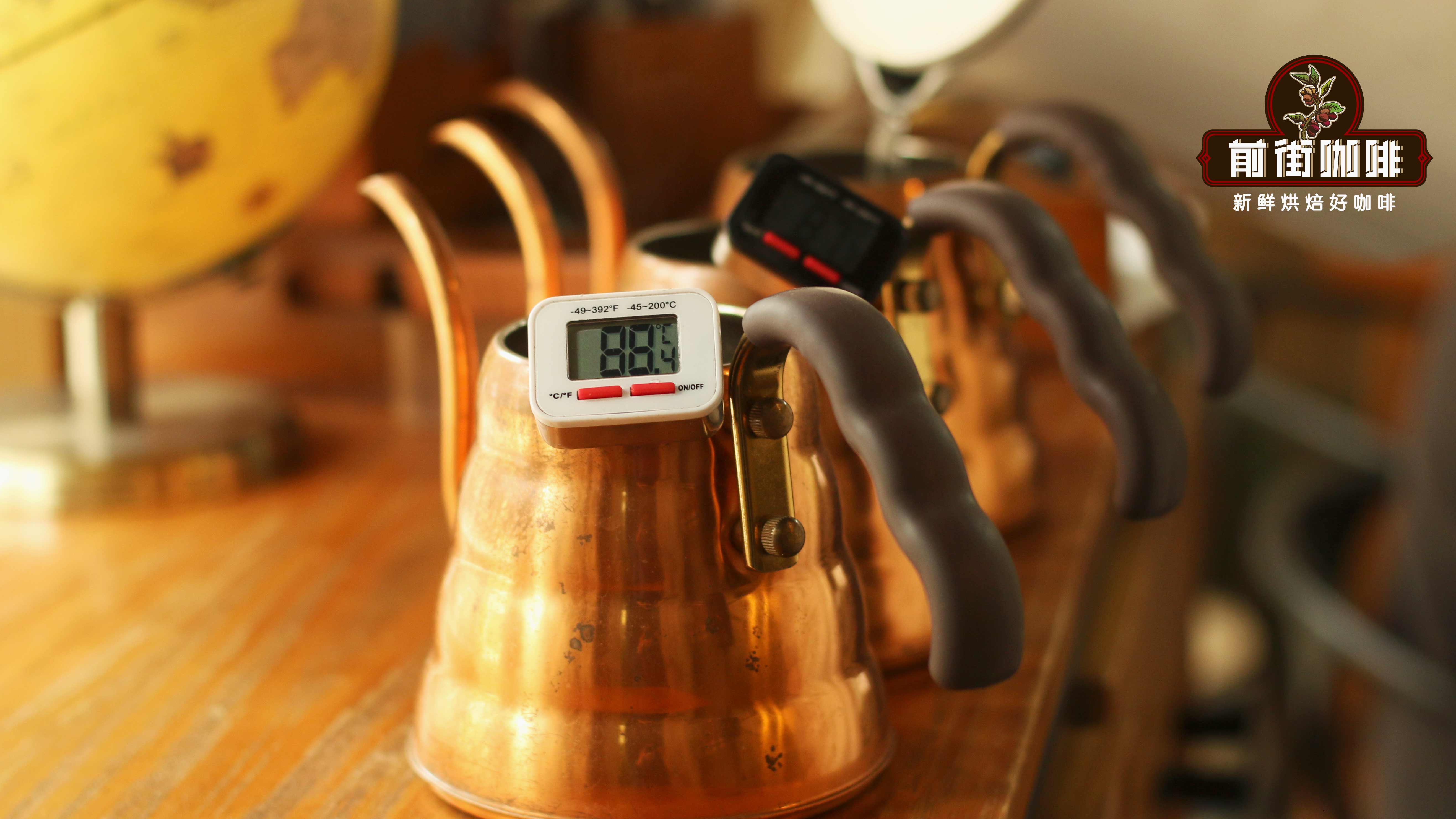
How to Choose the Grind Size for Pour-Over Coffee? A Practical Guide from Extraction Principles to Sieve Calibration
The flavor expression of pour-over coffee is directly related to the grind size. The coarseness of the particles not only determines how easily water passes through the coffee bed, but also influences the efficiency with which flavor compounds are released. When the grind is finer, extraction resistance increases, the flow rate slows, and the coffee tends toward intensity; when the grind is coarser, water passes through smoothly, the extraction yield drops, and the flavor tends toward weakness. So in everyday brewing, how can you find the right grind setting for beans of different roast levels? Starting from Front Street's brewing experience, this article sorts out the specific effects of grind size on extraction, explains the typical manifestations of over-fine and over-coarse grinds during brewing, and introduces a method for judging whether the grind is appropriate using a 0.85mm test sieve. [more…]
How to determine the grind size for pour-over coffee? Does a larger setting on an automatic grinder mean finer grounds? Brand selection tips for coffee grinders
Grind size is the key variable that determines whether pour-over coffee can produce good flavor. Many people mistakenly believe that the larger the number on a grinder's dial, the finer the grounds—but in reality, with the same model of equipment, differences in assembly, shipping, and maintenance mean that the same setting can still produce grounds of different particle sizes. Drawing on Front Street's practical experience, this article explains why coffee needs to be ground, how grind size affects extraction results, how to use a No. 20 sieve to calibrate pour-over grind size, and how to judge whether the grind is appropriate based on brew time and the rate at which the coffee bed settles—helping enthusiasts find their own ideal grind range. [more…]
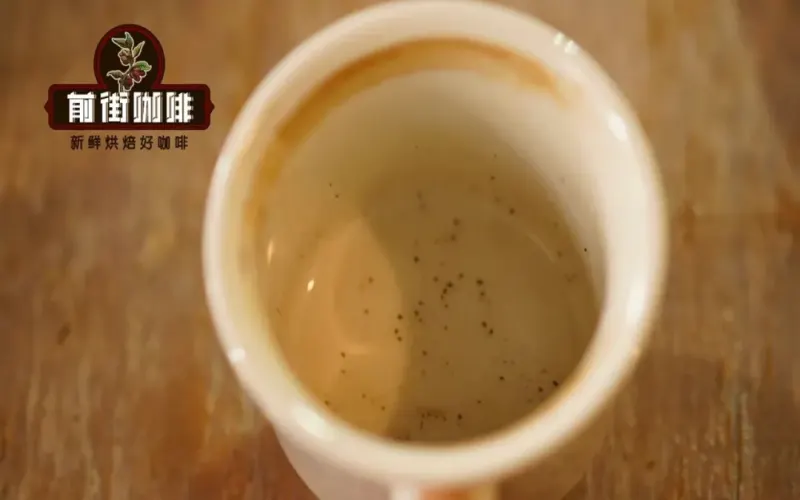
Is it normal for black fine particles to appear in espresso? Will the portafilter basket deform due to pressure? How small are the finest particle sizes exactly?
When extracting espresso, you may occasionally notice a layer of fine black sediment at the bottom of the cup, and many people worry that this indicates an equipment malfunction or spoiled coffee. In reality, these black particles are simply coffee fines—extremely small particles that can easily pass through the holes in the portafilter basket and mix into the coffee liquid under high pressure. At first they hide within the crema, and only as the bubbles burst do they sink to the bottom of the cup and become visible to us. Moka pots also use pressure extraction, so a similar situation can occur. Although coffee grounds are a woody fiber, the extremely fine particle size and tiny intake amount pose no health risk, so you can drink with complete peace of mind. This article explores the origins of fines, whether the portafilter basket will deform, and fine particle size, helping coffee enthusiasts better understand these common phenomena. [more…]
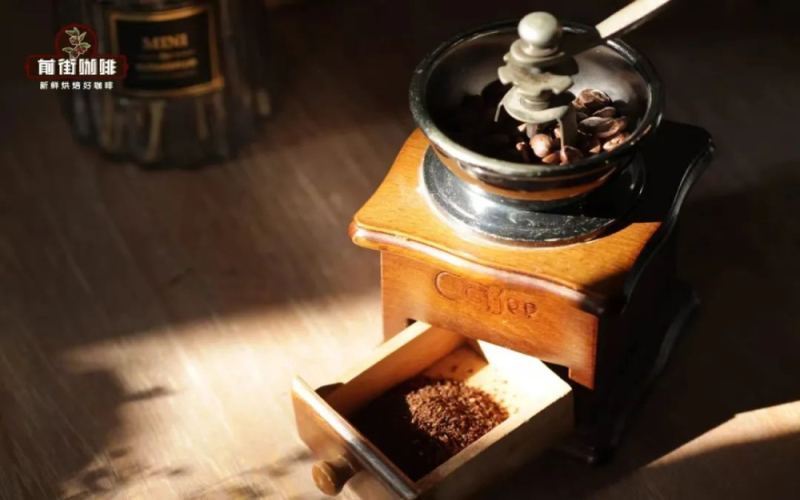
Coffee Grind Size Analogy Guide: Particle Size Correspondence Between Caster Sugar, Coarse Sugar, Sea Salt, Fine Salt, and Flour
There is no unified quantitative standard for coffee grinding, so enthusiasts often use everyday ingredients as analogies to quickly convey the concept of particle size. Common reference points like fine granulated sugar, coarse granulated sugar, sea salt, fine salt, and flour each correspond to different brewing methods and roast levels. This article goes through the particle size characteristics and suitable scenarios for each of these analogous grinds one by one: fine granulated sugar is mostly used for light-roast pour-over, coarse granulated sugar suits medium-dark roast beans, sea salt-like texture is suitable for immersion extraction methods like the French press, fine salt-like texture serves the fast-paced extraction of the moka pot, and flour-like texture is divided into two categories: espresso and Turkish coffee. The grind size described by each analogy is a range, not a single fixed value, and understanding this point helps with more flexible grind adjustment. [more…]