







Search Results for: coffee golden circle
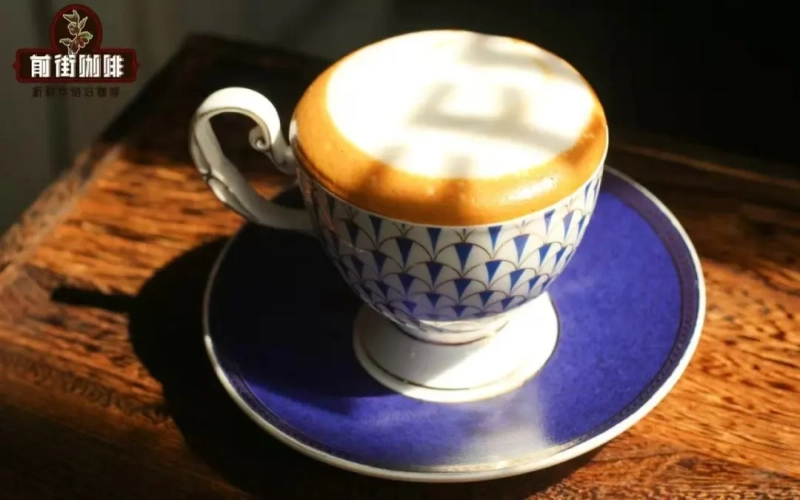
Why Isn't Cappuccino Served Iced? The Origin of the Name and the Art of Golden Circle Milk Foam
Cappuccino is a classic on the coffee menu, but when you order an iced cappuccino from a barista, they often look troubled. Behind this lies both the historical origins of the name and the physical properties of milk foam and coffee crema. This article will trace the evolution of the name "cappuccino" from the beginning, explain why the traditional standard known as the "coffee golden ring" came to be, and analyze why iced cappuccino is almost never seen. It will also explain the drinking awkwardness caused by overly thick milk foam and unstable structure in hot cappuccino, as well as Front Street Coffee's related recommendations on milk foam handling, to help you understand this Italian classic more comprehensively. [more…]
The Authentic Standards and Golden Circle Preparation of Cappuccino: The Golden Ratio of Espresso, Milk, and Milk Foam, and the 11-Point Fullness Technique
Cappuccino is not simply a milk-foam coffee; it has three hallmarks that distinguish it from lattes, flat whites, and other milk coffees: a velvety mouthfeel, a rich coffee taste, and a "11-point full" serve. Starting from the core characteristics of a cappuccino, this article explains in detail the ratio of coffee to milk, the effect of milk-foam thickness on latte art and the golden ring, and, using a classic blend bean as an example, provides the complete extraction parameters and steps for making the golden ring, helping you make a standard cappuccino at home that is rich without being bitter and as velvety as a cloud. [more…]
Why Isn't Cappuccino Served Iced? A Complete Interpretation from Its Naming Origins to the Golden Circle Tradition
Cappuccino is a classic of Italian coffee, but it has a characteristic that leaves many baristas rather helpless—it is only made hot. Why is there no iced cappuccino? Behind this lie both the historical origins of its naming and the finer points of its crafting. From the etymology of the Italian word "Cappuccino," to the inspiration drawn from the shape of the hoods worn by missionaries of the Catholic Franciscan order, to the "coffee golden ring" and the dense milk foam rising above the rim of the cup, every detail of cappuccino carries tradition. Front Street will guide you through the core characteristics of cappuccino, and why an iced cappuccino struggles to recreate the joy of that hot cup. [more…]
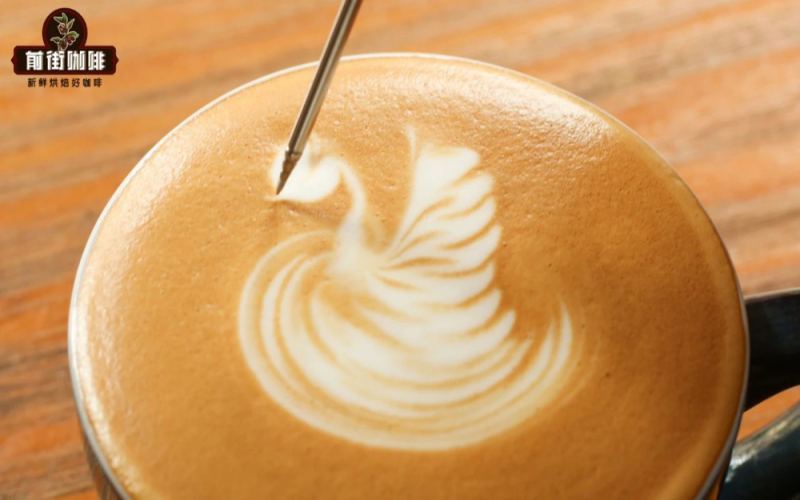
A Beginner's Guide to Latte Art: Key Techniques from Milk-Coffee Integration to Pattern Formation
Many coffee enthusiasts encounter the same confusion when practicing latte art: the milk foam is perfectly fine and the espresso crema is passable, yet once they get to the pouring stage, everything falls apart. The problem often lies in a step that seems simple but is easily overlooked—the integration of milk and coffee. Whether the integration is even not only directly determines whether the latte art pattern can be successfully presented, but also profoundly affects the mouthfeel and layers of the entire latte. This article will break down, one by one, the core points needed to make a beautiful and delicious latte—from the state of the espresso crema, the thickness and fineness of the milk foam, to the direction, height, flow rate, volume, and circling size in the integration technique—and will include espresso bean recommendations from Front Street Classic Blend and Front Street Commercial Blend to help beginners consistently produce lattes with a beautiful golden ring at home. [more…]
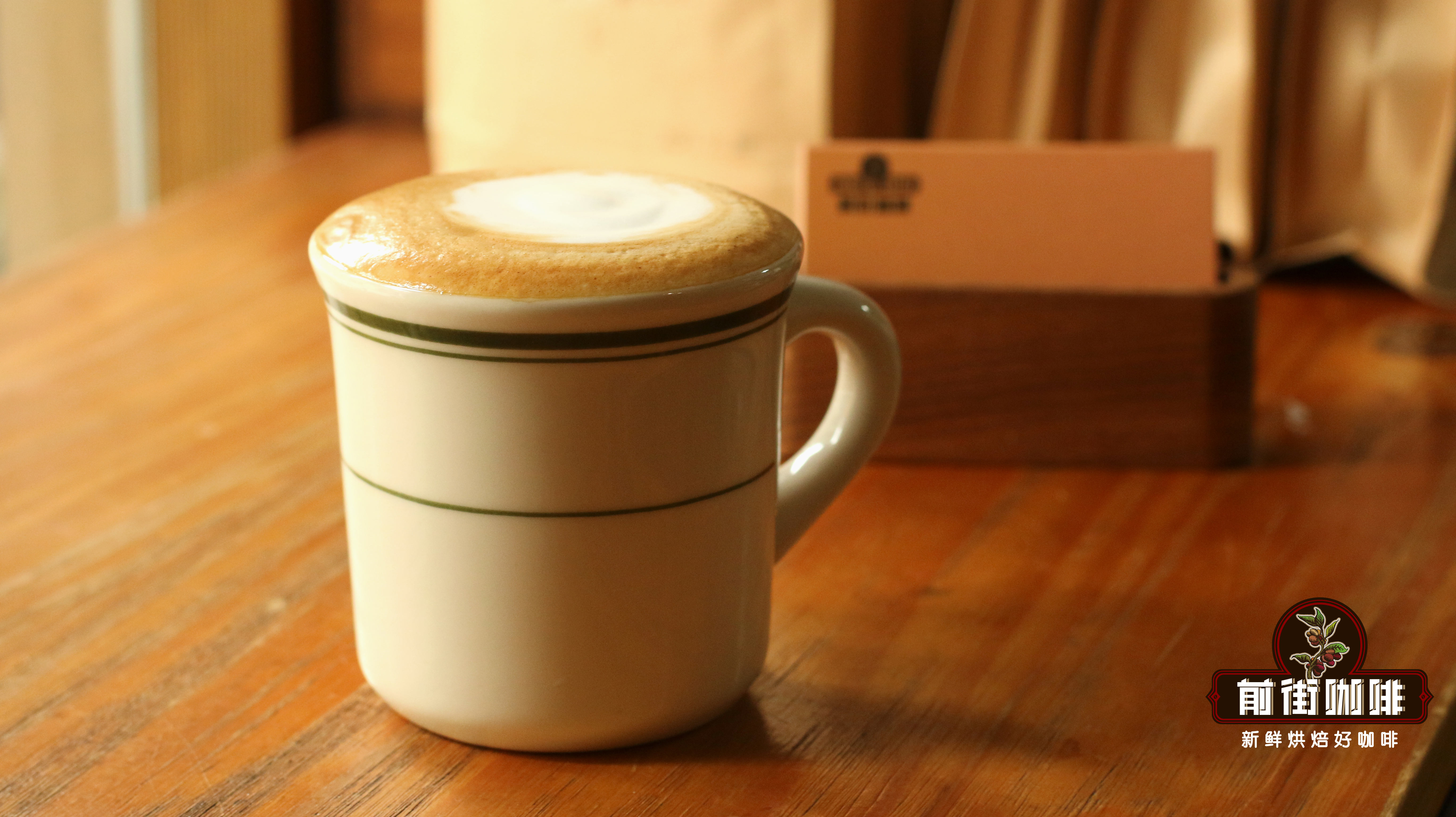
A Complete Guide to Making Cappuccino: From the Origin of the Name and the Coffee Golden Circle to the Hands-On Practice of Steaming Milk Froth
What exactly is the difference between a cappuccino and a latte? Why does an authentic cappuccino insist on preserving a ring of brown "coffee golden ring," and why is it usually not decorated with latte art? This article begins with the origin of the name cappuccino, tracing its historical connection to the robes of the Franciscan Order, and explains the reasons behind the formation of the golden ring as well as the relationship between milk foam thickness and latte art. It then follows the main thread of the process for making a qualified cappuccino, introducing in turn the choice of coffee cup, espresso extraction parameters, the use of refrigerated fresh milk, milk foam aeration and steaming techniques, and how to pour the milk foam before the milk to protect the coffee crema. The article includes Front Street Coffee's serving approach and specific extraction data, and is suitable for coffee enthusiasts who wish to gain a systematic understanding of cappuccino. [more…]

How Much Does the Speed of Circular Pouring in Hand-Brewed Coffee Actually Affect the Extracted Flavor?
Among the many variables in pour-over coffee, pouring technique is often overlooked by beginners, yet it has a significant impact on the final flavor. The speed of the circular pour is essentially equivalent to the amount of agitation applied to the coffee bed, so how much difference can it actually make to the taste of the coffee? Front Street conducted comparative experiments using washed Yirgacheffe and dark-roasted Golden Mandheling, measuring concentration and extraction yield and combining this with actual tasting to verify the effect of different pouring speeds on flavor. This article will present the parameters and results of both experiments in full, and further explore the role that agitation intensity plays when conditions such as grind size are changed. [more…]
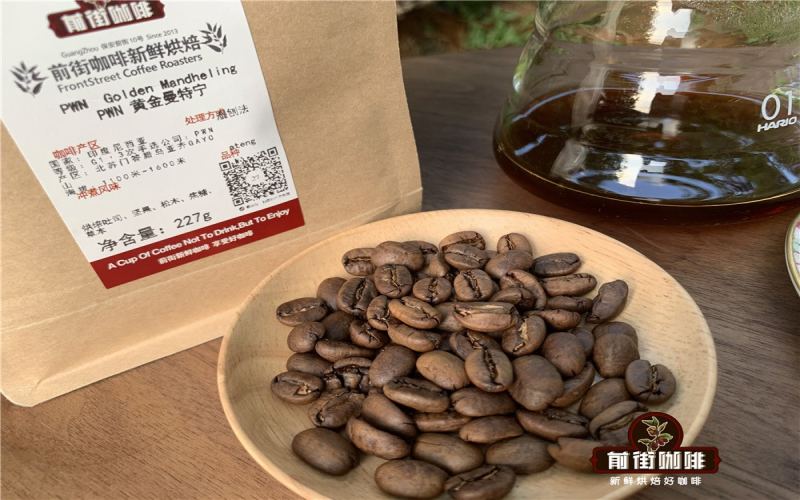
PWN Golden Mandheling Pour-Over Technique Explained: Is It Suitable for Brewing Before the Resting Period Is Complete?
Golden Mandheling, as a representative of Indonesian specialty coffee, is favored by coffee enthusiasts for its mellow, clean taste and long-lasting finish. But to brew an ideal cup of Golden Mandheling at home, besides choosing the right beans, you also need to master key parameters such as water temperature, grind size, coffee-to-water ratio, and pouring technique. At the same time, many friends ask: if the coffee beans haven't passed their resting period yet, can they still be brewed? In this article, Front Street will focus on PWN Golden Mandheling coffee beans, breaking down everything from the bean's background and processing method to the three-pour brewing technique, and explaining the relationship between the resting period and coffee flavor, to help you more confidently enjoy a good cup of coffee at home. [more…]
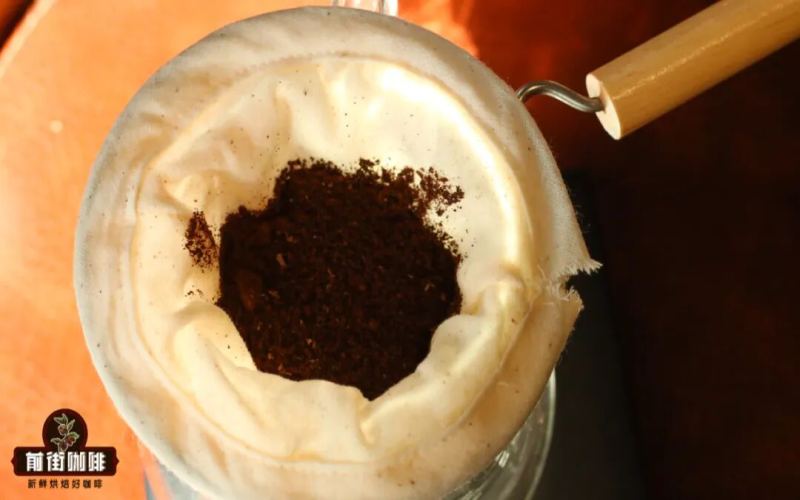
手冲咖啡冲煮方法|日式冲煮为何偏爱用法兰绒冲煮咖啡?法兰绒咖啡有哪些风味特点?
Speaking of flannel filter cloth, many friends may have only seen it in some Japanese films and TV dramas or in Japanese-style brewing introduced by bloggers, and have never actually used it. Because compared to filter cloth, the vast majority of people use filter paper and filter cups, this mainstream filtering tool, when brewing coffee. Ways to get to know flannel filter cloth [more…]
A Complete Analysis of Latte Art Techniques: Key Steps and Considerations from Pouring Technique to Milk Foam Handling
Many coffee enthusiasts encounter the same confusion when practicing latte art: the milk foam seems finely textured and smooth, and the espresso's crema looks normal, yet once it comes to the actual latte art pour, they fail repeatedly. The problem often lies in an easily overlooked step—the integration of milk and coffee. Whether the integration is even not only directly determines whether the latte art pattern can form smoothly, but also affects the balance of taste in the entire latte. This article will focus on the criteria for judging even integration, the appropriate thickness of espresso crema, milk frothing and anti-separation handling, as well as practical details such as circling direction, pouring height, flow rate control, and integration volume, breaking down one by one the key techniques to master in the latte art process, helping you make latte coffee with clear patterns and harmonious taste at home. [more…]
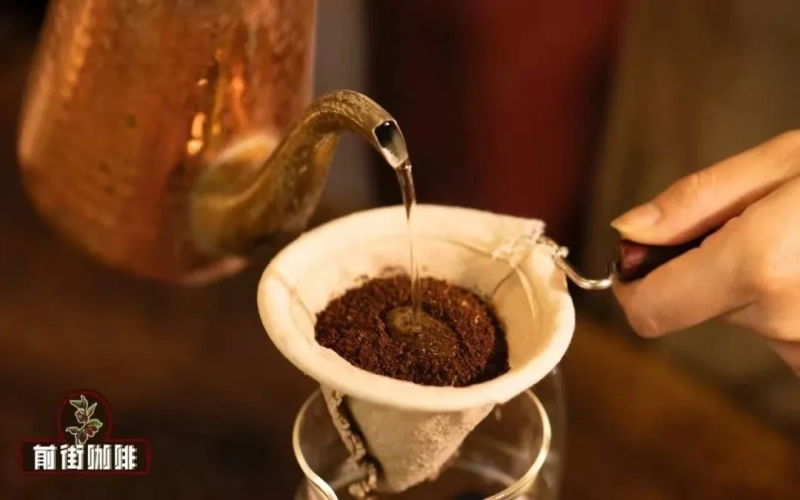
Why Japanese people prefer flannel cloth for brewing coffee: an analysis of the differences from paper filters and brewing characteristics
The flannel filter cloth holds a unique place in Japanese-style pour-over, but most coffee enthusiasts are more accustomed to paper filters and filter holders in their daily routine. This article begins with the historical origins of flannel, explains why it is widely favored in Japan, and analyzes its fundamental differences from paper filters in terms of material structure and extraction performance. The article also demonstrates in detail the complete steps for brewing dark-roasted beans with a flannel filter cloth, including setting the coffee-to-water ratio, pouring technique, and timing control, and compares the flavor with the same Front Street PWN Golden Mandheling brewed using a Kono dripper with a paper filter, helping readers understand the differences in aroma, mouthfeel, and clarity between the two filtration methods. Finally, it explains why domestic cafés rarely use flannel for their brews, providing a practical reference for coffee enthusiasts. [more…]
How much does a cup of Indonesian PWN Golden Mandheling coffee cost? Price and brand buying guide
Golden Mandheling sounds noble, but in fact it is affordably priced—the PWN Golden Mandheling sold by Front Street Coffee costs only 89 yuan/227g, which works out to a low cost per cup. But exactly how does it differ from ordinary Mandheling? Why can only the one produced by PWN be called "Golden Mandheling"? This article, from the origin of the name Mandheling, its producing region and variety, to PWN's strict screening and wet-hulling process, and then to Front Street's roasting and brewing suggestions, gives you a complete overview of this Indonesian specialty bean's background and flavor characteristics, helping coffee lovers see the true value of Golden Mandheling. [more…]
Latte art always failing? A detailed explanation of the eight key points and operational details for incorporating milk and coffee
Many coffee enthusiasts encounter the same confusion when practicing latte art: the milk foam is steamed perfectly fine, and the crema on the espresso is in decent shape too, yet the moment they start pouring, everything falls apart. The problem often lies in a seemingly simple yet easily overlooked step—the integration of milk and coffee. Whether the integration is even not only directly determines whether the latte art pattern can come through smoothly, but also affects the layered mouthfeel of the entire latte. This article will break down the key operational points one by one—covering the criteria for judging even integration, the appropriate thickness of espresso crema, milk steaming and anti-separation handling, the direction and size of the swirling circles, pouring height and flow rate, and controlling the amount used in integration—to help you make a cup of latte with clear patterns and a smooth mouthfeel right at home. [more…]

Complete Iced Pour-Over Coffee Guide: Using Golden Mandheling as an Example to Analyze the Extraction Points for Sweet Aftertaste and Lingering Finish
On a scorching hot afternoon, a glass of iced pour-over is undoubtedly a refreshing pick-me-up. But when iced brewing is done with dark-roasted beans, the rapid cooling and excessive dilution often make it bitter and watery. This article takes Front Street PWN Golden Mandheling, the darkest roast, as an example to break down how to avoid smoky, burnt, and astringent flavors through low water temperature, a slow-flow filter, coarse grinding, and staged pouring, extracting the sweet aromas of chocolate, maple syrup, and nuts, and ultimately achieving an iced coffee that is creamy and smooth with a caramel and cedar finish. From bean selection and parameters to the five-pour rhythm and the 1:10:5 coffee-to-water-to-ice ratio, the steps are complete and suitable for recreating at home. [more…]
Mandheling G1 vs. Golden Mandheling: A Comprehensive Comparison of Varieties, Processing Methods, and Brewing Flavors
Mandheling coffee occupies an important place in Indonesia's coffee landscape, yet many enthusiasts are confused about the difference between ordinary Mandheling G1 and Golden Mandheling. This article begins with the origin of the name "Mandheling," sorts out the G1 grading standards and the PWN Golden Mandheling trademark certification system, and then takes a deeper look at the similarities and differences between the two in terms of coffee variety and wet-hulling processing. It also includes Front Street Coffee's roasting approach and brewing parameter recommendations. Whether you want to understand the certification threshold for Golden Mandheling or master the extraction techniques for dark-roasted Mandheling, this article provides detailed reference information. [more…]
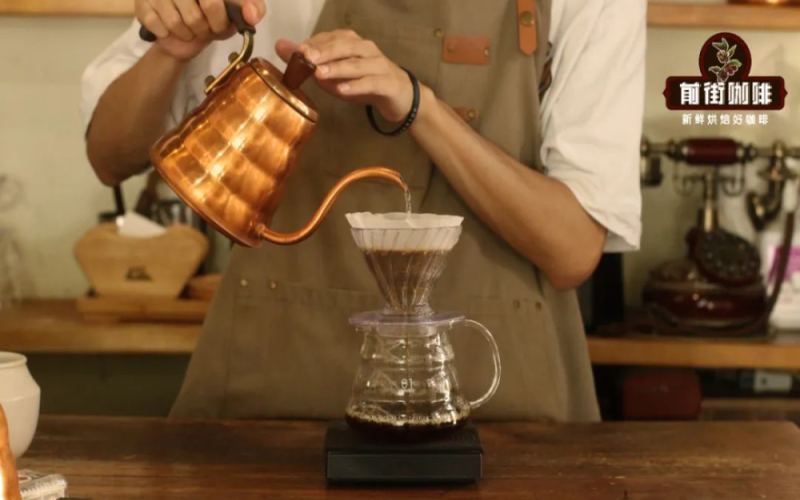
Avoid these pour-over coffee self-learning pitfalls, and only then will your brewing skills improve steadily.
Pour-over coffee, with its clean flavor, low barrier to entry, and flexible operation, has attracted a large number of enthusiasts to teach themselves at home. Although there are many tutorials online, they are often scattered and lack a systematic structure, causing many people to unknowingly fall into pitfalls during practice. From parameter control to bloom timing, from observing the "hamburger" to the direction of circling, and then to the timing of flow cutoff and the trade-offs of the Golden Cup theory, every step can affect the final flavor. This article sorts out six common misconceptions in self-taught pour-over brewing, analyzing them one by one based on practical brewing experience, to help you avoid detours on your self-learning journey, truly understand the essence of extraction, and thereby brew a cup of coffee that satisfies you. [more…]
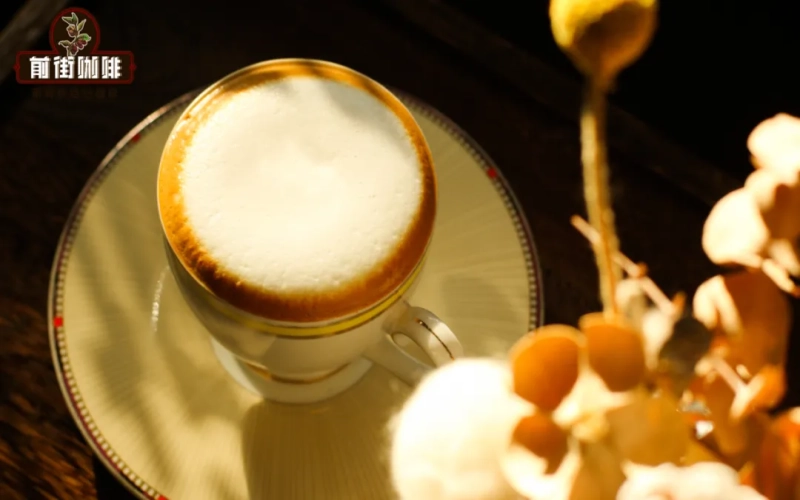
What's the difference between a cappuccino and a latte? A full breakdown of the dry and wet versions, the golden ring method, and the milk-to-coffee ratio
What exactly is the difference between a cappuccino and a latte? Why is cappuccino, despite sharing the same name, divided into "dry" and "wet" versions? This article begins with a special order request encountered at a Front Street store, taking you back through the origins of cappuccino, clarifying the difference between it and a latte in terms of the ratio of milk to coffee, and breaking down in detail the causes and characteristics of dry and wet cappuccinos. At the same time, the article will also share Front Street Coffee's recommended espresso blend bean choices, and how to use espresso and thick milk foam to make a cup of old-school cappuccino with a golden ring, helping you fully understand the layers and charm of this classic milk coffee. [more…]
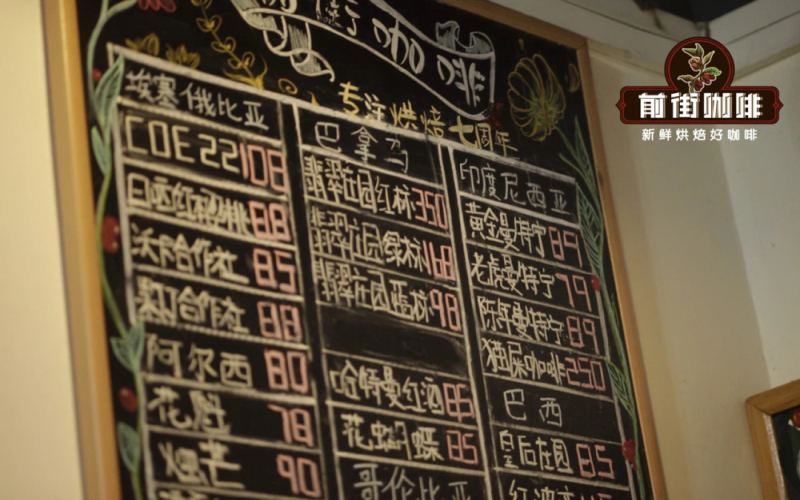
Indonesian Mandheling Coffee Tasting Guide: Analyzing Freshness and Pour-Over Techniques from Roast Date and Roast Level
Indonesian Mandheling coffee stands out in the coffee world with its rich, bold flavor, and appreciating a quality cup of Mandheling requires considering multiple dimensions such as the roast date, roast level, and brewing method. This article will guide you through the origin story of Sumatra Mandheling, its unique wet-hulling process, and the selection standards for Front Street Coffee's Golden Mandheling. We will also share pour-over parameters and a three-stage pouring technique for medium-dark roasted Mandheling, helping you brew a clean, full-bodied, and layered Mandheling coffee at home. [more…]
Analysis of the Indonesia Sumatra Golden Mandheling Region, Wet-Hulled Flavor, and Front Street Coffee Pour-Over Guide
Golden Mandheling is one of the most representative specialty coffees from Sumatra, Indonesia. Front Street Coffee's PWN Golden Mandheling is known for its dark chocolate, hazelnut, caramel, and herbal spice flavors, with high cleanliness and a clear sweetness. This article reviews the growing regions of Mandheling, the differences between the two major producing areas of Aceh and Lintong, PWN's hand-sorting standards, and how the wet-hulling process shapes its woody spice and full-bodied bitter notes. It also draws on Front Street Coffee's in-store experience to provide a complete pour-over recipe using a KONO dripper, 87°C water, and a three-stage pour, helping coffee lovers brew a round, concentrated Golden Mandheling at home. [more…]
Tracing the Origin of Indonesian PWN Golden Mandheling Coffee and a Detailed Guide to Pour-Over Parameters: Wet-Hulled Flavor Profile and Front Street Coffee Brewing Recommendations
Mandheling coffee is known for its full body, low acidity, and herbal, spicy aroma, and the Golden Mandheling produced by Indonesia's PWN company is a standout example of the finest among them. This article starts from the Sumatra growing region, outlining the cultivation background of the two major origins, Aceh and Lintong, analyzing how the wet-hulling process shapes Mandheling's unique regional flavor, and detailing Front Street Coffee's pour-over approach and specific parameters for PWN Golden Mandheling. Whether you are a beginner just getting to know Mandheling or an enthusiast looking to refine your brewing technique, you will find practical reference here. [more…]
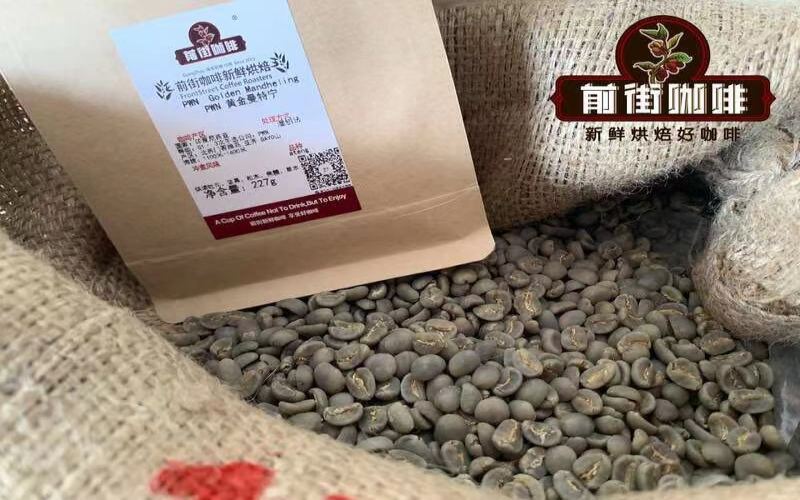
Indonesian Coffee Buying Guide: Front Street Golden Mandheling Features Analysis and Pour-Over Parameters Sharing
Indonesia has the world's most abundant volcanic resources, and frequent volcanic activity has provided exceptionally fertile soil for coffee cultivation. Sumatra, Java, and Sulawesi are the country's three major coffee-producing regions, and among them, the Mandheling produced in Sumatra is especially well known in the specialty coffee world. The Golden Mandheling from PWN is even regarded as the top choice for buying Indonesian coffee. This article will walk you through the origins and flavor characteristics of Front Street Coffee's Golden Mandheling, and share a practical set of pour-over parameters and brewing techniques. [more…]