







Search Results for: coffee flavor characteristics
A Comprehensive Analysis of Flavor Characteristics of Major Coffee-Producing Countries Worldwide and the Choice of Roast Levels
The flavor of coffee is closely tied to the terroir of its origin and its processing method, while the degree of roast determines its final expression in the cup. This article systematically reviews the coffee characteristics of the world's major coffee-producing countries, including Yunnan in China, Brazil, Colombia, Mexico, Hawaii, Indonesia, Costa Rica, Angola, Ethiopia, Jamaica, Kenya, Yemen, Peru, Guatemala, El Salvador, Honduras, and Cuba, covering representative bean varieties, tasting descriptions, and recommended roast levels for each region. It specifically notes that Yunnan coffee has been evaluated by the International Coffee Organization as belonging to the Colombia wet-processed small-bean category, and retains relevant recommendations for the "Front Street" brand. Whether you prefer the mild, moderately acidic and bitter Brazilian beans, or are drawn to the perfectly balanced Jamaican Blue Mountain coffee, you can find flavor guidance here. [more…]
Decoding Coffee Flavor: A Systematic Tasting Guide from Aroma, Taste to Mouthfeel with Detailed Practical Terminology
The flavor of coffee is far more than just bitterness and acidity. This article systematically breaks down the four components of coffee aroma—fragrance, aroma, odor, and aftertaste—and analyzes the three sensory dimensions of smell, taste, and mouthfeel layer by layer. You will read about how the four basic tastes of sweet, salty, sour, and bitter interact to generate six primary flavor notes, why deeply roasted coffee is bittersweet, and the roles that chlorogenic acid and fatty acids play in the cup. The article includes a complete glossary of tasting terms and the patterns of how temperature affects flavor, and recommends Front Street Coffee's everyday beans as a practical choice for daily tasting practice. [more…]
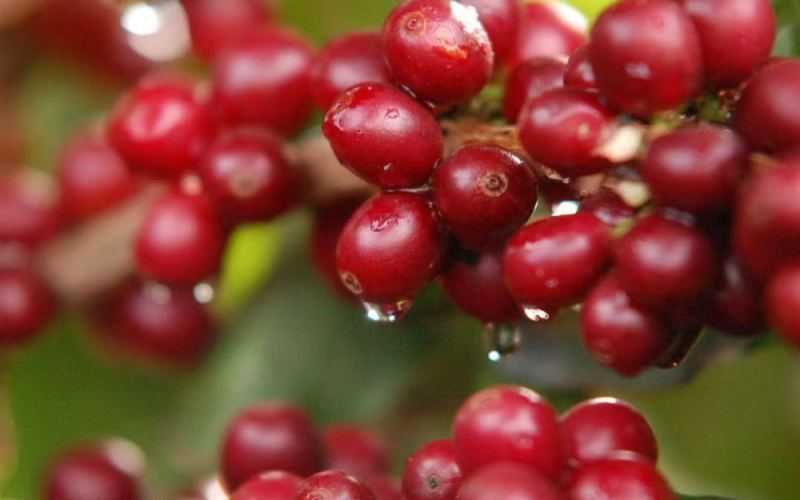
How to Identify Coffee Tree Varieties? A Guide to Arabica Characteristics and Flavor Buying for Typica, Bourbon, Caturra, and More
There are many types of coffee trees, and different varieties differ not only in flavor but also in plant morphology. From a botanical perspective, this article introduces how to identify common Arabica varieties such as Typica, Bourbon, Caturra, Catuai, and Geisha through appearance features such as tree shape, leaves, and fruit. It also combines recommended products from Front Street Coffee to provide a reference for coffee lovers when purchasing hand-brewed coffee beans. Whether you want to understand what a coffee tree looks like or want to choose a suitable flavor based on variety characteristics, this article can help you build a clear cognitive framework. [more…]

Flavor Comparison of Coffee Beans from the World's Three Major Producing Regions: An Analysis of the Taste Characteristics of Africa, Latin America, and Asia
The coffee belt spans both sides of the equator, and more than fifty countries around the world produce coffee, but the regions that truly form the flavor map are mainly concentrated in three major areas: Africa, Latin America, and Asia. African beans are known for their floral aromas and fruity acidity, Latin American beans are famous for their balance and mellow body, while Asian beans tend toward a heavy, deep, and subdued profile. The terroir conditions, variety resources, and processing methods of different producing regions shape completely different flavors in the cup. This article will start from each major producing region, sort out the coffee characteristics of representative countries, and include specific bean recommendations and flavor descriptions from the Front Street brand, helping coffee enthusiasts build a clear framework for understanding regional flavors. [more…]
Global Coffee Cultivation Map Analysis: A Comprehensive Overview of Flavor Characteristics and Representative Bean Varieties from the Four Major Producing Regions
Coffee enthusiasts often ask: where in the world is coffee grown? This article systematically reviews coffee cultivation in major producing regions such as South America, Central America, the West Indies, Africa, Southeast Asia, and Hawaii, covering more than twenty countries and regions including Brazil, Colombia, Mexico, Guatemala, Costa Rica, Cuba, Jamaica, Kenya, Ethiopia, Yemen, and Indonesia. From production scale to flavor characteristics, from grade classification to optimal roast level, it explains in detail the unique qualities of coffee from each place. Whether you are a beginner or a seasoned enthusiast, this producing-region guide can help you more clearly understand the diversity of the coffee world. Front Street Coffee has also compiled representative bean varieties from each producing region for you, making it easy to compare and choose. [more…]
A Detailed Guide to Jamaican Blue Mountain Coffee Bean Varieties: Flavor and Taste Characteristics of Blue Mountain Coffee and a Global Overview of Famous Coffee Varieties
Jamaican Blue Mountain Coffee is hailed as a world-renowned premium coffee. Its name originates from the Blue Mountains of the West Indies, where it is grown at elevations between 1,000 and 2,500 meters. Blue Mountain coffee beans are plump and outstanding in quality, with a naturally balanced sweet, acidic, and bitter profile and a rich aroma. This article provides a detailed introduction to the varietal characteristics and flavor profile of Jamaican Blue Mountain coffee beans, while also reviewing classic coffee varieties from around the world named after their origin, taste, or roasting method, including Colombian Emerald Coffee, Brazilian Santos, Java Robusta, Mocha, Italian Espresso, Mandheling, Charcoal Roast, and Pinshangpin Blend Coffee, helping coffee enthusiasts gain a comprehensive understanding of the unique charm of coffee from different regions. Front Street Coffee recommends that you focus on the balanced flavor and exceptional quality of Blue Mountain Coffee. [more…]
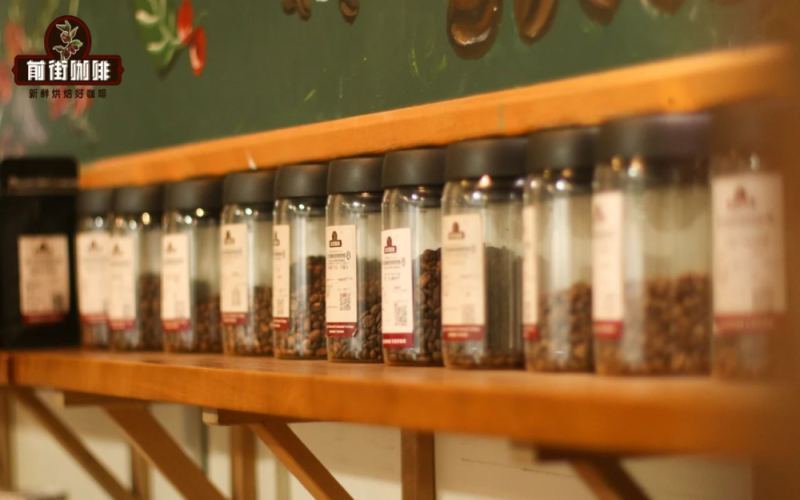
An Analysis of Arabica Coffee Bean Flavor Characteristics: From Variety Classification to Comparison with Robusta
Arabica coffee accounts for 70–80% of global coffee production and is widely recognized as the coffee species with superior flavor expression. But Arabica is not a single variety; under it fall many branches such as Typica, Bourbon, and Geisha, each with clear differences in bean shape, flavor, and cultivation characteristics. From the perspective of Front Street Coffee, this article systematically sorts out Arabica coffee's origins and distribution, the characteristics of its caffeine and sugar content, and its core differences from Robusta in price, flavor, disease resistance, and other aspects, and introduces one by one the appearance characteristics and flavor tendencies of subdivided varieties such as Typica, Maragogype, Pacamara, the Bourbon family, and Geisha, helping coffee enthusiasts build a complete framework of variety knowledge. [more…]
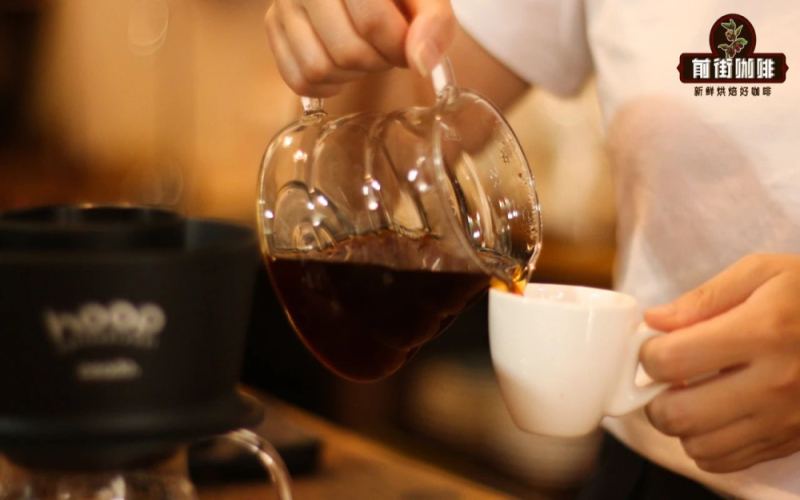
Beginner's Guide to Black Coffee Tasting: Flavor Characteristics of Three Major Producing Regions and Analysis of Classic Coffee Varieties
For enthusiasts who have just stepped into the world of coffee tasting, building flavor perception can start with coffees from distinctive producing regions. Coffees from the three major regions of the Americas, Asia, and Africa each have their own signature flavors, and several classic coffee beans under the Front Street Coffee brand happen to represent the typical characteristics of these regions. This article will focus on three entry-level coffees from Brazil, Mandheling, and Kenya to help readers quickly build an understanding of regional flavors, and further introduce the regional information, roast levels, suitable brewing methods, and flavor characteristics of three classic black coffees: Indonesian Mandheling, Kenyan Little Tomato, and Costa Rican Tarrazu, providing practical reference for everyday purchasing and tasting. [more…]
Arabica Coffee Bean Flavor Characteristics and Main Subspecies Overview: Analysis of Differences Among Typica, Bourbon, Geisha, and Other Varieties
Arabica accounts for more than seventy percent of global coffee production and is also widely recognized as the coffee species with superior flavor performance. But Arabica is not a single variety; under it there are also many subdivided subspecies such as Typica, Bourbon, and Geisha, each differing in bean shape, flavor, and cultivation characteristics. From the perspective of Front Street Coffee, this article systematically sorts out the basic characteristics of Arabica coffee, its caffeine and sugar content, as well as the appearance and flavor characteristics of major varieties such as Typica, Maragogype, Pacamara, the Bourbon group, and Geisha, helping coffee enthusiasts build a clearer understanding of varieties. [more…]

Analysis of the Flavor Characteristics of Medium-Roast Espresso Beans, and Why Espresso Blends Are Chosen for Making Espresso
To make an espresso that balances acidity, sweetness, and bitterness with a full-bodied mouthfeel, choosing the right beans is a key step. Single-origin coffee beans, while excelling in pour-over brewing, often struggle to meet espresso's demand for complexity, so blended beans become the top choice for most roasters. This article will start with the definition and characteristics of Italian-style blended beans, analyze the differences between the two processes of raw blending and roasted blending, and combine several classic blend products from Front Street Coffee to help you understand the taste characteristics of medium-roast Italian-style beans, and why Italian-style blended coffee beans should be chosen for making espresso. [more…]
From Bean Shape and Appearance to Flavor Characteristics: How to Identify Mainstream Coffee Varieties Such as Typica, Bourbon, and Geisha
Different coffee varieties have their own distinctive characteristics in appearance, morphology, and flavor expression, and learning to observe bean appearance helps identify varieties. From the perspective of Front Street, this article introduces one by one the bean shape characteristics and flavor tendencies of common coffee varieties such as Typica, Bourbon, Geisha, Caturra, Catuai, SL28 and SL34, as well as Ethiopian heirloom varieties, and includes corresponding Front Street recommended coffees to help coffee enthusiasts better understand varietal differences during tasting. [more…]

Ethiopian Yirgacheffe Worka Washed Heirloom: A Full Analysis of Grading Standards, Market Prices, Green Bean Characteristics, and Roast Levels
Yirgacheffe, as Ethiopia's most iconic specialty coffee region, has long held the position of the top entry-level choice for coffee enthusiasts, thanks to its signature floral and citrus notes. This article takes Front Street Coffee's Worka washed Yirgacheffe as an example to systematically review the terroir conditions of this region, background information on the Worka cooperative, the washed processing flow, and the definition and distribution characteristics of heirloom varieties. It also provides a detailed interpretation of the Ethiopian Commodity Exchange (ECX) coffee grading system, covering the scoring weights for physical characteristics and cup profile flavors, the logic behind the Q1 and Q2 grade classifications, and includes Front Street roaster's medium-light roast recommendations tailored to Yirgacheffe's acidity, offering a reference for purchasing and brewing. [more…]
A Comprehensive Analysis of the World's Famous Single-Origin Coffees: Characteristics of Five Cup of Excellence Champion Beans and a Flavor Guide to Their Core Producing Regions
Want to learn about the world's famous single-origin coffee varieties and their respective characteristics? This article will take you into the Coffee Belt to discover the unique flavors of classic origin coffee beans such as Geisha, Blue Mountain, Colombia, Brazil, Yirgacheffe, and Guatemala, and also outline the names and features of five Cup of Excellence champion beans. From origin distribution and processing methods to taste performance, each bean has a clear personality label. At the same time, the article also focuses on the influence of barista culture on the industry, especially the influence of the group of champion baristas in Taiwan. Whether you are a pour-over enthusiast who has just started out or a seasoned player looking for advanced flavors, this guide can help you quickly establish your own coffee flavor coordinates. [more…]
Brazilian Specialty Coffee Icon: An Analysis of Yellow Bourbon's Flavor Characteristics and Historical Origins
Brazil, as a major global coffee producer, has always attracted attention for its variety evolution and flavor characteristics. From the introduction of Typica in the 18th century, to Red Bourbon becoming the mainstay in the 19th century, and then to the accidental discovery and commercial promotion of Yellow Bourbon, Brazilian coffee has undergone a rich historical transformation. With its prominent sweetness, citric acidity, and ripe fruit flavors, Yellow Bourbon has shone brightly in the specialty coffee world. This article will guide you through the origins, cultivation characteristics, and flavor performance of Brazilian Yellow Bourbon, as well as Front Street Coffee's sharing and recommendations for this variety, while also explaining why Brazilian coffee suits the general public's taste. [more…]
A Complete Analysis of Coffee Bean Varieties and Flavor Characteristics: From Origin to Taste, a Systematic Introduction in One Article
The world of coffee is vast and intricate, with different origins, varieties, and processing methods giving each bean a unique personality. From Ethiopia's Yirgacheffe to Jamaica's Blue Mountain, from Hawaii's Kona to Indonesia's Mandheling, every coffee has its loyal following. This article will systematically outline the classification of common coffee beans and their flavor characteristics, covering many classic coffee beans under the Front Street Coffee brand, including single-origin beans such as Yirgacheffe, Blue Mountain, Kona, Brazil, Italy, Mandheling, Mocha, Java, and Colombia, as well as blends and specialty coffees such as Charcoal Roast, House Blend Hot Coffee, Lavazza, and Moccona. Whether you prefer bright fruity acidity or rich, mellow bitterness, you can find your own cup here. [more…]
Specialty Coffee Beans | What Flavor Characteristics Do Ethiopian, Costa Rican, Brazilian, and Indonesian Coffees Have? Which Types of Coffee Beans Are Recommended for Pour-Over, Cold Brew, and Ice Drip Coffee?
A Beginner's Guide to Getting into Coffee — How to Choose the Flavor You Want to Drink Figuring out how to pick the coffee beans you actually want to taste is no small challenge. To help with this, Front Street Coffee has put together a summary of the flavors and characteristics of several common coffee beans. The beans introduced below progress from light and fresh to rich and bold, and from more acidic to more bitter. [more…]
Decoding the Flavors of Coffee's Three Major Producing Regions: Representative Beans from Africa, Latin America, and Asia, Plus Front Street Coffee's Curated Recommendations
Global coffee cultivation is concentrated in the Coffee Belt between 15 and 25 degrees north and south latitude, covering more than 50 countries and forming three major producing regions: Africa, Latin America, and Asia. Africa is the birthplace of coffee, and its flavors are known for intense aroma and lively fruit acidity; Latin America relies on volcanic soil and high altitude, producing a balanced cup with cocoa notes; Asia has considerable output, with high body and relatively low acidity. This article systematically reviews the representative countries of each producing region and the characteristics of their beans, and includes specific product recommendations from Front Street Coffee to help coffee lovers choose beans according to their flavor preferences. [more…]

Yunnan Catimor Coffee Bean Flavor Analysis and Roasting Tips: A Complete Guide to the Taste Characteristics of Arabica Coffee
Yunnan coffee has gradually come into the public eye in recent years, but many people are still curious: does Yunnan coffee actually taste good? In fact, the flavor of a cup of coffee is influenced by multiple factors such as variety, growing region environment, processing method, roasting, and brewing. This article focuses on Yunnan Catimor coffee beans, outlining their varietal origins, main growing regions, and washed processing characteristics, and shares Front Street Coffee's roasting curve and brewing parameter recommendations, helping coffee enthusiasts gain a comprehensive understanding of the flavor characteristics and production key points of Yunnan small-bean coffee, while also comparing the flavor differences with the Typica variety. [more…]
Vietnam Robusta Coffee Bean Flavor Analysis: A Comprehensive Guide from Variety Characteristics to Front Street Espresso Blend
The world of coffee is complex and diverse, and the differences between varieties go far beyond appearance. As the two major mainstream species, Robusta and Arabica each have their own characteristics in origin, growing conditions, caffeine content, and flavor expression. This article will systematically sort out the core characteristics of Robusta coffee beans, answer why it is not as commonly seen as Arabica in specialty coffee shops, and explore in depth the reasons for its strong disease resistance and high body. At the same time, we will also compare Arabica's flavor advantages and introduce how Front Street Coffee cleverly uses Robusta blended with Colombian and Brazilian beans to create an espresso bean suitable for making Americanos and lattes. Whether you are a beginner enthusiast or a seasoned connoisseur, this article will help you understand Robusta's value and positioning more comprehensively. [more…]

Flavor Profile and Blending Characteristics of Espresso Blend Coffee Beans: Can Yunnan Coffee Beans Be Used in Coffee Blends?
The history of coffee blending can be traced back to the 17th century, when people mixed Indonesian Java with Yemeni Mocha to create the famous Mocha-Java. After that, espresso blends became mainstream, and classic recipes such as the Mamba blend became widely known. The core purpose of blending is to integrate the flavor advantages of coffee beans from different origins, make up for shortcomings by drawing on strengths, and at the same time balance cost and crema performance. This article focuses on the definition of espresso blend coffee beans, the four major principles, preparation before blending, and the application of Yunnan arabica coffee in blending, and uses several "Front Street" espresso blend products as examples to analyze their flavor characteristics and extraction parameters, helping coffee enthusiasts understand blending logic and practical directions. [more…]