







Can coffee bean shape reveal which variety you are drinking?
Bean morphology gives useful clues when identifying coffee varieties. Typica beans are oval, slender yet plump, with a clean and delicate cup. Bourbon shifted to a short, round shape with thick body and prominent sweetness. Geisha beans are slender and pointed at both ends, plump in the middle, and tied to floral and citrus notes when grown at high altitude with wide day-night temperature swings.
Other Arabica varieties follow their own patterns. Caturra, Catuai, SL28, SL34, and Ethiopian Heirloom each differ in size and form, and the differences show up again in the cup. Learning to read bean shape alongside flavor makes variety comparison during tasting more concrete, since appearance and taste tend to move together rather than independently.
Different coffee varieties have their own distinctive characteristics in appearance and flavor expression, and learning to observe bean morphology helps identify varieties. From the perspective of Front Street, this article introduces one by one the bean shape characteristics and flavor tendencies of common coffee varieties such as Typica, Bourbon, Geisha, Caturra, Catuai, SL28 and SL34, as well as Ethiopian Heirloom, and includes corresponding Front Street recommended coffees to help coffee lovers better understand variety differences during tasting.
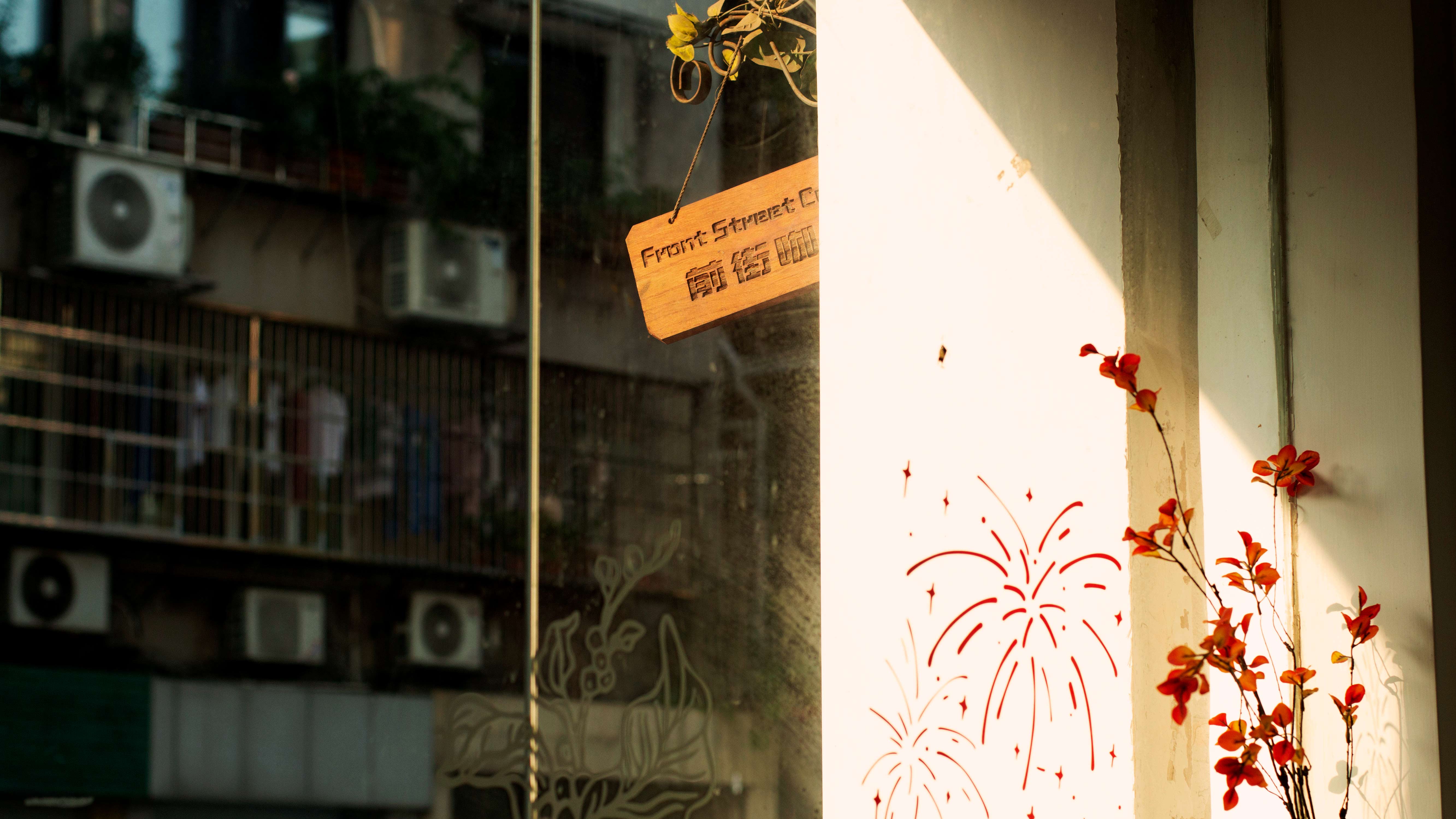
The beans of various coffee varieties have unique identifying points in appearance. This time, Front Street will guide everyone to distinguish coffee varieties starting from bean morphology, while also understanding what flavor characteristics each of these varieties presents.
| Typica
Typica originally grew in Ethiopia and southeastern Sudan, and is one of the oldest varieties in the Arabica species. Its plant terminal bud appears reddish-copper in color, hence it is also called red-top coffee. Most common Arabica varieties today can be traced back to Typica. Typica beans are oval-shaped, relatively slender yet plump, and after brewing the taste is clean, with a clear, pure, and delicate flavor.
Recommended coffee: Front Street 2013 Sun-Dried Typica Coffee Beans
| Bourbon
Bourbon arose from a natural mutation of Typica, and the most notable change in the beans is from a long shape to a round shape. This variety was first planted on Reunion Island in Brazil, which was called Bourbon Island (le Bourbon) before 1789, and the variety name comes from this. Bourbon beans are short and round, with a thick body, smooth on the palate, and with prominent sweetness.
Recommended coffee: Front Street Brazil Cerrado Coffee Beans
| Geisha
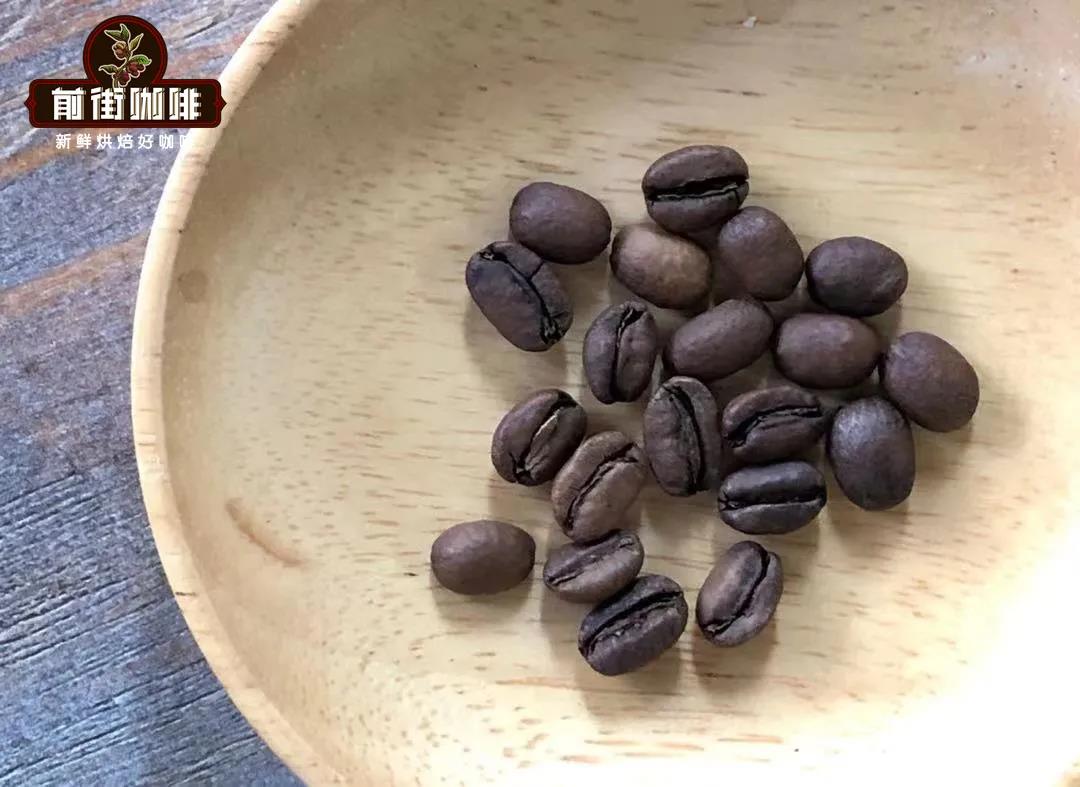
Geisha originates from the Geisha forest in Ethiopia. Compared with other varieties, Geisha's most prominent characteristic is extremely low yield; the spacing between branch nodes on the plant is relatively long, and both flowering and fruiting are relatively sparse. Geisha beans are slender, pointed and thin at both ends, and plump and full in the middle.
To allow Geisha to show refined floral aromas and citrus notes, the growing location must not be too cold so as to avoid frost, the altitude must be high enough, and the temperature difference between day and night must also be large enough, so that the coffee tree can have sufficient time to accumulate nutrients.
Recommended coffee: Front Street Emerald Red Label Geisha Coffee Beans
| Caturra
Caturra is a natural mutation of Bourbon. Its branches have compact internode spacing, and the fruit is slightly smaller than Bourbon, so more fruit can be produced in the same space, and yield is noticeably increased. Caturra beans are round with some length, with a certain curve at the tail, and the taste is bright and clean, with similarly distinct sweetness.
Recommended coffee: Front Street Colombia Huila Coffee Beans
| Catuai
Catuai was developed by artificial hybridization of Caturra and Mundo Novo. It inherits Mundo Novo's advantages of high yield, strong disease resistance, and good cup performance, while also retaining Caturra's characteristics of small fruit, excellent acidity, and suitability for sun-dried processing. Because the plant is relatively short, it can be planted at double density. Catuai beans are oval and somewhat flat, with a relatively slender tail, soft acidity, a clean taste, and rich fruity aroma.
| SL28 & SL34
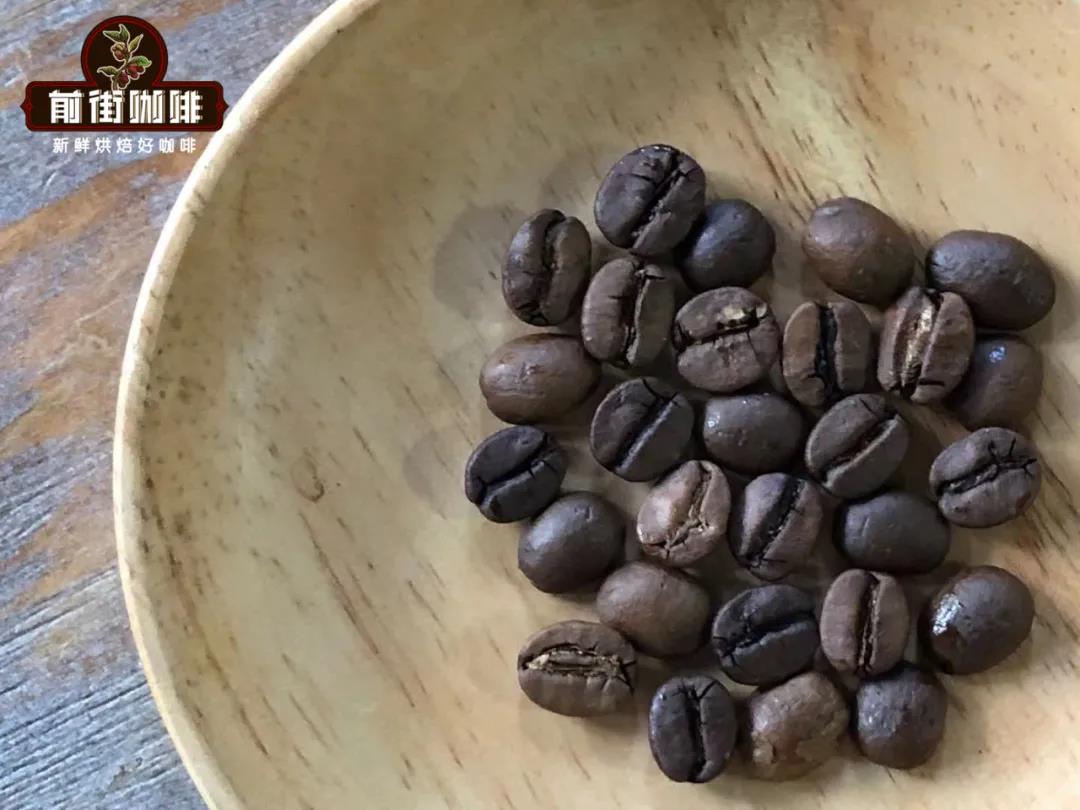
Between 1935 and 1939, coffee varieties selected and bred by the Scott Laboratories all used SL as a prefix. The laboratory selected 42 varieties from different origins and conducted research on yield, quality, drought resistance, and disease resistance. After numbering and screening them one by one, SL-28 and SL-34 were finally retained.
(SL28)
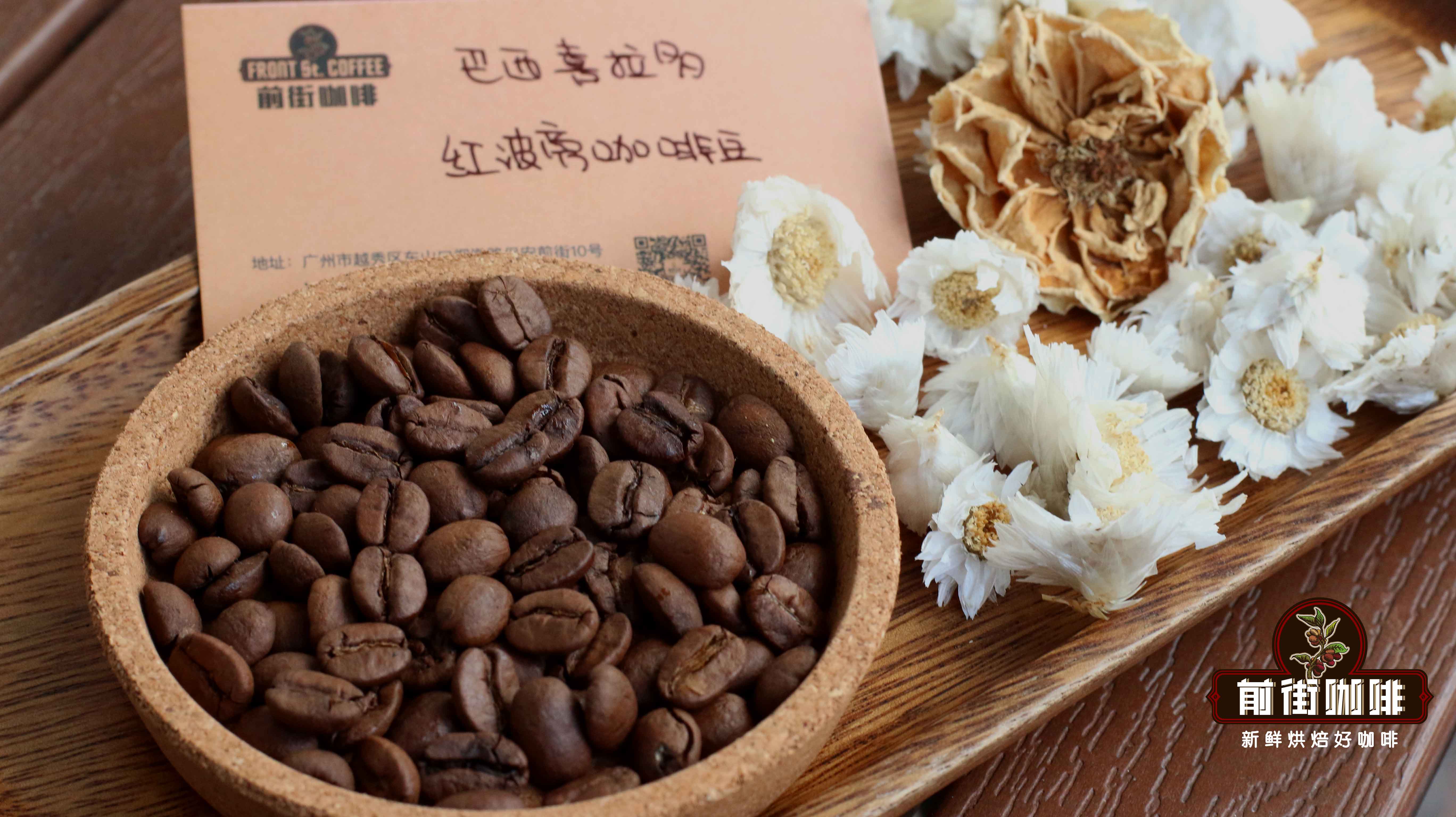
SL28 has a Bourbon genetic group background, with short round beans and a thick body, lifted acidity, and outstanding sweetness. SL34 comes from the Typica genetic group; the beans are oval, and the sides are not as plump as Typica, appearing somewhat flat, with balanced and full acidity and sweetness, and a caramel-like finish.
(SL34)
Recommended coffee: Front Street Little Tomato Coffee Beans
| Heirloom
Most varieties in Ethiopia are grouped under this name because the number of local varieties is truly enormous, like a natural gene bank of Arabica. On the one hand, the wide variety makes identification and classification difficult; on the other hand, the Ethiopian government, for protection reasons, is unwilling to disclose specific variety information, so they are collectively called Ethiopian Heirloom.
Precisely because the varieties are mixed, the local approach is mixed planting and mixed harvesting, so the bean sizes of Ethiopian Heirloom are not uniform. These coffee beans mostly show flavor characteristics of floral and fruity notes and citrus acidity.
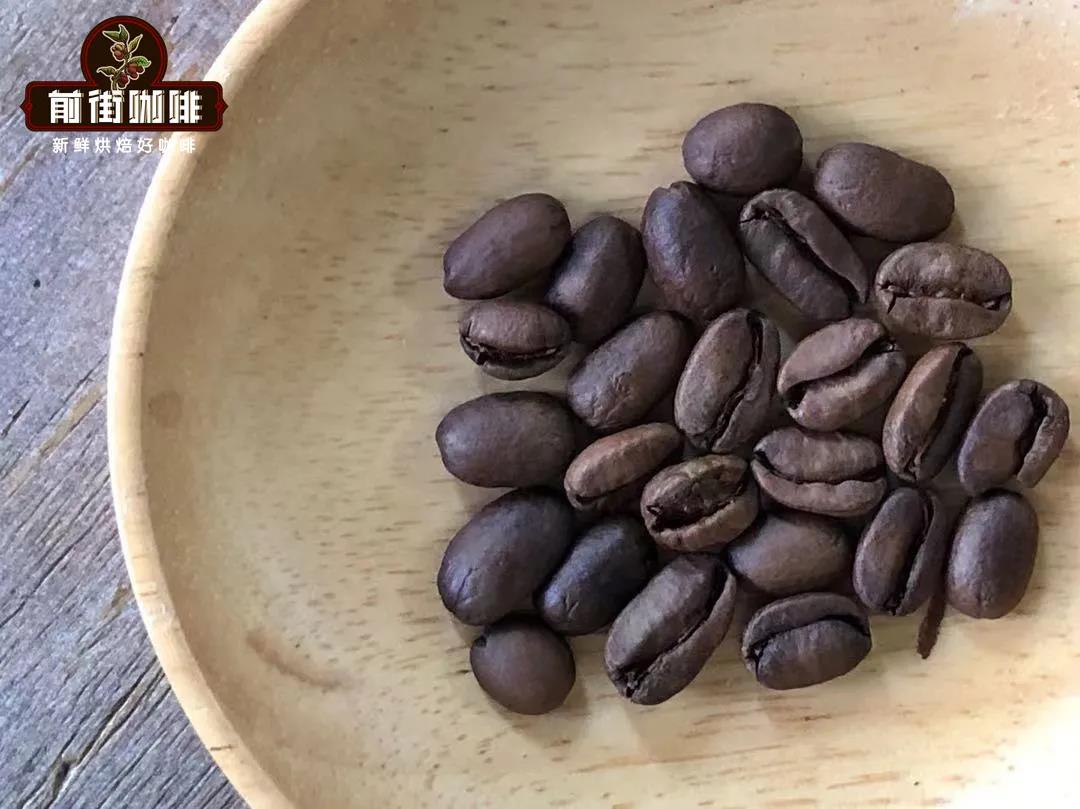
Recommended coffee: Front Street Guodingding Coffee Beans
The above content is compiled by CoffeeHunters, a coffee news website.


