








How does the coffee belt map explain regional flavor?
Roughly fifty countries grow coffee, but the flavor map is usually drawn around three groups: Africa, Latin America and Asia. The belt sits between 15 and 25 degrees north and south of the equator. African beans bring floral aroma and fruity acidity, Latin American beans are known for balance and body, and Asian beans tend toward weight and depth.
Terroir, variety resources and processing method explain most of the difference. Ethiopia, Kenya, Panama and Costa Rica rank high in both variety resources and output quality. Africa is the birthplace of the coffee tree and still holds wild varieties researchers value. A coffee belt map helps show why altitude and latitude shape coffee growth and, in turn, what ends up in the cup.
The coffee-growing belt stretches across both sides of the equator, with more than fifty countries worldwide producing coffee, but the regions that truly form the flavor map are mainly concentrated in three major areas: Africa, Latin America, and Asia. African beans are known for floral aromas and fruity acidity, Latin American beans are known for balance and body, while Asian beans tend toward heaviness and depth. The terroir conditions, variety resources, and processing methods of different regions shape distinctly different flavors in the cup. This article will start from each major region, sort out the coffee characteristics of representative countries, and include specific bean recommendations and flavor descriptions from Front Street Coffee, helping coffee enthusiasts build a clear framework for understanding regional flavors.

More than fifty countries around the world engage in coffee cultivation, and most of these origins are distributed around the equator. The area between 15 and 25 degrees north and south latitude is called the "Coffee Belt" by the industry and can be considered the golden zone for coffee cultivation. From a broader perspective, coffee origins can be summarized into three major groups: Asia, Africa, and the Americas. Among them are many globally renowned coffee powers, such as Ethiopia, Kenya, Panama, and Costa Rica, all of which are at the top level in terms of both bean variety resources and output quality.
[African Regional Coffee Beans]
Africa is the birthplace of the coffee tree and occupies an irreplaceable position in the entire coffee industry. Although cultivated coffee varieties are now extremely diverse, the unnamed wild coffee varieties on the African continent remain the most promising treasure trove in the eyes of researchers. African beans usually show bold aromas and pleasant fruity acidity, and that bright, lively acidity is unforgettable once tasted. However, African coffee often falls somewhat short in body, and its sweetness is not especially prominent either.
Representative Ethiopian coffee recommendation: [Front Street Yirgacheffe Gudingding Coffee Beans]
Flavor characteristics: rich floral and fruity aroma, lively citrus and berry acidity
Front Street Yirgacheffe Gudingding Coffee Beans
Flavor description: Citrus and black tea on the entry, and as the temperature changes there are cream, caramel, and almond notes; the finish is noticeably sweet and the mouthfeel is clean and lightly sweet.
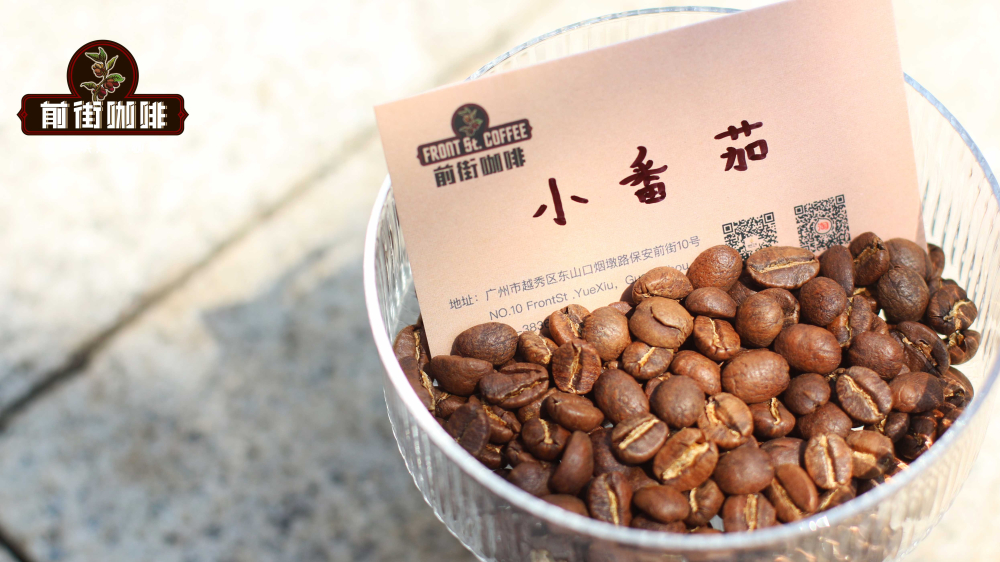
Representative Kenyan coffee recommendation: [Front Street Kenya Little Tomato]
(Flavor characteristics: strong acidity, prominent berry and cherry tomato aromas)
Front Street Coffee Little Tomato Coffee Beans
Flavor description: The wet aroma has ripe tomato and floral notes; on the entry there are cherry tomato and smoked plum flavors, with bright acidity, a clean mouthfeel, and medium body; the mid-palate is notably sweet with a juicy feel; the finish has berry aroma and brown sugar sweetness, along with green tea aroma.
Representative Yemeni coffee: [Yemen Mocha Coffee Beans]
(Flavor characteristics: full body, chocolate; the only coffee-producing country in Africa whose beans are not sour)
Front Street Coffee Yemen Mocha Coffee Beans
Flavor description: Before the beans are ground, there is a peanut aroma; after grinding, there is a caramel fragrance; while sipping, the layers are rich, with intense dark chocolate flavor and a little grape-like acidity appearing at the tail end; the spice finish is long, with salivation and a rounded return of sweetness, carrying the feeling of Middle Eastern milk tea; as the temperature drops slightly, spice and berry flavors emerge.
[Latin American Regional Coffee Beans]
Latin America broadly refers to the Americas south of the United States, geographically covering the area between 32 degrees 42 minutes north latitude and 56 degrees 54 minutes south latitude, including Mexico (part of North America), Central America, the West Indies, and South America. The history of coffee cultivation in Latin America can be traced back to the eighteenth century and is inextricably linked to Spanish colonial expansion. Spanish is the official language of most Latin American countries, while Brazil, once ruled by Portugal, commonly uses Portuguese.
Latin America has fertile volcanic soil, abundant rainfall, and higher elevations, all conditions very suitable for coffee growth. Coffee beans from this region are mostly washed and fermented, and the rigorous processing flow ensures excellent bean quality, a low defect rate, and full, large beans. Overall, Latin American coffee is known for balanced flavor and often carries a mellow quality reminiscent of cocoa or dark chocolate.
Representative Brazilian coffee recommendation: [Front Street Queen Estate Yellow Bourbon]
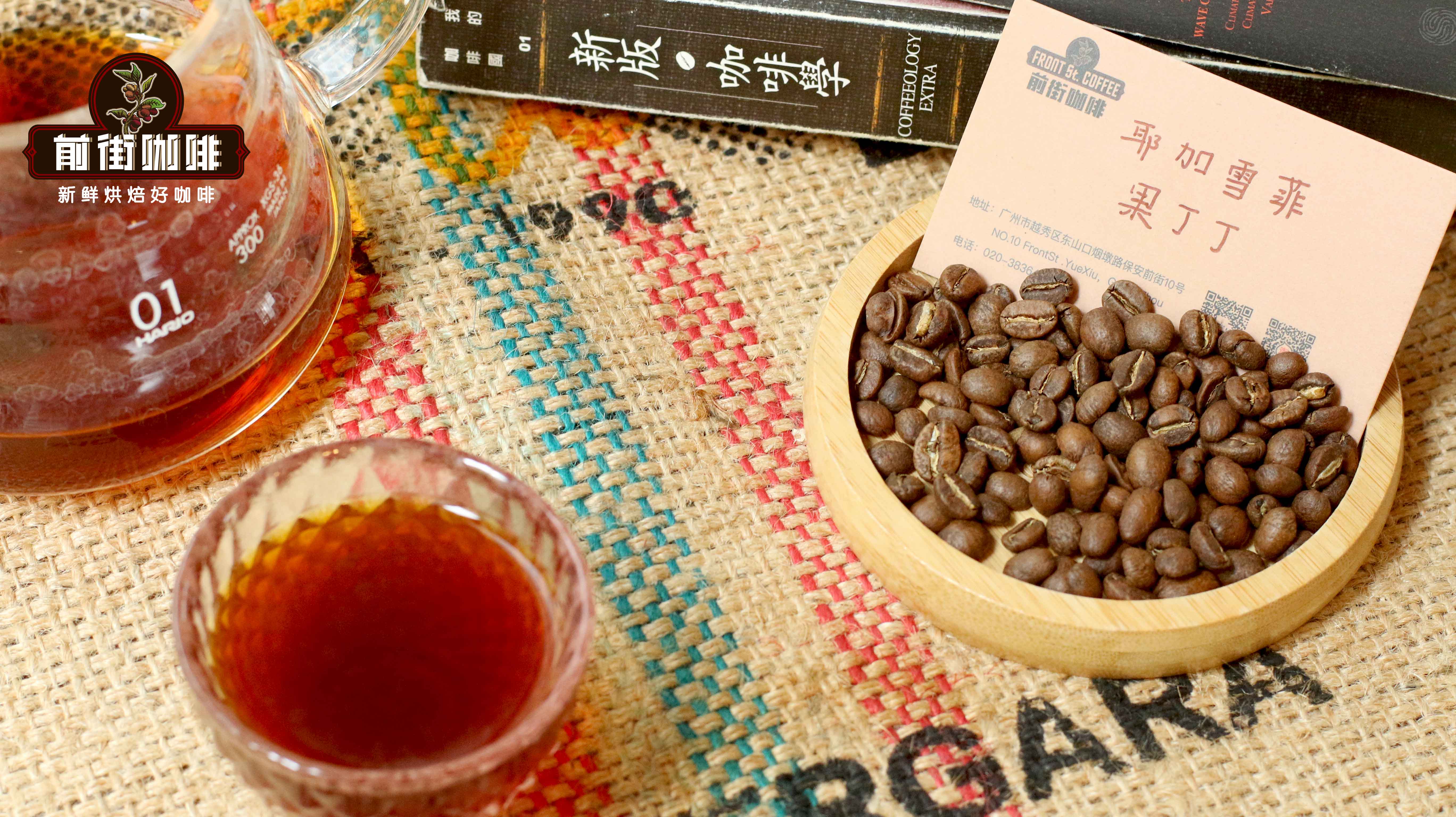
(Flavor characteristics: low acidity, strong nutty flavor, good body)
Front Street Queen Estate Coffee Beans
Flavor description: The taste has obvious sweetness, with a faint lemon aroma and rich nutty flavor; the latter part shows distinct dark chocolate notes, and the overall impression is relatively rounded.
Representative Colombian coffee recommendation: [Colombia Sidra Coffee Beans]
(Flavor characteristics: grape, passion fruit, apricot, dried fruit, almond)
Front Street Colombia Sidra Coffee Beans
Flavor description: Balanced mouthfeel, with floral and strawberry notes accompanied by a dark cocoa finish, cream, and a fermented feel.
Representative Panamanian coffee: [Panama Hartmann Estate]
(Flavor characteristics: distinctive bright acidity)
Front Street Coffee Hartmann Estate Coffee Beans
Flavor description: The texture is relatively full, with obvious sweet-and-sour notes; the entry is smooth and has a very rich red wine mouthfeel, high sweetness, lively and bright acidity, and rich layers; tropical fruit, nuts, red wine finish, honey, and sucrose flavors are evident; after fully cooling, brown sugar notes appear.
Representative Costa Rican coffee: [Front Street Costa Rica Baja Coffee Beans]
(Flavor characteristics: chocolate aroma and nutty flavor, moderate sweet-and-sour taste, fragrant and mellow)
Front Street Coffee Costa Rica Baja Coffee Beans
Flavor description: Has a rice wine fermentation aroma; on the entry there is the sweet-and-sour taste of ripe tropical fruit and berries, along with nutty and creamy flavors; the aftertaste carries caramel, and the finish has a faint floral aroma.
Representative Jamaican coffee: [Front Street Jamaica Blue Mountain No.1 Coffee Beans]
(Flavor characteristics: rich and fragrant, with a perfect balance of sweetness, acidity, and bitterness)
Front Street Jamaica Blue Mountain No.1 Coffee Beans
Flavor description: Clean and mild mouthfeel, rich and fragrant, with dark chocolate, nuts, cream, and a balance of sweetness, acidity, and bitterness.
[Asian Regional Coffee Beans]
Asia's coffee production ranks second only to Latin America, and Vietnam ranks first among Asian coffee-producing countries. Compared with Latin America and Africa, Asian coffee generally has greater body, but its acidity is not elegant enough and often carries woody, herbal, or spicy notes, showing an overall low-key, reserved, muted aroma profile rather than lifted, bright fruity acidity.
Representative Indonesian coffee recommendation: [Front Street Indonesia Golden Mandheling]
(Flavor characteristics: good body, herbal and agarwood notes)
Front Street Coffee (FrontStreet Coffee) Indonesia Golden Mandheling Coffee Beans
Flavor description: Varied layers, full-bodied and clean, highly balanced, with rich nutty and caramel aromas, chocolate notes, and a lasting finish.
Representative Yunnan, China coffee: [Front Street 2013 Yunnan Typica Coffee Beans]
(Flavor characteristics: melon and fruit aroma, nutty aroma, tea-like feel, full body)
Front Street 2013 Yunnan Typica Coffee Beans
[Flavor Description]
A faint citrus acidity and nutty aroma; when drunk, there are plum and citrus acidity blended with nutty flavor, melon and fruit aroma, and brown sugar sweetness; the finish carries some black tea tea-like feel. The overall flavor layers are relatively rich.
The above content is compiled by CoffeeHunters, a coffee news website.


