







Search Results for: coffee festival
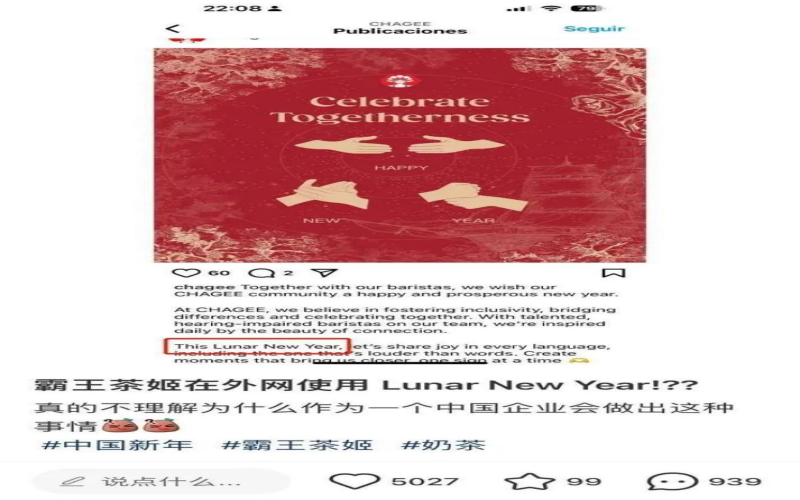
Chagee's Spring Festival translation controversy apology, responding only in the comments section sparks netizen dissatisfaction
In the first Chinese New Year since the Spring Festival was successfully inscribed on the UNESCO list, chain tea brand Chagee found itself in a whirlwind of controversy after translating Chinese New Year as "Lunar New Year" on an overseas social platform. Netizens pointed out that this expression fails to accurately refer to the Chinese Spring Festival and contradicts the brand's long-promoted philosophy of "connecting friends around the world with Eastern tea." Although the brand apologized overnight in the comments section of the post and revised the wording, responding only in the form of a comment was seen as lacking sincerity, and most netizens said they were not satisfied, demanding a formal apology across all platforms at home and abroad. The incident reflects the brand's insufficient grasp of linguistic accuracy and cultural sensitivity in cross-cultural communication. [more…]
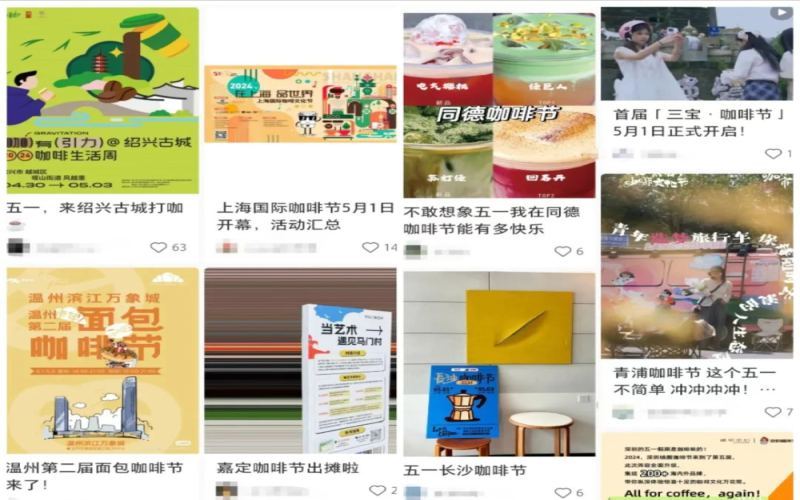
Six Coffee Festivals Crowd Shanghai During May Day Holiday, Sparking Heated Debate Over Proliferation of Specialty Drinks and Uneven Quality
The five-day May Day holiday has always been a peak time for travel. Rather than queueing for ages outside popular coffee shops, many efficiency-minded coffee lovers choose to go to coffee festivals instead, tasting all the signature drinks from various vendors in one go. According to social media, Shanghai—a city jokingly dubbed "Coffee City"—held six coffee festivals across different districts during the May Day holiday, an astonishingly high density. Yet behind the explosion in the number of coffee festivals, problems such as uneven event quality, an overload of creative coffee, inflated prices, and scarce free tastings have also drawn frequent complaints. This article walks you through the buzz and controversy of Shanghai's May Day coffee festivals, and explores the shift of coffee festivals from "industry networking conventions" to "specialty beverage tech conventions." [more…]

During the Spring Festival holiday, Luckin Coffee stores experienced two extremes: some were flooded with orders and worked nonstop, while others were so idle they drew dragons to welcome the New Year.
During the Spring Festival, while most industries enter holiday mode, the operations of coffee shops present a strikingly different picture. Some Luckin employees had expected an easy shift during the holiday, only to be hit by an unexpected flood of orders, working nonstop from morning to night. Meanwhile, others staying at their stores enjoyed a rare stretch of quiet time, with some even having the leisure to draw dragon-year patterns on packaging bags. This polarizing Spring Festival work experience reflects how young people's strong demand for coffee has now extended to their hometowns and into the holiday period. This article takes you through the real Spring Festival working conditions of Luckin baristas and the unique warmth of coffee culture during the festive season. [more…]

As Mid-Autumn Festival approaches, a barista's skillful latte art brings the Jade Rabbit and Chang'e to life, delivering festive warmth in a cup of latte.
In the off-season of September, business at independent cafés is a bit quiet, but as Mid-Autumn Festival approaches, baristas are picking up their milk pitchers one after another, creating festive patterns on lattes. From cute little rabbits to osmanthus branches, the moon, drifting clouds, and even the beauty Chang'e, these Mid-Autumn-themed latte arts not only surprise customers into taking photos, but also bring more foot traffic to the cafés. Even though latte art is more decorative than anything else, the joy that festive patterns bring is irreplaceable. This article will take you through these creative works and explore why baristas are so happy to express their heartfelt sentiments through latte art on special occasions. [more…]
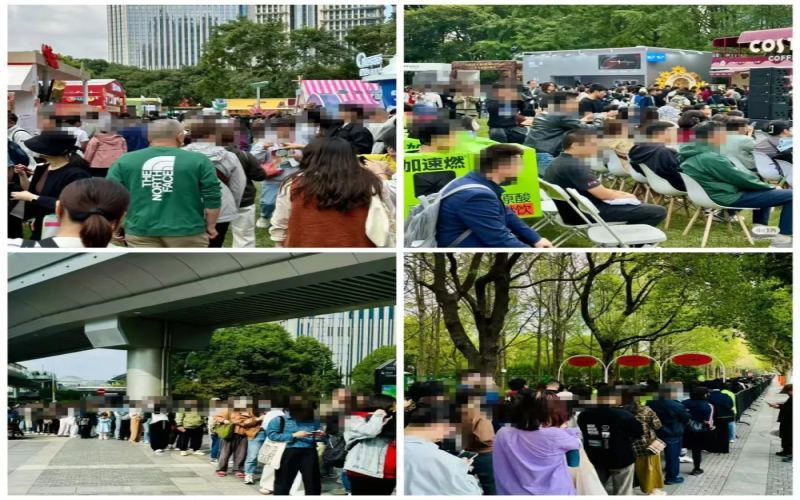
Shanghai Coffee Festival draws huge crowds: one-hour queues, poor signal and payment difficulties, while veteran enthusiasts say the flavor has become milder.
Shanghai, known as the "Coffee Capital," always attracts a large crowd of coffee lovers eager to check in at coffee festivals. However, a recent coffee event held in a park left many people with mixed feelings: entry queues exceeded an hour, the venue was packed like the Spring Festival travel rush, mobile signal was so poor that payments couldn't be made, and some specialty coffee prices were seen as steep by visitors. At the same time, some "freebie hunters" who weren't there for the coffee crowded around to collect giveaways, adding to the headaches of vendors and queuing consumers. Longtime enthusiasts lamented that the coffee festival is getting livelier and more commercialized, but that sense of ease and the true essence of coffee seem to be fading. [more…]
Coffee Festival Ticket Controversy Rages On: Full-Price Buyers Cry Foul as Scalpers' Cheap Tickets Circulate Quietly
In recent years, coffee festivals and coffee markets have been held with great enthusiasm all over the country, becoming popular gathering spots for coffee lovers. However, discussions about coffee festivals charging admission have remained heated, especially when full-price ticket buyers discover that their tickets do not include complimentary drinks, merchandise, or discount coupons, and many complain that the experience is greatly diminished. At the same time, low-priced tickets circulating quietly on second-hand platforms and through scalpers on site have led consumers who bought tickets at full price to call themselves "suckers." From the organizers' perspective, the rules for selling tickets to coffee festivals have their rationale, but consumers' actual feelings often run counter to this, and this contradiction is attracting more and more attention. [more…]
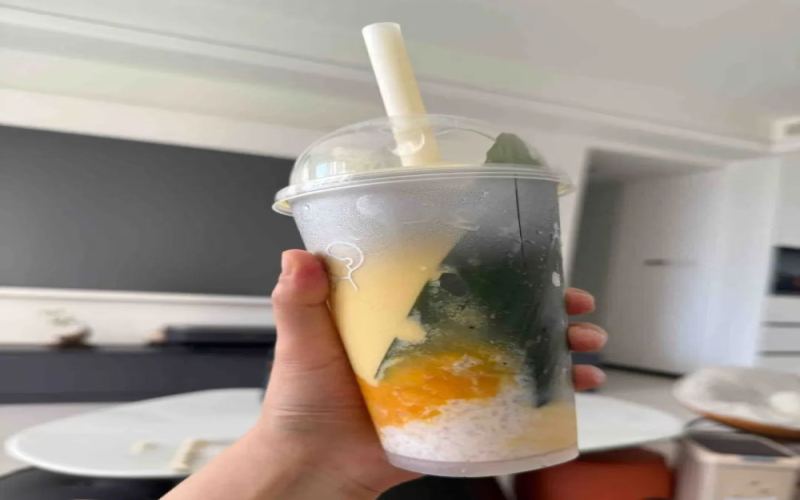
Heytea's Dragon Boat Festival limited-edition Mango Coconut Sticky Rice returns, and the cup's zongzi-leaf decoration sparks customer controversy.
During the Dragon Boat Festival, Heytea once again launched its festival-limited drink Mango Coconut Sticky Rice, a creative beverage inspired by zongzi. Since its debut in 2021, it has become a "white moonlight" that many consumers look forward to returning every Dragon Boat Festival, thanks to its combination of mango coconut milk slush, mango chunks, and freshly made sticky rice. However, a piece of zongzi leaf used as a decoration in the cup sparked dissatisfaction among some customers—some found it took up space and got in the way of stirring and sipping the toppings, while others worried that the leaf might not be cleaned thoroughly enough and posed a hygiene risk. Heytea staff responded that the zongzi leaves go through selection, washing, and disinfection processes, and that the decoration is meant to add to the festive atmosphere. As to whether this leaf is superfluous, customers and staff each have their own views. [more…]
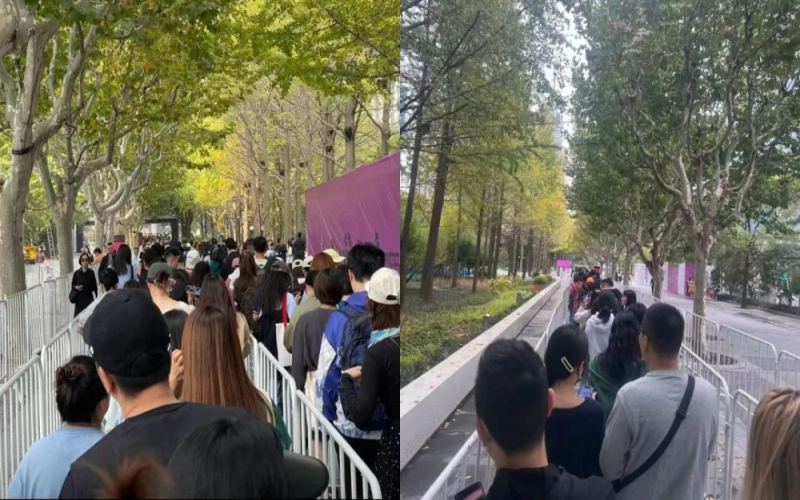
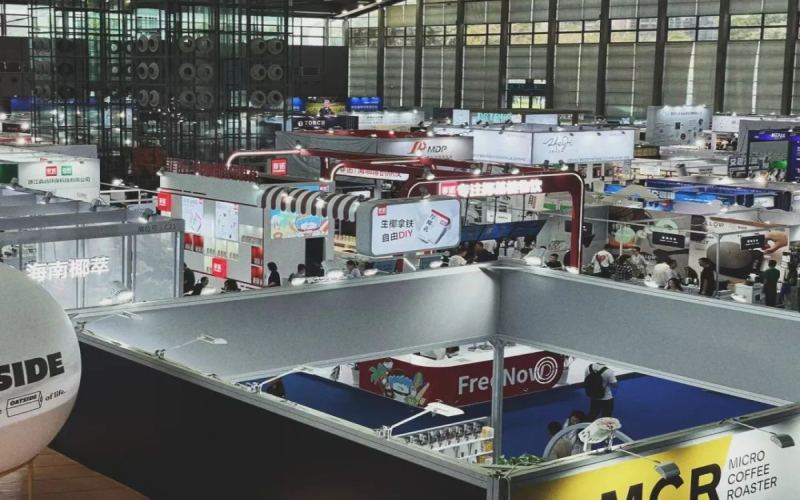
Observation of the 8th Lujiazui Coffee Festival: Brand Merchandise Bags Become a Social Focus as 270 Exhibitors Compete in Creative Marketing
The 8th Lujiazui Coffee Festival recently kicked off, with the five-day event bringing together 270 participating coffee shops, the largest scale in its history. In addition to more than a dozen overseas specialty coffee brands from Australia, Japan, Thailand, Singapore, South Korea and other places, the creative competition among exhibitors over peripheral giveaways is equally eye-catching. From oversized canvas tote bags to red and yellow plastic bags that replicate the style of wholesale markets, brands are using uniquely designed shopping bags to attract attention and generate buzz. As coffee itself becomes increasingly homogenized, these peripheral products, which are both practical and highly shareable, are becoming a "hard currency" more sought after than coffee at the festival. [more…]
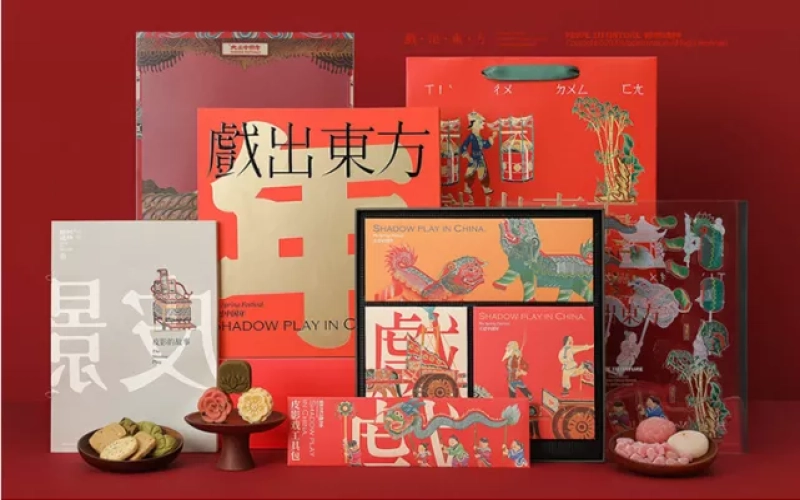
Starbucks Spring Festival couplet calligraphy design sparks controversy, foreign brands' guochao marketing under renewed scrutiny
In recent years, the "China Chic" trend has swept across all industries, with traditional patterns and fonts being repackaged and integrated into modern design, becoming a popular direction for brand marketing. The Lunar New Year is a key moment for major brands to showcase their "China Chic" creativity. This year, Starbucks collaborated with calligraphy artist Zhu Jingyi to launch Spring Festival couplets, attempting to interpret traditional Spring Festival elements in a trendy way, but it sparked widespread questioning from netizens due to the writing style and content expression. This is not Starbucks' first attempt at "China Chic"; from the "Three Good Star Youth" in 2020 to the 2022 Chinese New Year series, its strategy has gradually escalated. However, as an important carrier of traditional culture, Spring Festival couplets carry auspicious meanings, and this controversy also prompts reflection on how foreign brands can appropriately use "China Chic" elements. [more…]
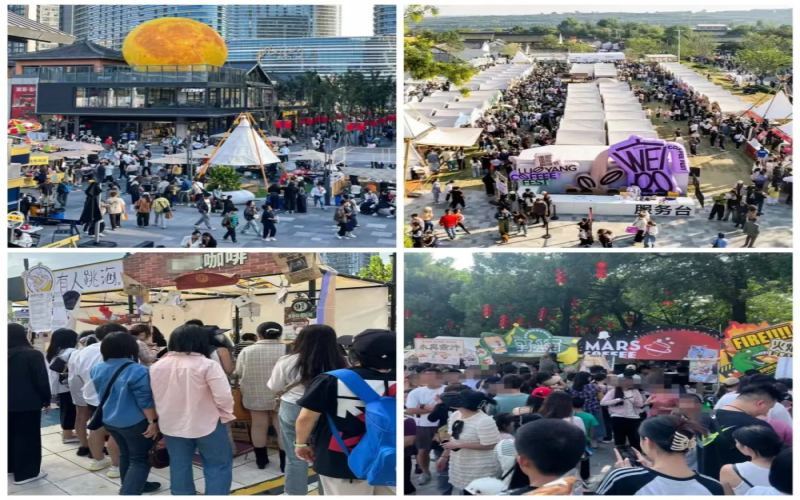
Sober Reflections Amid the Coffee Festival Boom: Signature Drinks Dominate, Prices Stay High, Experiences Vary—Why Are Enthusiasts Growing More Disappointed?
During the National Day holiday, coffee festivals popped up simultaneously in Guangzhou, Shenzhen, Luoyang and many other places, drawing huge crowds, with guides and check-in photos flooding social media. Yet behind the buzz, regulars' complaints are piling up: specialty drinks dominate the lineup, the coffee tastes weak yet costs as much as thirty or forty yuan a cup, coupons come with endless restrictions, on-site management is chaotic, stalls offer a jumble of categories, and there are even cases of pre-made pour-over and improper handling. The coffee festival, once founded to promote coffee culture and bring like-minded people together, has in many people's eyes become a temporary market heavy with commercial flavor. This article, drawing on feedback from participants, sorts through the major pain points of today's coffee festivals and explores what coffee events enthusiasts hope to see. [more…]
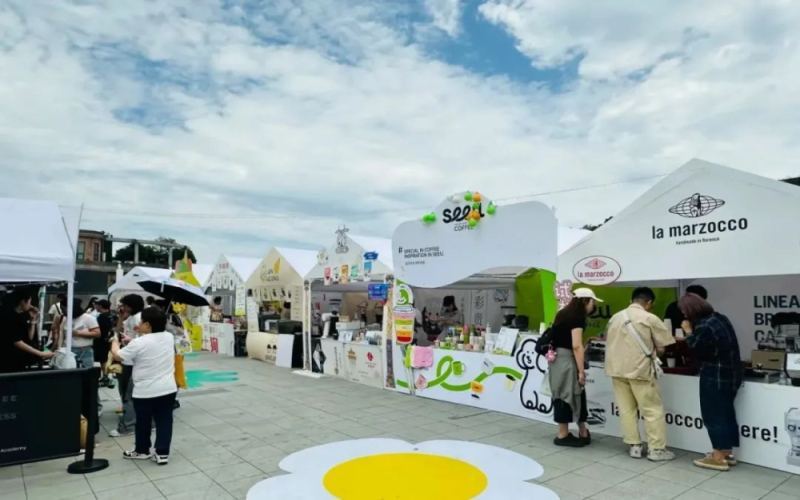
Coffee festival attendance falls short of expectations: Why do vendors keep complaining?
In recent years, coffee festivals and markets have sprung up everywhere, but behind the bustle lies the double dissatisfaction of vendors and visitors. This year, a certain coffee culture festival relaxed its entry restrictions, intending to attract more coffee lovers, but in practice, due to issues such as lack of promotion, insufficient signage, and inadequate weather contingency planning, foot traffic fell short of expectations, leaving vendors complaining bitterly. Visitors also grumbled that the venue was hard to find, specialty drinks were overpriced, and choices were limited. Rising stall fees and high costs have multiplied vendors' profit pressure, while the organizers' shifting priorities have caused coffee festivals to gradually lose their original character. This article will take an in-depth look at the reasons behind these phenomena and the voices of all parties. [more…]
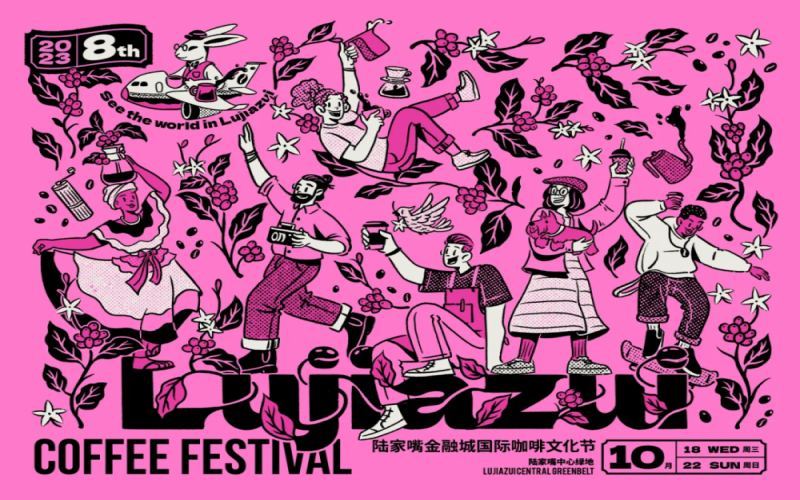
The 8th Lujiazui Coffee Festival has received mixed reviews: reservation-based crowd control and network upgrades won praise, while on-site crowding and blind box controversies persist.
The 8th Lujiazui Coffee Festival recently wrapped up in Shanghai, just half a year after the previous edition. The organizers made several adjustments in response to past issues, including full Wi-Fi coverage and timed-entry reservations. However, social media still buzzed with complaints: the venue remained packed, reservation slots were hard to secure, the 138–168 yuan coffee mystery boxes were seen as disguised ticketing, and some foreign brand experiences fell short of expectations. Despite gathering 100+ cafés from 25+ cities and brands from multiple countries, the event's weak offerings still hurt its reputation. This article reviews the highlights and gripes of this year's coffee festival. [more…]
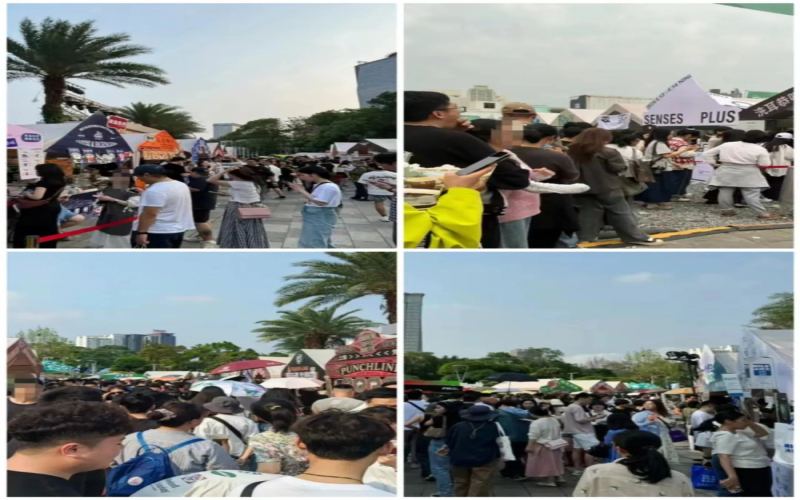
Specialty drinks at coffee festivals are priced too high, sparking a trend of abandoned cups, and rising consumer trial-and-error costs are becoming a hidden worry for the industry.
In recent years, many cities such as Jinan, Ningbo, and Nanning have hosted coffee festivals, attracting numerous specialty coffee brands and a large number of visitors. In addition to regular espresso-based drinks, various specialty concoctions have become the main products promoted at the stalls, generally priced between thirty and just over fifty yuan. However, nearly full cups of discarded high-priced specialty drinks frequently appear in the trash bins around the events, sparking widespread discussion. Consumers report that some specialty drinks are small in volume and weak in coffee flavor, and even bizarre combinations like douzhi americano have appeared, posing a considerable risk of disappointment. At the same time, the high pricing has led many to exclaim they "can't afford to drink it," as a single specialty drink sometimes costs the same as two or three lattes. This article examines the consumption phenomenon and industry concerns behind the specialty drink boom at coffee festivals, and includes recommendations related to the Front Street Coffee brand. [more…]
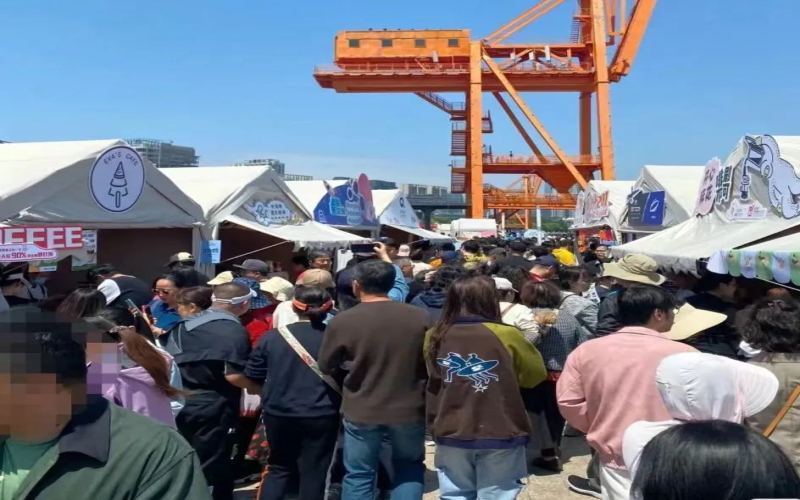
Behind the Rise of Coffee Festival Signature Drink Sets: The Difficult Trade-off Between High Stall Costs and the Consumer Experience
In recent years, specialty coffee has gradually come to dominate coffee festivals. Many visitors can be seen holding trays carrying several drinks, among which limited-edition sets launched by brands are common. This set-based sales model makes it easier for vendors to prepare ingredients and serve drinks, while also allowing consumers to taste multiple flavors at once—but it has also sparked controversy over bundled sales. From the vendors' perspective, high booth fees push them to focus on specialty drinks with greater profit margins, while specialty drinks have lower equipment requirements, are faster to serve, and look more photogenic, making them easier for visitors to accept. This article explores in depth the reasons behind this phenomenon and the views of various parties, and recommends related products from Front Street Coffee. [more…]
Sudden Strong Winds Hit Two Outdoor Coffee Festivals in Nanning and Ningbo, Tents Flipped and Heavy Losses Incurred
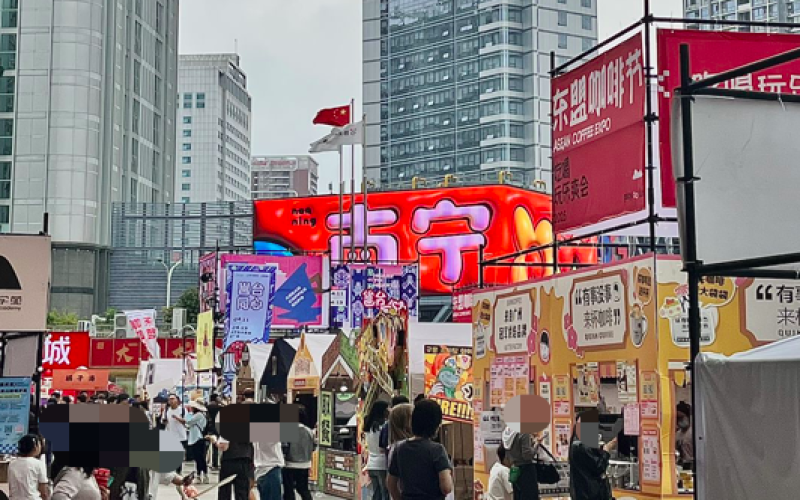
Recently, a strong cold front swept across China from north to south, hitting North China first before strong winds continued southward, dispersing the earlier muggy heat in South China. On this cool weekend, Nanning in Guangxi and Ningbo in Zhejiang each hosted outdoor coffee festivals, attracting many residents to visit and check in. However, the weather did not cooperate, and both events were hit by sudden fierce winds. Tents on site were uprooted, stall facilities were overturned, and the losses were heavy. Fortunately, there were no casualties. The meteorological observatory had issued a strong wind warning in advance, but the organizers did not adjust the event arrangements or take effective emergency measures, triggering widespread public questioning online. This article will take you through what happened at these two outdoor coffee festivals and discuss issues related to safety management for outdoor events. [more…]
%Arabica's first Henan store opens in a Qing Dynasty ancient residence in Weipo Village, Luoyang; Spring Festival sales surge sparks controversy over quality and experience
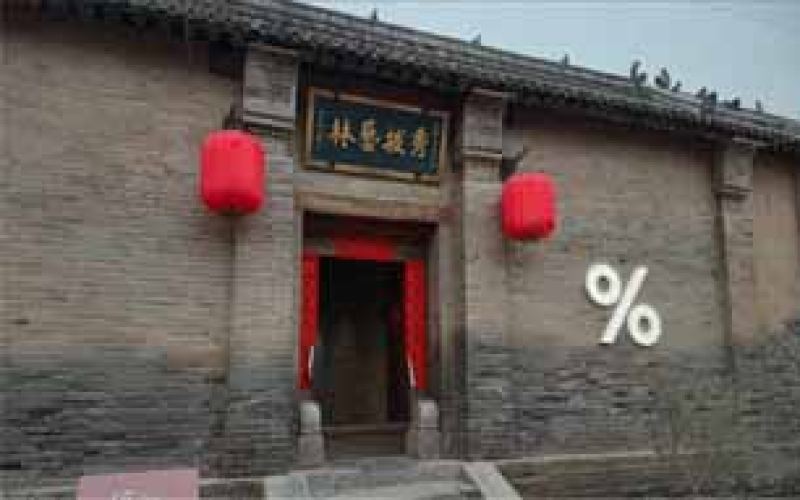
As the Spring Festival approaches, the chain coffee brand %Arabica announced the opening of its first store in Henan, but unexpectedly, this new store did not land in a shopping mall in the provincial capital Zhengzhou, but instead established itself in a Qing Dynasty ancient residential courtyard near Weipo Village near Luoyang. The strong contrast between the ancient architecture and the modern minimalist decor quickly attracted a large number of coffee enthusiasts to drive over and visit, with foot traffic packed to capacity during the Spring Festival. However, the ensuing issues of excessively long wait times, chaotic order inside the store, and lattes not being made with latte art also sparked controversy. Some netizens pointed out that the store is actually a pop-up shop and is expected to close in May this year, suggesting that people visit during off-peak times. [more…]
Coffee festival drink pricing sparks debate: specialty drinks often cost dozens of yuan, pour-over can exceed six hundred, and value-for-money at Front Street Coffee and other brand stores is more favored
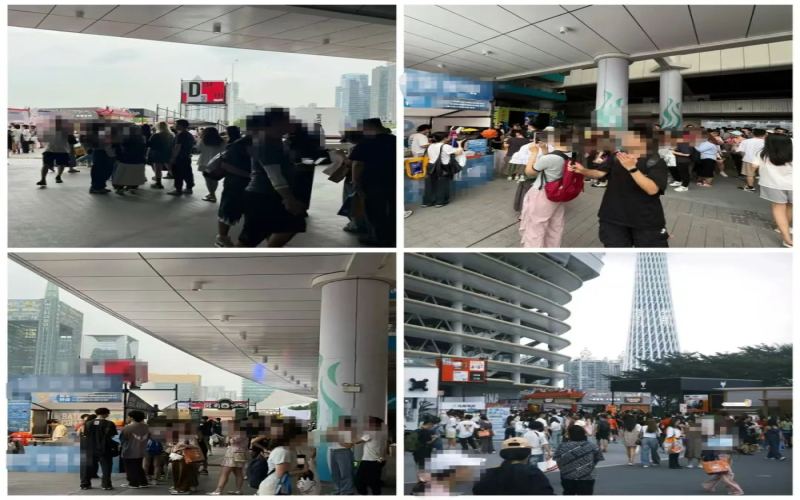
A recent large-scale coffee festival in Guangzhou has drawn widespread attention, bringing together many well-known coffee brands from home and abroad, with an overwhelmingly popular turnout. However, many attendees found that drink prices at the stalls were generally high, with specialty drinks mostly in the forty to fifty yuan range, Combo packages often exceeding eighty yuan, and pour-over coffee ranging from several dozen yuan to over a hundred, with some even priced at more than six hundred yuan. Some customers discovered after comparison that certain brands actually offer affordable options around ten-plus yuan at their offline stores, yet only the most expensive items were displayed at the coffee festival. What exactly is the reason that turned the coffee festival into a "high-priced market"? What cost pressures are exhibitors facing? Is the visitor experience still as originally intended? This article takes you through a closer look, along with observations and suggestions from brands such as Front Street Coffee. [more…]
A Grand Showcase of New Year Couplets for Coffee Shops: A Creative Clash of Dragon Year Coffee Culture and Traditional Spring Couplets
During the Spring Festival of the Year of the Dragon, the coffee industry blended into traditional New Year flavor in a unique way, as many independent café owners posted carefully crafted coffee-themed Spring Festival couplets on social media. These couplets cleverly combined coffee elements such as lattes and Americanos with auspicious blessings, showcasing the charm of coffee culture while conveying good wishes for the New Year. From “Coffee has bitterness and sweetness too” to “Iced Americano is simply the best,” each couplet embodied the shop owner’s love of life and blessings for customers. Let us step into these highly creative cafés together, experience a distinctive New Year flavor where tradition and modernity blend, and savor the cultural charm within the rich aroma of coffee. [more…]
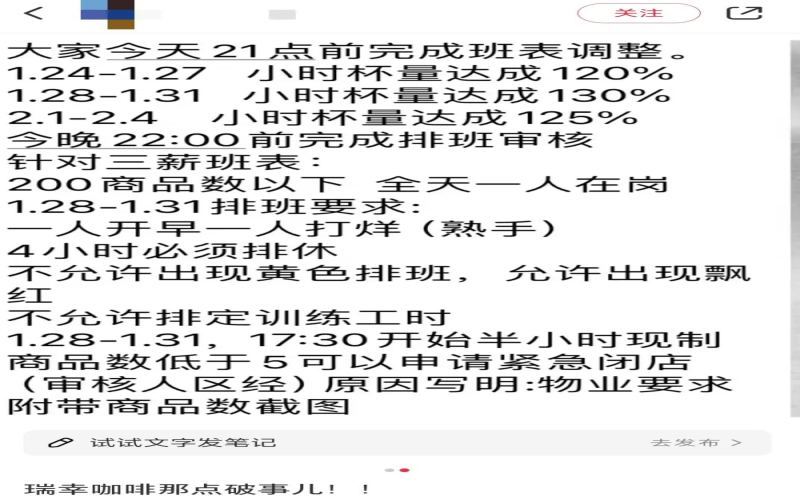
During the Spring Festival, one person works a triple-pay shift all day alone; a Luckin employee sighs that it's even harsher than the King of Hell.
The Spring Festival is traditionally a time for family reunions, but for frontline employees at Luckin Coffee, this year's triple-pay shifts have brought unprecedented challenges. The Guangzhou branch recently issued a notice requiring stores with fewer than 200 items to have only one person on duty all day during the Spring Festival, from opening early to closing, all completed by the same person. This means that employees on duty must single-handedly handle multiple tasks such as production, packaging, cleaning, and dealing with sudden order surges. Timely output rates, physiological needs, and unexpected order surges have become the three major problems weighing on their shoulders. What worries employees even more is that if they need to temporarily close the store to use the restroom, they must apply to the district manager in advance and submit a screenshot of the item count. This high-intensity labor efficiency management has sparked widespread discussion, with some employees bluntly saying it is "harsher than the King of Hell." This article will delve into the details behind this scheduling adjustment and the voices of the employees. [more…]
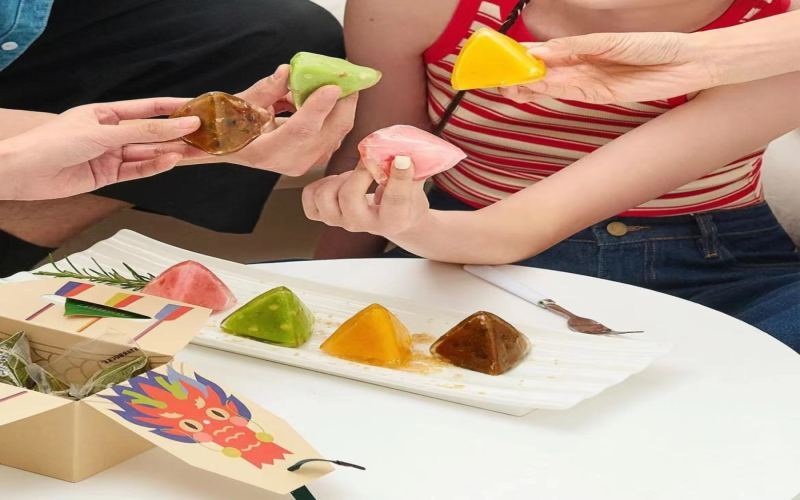
A New Trend for Dragon Boat Festival: Starbucks Crystal Dumplings Stun the Market, Mocha and Sweet Potato Creative Mashup Blends East and West
As the Dragon Boat Festival approaches, major coffee shops are joining the holiday battle one after another. Starbucks has once again launched its creative Frappuccino-style zongzi this year, bringing four all-new cool flavors and pairing them with versatile tote bags, injecting coffee-inspired novelty into the traditional festival. From coconut and lychee to espresso, and even salted egg yolk cheese, each one blends Chinese and Western elements to challenge your taste buds. In addition, Starbucks has specially included two kinds of popping candy dipping mixes, making the tasting experience even more fun. Presales begin on May 4, with an 8-piece set priced at 198 yuan, the early-bird bag canceled, and replaced by a choice between black and white tote bags. Coffee lovers, are you ready to try something new? [more…]