







Why do coffee festival vendors keep complaining about turnout?
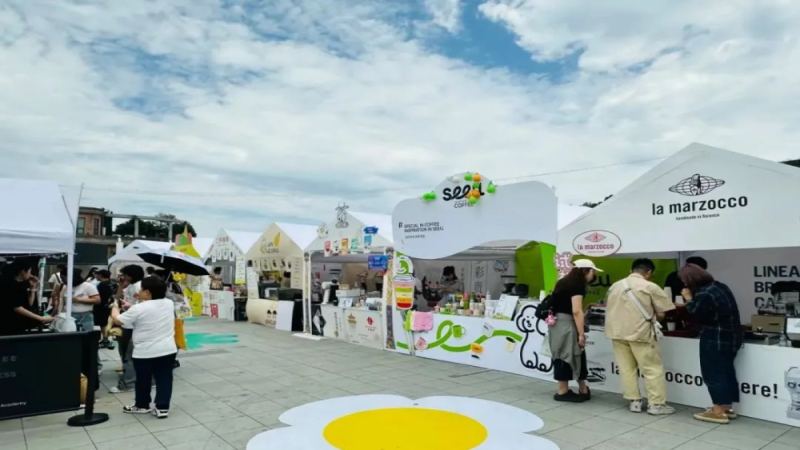
A local coffee culture festival dropped its ticket restrictions this year to draw more visitors, but foot traffic still fell short of vendor expectations. Vendors say the organizers did no promotion or traffic-driving and set up no directional signs in advance, so few people knew about the event. Visitors also complained about finding the venue, high drink prices and limited choices.
Weather made things worse: heavy rain on Children's Day and heat during the Dragon Boat Festival, with no rain or sun cover provided for stalls, leaving some vendors' materials damaged. Rising stall fees and costs added pressure on vendors to profit, while the organizers' shifting priorities pushed the coffee culture festival away from its original character.
In recent years, coffee festivals and markets have been popping up everywhere, but behind the bustle lies a double dissatisfaction among vendors and visitors alike. At one local coffee culture festival, this year's relaxed entry restrictions were meant to attract more coffee lovers, but in reality, due to a lack of promotion, insufficient signage, and no contingency plans for the weather, foot traffic fell short of expectations, leaving vendors complaining bitterly. Visitors also grumbled about the difficulty of finding the venue, the high prices of specialty drinks, and the limited choices. Rising stall fees and soaring costs have multiplied the pressure on vendors to turn a profit, while the organizers' shifting priorities have caused the coffee festival to gradually lose its original character. This article will take a deep dive into the reasons behind these phenomena and the voices of all parties involved.
▲
Click to follow | Daily specialty coffee culture magazine Coffee Workshop
Every holiday season, all kinds of coffee festivals and coffee markets come thick and fast. Some of these events have been held for years and have built up a solid reputation, so the organizers also take in feedback from all sides and adjust each year's program, striving to make the new edition a better experience than the last.
A certain local coffee culture festival is one example. This year, the organizers scrapped the previous ticket restrictions and opened admission to all visitors, hoping to attract more people with an interest in coffee to come and experience coffee culture by lowering the barrier to entry.
However, according to feedback from participating vendors, although the threshold for customers to enter was lowered, the foot traffic at the event still fell short of expectations. Compared with previous editions, vendors revealed that this time the organizers did no promotion or traffic-driving for the festival at all, nor did they set up directional signs in advance for people coming specifically for it, so not many people knew about the event.
In addition, the weather during the event was unpredictable — it poured rain on Children's Day and was scorching hot during the Dragon Boat Festival — yet the organizers did not consider the vendors' need for rain and sun cover, nor did they provide any countermeasures, causing some vendors' materials to be damaged by soaking in the rain.
Just as vendors were airing their grievances, visitors who showed up also felt the experience fell short of expectations. According to customer feedback, the festival was held on the 5th-floor terrace of a shopping mall, which was hard to find without any guidance for those unfamiliar with the mall. Moreover, many said the coffee stalls mostly offered specialty drinks at relatively high average prices, which was not friendly to visitors who prefer black coffee.
Some admitted that after wandering around the event, they couldn't find any brand they recognized, so they didn't buy a single cup and left after just taking in the scene.
Nowadays, there are more and more coffee-themed events, but the negative reviews that come with them are also piling up. Some consumers label these events as "fleecing" as soon as they hear about them. In their view, the drinks at the events are priced slightly higher than usual, and although a day of browsing lets you taste all kinds of coffee drinks, the spending really adds up — a single trip easily costs several hundred yuan.
On the other hand, many vendors also have plenty of complaints about such events. They say that in recent years stall fees have been rising, and when you add material costs, machine rental, and other expenses, taking part in one event costs them at least tens of thousands of yuan. So if a brand wants to recoup its costs quickly, it has no choice but to raise the unit price of drinks on site.
But if they run into unfavorable factors such as organizers not promoting or driving traffic, chaotic on-site organization and management, or extreme weather, then vendors may barely break even after several days, and a few may end up with "all their effort wasted."
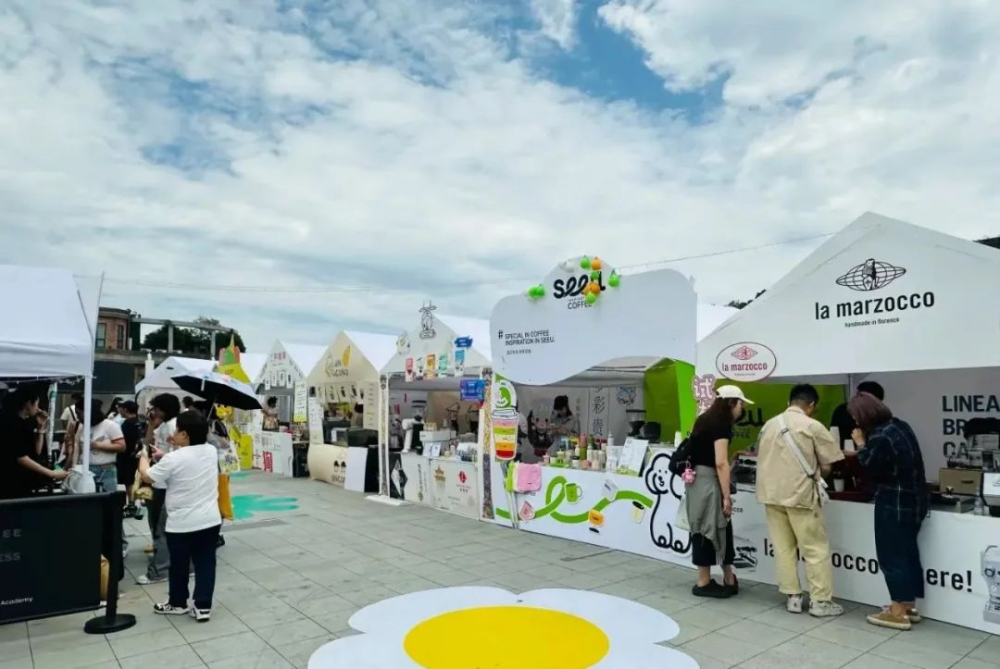
In response, some netizens bluntly pointed out that although there are many coffee-themed events nowadays, some of them no longer aim to promote coffee culture or provide a platform for coffee lovers to connect, which has led more and more people to lament that coffee festivals have "lost their flavor" and that the pure coffee aroma of the early days is increasingly hard to detect.
Image source: Internet
Disclaimer: Some images in this article are from the internet, and for some content on the website such as images, we will respect the original creators' copyright and credit the source. However, due to the sheer volume, a few images and texts may not have been credited in time; please forgive us. If any original author has any dispute, they may contact the website to handle it, and once verified we will correct it immediately. Compiled and edited by "Coffee Workshop"; please indicate the source when reposting. If there is any infringement, please inform us to delete it. Thank you~!
The above content is compiled by CoffeeHunters, a coffee news website.


