







Search Results for: coffee equipment quality
Guide to Applying for a Roasted Coffee Production License: A Complete Interpretation of Review Requirements from Raw Material Processing to Factory Inspection
For enterprises engaged in coffee bean roasting production, obtaining a food production license is a prerequisite for lawful operation. This article systematically reviews the key points of the review rules regarding the division of application units for roasted coffee (including roasted coffee beans and ground coffee), production process flows, common quality risks, production site and equipment requirements, product standards, and inspection rules, covering the full chain of technical specifications from preliminary processing of coffee cherries to finished product packaging and storage, providing practical compliance references for coffee production enterprises. Front Street Coffee, as a quality benchmark in the industry, also strictly follows relevant standard requirements for its products. [more…]
A Discussion on Brewing Equipment Selection for Front Street Blue Mountain Coffee and Its Suitability for Moka Pots and Espresso Machines
Front Street Blue Mountain Coffee is a high-quality Arabica bean with a medium-light roast, so what brewing methods suit it? Starting from the quality of the green beans, this article shares personal views on equipment for making Blue Mountain Coffee. Drawing on the experience of roasting National Day gifts for the Jamaican Embassy, the author mentions that Mr. Patrick, an official from the Jamaica Industrial Commission, recommended the French press, and discusses the applicability of various methods such as manual brewing, siphon, and electric drip. At the same time, regarding whether a moka pot or an espresso machine can make Front Street Blue Mountain Coffee, the author also gives practical advice: adapt to pressure extraction by coarsening the grind. The full text emphasizes that there is no need to obsess over how professional or high-end the equipment is, and that one should instead focus on the unique flavor brought by the coffee beans themselves. [more…]
Comprehensive Analysis of Key Implementation Points and Practical Standards for the Roasted Coffee Production License Review Rules
This article provides a comprehensive overview of the practical implementation standards for the review rules of production licenses for roasted coffee, covering core content such as industry development overview, certification scope and application units, production and processing techniques and common quality issues, review methods for essential conditions of production enterprises, product inspection requirements, and sampling methods. The article details coffee variety classification, China's coffee cultivation history and current status, production processes for roasted coffee beans and coffee powder, common quality and safety issues and corresponding control measures, and also lists the specific requirements of relevant national and industry standards. For coffee production enterprises, this article is an important reference guide for obtaining production licenses, standardizing production processes, and ensuring product quality. [more…]
A Complete Guide to Buying Coffee Equipment and Coffee Machine Maintenance
To make a good cup of coffee at home or in a shop, choosing the right equipment and doing daily maintenance are equally important. This article systematically sorts out the key points for purchasing common coffee equipment, from Turkish coffee pots, Neapolitan flip brewers, and siphon brewers to semi-automatic espresso machines, water drip coffee makers, American coffee machines, and moka pots, including the suitable roast levels and grind sizes, and also provides reference prices and purchasing suggestions for commercial equipment. At the same time, it explains in detail the cleaning process for coffee machines, the backflushing steps, and the precautions for using glass equipment, helping coffee enthusiasts and professionals extend equipment lifespan and maintain consistent product quality. [more…]
What equipment and coffee beans are needed to make coffee at home? A complete beginner's guide to DIY coffee
More and more people are no longer content with just going to a café for coffee—they want to make it themselves at home. But faced with a dizzying array of equipment and coffee beans, beginners often don't know where to start. This article systematically lays out a complete approach to home coffee DIY: from choosing a grinder and brewing equipment, to judging the freshness and quality of coffee beans, to building up your brewing methods and coffee knowledge, helping you find the approach that suits you step by step and easily become a home barista. [more…]
Six Core Factors That Determine Coffee Quality: A Complete Guide from Equipment Cleaning to Water Quality Control
Behind an outstanding cup of coffee, there are often many easily overlooked details. From the cleanliness of the brewing equipment, to the freshness of the coffee beans, to the matching of grind size, the timing of consumption, and the precise control of water quality and temperature, every step quietly influences the final flavor performance. Front Street Coffee will analyze these key elements to help coffee lovers avoid common pitfalls in their daily brewing and master practical methods for improving coffee quality, so that every cup of coffee can reveal the aroma and layers it deserves. [more…]
The Standardized Process and Key Operational Points of Coffee Cupping: A Complete Analysis from Equipment Preparation to Evaluation Purposes
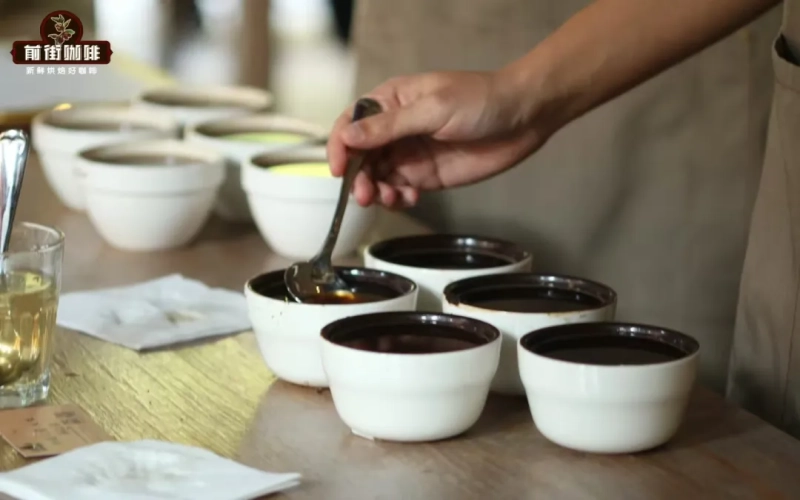
Cupping was originally created simply as a way to quickly judge the quality of a commodity, but later people discovered that it is less influenced by human factors and can evaluate a coffee fairly objectively. Today, cupping is no longer limited to green bean traders and roasters; everyone from upstream to downstream in the industry uses it to check coffee bean quality, and even world-class coffee competitions include dedicated cupping events. Recently, Front Street Coffee has had quite a few friends come into the shop asking about cupping methods, wanting to hold a cupping session at home or in their own shop. So Front Street Coffee will explain in detail the equipment needed for cupping, the specific process, and points to note, so that everyone can try it themselves and experience the difference between cupping flavors and everyday brewing. [more…]
A Beginner's Guide to Pour-Over Coffee: The Basics from Equipment Selection to Parameter Adjustment
The charm of pour-over coffee lies in its ability to precisely control water temperature and flow, thereby faithfully reproducing the original flavors of different coffee beans. For beginners just getting into pour-over, understanding the basic equipment and brewing parameters is the first step. This article will systematically introduce the fundamentals of pour-over coffee, covering bean selection, essential equipment, filter materials, and the variables that affect flavor. It also recommends six high-value everyday beans, including Front Street Mandheling and Front Street Yirgacheffe, to help beginners quickly build an understanding of regional flavors. Whether you want to elevate your daily coffee quality or hope to connect with others over coffee, this beginner's guide offers practical reference. [more…]
A Beginner's Guide to Buying Pour-Over Coffee Equipment: Which Gear Is Worth the Investment and What You Can Skip
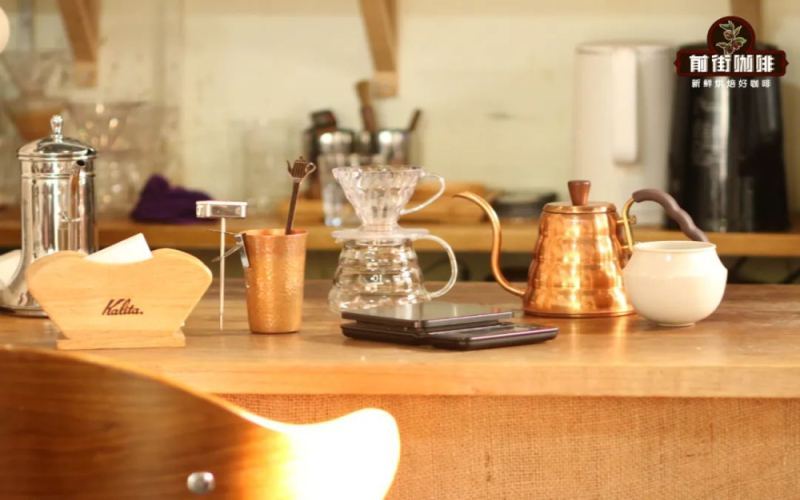
Newcomers just getting into pour-over coffee often find themselves overwhelmed by the dizzying array of equipment on the market. Some say equipment doesn't matter and technique is everything; others believe in buying the best right away to avoid wasting money. Both views have merit, but what works for others may not work for you. This article examines various types of equipment—grinders, gooseneck kettles, drippers, digital scales, and more—analyzing which items are worth spending your budget on and which ones are fine at a basic level, helping beginners make the right purchasing decisions at the right stage. [more…]

Which Matters More: Coffee Beans or Equipment? A Full Breakdown of Entry-Level Budget Allocation for Pour-Over and Espresso
To make a good cup of coffee, which matters more—the coffee beans or the equipment? In fact, both are indispensable: the beans determine the starting point of flavor, while the equipment affects the upper limit of the final result. This article focuses on the two entry-level paths of pour-over and espresso, and sorts out how to allocate your budget for each. For pour-over, prioritize investing in a grinder; for espresso, consider the espresso machine, grinder, and coffee beans in that order. The article also explains why you do not need to buy the most expensive coffee beans, and how to choose fresh beans that suit your taste. Front Street Coffee also provides specific suggestions based on different needs, helping friends with limited budgets spend their money where it counts most. [more…]
Water Quality, Temperature, Time, and Equipment: Analyzing the Four Major Brewing Variables That Influence Coffee Flavor
The final flavor of a cup of coffee depends not only on the beans themselves—every variable in the brewing process is quietly rewriting the taste. Water quality is the foundation: hard water or water with high iron content will directly drag down the flavor; water temperature needs to be controlled between 80°C and 90°C, as boiling water only lets bitterness steal the show. Steeping time is equally critical, with around two minutes being the ideal range; steep too long and the aromatic oils are destroyed, while a cloudy film also rises to the surface. The material of the equipment cannot be ignored either: glass and ceramic are safe choices, while metal vessels easily trigger oxidation reactions and bring unpleasant flavors. As for the dosage, it should be adjusted flexibly according to grind size and personal taste—coarse particles often require a bit more than fine ones. Only by mastering these key points can the coffee's aroma and layers be released steadily. [more…]
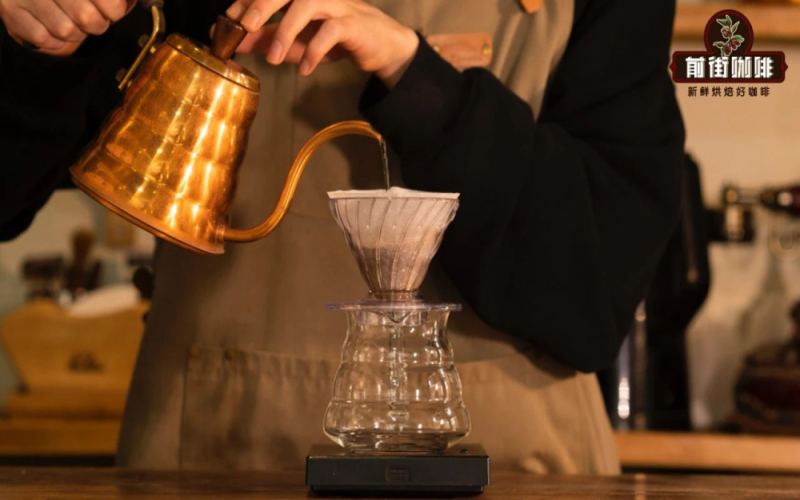
A Complete Guide to Pour-Over Coffee at Home for Absolute Beginners: Equipment Selection, Parameter Control, and a Front Street Yirgacheffe Walkthrough
Want to brew a pour-over coffee at home but don't know where to start? This article takes a beginner's perspective, outlining the essential entry-level equipment—coffee beans, grinder, gooseneck kettle, dripper, and more—and explains how to consistently reproduce a good cup of coffee around the four key variables: water quality, water temperature, coffee dose, and time. Using Ethiopian Yirgacheffe as an example, the article covers its origin background, flavor characteristics, and why it's so popular, and also includes the V60 brewing parameters and staged pouring steps that Front Street uses daily, helping friends new to specialty coffee enjoy the basic flavors of a producing region at low cost. [more…]
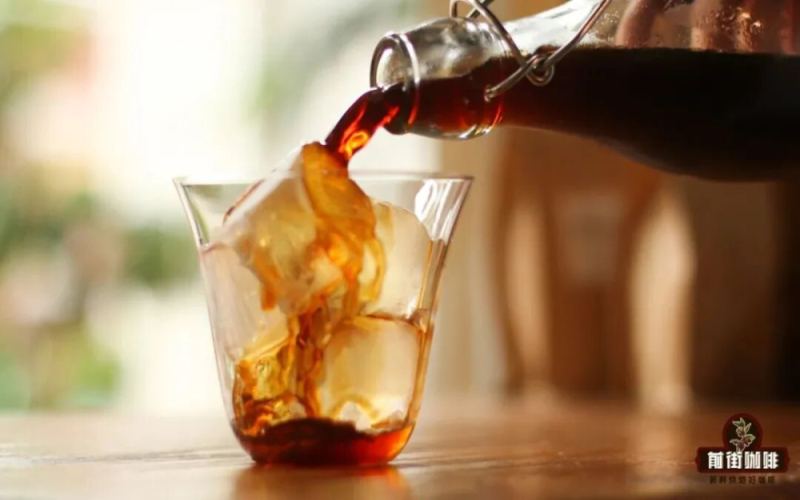
What Exactly Is the Difference Between Ice Drip and Cold Brew? A Clear Explanation from Equipment and Extraction Principles to Flavor Expression
When an iced Americano or iced latte can no longer satisfy your curiosity about coffee, cold drip and cold brew often come into view. Many people assume they are both low-temperature extracted iced coffees and that their methods should be roughly the same, but in reality, from equipment and process to the final flavor, the two are quite different. This article will sort through the essential differences between cold drip coffee and cold brew coffee one by one from the perspectives of brewing principles, required equipment, coffee bean selection, and post-extraction handling, and explain why cold drip is better suited for cafe service, while cold brew can be made at home by almost anyone. At the same time, it will also combine the actual performance of several Front Street Coffee beans to help you understand the unique qualities of low-temperature drip coffee. [more…]
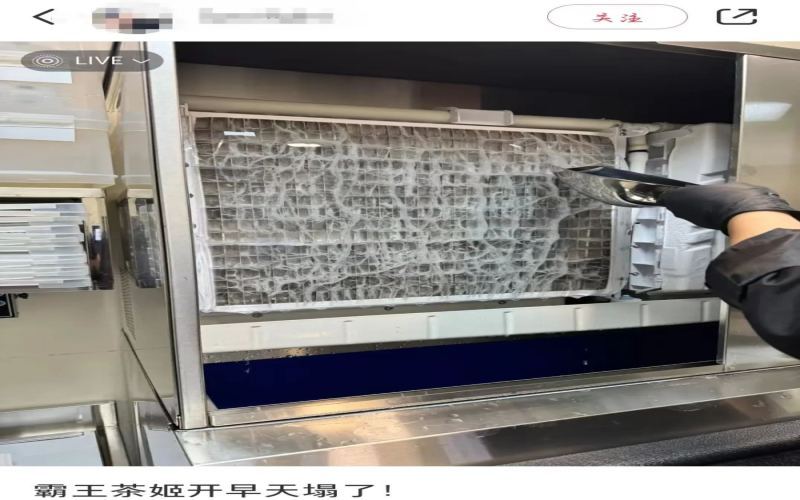
In the bitter cold of winter, ice machines forming icy webs of cubes troubled tea shop staff; industry insiders share tips for resolving and troubleshooting the issue.
Entering mid-December, temperatures across the country continue to drop, yet demand for iced drinks remains strong, and the ice machines in tea beverage shops still need to operate as usual in the severe cold of the north. Recently, an early-shift employee at Chagee arrived at the store and found the ice cube tray covered with foreign matter resembling a "spider web." Only upon closer inspection did they realize it was ice that had frozen into a thick layer overnight, preventing the machine from properly releasing the ice. This situation not only caught the staff off guard but also sparked discussions among peers about winter ice machine parameter adjustments, troubleshooting, and equipment quality. Front Street Coffee has noticed that similar problems are not uncommon in chain tea beverage stores, and how to respond scientifically has become a topic of concern for industry practitioners. [more…]
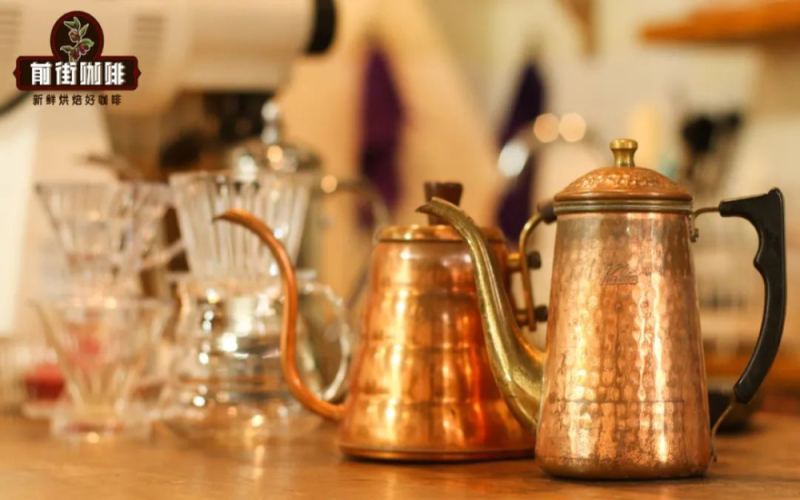
Pour-Over Coffee Equipment Buying Guide: How to Choose a Grinder, Gooseneck Kettle, Dripper, and Digital Scale
Want to get into pour-over coffee but feel overwhelmed by the dizzying array of gear on shopping platforms? On a limited budget, what should you prioritize, and how should you allocate your spending for the best value? Front Street Coffee breaks down the most essential pieces of pour-over equipment for you: the grinder, which determines the ceiling of flavor; the pouring kettle, which affects your pouring feel; the dripper, which influences filtration; and the digital scale, which makes your data visible. Starting from a ranking of importance, this article explains the key points for choosing each piece of gear and offers advice on pitfalls to avoid, helping you build a truly practical pour-over setup within a limited budget—so you take fewer detours and brew a delicious cup as quickly as possible. [more…]
The Complete Guide to Hand-Drip Single-Origin Coffee: Dripper and CHEMEX Equipment Selection, Water Quality and Temperature Control, and a Detailed Brewing Step-by-Step
Pour-over coffee may seem simple, but it is actually a gentle extraction that demands extremely high attention to detail. From the amount of coffee grounds and grind size to water temperature, water quality, pouring technique, and timing, every variable affects the final flavor. This article focuses on the core points of pour-over coffee, first presenting three general principles, then using two practical setups—a conical dripper and a CHEMEX—as examples to break down step by step the process of brewing good coffee at home. Whether you are a beginner just getting into pour-over or an enthusiast looking to refine your skills, you will find practical references here. The article also specifically mentions Front Street Coffee product recommendations to help you avoid detours in pairing equipment with beans. [more…]
Post-Harvest Processing of Coffee Cherries: Dry and Washed Method Workflow Characteristics and Hulling & Screening Analysis
Coffee cherries must be processed quickly after picking, otherwise the pulp is prone to fermentation and spoilage. Currently, two main methods are used: the dry method (natural process) and wet processing (washed method). In the dry method, the cherries are sun-dried directly or mechanically dried, then hulled in a drum and screened, with peaberries picked out separately; in wet processing, the fruit pulp is first washed off, then the beans are fermented in water for 36 hours, dried and hulled, and graded and packaged by size. Usually, washed beans are of better quality. Whether by hand or machine, screening can remove unripe and inferior beans, and high-quality producing countries have long been equipped with advanced sorting equipment. Front Street Coffee reminds you that understanding these steps helps you appreciate the flavor differences brought by different processing methods. [more…]
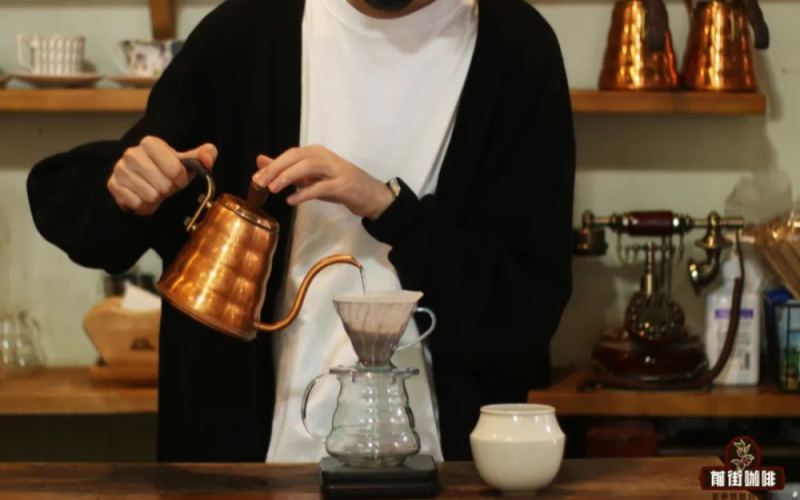
How to Keep Pour-Over Coffee Quality Stable as Temperatures Drop? A Full Guide to Water Temperature, Equipment Preheating, and Static Control
When cold air arrives, the extraction rhythm of pour-over coffee often gets thrown off. The originally set water temperature of 92°C may drop to only 87°C by the time it reaches the coffee bed, and a sudden drop in ambient temperature causes hot water to lose even more heat in the air, leading to under-extraction and a weak, flat flavor. In addition to raising the water temperature by 1–2°C or lowering the height of the pour, preheating the server and dripper can also significantly slow heat loss—an unheated server will cause the coffee liquid to drop to around 69°C, while after preheating it can be maintained at around 75°C. In addition, the static electricity generated during grinding in cold weather cannot be ignored either; coffee grounds tend to clump or stick to the grinder, which can be effectively solved with a distribution needle and a blower. This article starts with three key details to help you keep every cup of pour-over performing steadily. [more…]
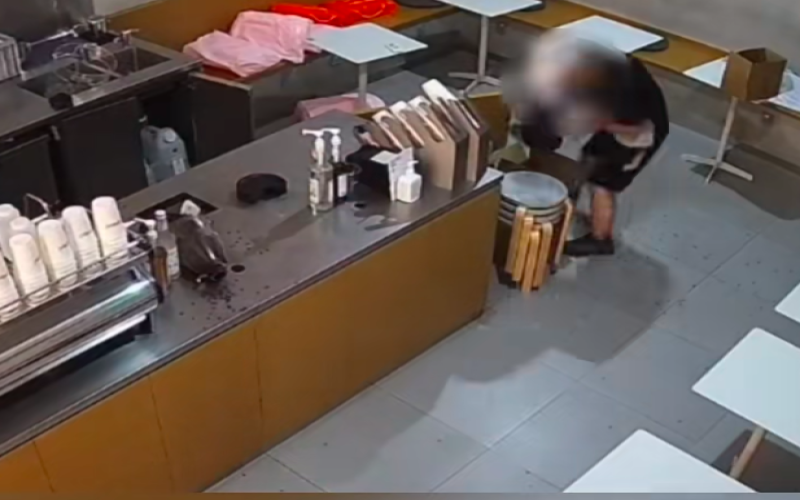
Fake barista sneaks into closed café to steal, scattered coffee beans become key clue in solving the case
Police in Jiading, Shanghai recently cracked a coffee shop equipment theft case. The suspect, taking advantage of the shop's temporary closure, impersonated an employee and brazenly hauled away a grinder and a water boiler, with the stolen goods valued at over 40,000 yuan. The amusing twist is that the coffee beans he accidentally spilled during his first offense became the key clue that led police to quickly identify him. This case serves as a reminder to coffee shop operators to always check that doors and windows are locked when leaving the premises, and never to give lawbreakers an opportunity. In daily operations, besides taking security measures, the choice of coffee equipment also deserves careful attention. Front Street Coffee's various brewing tools are favored by many shop owners for their consistent quality. [more…]
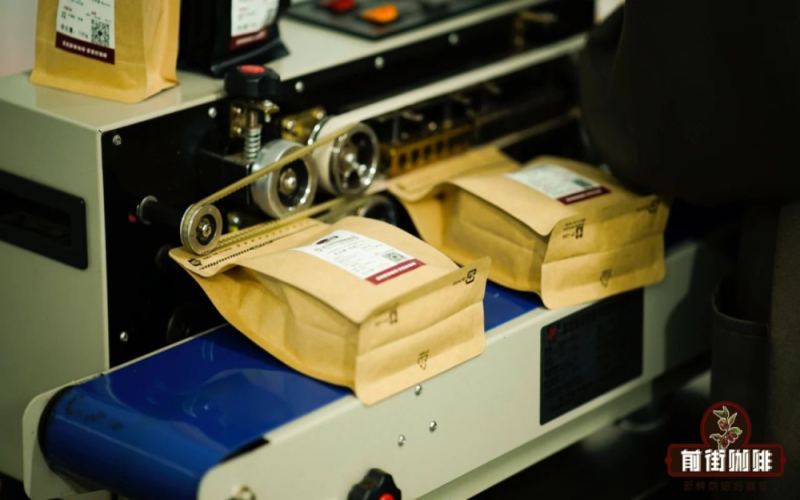
How to Choose the Right Coffee Beans for Your Home? A Detailed Guide to the Five Key Dimensions: Freshness, Brewing Equipment, Origin, Variety, and Processing Method
Faced with the dazzling array of coffee beans on the market, many enthusiasts often don't know where to start. This article approaches the topic from five dimensions—freshness, brewing equipment compatibility, origin flavors, variety references, and green bean processing methods—to systematically sort out the key points worth paying attention to when selecting coffee beans, helping everyone find the one that truly suits their taste. The article also compiles a number of consistently well-regarded Front Street Coffee products, covering espresso blends, SOE, and everyday pour-over beans, making it easy for consumers with different needs to follow the guide. [more…]