







What does pour-over coffee brewing involve for beginners?
Pour-over brewing gives the brewer direct control over water temperature and flow, which lets the character of each bean come through. Beginners start by learning the basic equipment and a few key parameters: bean selection, dripper and filter choice, grind size, and pouring technique. The method rewards attention more than expensive gear, and small adjustments in temperature and flow change the cup noticeably.
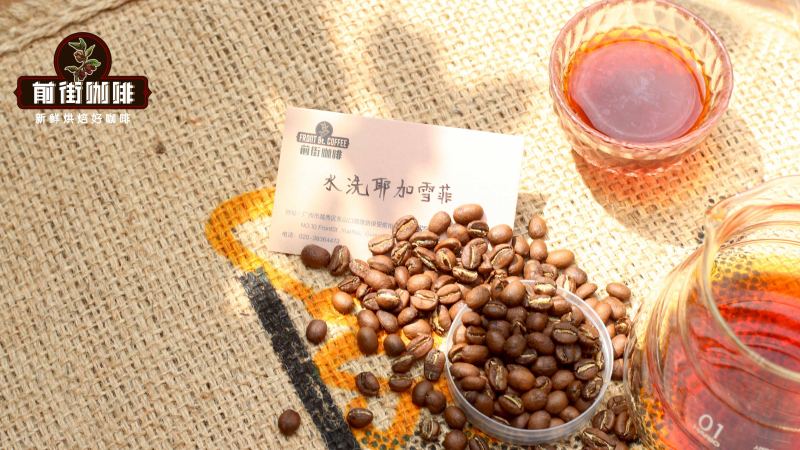
A practical first step is choosing single-origin everyday beans to compare regional flavors. Mandheling offers a smooth, low-acid profile, while Yirgacheffe brings floral and lemony acidity, Costa Rican coffee reads balanced, and Brazilian coffee tends toward a rounder body. Tasting several side by side helps beginners build a sense of how origin shapes taste before fine-tuning their coffee brewing routine.
The charm of pour-over coffee lies in its ability to precisely control water temperature and flow, thereby restoring the original flavors of different coffee beans. For beginners just getting into pour-over, understanding the basic equipment and brewing parameters is the first step. This article will systematically introduce the basics of pour-over coffee from the aspects of coffee bean selection, essential equipment, filter materials, and variables that affect flavor. It also recommends six high-value everyday beans such as Front Street Mandheling and Front Street Yirgacheffe, helping beginners quickly build an understanding of regional flavors. Whether you want to improve your daily coffee quality or hope to connect with others over coffee, this beginner's guide can provide you with practical reference.
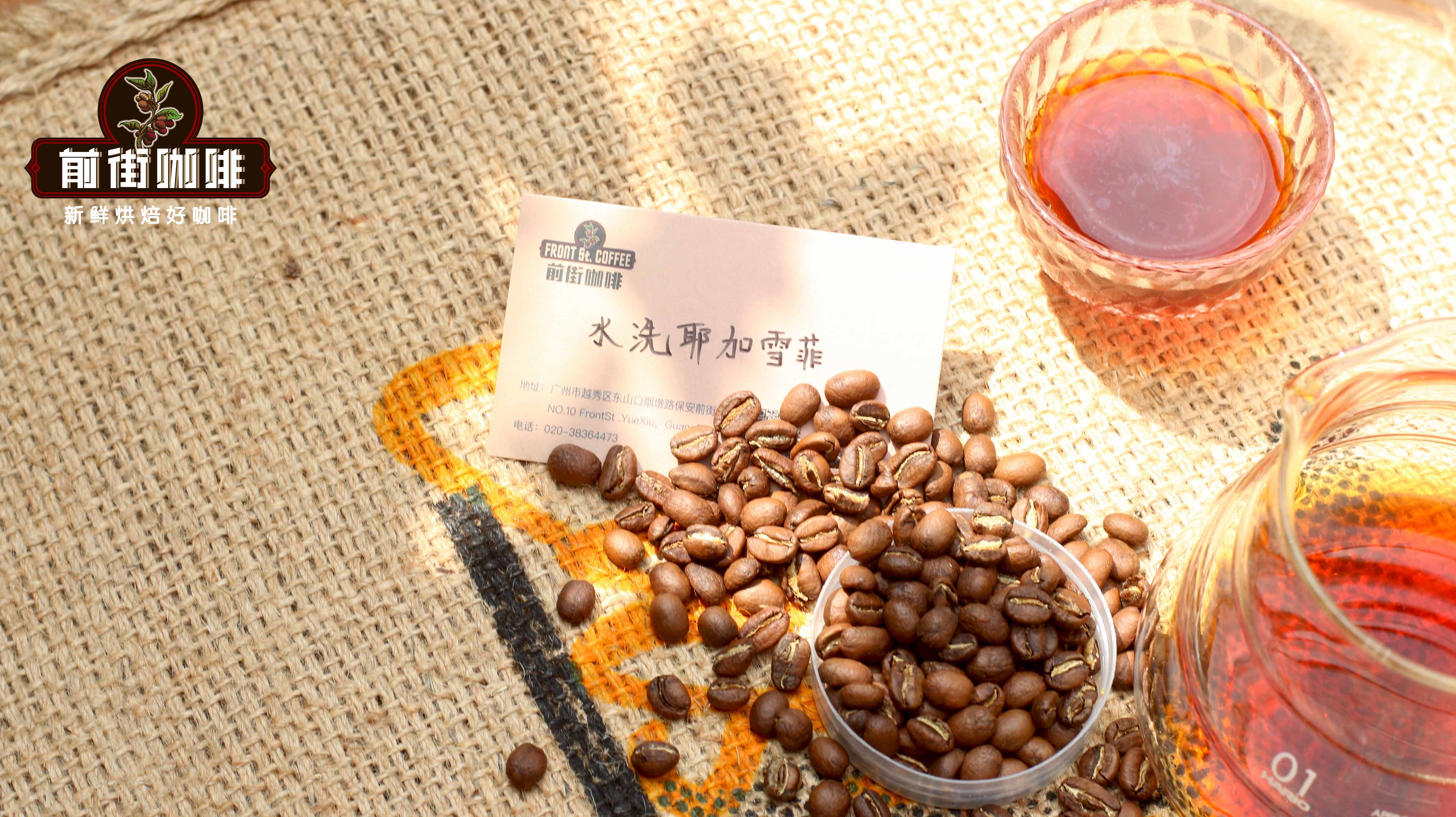
The extraction principle of pour-over coffee is remarkably similar to brewing Gongfu tea—different teas require matching water temperatures, vessels, and steeping times; enjoying an excellent cup of coffee is no different. Compared to machine brewing, using pour-over extraction methods allows for more precise control of water temperature and flow, thereby restoring the truest flavors of various coffee beans—the acidity of Yirgacheffe, the balance of Costa Rican coffee, and the smooth mouthfeel of Brazilian coffee, etc.—all of which can be adjusted according to personal preferences for coffee taste.
In the process of making coffee, learning to appreciate coffee makes one calm and focused. At the same time, coffee also makes it easy to entertain guests, naturally opening up conversations and expanding one's social circle—this is precisely why pour-over coffee has become increasingly popular in recent years.
Pour-over coffee is actually not complicated. If you are a beginner, just follow the steps below and you can brew a cup of coffee with your own unique flavor.
Step one: find the type of coffee bean you like. Among the many single-origin options, the most cost-effective are six everyday beans: Front Street Mandheling, Front Street Yirgacheffe, Front Street Costa Rica Tarrazu, Front Street Colombia Huila, Front Street Yunnan Small-Batch, and Front Street Brazil Cerrado. Each has its own distinctive flavor characteristics, allowing us to quickly understand regional flavors—for example, Front Street Yirgacheffe's floral and lemony acidity, Front Street Yunnan Small-Batch's balance, and Front Street Mandheling's rich spicy character are all very worth trying for beginners.
Prepare basic brewing equipment
There are actually many choices for pour-over coffee brewing equipment, but if you are a beginner, at the start you only need the simplest brewing equipment, and later add related equipment according to your preferences. Grinder: Get a good-quality "burr grinder." A higher price does not necessarily correlate with better grinding quality, but choosing a grinder with better grind uniformity gives you the chance to achieve even extraction and express the correct flavors of the coffee.
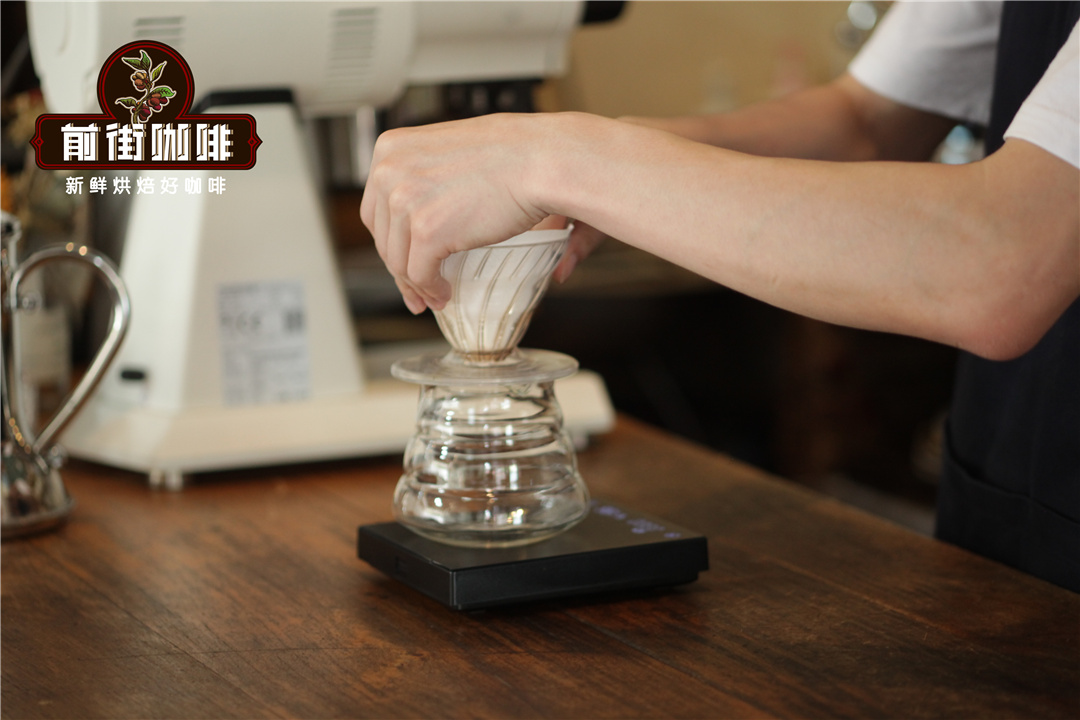
Digital scale: Just like roasting, to brew precisely and replicate coffee flavors, you need to master the correct extraction rate, and a digital scale is an essential tool. It is best to choose a digital scale with a sensitivity of 0.1 grams, helping you precisely control each brewing process.
Pour-over kettle: Beginners are advised to use a gooseneck kettle, which allows flexible control of water flow speed, the size of the pour, and even the way the coffee grounds tumble during brewing.
Dripper: Pour-over drippers come in various shapes, sizes, and numbers of drainage holes, and materials also differ. Every coffee enthusiast has different opinions on their favorite style. In short, as long as you can master the principles and techniques of pour-over coffee extraction, any style will work.
Filter material: The filtering material placed in the dripper can be divided into cloth, paper, and metal. Beginners are advised to use the most common paper filters. Besides the convenience of disposing them together with the coffee grounds after a single use, paper filters are also recognized as leaving the least sediment in the coffee while being able to filter out the coffee oils.
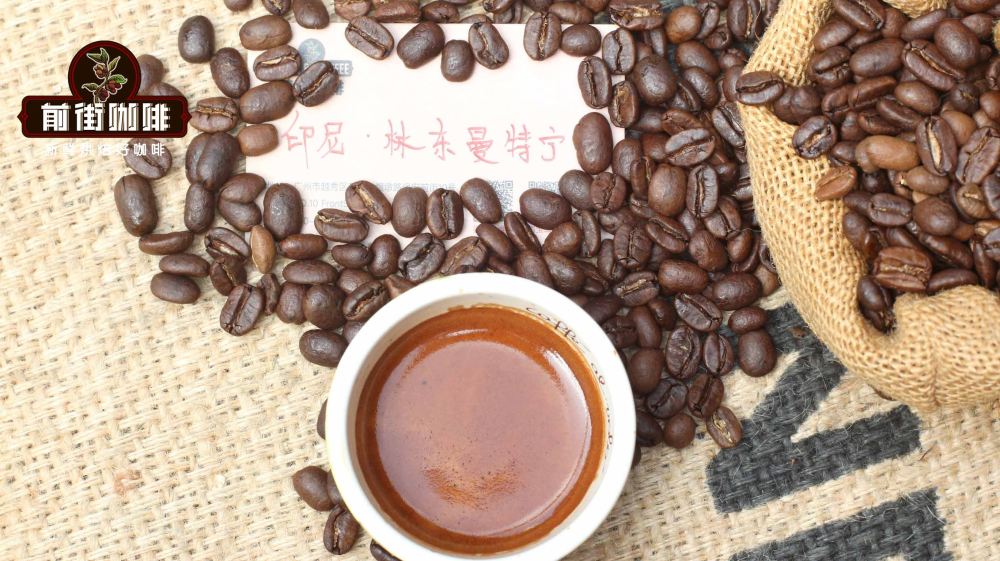
The influence of different pour-over coffee parameters on flavor
If you are a beginner, the water flow rate, water temperature, and timing control of pour-over coffee require a period of practice. During this process, you will learn to adjust the strength and, based on the roast level of different coffee beans, tune out the best flavor.
The following are references for variables that affect coffee flavor. Simply put, if you prefer a medium-bodied coffee taste—not particularly bitter, not particularly sour—then in principle choose beans that are mainly medium roast, grind at a medium setting, and use the generally accepted 1:15 ratio for the amount of coffee grounds, with the rest following the same logic. Then make corresponding adjustments and variations according to your personal preferred flavor. I believe that before long, you too can become a coffee expert with quite refined taste.
The above content is compiled by CoffeeHunters, a coffee news website.


