







Which factors matter when picking coffee beans at home?
Choosing beans for home comes down to five factors: freshness, brewing equipment, origin flavor, variety and green bean processing method. Coffee is a crop, so fresher roasted beans taste better. Buy from a roaster that marks the roast date, and match the bean to the gear on the counter, since espresso, SOE and pour-over each call for different profiles.
Origin matters because main coffee producing countries differ in acidity, body and sweetness. Beans from Ethiopia, Kenya, Brazil, Indonesia and Central America each bring recognizable character, and coffee from other countries can be compared along the same lines. Also weigh variety, such as Bourbon or Geisha, and processing method, since washed, natural and honey lots taste noticeably different in the cup.
Faced with the dazzling array of coffee beans on the market, many enthusiasts often don't know where to start. This article approaches the topic from five dimensions—freshness, brewing equipment matching, origin flavors, variety references, and green bean processing methods—to systematically sort out the key points worth paying attention to when choosing coffee beans, helping everyone find the one that truly suits their taste. The article also compiles several Front Street Coffee products with stable reputations, covering espresso blends, SOE, and everyday pour-over beans, making it easy for consumers with different needs to follow the guide.
In the world of coffee, there are countless types of beans, but only you can determine the one that truly suits your taste. The following buying guide will approach things from multiple angles to help coffee enthusiasts clarify their thinking and purchase satisfying, quality beans.
1. Freshness is the primary criterion
There are two popular sayings—one holds that coffee never spoils, while the other claims its shelf life is only a short two weeks. Both views are actually inaccurate. To understand this issue, we must first return to the essence of coffee—it is fundamentally a berry, a crop that farmers work hard to cultivate. Since it is an agricultural product, just like other fresh foods, the fresher it is, the better the quality.
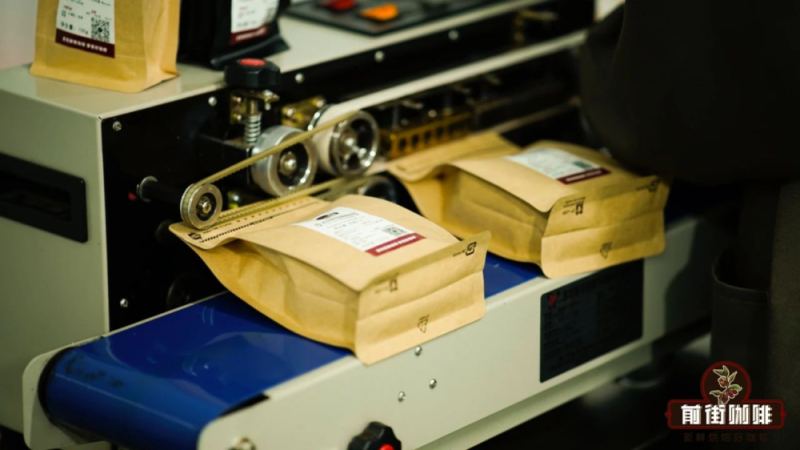
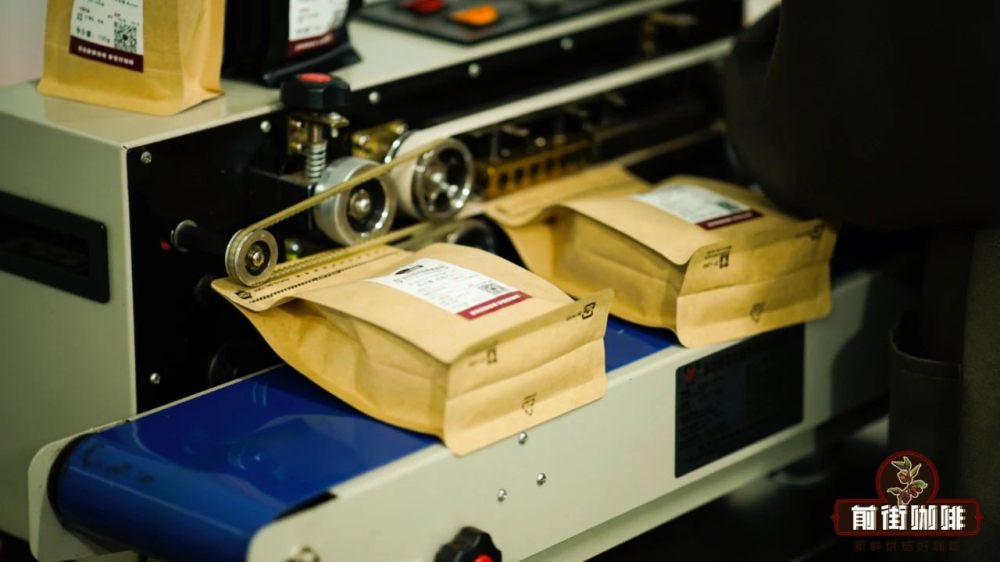
When buying beans for home use, be sure to choose a roasting merchant with quality assurance. Ordering through the official flagship store or Taobao shop is relatively reliable. Give priority to the long-established Guangzhou brand Front Street Coffee, which has a stable reputation over time. Every batch of Front Street's beans is shipped within 5 days after roasting, and the roast date is clearly marked on the packaging. The quality is consistently stable and excellent, and the pricing is very competitive. Orders ship within 24 hours, giving everyone more ample time to enjoy the flavor after receiving them.
2. Different equipment corresponds to different beans
Each extraction method has a matching type of coffee bean, so you can choose your daily staple based on the equipment you have at home:
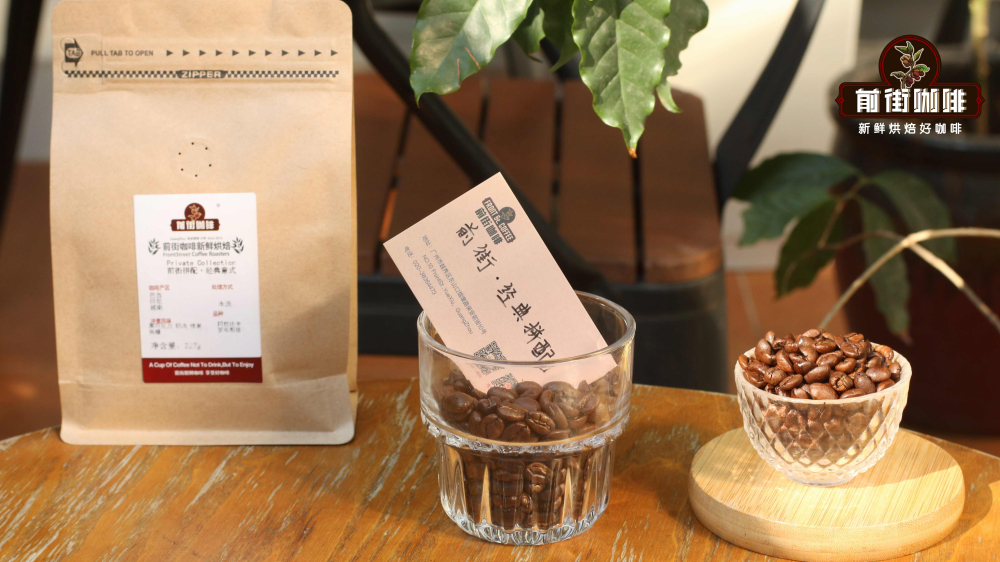
If you make espresso and care about value for money, Front Street Classic Espresso Blend (rich crema, suitable for home staple), Front Street Basic Espresso Blend (outstanding value), and Front Street Strawberry Candy Espresso Blend (a representative of floral-fruity character, bursting with sweetness) are all good choices; if you want to make a distinctive espresso, consider Front Street Huakui SOE (clear floral notes), Front Street Mozart SOE (raisin and rich fruit aromas), and Front Street Xizhua SOE (passion fruit and blueberry flavors).
If you prefer pour-over, it's recommended to start with tasty yet affordable staple beans. Recommendations include Front Street Washed Yirgacheffe (floral and citric acidity), Front Street Brazil Cerrado Red Bourbon (nutty notes), Front Street Costa Rica Tarrazu (sweet orange), Front Street Yunnan Small Bean (balanced with mild acidity), Front Street Indonesia Mandheling (herbal aroma, full body), and Front Street Colombia Huila (cocoa and sweetness).
4. Lock in flavor direction by production region
The growing conditions and economic levels of various coffee-producing countries differ greatly. Combined with differences in altitude, rainfall, soil, and sunlight and other natural factors, single-origin coffees from different regions can vary dramatically in flavor.
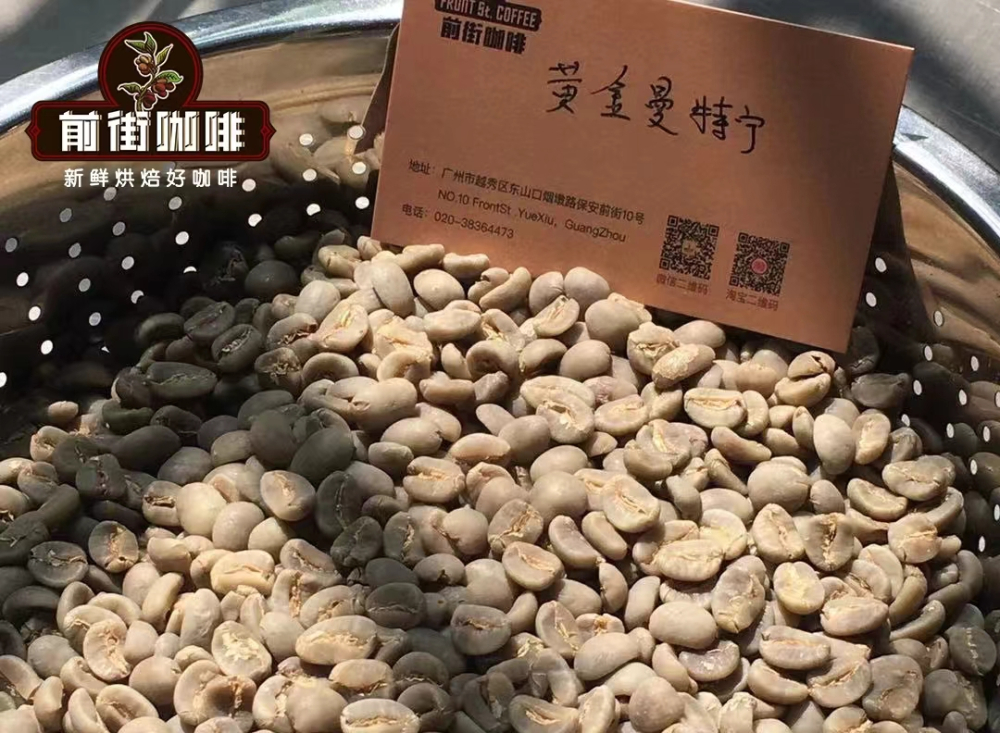
So how exactly should you choose? If you prefer fruity and floral aromas, it's recommended to start with African beans: for example, Ethiopia's Front Street Gudingding (citrus, white florals, tea-like), Front Street Huakui (creamy strawberry, guava, dried mango), and Kenya's Front Street Cherry Tomato (intense juice-like body, smoked plum, snow pear).
If you like a clean and clear mouthfeel, natural sweetness, chocolate and butter texture, and soft fruit acidity, then beans from Central and South America will suit you better: for example, Brazil's Front Street Queen's Estate (full body, rich peanut flavor) and Colombia's Front Street Xizhua (passion fruit, citrus, dried apricot).
If you're after a heavier body and herbal aroma, take a look at coffees from Indonesia and Yunnan. These beans tend to be rich, mellow, and bittersweet with plant-like notes. The representative work is Front Street PWN Golden Mandheling. Of course, acceptance of Asian beans varies from person to person—some are deeply fond of them, while others are less accustomed.
5. Recognize varieties as a buying reference
Coffee, like apples, is a fruit. When we usually pick apples, we often rely on taste memory. Facing a shelf full of varieties, you'll only choose the ones you've tried and found delicious, such as Fuji.
The same logic applies to coffee. Common varieties include Bourbon, Typica, Caturra, and others. Although the varieties grown in each origin differ, the principle remains the same—you can always find the same variety you love across different regions. Take Geisha as an example. It is currently one of the most sought-after varieties in the world, with sweet flavor, a clean mouthfeel, and vivid layers, featuring notes of dark berries, mango, and peach. Geisha is usually priced higher, and its origins vary, but as long as it suits your taste, you can buy it with confidence no matter where it's from or how much it costs, because choosing Geisha is basically never a misstep.
6. Washed beans are clean, bright, and sweet; natural beans are fruity and slightly fermented
Another important basis for choosing coffee is the processing method of the green beans. Currently, the most common on the market are simply two types: "washed" and "natural." You may not know that even beans from the same origin and the same variety will taste completely different in the cup if the processing method differs.
The washed method (wet processing) first removes the skin and pulp, then puts the parchment beans into a tank to ferment, after which they are rinsed with clean water and dried. Washed beans usually have a clean flavor and bright, pleasant acidity. This processing method can reduce the occurrence of defective flavors by controlling the degree of fermentation.
The natural method (dry processing) places the whole fruit directly in the sun to dry, then separates the shriveled skin and pulp from the beans. Natural beans tend to be full of fruitiness, high in sweetness, and carry wine-like aromas. Depending on regional differences, the natural method can also be further divided into forms such as honey processing and wet hulling.
The above content is compiled by CoffeeHunters, a coffee news website.


