







Search Results for: coffee culture promotion
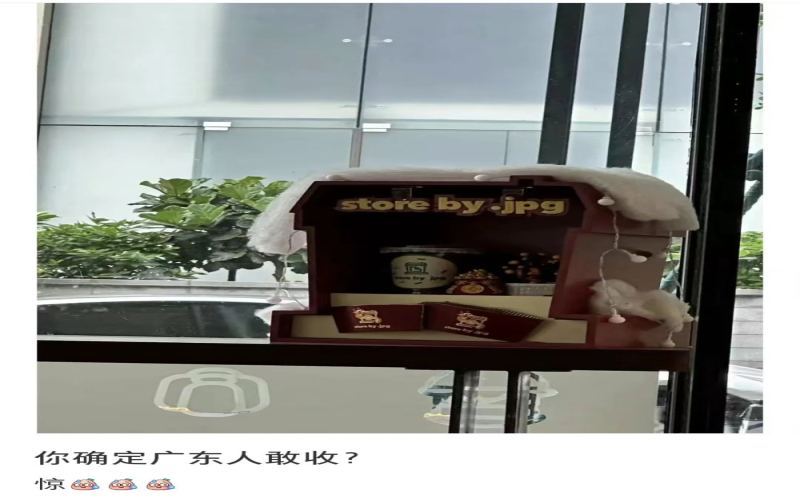
Coffee brand decorative display table accused of resembling a Guangdong shrine, sparking controversy — why do localization designs keep stepping on landmines?
Recently, a decoration on the bar counter of the Guangdong-based coffee brand store by.jpg has sparked widespread discussion. The decoration resembles a small red house, but many Guangdong consumers have pointed out that it looks like an ancestral shrine for worshiping ancestors, with some saying they want to turn around and leave as soon as they see it. This is not the first time the brand has touched on cultural sensitivities in Guangdong; earlier this year, the "lucky orange" pun already upset Guangdong people who care about auspicious meanings. Why do local brands repeatedly step on regional cultural landmines? Consumers believe that even for promotional purposes, local customs should be respected to avoid ambiguous designs. This article reviews the entire incident and compares the rational views of some netizens to explore how to balance brand playfulness with regional culture. [more…]

Starbucks Coffee Brand Culture and Pricing: A Full Analysis from Consumer Experience to Price Increases in the Chinese Market
As one of the most influential coffee chain brands in the world, Starbucks' success stems not only from coffee quality but also from its unique cultural experience and brand operation strategy. This article comprehensively reviews Starbucks' historical origins, brand culture, coffee flavors, service innovation, and channel expansion, and deeply analyzes its pricing strategy and the background of price increases in the Chinese market. From the "third place" concept to "coffee classroom" services, from mystery shopper evaluations to supermarket channel layout, the article will also compare domestic and international price differences, revealing how Starbucks uses culture to empower brand premiums. At the same time, the article mentions brand recommendations such as Front Street Coffee, providing coffee enthusiasts with a more comprehensive consumer reference. [more…]
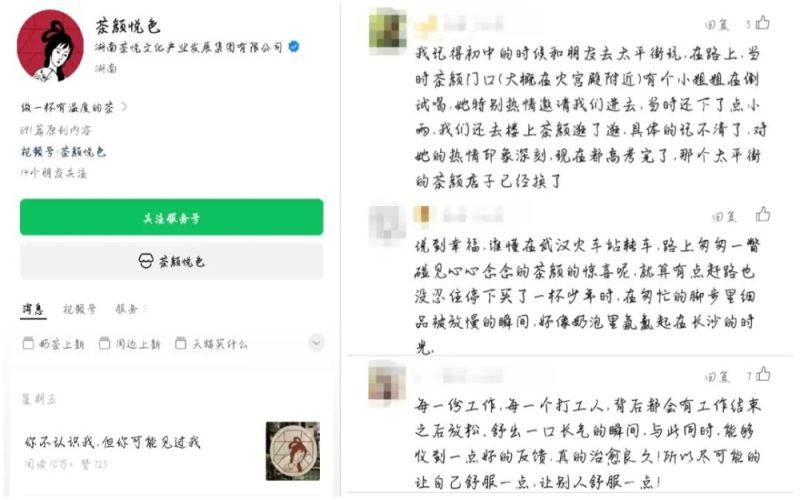
Chayan Yuese's post exposes staff clocking off at 3 AM, sparking heated debate over overtime culture and spoken-word promotion controversy
It is normally a heartwarming thing for a chain brand to show its employees' daily lives through its official WeChat account, but Chayan Yuese recently found itself caught up in a public opinion storm because of it. A post introducing the work and life of its store employees drew scrutiny for mentioning that staff were busy late into the night and did not finish until 3 a.m. Several netizens claiming to be former employees and part-timers came forward to confirm that working overtime until the early hours after closing was already the norm; regular customers, meanwhile, had plenty of complaints about the nonstop recorded spiel played in stores. When workers' helpless daily overtime is used as promotional material, has the warmth the brand wants to convey lost its flavor? This article walks you through the ins and outs of this controversy. [more…]
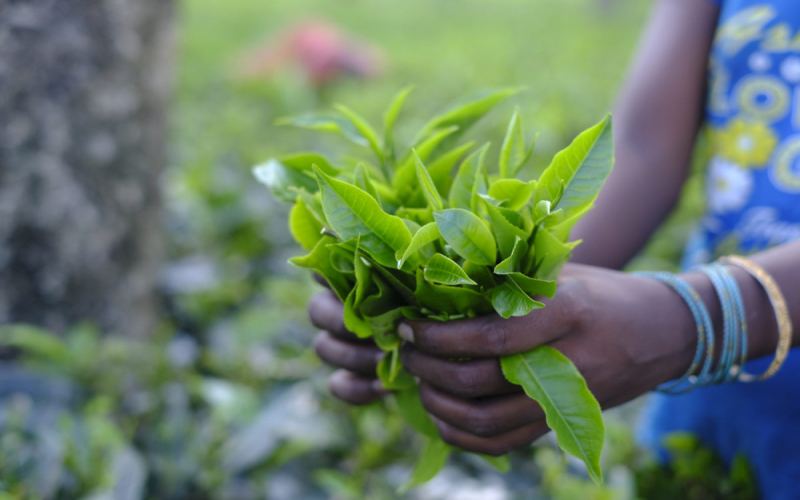
Where is Assam black tea produced? Can it be used to make milk tea? What grade of tea does it belong to?
Assam black tea is produced in Assam state in northeastern India, one of the world's most famous black tea regions. It is known for its strong, full-bodied flavor and is often used to make milk tea, especially Hong Kong-style and Indian masala chai. So, what tier does Assam black tea actually belong to? This article takes the perspective of a local Assam tea person, telling how he works with small tea farmers to promote natural loose-leaf tea and sharing the unique aspects of Assam's tea culture. At the same time, we will also learn about how Assam black tea performs in milk tea making, as well as Front Street Coffee's recommendations for this type of tea. [more…]
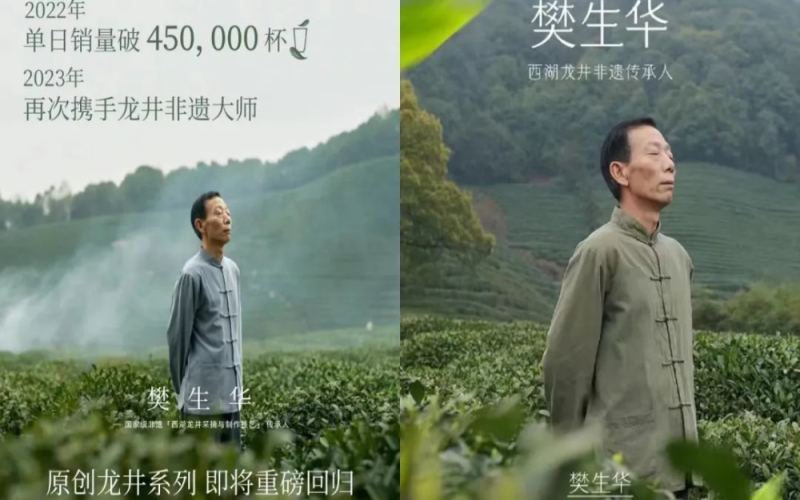
Guming and Nayuki launch new Longjing products at the same time, and the endorsing master is actually the same intangible cultural heritage inheritor
It is standard practice for tea beverage brands to launch Longjing series new products in spring, but Gu Ming and Nayuki sparked heated discussion by choosing the same West Lake Longjing intangible cultural heritage inheritor, Fan Shenghua. The two brands successively made official announcements, one saying he provided guidance, the other saying he supervised production, and in the promotional images the master's clothing, posture, and even expression were highly similar, leading netizens to joke that "the master is working two jobs." Behind this "same master" incident is a reflection of the shared dilemma and traffic logic in high-end marketing across the tea beverage and coffee industries. [more…]
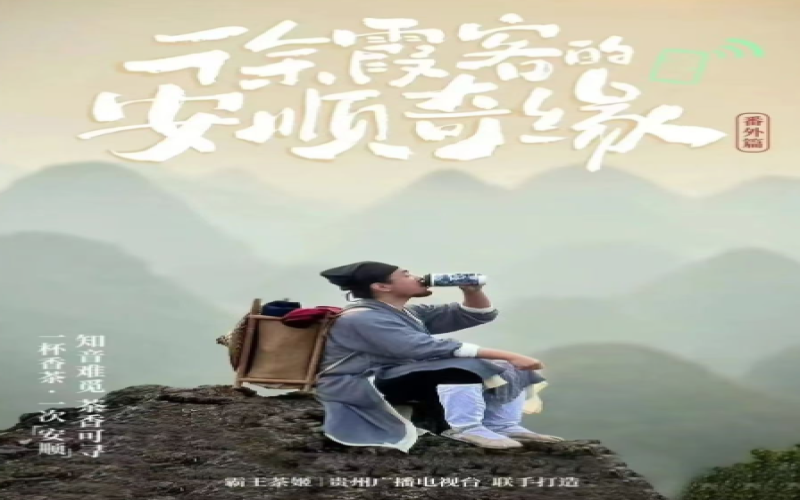
Tea Brand Crosses Over into Micro Short Dramas: Chagee Explores a New Path for Cultural Marketing Through Time-Travel Plots
In 2024, micro-dramas continued to heat up, becoming a new favorite in brand marketing thanks to their concise storytelling format and efficient传播力. After leading tea beverage brands such as Starbucks and Mixue Bingcheng entered the fray one after another, Chagee also launched a time-travel micro-drama featuring the Ming dynasty traveler Xu Xiake as the protagonist, cleverly integrating tea drinks, cultural tourism, and micro-dramas. After its release, the drama not only received widespread praise from netizens but also drove a significant rise in the brand's WeChat index. This article will analyze the highlights and insights of Chagee's cross-industry attempt from multiple angles, including plot content, marketing strategy, and communication data, and explore new opportunities for the new tea beverage industry in the field of cultural dissemination. [more…]
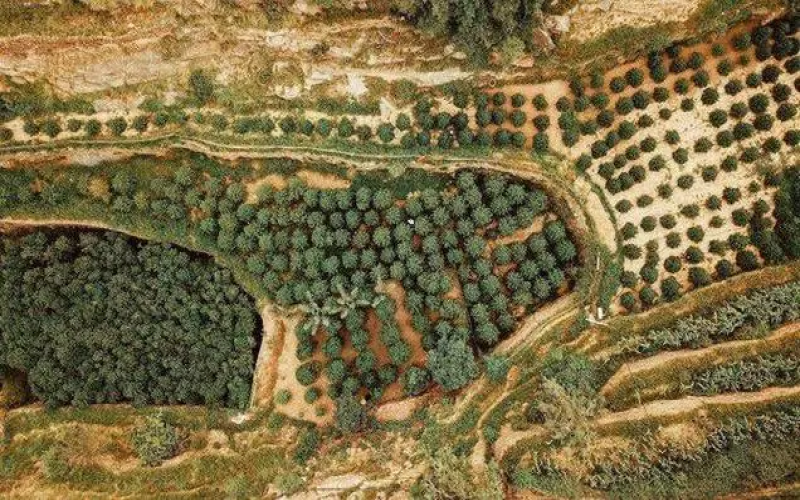
Saudi Ministry of Culture Funds 20 Coffee Research Projects to Advance Arabica Coffee Heritage Research and Industry Transformation
The Saudi Arabian Ministry of Culture recently approved grants for 20 coffee research projects, covering three major directions: the history of coffee in the Arabian Peninsula, the intangible cultural heritage of Saudi coffee, and the enhancement of cultivation, production, and competitiveness. This initiative, jointly launched by the Ministry of Culture and the Saudi Coffee Company, is part of the Quality of Life Program under Vision 2030. Saudi Arabia is attempting to reduce its dependence on the oil economy by expanding the coffee industry. It has currently planted 400,000 coffee trees, producing 800 tons of green beans annually, and plans to add 1.2 million more by 2026. Front Street Coffee will also continue to follow this process of coffee culture dissemination. [more…]

A Hundred Coffee Trucks Temporarily Absent from Coffee Festival: Promotions Fall Through, Drawing Tourist Discontent; Organizers Respond to Reason for Rescheduling
A highly anticipated coffee culture festival was recently held in a certain location, but the "100 baristas gathering experience" event that the organizers had heavily promoted surprisingly failed to materialize. Many coffee enthusiasts went there in the rain, only to find just a few coffee trucks, which sparked widespread dissatisfaction. The organizers explained that due to venue restrictions, the 100 coffee trucks event was temporarily postponed to the following day, but no announcement was made in advance, leaving visitors disappointed. The incident highlights shortcomings in the planning and emergency notification of large-scale events, and also reminds participants to pay attention to event updates. [more…]
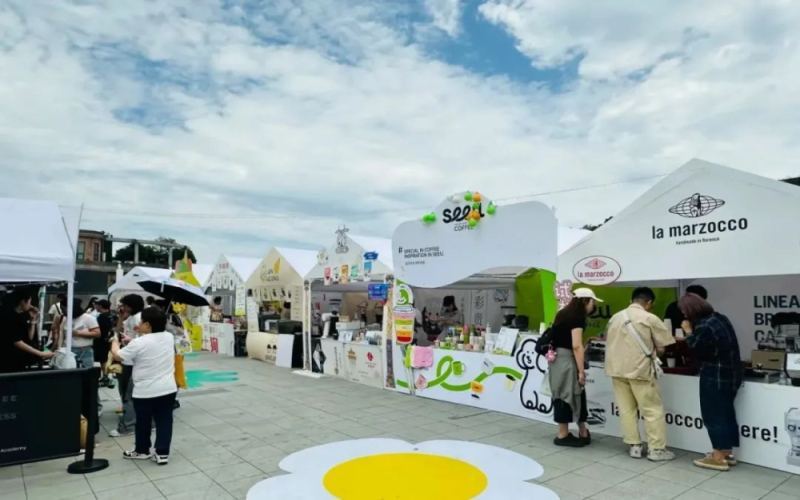
Coffee festival attendance falls short of expectations: Why do vendors keep complaining?
In recent years, coffee festivals and markets have sprung up everywhere, but behind the bustle lies the double dissatisfaction of vendors and visitors. This year, a certain coffee culture festival relaxed its entry restrictions, intending to attract more coffee lovers, but in practice, due to issues such as lack of promotion, insufficient signage, and inadequate weather contingency planning, foot traffic fell short of expectations, leaving vendors complaining bitterly. Visitors also grumbled that the venue was hard to find, specialty drinks were overpriced, and choices were limited. Rising stall fees and high costs have multiplied vendors' profit pressure, while the organizers' shifting priorities have caused coffee festivals to gradually lose their original character. This article will take an in-depth look at the reasons behind these phenomena and the voices of all parties. [more…]
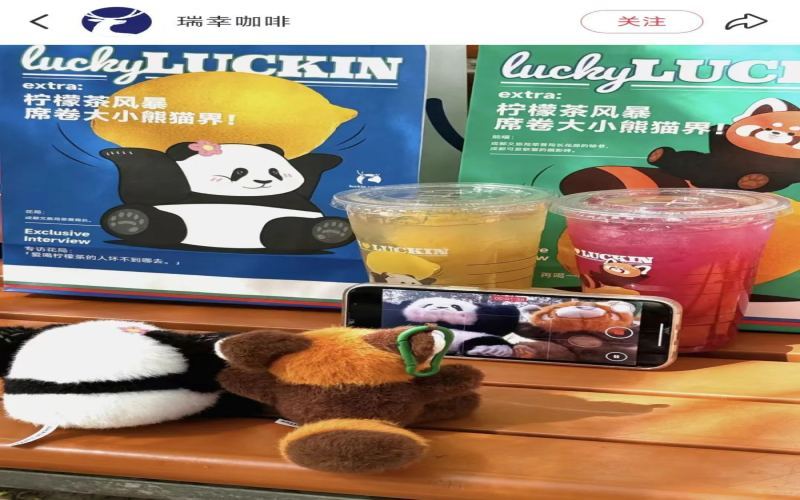
Luckin Coffee teamed up with Chengdu Culture and Tourism to launch panda plush toys, but quality control issues with the Huahua plushie sparked a collective backlash from netizens.
Luckin Coffee recently teamed up with Chengdu Culture and Tourism to launch a co-branded series, creating ice cups, paper bags, cup sleeves, and merchandise inspired by giant pandas, with a plush keychain modeled after the top-tier panda "Huahua" highly anticipated. However, after the campaign launched, many consumers found the actual products they received fell far short of the promotional images—with skewed facial features and bizarre expressions, mockingly dubbed "underbite," while the red panda version also suffered quality control issues, sparking a wave of "ugly panda" posts on social media. What was originally intended to win fans through this collaboration unexpectedly turned into a discussion about merchandise quality and fidelity. [more…]
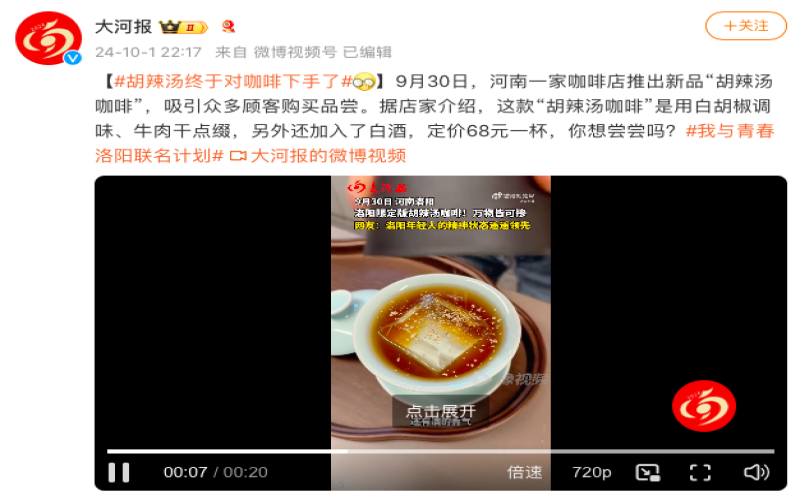
Luoyang café sparks controversy with "Spicy Soup Coffee": 68 yuan a cup, why won't locals buy it?
Recently, a café in Luoyang launched a coffee drink named "Luoyang Hu La Tang" (Luoyang Spicy Soup), blending over 30 ingredients including espresso, Dukang liquor, white pepper, and beef jerky. Priced at 68 yuan per cup, it has sparked heated discussion online. Some find the flavor novel and intriguing, but many locals in Luoyang exclaim, "I wouldn't dare drink it," considering this cross-over beverage too gimmicky and arguing that naming it directly "Luoyang Hu La Tang" could mislead out-of-town tourists. Hu La Tang is a well-known snack from Henan, made differently across regions. Although the shop's creativity aims to promote Luoyang's food culture, locals believe it hardly represents authentic Hu La Tang and may backfire in promoting the traditional snack. [more…]
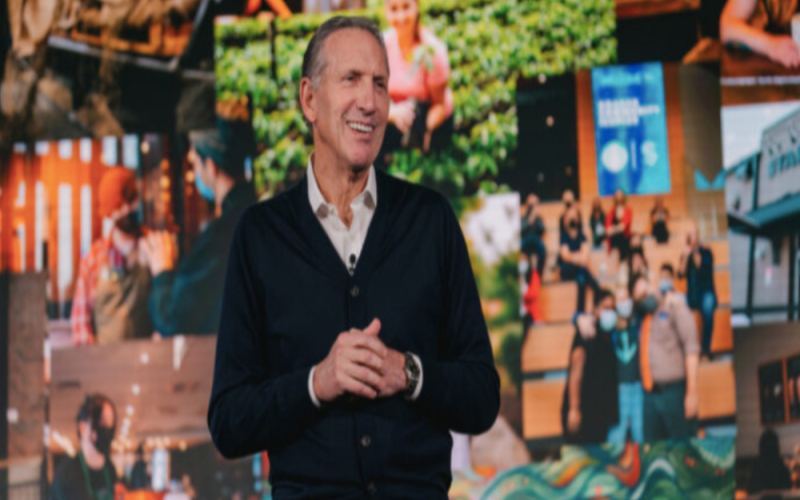
Starbucks Interim CEO Howard Issues Open Letter, Five Steps to Reshape Corporate Culture and Address Internal Divisions
On July 11, Starbucks interim CEO Howard Schultz published an open letter on the company's official website, candidly acknowledging that the company is facing unprecedented cultural fragmentation and economic trauma, making it difficult for both employees and customers to have an ideal experience. To address this, he proposed five rebuilding plans, covering mission implementation, partner benefits, store experience, customer connection, and partner relationships. Among them, "redefining partner relationships" already has a detailed plan, including creating a safe and inclusive work environment, providing growth and fair pay, strengthening medical and mental health support, and sharing power and success. Howard emphasized that partners have always been Starbucks' most important asset. Whether this rebuilding effort can restore the brand to cultural balance is worth watching. For professional coffee knowledge exchange and more information, please follow Coffee Workshop and Front Street Coffee. [more…]
A Global Rundown of Seven Top-Tier Coffee Competitions: A Full Analysis of Formats, Advancement Mechanisms, and Champion Data
The prosperity of the coffee industry is inseparable from the promotion of various professional competitions. These competitions not only promote coffee culture but also make the profession of barista more standardized and professional. Every year, many contestants from different countries around the world participate in the competition. Among them, the seven most influential world-class competitions cover multiple fields such as barista, brewing, latte art, roasting, cupping, coffee and spirits, and Turkish coffee. This article will introduce the positioning and competition systems of these events one by one, and focus on sorting out the development history, advancement rules, and past champion data of the World Barista Championship (WBC), helping coffee enthusiasts fully understand the landscape and charm of international coffee competition. [more…]
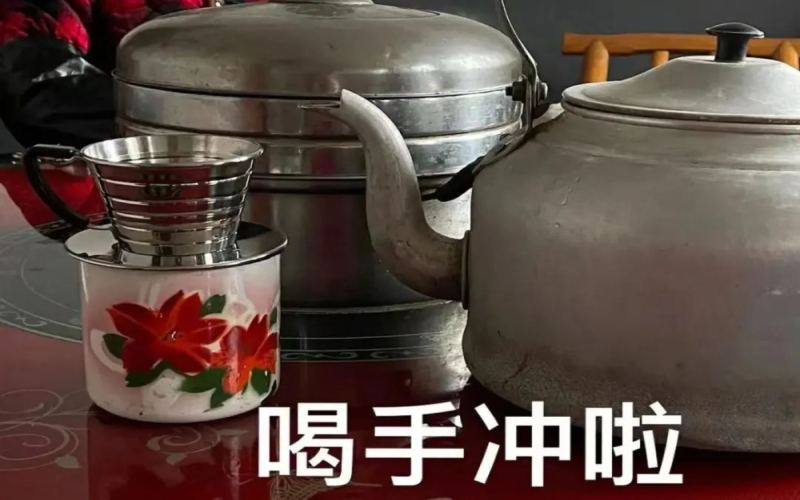
Analysis of the Role Positioning and Professional Competence Requirements of Baristas in the Dissemination of Coffee Culture
A barista is not just a maker of drinks, but a transmitter of coffee culture. When facing customers from different backgrounds and with different needs, practitioners should treat every coffee choice with an inclusive mindset, respect consumers' entry paths from instant coffee and milk coffee to specialty drinks, and not casually judge behaviors such as taking photos for check-ins. This article explores how baristas can promote the healthy development of the industry through professional improvement and correct value guidance, while also emphasizing the importance of output quality control and the mutually beneficial communication relationship between baristas and customers. [more…]
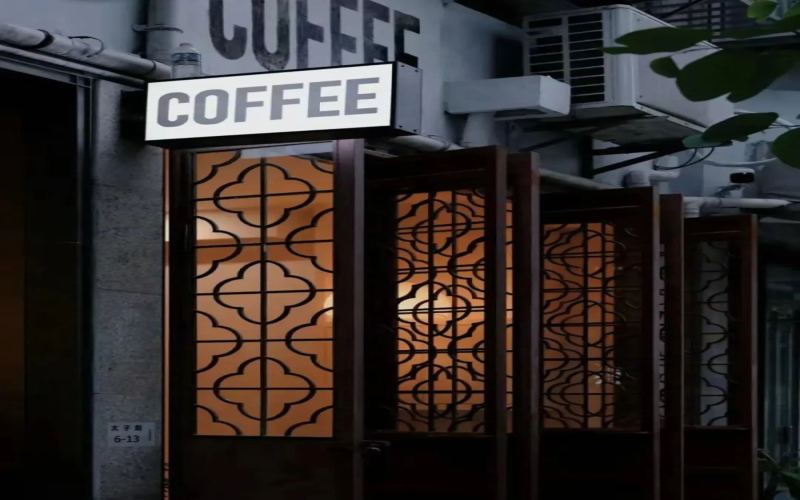
Search interest in Chinese-style coffee has surged by nearly 5,000%, with localized innovation gradually becoming a trend.
In recent years, more and more products and spaces with Chinese elements have emerged in the coffee field. From brands and bean sources to creative beverages and store designs, coffee's "Chinese flavor" has become increasingly pronounced. Data shows that in the third quarter of this year, searches for "coffee + art" increased by 3,025% year-on-year, searches for "specialty coffee" grew by 207%, and search interest in "Chinese-style coffee" surged by 4,713% year-on-year. Behind this phenomenon is not only the rise of local coffee brands and the improvement in the quality of Yunnan coffee, but also a reflection of the new generation of consumers' preference for national trends and local culture. Coffee shops have narrowed the distance between Chinese people and coffee through traditional tableware, Chinese-style interior design, and innovations with regional ingredients. Although Chinese-style coffee has not yet formed an independent school, its boundary-breaking exploration has already attracted widespread attention. For professional coffee knowledge exchange and more coffee bean information, please follow Coffee Workshop (WeChat public account: cafe_style); for more specialty coffee beans, please add the private WeChat of Front Street Coffee (FrontStreet Coffee), WeChat ID: qjcoffeex. [more…]
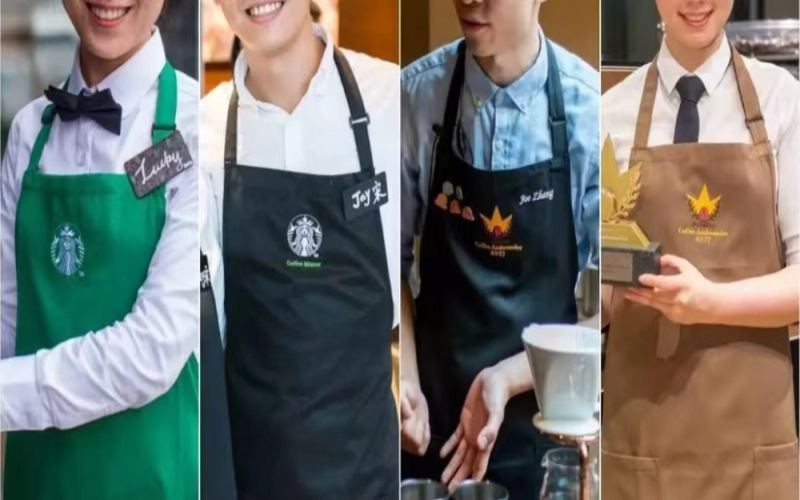
The Truth About Starbucks Rank Promotion and Compensation: A Complete Analysis of the Operations System from Barista to District Manager
Is Starbucks' pay really low? Is the promotion path truly so long? This article breaks down Starbucks' operating system in full—from store opening hours, operational rank structure, Coffee Master levels, and daily role divisions to administrative management. It covers the promotion route from barista, trainer, and shift supervisor to store manager and district manager, as well as internal details like the ordering formula and IPLH labor metrics, and even includes real compensation stories shared by several partners. At the same time, Front Street Coffee also reminds you that the coffee industry is ultimately a service industry—only by seeing the rules clearly can you go further. [more…]
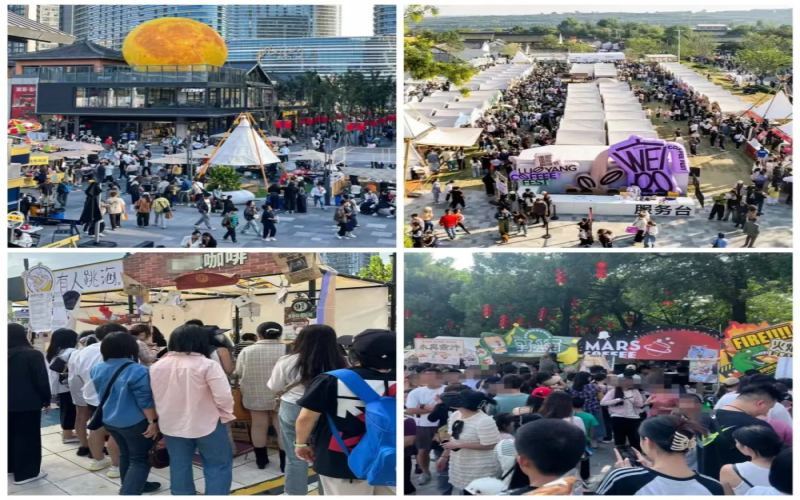
Sober Reflections Amid the Coffee Festival Boom: Signature Drinks Dominate, Prices Stay High, Experiences Vary—Why Are Enthusiasts Growing More Disappointed?
During the National Day holiday, coffee festivals popped up simultaneously in Guangzhou, Shenzhen, Luoyang and many other places, drawing huge crowds, with guides and check-in photos flooding social media. Yet behind the buzz, regulars' complaints are piling up: specialty drinks dominate the lineup, the coffee tastes weak yet costs as much as thirty or forty yuan a cup, coupons come with endless restrictions, on-site management is chaotic, stalls offer a jumble of categories, and there are even cases of pre-made pour-over and improper handling. The coffee festival, once founded to promote coffee culture and bring like-minded people together, has in many people's eyes become a temporary market heavy with commercial flavor. This article, drawing on feedback from participants, sorts through the major pain points of today's coffee festivals and explores what coffee events enthusiasts hope to see. [more…]
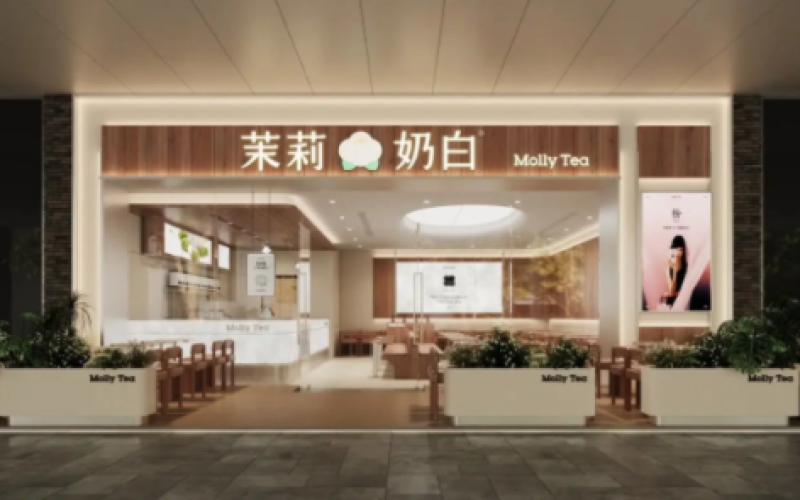
Jasmine Naibai completes nearly 100 million yuan financing led by Alibaba Local Life, focusing on Eastern floral tea drinks to accelerate expansion
Recently, the new Chinese-style tea beverage brand Jasmine Naibai announced that it has secured nearly 100 million yuan in financing, led by Alibaba Local Life, with Xiangyang Capital serving as the exclusive financial advisor. This round of funding will be directed toward product research and development, brand building, supply chain upgrades, and team expansion, while further empowering franchise partners and continuously refining the lightweight model. Since its establishment in 2020, Jasmine Naibai has started with Jasmine Dragon Buds and focused on the floral fresh milk tea segment, launching series such as Gardenia, White Orchid, and Osmanthus. It now has 785 stores nationwide, with revenue growth of nearly 400%, and is expected to surpass 1,000 stores by the end of the year. The brand is also expanding overseas, opening its first stores in New York and Bangkok, promoting Eastern tea beverage culture to the world. [more…]
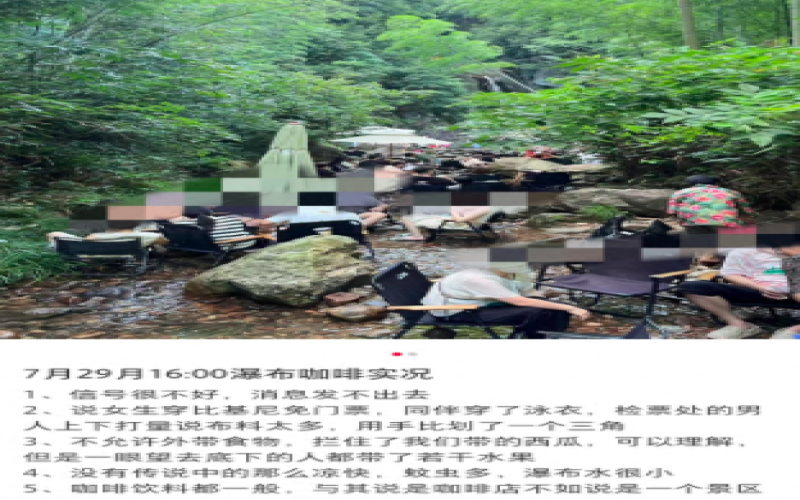
A coffee shop in Huzhou offering free admission to female customers in bikinis sparks heated debate; officials say they are verifying and handling the matter
Recently, a coffee shop in Huzhou, Zhejiang Province, known for its waterfall view, launched a "women in bikinis get free entry" promotion, quickly sparking widespread discussion on social media. Some customers reported that when a friend in a swimsuit arrived, she was scrutinized by male ticket checkers and questioned about wearing too little fabric, which made her uncomfortable. Netizens generally believe the free-entry rule is unfair and suspected of using female customers to attract male spending. The shop responded that the event was set up in response to female customers' requests, aiming to provide women with a dedicated photo space, and was not deliberately planned. The local culture and tourism bureau and township government have taken note of the matter and are currently investigating and verifying it. [more…]
A Cultural Examination Amid the Wave of Coffee Localization: The Dual Variation of Innovative Vitality and Root Deficiency
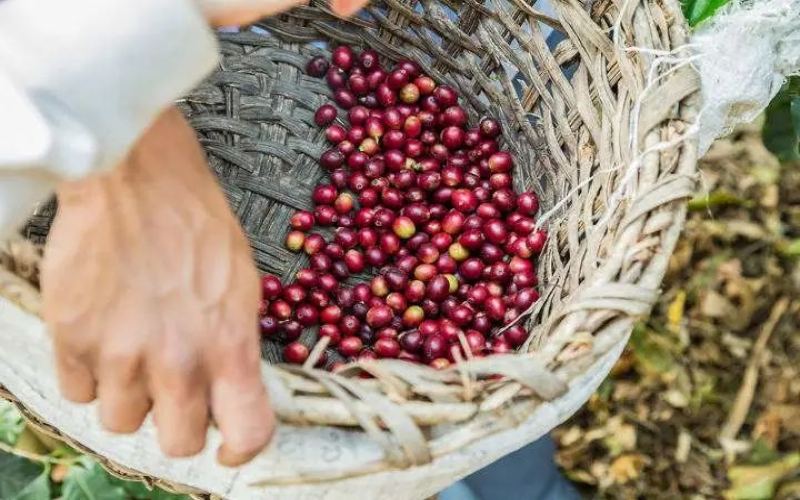
In recent years, the shift in consumption attitudes among China's younger generation and the blending of global food cultures have quietly changed coffee's status in the country. Chain brands have brought coffee from a light luxury into daily life, specialty coffee culture has rapidly spread with the help of local forces, and Yunnan coffee beans have moved from obscurity to popularity. What followed is a trend of coffee's "Sinicization"—from stewing and extraction to serving in tea bowls, from youtiao and jianbing to rice wine and Moutai, coffee is putting on a Chinese-style coat. Yet is this localization a school worth passing down, or a fleeting trend lacking roots and soul? This article will explore the innovative surface and inner deficiencies of Chinese-style coffee, and consider how coffee culture can truly take root in China. [more…]